Logical Reasoning Reading Worksheets for Ages 4-9
19 filtered results
-
From - To
Our Logical Reasoning Reading Worksheets are designed for children ages 4-9 to enhance critical thinking through engaging reading activities. These worksheets develop essential skills like pattern recognition, cause and effect, and problem-solving while boosting reading comprehension. Designed by educators, each activity is fun and educational, providing young learners with the tools they need to think logically and understand complex concepts. Perfect for use at home or in the classroom, these printable resources are a great way to make learning enjoyable and impactful. Help your child build strong logical reasoning skills today with our expertly crafted worksheets!
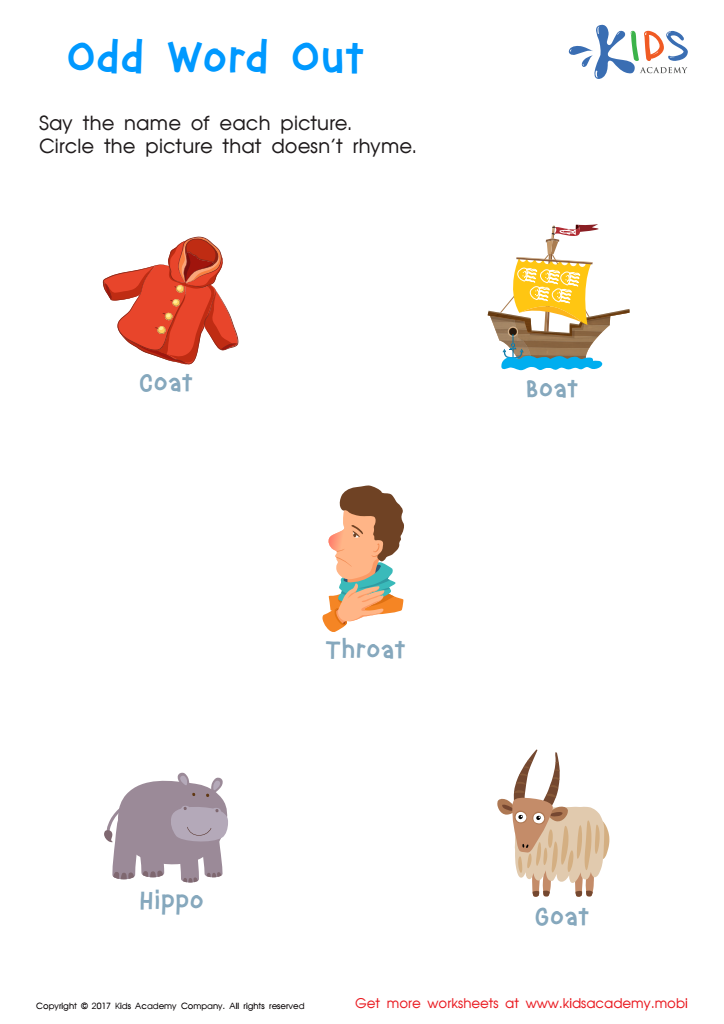
Odd Word Out Rhyming Worksheet
 Assign to My Students
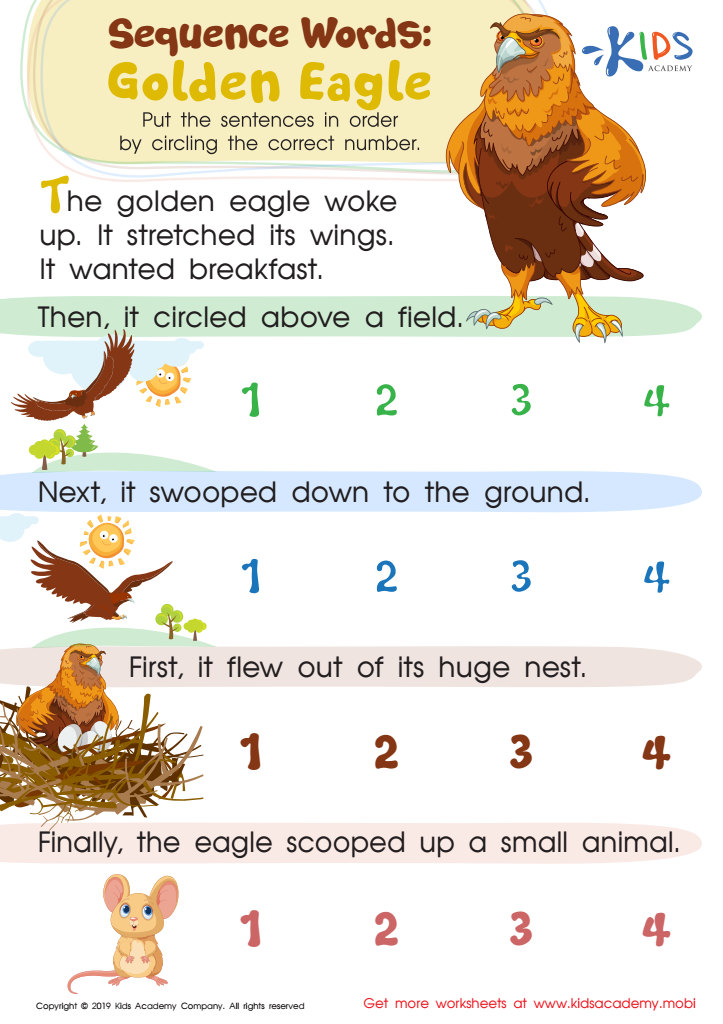
Sequence Word Eagle Worksheet
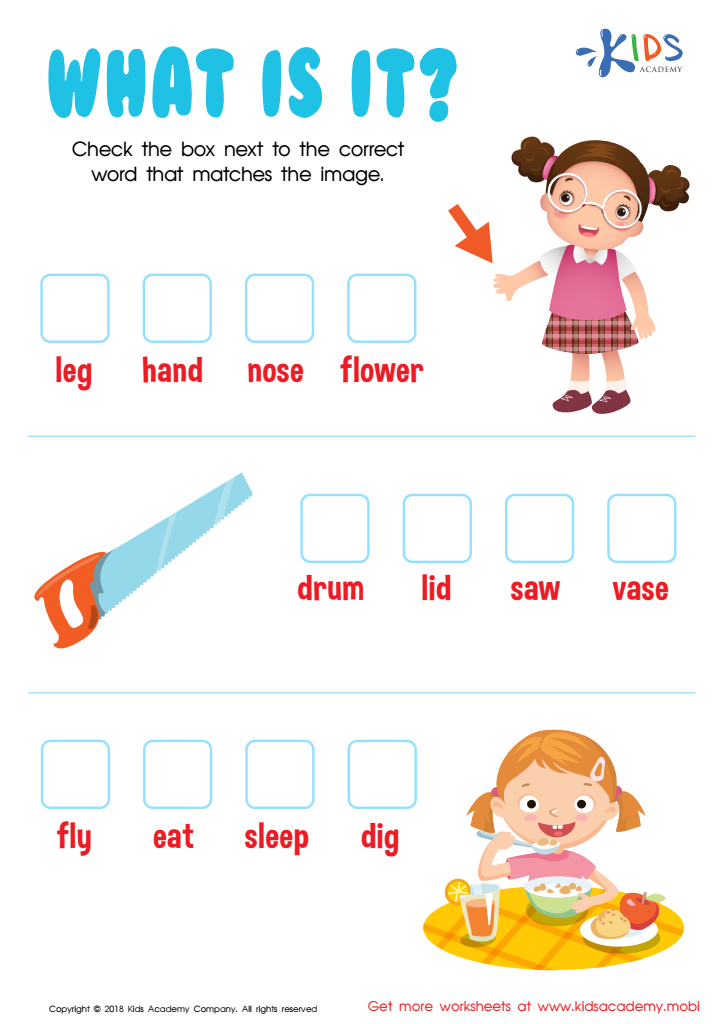
What Is It? Worksheet
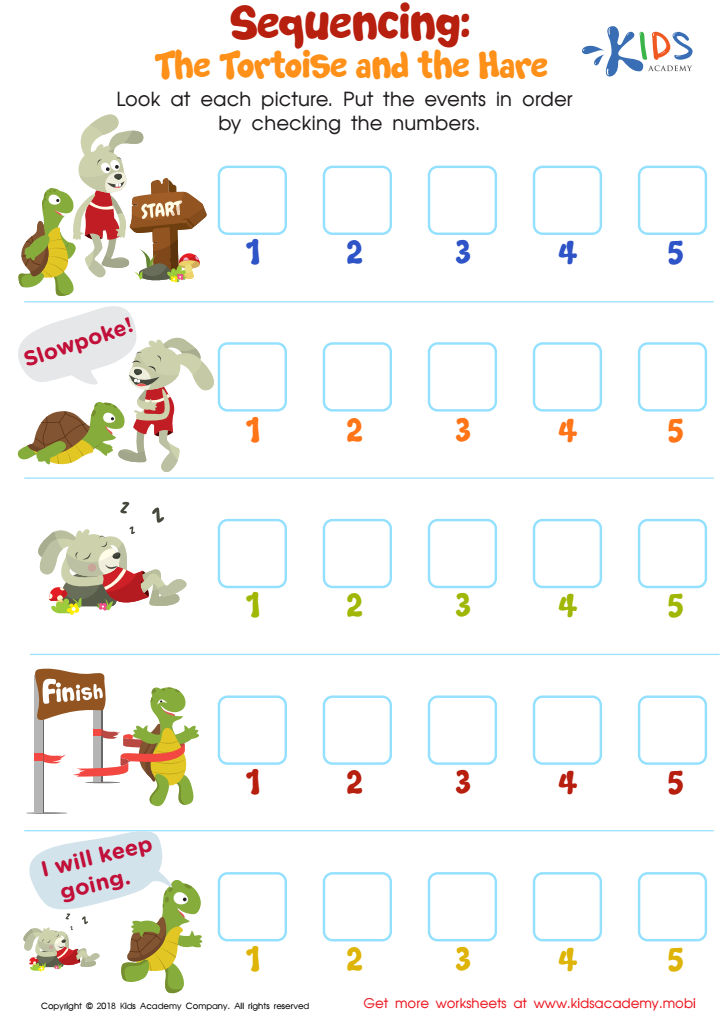
Sequencing: The Tortoise and the Hare Worksheet
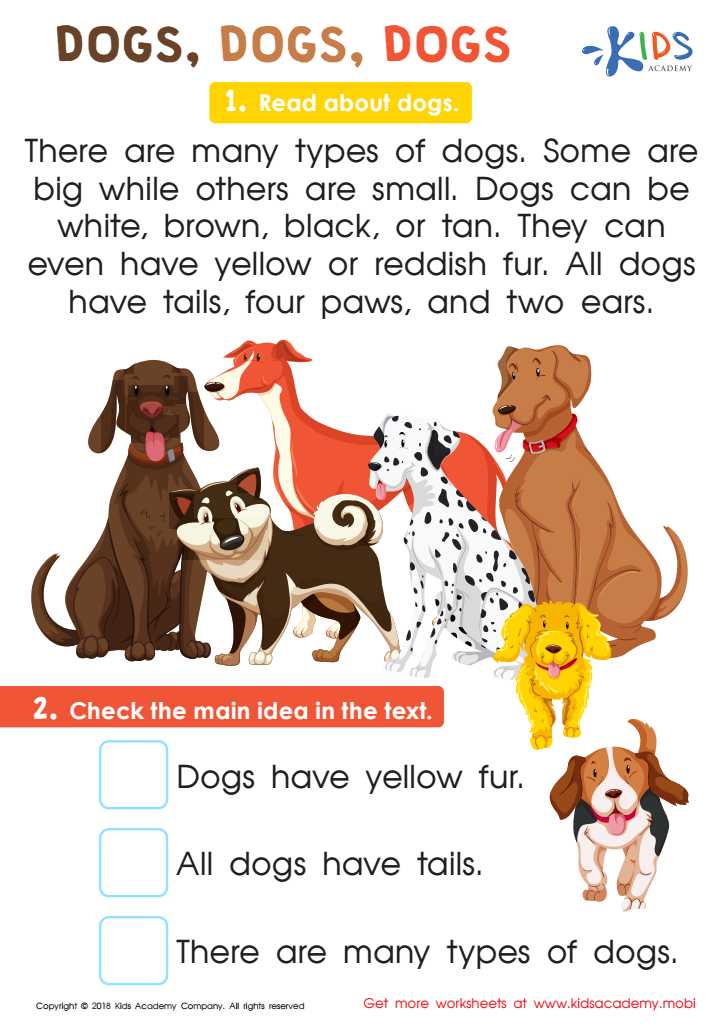
Dogs, Dogs Worksheet
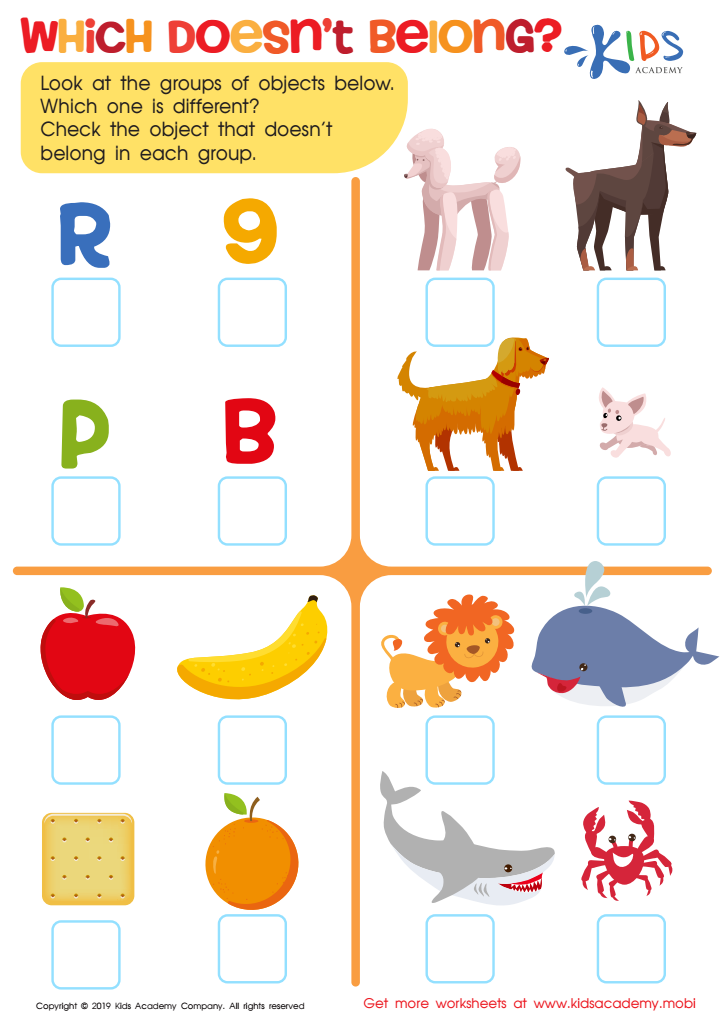
Which Doesn't Belong? Worksheet
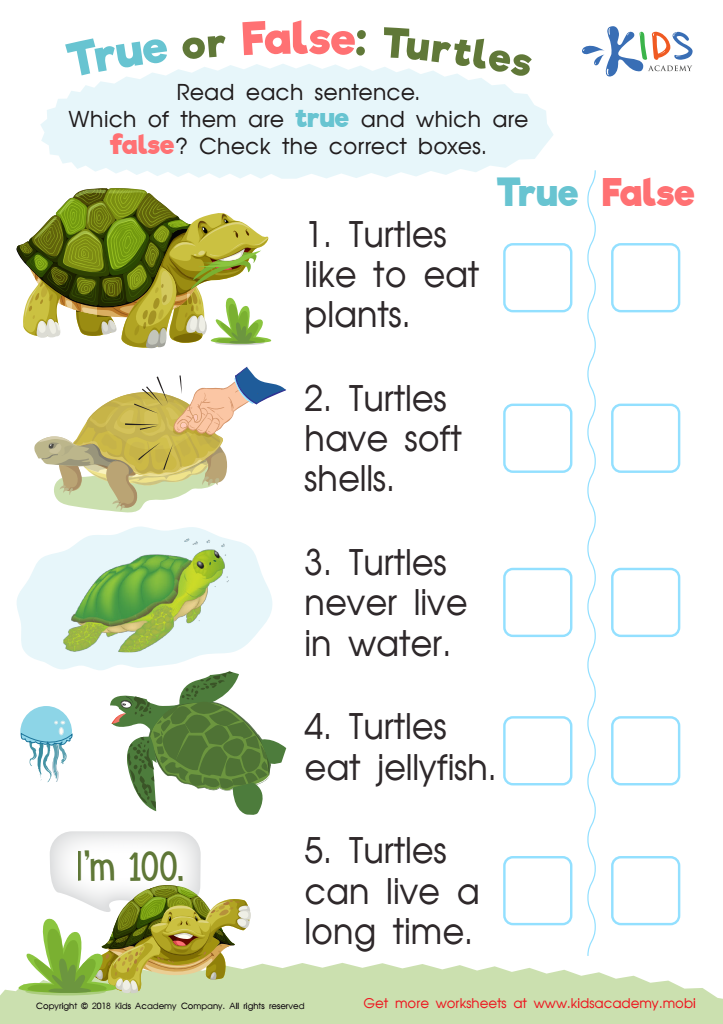
True or False: Turtles Worksheet
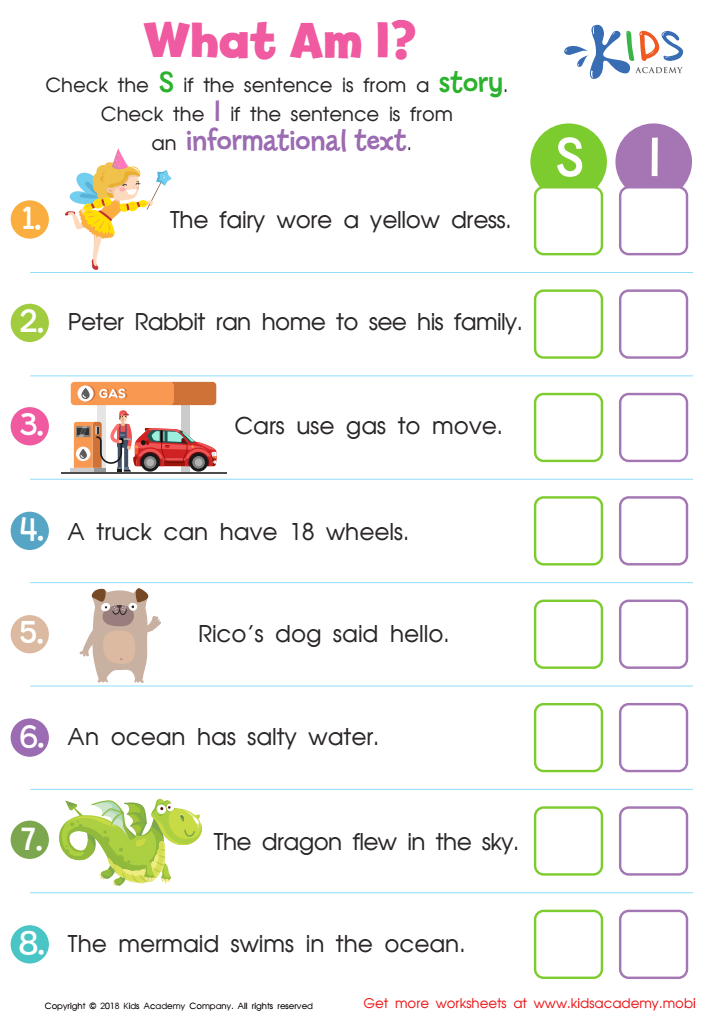
What Am I? Worksheet
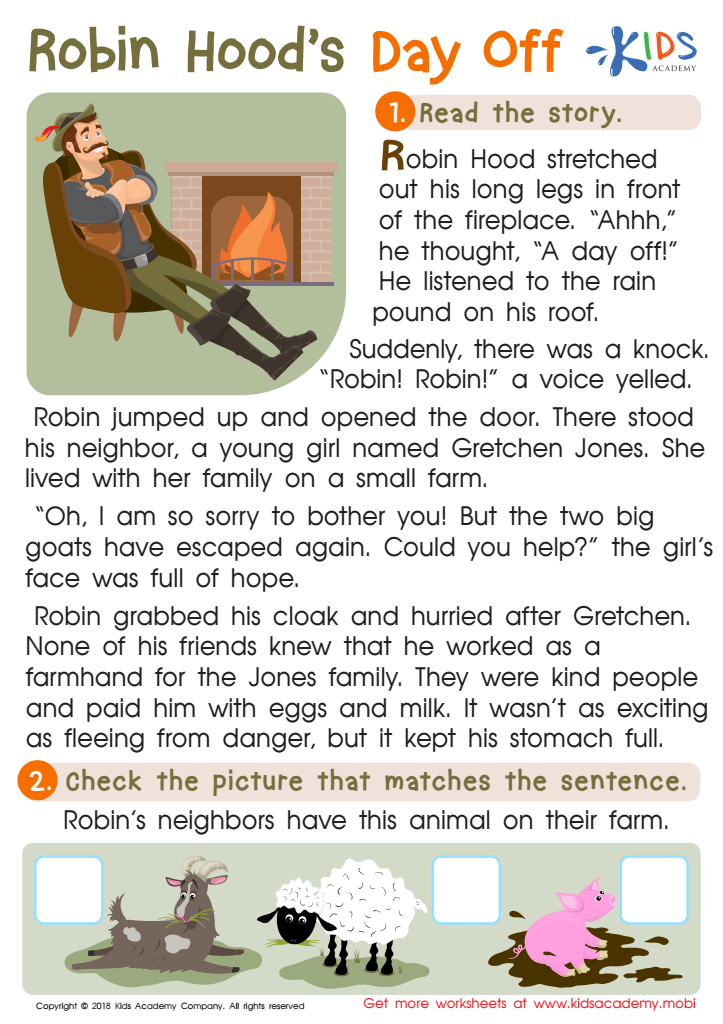
Robin Hood's Day Off Worksheet
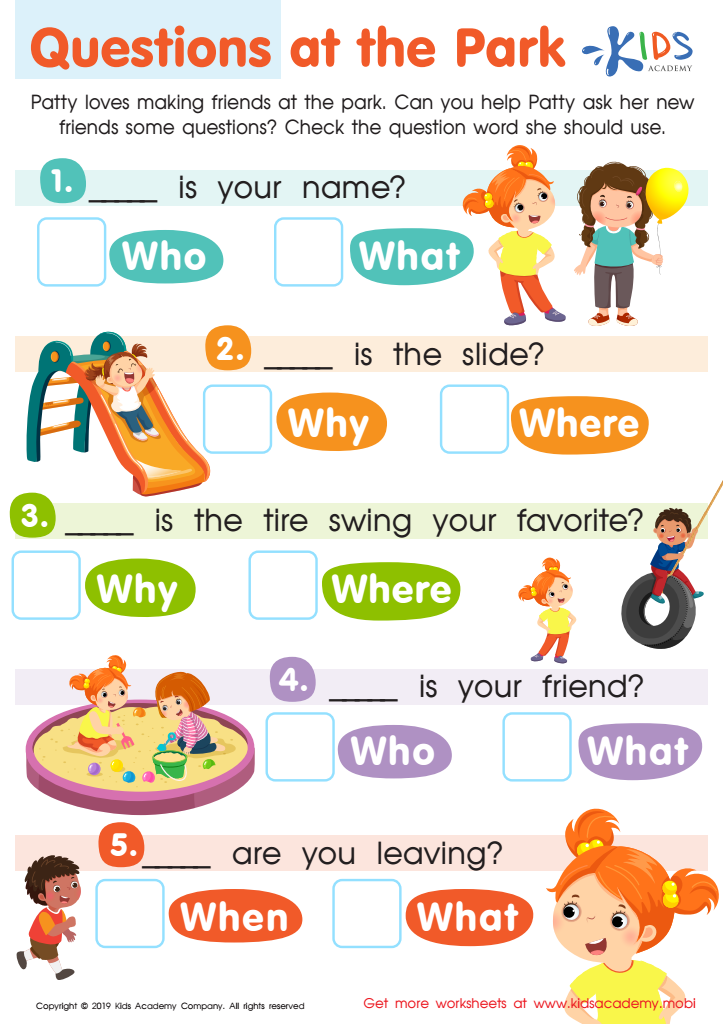
Questions at the Park Worksheet
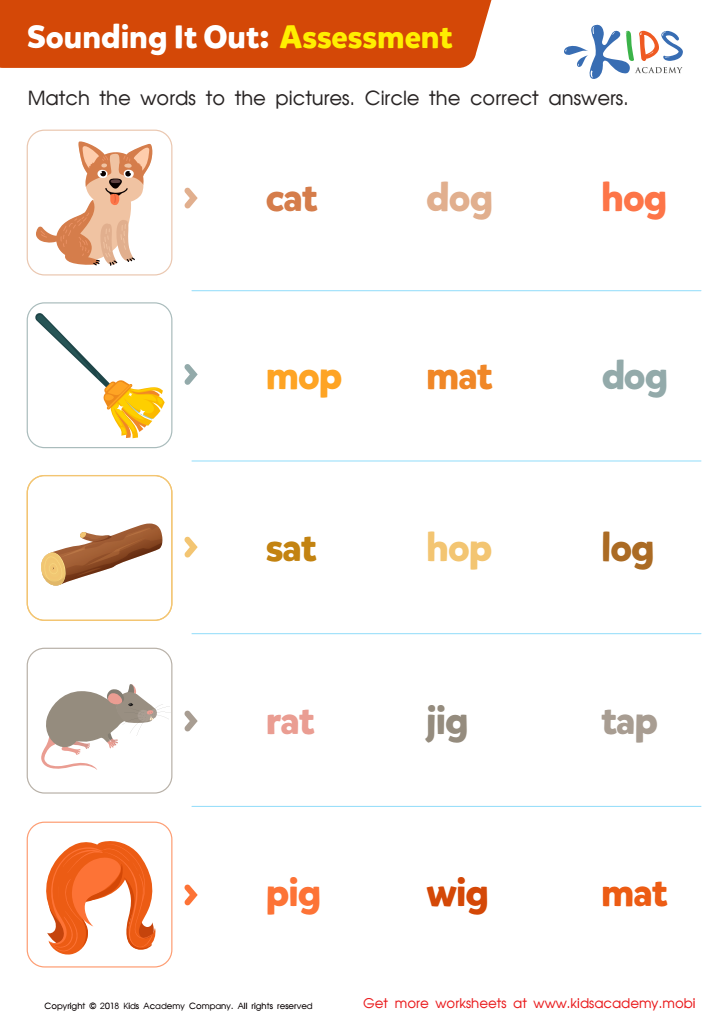
Sounding it Out: Assessment Worksheet
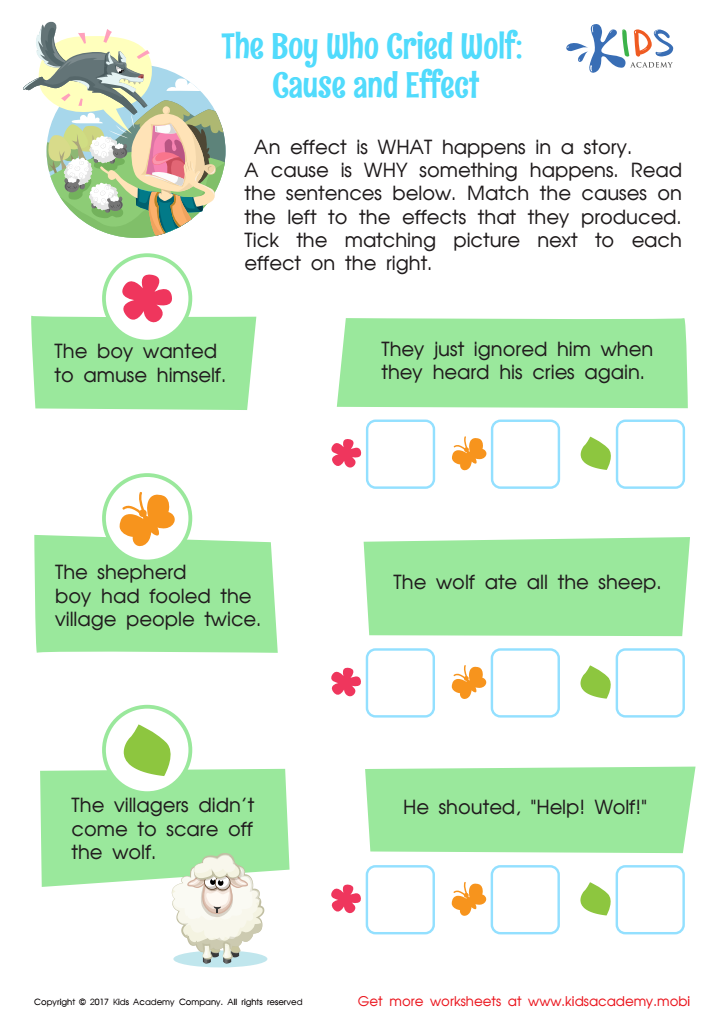
The Boy Who Cried Wolf: Cause and Effect Worksheet
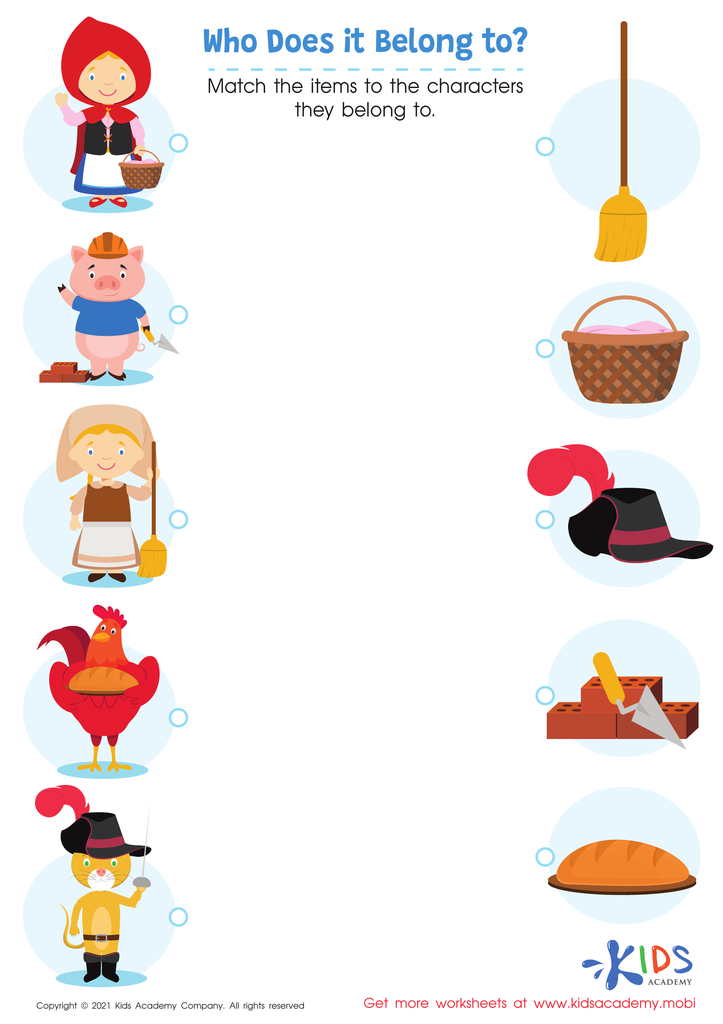
Who Does It Belong To? Worksheet
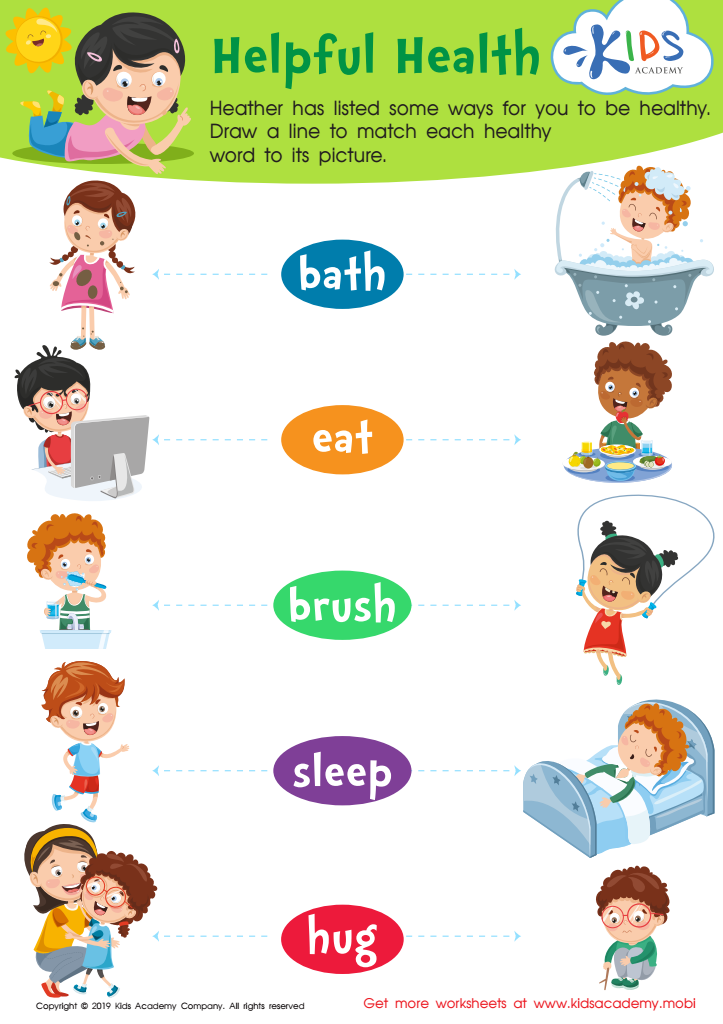
Helpful Health Worksheet
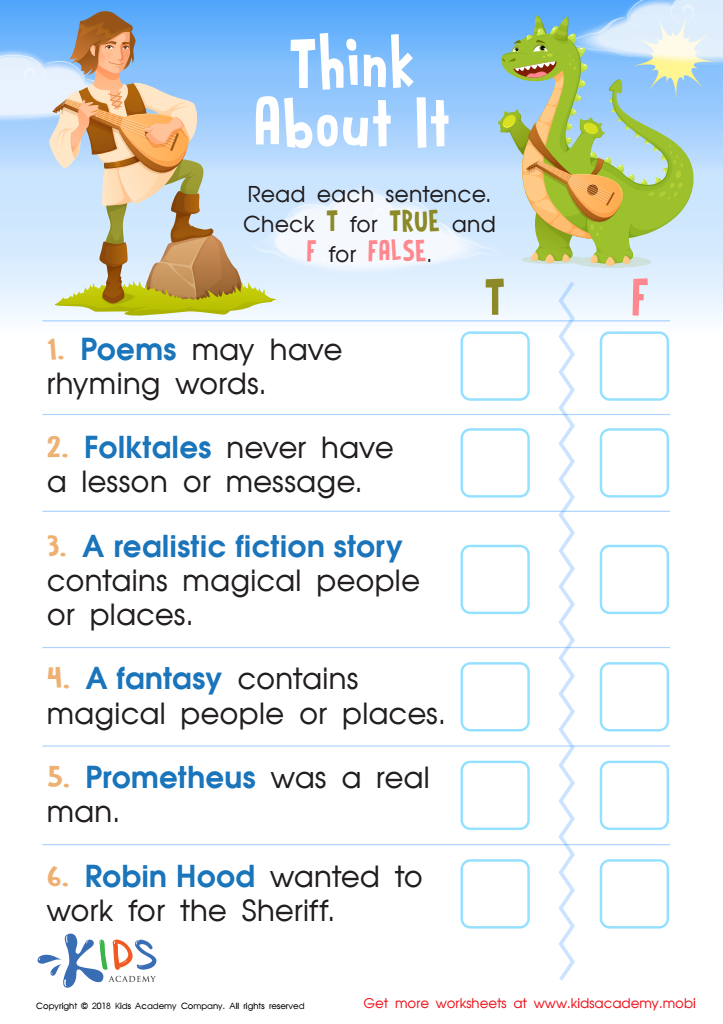
Think About It: Assessment Worksheet
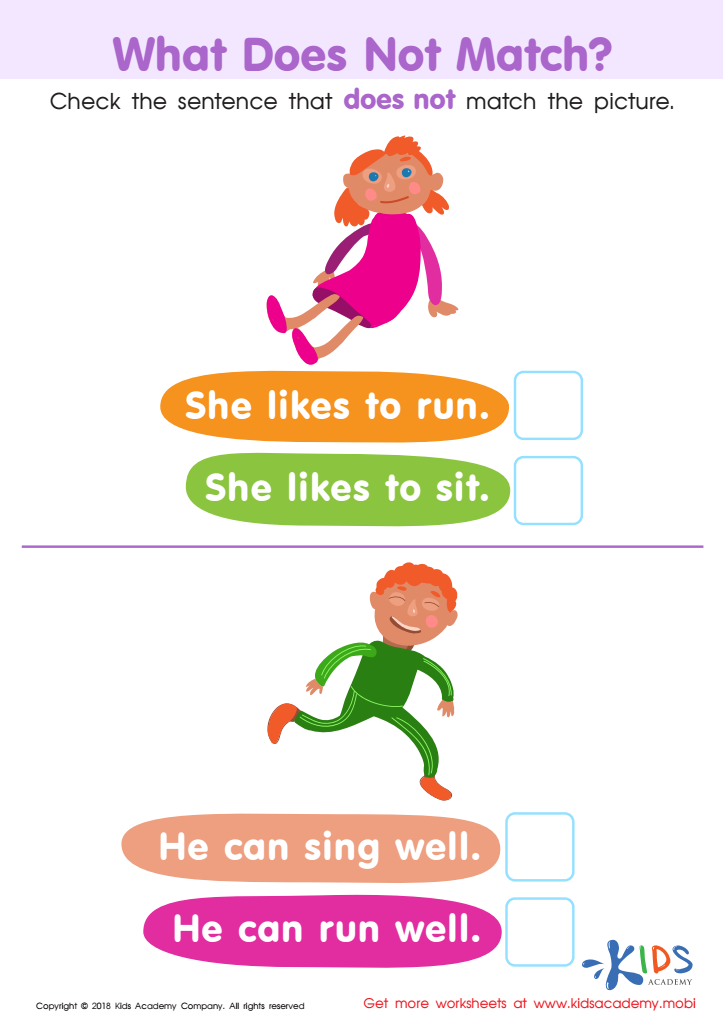
What Does Not Match? Worksheet








Logical reasoning is a key building block for children’s intellectual development, making it crucial for both parents and teachers to focus on fostering these skills in children aged 4-9. During these formative years, children's cognitive abilities are highly impressionable, and introducing logical reasoning reading early sets a strong foundation for future academics and problem-solving capabilities.
Logical reasoning helps children understand cause-and-effect relationships, enhancing their ability to think critically and make sound decisions. It encourages curiosity and improves comprehension skills by enabling them to grasp complex concepts and draw inferences from the text. These skills are not only vital for academic success across subjects such as math, science, and language arts but also for real-life problem solving.
Moreover, logical reasoning supports the development of patience and persistence. As children work through puzzles, stories, or logic-based activities, they learn to tackle challenges methodically and persist through difficulties—qualities that are important for lifelong learning.
By nurturing logical reasoning through reading, parents and teachers can inspire a love for learning and equip children with the tools they need to navigate and make sense of their world. As a result, children become more adept thinkers, better communicators, and more confident individuals. Therefore, prioritizing this type of intellectual engagement is essential during early childhood.








