Shape Recognition Reading Worksheets for Ages 4-9
14 filtered results
-
From - To
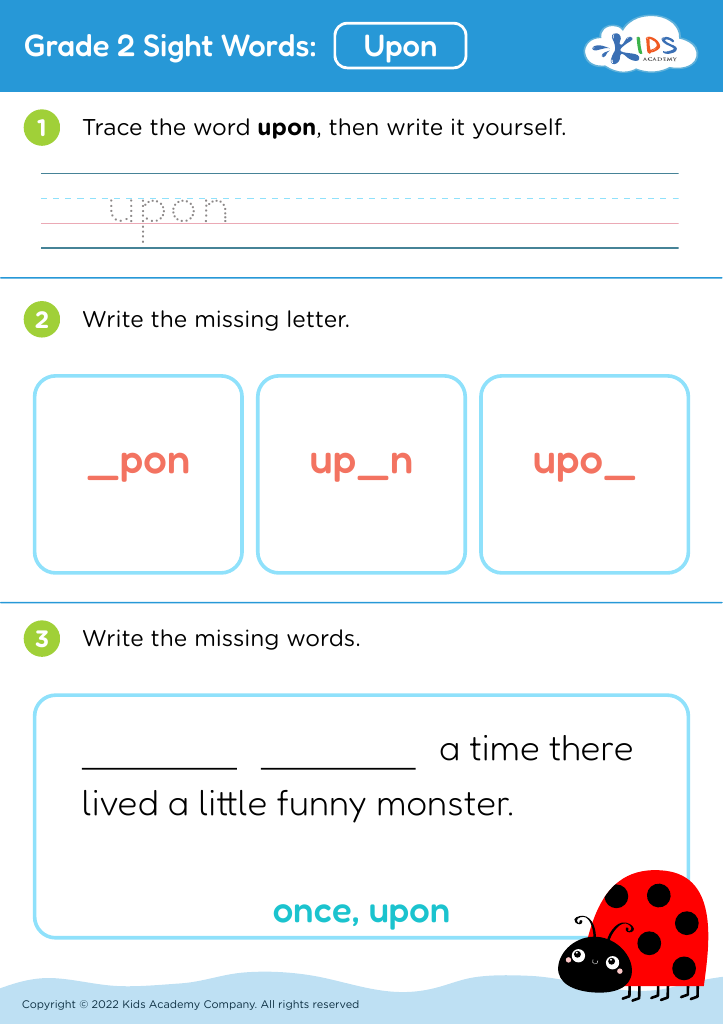
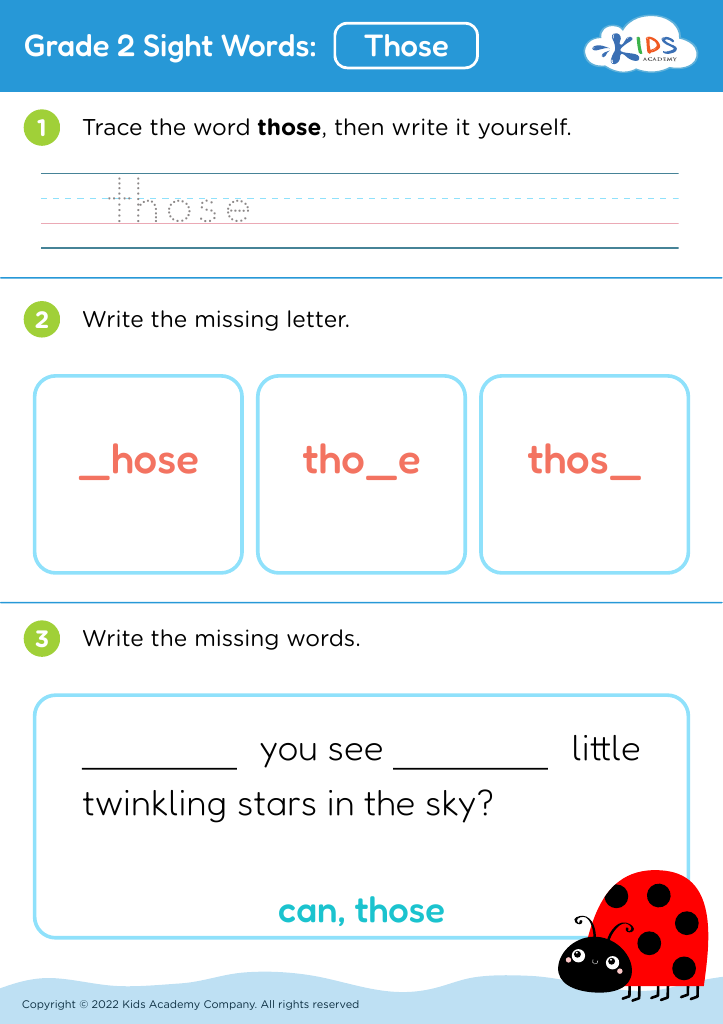
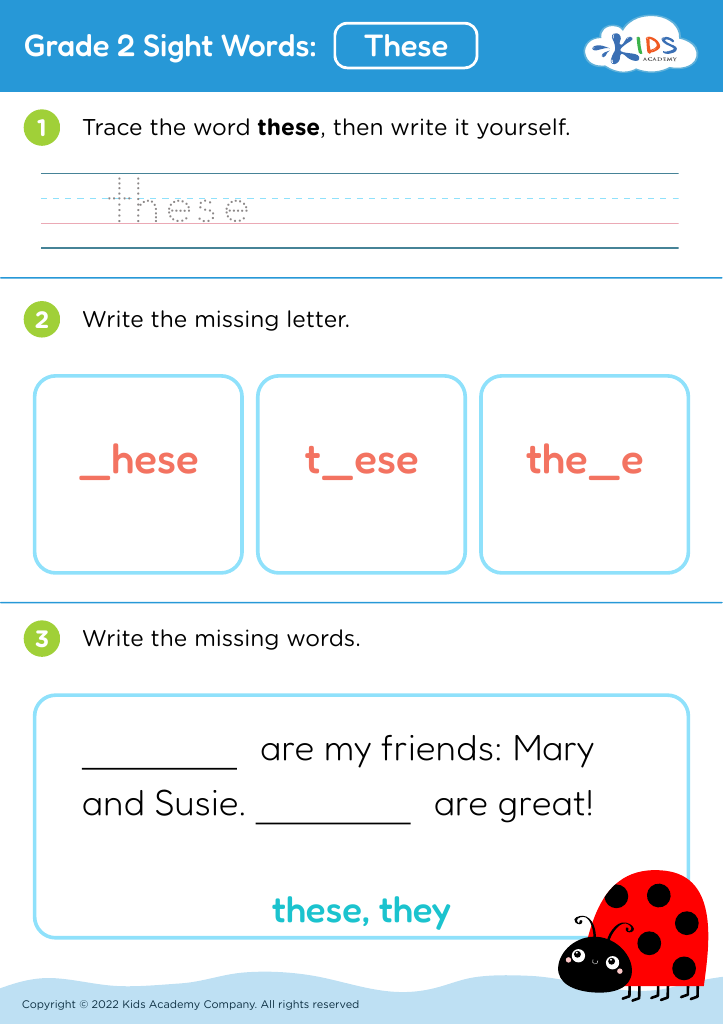
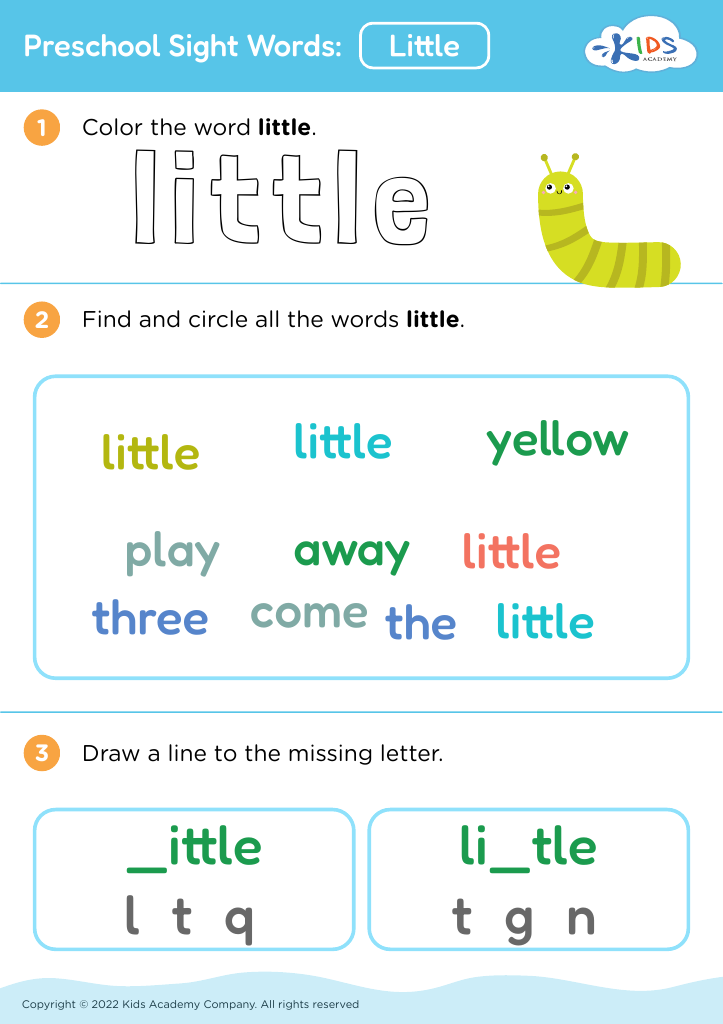
Explore our engaging Shape Recognition Reading Worksheets designed specifically for children aged 4-9! These worksheets seamlessly blend reading practice with shape identification, fostering both literacy and critical thinking skills. Fun and colorful illustrations keep young learners motivated as they explore various shapes through interactive activities. Each worksheet promotes cognitive development, enhancing spatial awareness while encouraging independent learning. Ideal for classroom use or home practice, our resources are aligned with early education standards to ensure a comprehensive learning experience. Help your child strengthen their vocabulary, comprehension, and shape recognition abilities with our captivating worksheets tailored to foster a love for learning!
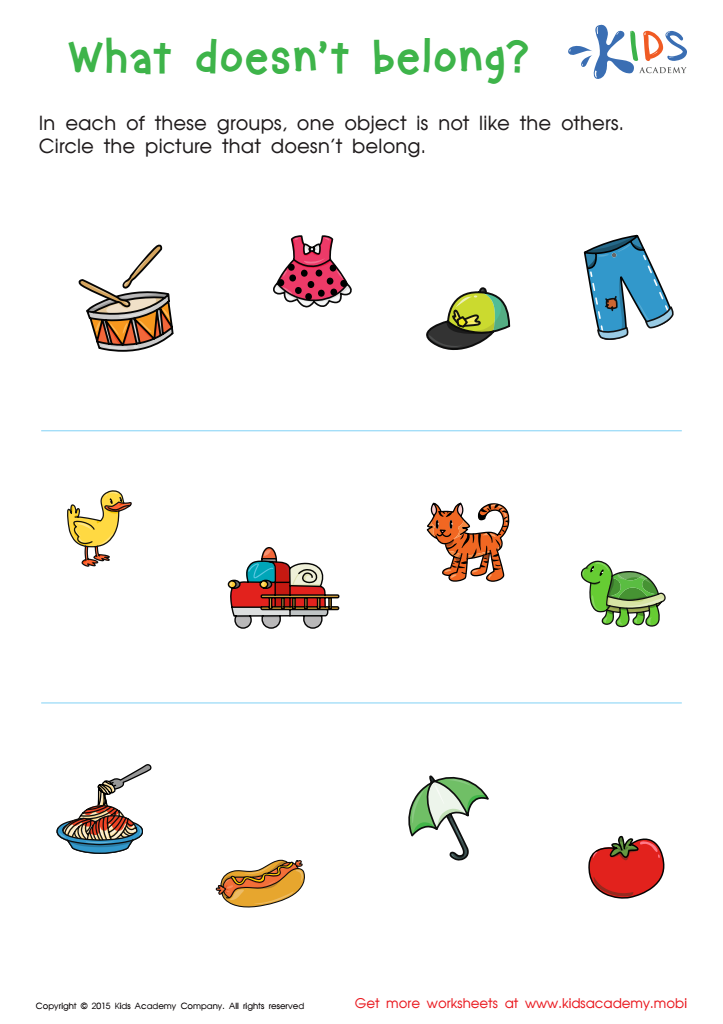
First Words: What Doesn't Belong Worksheet
 Assign to My Students
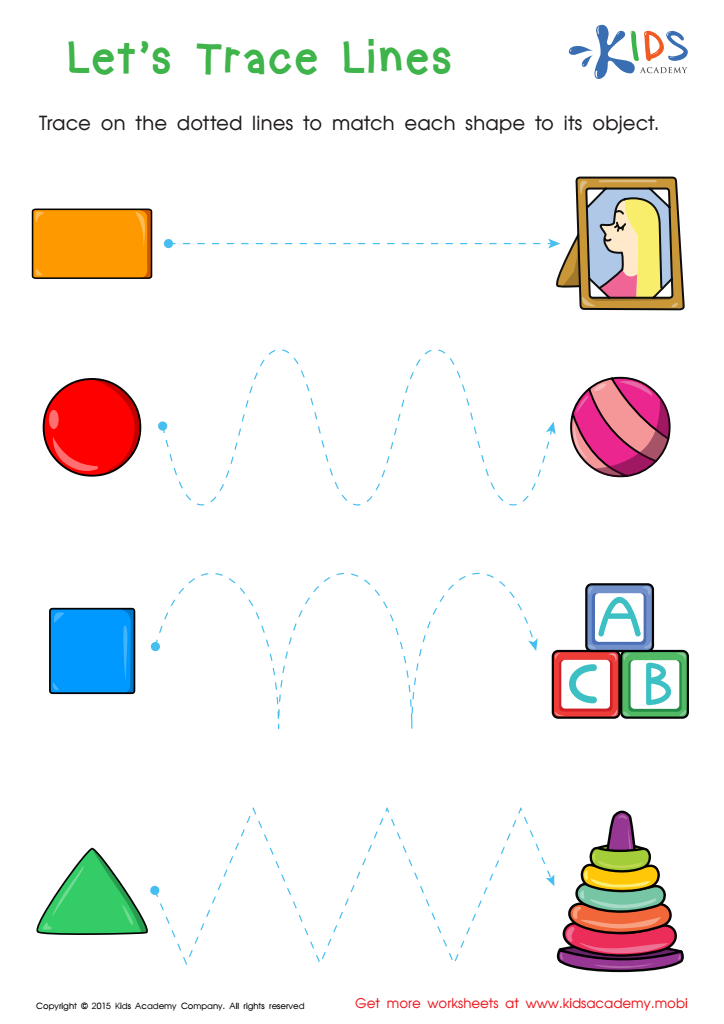
First Words: Let's Trace Lines Worksheet
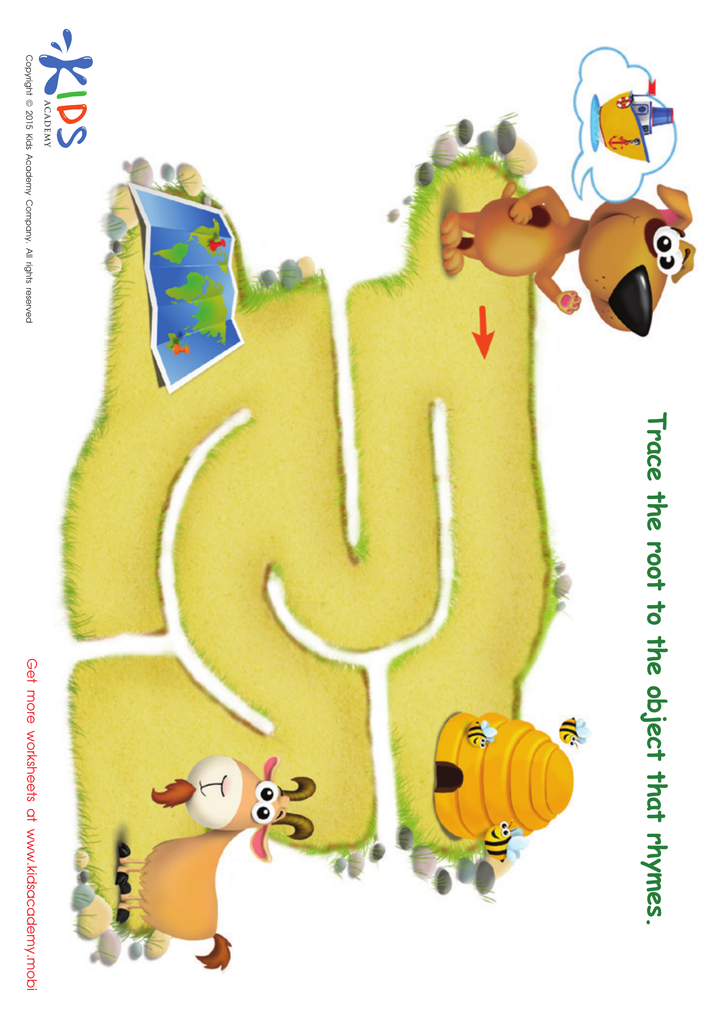
Boat Rhyming Words Worksheet
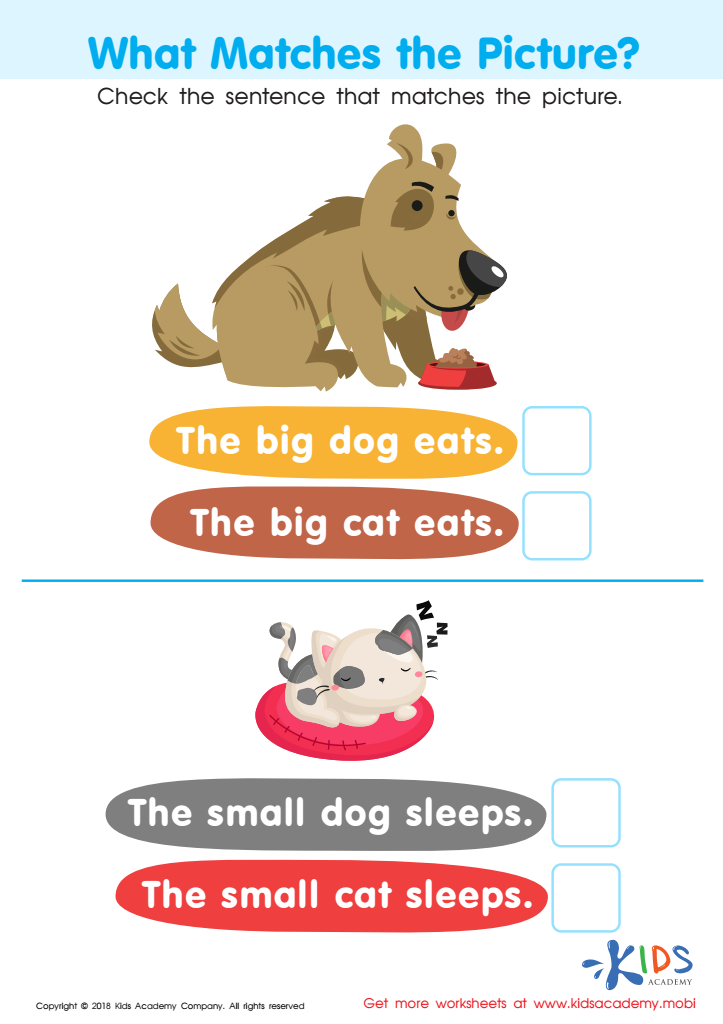
What Matches the Picture? Worksheet
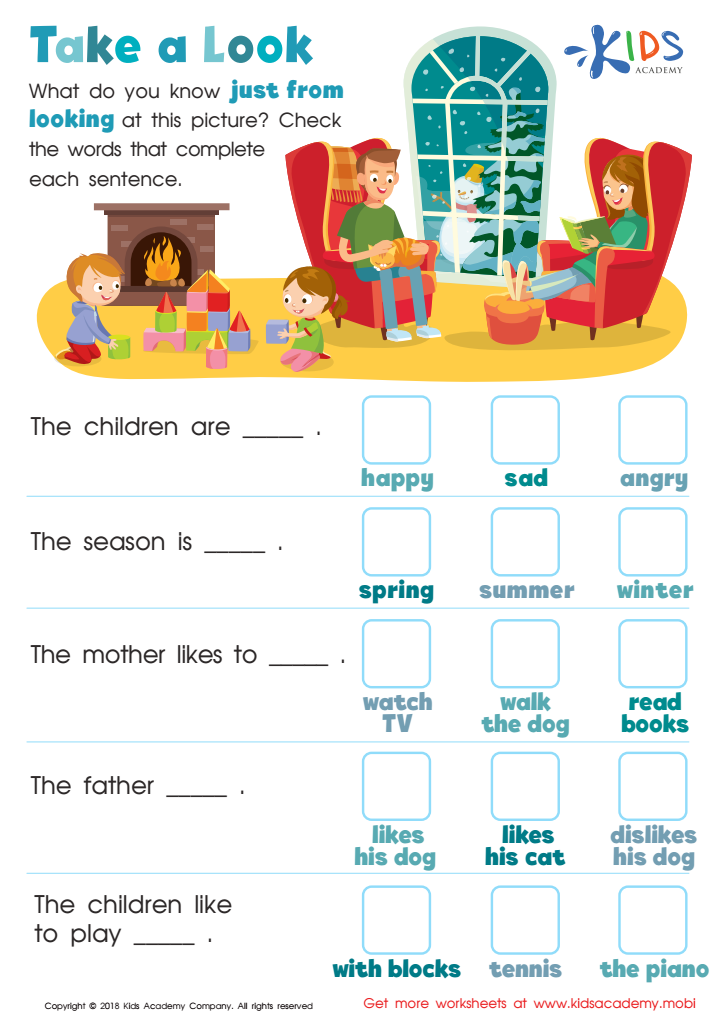
Take a Look - Part 1 Worksheet
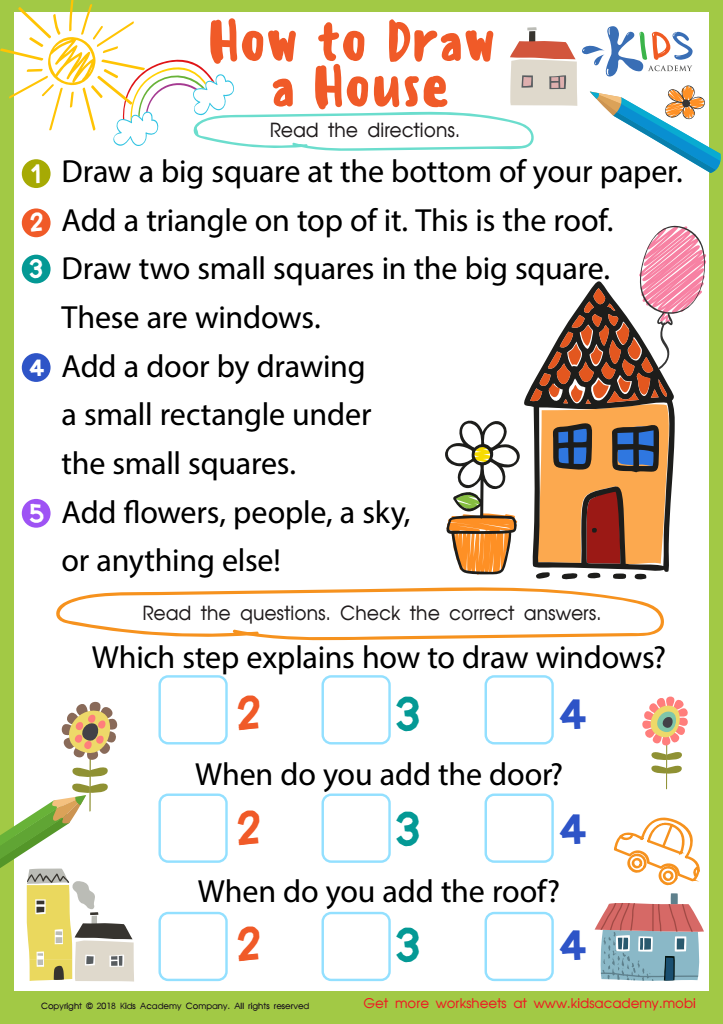
How to Draw House Worksheet
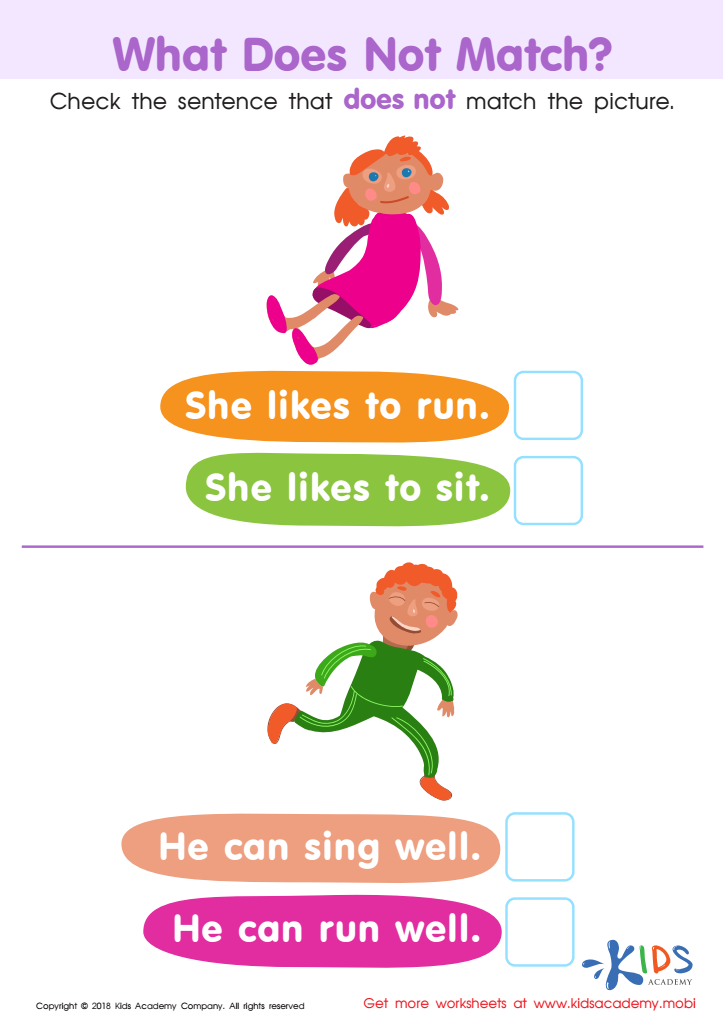
What Does Not Match? Worksheet
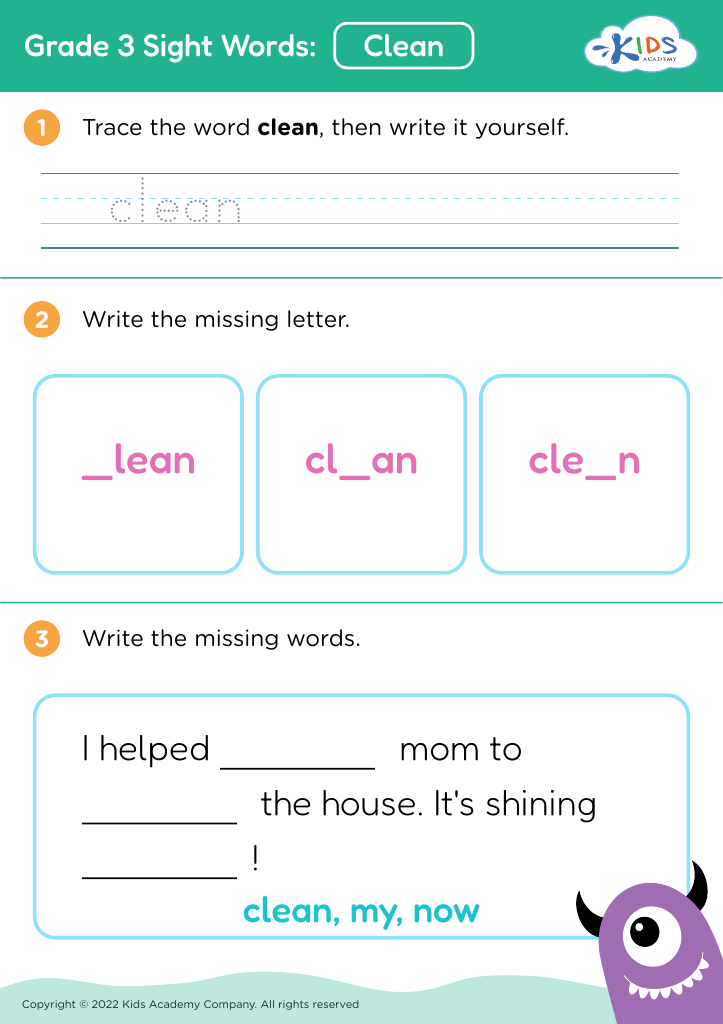
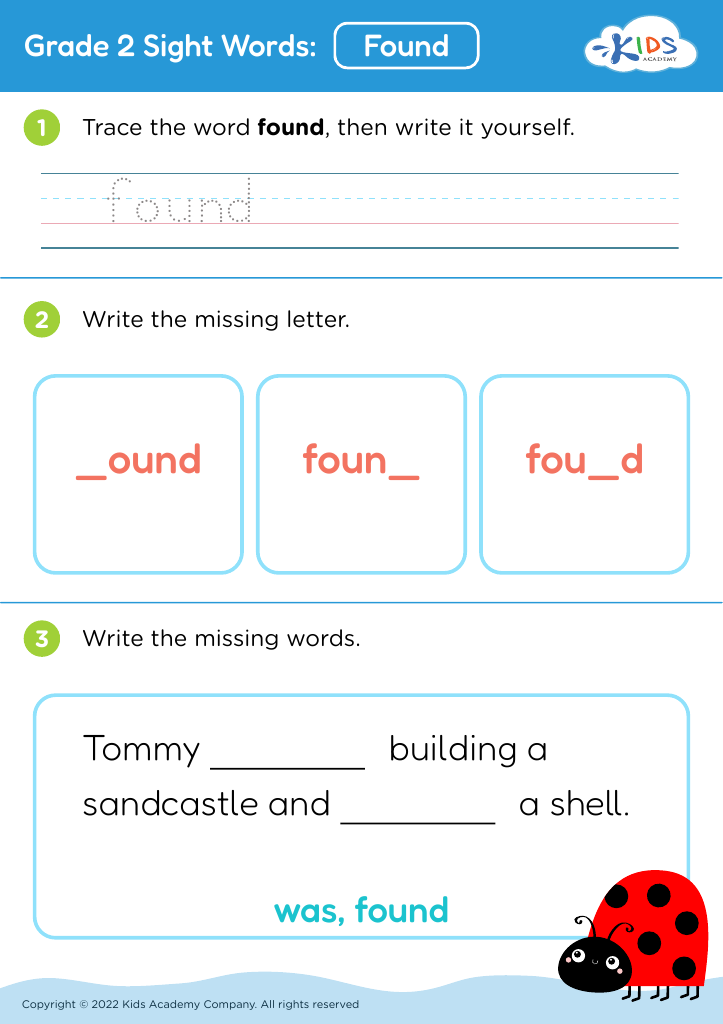
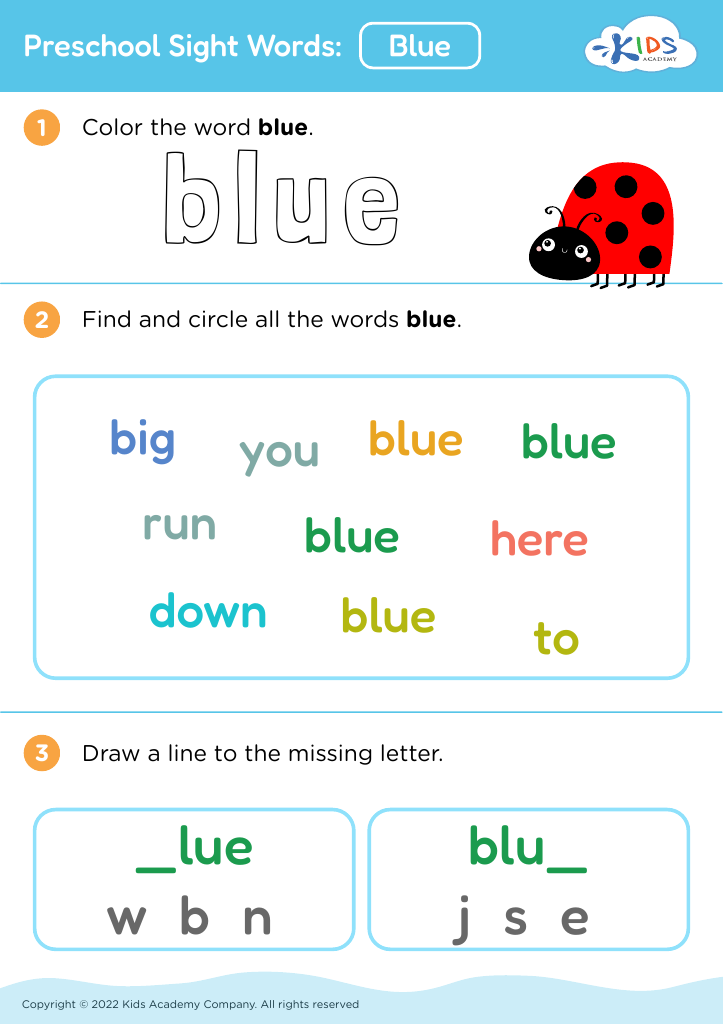



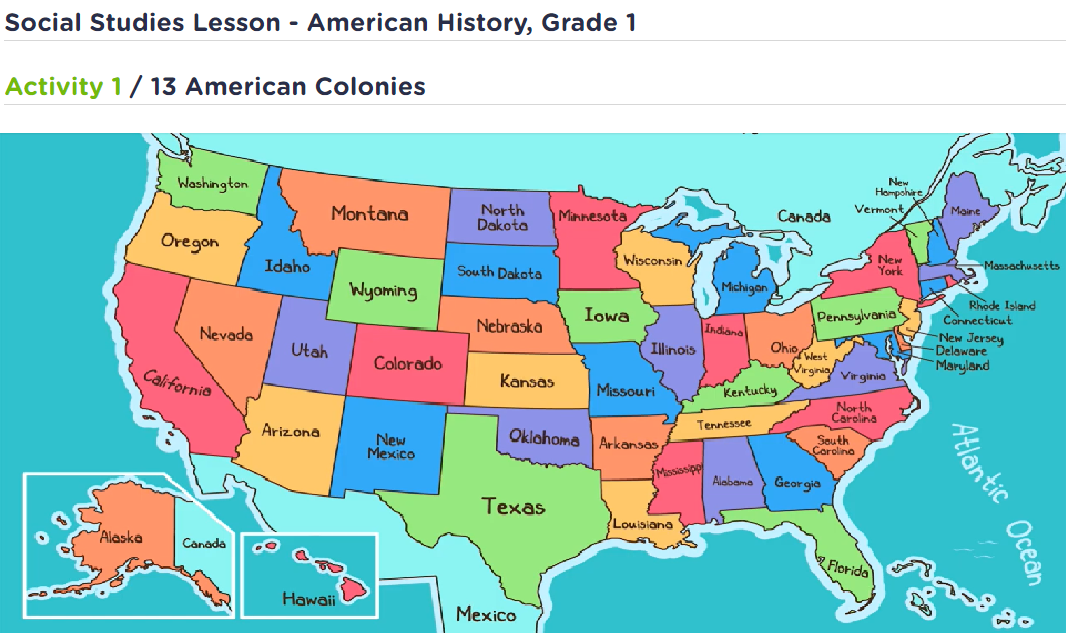

.jpg)


Shape recognition is a fundamental skill that lays the groundwork for reading and comprehension in young children aged 4-9. Understanding shapes helps children recognize letters and numbers, which are essentially combinations of various shapes. This foundational skill enhances their ability to differentiate between letters like "b" and "d," or "p" and "q," which can be particularly challenging for beginners.
Moreover, shapes and shapes' relationships involve critical early math skills, fostering an understanding of spatial relationships and geometric reasoning. As children identify shapes, they develop cognitive skills relevant to problem-solving and analytical thinking.
In addition to the cognitive benefits, shape recognition contributes to fine motor skills, as engaging with shapes often involves cutting, drawing, and manipulating various objects. These activities encourage children to develop hand-eye coordination and dexterity, necessary skills for writing and other academic tasks.
Furthermore, recognizing shapes supports language development, as parents and teachers can use specific vocabulary related to shapes and their properties in everyday conversations. Engaging children in shape recognition fosters enthusiasm for learning, allowing them to make connections between their physical world and early literacy skills, which ultimately prepares them for future academic success. Thus, prioritizing shape recognition is crucial for holistic child development.








