Understanding fractions Reading Worksheets for Ages 4-9
60 filtered results
-
From - To
Explore engaging "Understanding Fractions" reading worksheets, designed for ages 4-9. Perfect for early math learners, our printable resources help children grasp fractions through fun, interactive activities. Kids will develop essential skills, understanding how to identify, compare, and apply fractions in everyday scenarios. Aligned with educational standards, these worksheets support teachers and parents in guiding kids along every step of their mathematical journey. Foster confidence and competence in fractions with colorful, kid-friendly exercises that make learning both enjoyable and effective. Empower young learners with tools that transform complex concepts into approachable, relatable, and rewarding challenges.
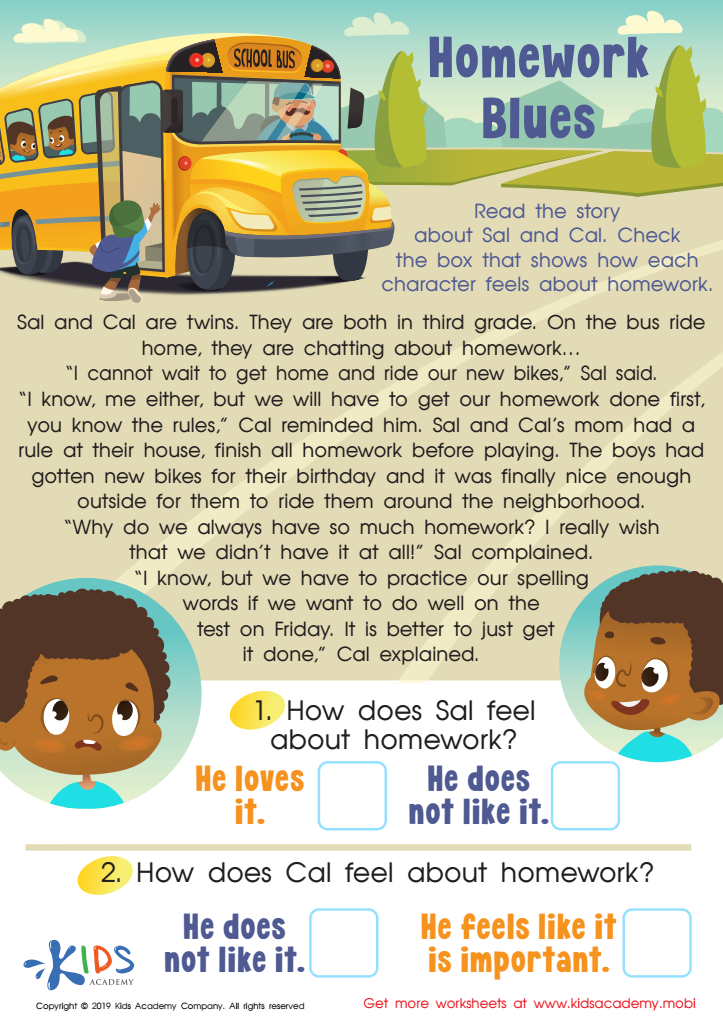
Homework Blues Worksheet
 Assign to My Students
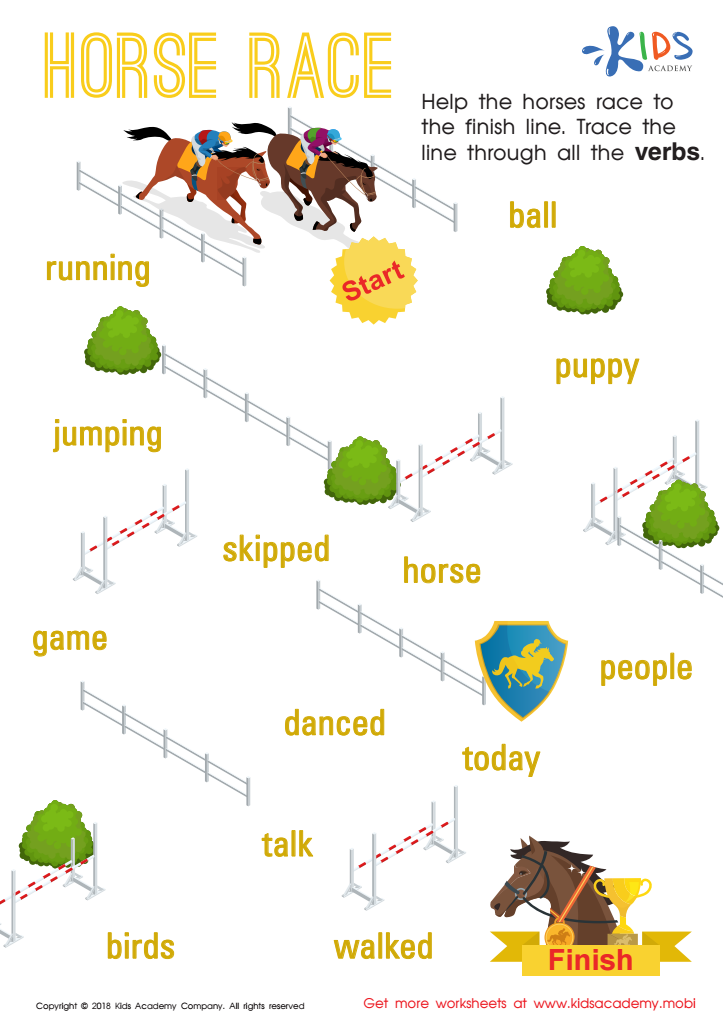
Horse Race Worksheet
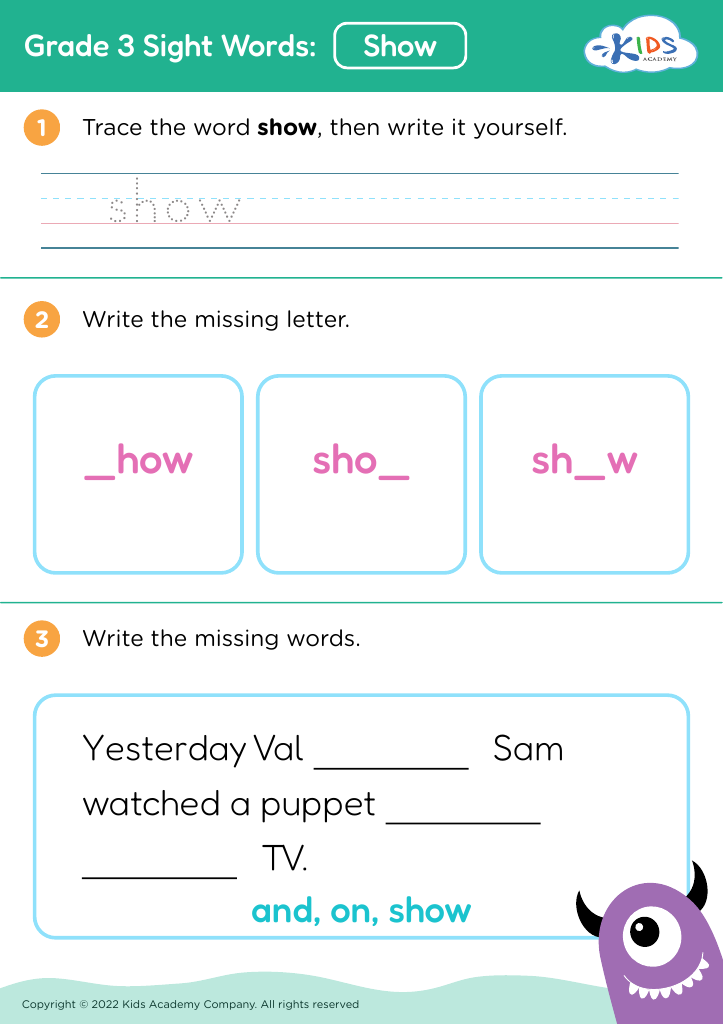
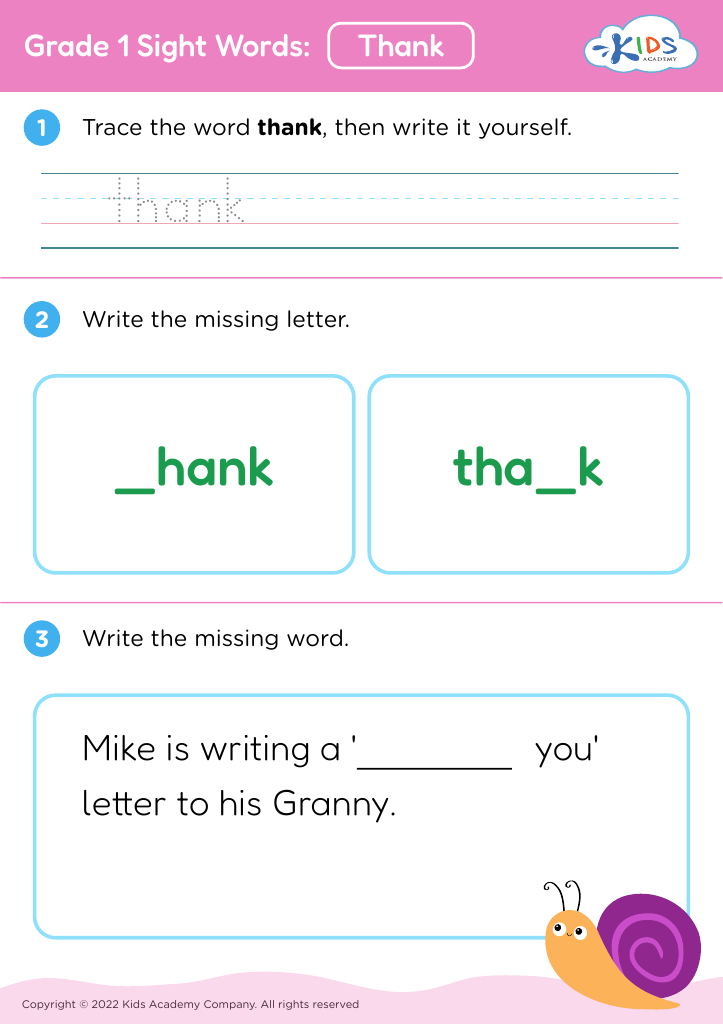
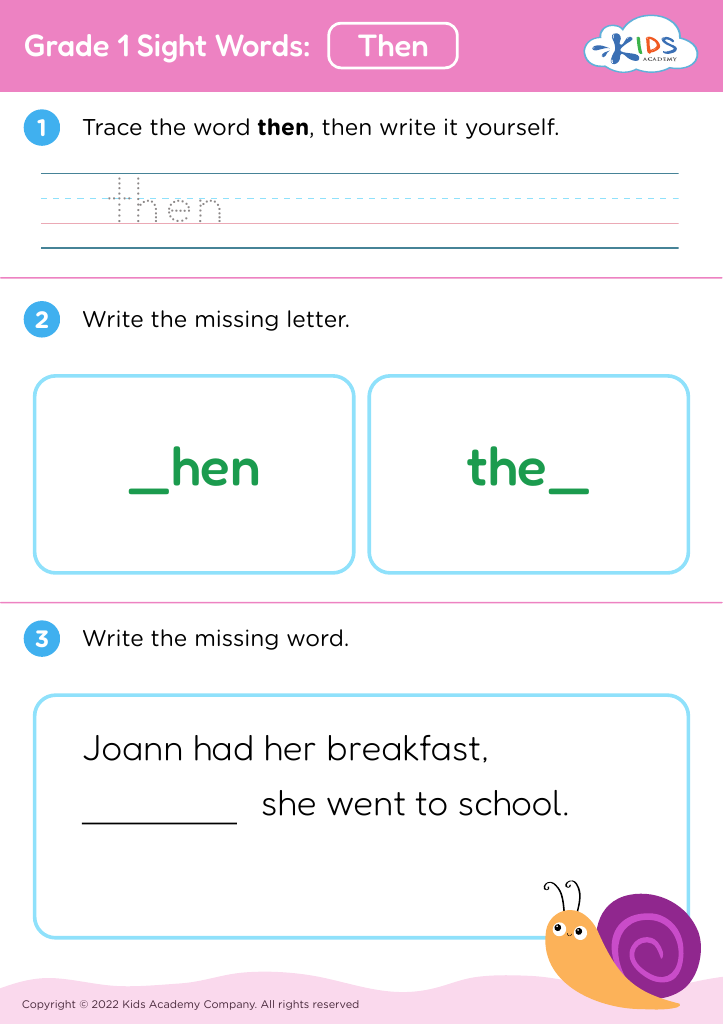
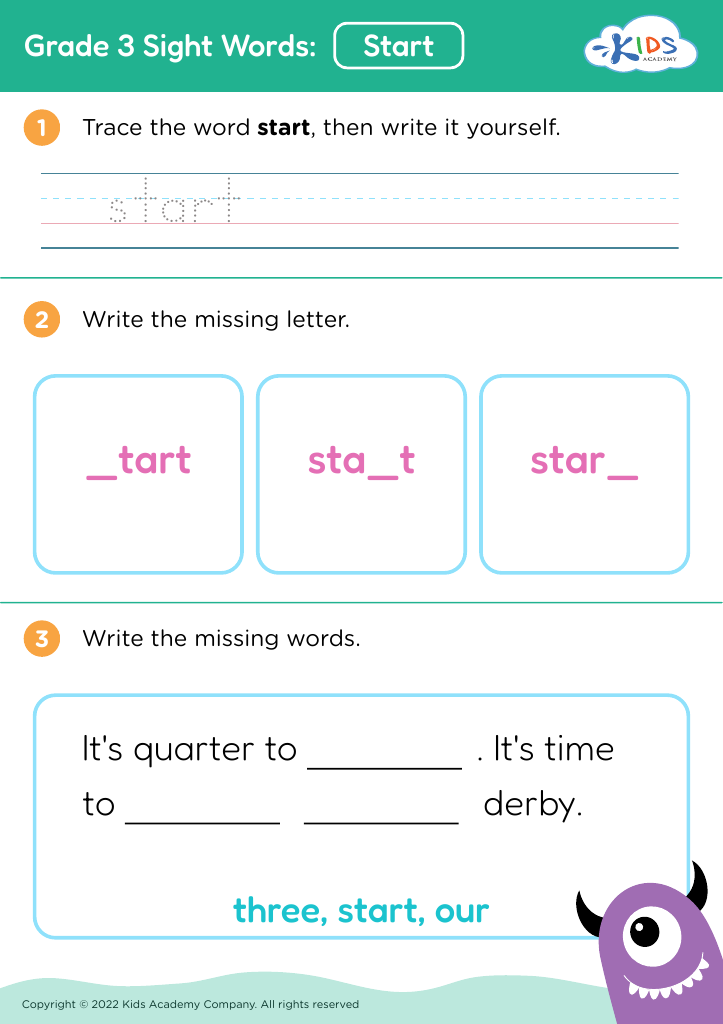





.jpg)


Understanding fractions at an early age is crucial for developing foundational math skills, and introducing this concept through reading can be highly effective for children ages 4-9. During these formative years, children's brains are exceptionally receptive to new information, and early exposure to mathematical concepts helps to build strong cognitive connections that benefit future learning.
Fractions are a fundamental part of everyday life, from cooking and sewing to telling time and dividing resources, and a solid understanding can empower children to navigate their world more effectively. Reading stories or engaging with books that introduce fractions in a fun and relatable manner can make these concepts less intimidating and more accessible for young learners.
Incorporating fractions in reading also helps to integrate math into literacy, which is a vital skill. Young children often learn best through stories, which captivate their imagination and relate to their everyday experiences. By exploring fractions through narrative, children can see the relevance of mathematical concepts in their lives, thus fostering a positive attitude towards math.
Furthermore, early mastery of fractions sets the stage for more complex mathematical operations, such as problem-solving and algebra, enhancing overall academic achievement. For teachers and parents, focusing on these skills early opens pathways for future success and a lifelong appreciation for mathematics, making it an investment that yields lasting benefits.








