Vocabulary enhancement Reading Worksheets for Ages 4-9 - Page 5
132 filtered results
-
From - To
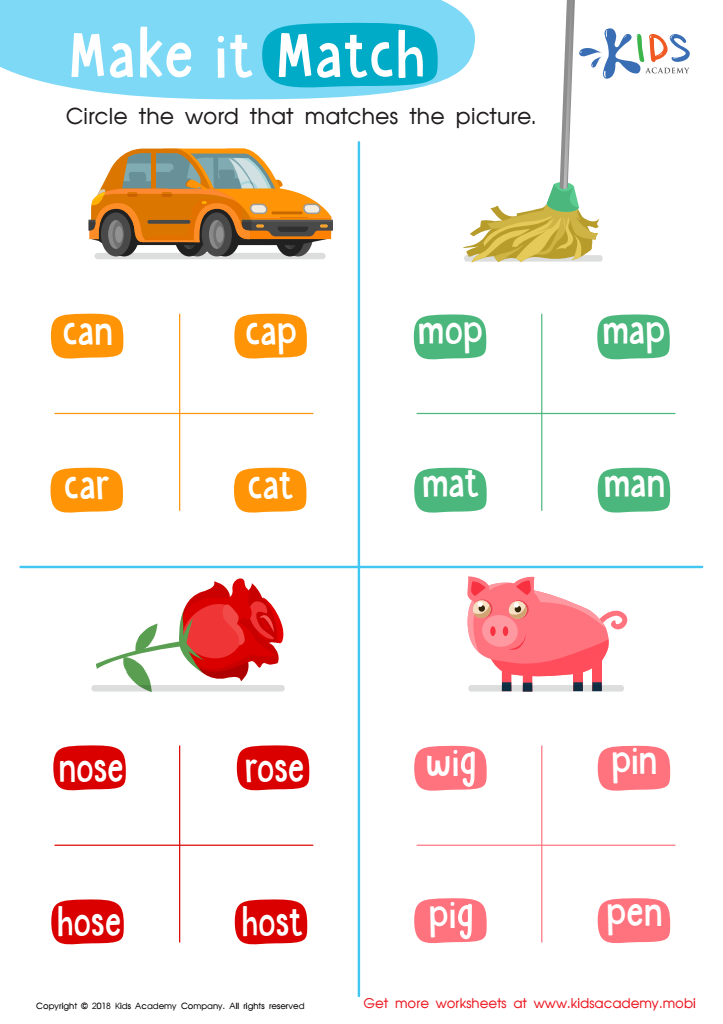
Make It Match Worksheet
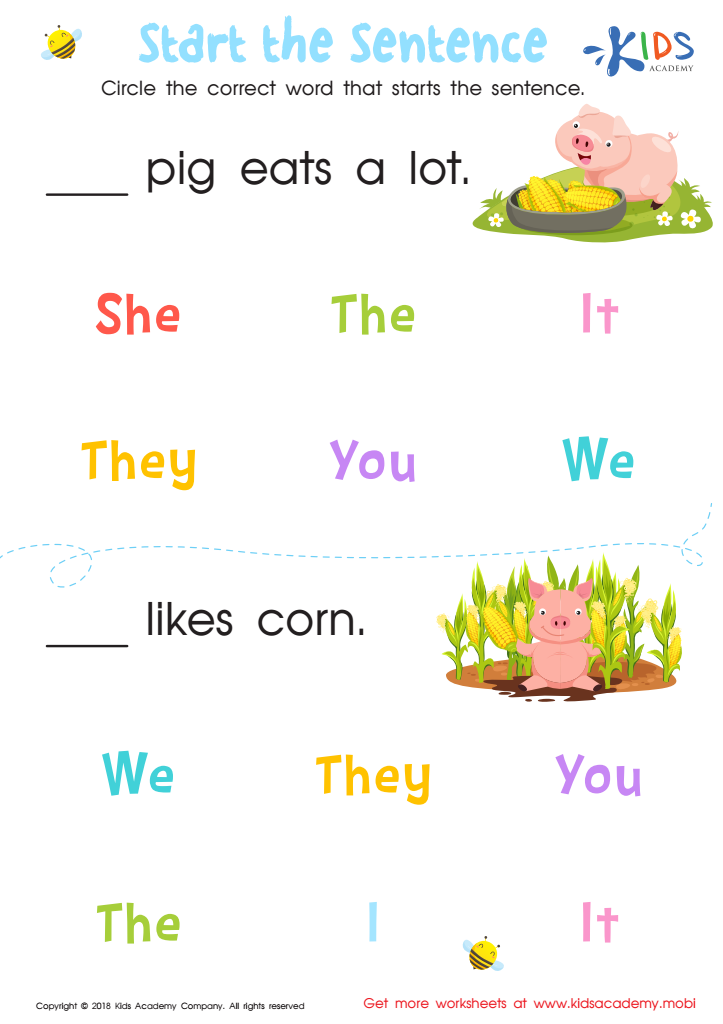
Start the Sentence Worksheet
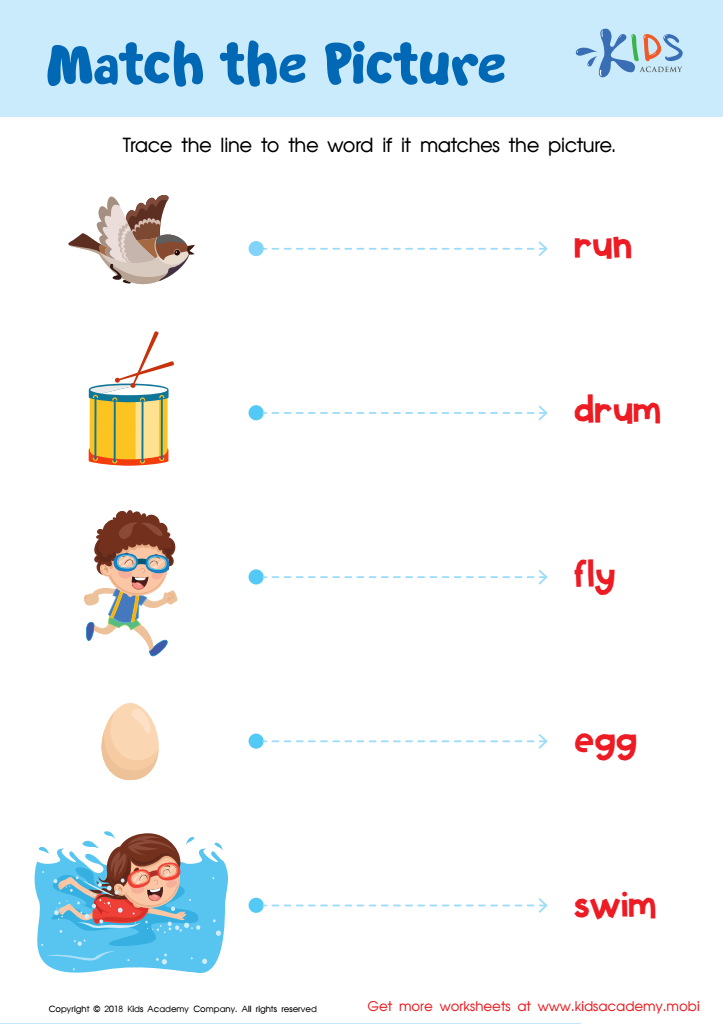
Match the Picture Worksheet
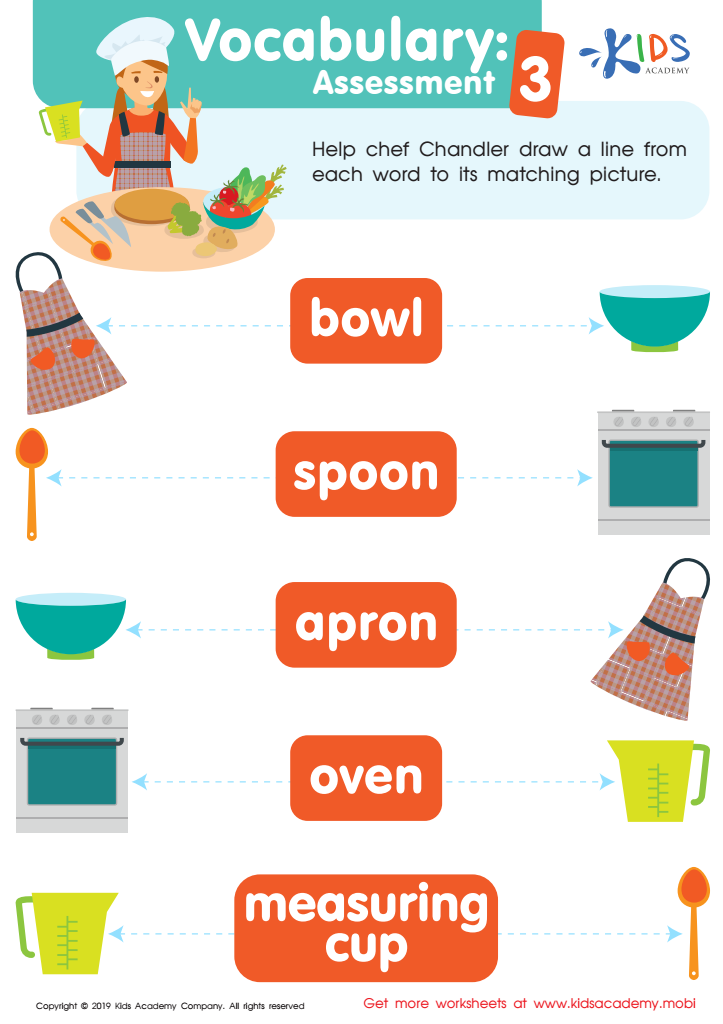
Vocabulary: Assessment 3 Worksheet
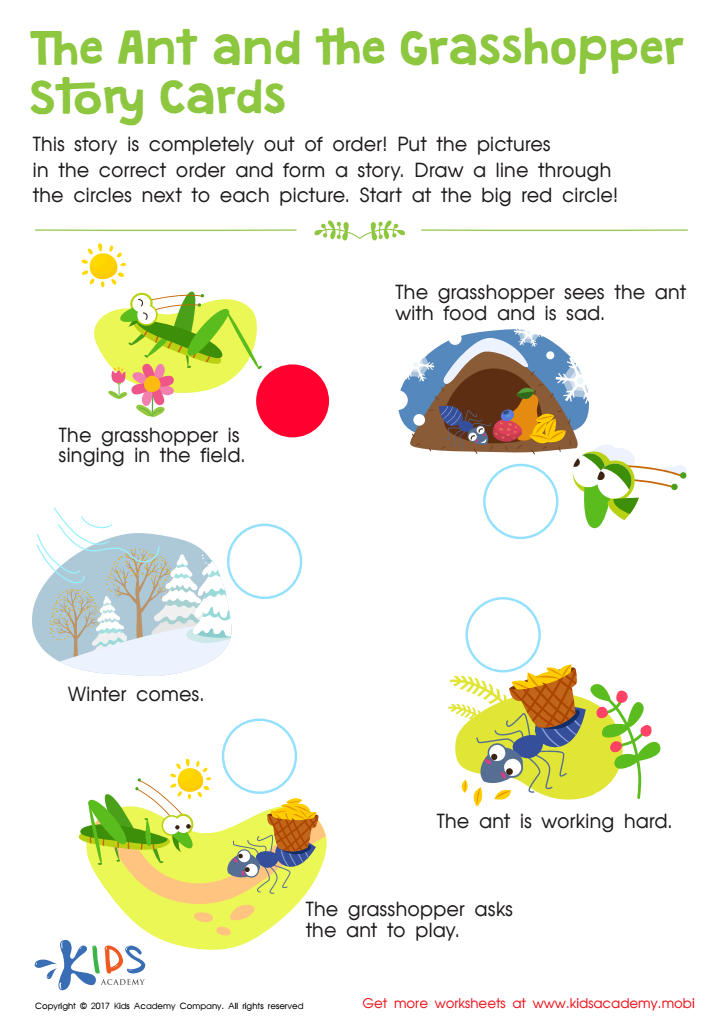
The Ant and The Grasshopper Worksheet
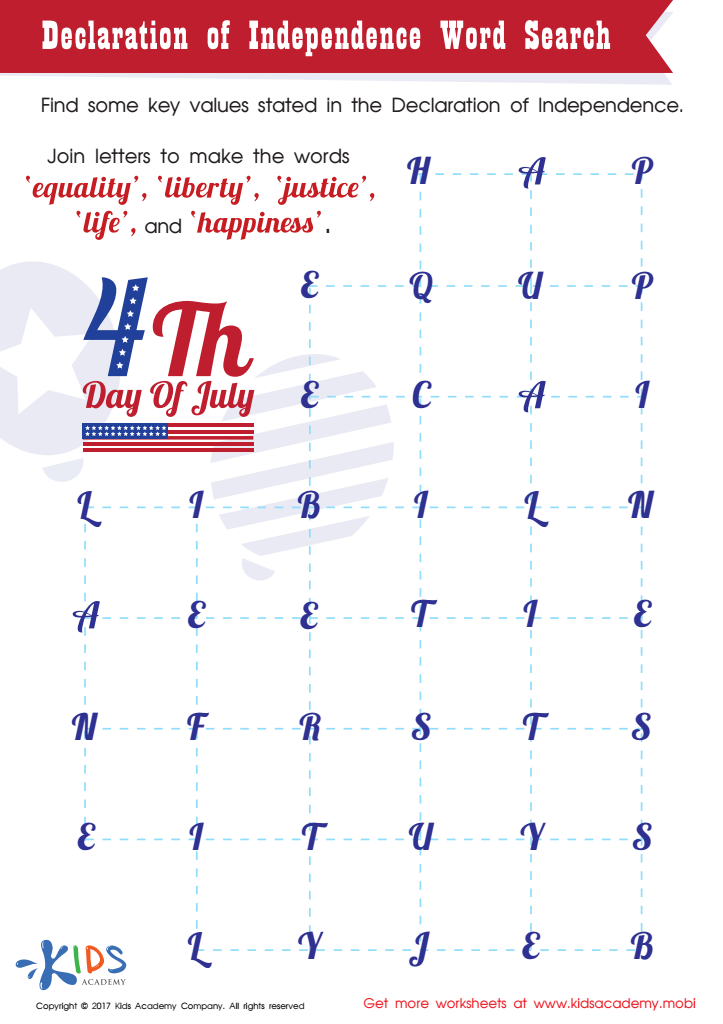
Declaration of Independence Word Search Printable
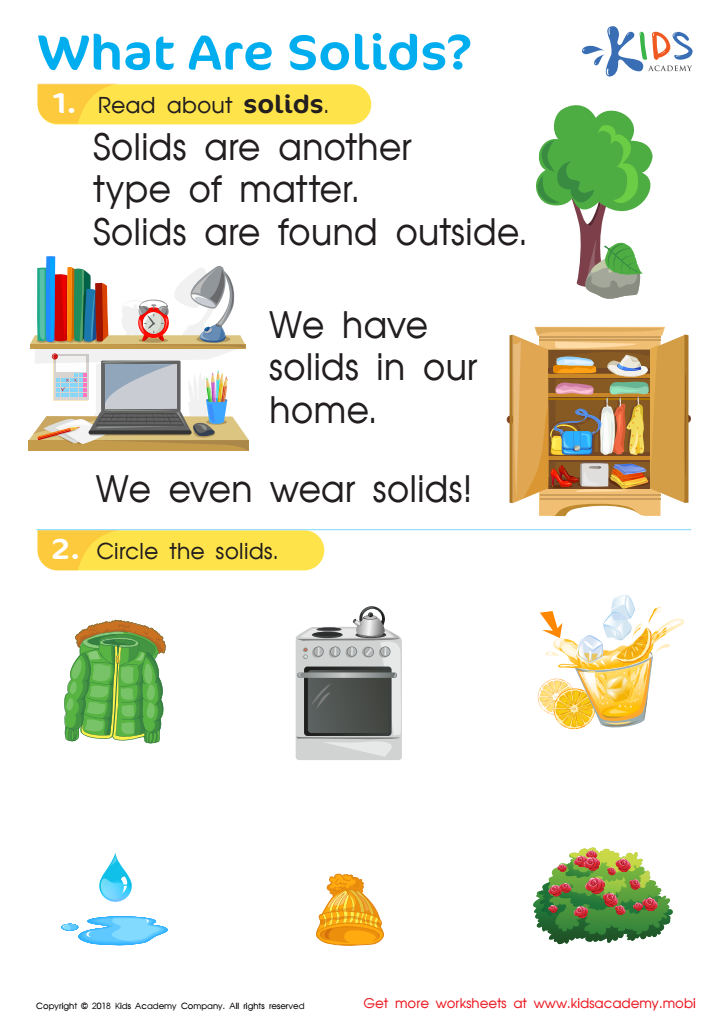
What Are Solids? Worksheet
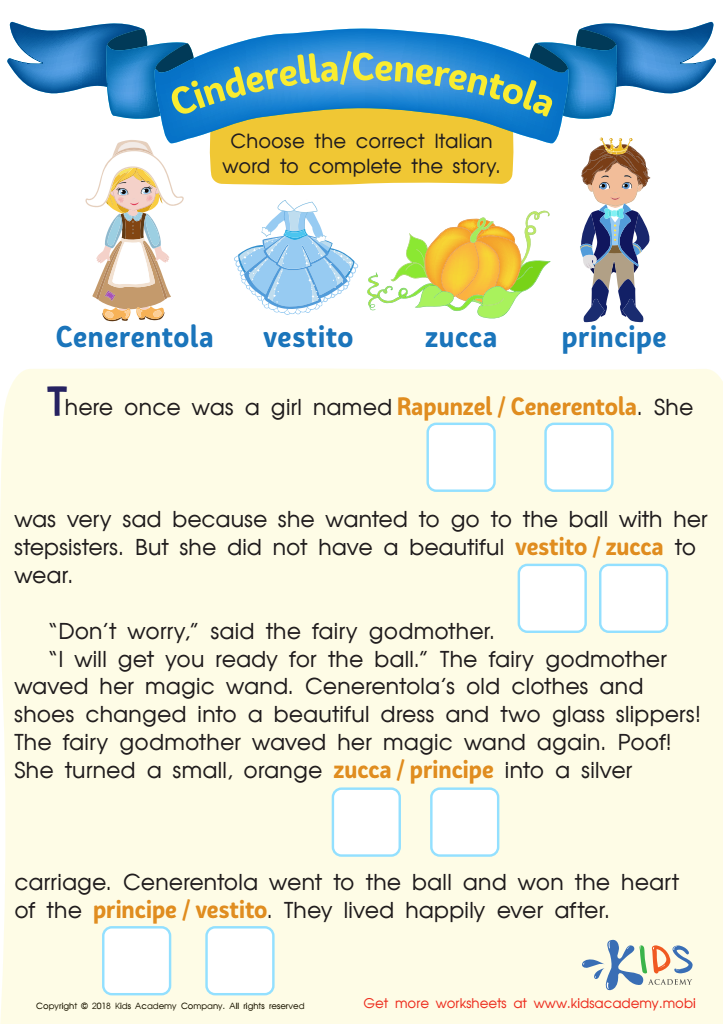
Cinderella / Cenerentola Worksheet
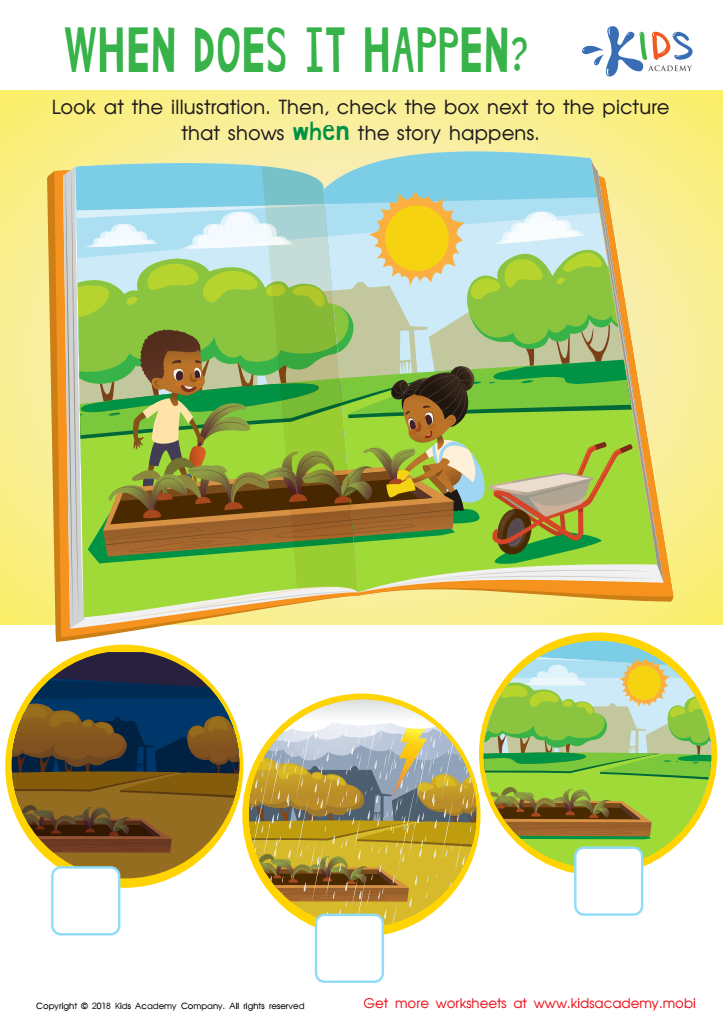
When Does It Happen? Worksheet
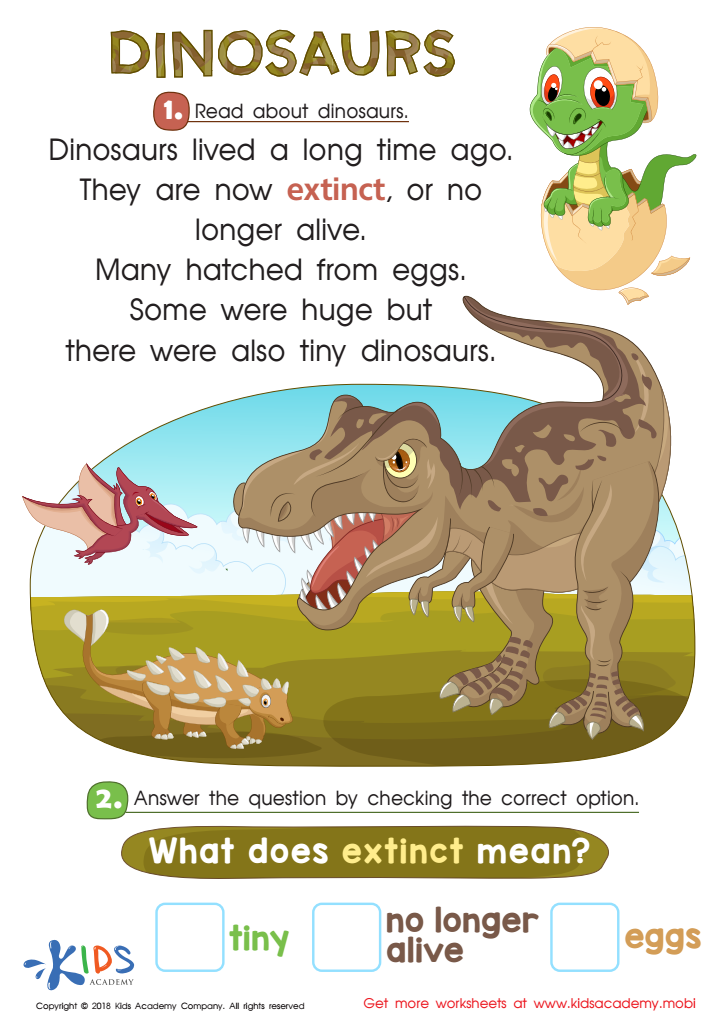
Dinosaurs Worksheet
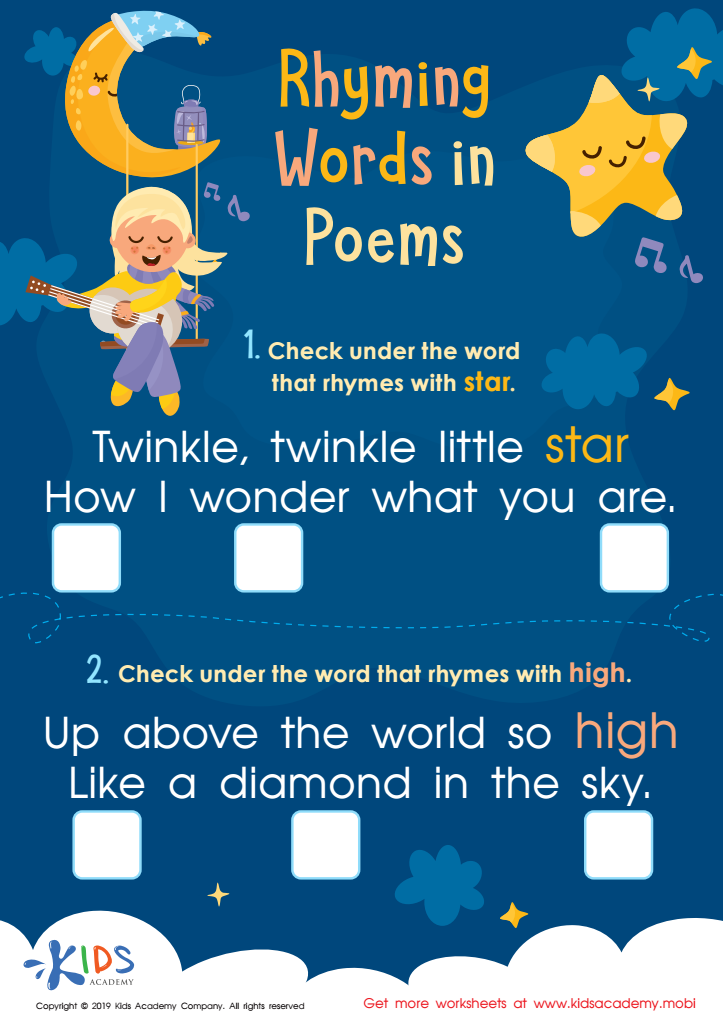
Rhyming Words in Poems Worksheet
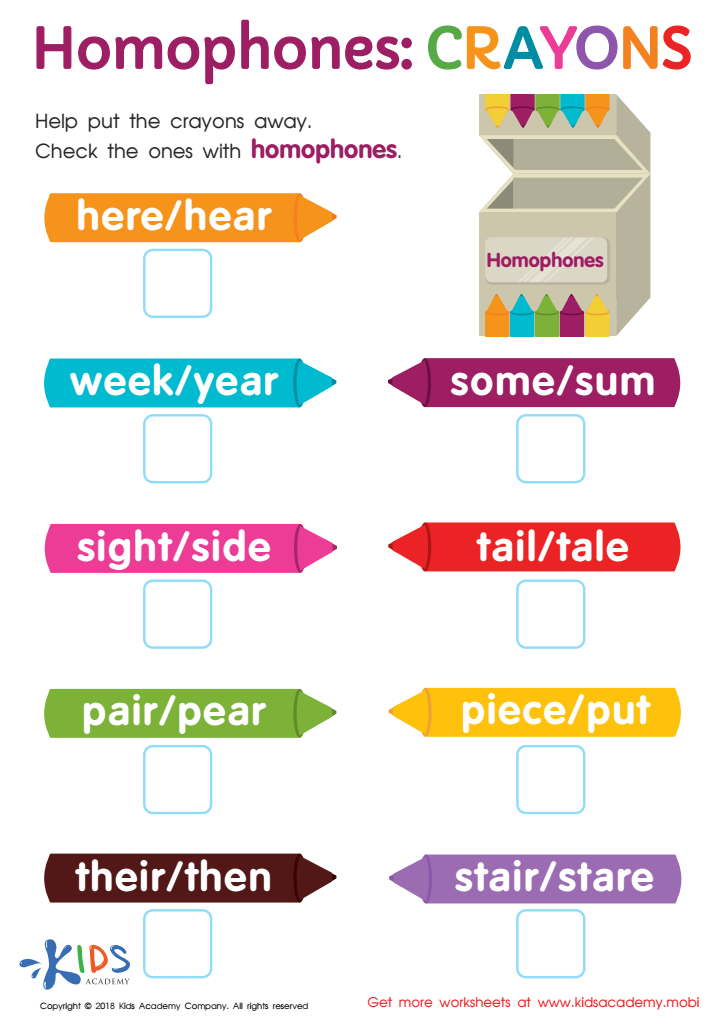
Homophones: Crayons Worksheet
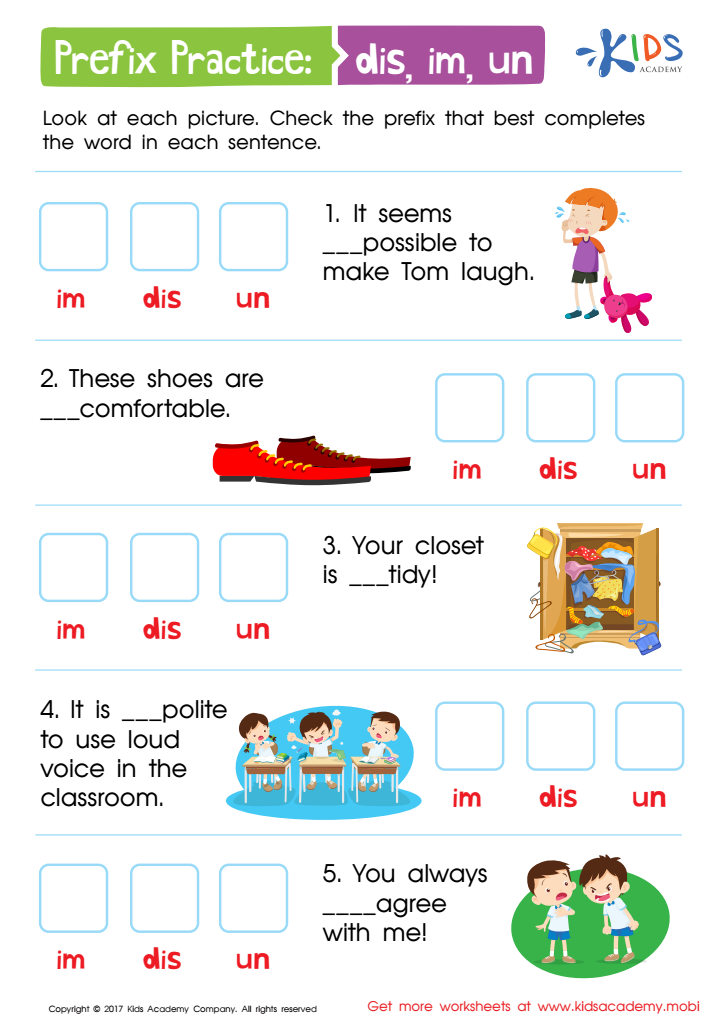
Prefix Practice Worksheet: DIS, IM, UM
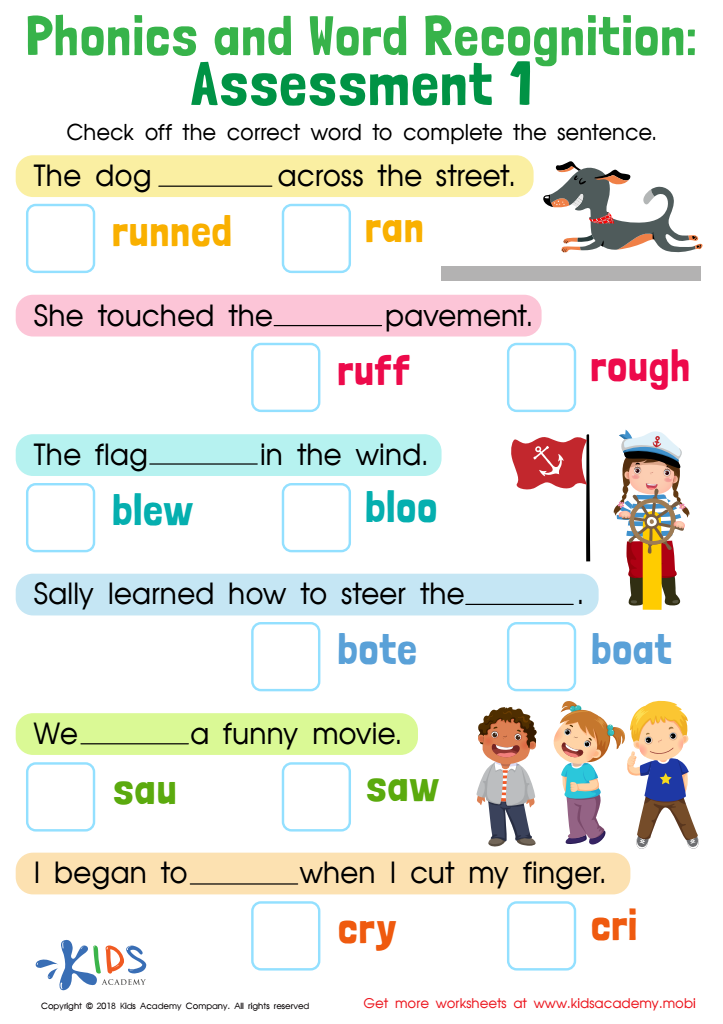
Phonics and Word Recognition: Assessment 1 Worksheet
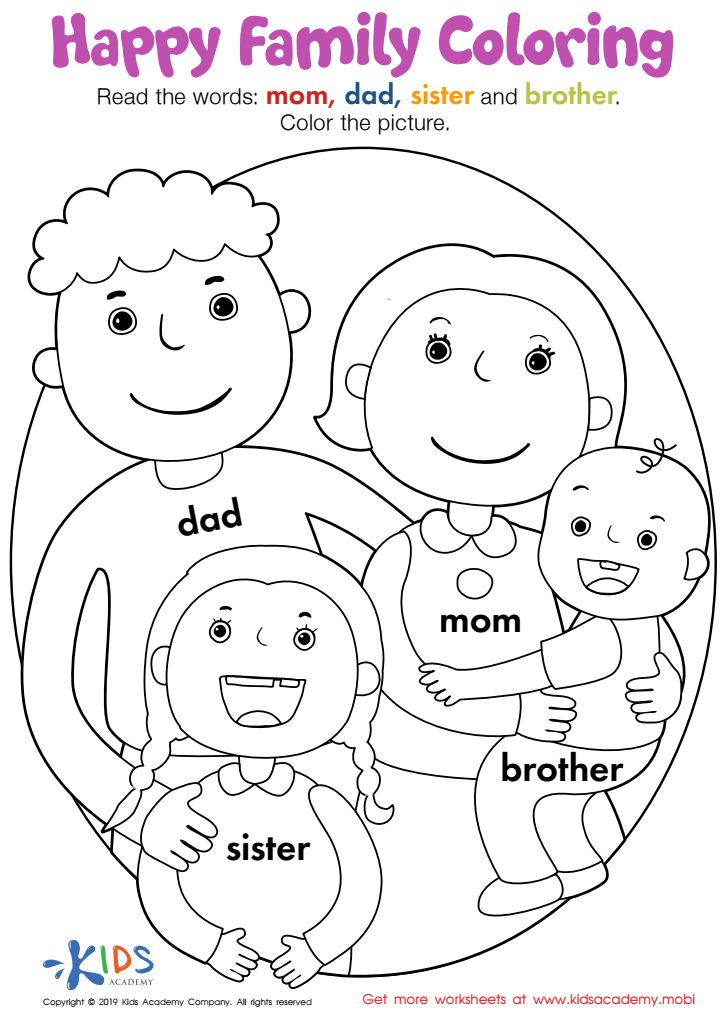
Happy Family Coloring Worksheet
 Assign to My Students
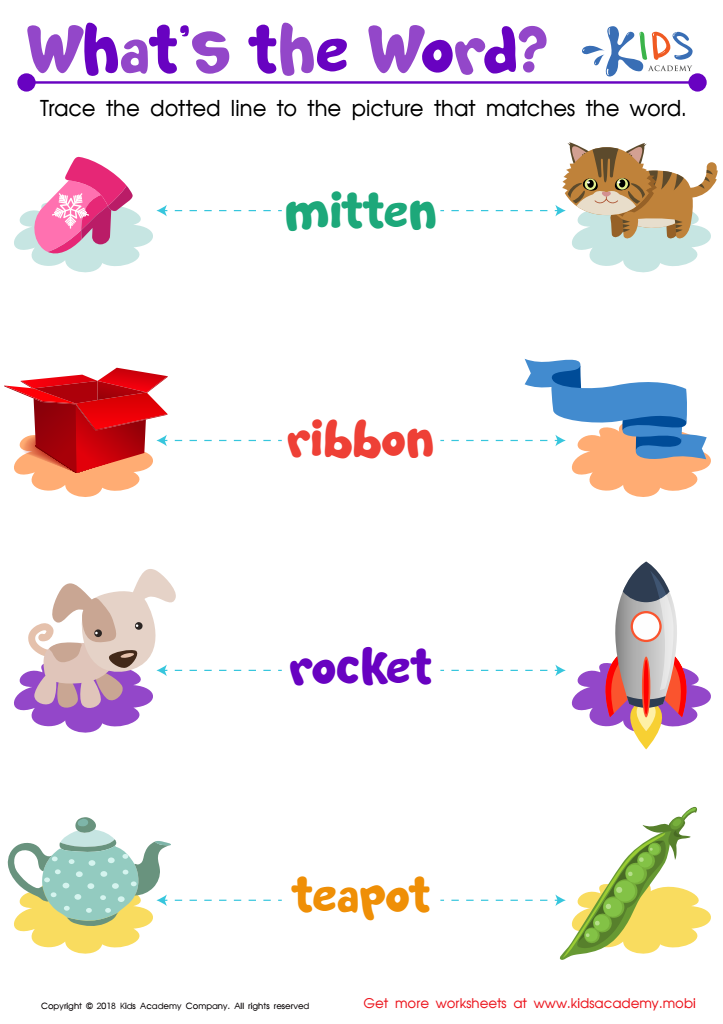
Reading: What's Word Worksheet
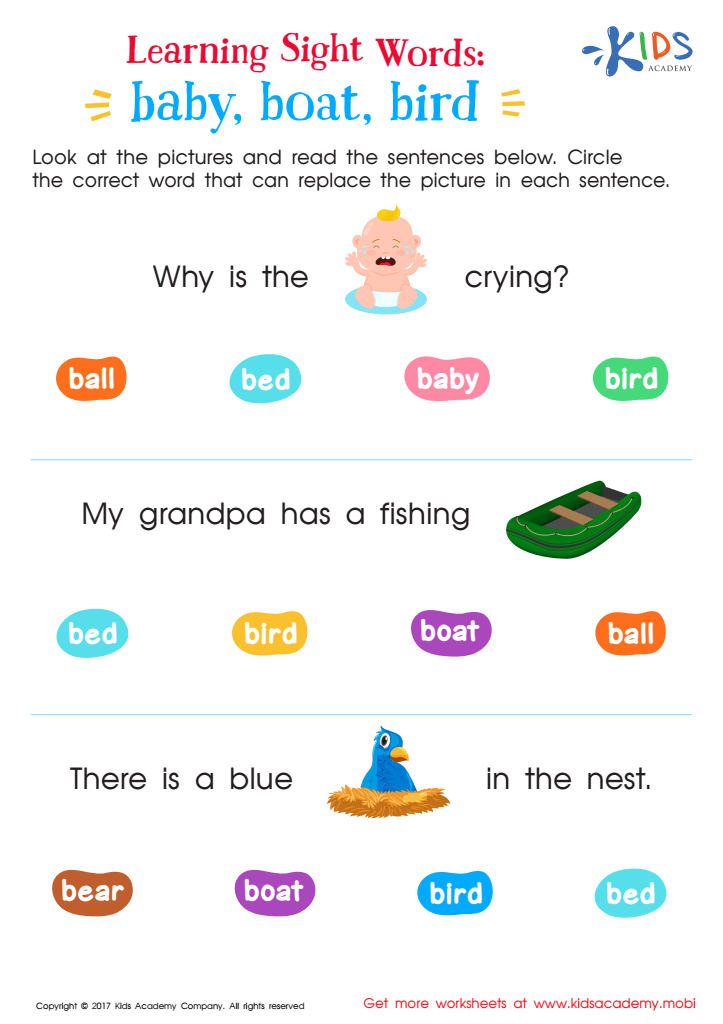
Baby, Boat, Bird Worksheet Sight Words Worksheet
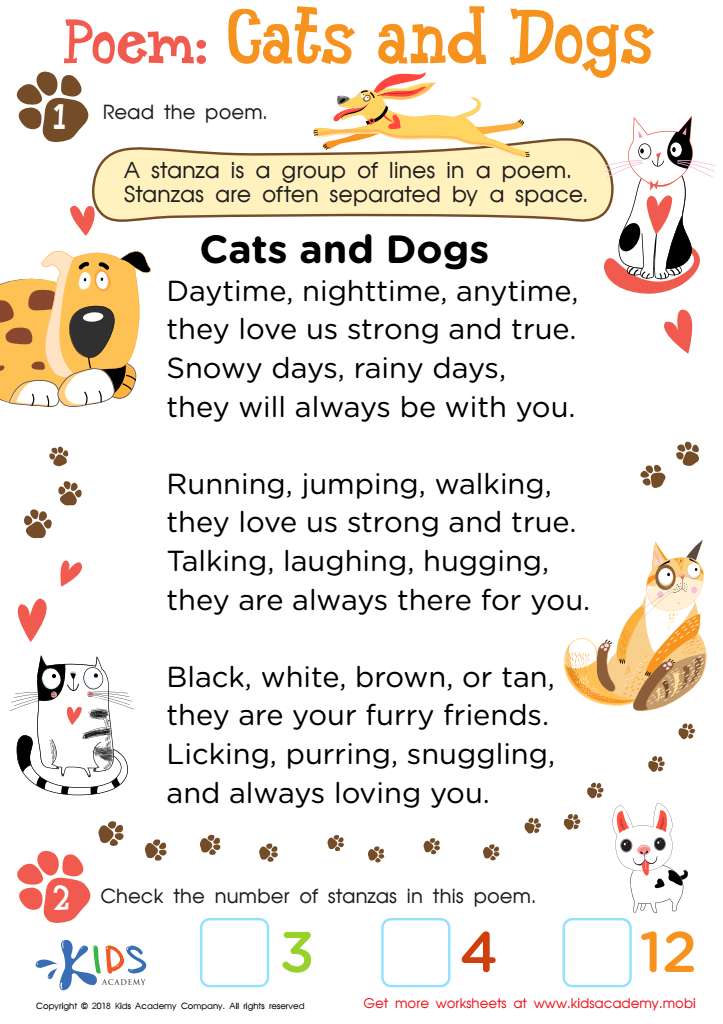
Poem: Cats and Dogs Worksheet
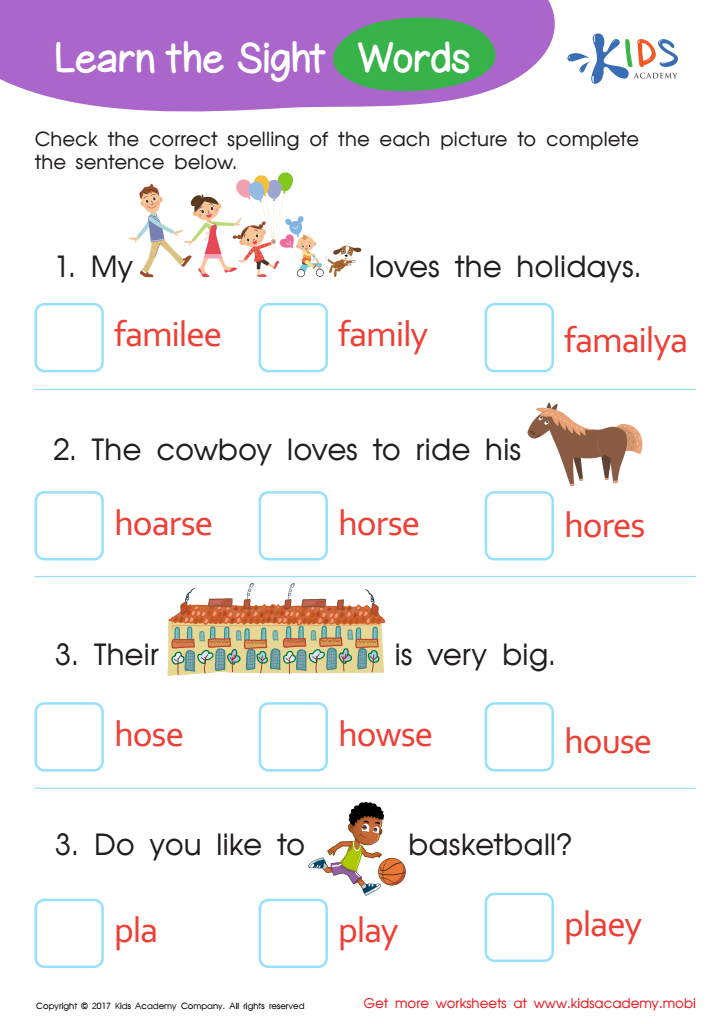
Family, Horse, House, Play Sight Words Worksheet
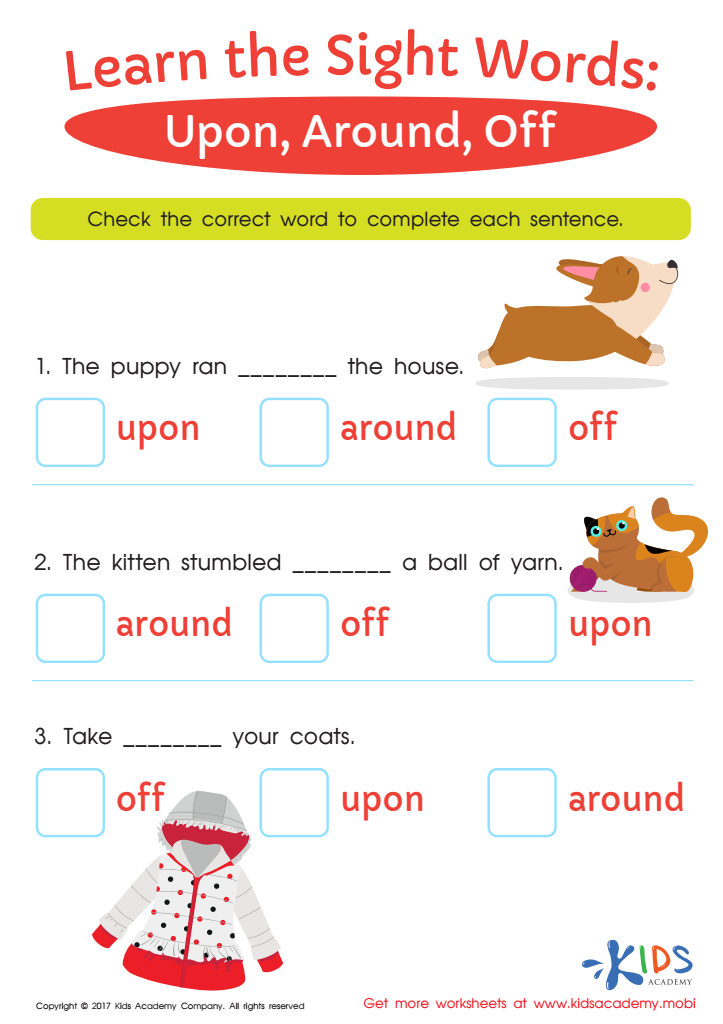
Upon, Around, Off Sight Words Worksheet
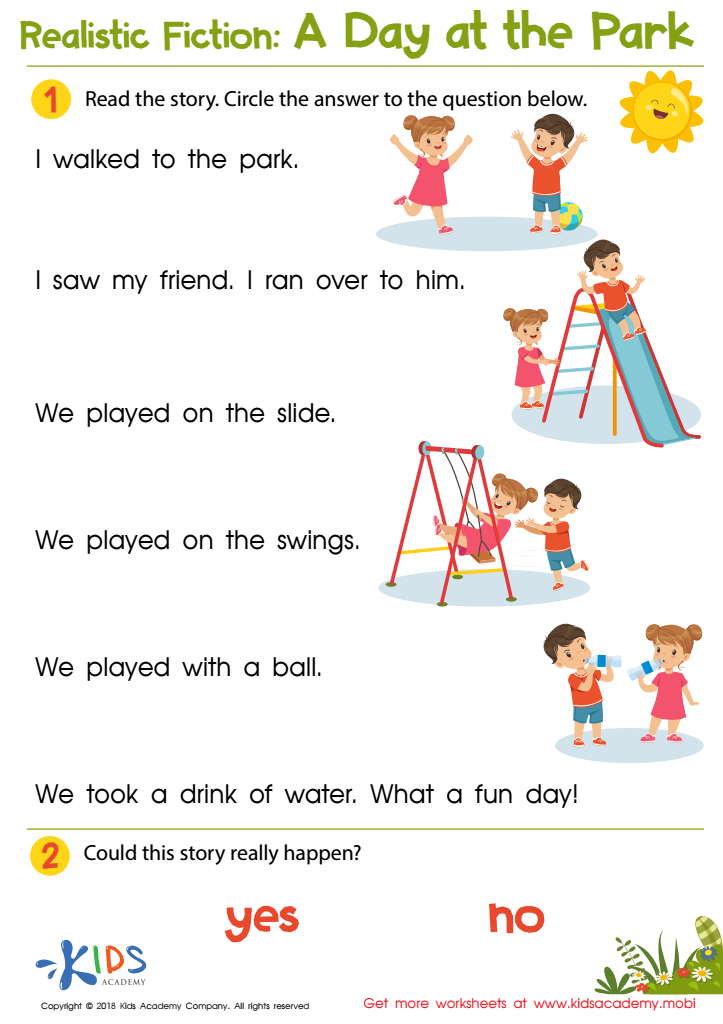
A Day at the Park Worksheet
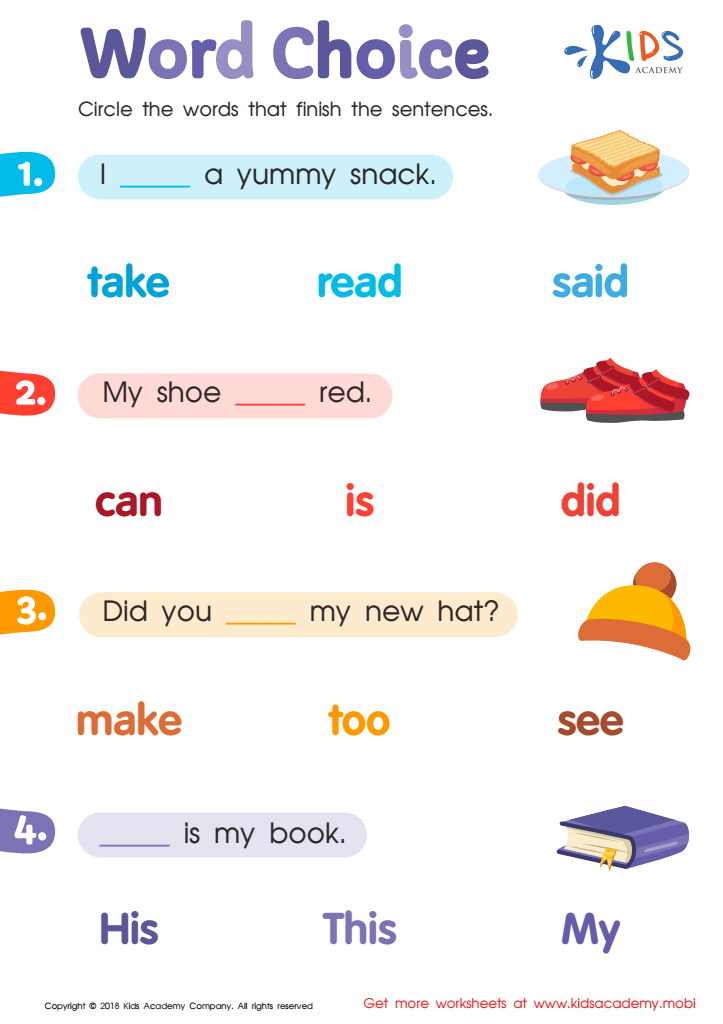
Word Choice Worksheet
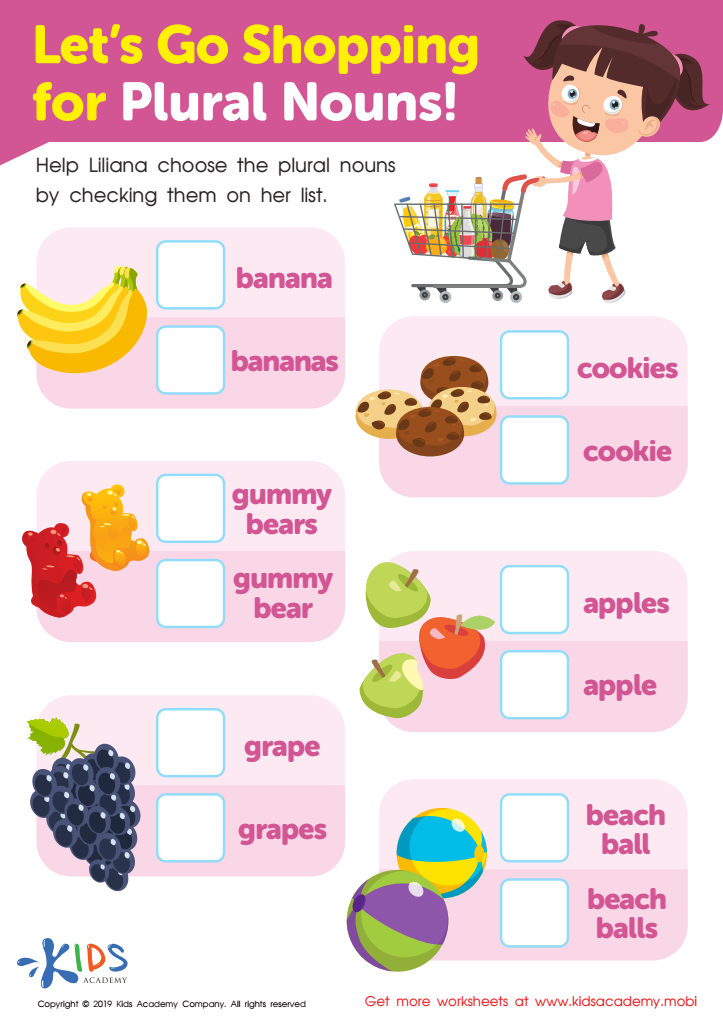
Let's Go Shopping for Plural Nouns! Worksheet
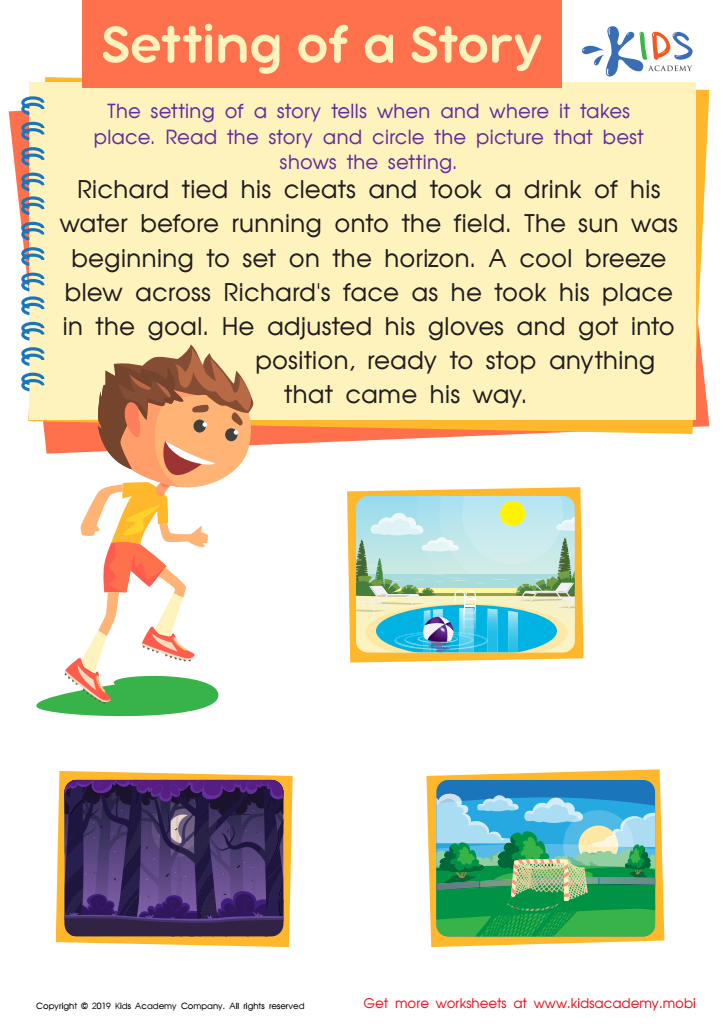
Setting of a Story Worksheet








Vocabulary enhancement through reading is a cornerstone of early childhood development and carries significant long-term benefits. Elements of a robust vocabulary are foundational to effective communication, academic success, and overall cognitive development, particularly within the ages of 4-9, a critical period for linguistic acquisition.
Firstly, an enriched vocabulary aids in the development of reading comprehension. When children understand the words they encounter in texts, they are better equipped to grasp complex ideas and narrative structures, nurturing a love for reading that contributes to lifelong learning. Enhanced comprehension skills are instrumental in later academic achievement across all subjects, not just language arts.
Secondly, vocabulary development plays a crucial role in verbal expression. Children with a rich vocabulary can articulate their thoughts, emotions, and needs more clearly and effectively. This is vital for social interactions, fostering better relationships with peers and adults and building self-confidence.
Moreover, a broad vocabulary enhances critical thinking and analytical skills. Children learn to make connections between words and concepts, fostering cognitive flexibility and creativity. As they grow, these skills are invaluable in problem-solving and decision-making processes.
In conclusion, investing time and effort in vocabulary enhancement through reading not only supports immediate educational success but also sets a dynamic foundation for personal growth and future learning. It's an essential aspect that helps children navigate their world more effectively, confidently, and intelligently.








