Color recognition Reading Comprehension Worksheets for Ages 4-9
8 filtered results
-
From - To
Unlock the colorful world of learning with our Color Recognition Reading Comprehension Worksheets designed for children ages 4-9! These engaging worksheets combine fun illustrations and essential reading skills to help young learners identify colors while enhancing their comprehension abilities. Each worksheet features vibrant visuals that captivate children's attention, fostering a love for learning. Students will enjoy reading colorful stories and answering questions that reinforce their understanding of both color recognition and reading comprehension. Ideal for classrooms or at-home learning, our worksheets make education enjoyable and interactive. Begin the journey to literacy today, and watch your child thrive in their learning adventures!
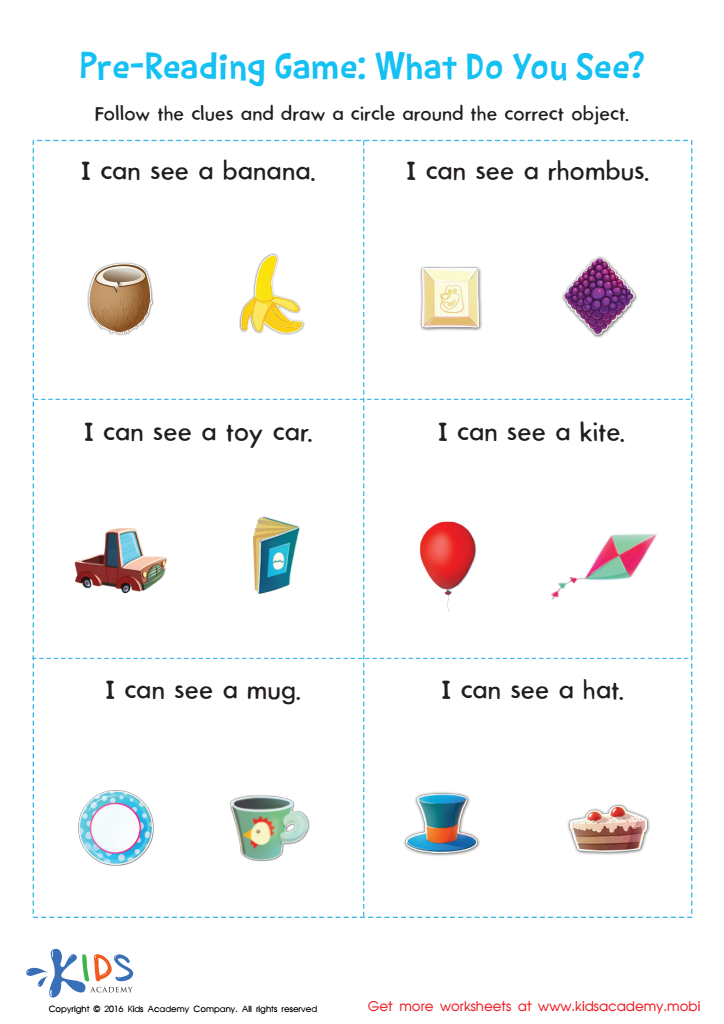
Pre–reading Worksheet: What Do You See?
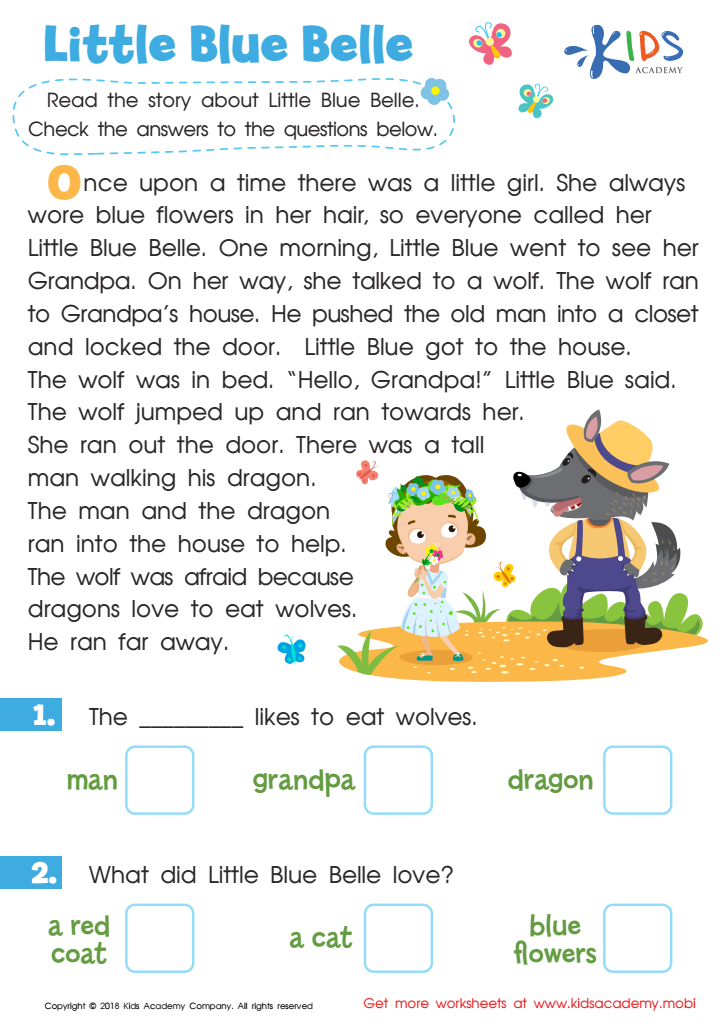
Little Blue Belle Worksheet

Twinkle Twinkle Little Star Coloring Page
 Assign to My Students
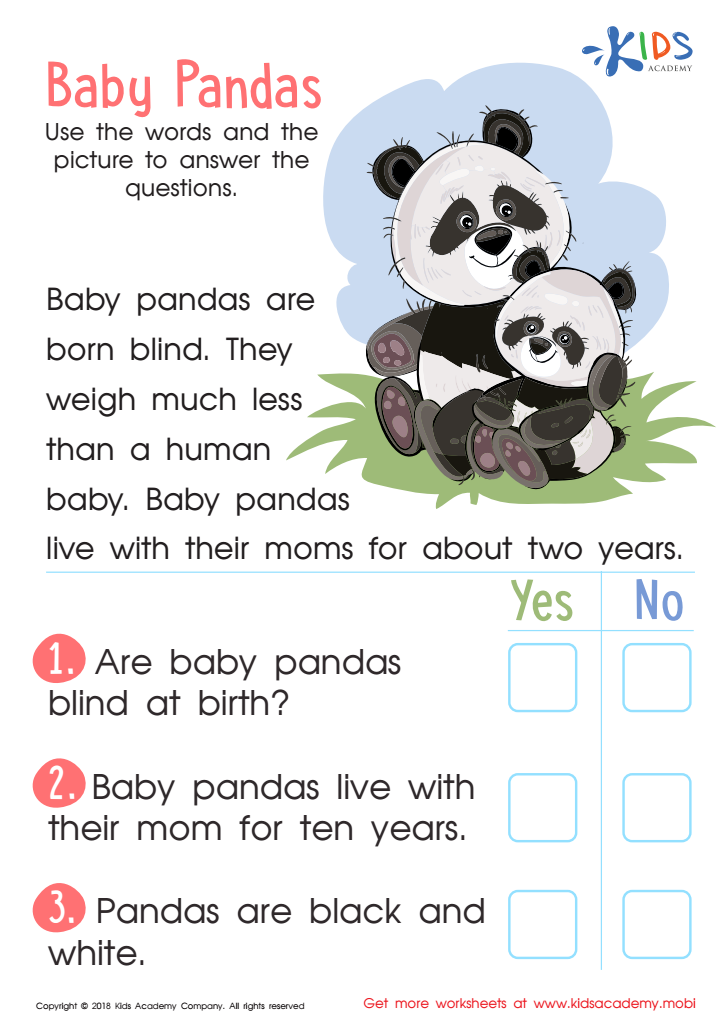
Baby Pandas Worksheet
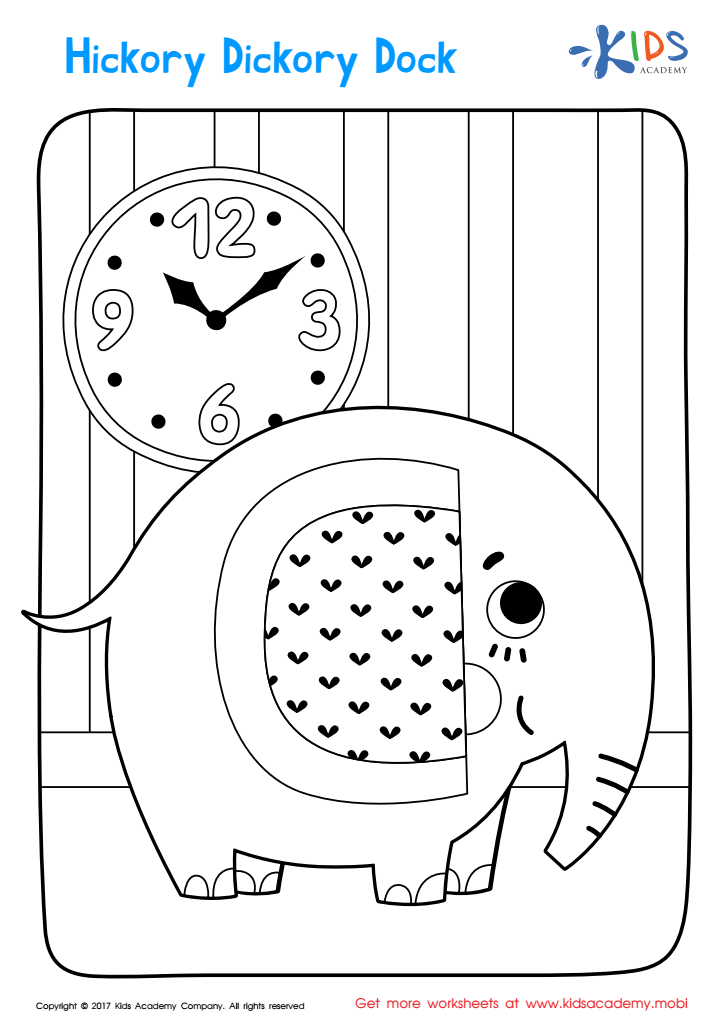
Hickory Dickory Dock Coloring Page
Assign to My Students
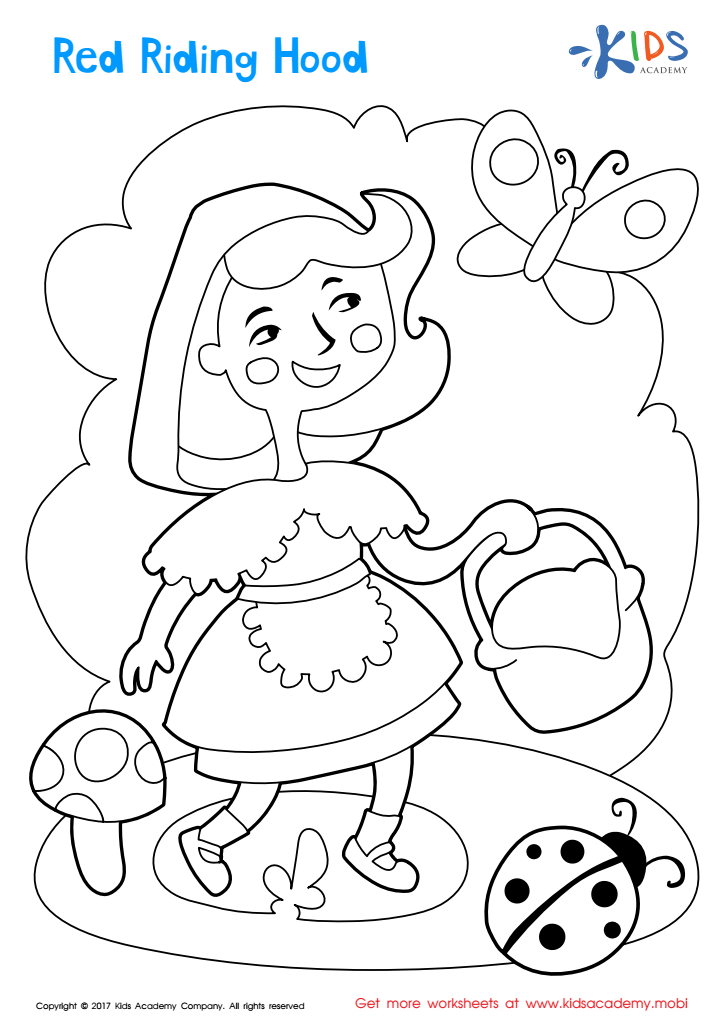
Red Riding Hood Coloring Page
Assign to My Students
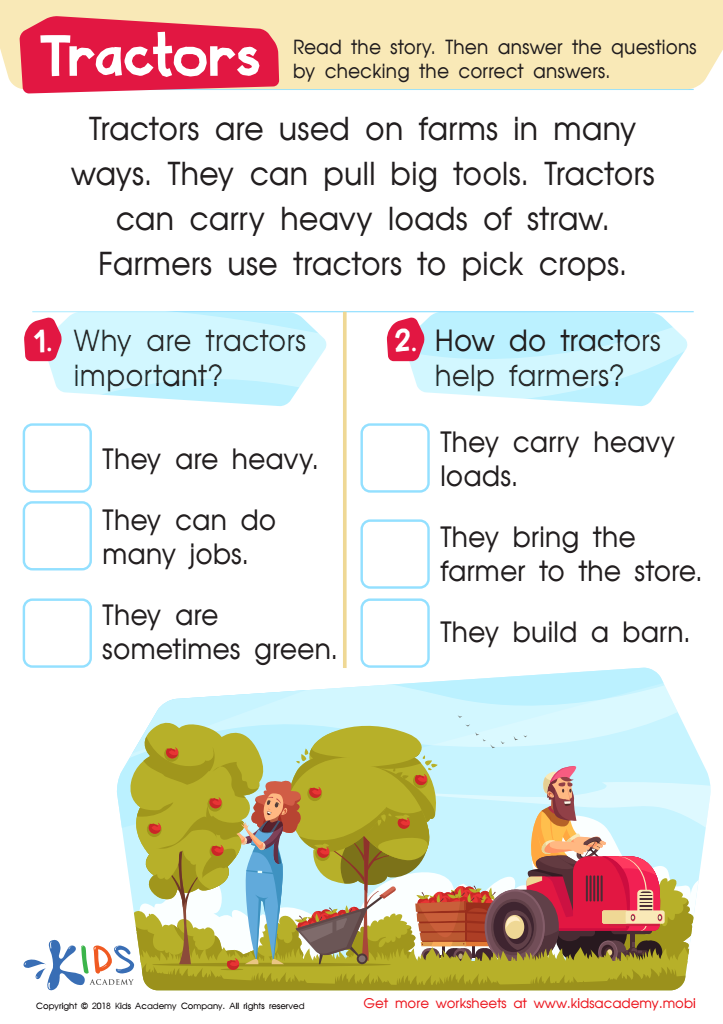
Tractors Worksheet
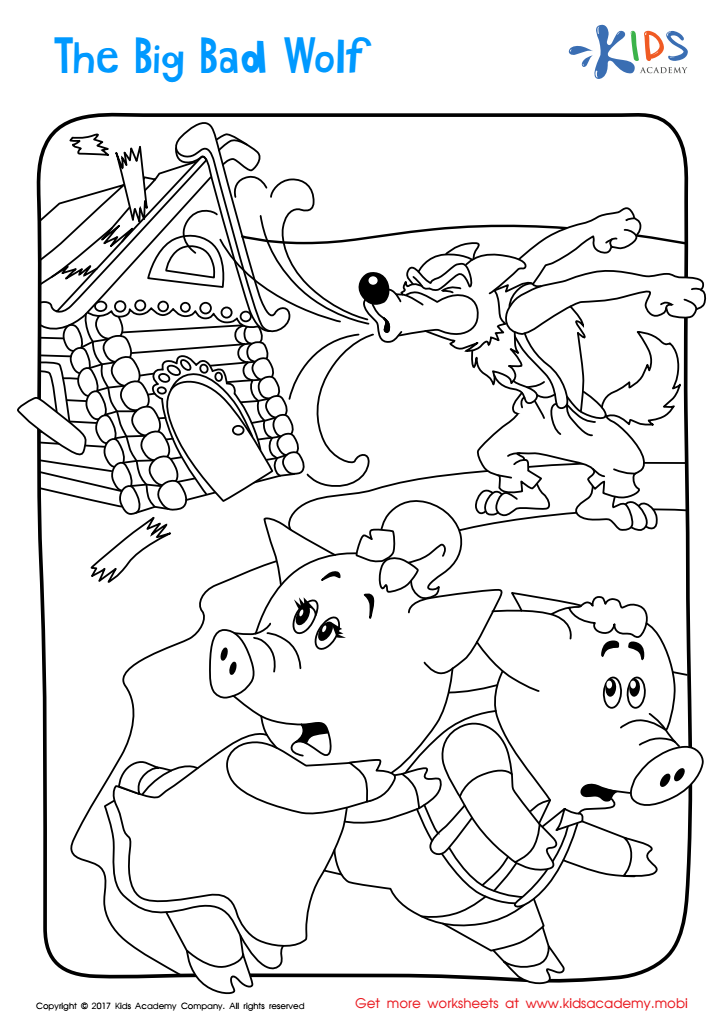
Big Bad Wolf Printable Coloring Page
Assign to My Students





.jpg)


Color recognition and reading comprehension are essential skills for children aged 4 to 9, significantly influencing their overall learning and development. Understanding colors is foundational for young children as it enhances cognitive development. It aids in their ability to categorize and interpret the world around them, which is instrumental when they begin reading. When children grasp color concepts, they can better describe objects and settings in stories, enhancing their engagement and comprehension.
Additionally, reading comprehension is vital during these early years, providing the bedrock for all future learning. Strong reading skills correlate with academic success across subjects, enabling children to think critically and express their thoughts clearly. When parents and teachers prioritize these skills, they create a conducive learning environment that fosters curiosity and motivation.
By integrating color recognition into reading activities, educators can use vibrant illustrations and themed stories to enhance understanding and make learning enjoyable. Ultimately, parents and teachers who emphasize color recognition and reading comprehension are not just teaching academic skills; they are nurturing a child's ability to navigate and enjoy the world through a rich understanding of language and visual experiences. This comprehensive approach equips children with the skills necessary for lifelong learning.








