Information retention Reading Non-Fiction Worksheets for Ages 4-9
4 filtered results
-
From - To
Discover our engaging "Information Retention Reading Non-Fiction Worksheets" designed specifically for children ages 4-9. These worksheets enhance vital reading comprehension skills by helping young learners grasp key information from captivating non-fiction texts. Each worksheet encourages critical thinking through interactive exercises such as summarizing facts, identifying main ideas, and answering insightful questions. Our colorful and age-appropriate materials make learning enjoyable, fostering a love for reading while promoting retention and recall. Empower your child's academic journey and build a solid foundation in reading comprehension with these essential resources. Perfect for classrooms, homeschoolers, or extra practice at home—start enhancing information retention today!
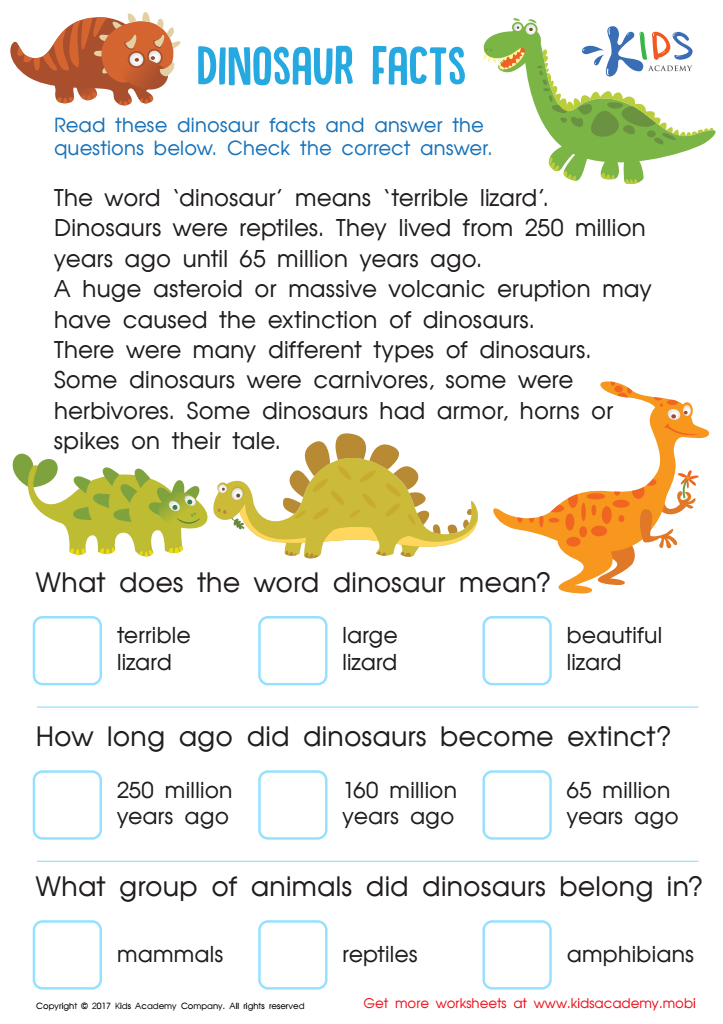
Dinosaur Facts Worksheet
 Assign to My Students
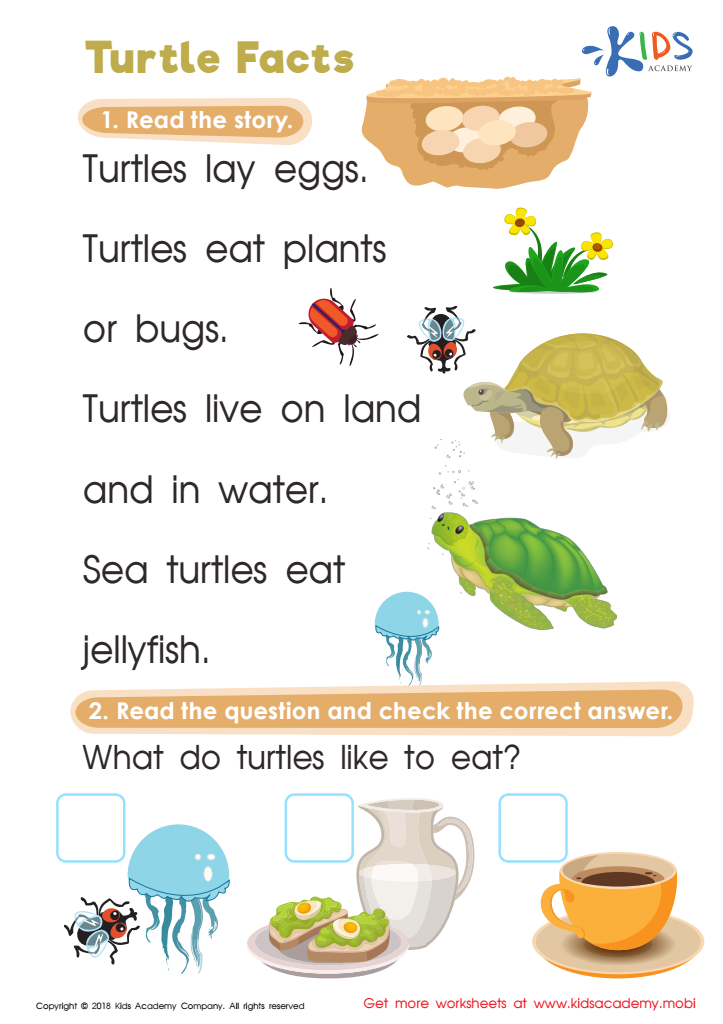
Turtle Facts Worksheet
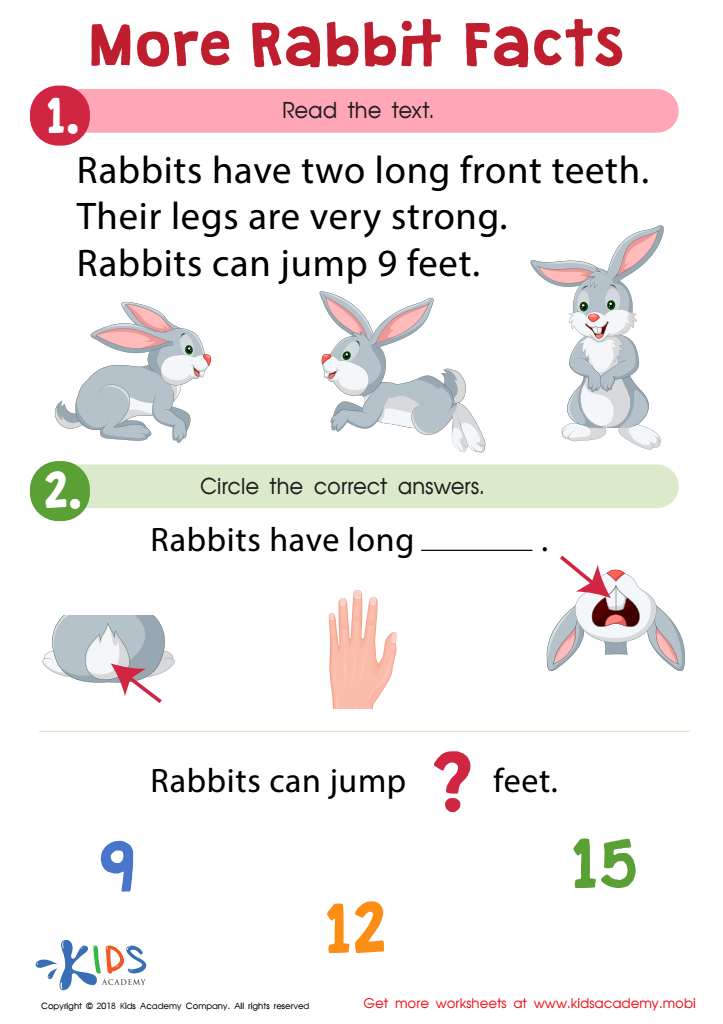
More Rabbit Facts Worksheet

More About the White House Worksheet








Parents and teachers should prioritize information retention in non-fiction reading for children ages 4-9 because it cultivates critical thinking, enhances comprehension skills, and fosters a lifelong love for learning. At this developmental stage, children are naturally curious, exploring the world around them. Engaging with non-fiction texts helps them learn to make connections between new information and prior knowledge, which nurtures their cognitive development and memory skills.
Retaining information from non-fiction also builds a foundation for future academic success. As children progress in their education, being able to recall factual knowledge becomes crucial for more complex subjects like science and social studies. Moreover, non-fiction reading helps children to learn essential life skills, such as discerning between fact and opinion, recognizing biases, and comprehending diverse perspectives.
Coupled with interactive reading strategies—like asking questions, discussing facts, and encouraging summaries—parents and teachers can reinforce retention while making reading a fun and enriching experience. Ultimately, by focusing on information retention from non-fiction texts, caregivers play a crucial role in shaping well-informed, inquisitive, and capable learners who are equipped to navigate an increasingly complex world.








