Analyzing data Science Worksheets for Ages 4-9
5 filtered results
-
From - To
Welcome to our "Analyzing Data Science Worksheets" designed for children aged 4-9! These engaging worksheets introduce young learners to the fundamentals of data analysis through fun activities that build critical thinking skills. Each worksheet encourages children to explore, collect, and interpret information in a playful manner, helping them develop a deeper understanding of concepts like sorting, comparing, and charting data. Ideal for both classroom and home learning, our resources are designed to foster curiosity and creativity in young minds. Let our printable worksheets guide your child as they embark on an exciting journey into the world of data science!
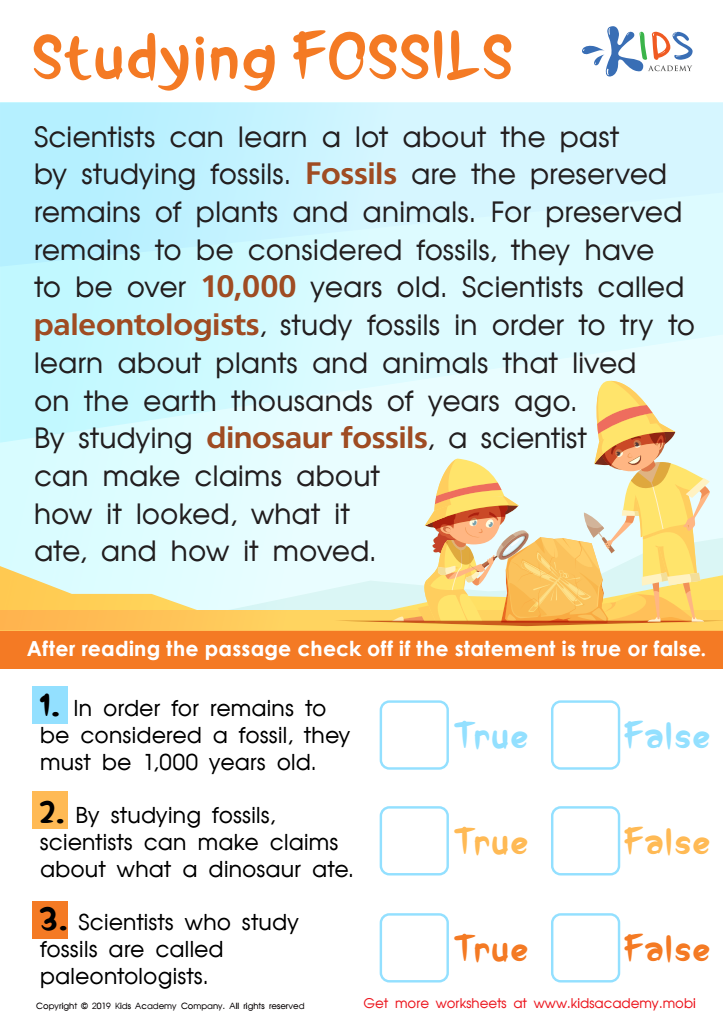
Studying Fossils Worksheet
 Assign to My Students
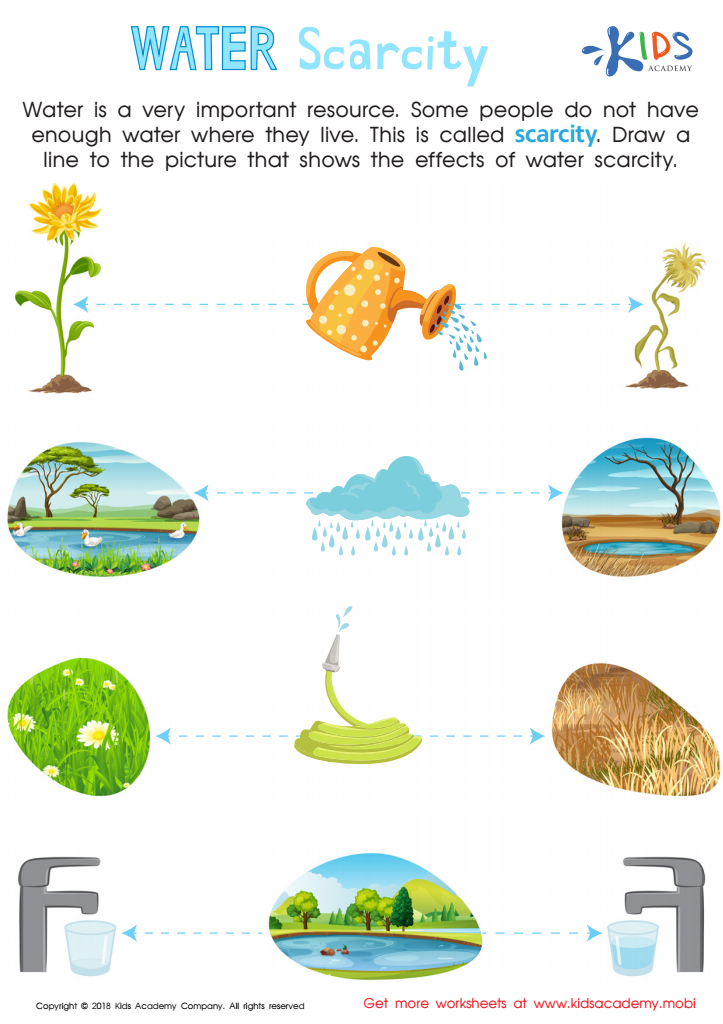
Water Scarcity Worksheet
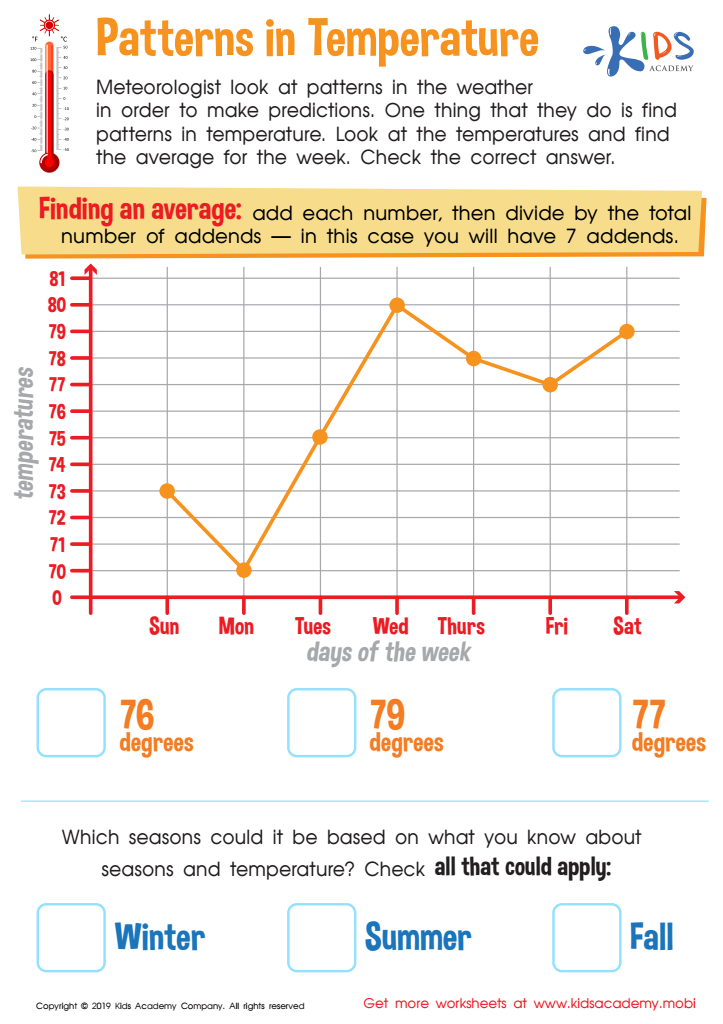
Patterns in Temperature Worksheet
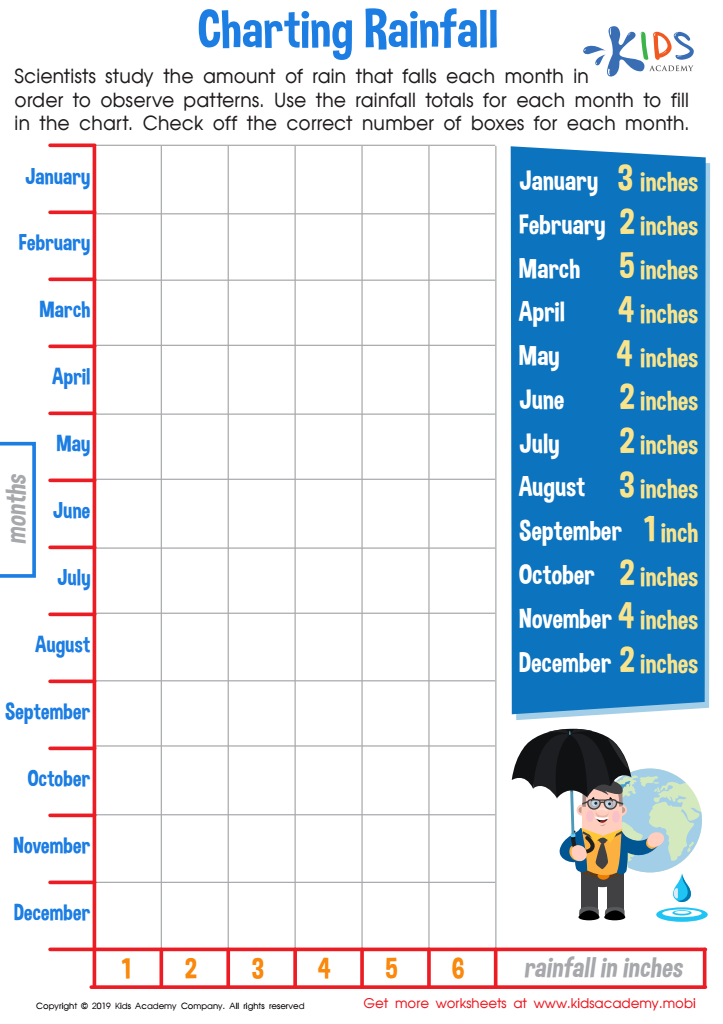
Charting Rainfall Worksheet
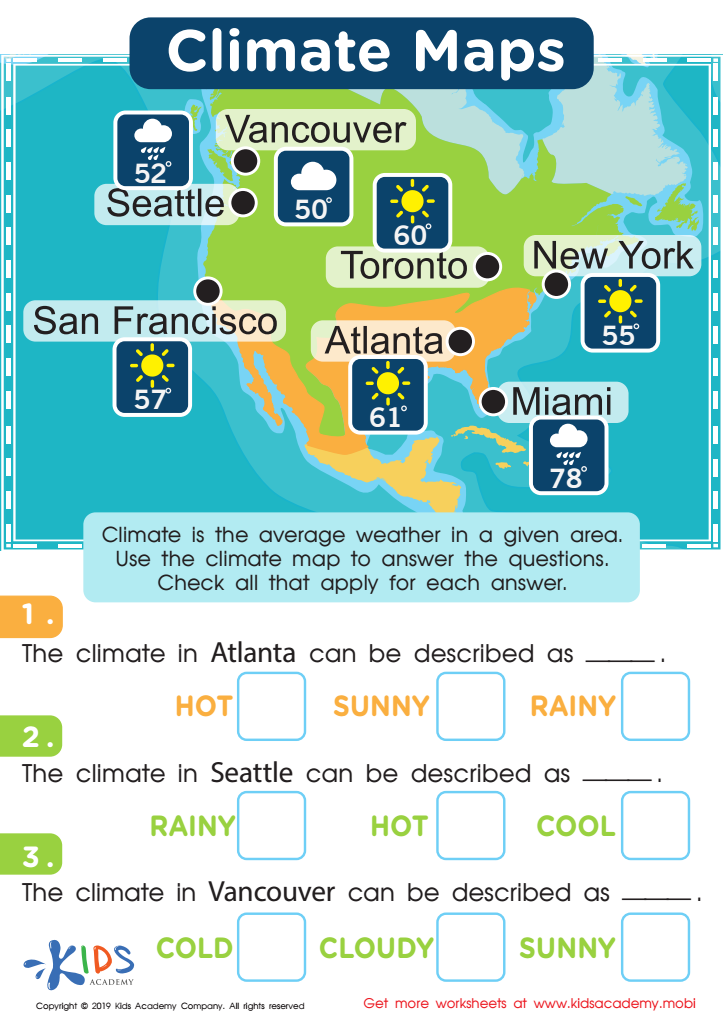
Climate Maps Worksheet








Parents and teachers should care about analyzing data science for children ages 4-9 because it plays a crucial role in transforming students into critical thinkers and informed decision-makers. At this early age, children are naturally curious and eager to explore the world around them. By introducing them to basic data analysis concepts, we empower them to think analytically and make sense of the information they encounter.
Incorporating data science into early education nurtures fundamental skills such as problem-solving, reasoning, and logical thinking. Children can learn to collect, organize, and interpret data through engaging activities like surveys, experiments, and observational studies. This hands-on approach fosters curiosity and a love for discovery, making learning enjoyable.
Moreover, as data continues to shape numerous aspects of our lives, equipping young learners with analytical thinking tools sets the stage for their future academic and career success. Understanding data fosters literacy in technology and helps children develop a foundation for navigating an increasingly data-driven world.
Lastly, analyzing data can enhance classroom instruction and assist teachers in implementing strategies tailored to cater to individual learning needs, ensuring every child receives the appropriate support for their educational journey.







