
Concentration improvement Science Worksheets for Ages 4-9
4 filtered results
Difficulty Level
Grade
Age
-
From - To
Subject
Activity
Standards
Boost your child’s focus and concentration with our engaging Science Worksheets designed for ages 4-9! Our collection features a variety of fun and interactive activities that promote critical thinking and enhance attention skills. Each worksheet is tailored to spark curiosity and deepen understanding of basic science concepts while encouraging mindful engagement. From puzzles to visual tasks, these worksheets not only improve concentration but also foster a love for learning in your young learners. Perfect for classroom use or at-home practice, our worksheets offer an exciting way to develop essential skills crucial for academic success. Explore our resources and watch your child thrive!
Favorites
With answer key
Interactive
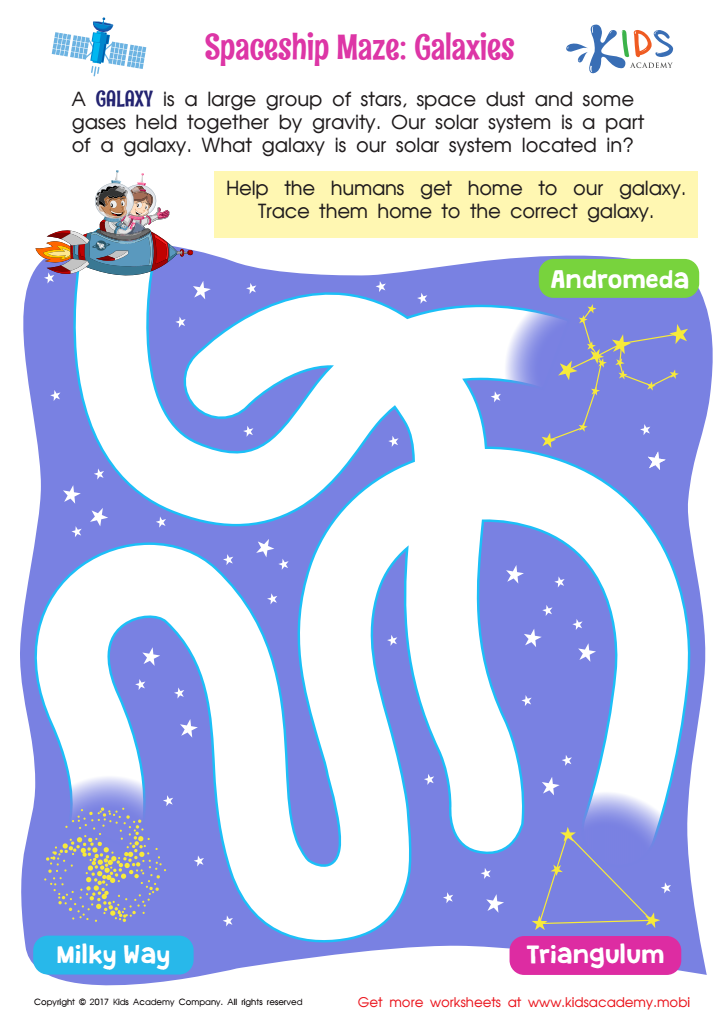
Spaceship Maze: Galaxies Worksheet
Guide lost humans home with this fun space maze: Galaxies! Once the journey is complete, kids can discover the name of our galaxy: the Milky Way! An exciting way to teach kids about space and help humans find their way back home.
 Assign to My Students
Spaceship Maze: Galaxies Worksheet
Worksheet
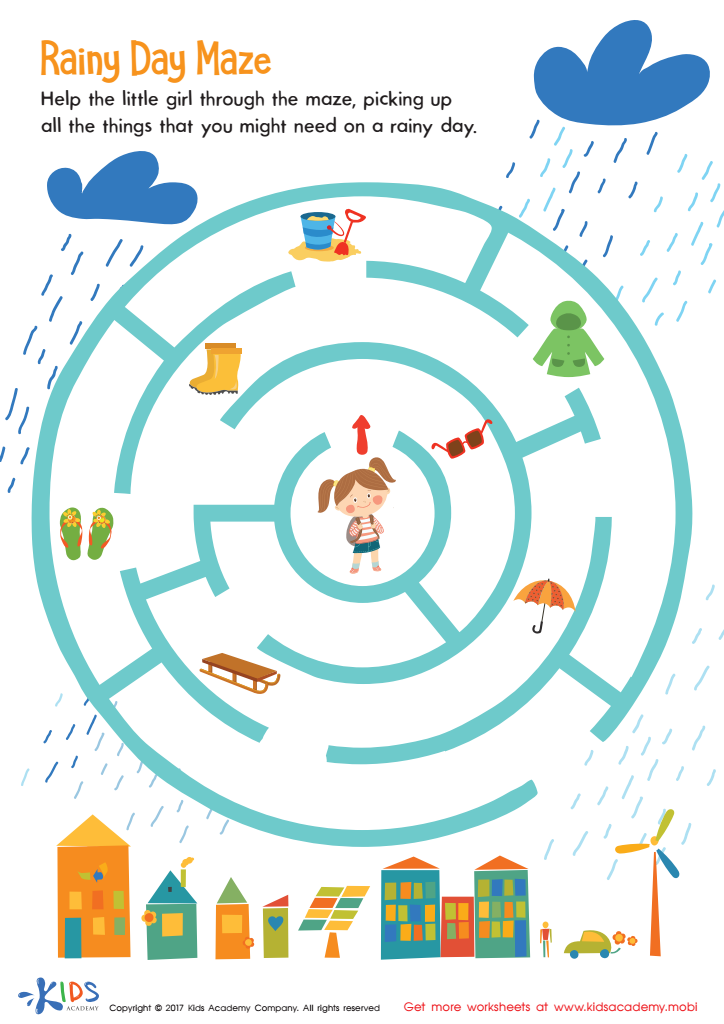
Rainy Day Maze Worksheet
Help your child use critical and problem solving skills to choose the right items! With this fun rainy day worksheet, they'll have a blast helping the character in the maze while learning about weather. Let’s get started!
Rainy Day Maze Worksheet
Worksheet
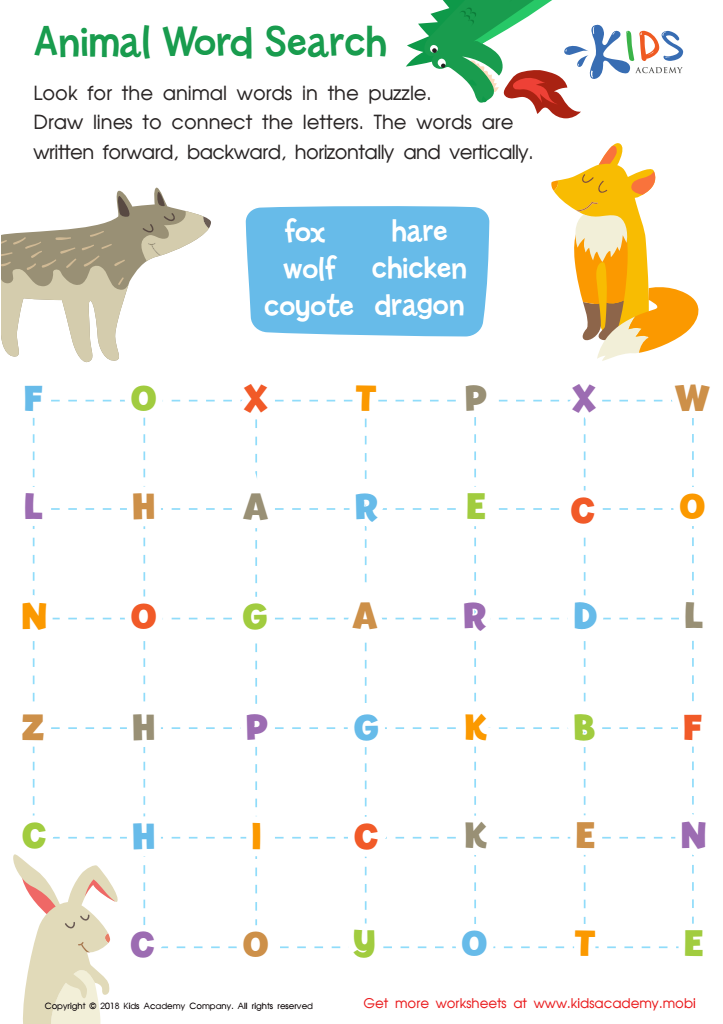
Animal Word Search Worksheet
Students can have fun and strengthen spelling and vocabulary skills with this word search worksheet. Search for animal words and circle the letters in the puzzle. Words can be found forwards, backwards, horizontally or vertically, providing a great challenge to foster critical thinking skills. An enriching activity for all ages!
Animal Word Search Worksheet
Worksheet
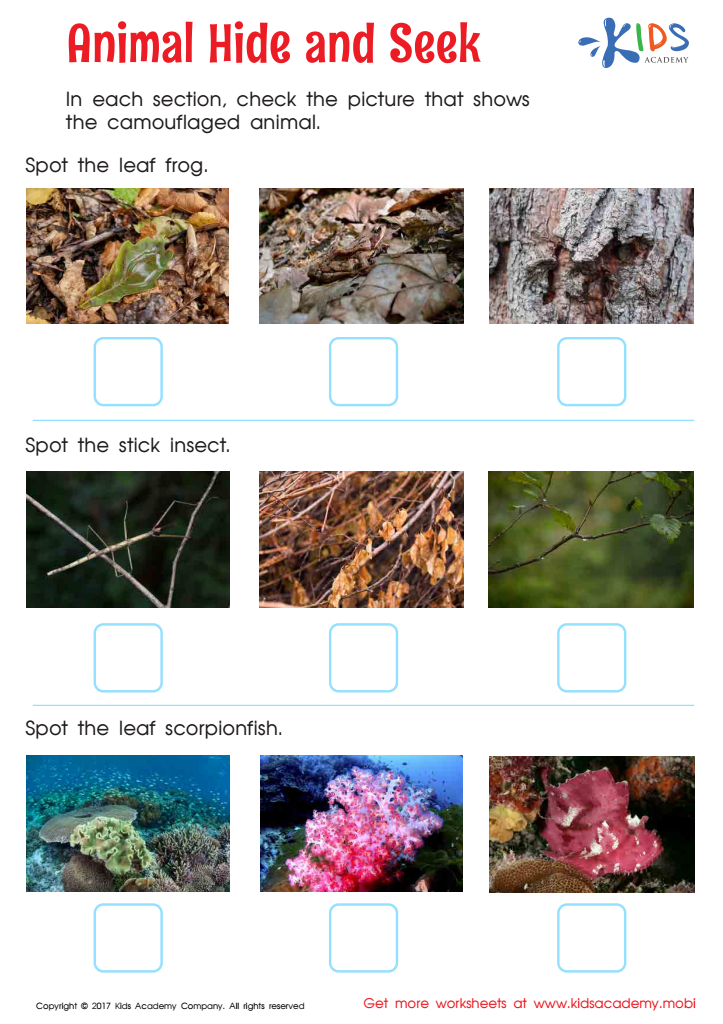
Animal Hide and Seek Worksheet
Try Kids Academy's animal hide and seek worksheet. See if your kids can spot the hidden animals – a leapfrog, a stick insect, and a leaf scorpionfish. A fun and educational activity to raise awareness of the variety of nature and spur further exploration of the world around them.
Animal Hide and Seek Worksheet
Worksheet
Join Kids Academy for Free
Who is primarily going to use this learning content?




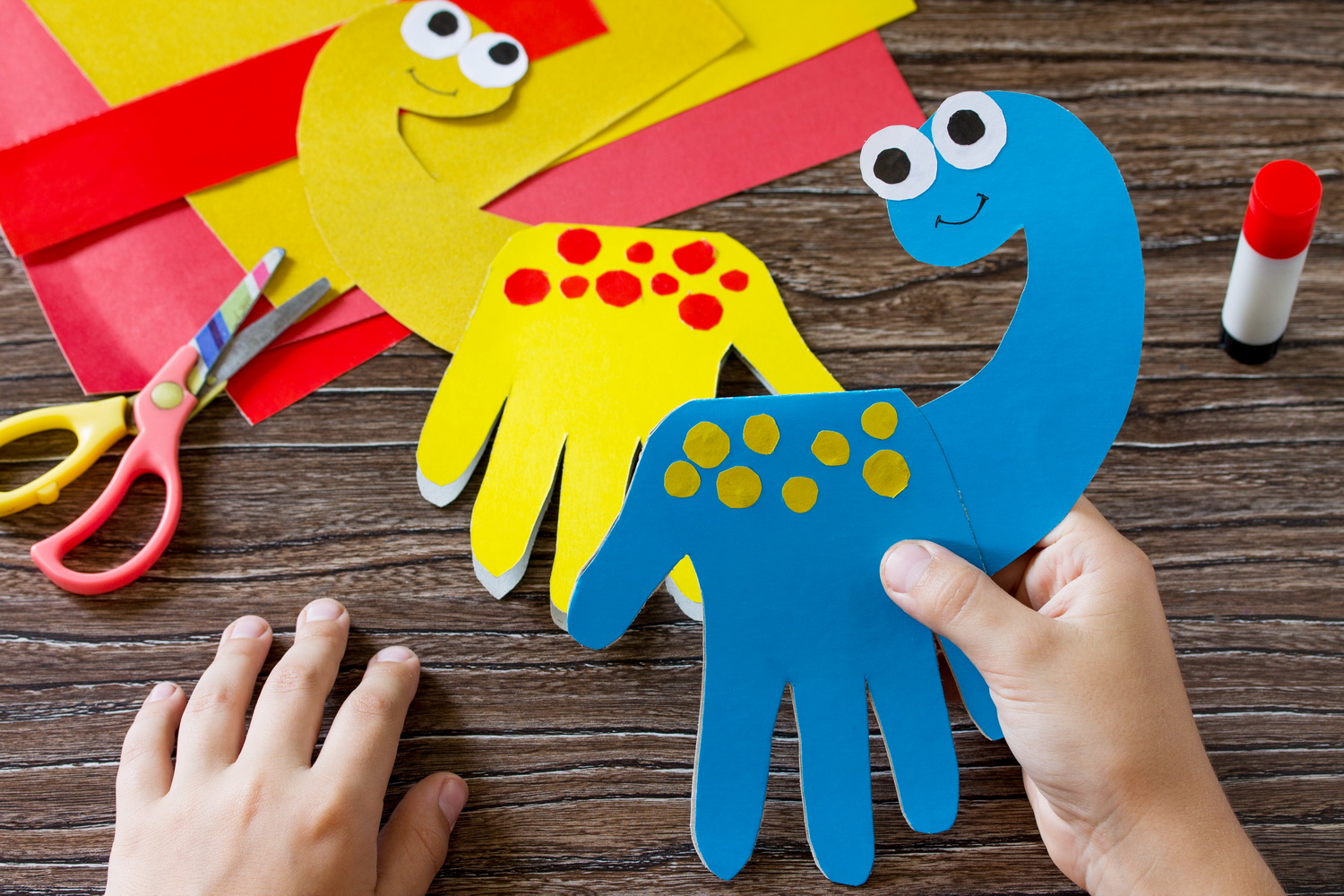



Understanding concentration improvement science is vital for parents and teachers of children ages 4-9, as this developmental stage significantly impacts future learning and academic success. During these formative years, children's ability to focus influences their capacity to absorb knowledge and engage with their surroundings. Research shows that enhancing concentration skills not only boosts academic performance but also fosters crucial life skills such as problem-solving, critical thinking, and emotional regulation.
For educators, integrating concentration improvement strategies in the classroom allows for a more effective learning environment. Techniques like mindfulness, structured routines, and engaging activities can keep young learners attentive and invested. By implementing these scientifically-backed methods, teachers can cultivate a space where children thrive, reducing behavioral issues and enhancing overall classroom dynamics.
Parents also play a crucial role. By understanding concentration science, they can support their children’s learning at home through activities that promote focus, such as limiting distractions during homework or engaging in interactive play that encourages attention. Ultimately, recognizing the importance of concentration improvement science helps both parents and teachers guide children towards becoming curious, engaged learners who are better equipped for future academic challenges.







