Enhancing observational skills Science Worksheets for Ages 4-9
8 filtered results
-
From - To
Unlock your child’s potential with our "Enhancing Observational Skills Science Worksheets for Ages 4-9." These engaging and colorful worksheets are designed to sharpen young minds by developing crucial observational skills, which are fundamental for scientific discovery and everyday learning. From analyzing patterns to identifying differences, each activity is crafted to foster curiosity and attention to detail. Tailored for children aged 4-9, our worksheets make learning fun and accessible, helping to build a solid foundation in scientific thinking. Introduce your child to the wonders of observation and watch their confidence and skills flourish. Start their journey of exploration today!
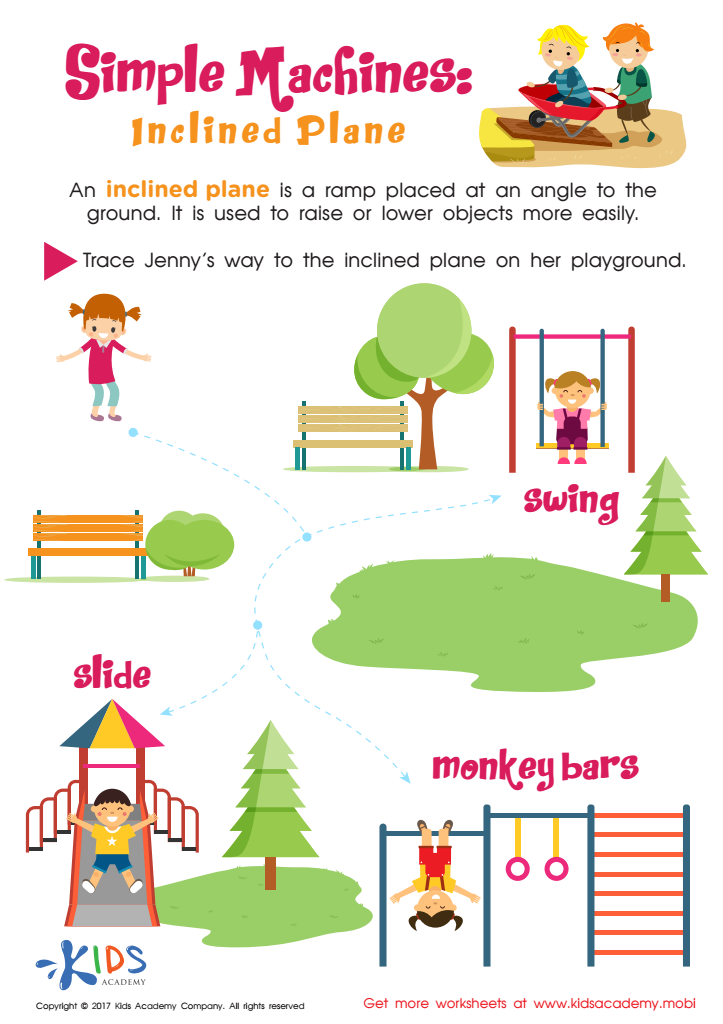
Simple Machines Inclined Plane Worksheet
 Assign to My Students
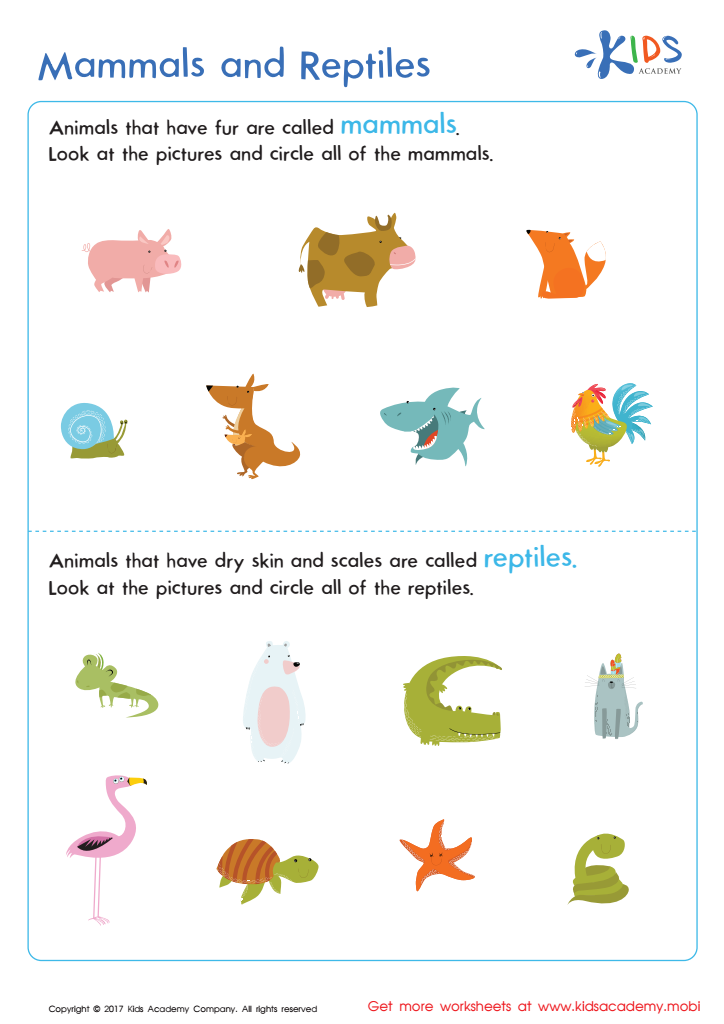
Mammals and Reptiles Worksheet
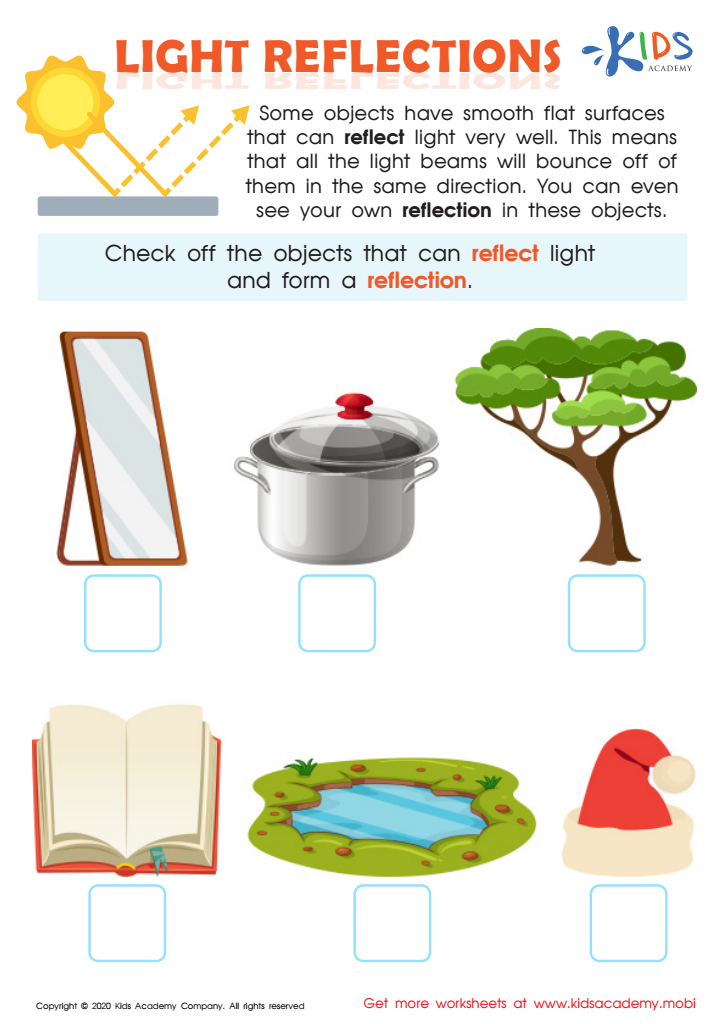
Light Reflections Worksheet
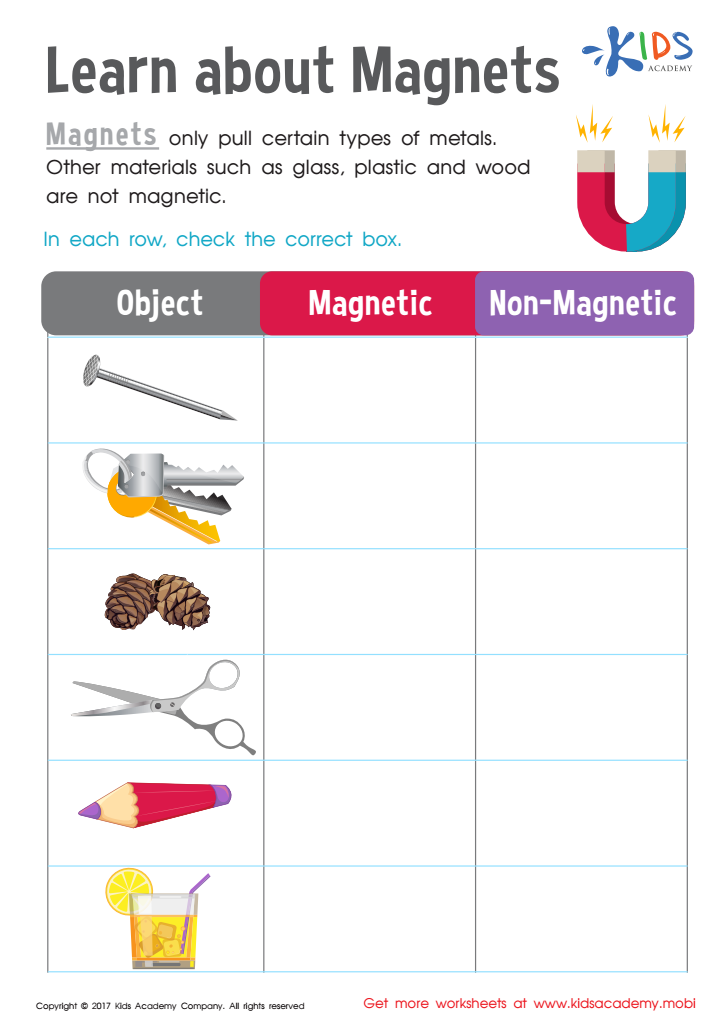
Magnetic Or Not Worksheet
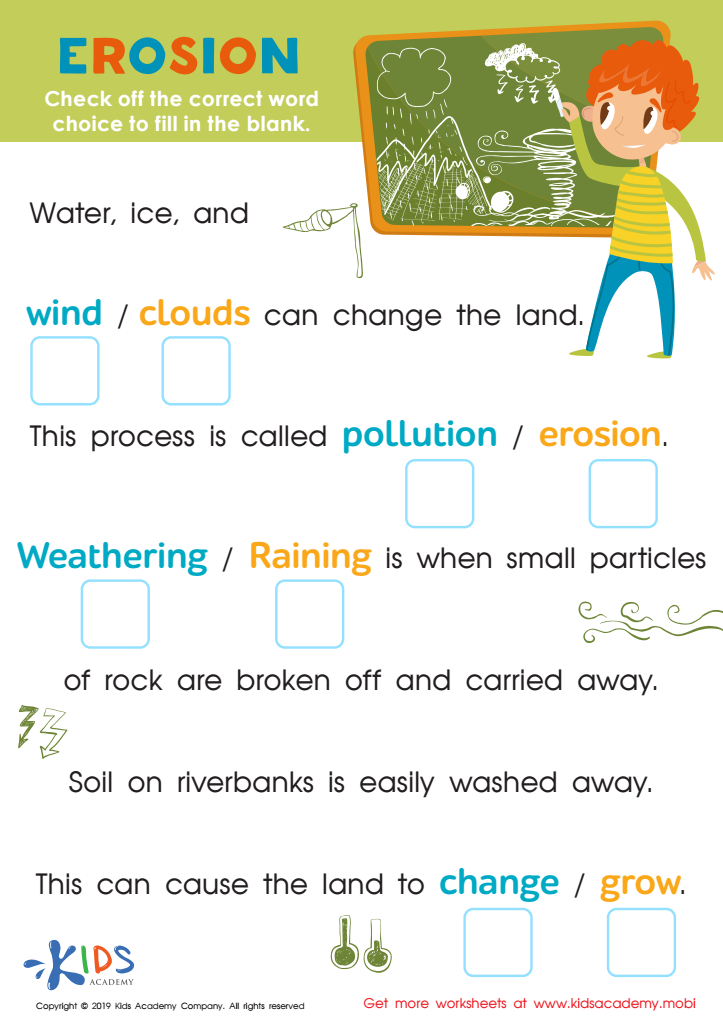
Erosion Worksheet
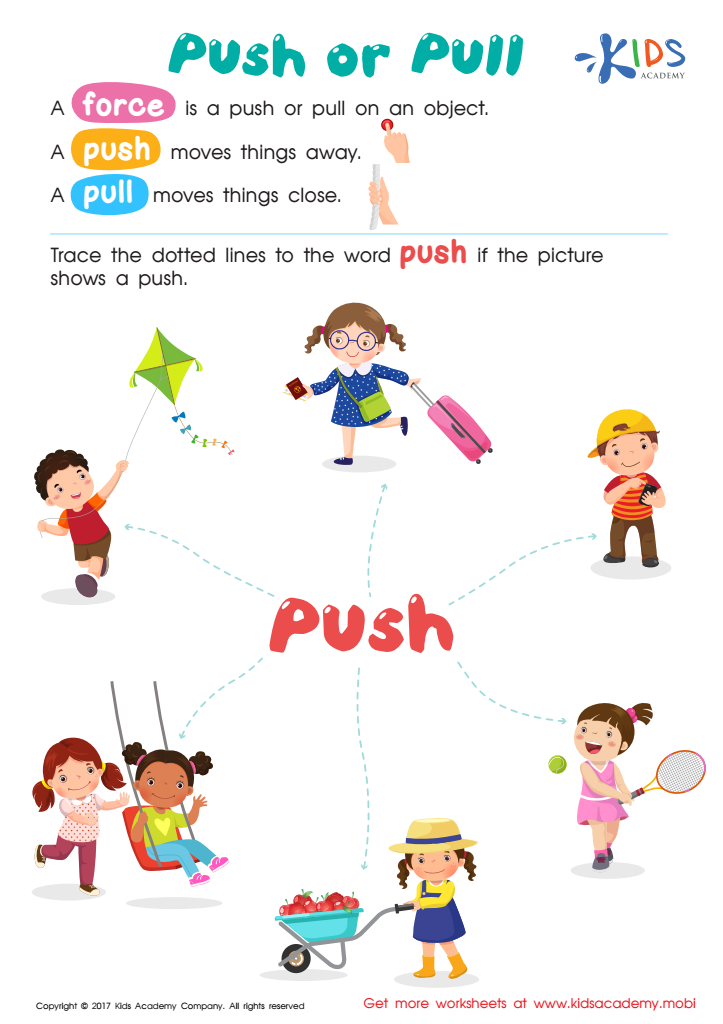
Push or Pull Worksheet
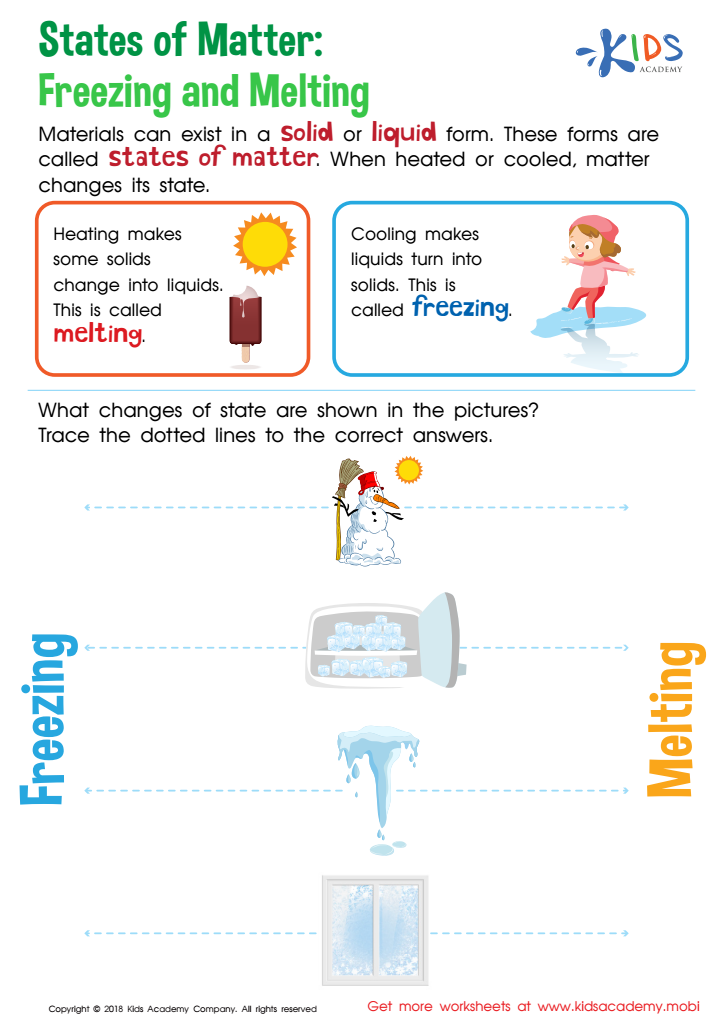
States of Matter: Freezing and Melting Worksheet
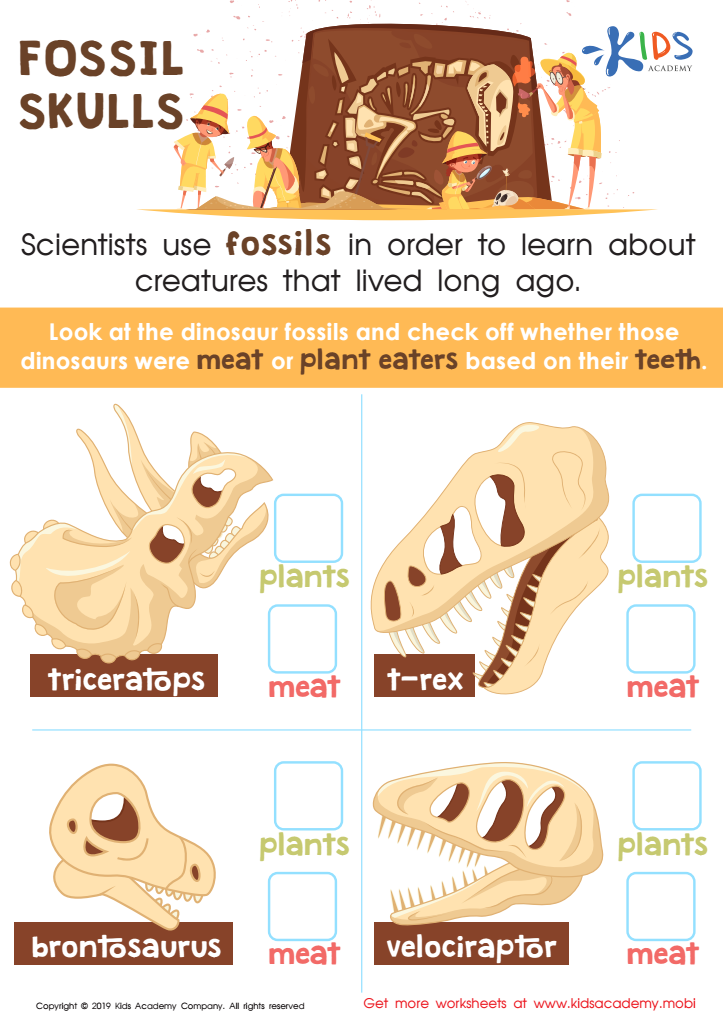
Fossil Skulls Worksheet








Enhancing observational skills in science for children aged 4-9 is essential for fostering curiosity, critical thinking, and a lifelong love of learning. During these formative years, children's brains are highly adaptable and capable of absorbing vast amounts of information. Encouraging keen observational skills helps them notice details, patterns, and relationships in the natural world, laying a strong foundation for scientific thinking.
When children learn to observe carefully, they become adept at asking questions and seeking answers through exploration. These skills are crucial for problem-solving and innovation. For instance, observing how plants grow under different conditions can spark their interest in biology and environmental science, leading them to ask "why" and "how" questions that drive deeper understanding.
Additionally, enhancing observational skills improves focus and patience. In our fast-paced digital age, nurturing these attributes through activities like nature walks, simple experiments, and hands-on projects can balance screen time and encourage mindfulness. Both parents and teachers play a critical role in providing opportunities and creating environments conducive to careful observation.
Involving children in discussions about their observations also strengthens language and communication skills, as they learn to articulate their thoughts and share discoveries. Ultimately, these foundational skills support academic success across subjects and instill a sense of wonder and excitement about the world, preparing children for more complex scientific learning in later stages.







