Knowledge application Science Worksheets for Ages 4-9
6 filtered results
-
From - To
Discover our engaging Knowledge Application Science Worksheets, designed specifically for children aged 4-9. Our thoughtfully created worksheets help young learners explore essential science concepts through hands-on activities and interactive exercises. From observing nature to understanding simple machines, each worksheet encourages critical thinking and real-world application of scientific knowledge. These resources promote curiosity and creativity while aligning with educational standards. Perfect for classroom use or at-home learning, our worksheets offer a fun and effective way for children to grasp fundamental science concepts. Browse our collection today and inspire the young scientists of tomorrow with interactive learning experiences that make science unforgettable!
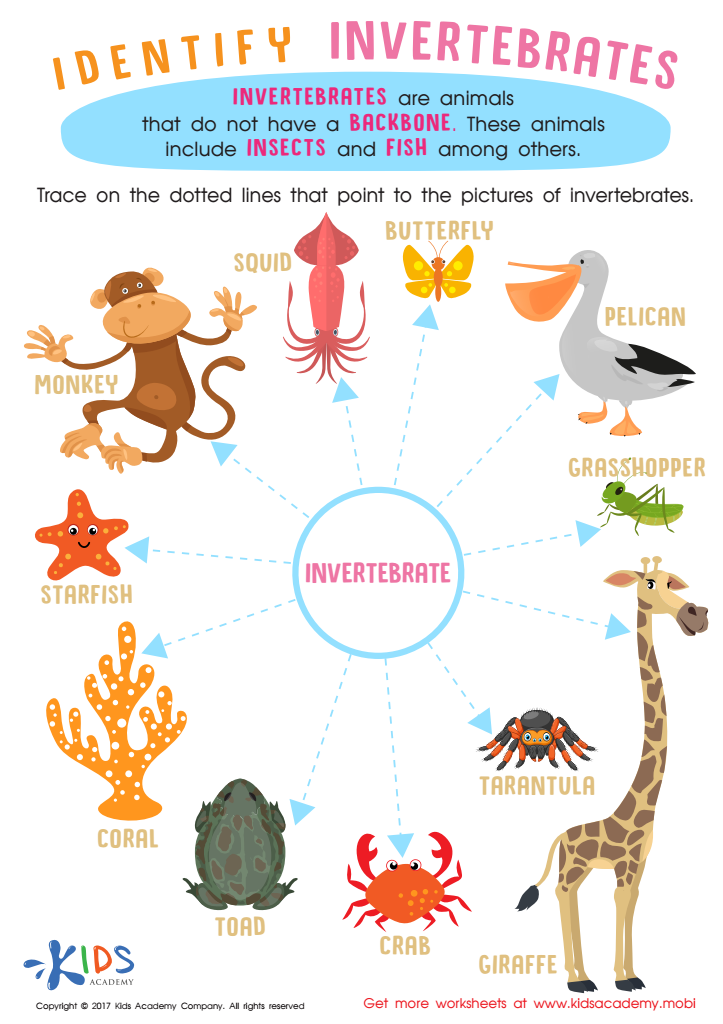
Invertebrates Worksheet for Grade 3
 Assign to My Students
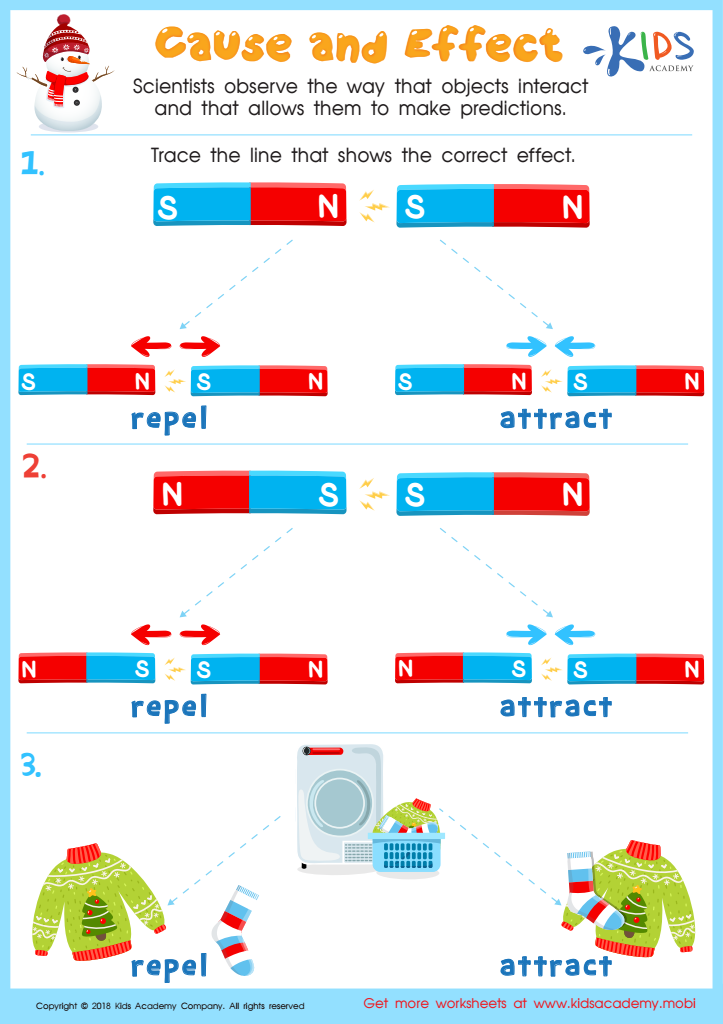
Repel and Attract Magnet Worksheet
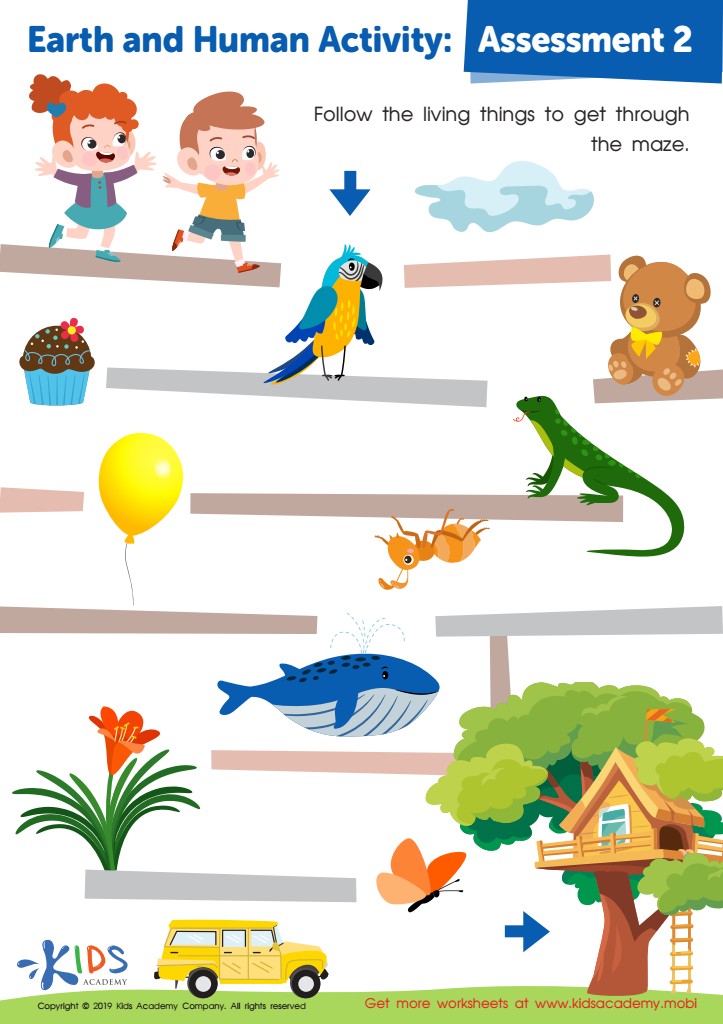
Earth and Human Activity: Assessment 2 Worksheet
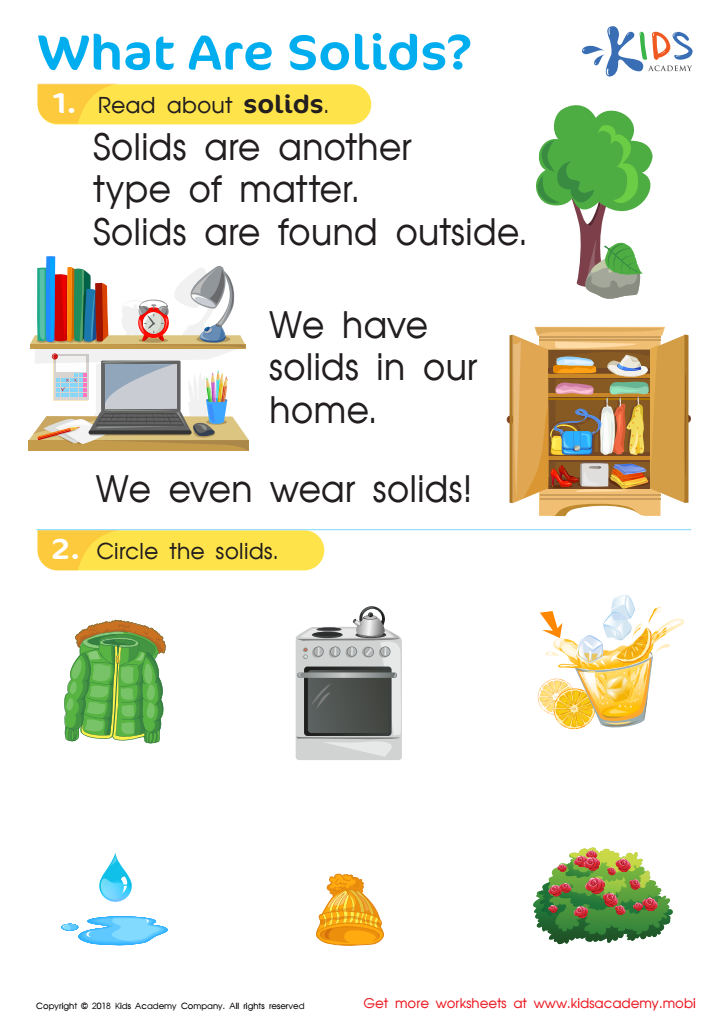
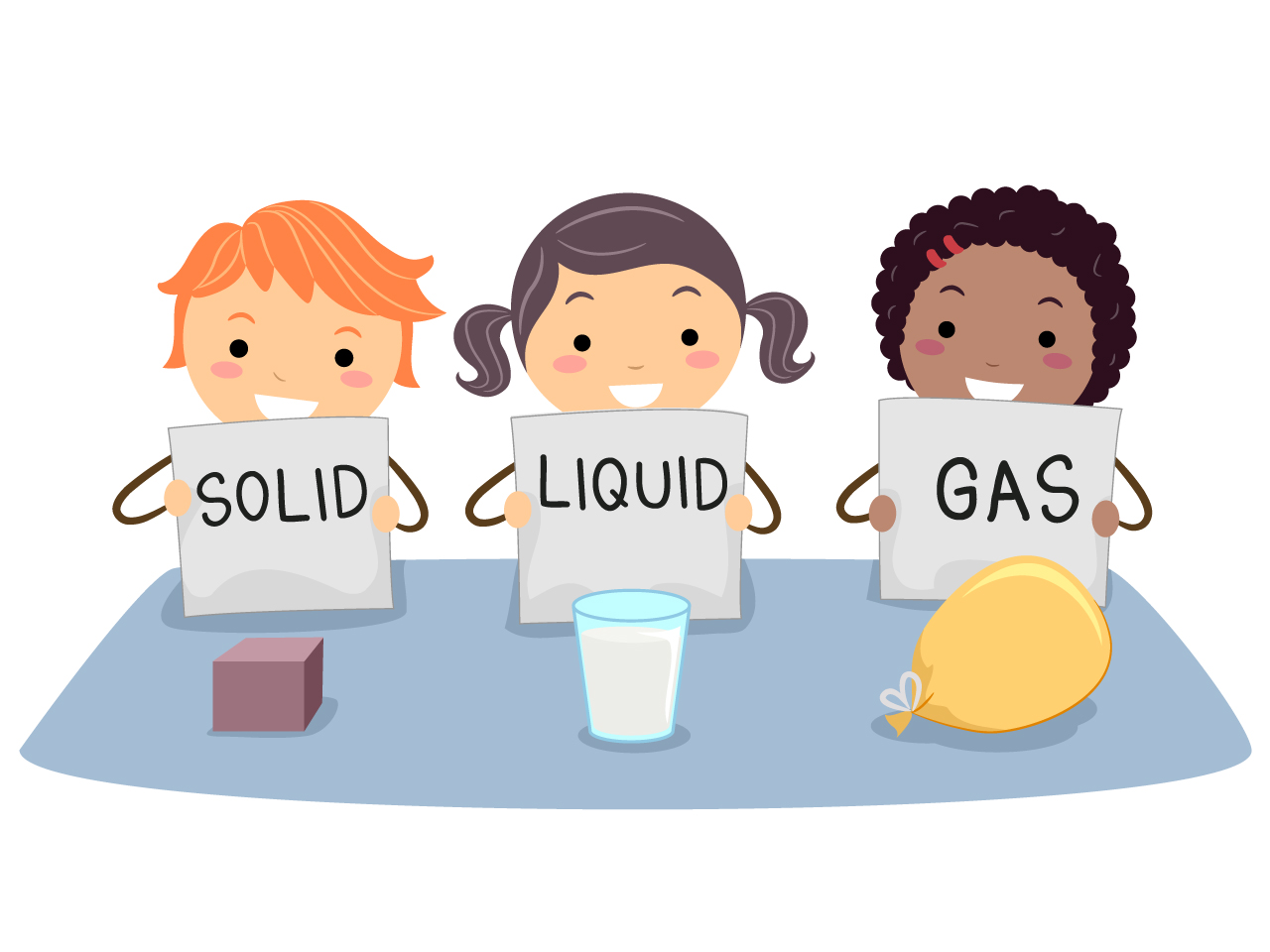
What Are Solids? Worksheet
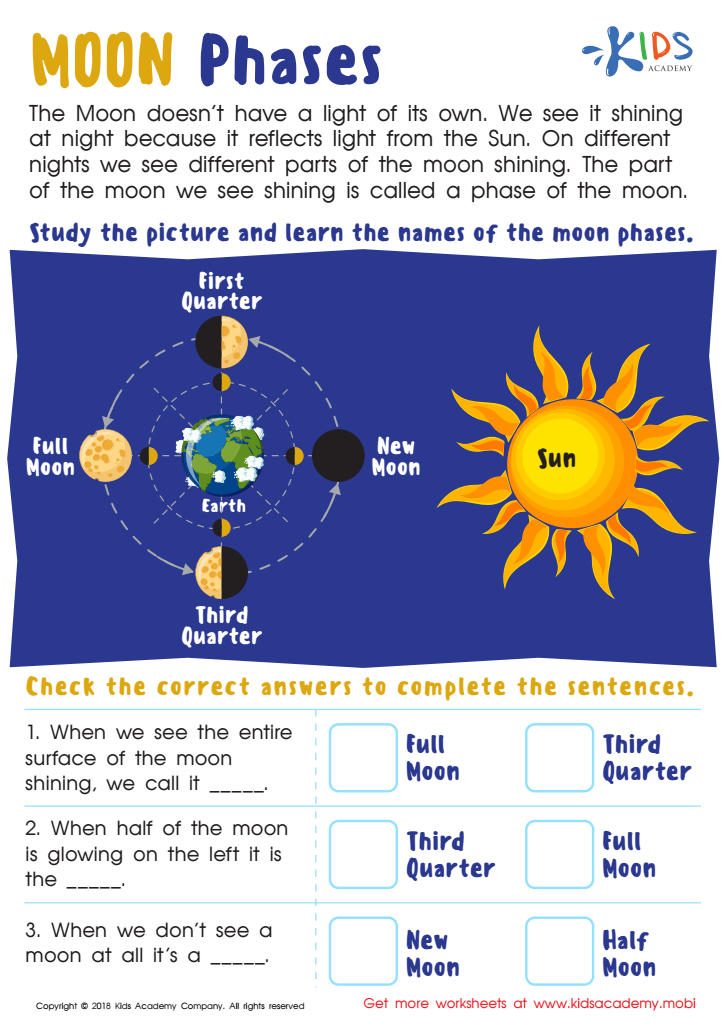
Moon Phases Worksheet
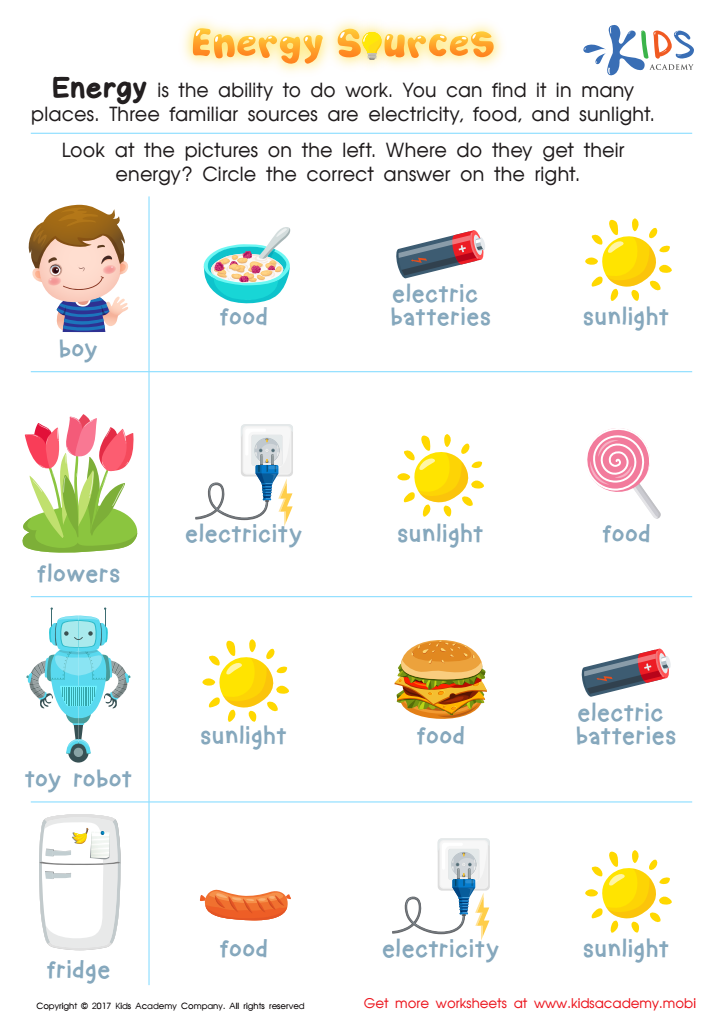
Energy Sources Printable


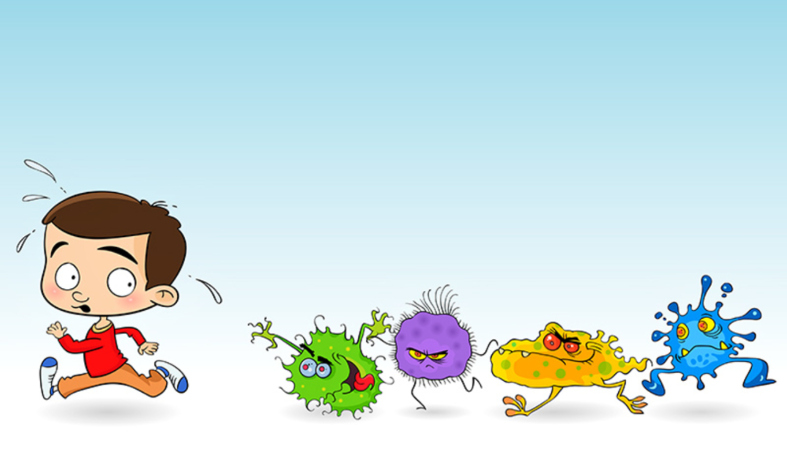




Knowledge application in science for children aged 4-9 is crucial for their cognitive development and lifelong learning skills. At this young age, children are naturally curious about the world around them, and fostering their scientific inquiry can cultivate a love for learning. Parents and teachers should care about this aspect of education because it encourages critical thinking, problem-solving, and the ability to apply learned concepts to real-life situations.
Engaging children in hands-on activities and experiments allows them to witness cause and effect, enhancing their understanding of basic scientific principles. This experiential learning not only helps them remember concepts but also instills a sense of curiosity, encouraging further exploration. Early exposure to science can improve literacy skills as children learn to ask questions, hypothesize, and utilize language to communicate their findings.
Moreover, with the rapidly advancing technology in today's world, a foundational grasp of scientific ideas prepares young learners for future academic success and informed citizenship. In an age where STEM (science, technology, engineering, and mathematics) is increasingly emphasized, fostering a solid understanding of scientific application from an early age equips children with essential skills for critical and informed thinking as they grow. Thus, nurturing early scientific knowledge can shape inquisitive, capable, and competent learners.







