Spatial awareness Science Worksheets for Ages 4-9
7 filtered results
-
From - To
Discover our engaging Spatial Awareness Science Worksheets designed specifically for children aged 4-9! These worksheets promote essential skills in understanding space, shapes, and the relationship between objects. Filled with interactive activities, your little learners will explore concepts such as directions, patterns, and distances, all while having fun. Perfect for classrooms or home learning, our printable materials cater to various learning styles, ensuring every child can thrive. Foster critical thinking and problem-solving abilities as kids navigate these exciting challenges. Enhance your child's spatial awareness with these thoughtfully crafted worksheets that make learning science enjoyable and accessible for young minds!
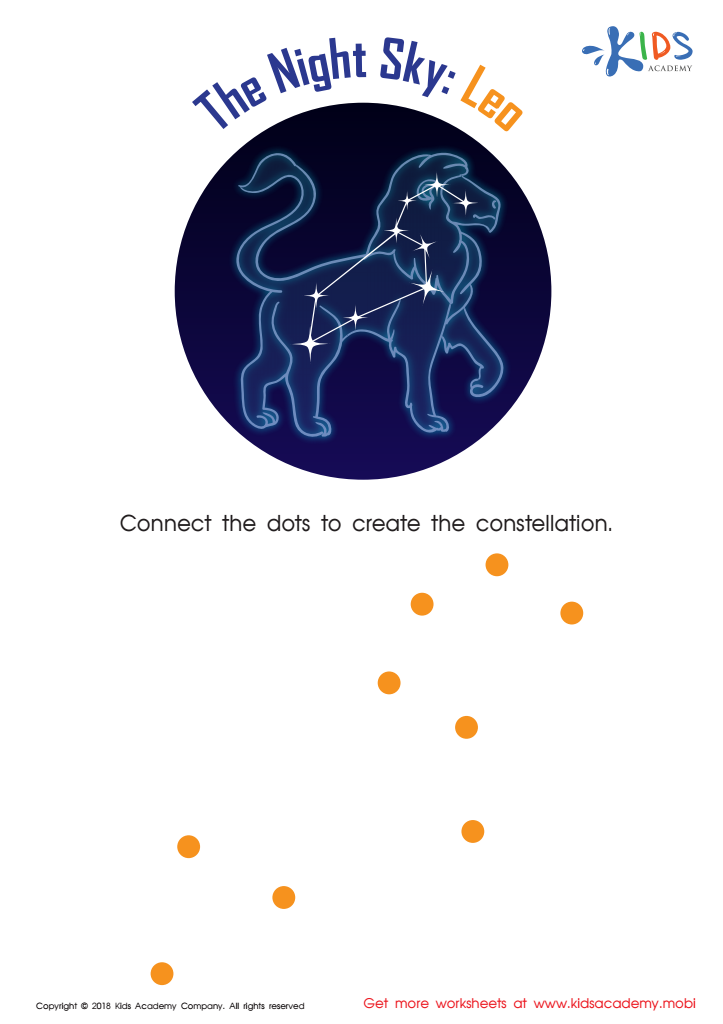
The Night Sky: Leo Worksheet
 Assign to My Students
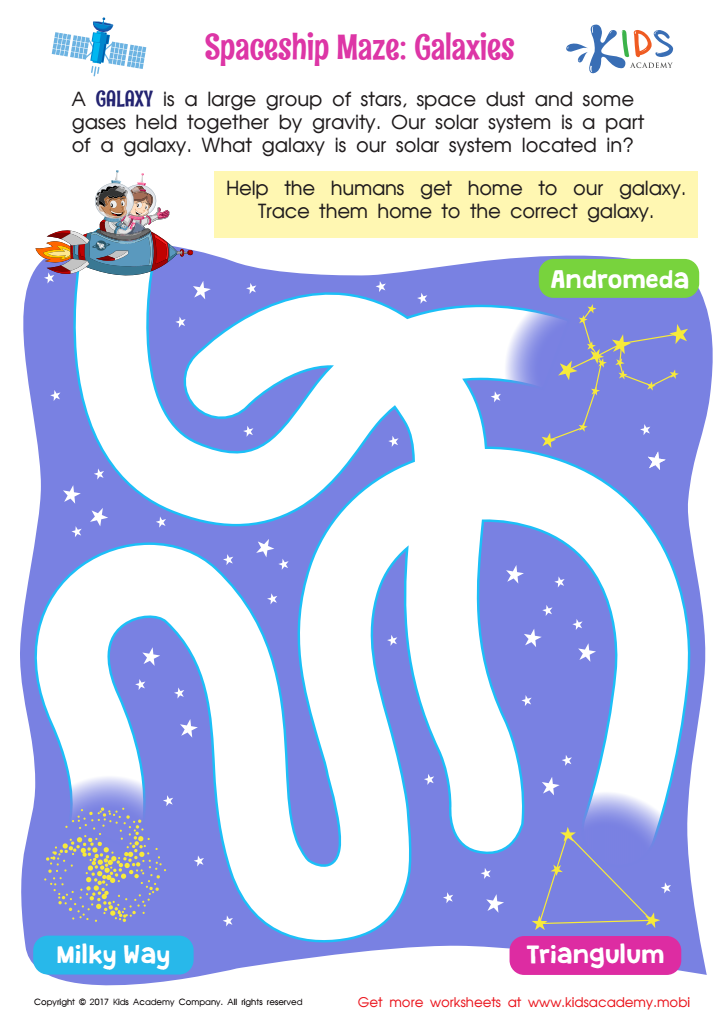
Spaceship Maze: Galaxies Worksheet
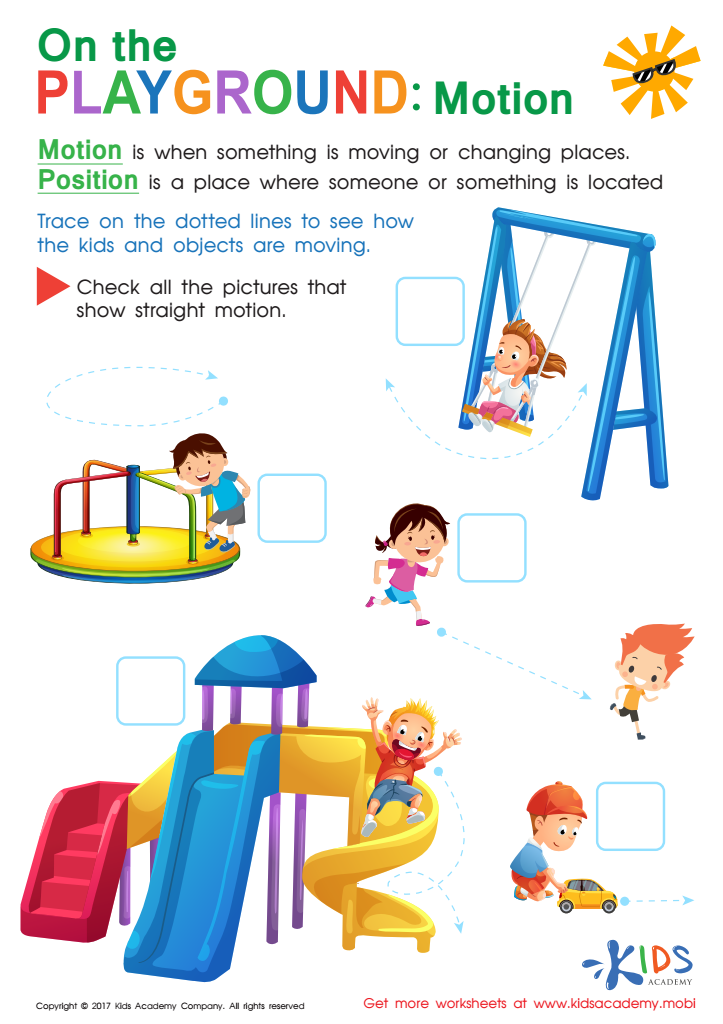
Position and Motion Worksheet
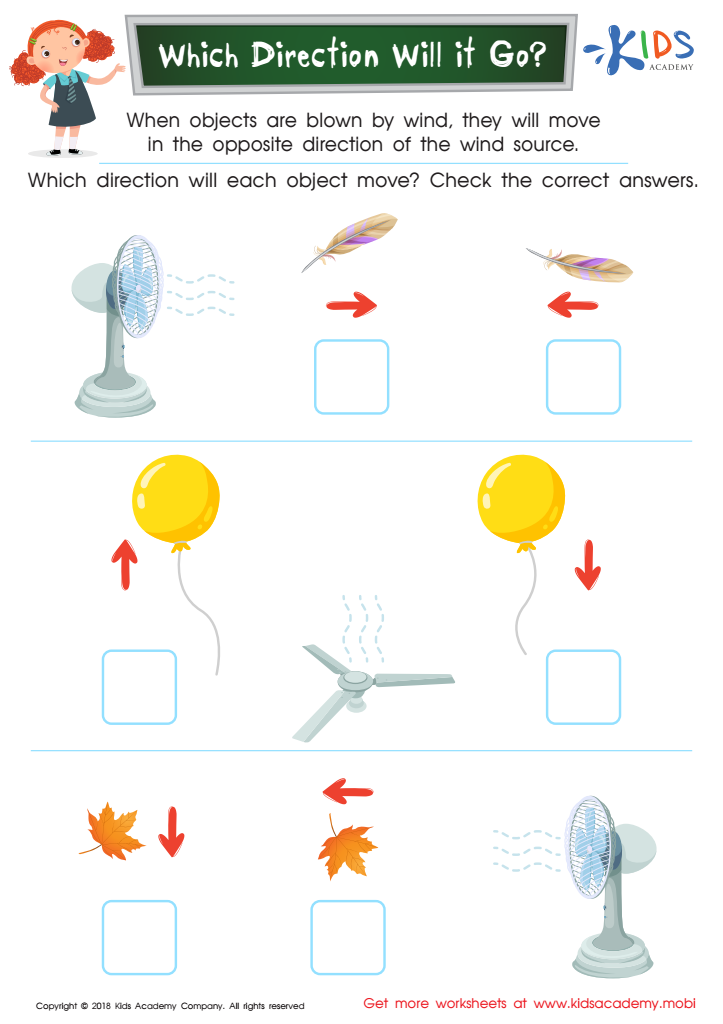
Which Direction Will it Go? Worksheet
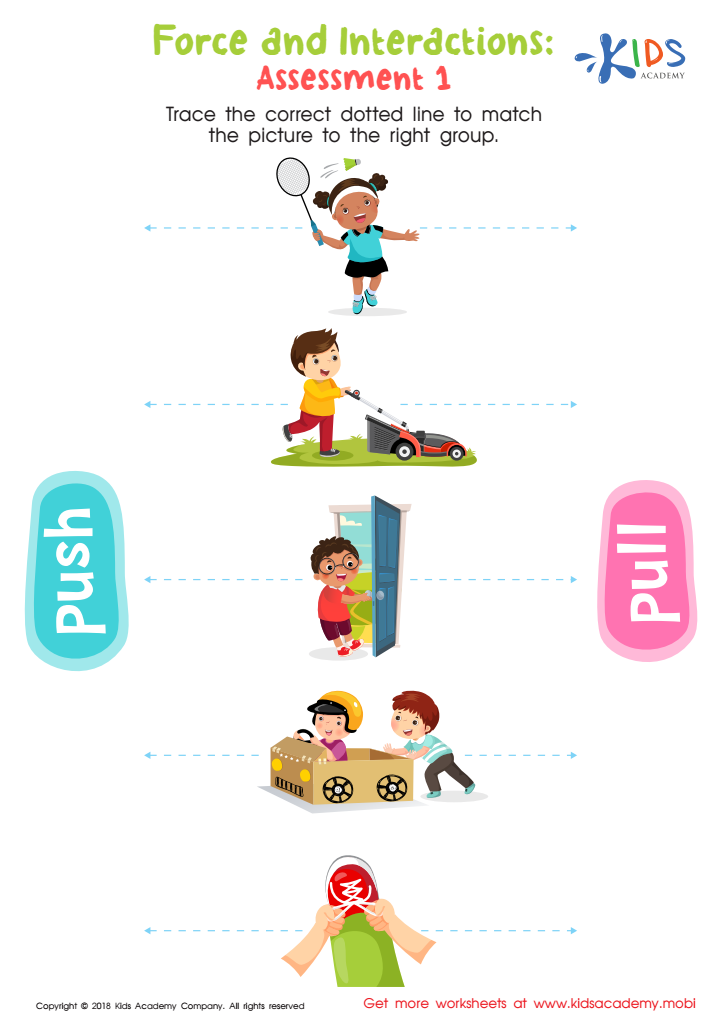
Force and Interactions: Assessment 2 Worksheet
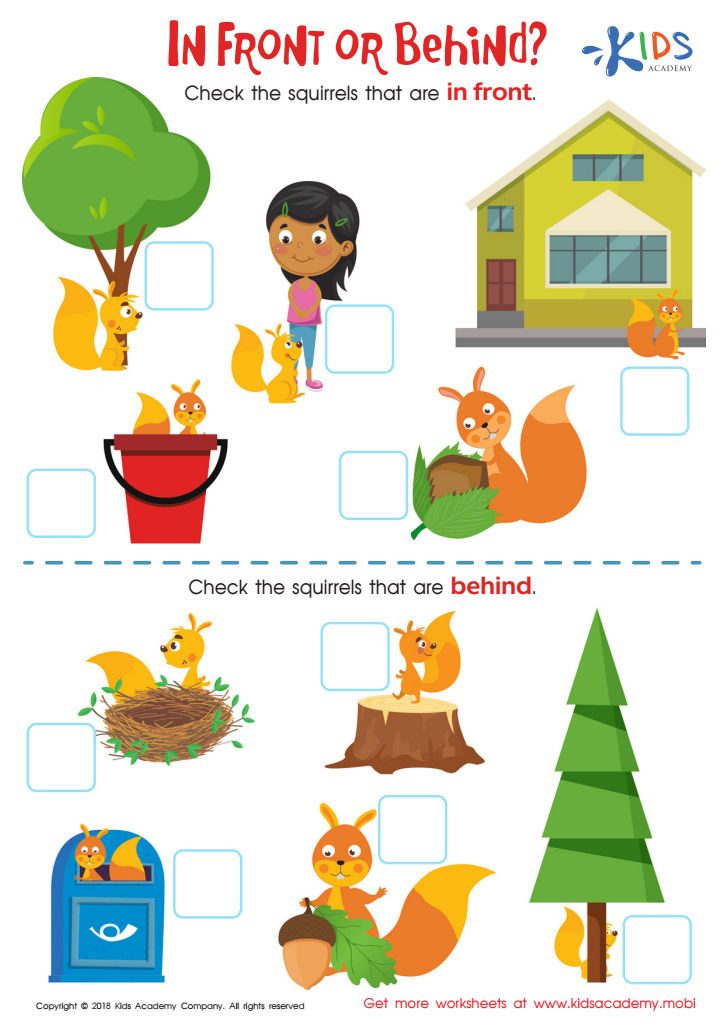
In Front or Behind: Part 2 Worksheet
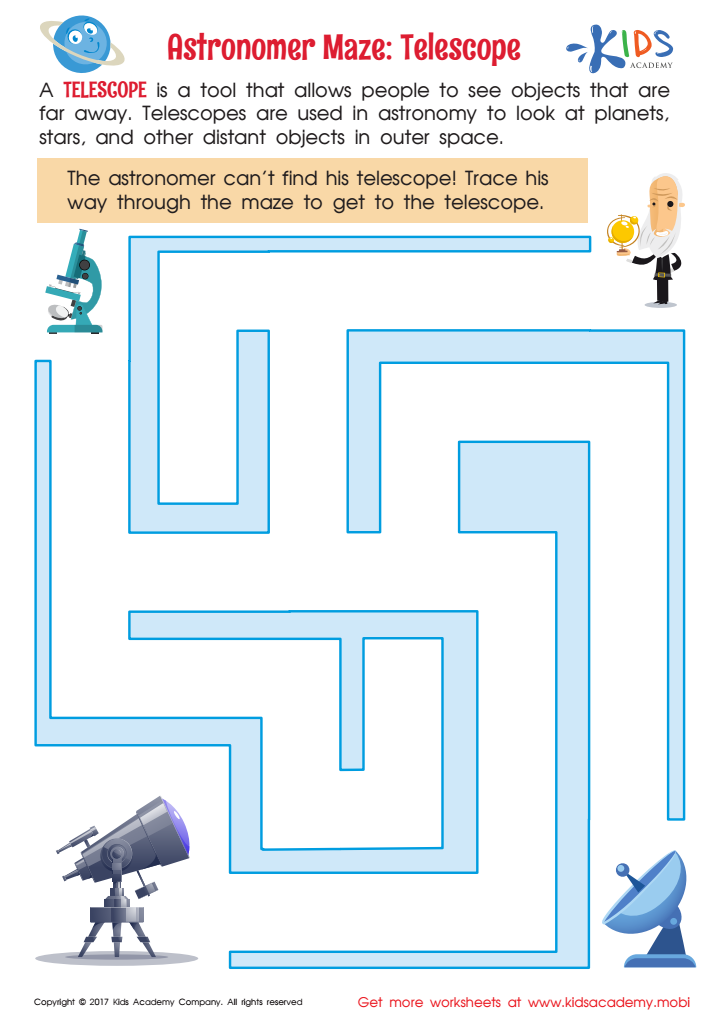
Astronomer Maze: Telescope Worksheet







Spatial awareness is a crucial skill for children aged 4-9, serving as the foundation for later learning in science, mathematics, and the arts. Understanding spatial concepts helps children navigate their environments, visualize objects in space, and comprehend relationships between different objects. This is particularly vital in science, where they encounter concepts such as graphs, models, and the scientific method.
Educators and parents should prioritize spatial awareness because it enhances critical thinking and problem-solving skills. When children can mentally manipulate shapes and understand their properties, they develop a sense of dimension and perspective that aids in tackling complex scientific inquiries later on. Engaging children in activities that bolster spatial reasoning—like building blocks, puzzles, or interactive games—encourages curiosity and fosters a love for exploration.
Moreover, studies have shown that strong spatial skills are linked to better performance in STEM (science, technology, engineering, and mathematics) fields. By nurturing spatial awareness from an early age, parents and teachers lay the groundwork for lifelong learning and achievement. Overall, investing in spatial skills sets the stage for academic success and encourages children to think creatively about the world around them, making them more innovative problem solvers of the future.







