Reading comprehension Life Science Worksheets for Ages 4-9
13 filtered results
-
From - To
Empower young learners with our Reading Comprehension Life Science Worksheets for ages 4-9. These engaging, age-appropriate sheets, available on Kids Academy, blend reading with fascinating life science topics. Perfectly tailored to early childhood reading levels, these worksheets enhance comprehension skills while exploring plants, animals, habitats, and ecosystems. Delight your kids with vibrant illustrations and interactive content that makes practicing reading informative and fun. Whether at home or in the classroom, our expertly designed worksheets ensure foundational literacy and science knowledge. Foster curiosity and a love for learning in your child with our trusted educational resources.
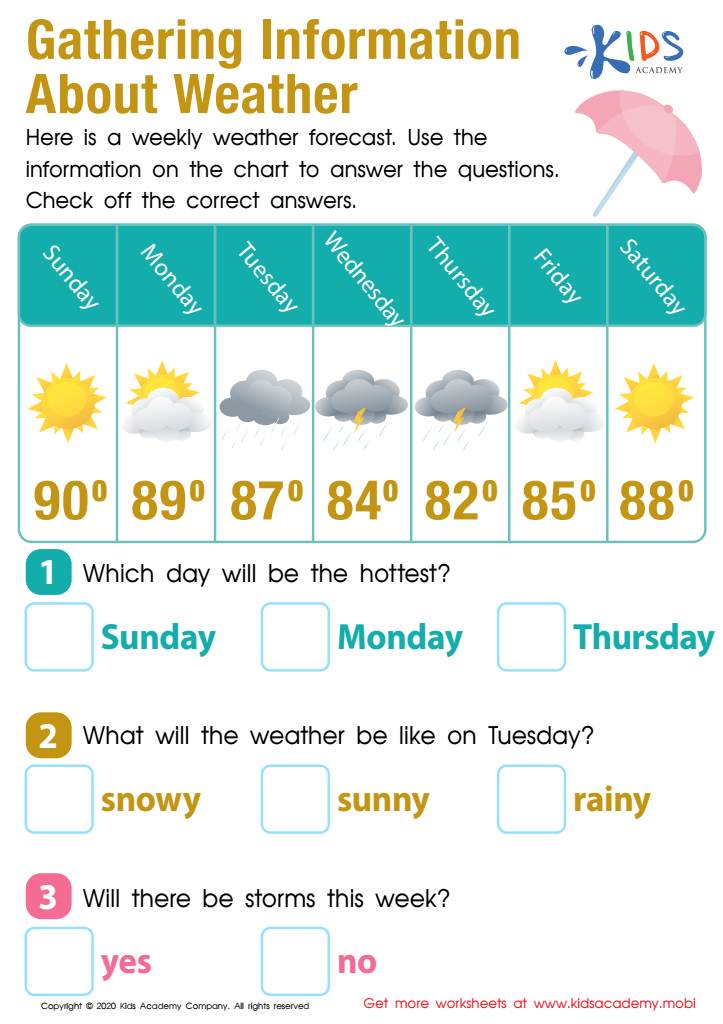
Gathering Information About the Weather Worksheet
 Assign to My Students
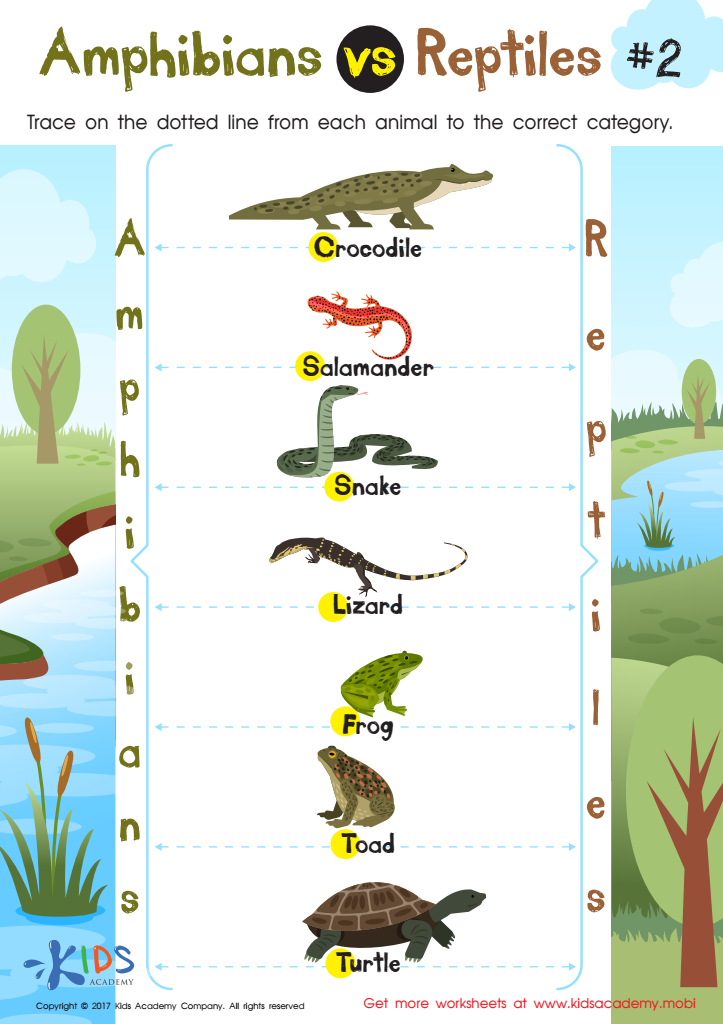
Amphibians vs Reptiles Worksheet for 3rd Grade
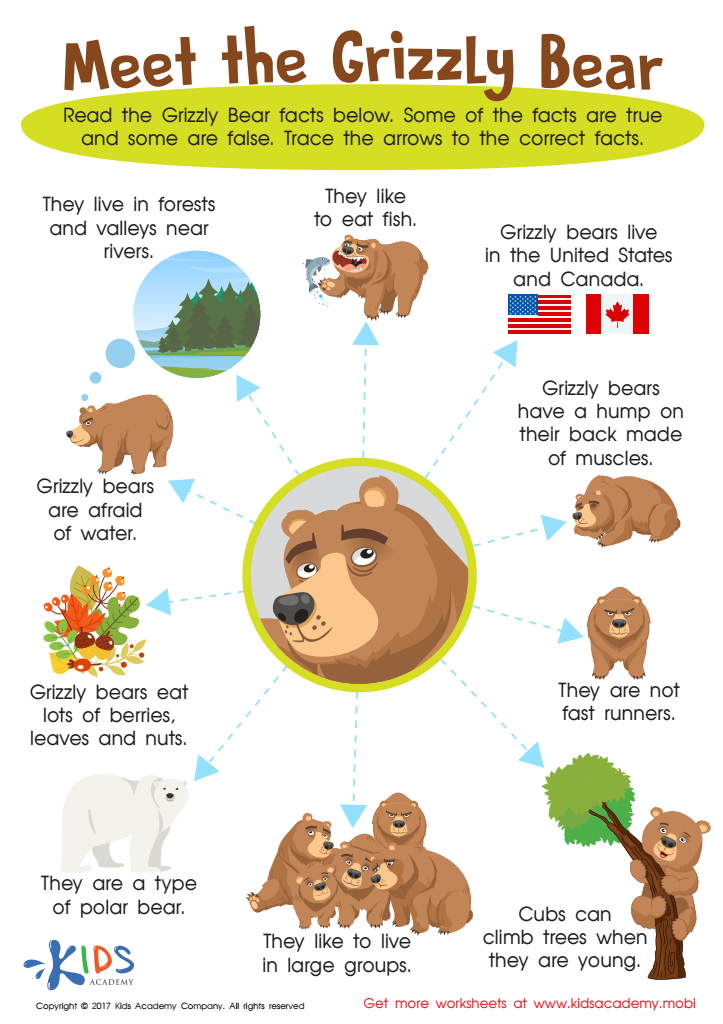
Grizzly Bear Facts Worksheet
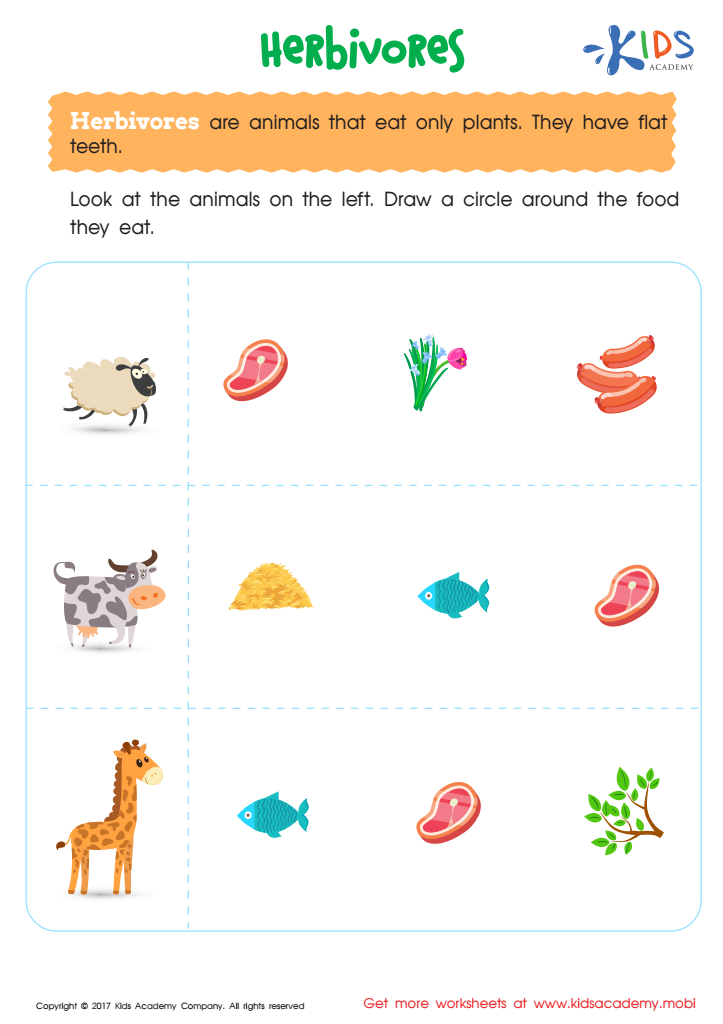
Herbivores Printable
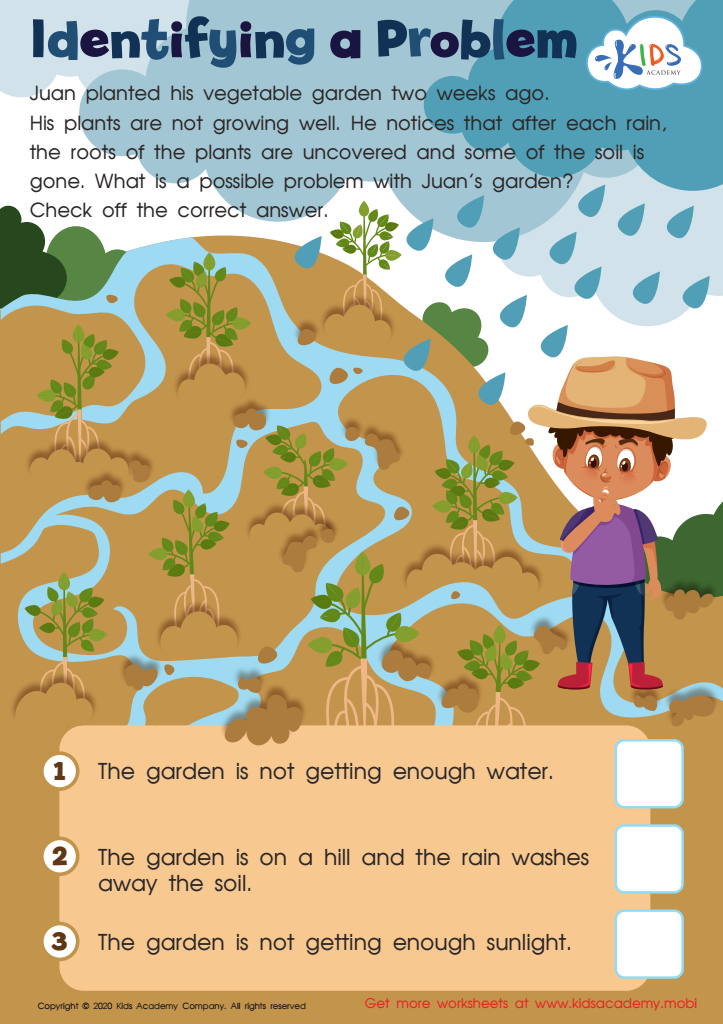
Identifying a Problem Worksheet
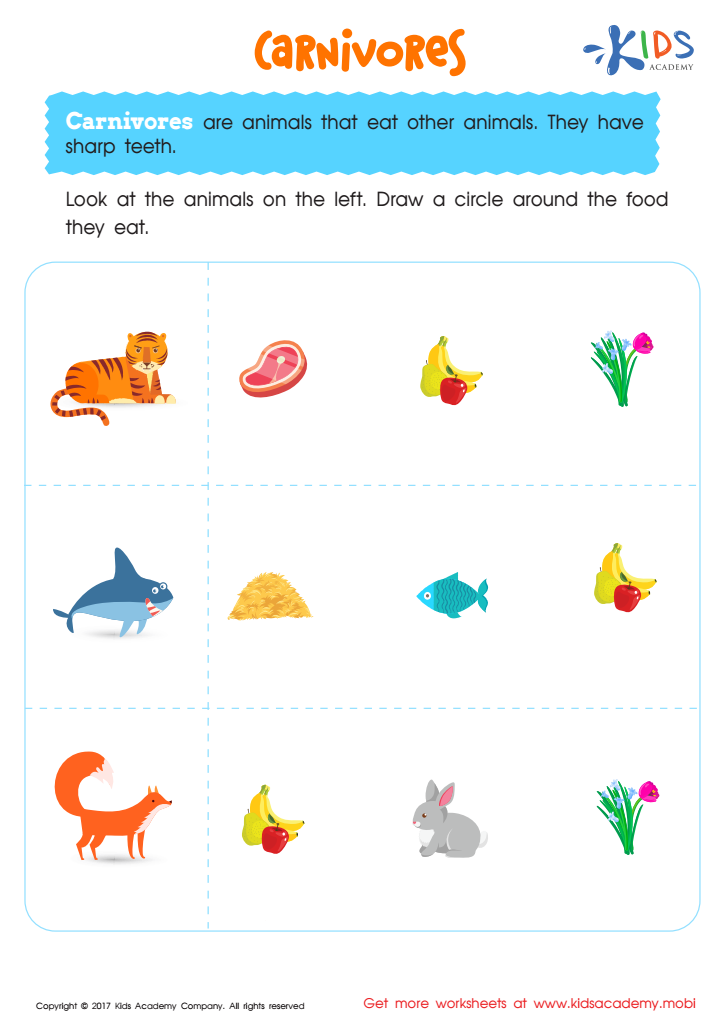
Carnivores Worksheet
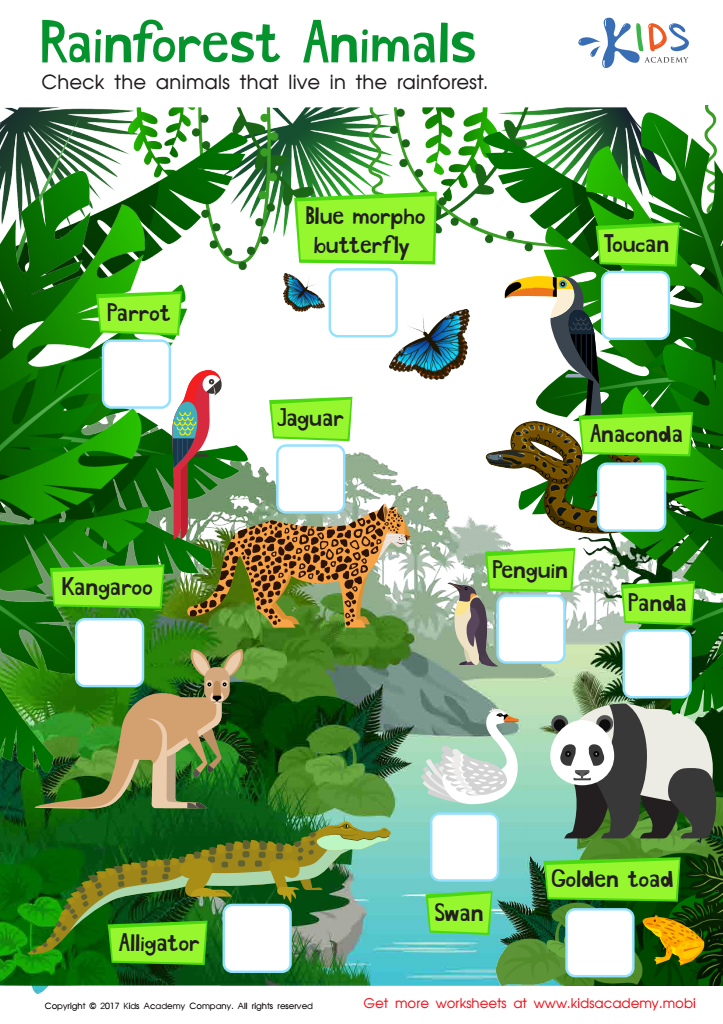
Rainforest Animals Worksheet
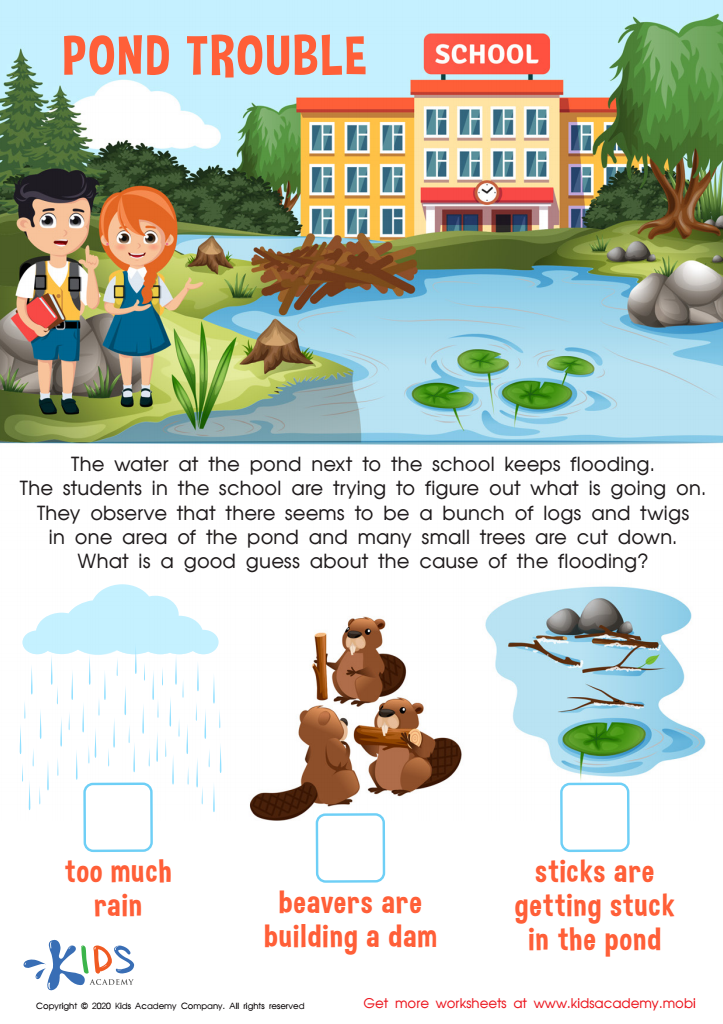
Pond Trouble Worksheet
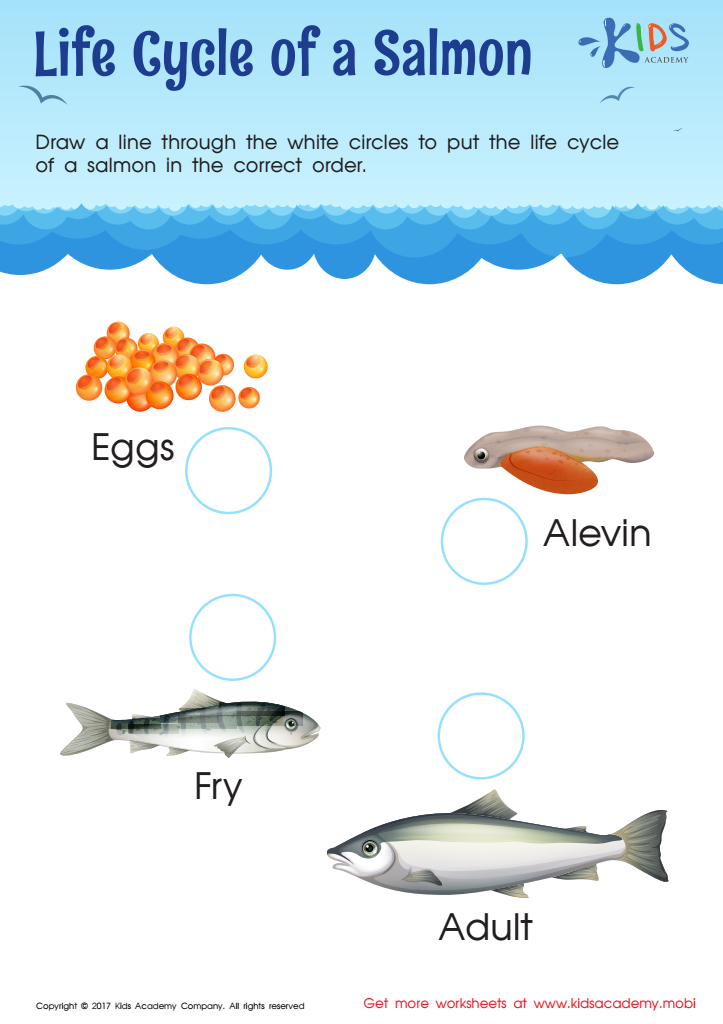
Cycle Of Salmon Worksheet
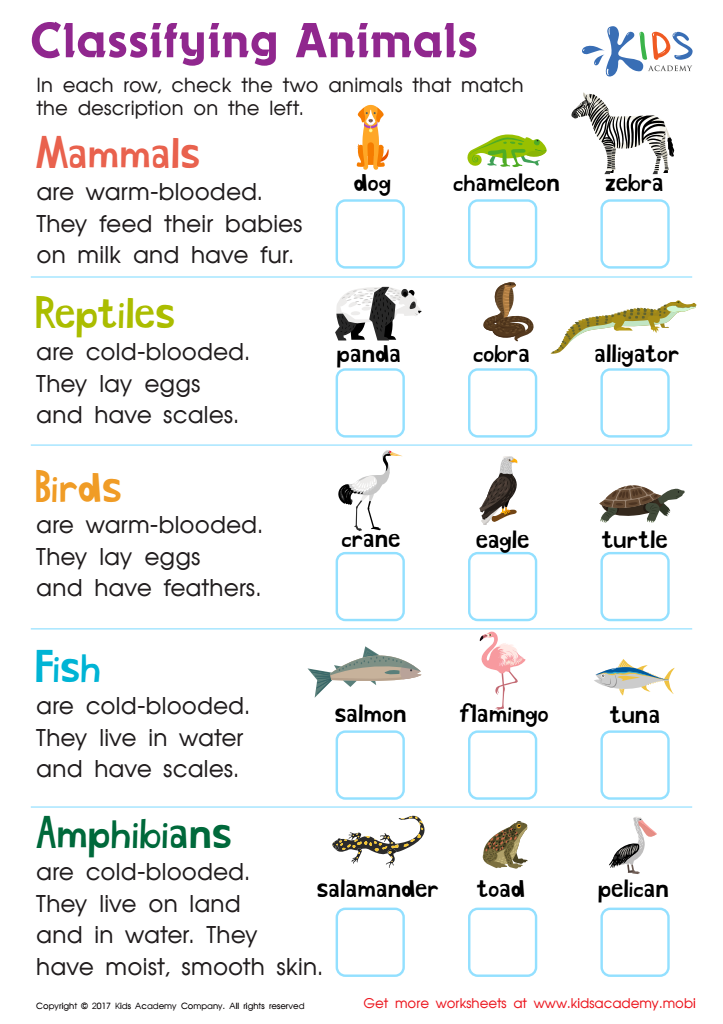
Classifying Animals Worksheet
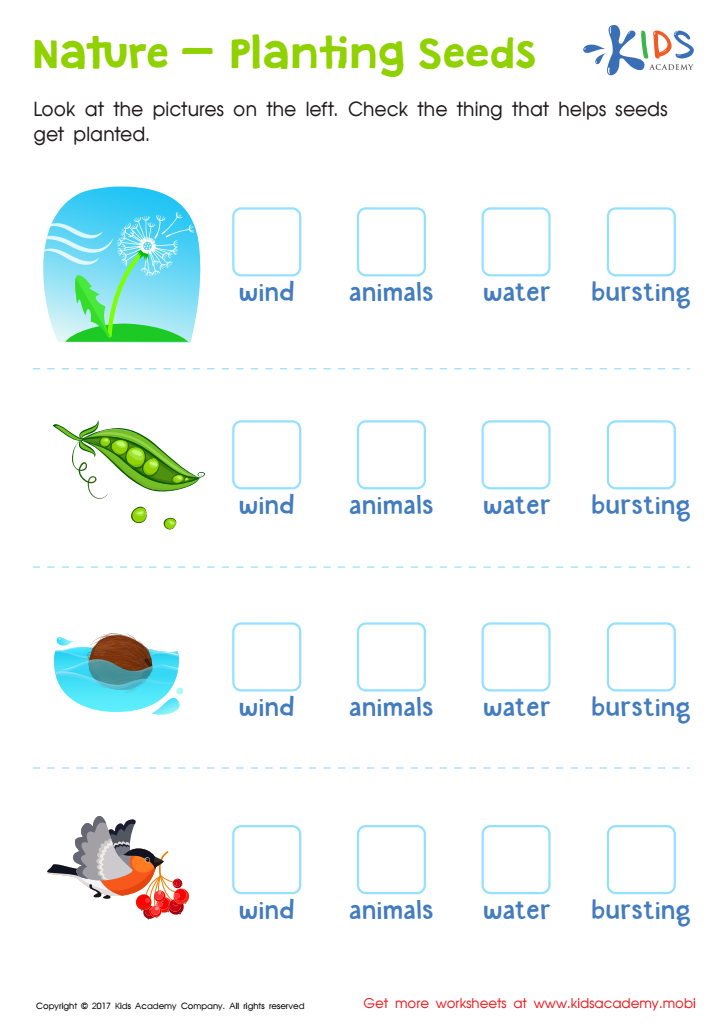
Nature Planting Seeds Worksheet
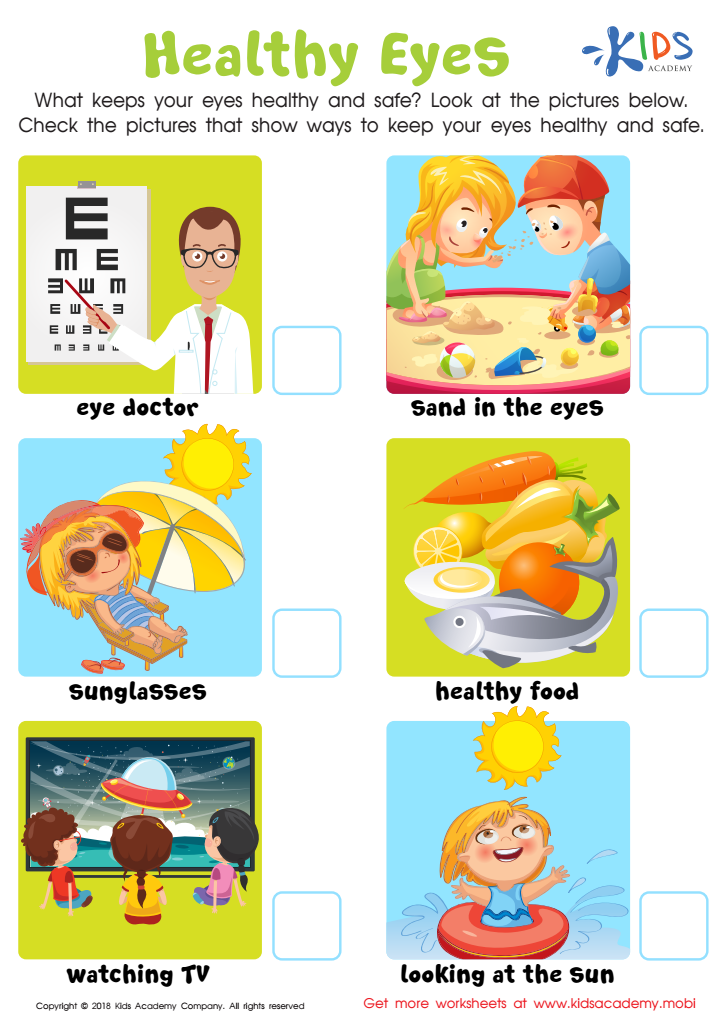
Healthy Eyes Worksheet
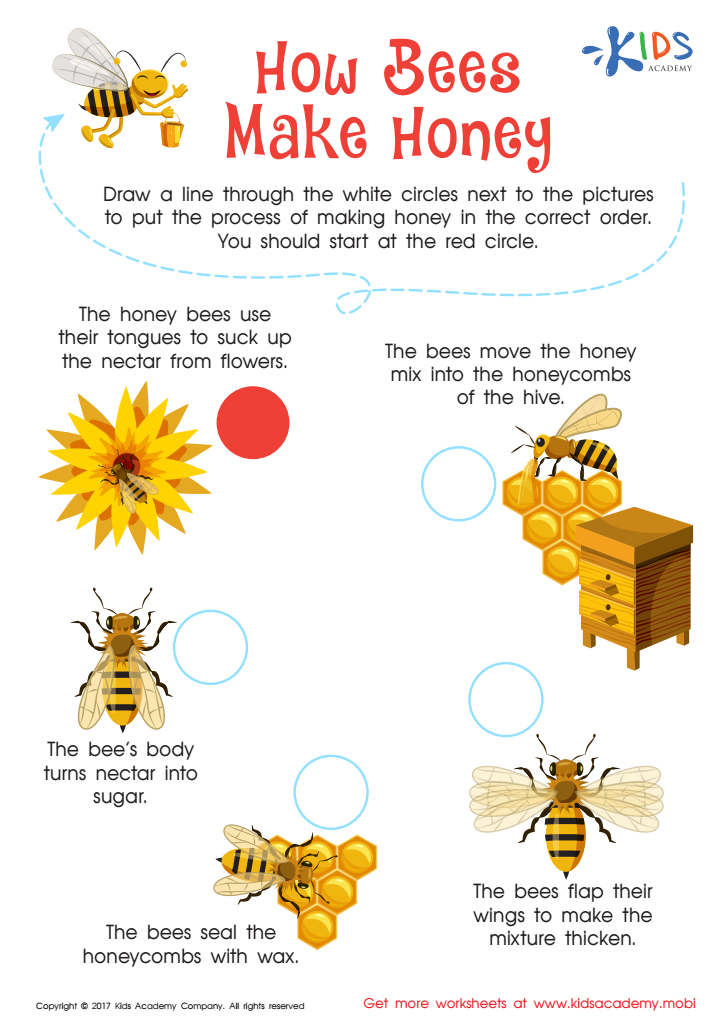
Honey Bee Worksheet








Reading comprehension in life sciences for children ages 4-9 is essential as it melds literacy with foundational scientific understanding. At this early age, kids are naturally curious about the world around them: How do plants grow? Why do animals behave the way they do? Introducing them to life science through reading not only satisfies this curiosity but also builds their comprehension skills.
When parents and teachers prioritize reading comprehension in life sciences, they help children develop critical thinking skills. These young learners begin to make connections between texts and real-world phenomena, enhancing their ability to analyze and understand information. This early exposure lays the groundwork for future scientific learning and fosters an enduring interest in the subject.
Moreover, integrating life science topics into reading helps children expand their vocabulary, learn to identify key ideas, and retain complex information. It's an engaging way to improve their literacy levels while simultaneously teaching them about different life forms and ecosystems.
By caring about reading comprehension in life sciences, parents and teachers cultivate a well-rounded education. They give children tools to decode text, understand intricate ideas, and think analytically about both stories and their environment. This balanced approach ensures young learners are better prepared for both academic success and informed citizenship.








