Analyzing data Our Planet and Environment Worksheets for Ages 4-9
5 filtered results
-
From - To
Explore the fascinating world of data analysis with our "Our Planet and Environment Worksheets" designed for children aged 4-9. These engaging worksheets introduce young learners to fundamental concepts of data representation and interpretation through fun, relatable activities. Children will collect and analyze information about their surroundings, enhancing their observation skills while fostering an appreciation for the environment. With colorful visuals and age-appropriate exercises, students will develop critical thinking and analytical abilities. Perfect for classroom or home learning, these worksheets make studying the planet a hands-on adventure. Inspire a sense of wonder about nature while honing essential skill development through interactive learning!
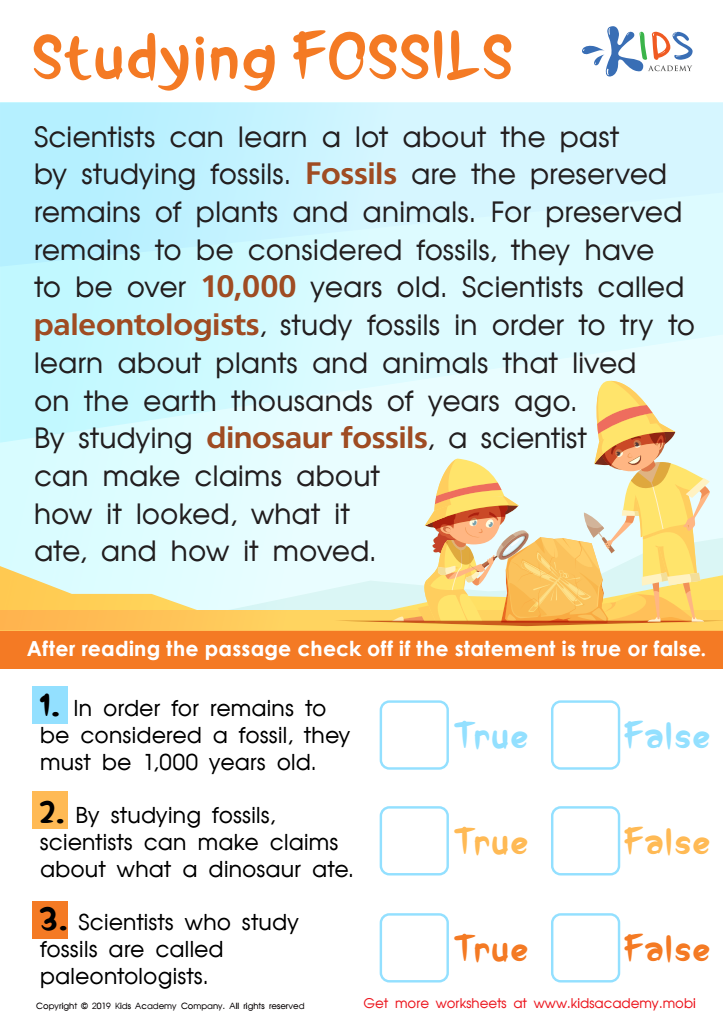
Studying Fossils Worksheet
 Assign to My Students
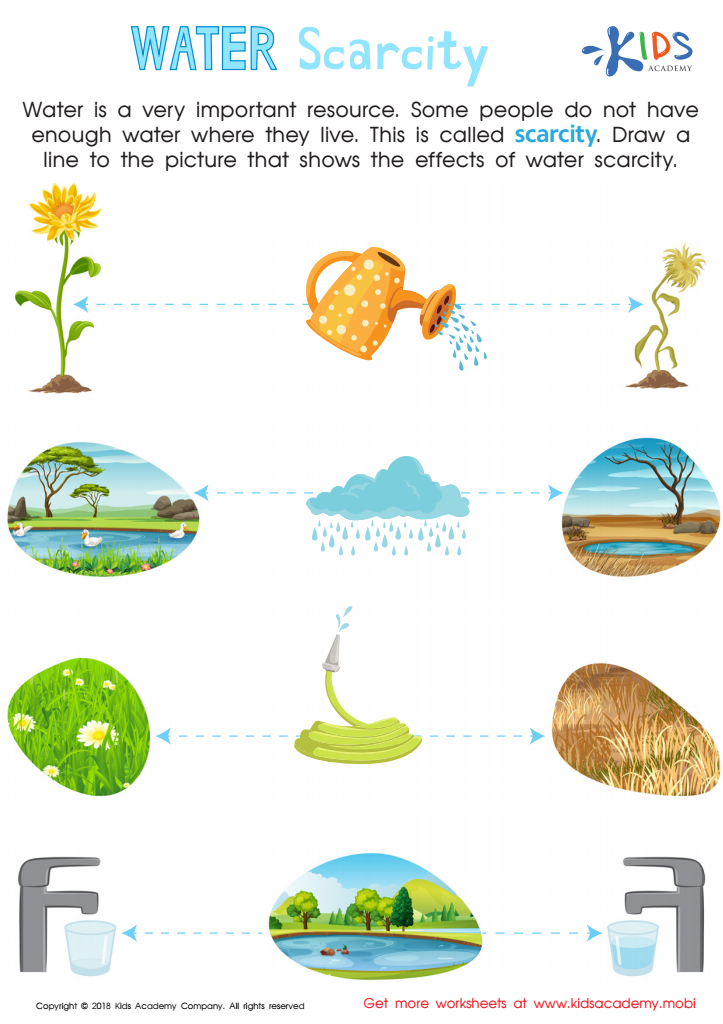
Water Scarcity Worksheet
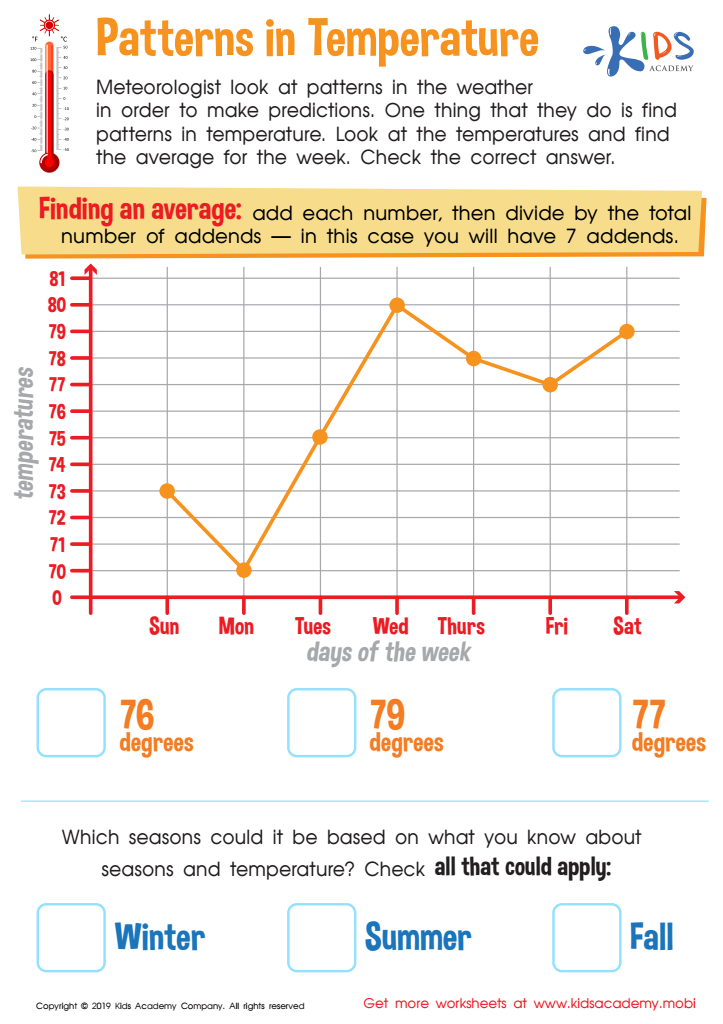
Patterns in Temperature Worksheet
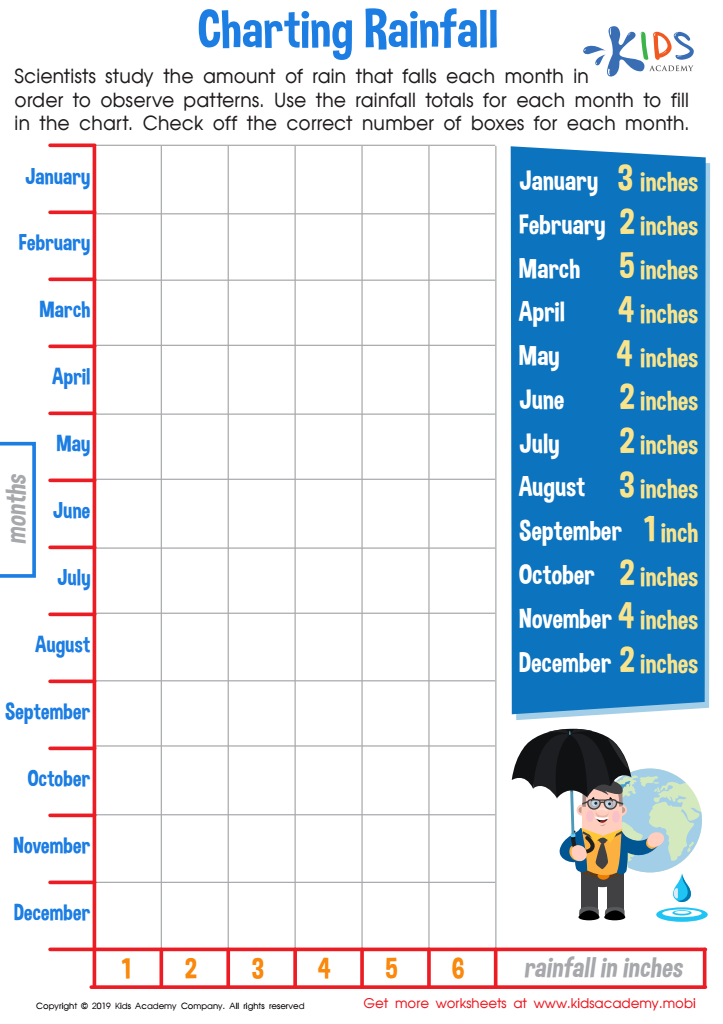
Charting Rainfall Worksheet
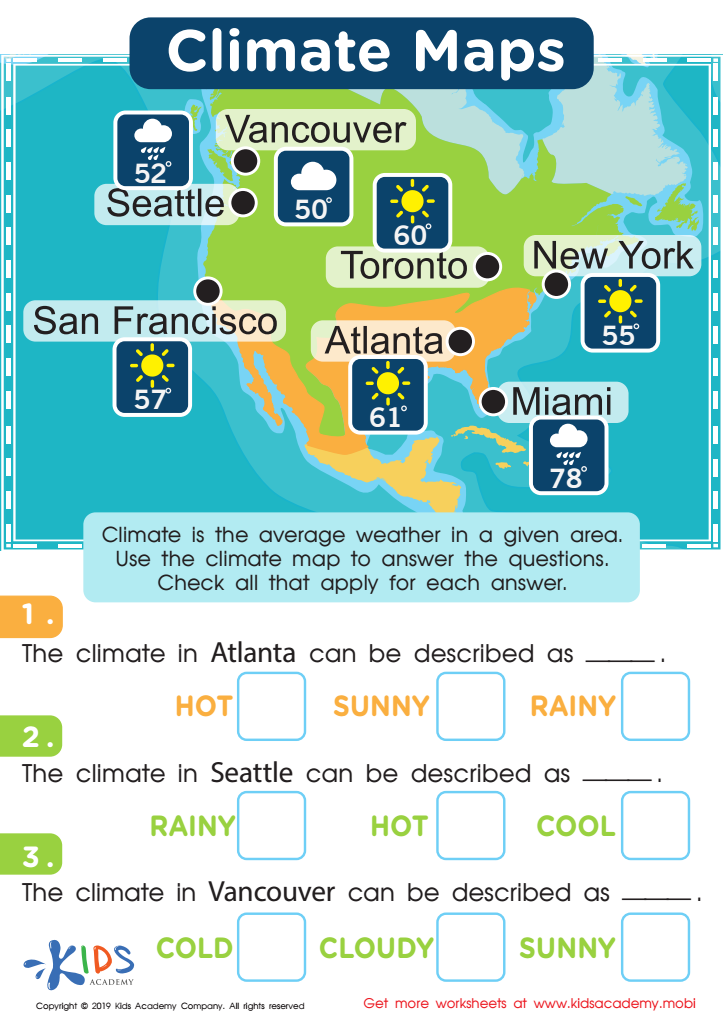
Climate Maps Worksheet







Analyzing data about our planet and environment is crucial for parents and teachers, especially when addressing children aged 4-9. In today’s world, where climate change and environmental degradation are pressing issues, nurturing a sense of stewardship from an early age is essential. By engaging young minds in discussions about the environment, children develop critical thinking and problem-solving skills that are vital for future generations.
Understanding data helps children make sense of the world around them. It fosters curiosity and encourages them to ask questions about nature, ecosystems, and sustainability. Analyzing environmental data not only enhances scientific literacy but also promotes a strong sense of responsibility. Children who comprehend the significance of clean air, water, and biodiversity are more likely to become proactive in protecting these vital resources.
Additionally, integrating environmental education into early childhood curricula aligns with social and emotional learning, as students learn empathy towards living beings and appreciation for nature. Through hands-on activities involving data analysis, such as tracking weather patterns or wildlife populations, educators and parents can instill values of teamwork and cooperation. Ultimately, by caring about environmental data analysis, we equip young learners with the knowledge and skills needed to become informed, responsible custodians of our planet.







