Vocabulary Building Plants and Animals Worksheets for Ages 4-9
5 filtered results
-
From - To
Discover our engaging "Vocabulary Building Plants and Animals Worksheets" designed for children aged 4-9! These interactive materials foster a love for learning while enhancing vocabulary skills through the fascinating world of plants and animals. With illustrated worksheets that stimulate creativity and critical thinking, children will explore various themes, including habitats, species, and much more. Our resources encourage hands-on activities, making learning fun and enriching. Perfect for both classroom and home use, these worksheets support early literacy development by giving young learners the tools they need to express themselves confidently. Dive into the wonders of nature and watch your child's vocabulary flourish!
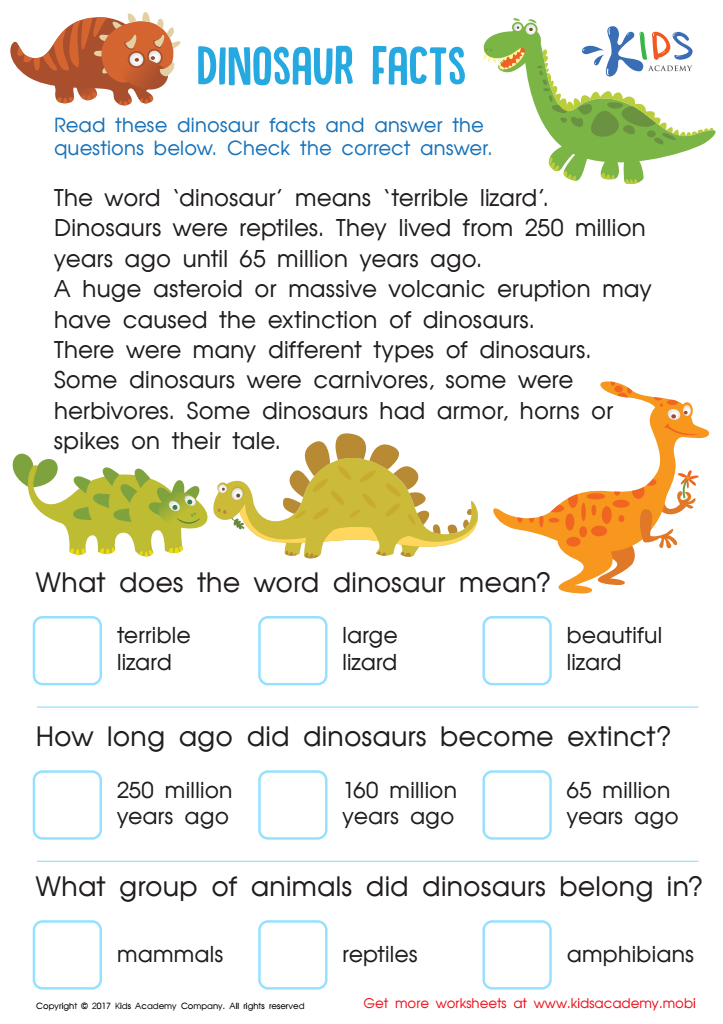
Dinosaur Facts Worksheet
 Assign to My Students











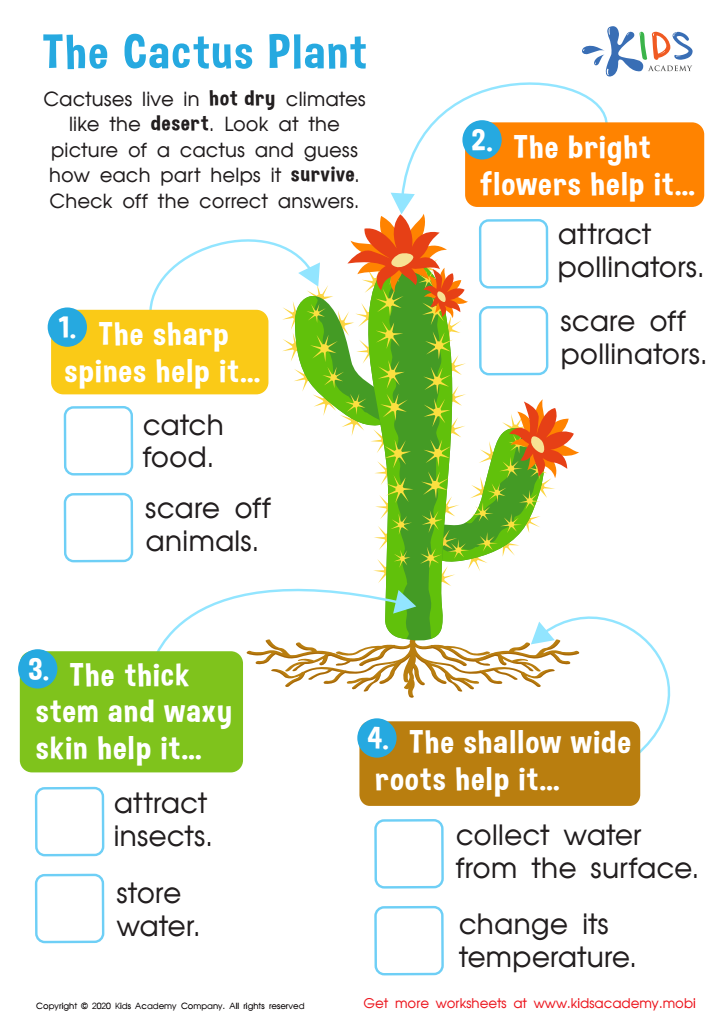
The Cactus Plant Worksheet
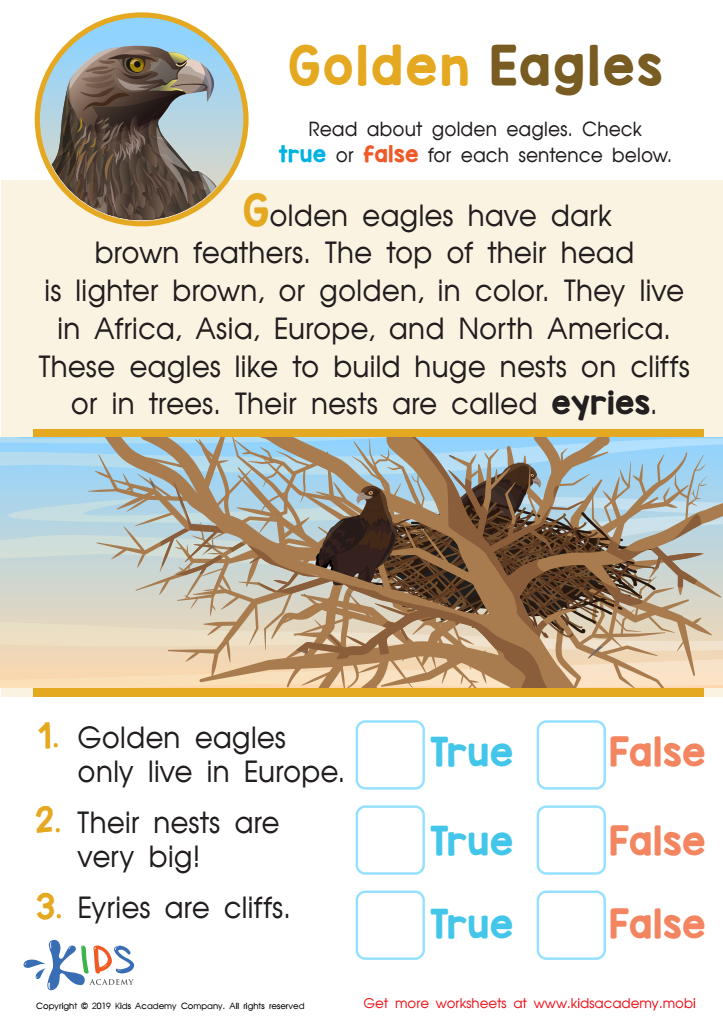
Golden Eagles Worksheet
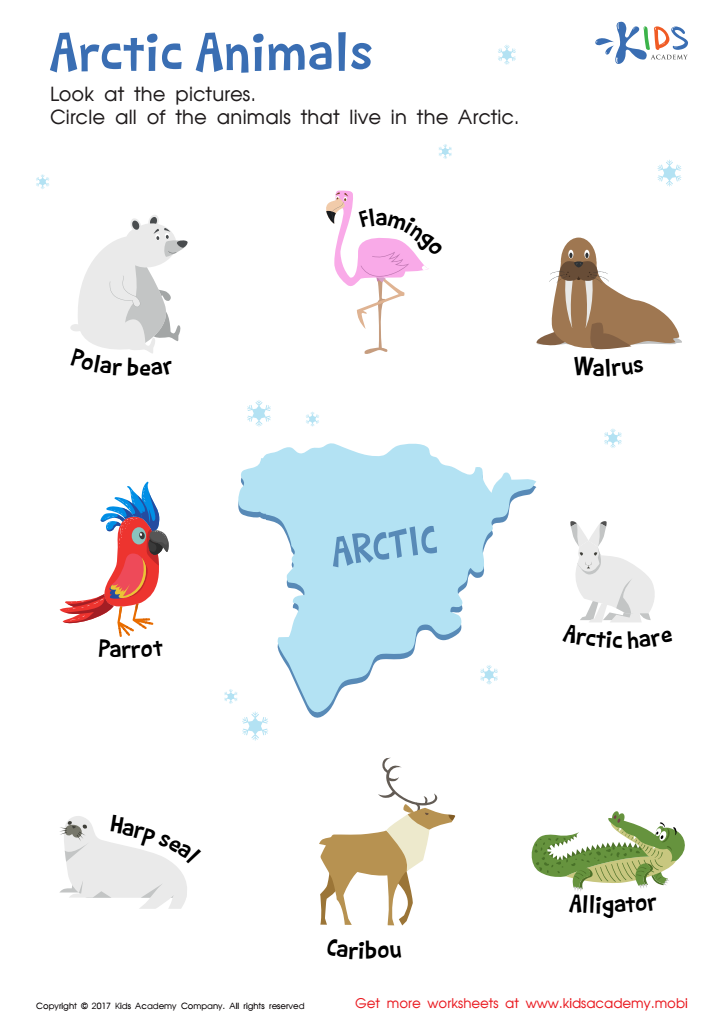
Arctic Animals Worksheet
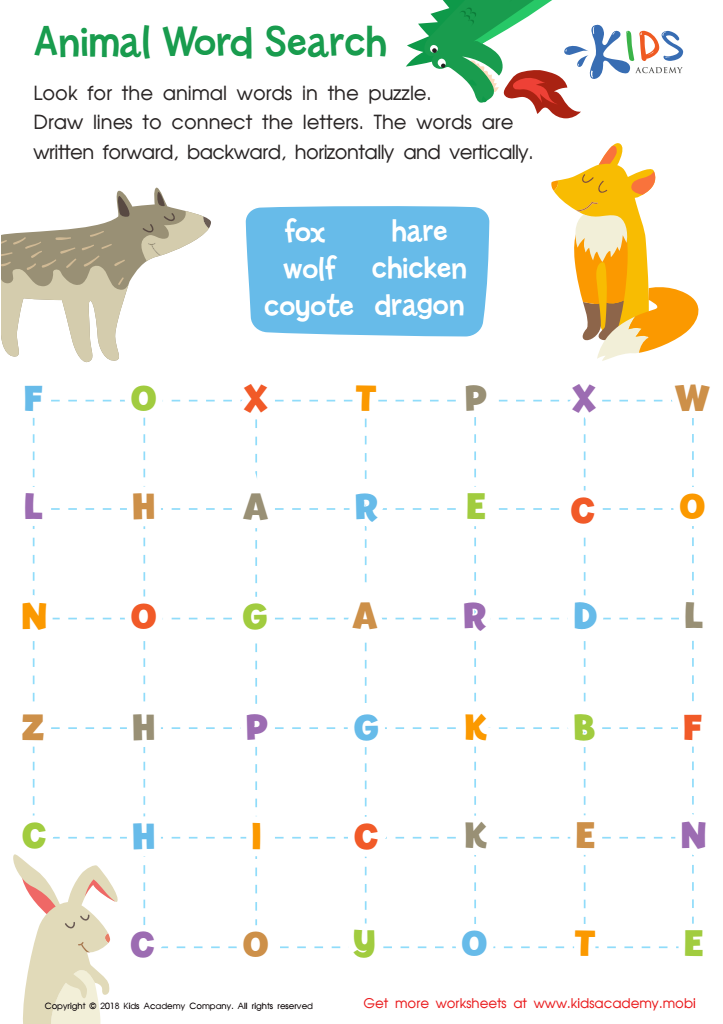
Animal Word Search Worksheet







Vocabulary building is crucial for children aged 4-9 as it lays the foundation for their overall language development and learning. Thematic vocabulary approaches, like exploring plants and animals, engage young learners' natural curiosity about the world around them. Understanding this vocabulary not only enhances communication skills but also encourages critical thinking, comprehension, and a love for nature.
For parents and teachers, fostering a rich vocabulary in this area cultivates curiosity about biological sciences, animal behaviors, and environmental awareness. This knowledge can spark scientific inquiry and creativity in children, helping them form connections between the flora and fauna they observe daily. Engaging with thematic vocabulary also boosts reading comprehension skills, as students encounter relevant language in books, leading to improved literacy.
Moreover, developing a strong vocabulary in plants and animals invites opportunities for memorable hands-on experiences, such as nature walks, gardening, or science experiments. These interactions not only make learning enjoyable but also strengthen parent-child and teacher-student bonds. Ultimately, investing time and effort into vocabulary building in this context empowers children to navigate their environment, enhances their academic growth, and prepares them for a lifetime of learning and environmental stewardship.








