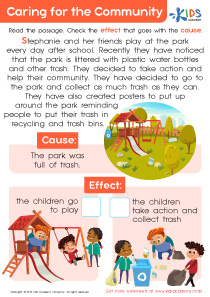
Shape Recognition Community Worksheets for Ages 4-9
4 filtered results
-
From - To
Welcome to our Shape Recognition Community Worksheets for Ages 4-9! Designed to combine fun and learning, our worksheets help young children recognize and understand shapes within community contexts. These engaging activities support early math skills, improve fine motor development, and enhance spatial awareness through real-world applications. Perfect for preschool through early elementary, our vibrant worksheets foster curiosity and academic growth. Ideal for parents, homeschool educators, and teachers, our collection makes learning shapes an exciting community adventure. Download and explore our variety of worksheets to create a strong foundation in shape recognition for your child or students today!
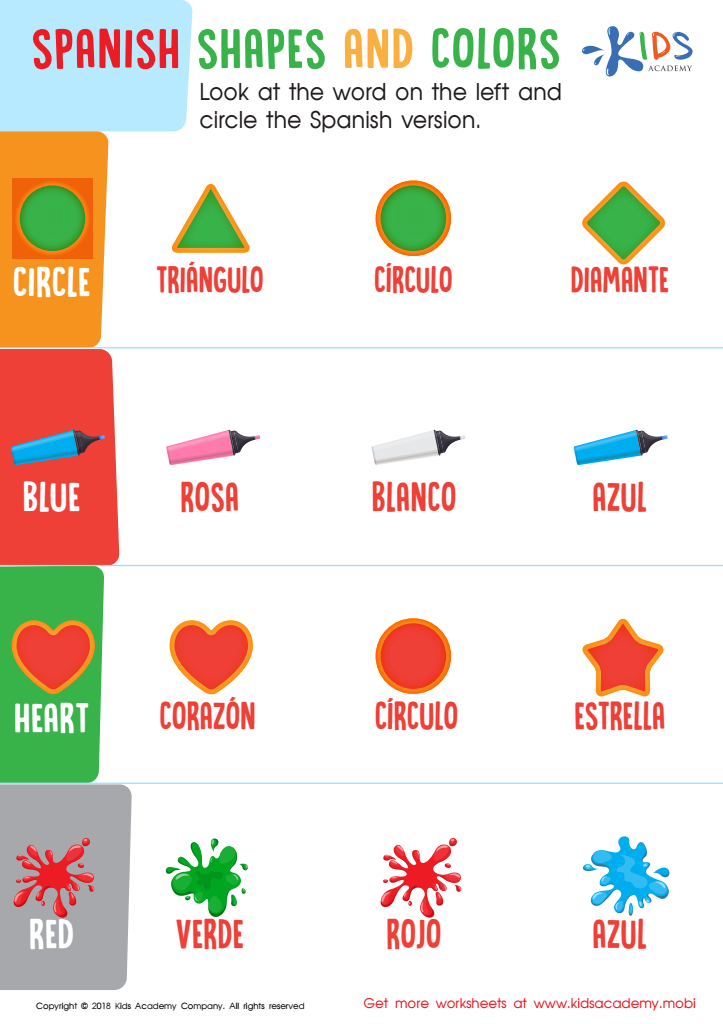
Spanish Shapes and Colors Worksheet
 Assign to My Students
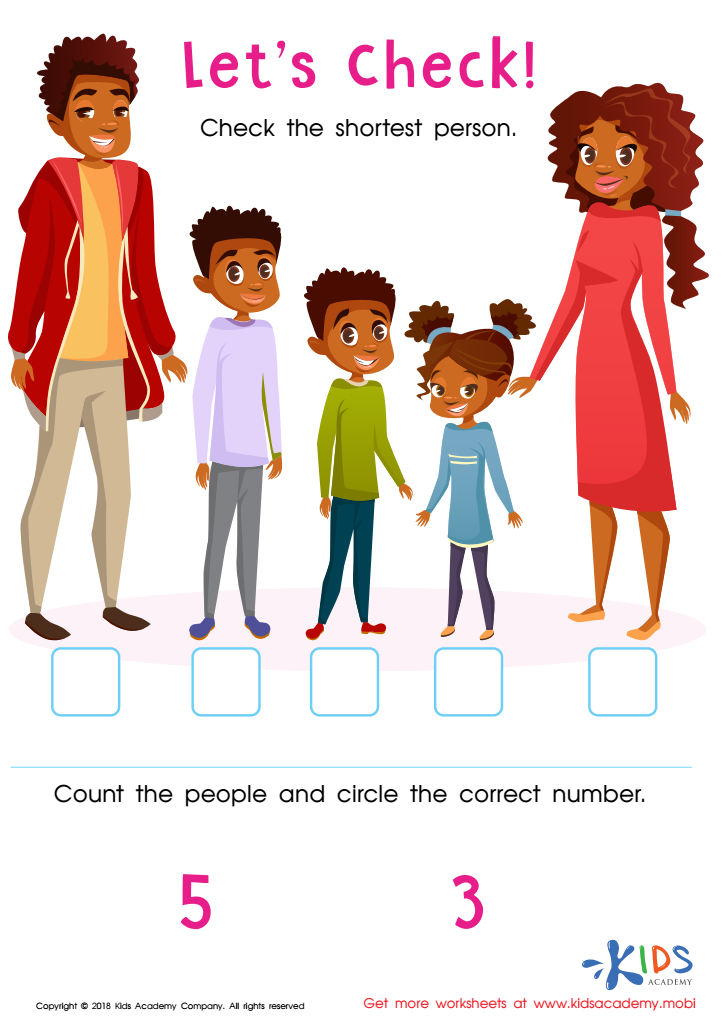
Let's Check! Assessment Worksheet
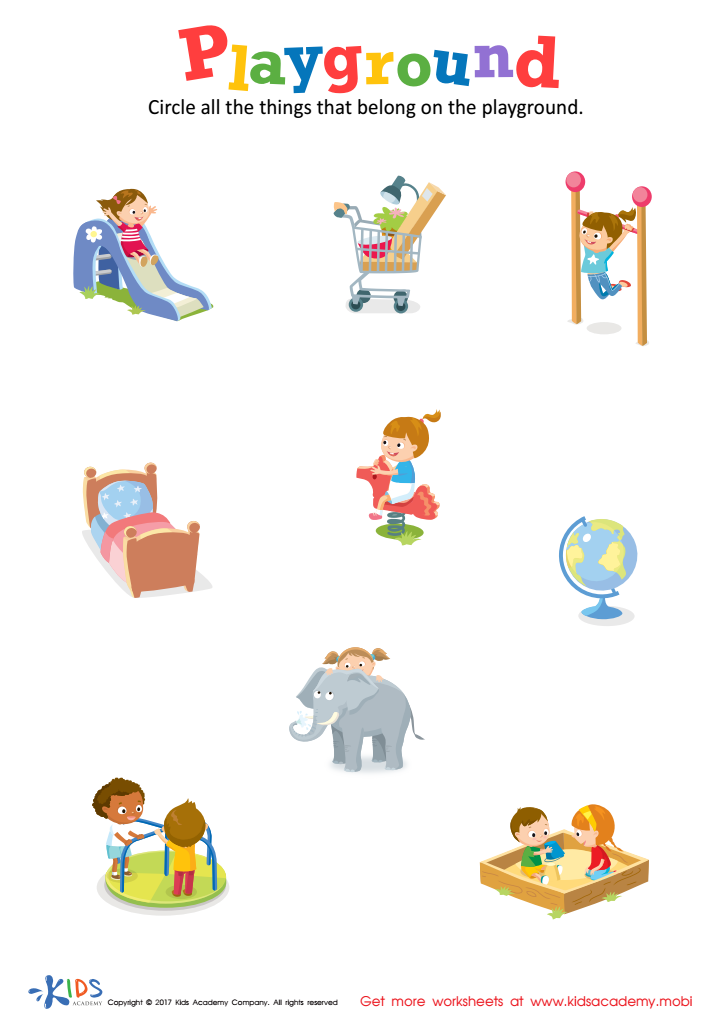
Playground Worksheet
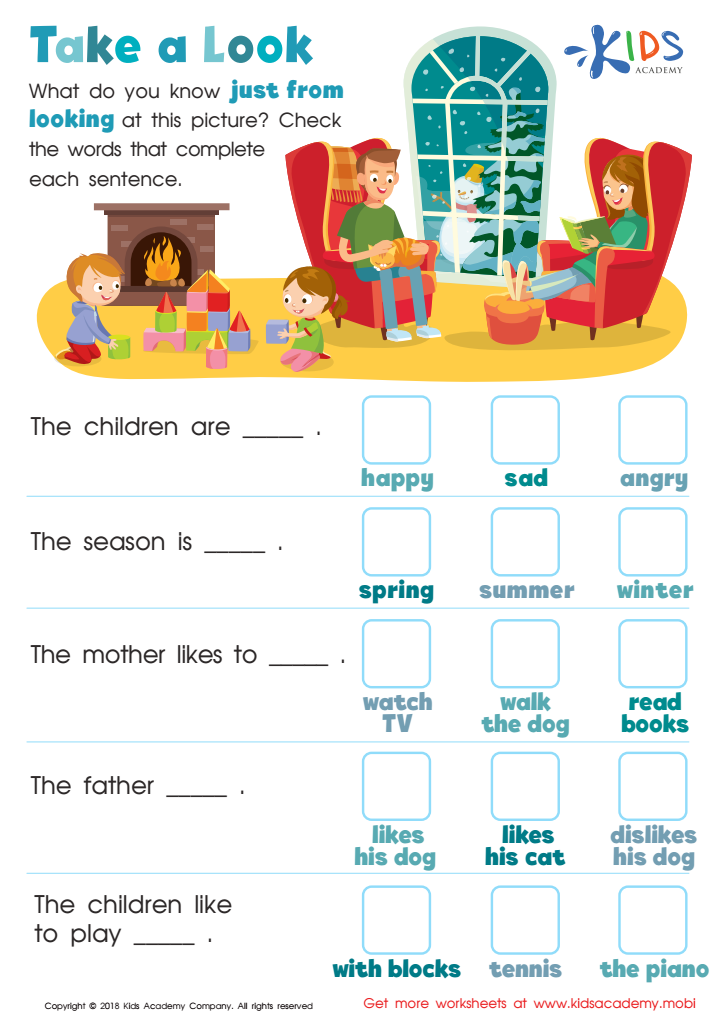
Take a Look - Part 1 Worksheet








Shape recognition is a foundational skill for children aged 4-9, supporting early math, literary, and problem-solving abilities. Parents and teachers should be particularly invested in shape recognition due to its integral role in cognitive, motor, and visual development.
Engaging in a Shape Recognition Community can drastically enhance a child's early education experience. When children identify and categorize shapes, they build the core geometry knowledge required for math concepts like symmetry, spatial awareness, and algebraic thinking later on. Engaging with shapes also helps in learning sight words and letters, as many letters and numbers are essentially shapes put together in various forms.
Being part of a community dedicated to shape recognition not only provides access to diverse, age-appropriate activities but also fosters an environment of shared learning and support. Interactive shape games, storytelling with shapes, and drawing exercises can turn learning into a playful experience, capturing children's imaginations and keeping them engaged.
Moreover, involvement in a community setting ensures continuous learning, offering parents and teachers a plethora of resources to creatively manifest daily learning opportunities. Such ventures build a solid educational base, necessary for advanced academic and life skills, while promoting cooperative and social involvement essential to a child's holistic development.