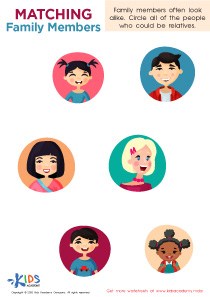
Color recognition Geography Worksheets for Ages 4-9
3 filtered results
-
From - To
Discover the world of color recognition with our engaging Geography Worksheets designed for children ages 4 to 9! These interactive worksheets blend learning with fun, helping young learners identify colors while exploring geographical concepts. Our resource not only strengthens their color recognition skills but also introduces them to maps, flags, landscapes, and various global cultures. Each worksheet is thoughtfully crafted to spark curiosity and enhance critical thinking through hands-on activities. Perfect for at-home practice or classroom use, these worksheets make geography enjoyable and accessible. Join us in cultivating the next generation of explorers and geographers today!
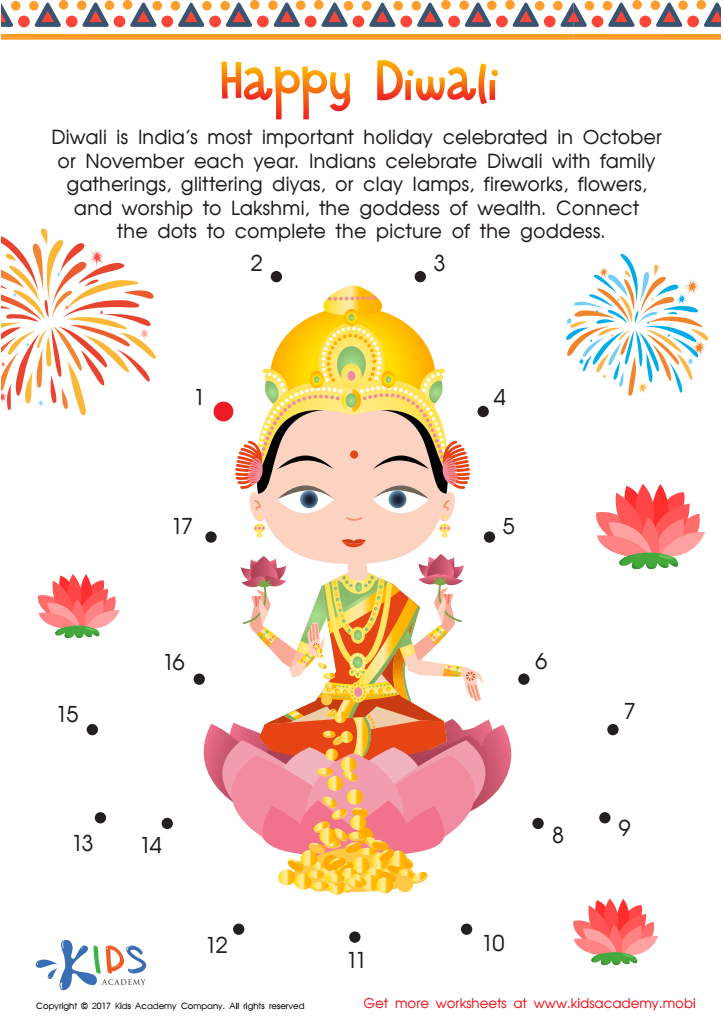
Happy Diwali Printable
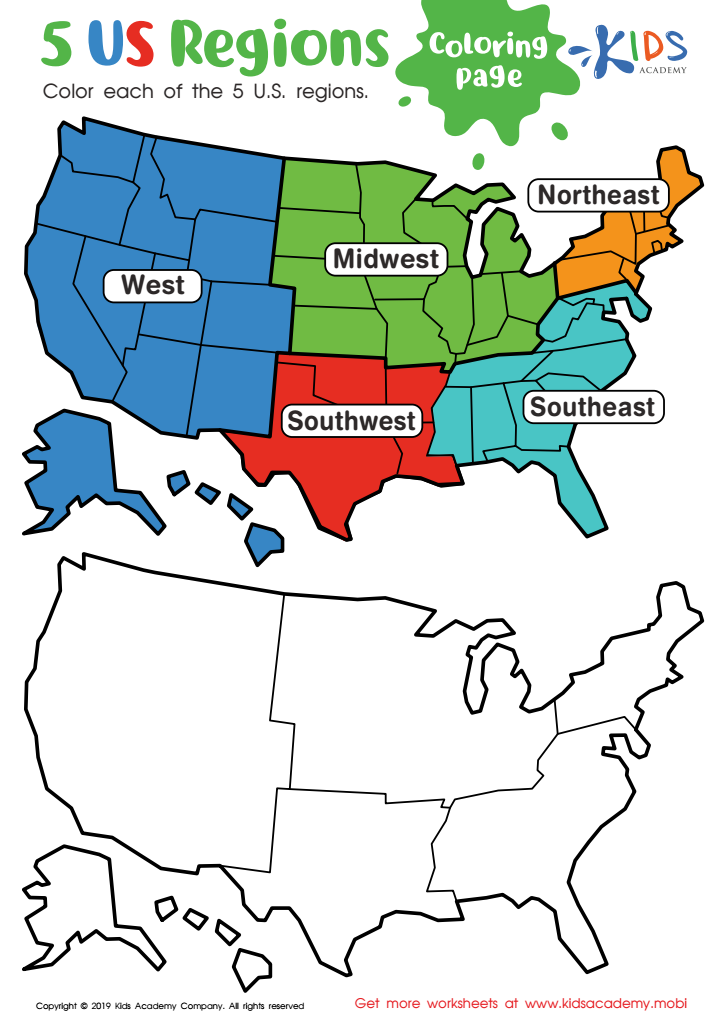
US Regions Coloring Page Worksheet
 Assign to My Students
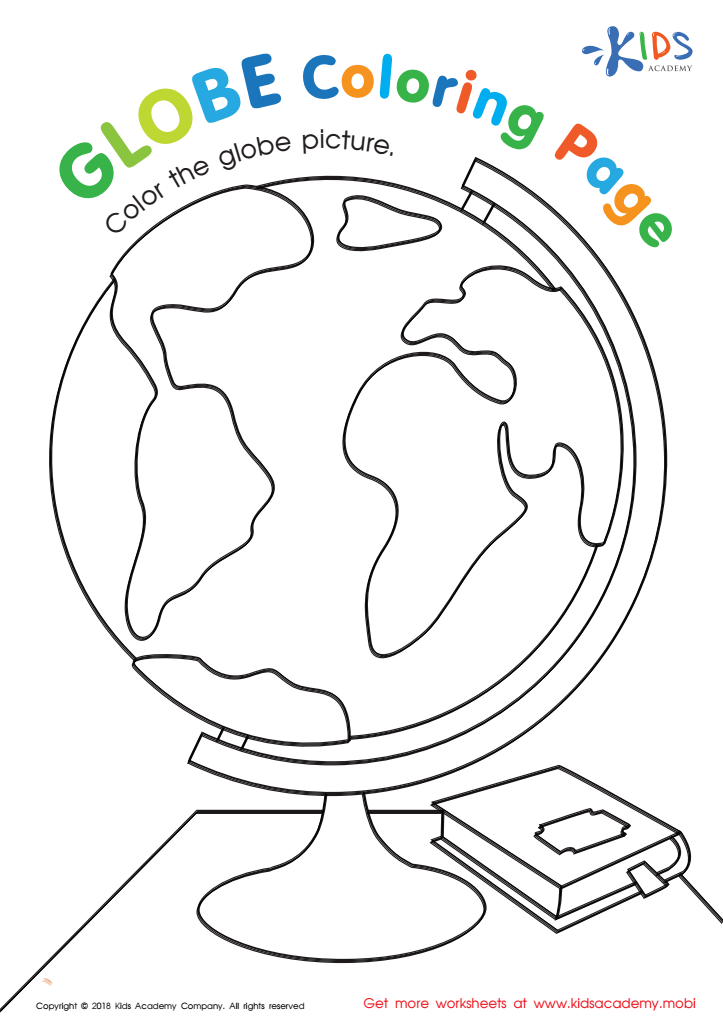
Globe Coloring Page Worksheet
Assign to My Students


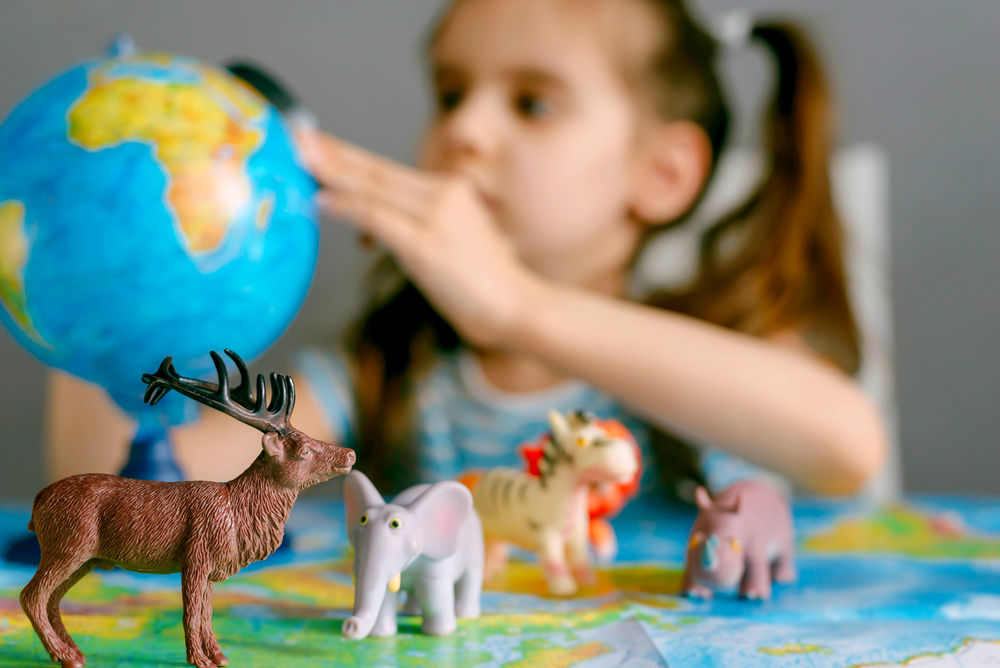




Color recognition is an essential aspect of early childhood development that extends beyond mere visual perception; it intertwines with geography to enhance spatial awareness and cognitive skills. For children aged 4-9, understanding colors in a geographical context aids in their ability to classify and differentiate diverse elements in the world around them, such as maps, flags, and natural landmarks.
Teachers and parents should prioritize color recognition in geography to cultivate children’s observational skills and their understanding of environmental features. Recognizing colors associated with different regions can help young learners identify cultural diversity, as many societies use distinct color patterns in traditional clothing, art, and architecture. Moreover, when engaging in geography, children can learn to associate specific colors with geographical concepts like mountains, rivers, and climate zones, fostering better retention and interest in the subject.
Additionally, integrating color recognition with geography supports language development. Children learn vocabulary related to both colors and geography, aiding them in expressing their thoughts and observations. By promoting color recognition in the context of geography, parents and teachers empower young learners with foundational skills, preparing them for more complex learning in future educational endeavors. Emphasizing this connection lays the groundwork for nurturing informed and curious global citizens.