Multiplication practice History Worksheets for Ages 4-9
8 filtered results
-
From - To
Discover our engaging Multiplication Practice History Worksheets designed for children ages 4-9! These worksheets weave together essential multiplication skills with fascinating historical themes, making learning both fun and educational. Each activity features vibrant illustrations and intuitive exercises that capture young learners' imagination, fostering a love for math and history. Perfect for classroom use or home learning, our downloadable resources promote retention through interactive practice and creative storytelling. Equip your child with the confidence to master multiplication while exploring significant historical events and figures. Start their educational journey today with our interactive and effective worksheets tailored for young minds!
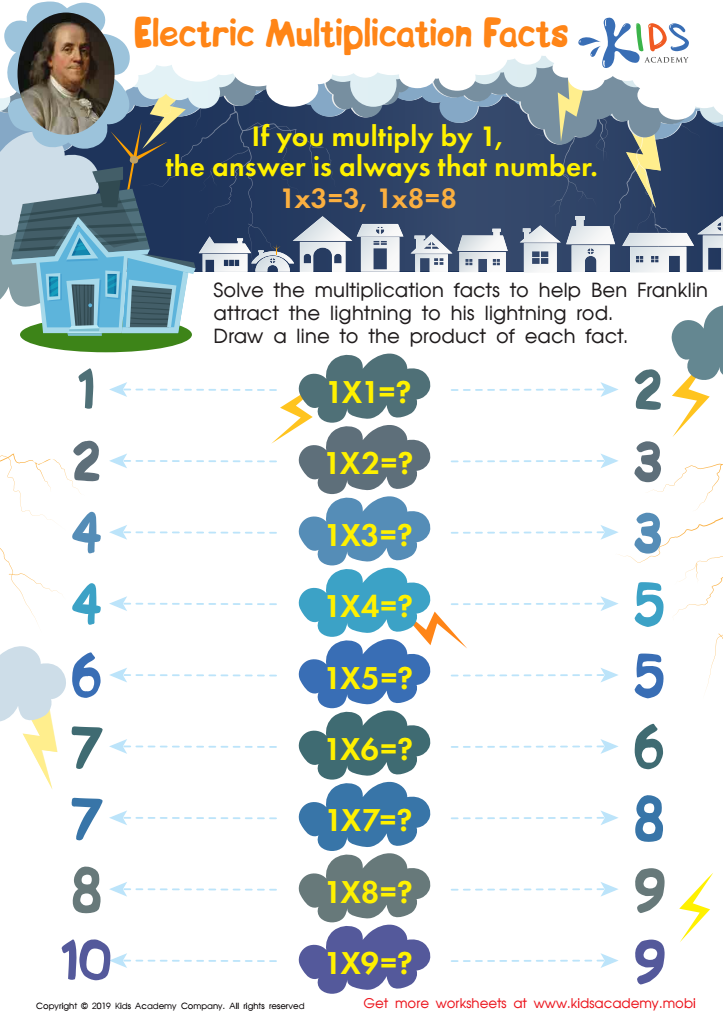
Electric Multiplication Facts Worksheet
 Assign to My Students
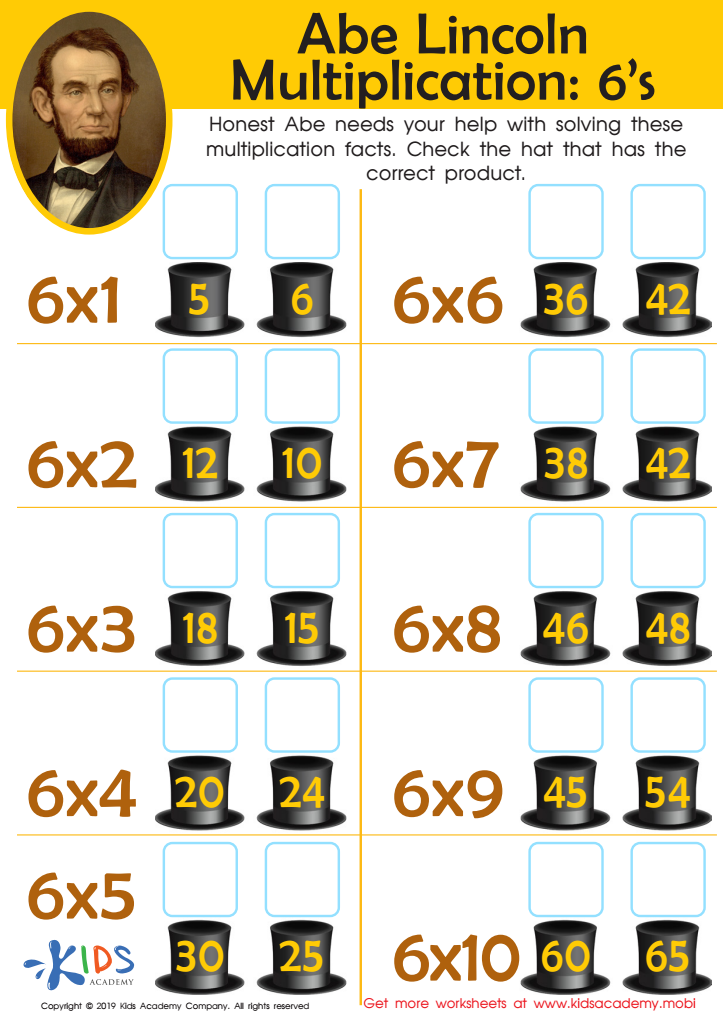
Abe Lincoln Multiplication: 6’s Worksheet
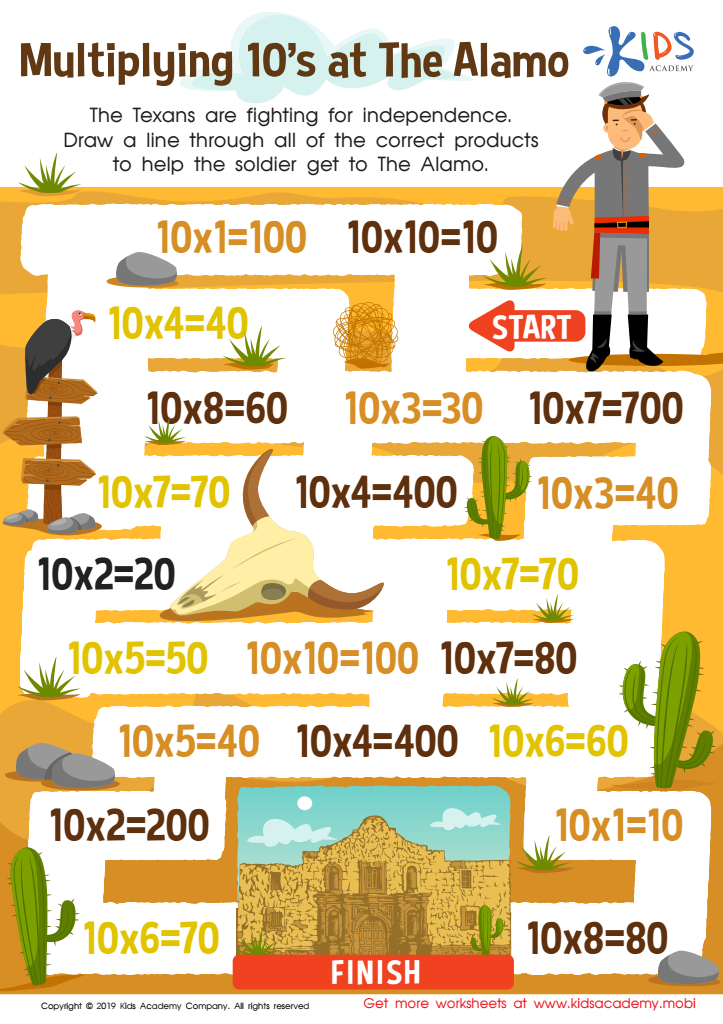
Multiplying 10’s at The Alamo Worksheet
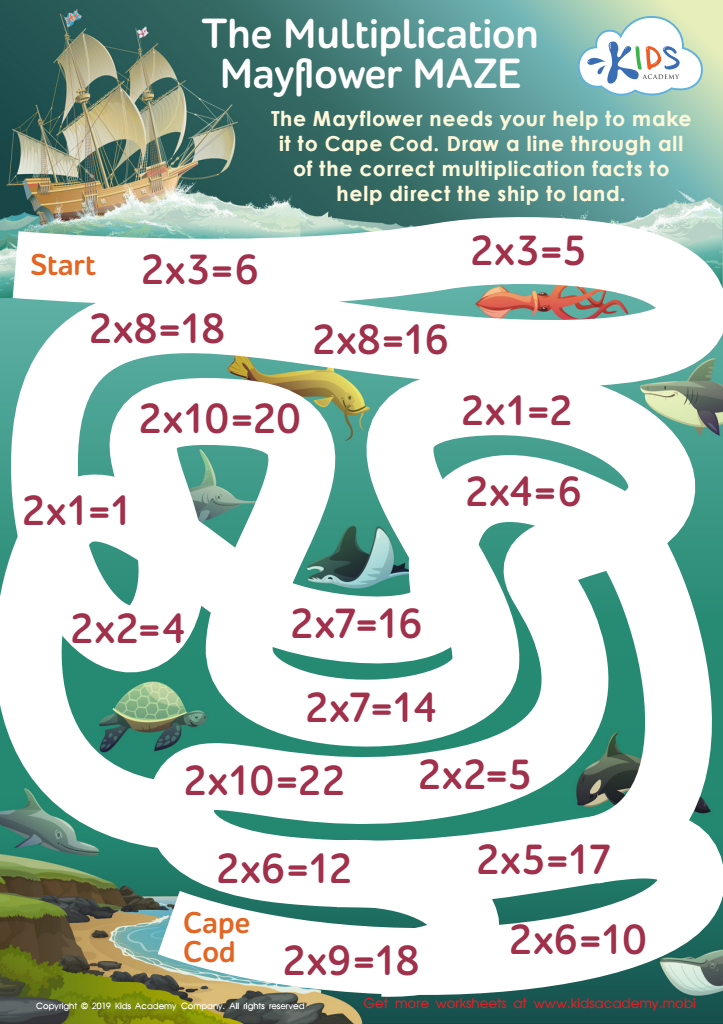
The Multiplication Mayflower Maze Worksheet
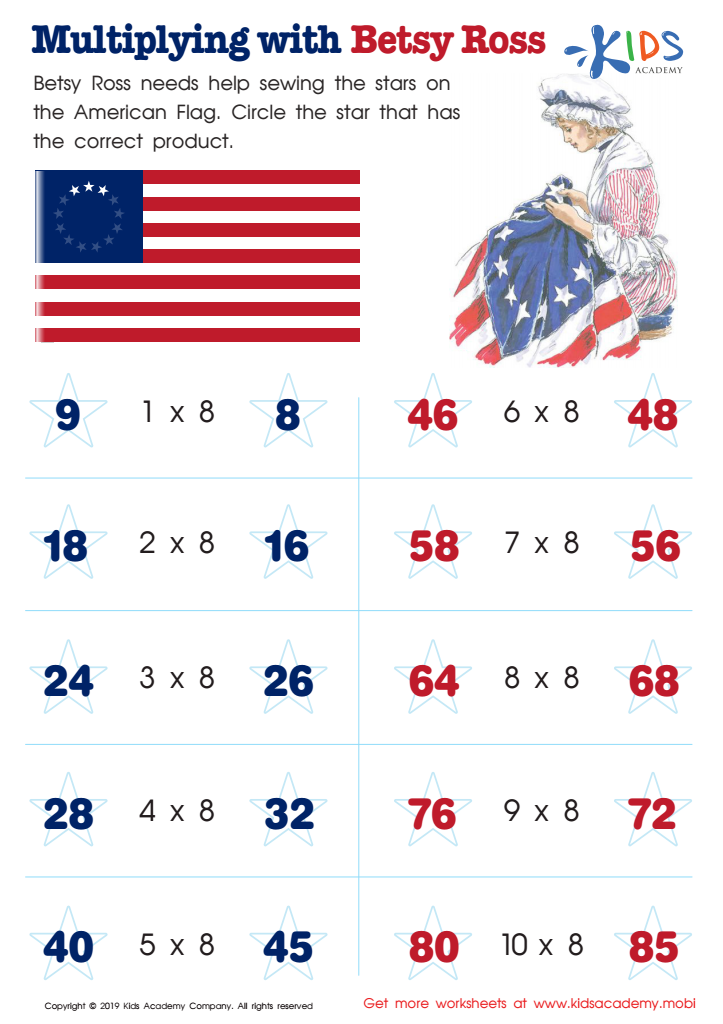
Multiplying with Betsy Ross Worksheet
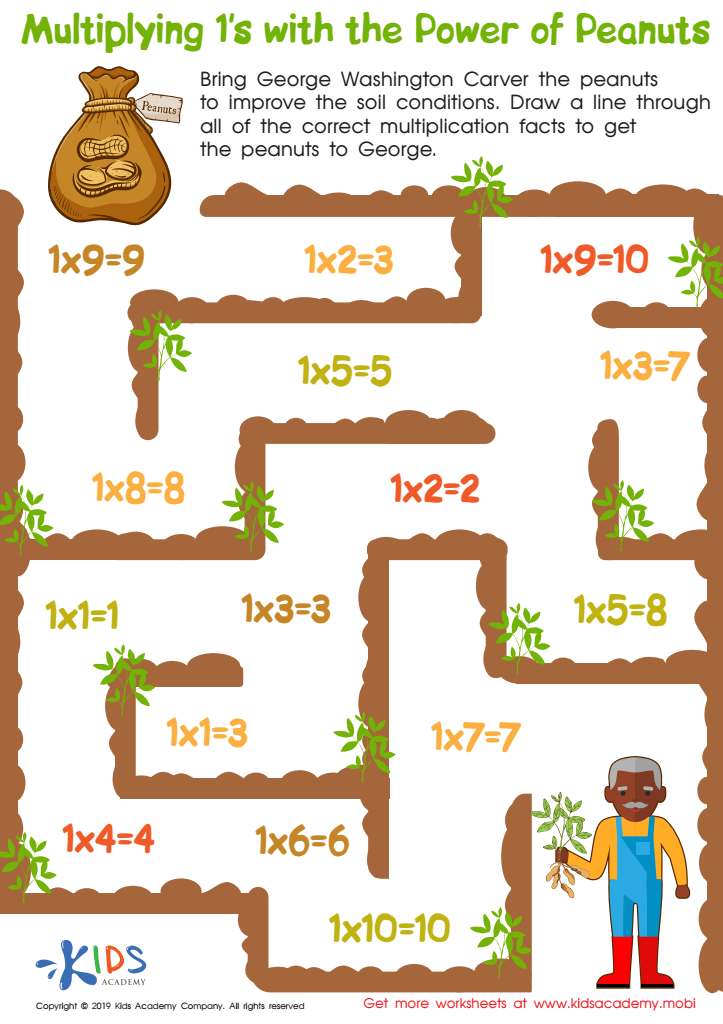
Multiplying 1’s With the Power of Peanuts Worksheet
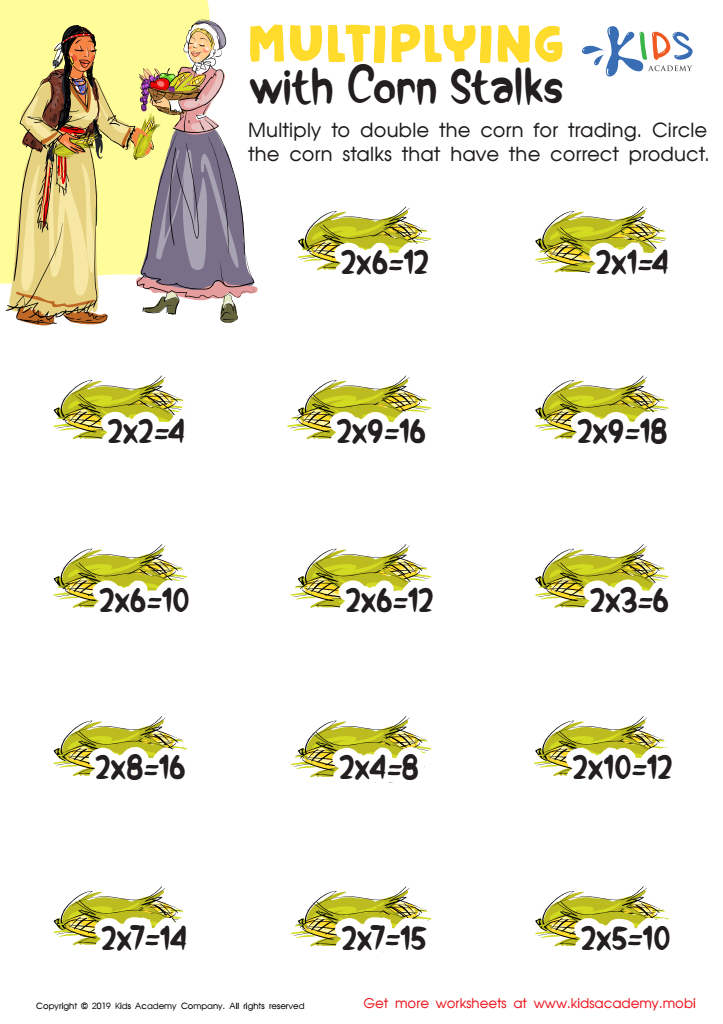
Multiplying With Corn Stalks Worksheet
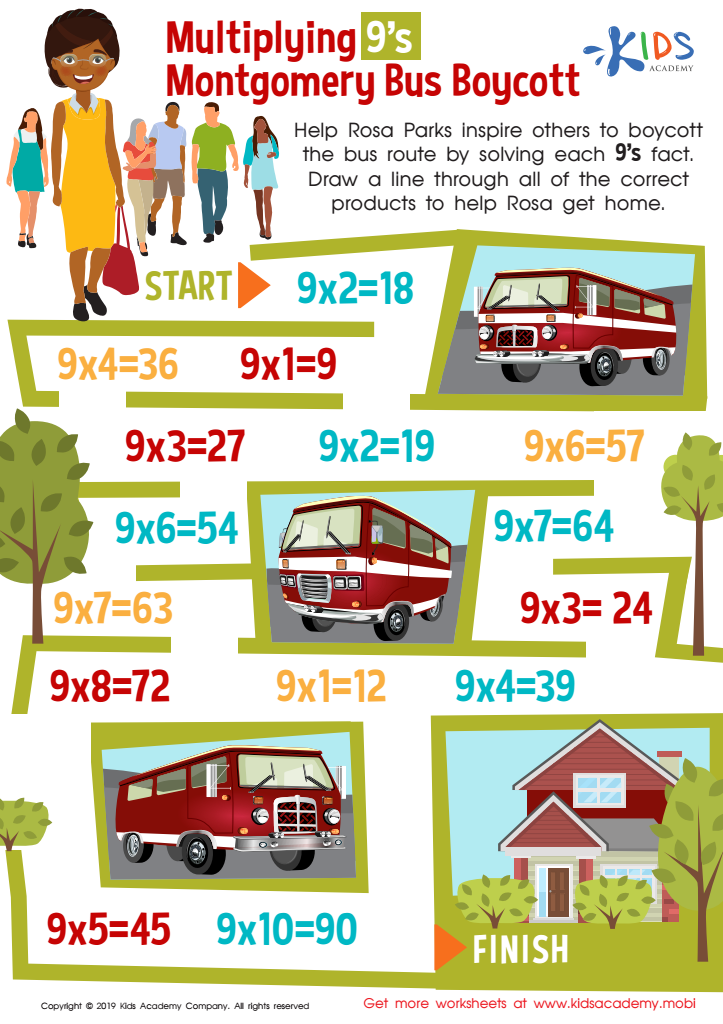
Multiplying 9’s Montgomery Bus Boycott Worksheet


.jpg)





Understanding the history of multiplication practice is crucial for both parents and teachers as it highlights the evolution of teaching methods that can impact children's learning styles and engagement. For ages 4-9, multiplication lays the groundwork for more advanced mathematical concepts. Effective multiplication practice can help reinforce not only arithmetic skills but also critical thinking and problem-solving abilities.
Historically, multiplication is often taught through memorization of times tables; however, modern methodologies encourage a deeper understanding of the "why" behind multiplication—using visual aids or real-world examples to make learning relevant. Recognizing that children learn differently, educators can use historical insights to adapt their teaching strategies to foster a more inclusive learning environment.
Moreover, awareness of the shifts in multiplication practices can help parents support their children at home effectively. By providing a mix of traditional and innovative practices—such as games and interactive tools—parents can enhance their children's learning experience. Understanding this history also equips adults to recognize potential educational barriers that children may face, ensuring they have the support they need to develop confidence in their mathematical abilities. In nurturing these foundational skills, both teachers and parents play a vital role in setting children on a path to academic success.