Reading skills improvement Writing Worksheets for Ages 4-9
6 filtered results
-
From - To
Welcome to our "Reading Skills Improvement Writing Worksheets for Ages 4-9" page! Designed specifically for young learners, these engaging and interactive worksheets help children enhance their reading comprehension and writing abilities. Our carefully curated activities focus on phonics, vocabulary, and decoding skills, making it easier for kids to connect sounds and letters. From tracing letters to creating simple sentences, each worksheet supports a fun and effective learning experience. Perfect for both classroom use and at-home practice, our printable resources aim to foster a love for reading while building confidence in writing. Empower your child's literacy journey today!
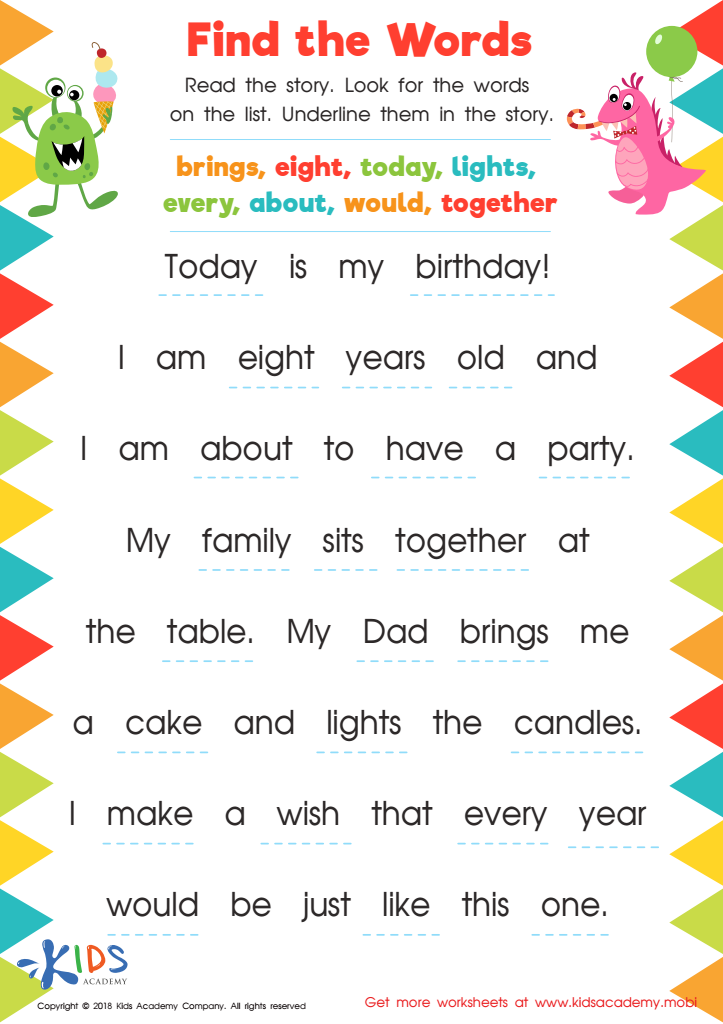
Find The Words Printable Worksheet
 Assign to My Students
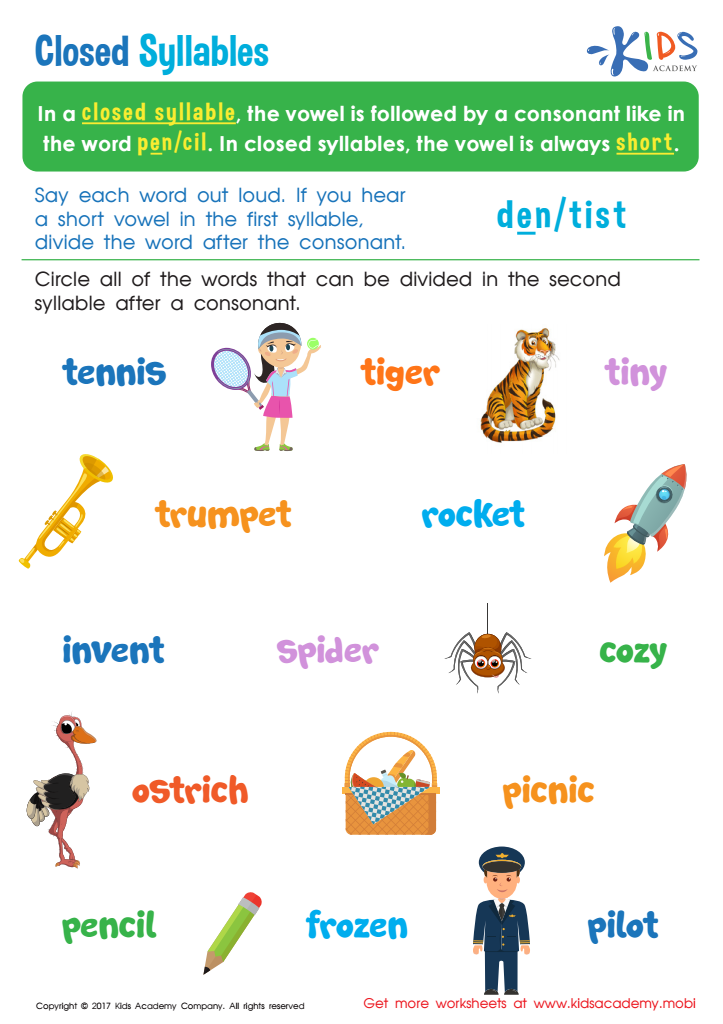
Closed Syllable Spelling Worksheet
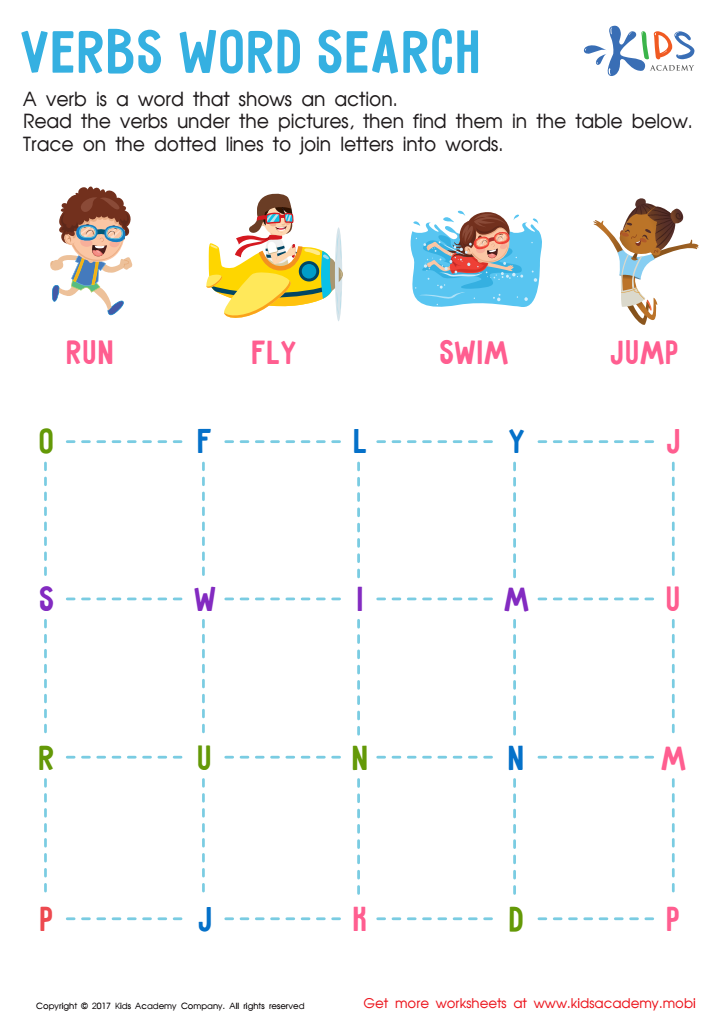
Verbs Word Search Worksheet
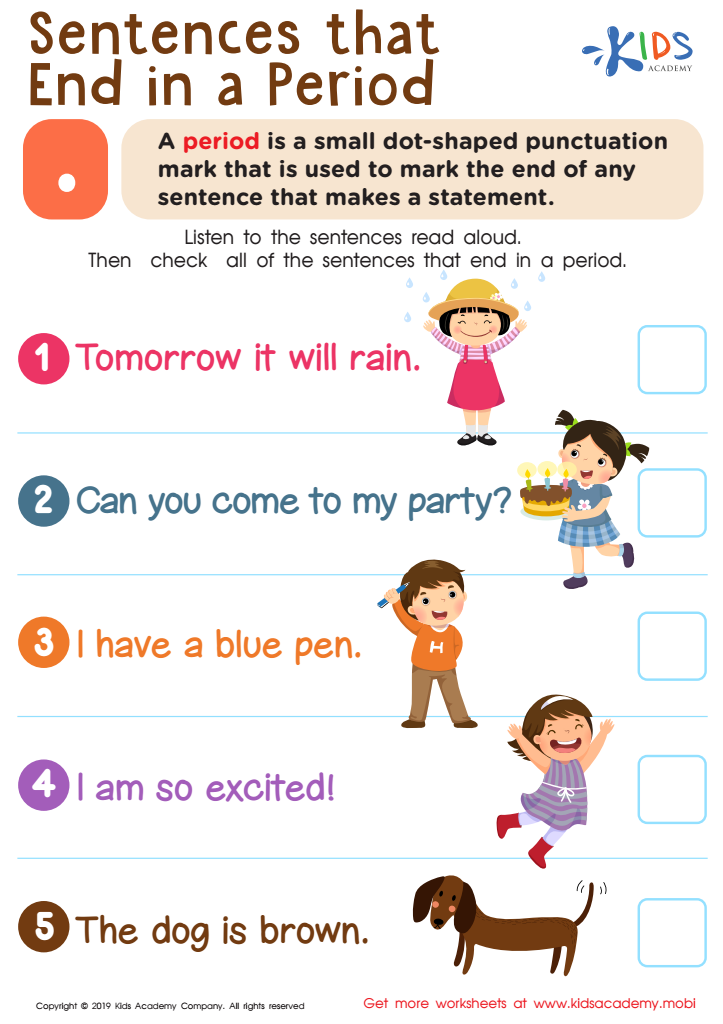
Sentences That End in a Period Worksheet
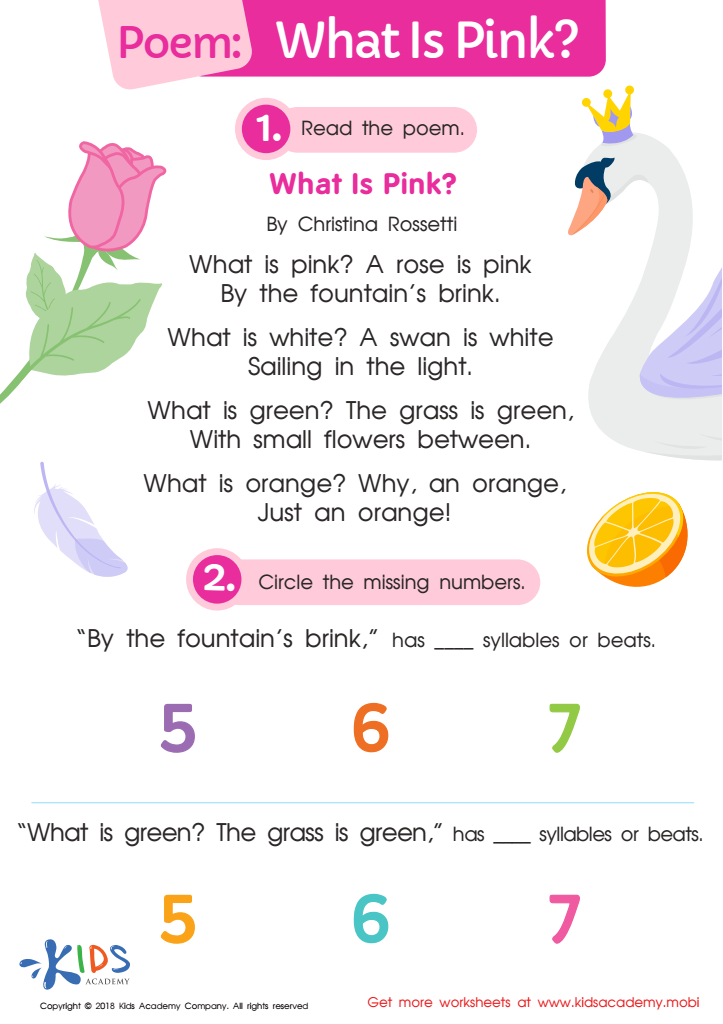
Poem: What Is Pink? Worksheet
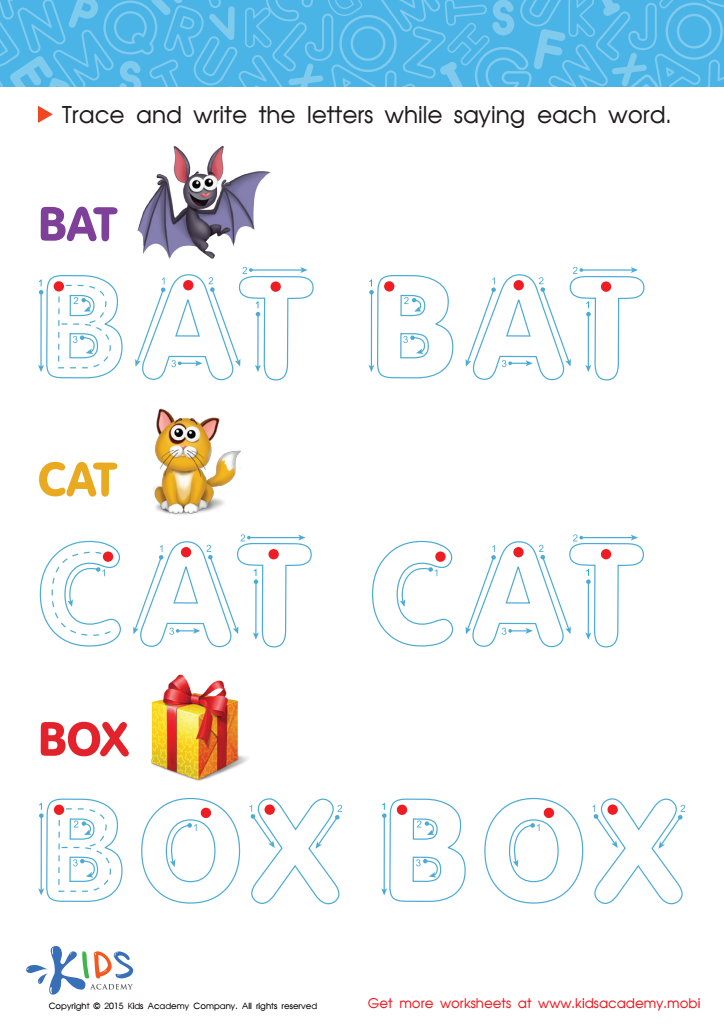
A Bat, a Cat and a Box Spelling Worksheet






Reading skills are foundational for children's overall academic success and personal development, especially for ages 4-9. At this critical stage, children are developing not only their reading abilities but also essential thinking and communication skills. Improved reading proficiency encourages better comprehension, vocabulary expansion, and critical thinking, which are vital for all future learning.
When parents and teachers focus on enhancing reading skills, they also foster a love for literature, which can stimulate a child's imagination and creativity. Engaging stories can ignite curiosity, motivate discussions, and prompt inquiries about the world around them. Moreover, proficiency in reading impacts other subjects like math and science, as many concepts are introduced through written materials.
Developing strong reading habits early on contributes to building a child's self-confidence. Children who struggle with reading may feel frustrated in the classroom, leading to disengagement and anxiety about learning. By taking an active role in improving reading skills, whether through encouragement, resources, or targeted support, adults can significantly influence a child's academic journey and emotional well-being.
In essence, reading skill improvement is not just about academic achievement; it's about nurturing lifelong learners who are prepared to engage with the world.








