Fine Motor Skills Alphabet Worksheets for 4-Year-Olds - Page 2
79 filtered results
-
From - To
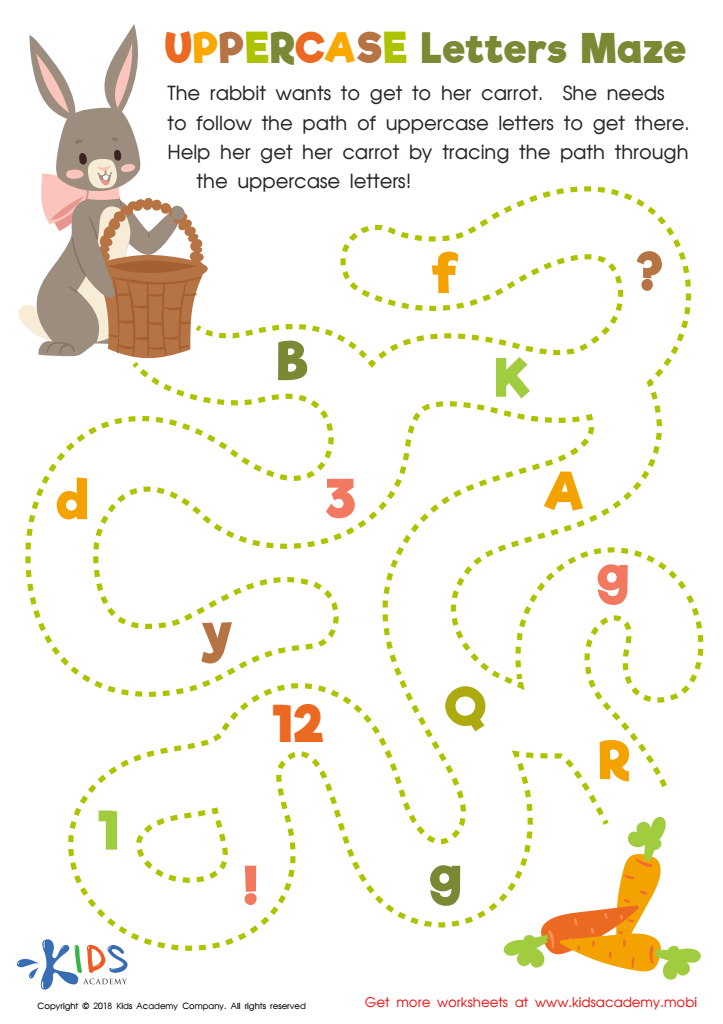
Uppercase Letters Maze Worksheet
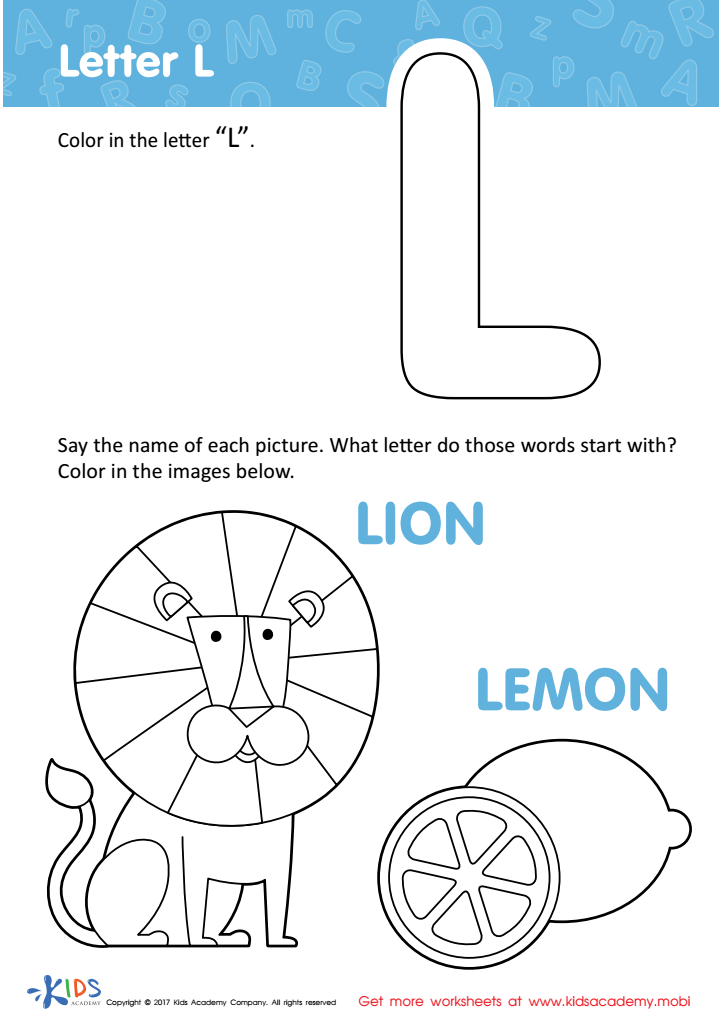
Letter L Coloring Sheet
 Assign to My Students

Letter C Tracing Page
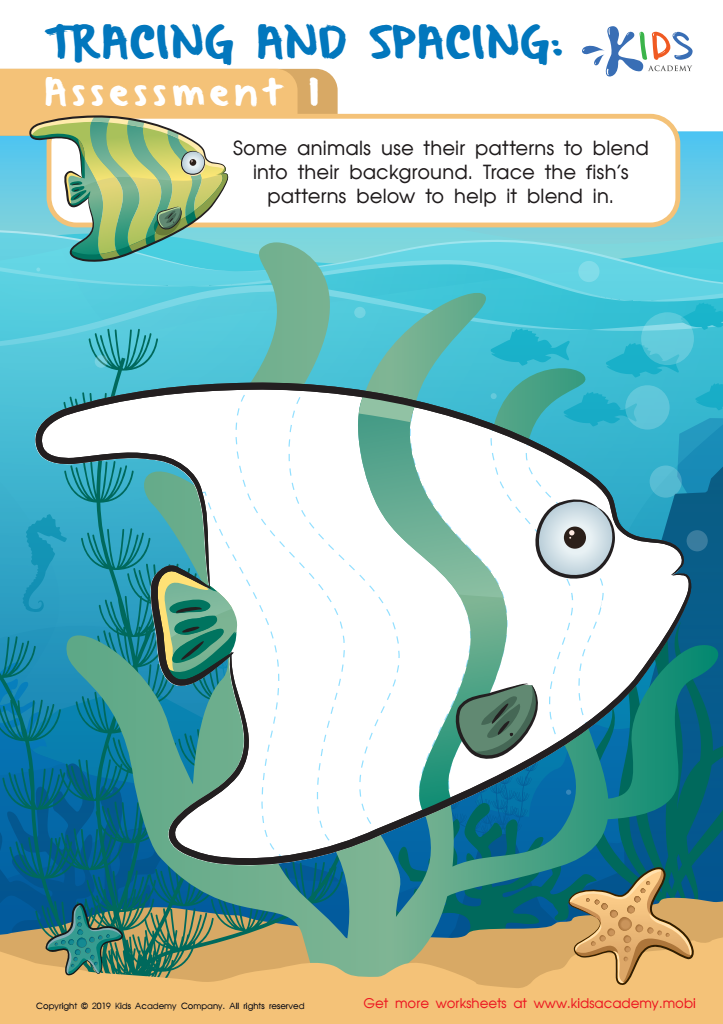
Tracing and Spacing: Assessment 1 Worksheet
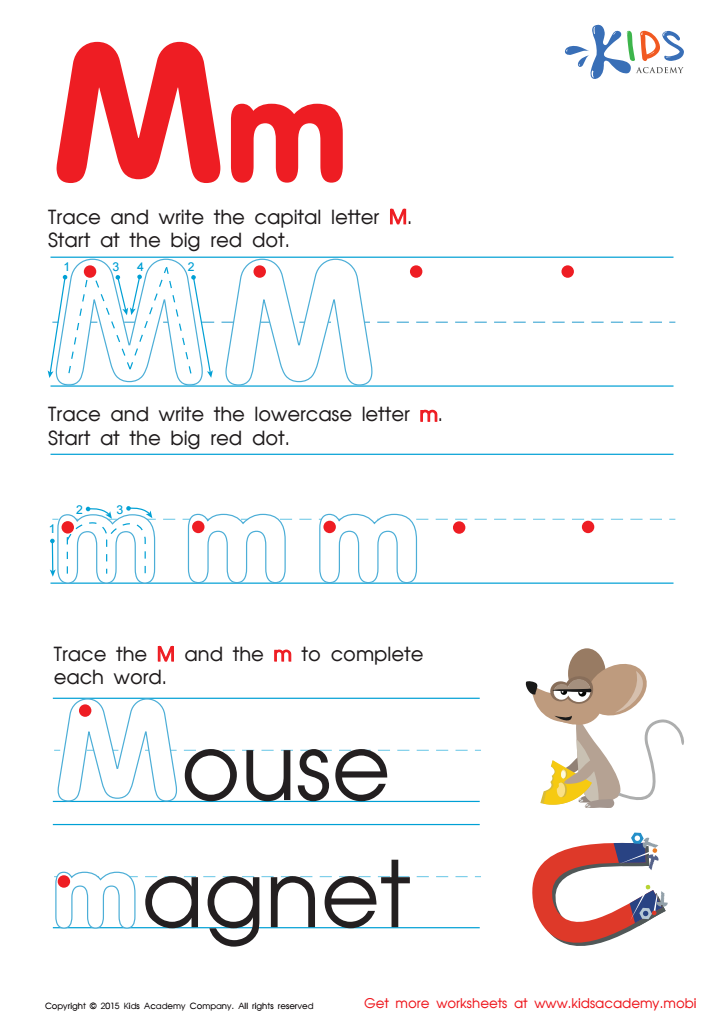
Letter M Tracing Page
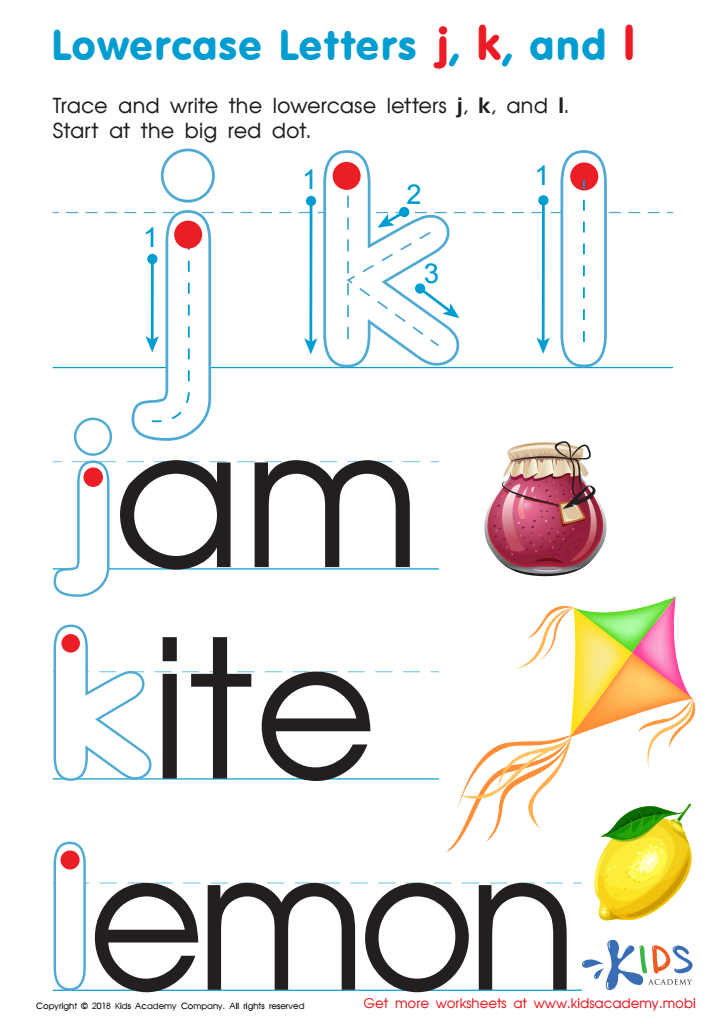
Lowercase Letters j k l Worksheet
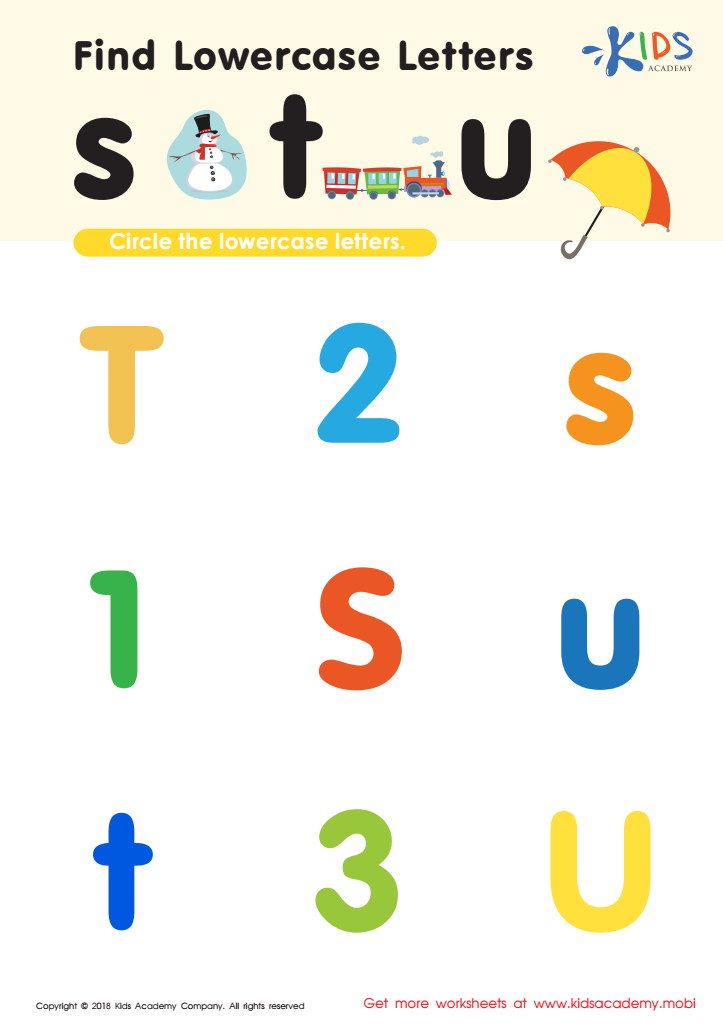
Find lowercase Letters s t u Worksheet
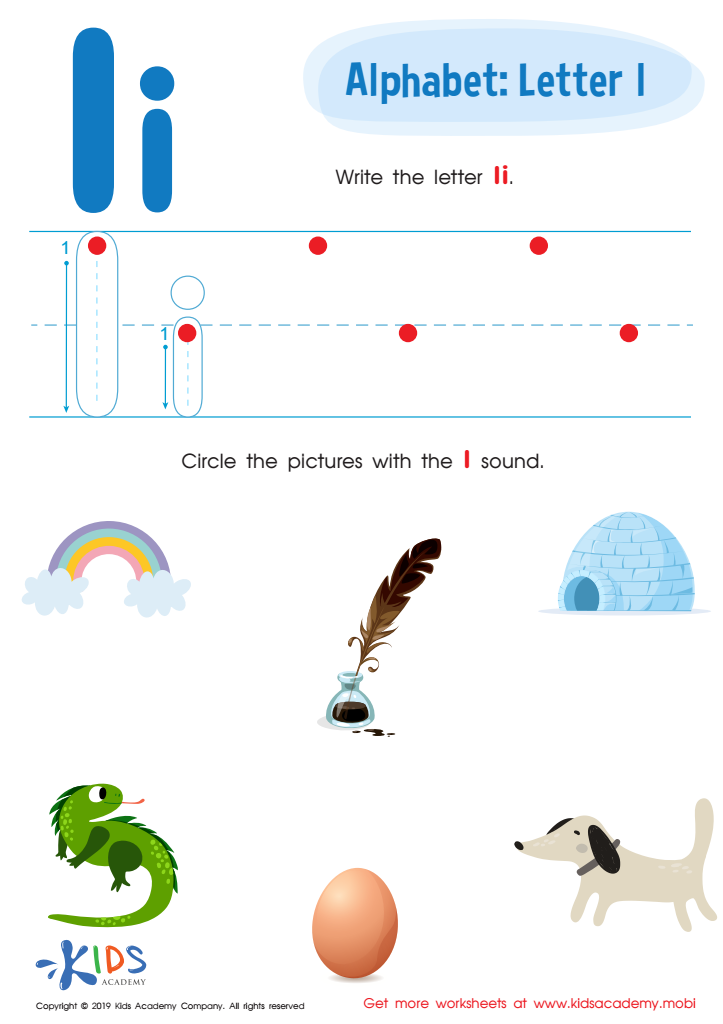
Letter I Tracing Worksheet
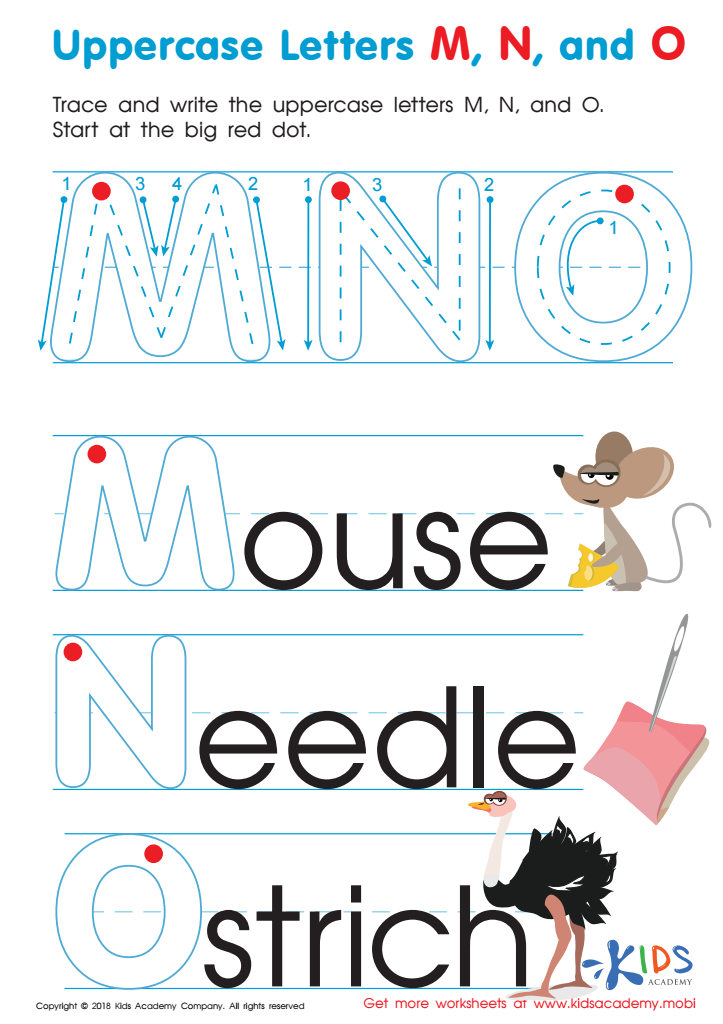
Uppercase Letters M, N, and O Worksheet
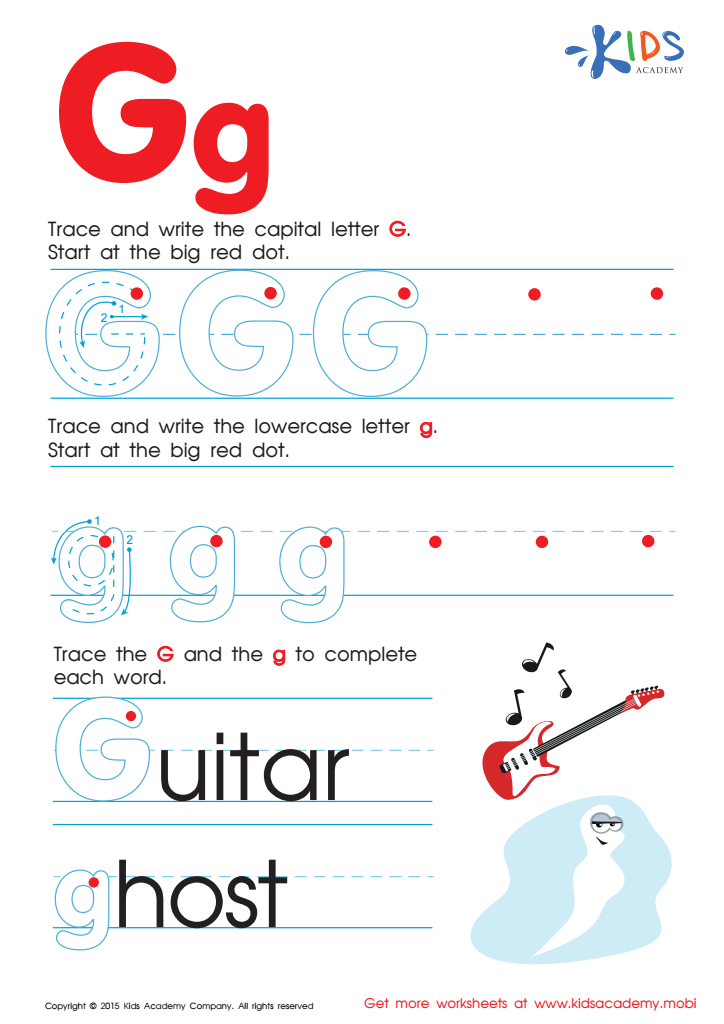
Letter G Tracing Page
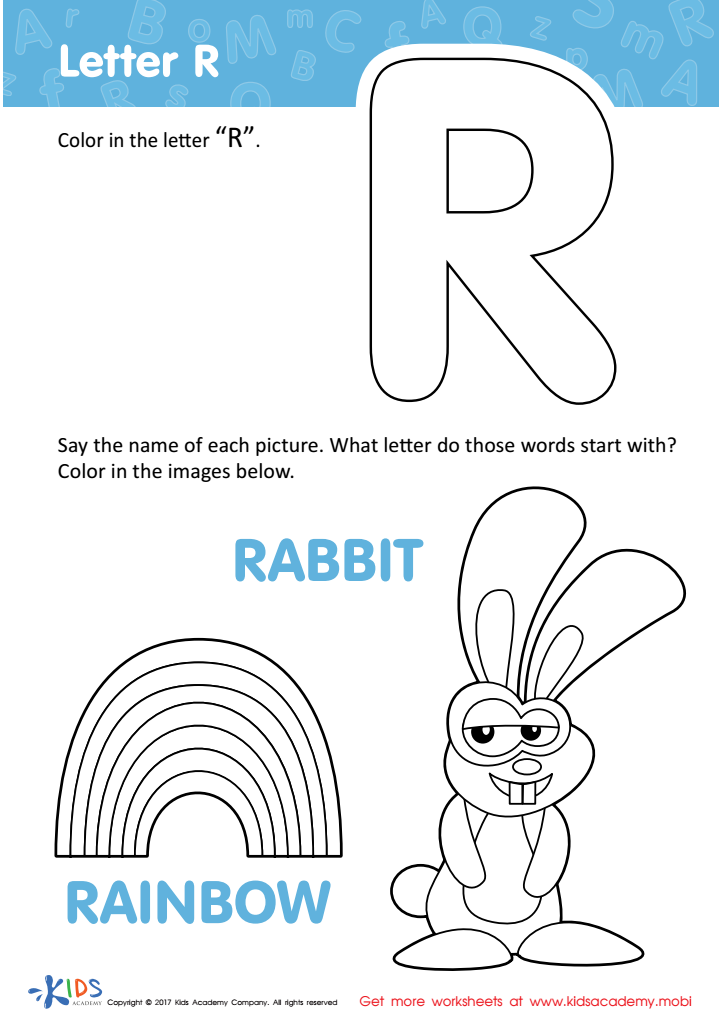
Letter R Coloring Sheet
Assign to My Students
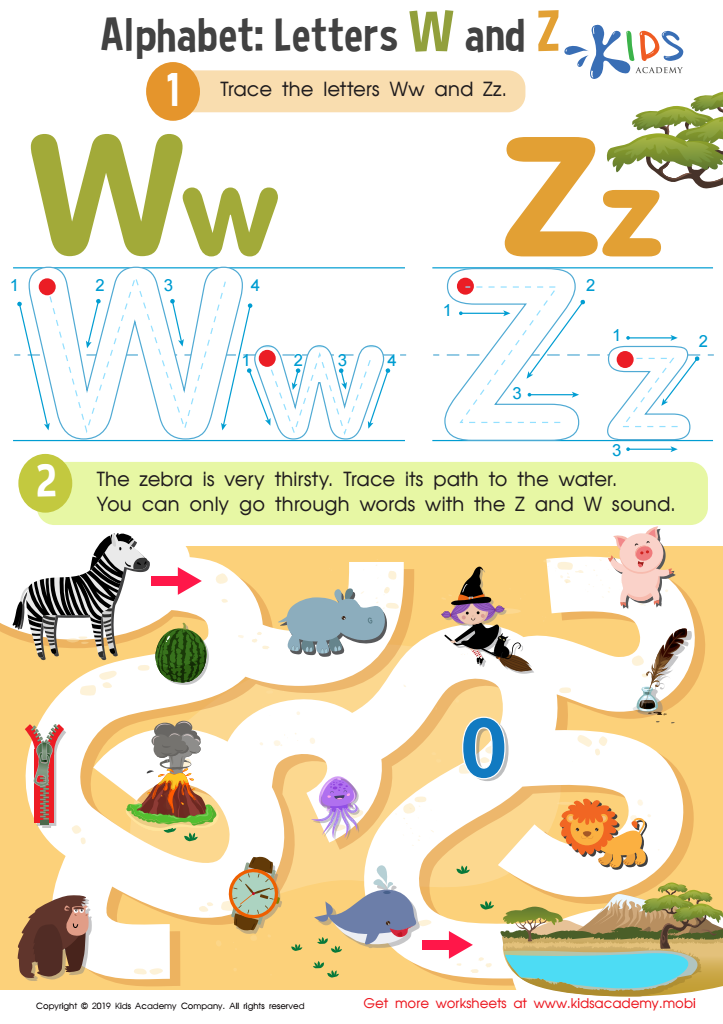
Letters W and Z Tracing Worksheet
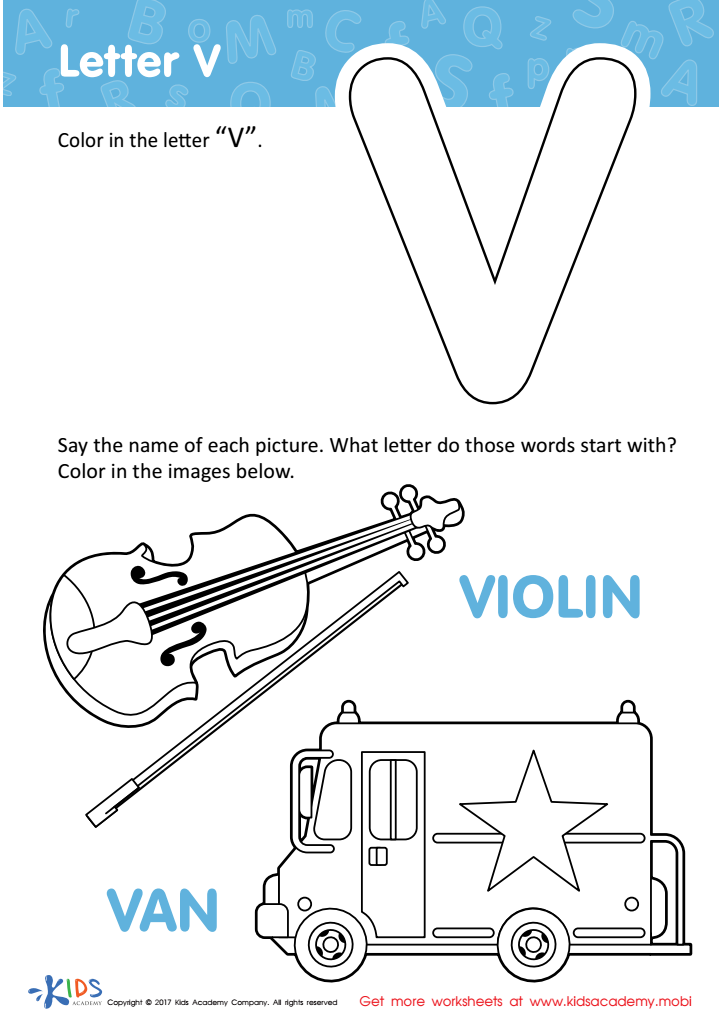
Letter V Coloring Sheet
Assign to My Students
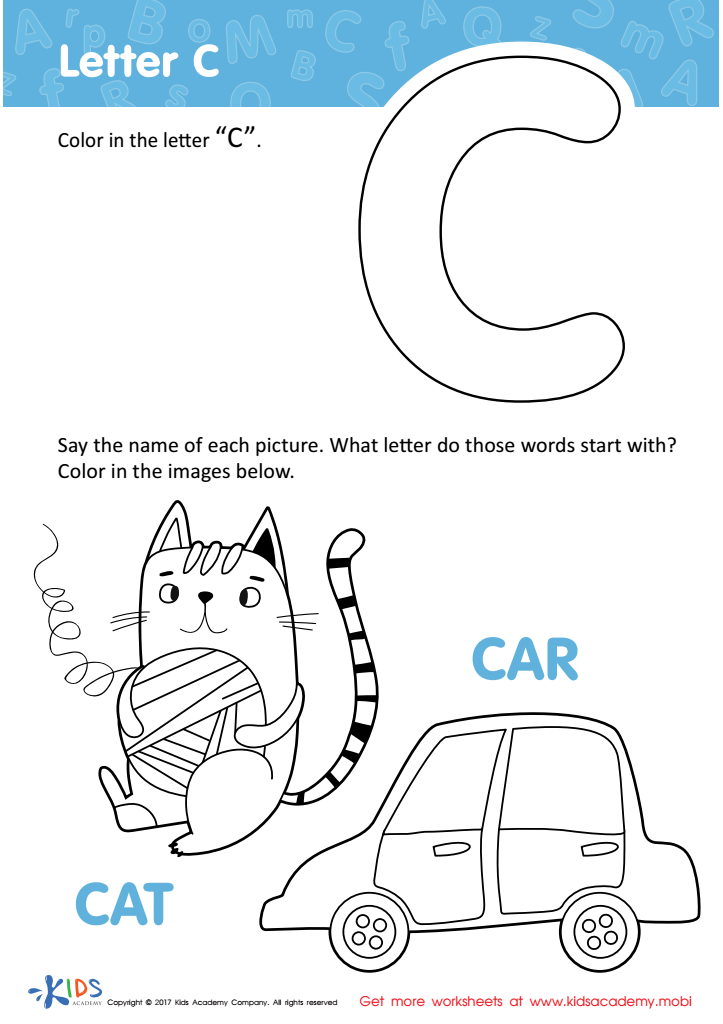
Letter C Coloring Sheet
Assign to My Students
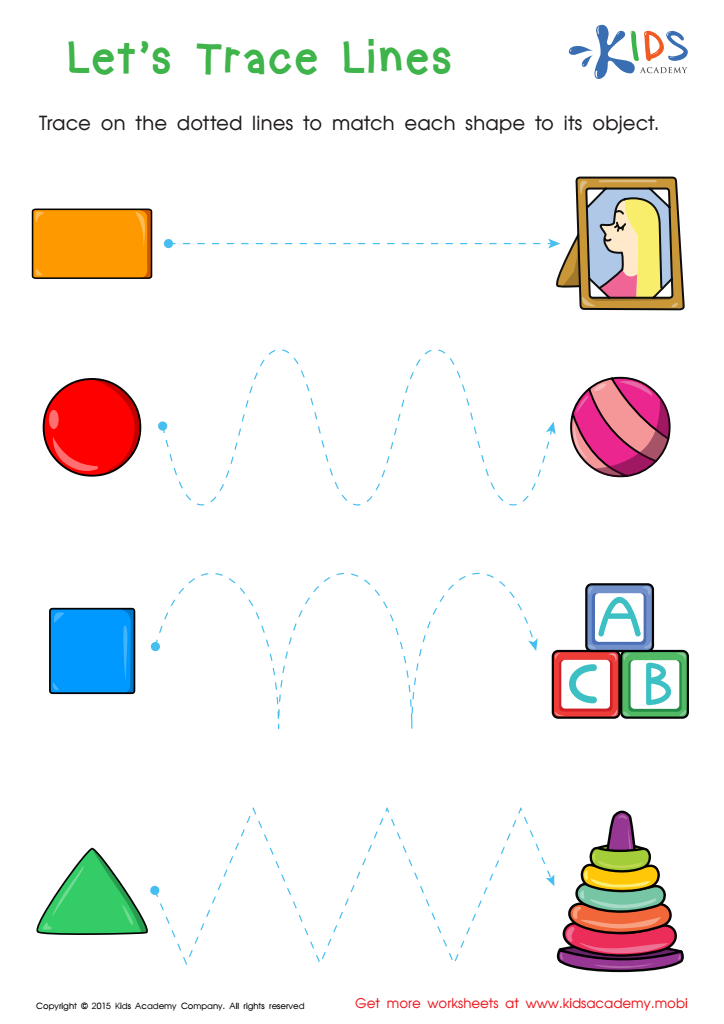
First Words: Let's Trace Lines Worksheet
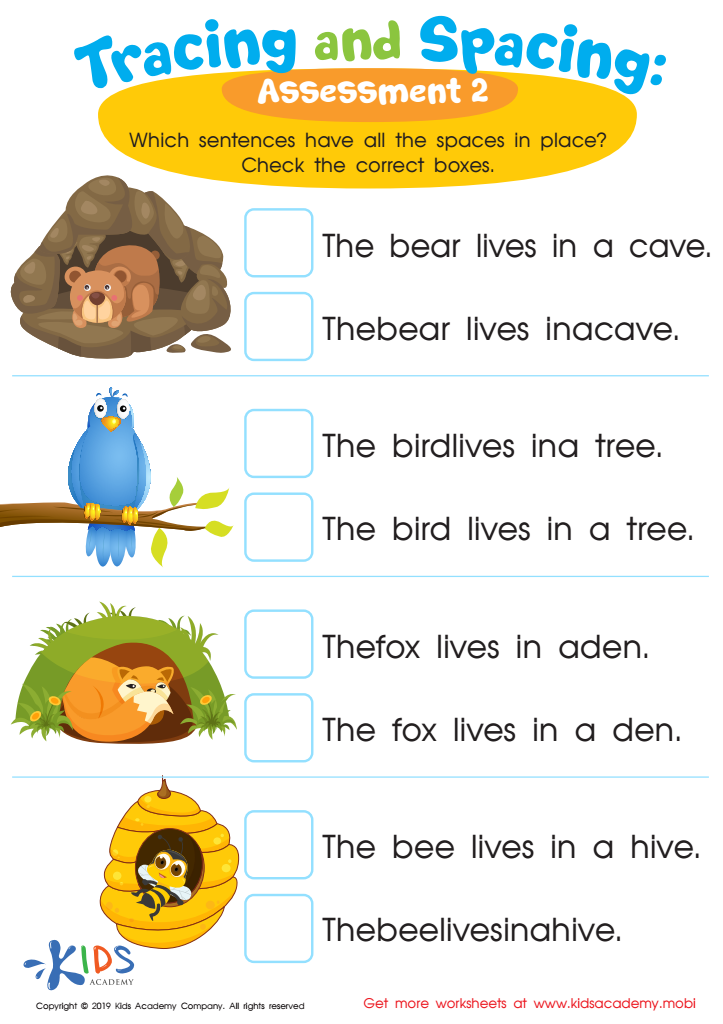
Tracing and Spacing: Assessment 2 Worksheet
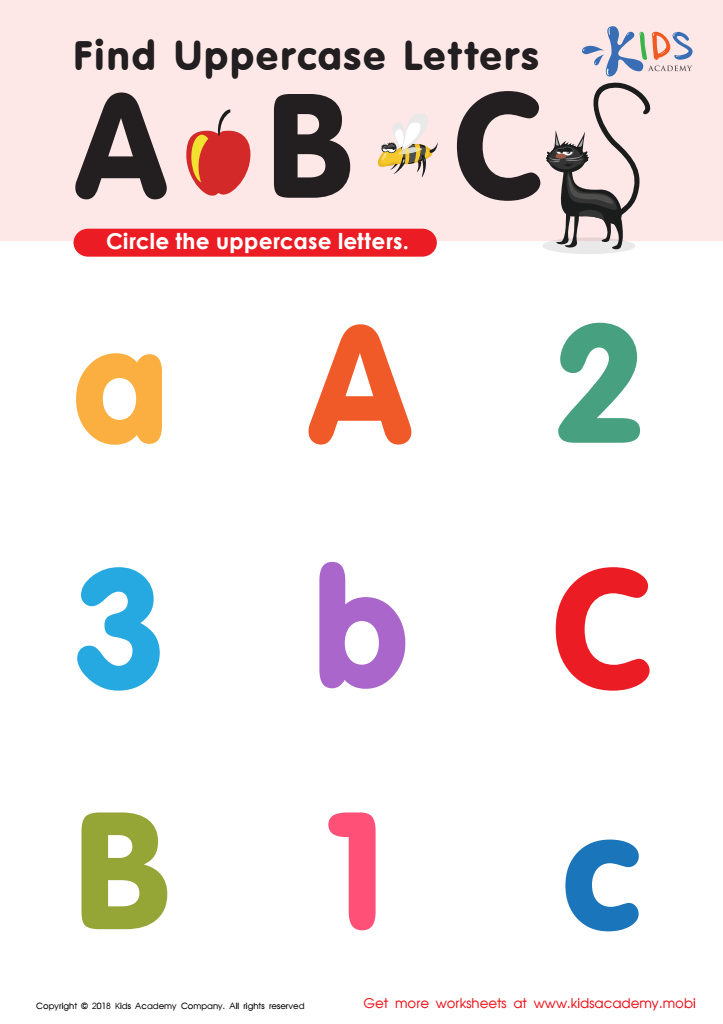
Find Uppercase Letters A, B, and C Worksheet
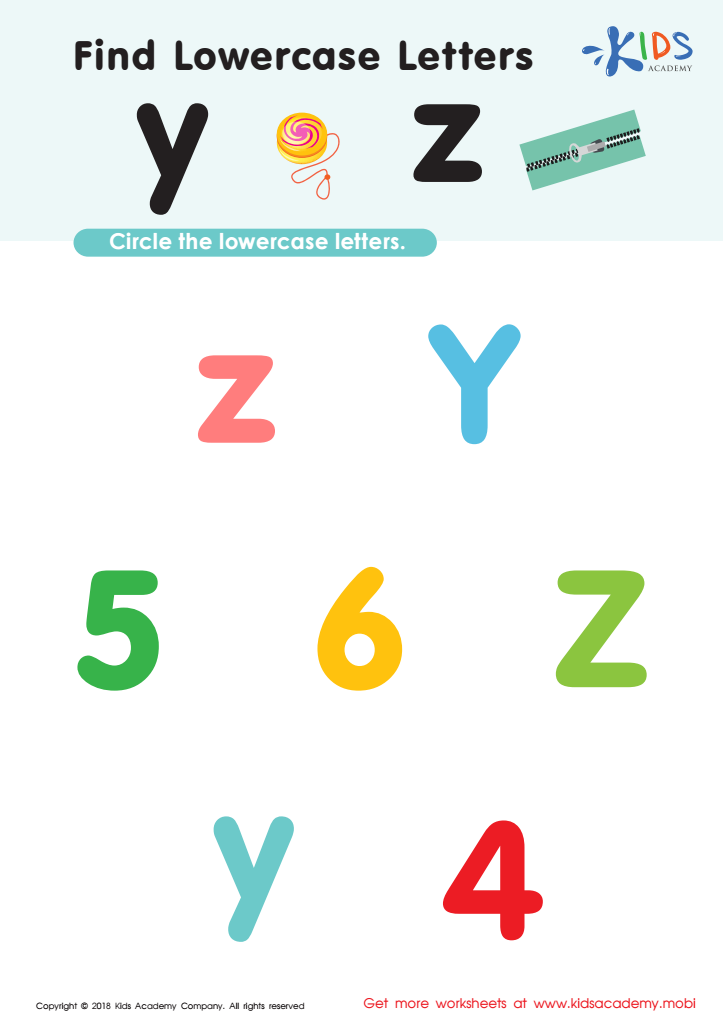
Find Lowercase Letters y z Worksheet
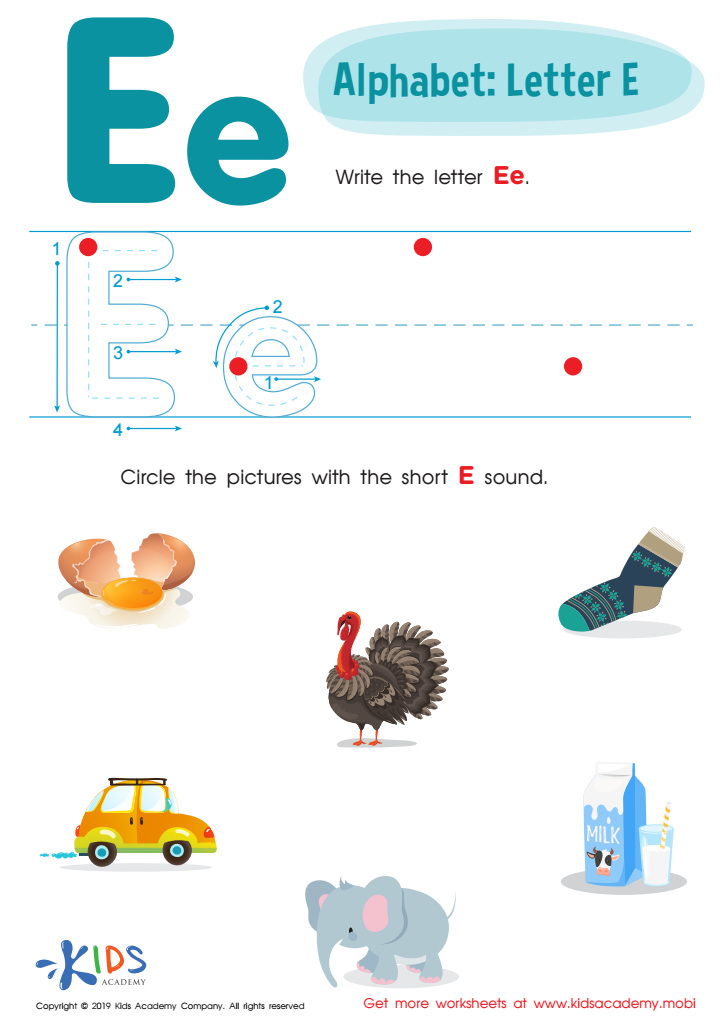
Letter E Tracing Worksheet
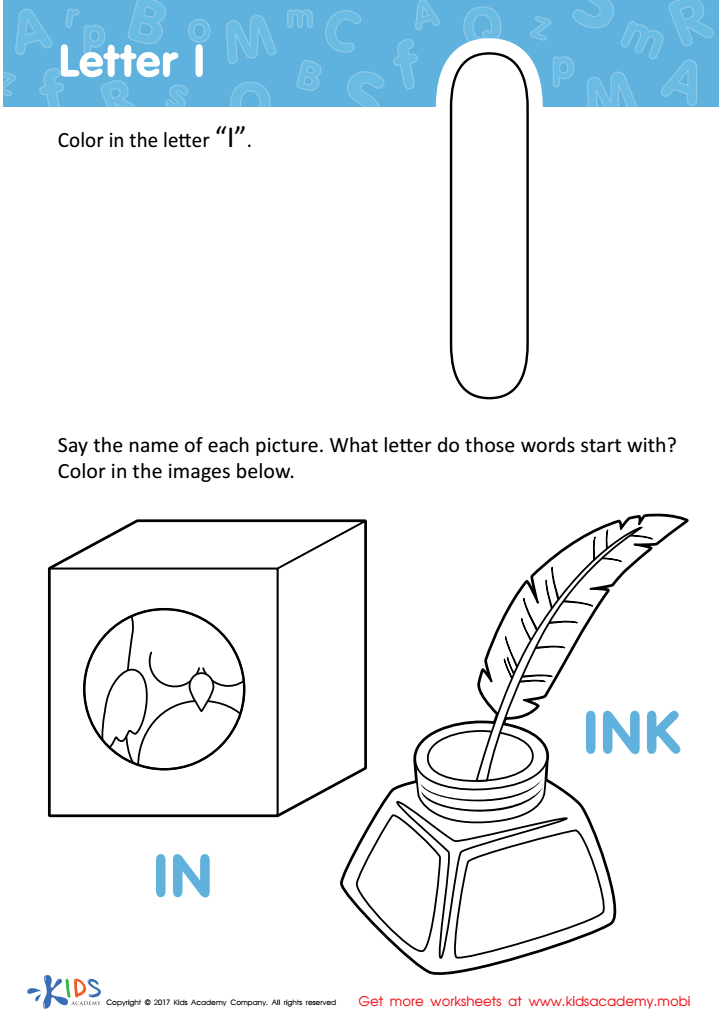
Letter I Coloring Sheet
Assign to My Students
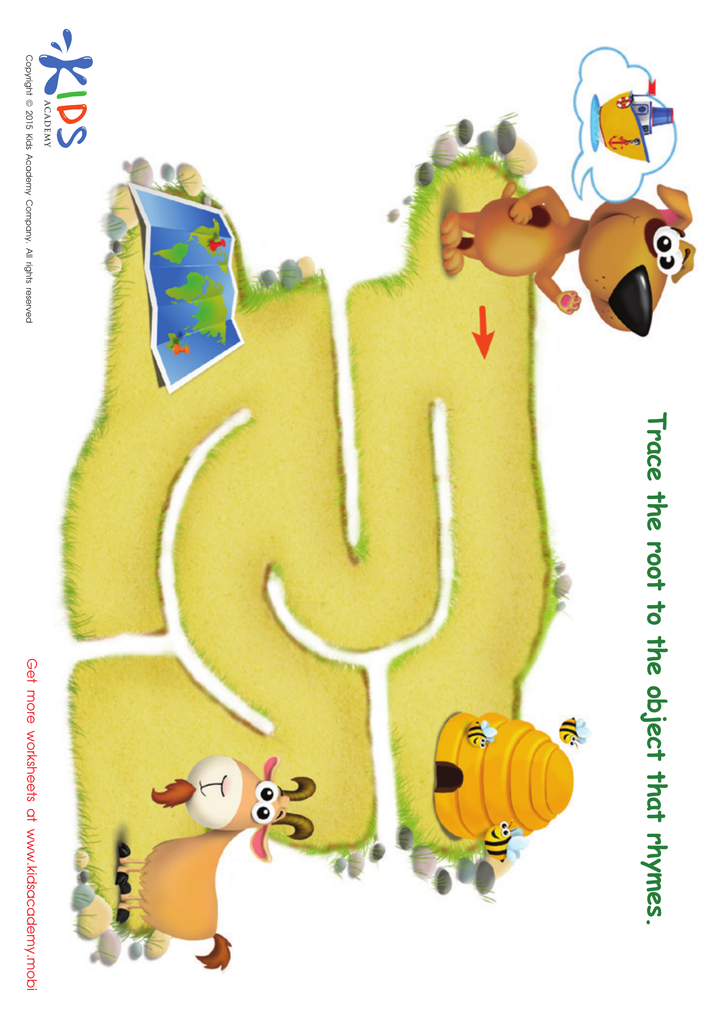
Boat Rhyming Words Worksheet
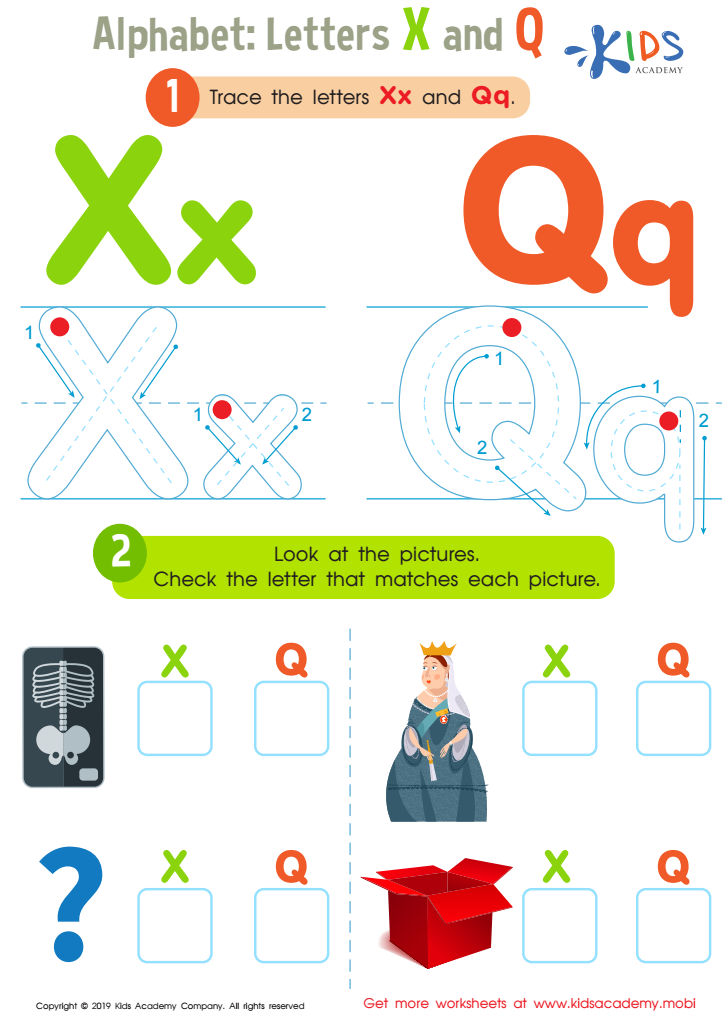
Letters X and Q Tracing Worksheet
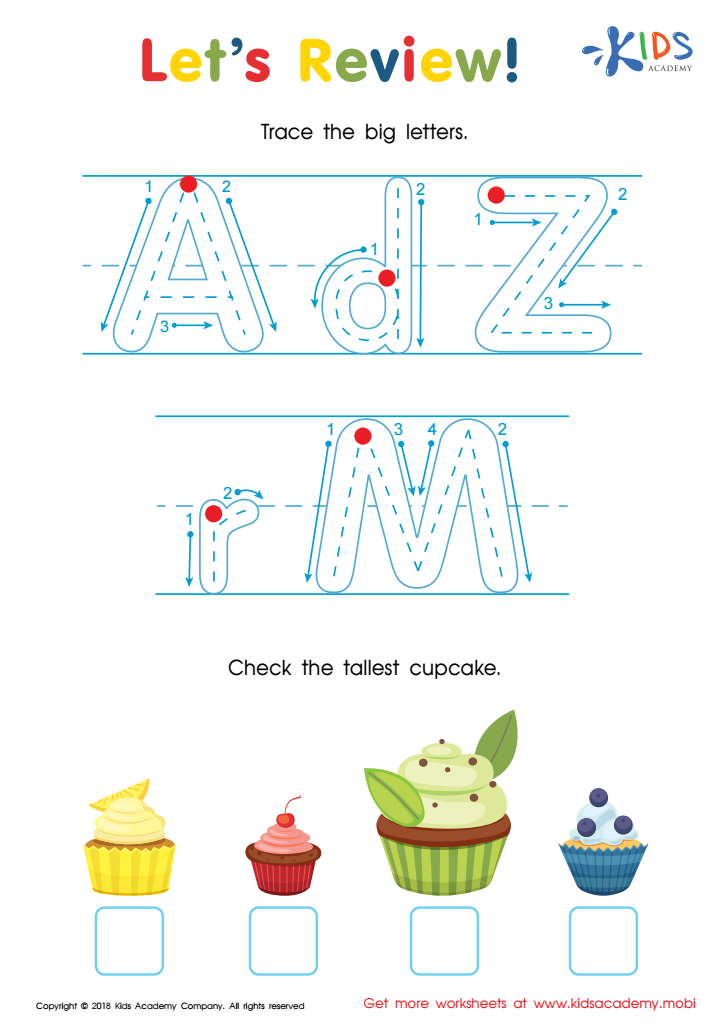
Let's Review! Big Letters Worksheet
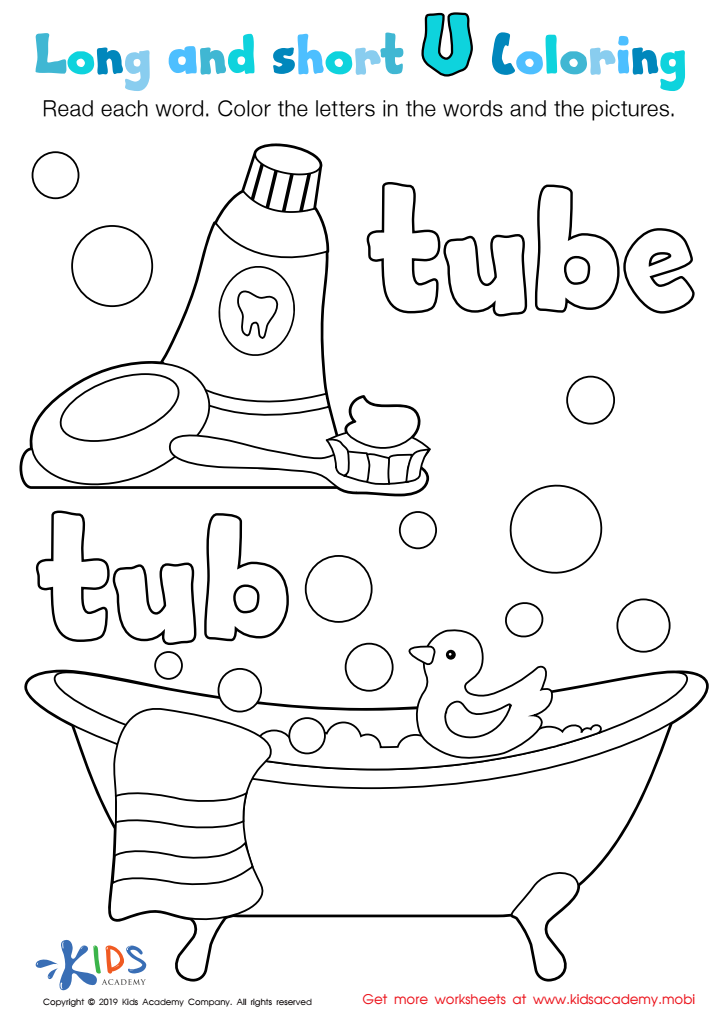
Long and Short U Worksheet
Assign to My Students





.jpg)

Fine motor skills are essential for young children, particularly 4-year-olds, as they build the foundation for many important everyday tasks and cognitive development. These skills involve the coordination of small muscles, particularly in the hands and fingers, with the eyes. Activities involving the Fine Motor Skills Alphabet—such as tracing, coloring, or molding letters—help children enhance their hand-eye coordination, dexterity, and precision.
Developing fine motor skills by practicing alphabet-related activities prepares children for more advanced tasks, like writing, which is critical for academic success. A strong proficiency in writing improves a child's ability to express ideas, complete assignments, and boost overall learning engagement. Moreover, fine motor activities often require concentration and patience, promoting cognitive development and increasing attention spans.
Additionally, mastering fine motor skills through the alphabet strengthens a child's sense of achievement and self-esteem. When children can successfully perform these tasks, they feel more independent and confident in their abilities. This independence encourages a more complex understanding of their surroundings, fosters problem-solving skills, and enhances creativity.
Therefore, parents and teachers should invest time in Fine Motor Skills Alphabet exercises, as they nurture not only hand control and letter recognition but also a child's broader academic growth and emotional well-being.







