Counting proficiency Addition & Subtraction Worksheets for 4-Year-Olds
11 filtered results
-
From - To
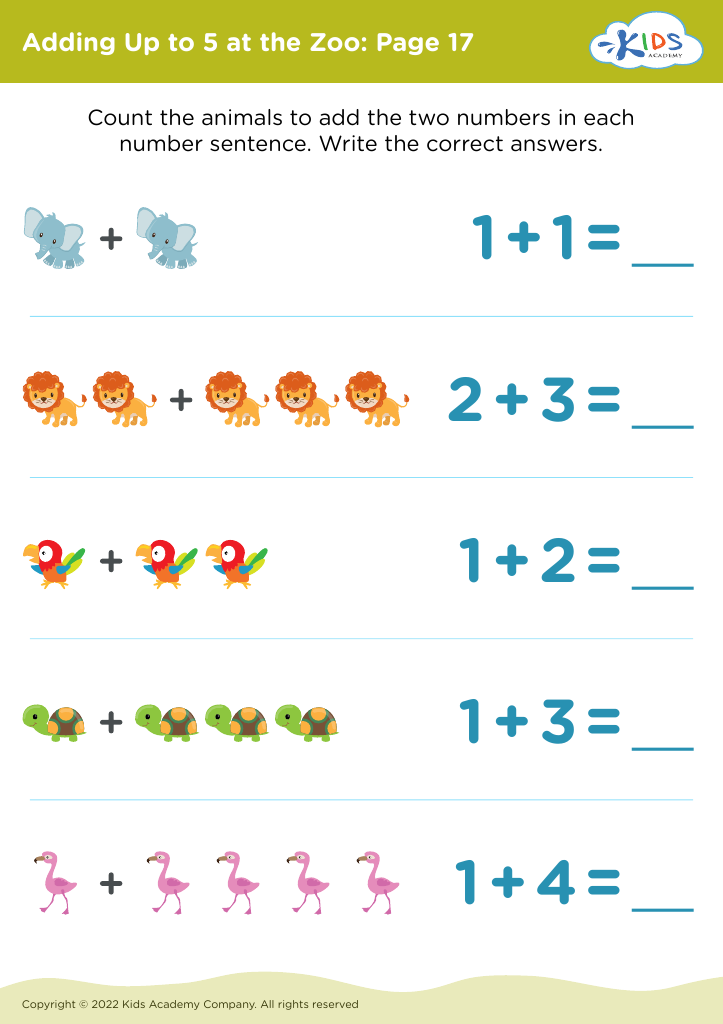
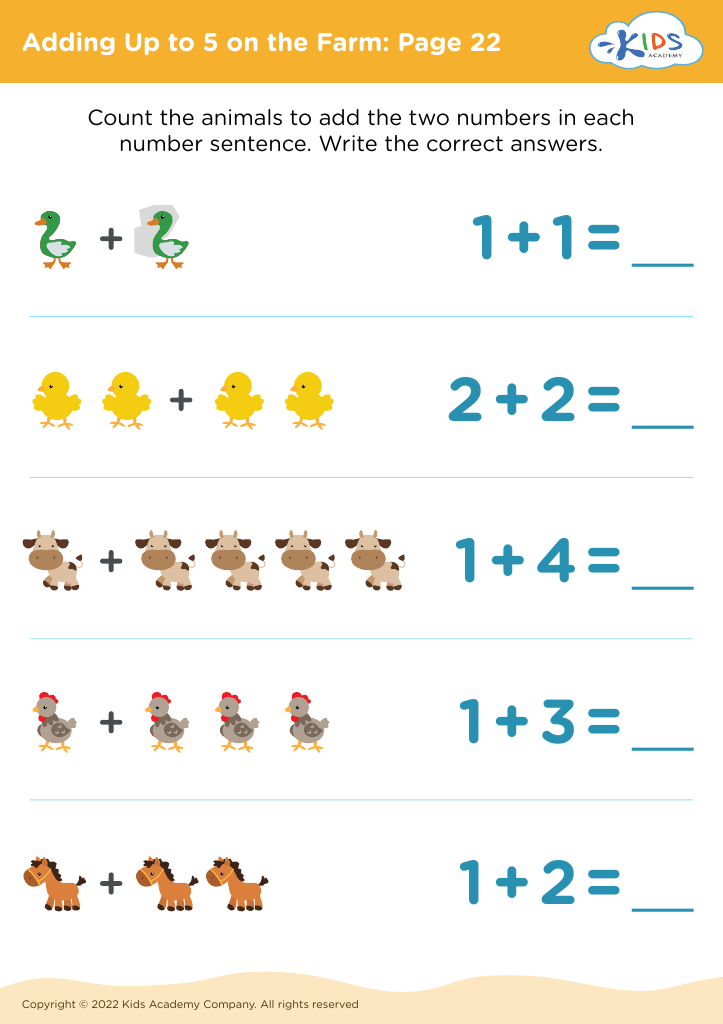
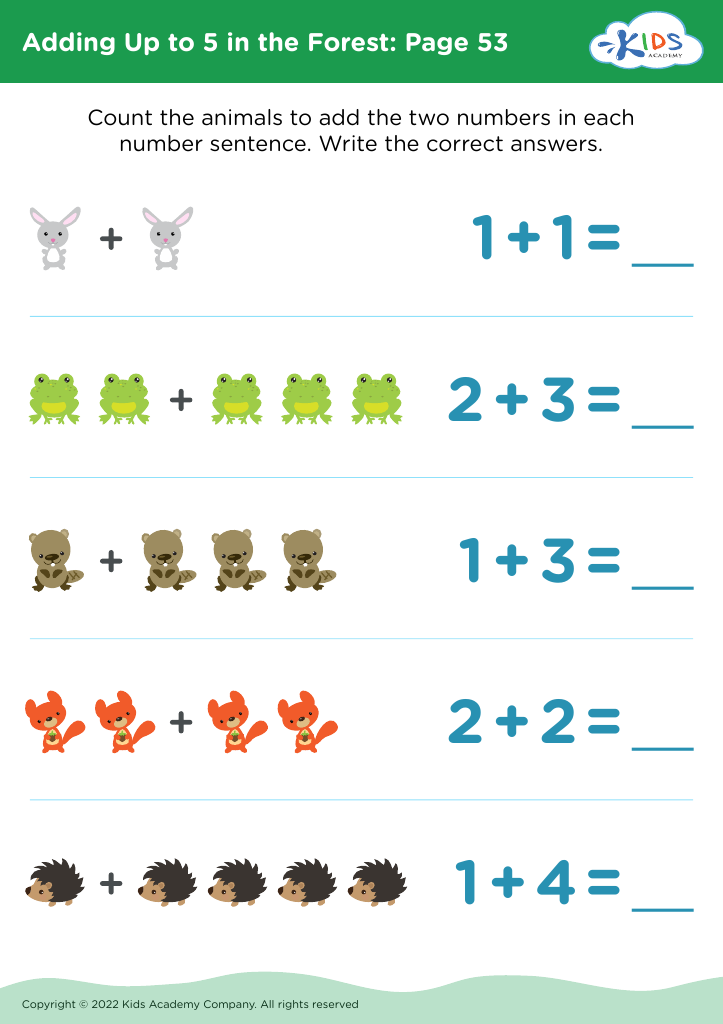
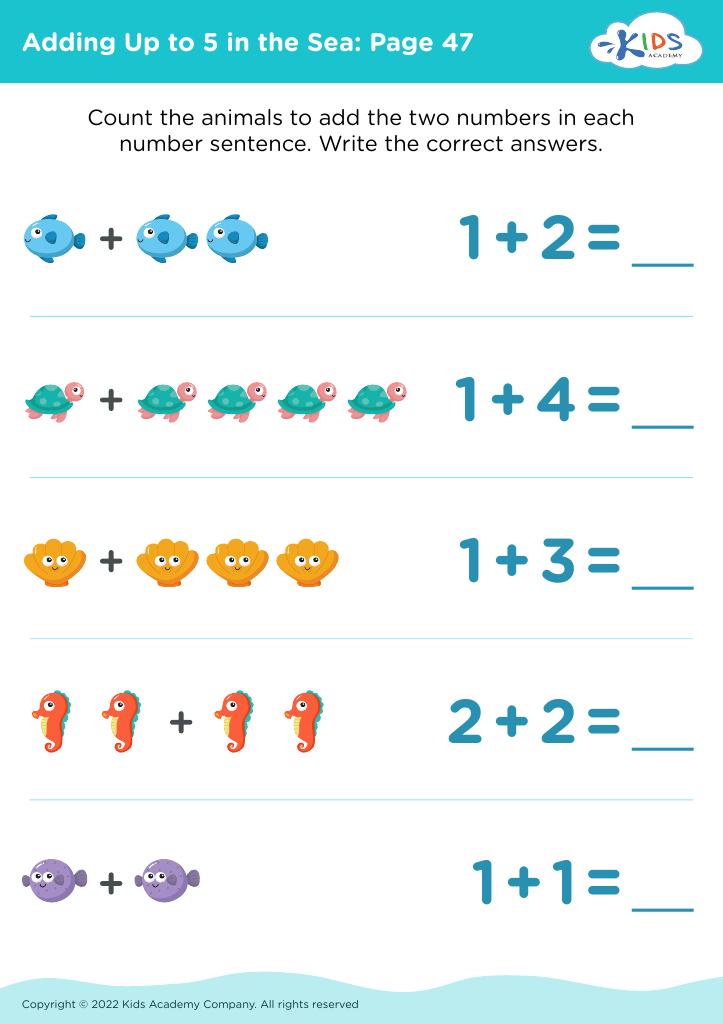
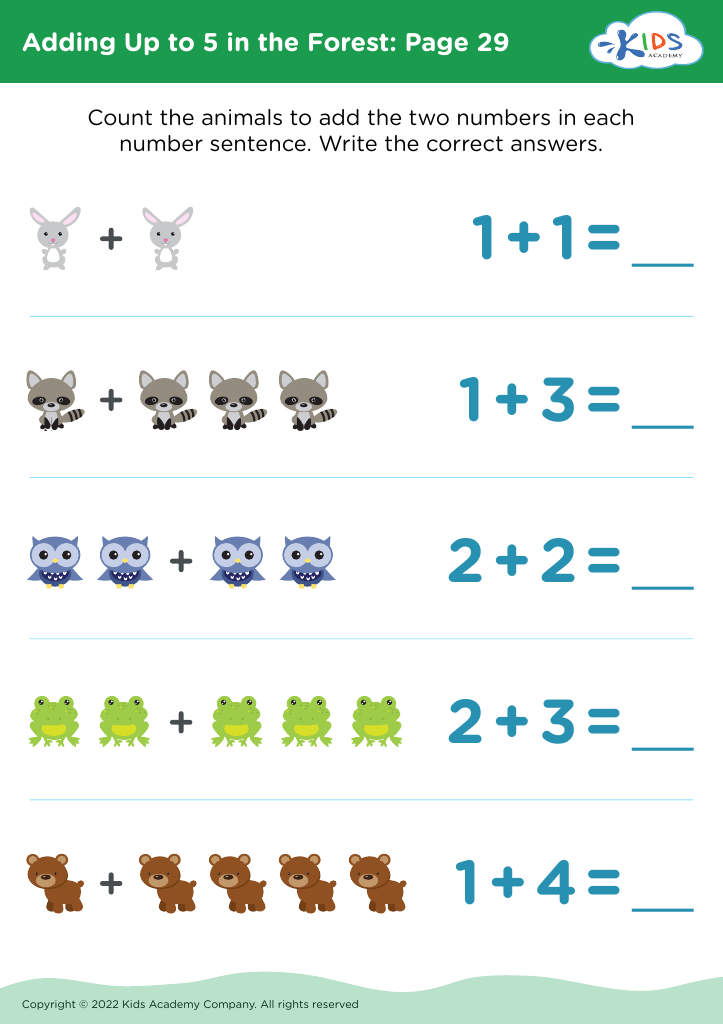
Enhance your child's early math skills with our engaging "Counting Proficiency Addition & Subtraction Worksheets for 4-Year-Olds." These worksheets are designed specifically for young learners, combining fun activities with educational content to build a solid foundation in counting, addition, and subtraction. Each worksheet is crafted to help little ones practice counting objects, solving simple math problems, and developing critical thinking skills. Ideal for home or classroom use, these printables make learning math enjoyable and accessible. Help your 4-year-old gain confidence in their math abilities with our expertly curated worksheets today!
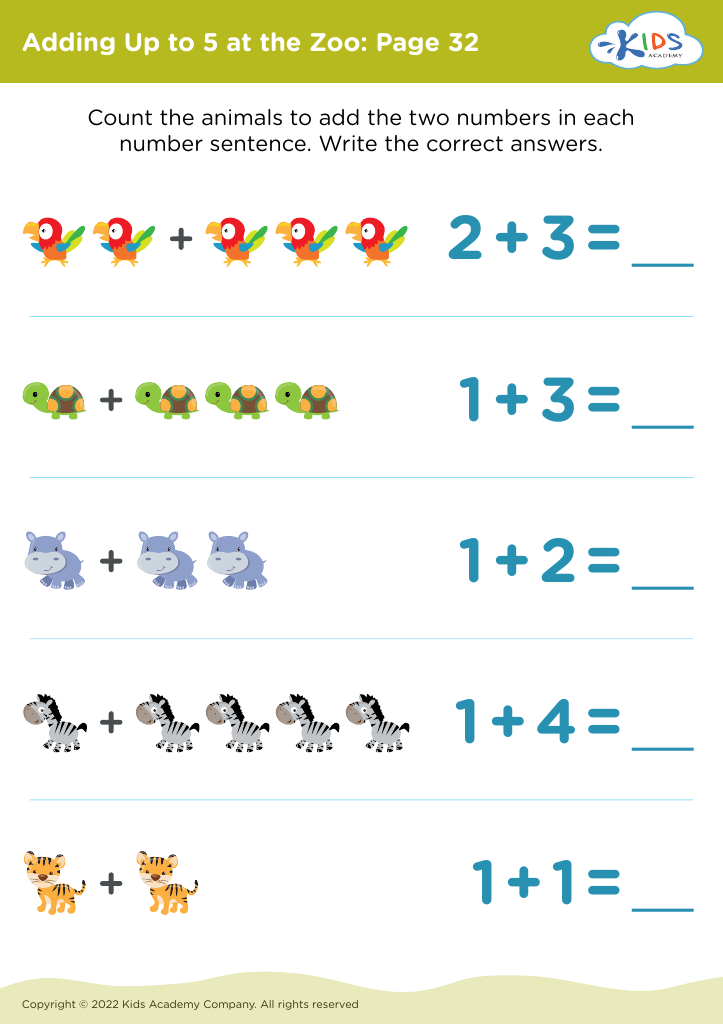
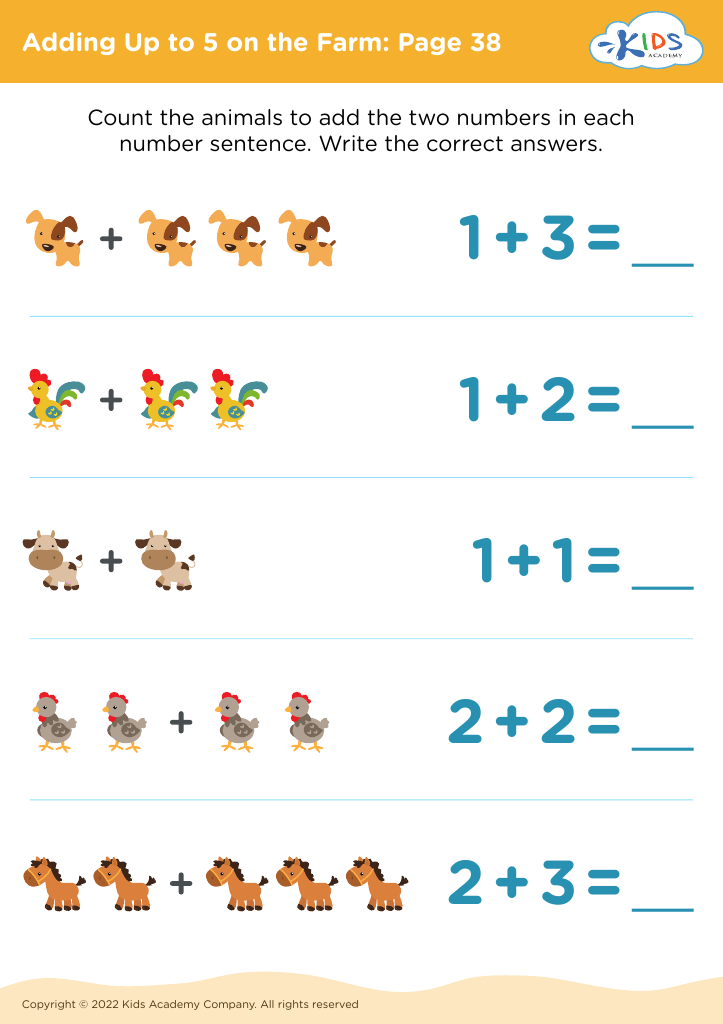
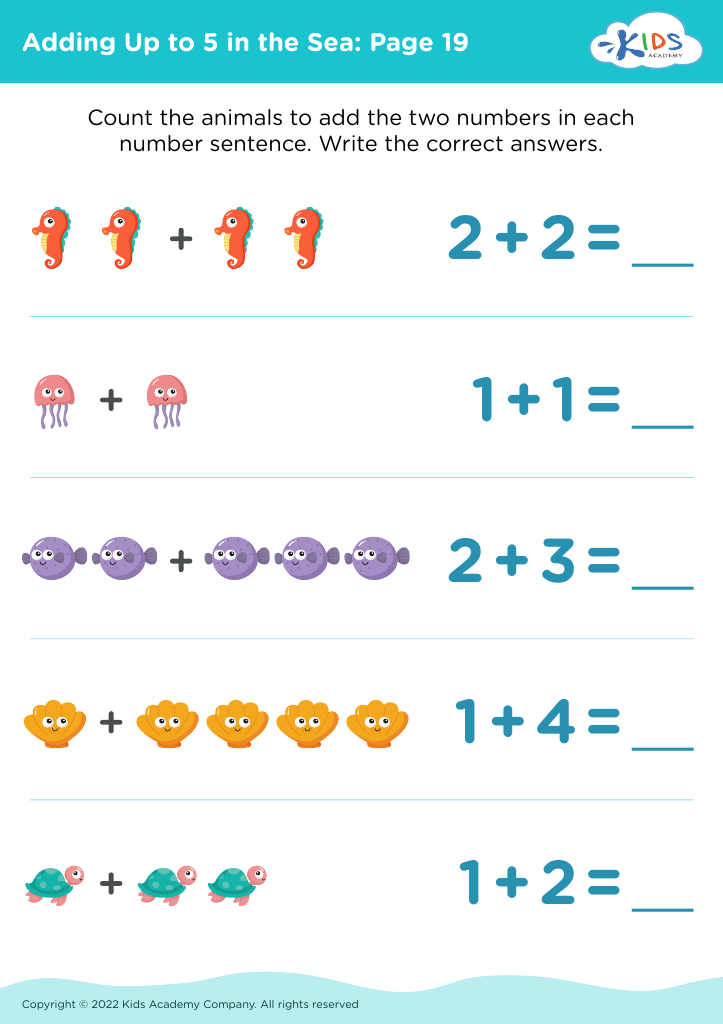
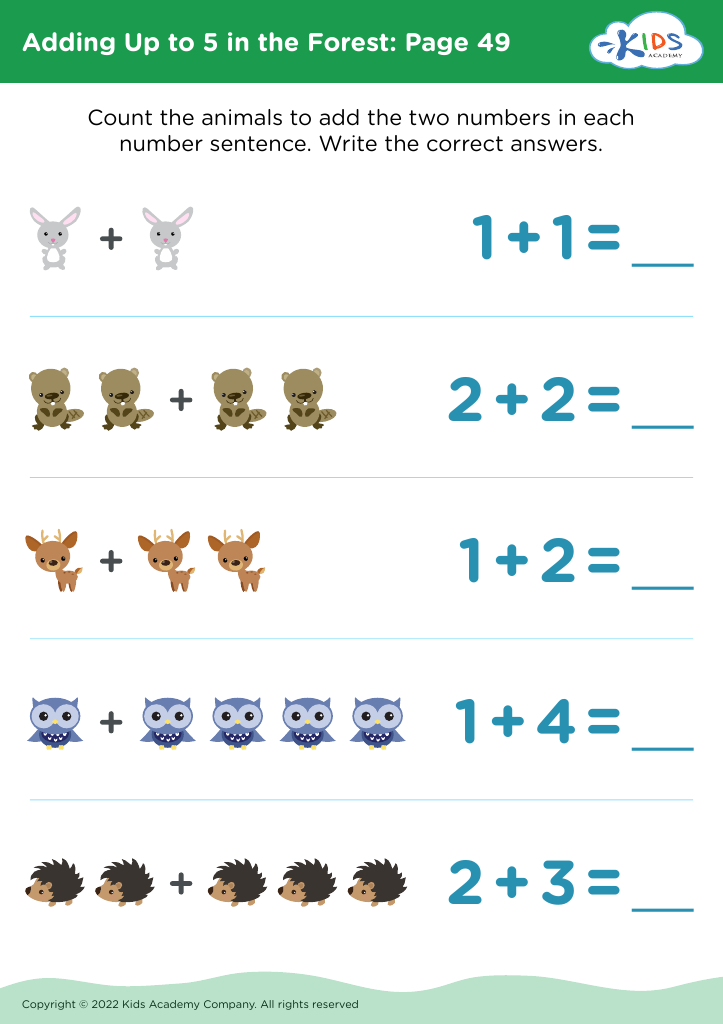
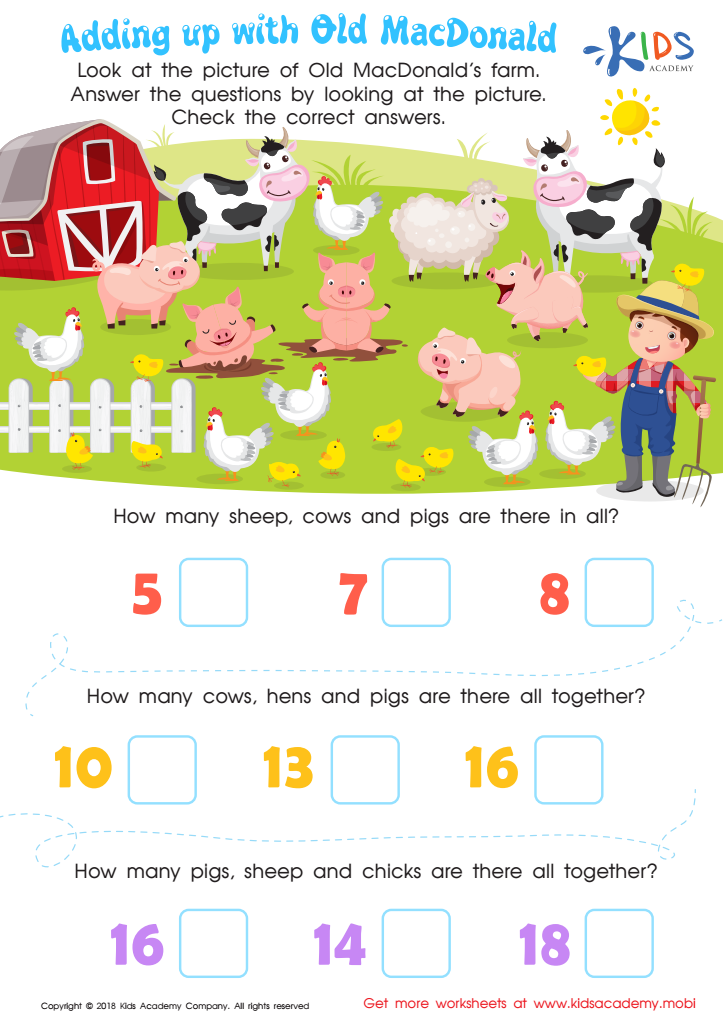
Adding Up with Old MacDonald Worksheet
 Assign to My Students
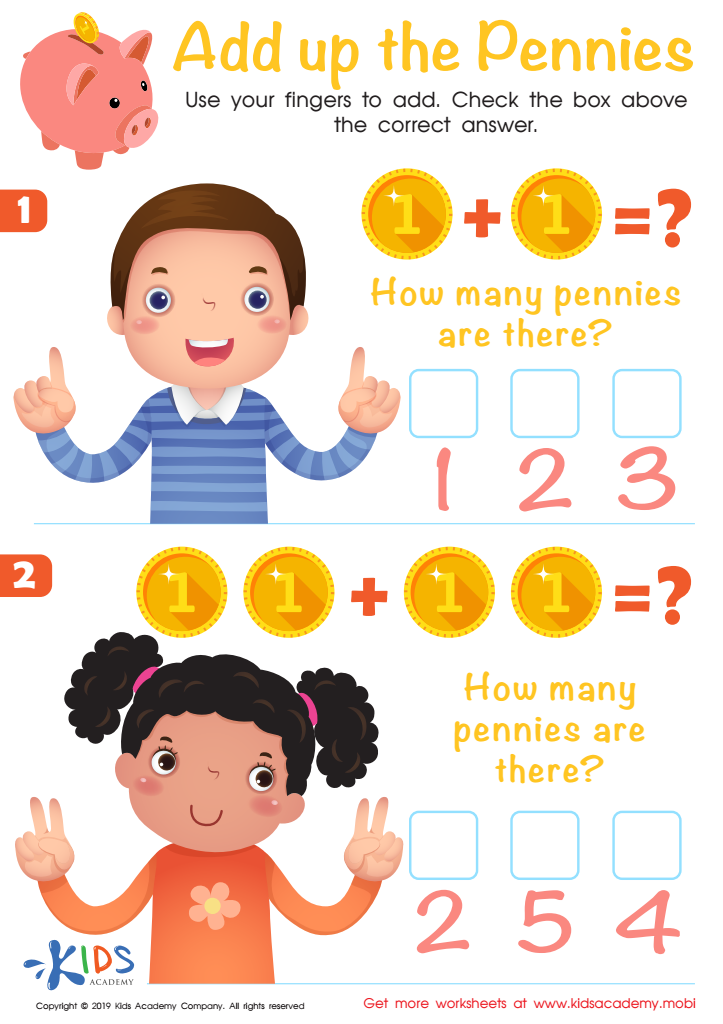
Add up the Pennies Worksheet








Counting proficiency and basic addition and subtraction skills in 4-year-olds are crucial building blocks for future academic success and cognitive development. At this age, children are naturally curious and are rapidly developing their foundational numeracy skills, which are essential for problem solving, logical thinking, and understanding the world around them. By concentrating on these early mathematical concepts, parents and teachers can help foster a strong basis for higher-level math and other subject areas.
Proficiency in counting and basic arithmetic operations helps children gain confidence in their abilities, promoting a positive attitude towards learning. It enhances their ability to follow sequences, understand order, and recognize patterns, which are key components in a wide variety of tasks and activities. Additionally, early success in math can lead to higher self-esteem and a more proactive approach to learning challenges.
Engaging 4-year-olds in counting, addition, and subtraction supports language development as well. They learn mathematical vocabulary and concepts that they can use to articulate their reasoning and ideas. This reinforces their communication skills and aids in their overall cognitive development. Encouraging these skills at a young age ensures that children are equipped with the necessary tools to thrive not just in school, but in everyday problem-solving and decision-making situations.








