Vocabulary enhancement Geometry Worksheets for 4-Year-Olds
7 filtered results
-
From - To
Discover our engaging Vocabulary Enhancement Geometry Worksheets designed specifically for 4-year-olds! These fun, interactive activities introduce young learners to essential geometric terms and concepts in an enjoyable way. Through vibrant illustrations and hands-on exercises, children will familiarize themselves with shapes, sizes, patterns, and spatial awareness. Our worksheets promote language development alongside math skills, providing a well-rounded educational experience. Perfect for parents and educators, these resources encourage exploration and creativity while building vocabulary related to geometry. Foster a love for learning and help your child confidently navigate their mathematical journey. Start enhancing vocabulary skills today with our specially crafted worksheets!
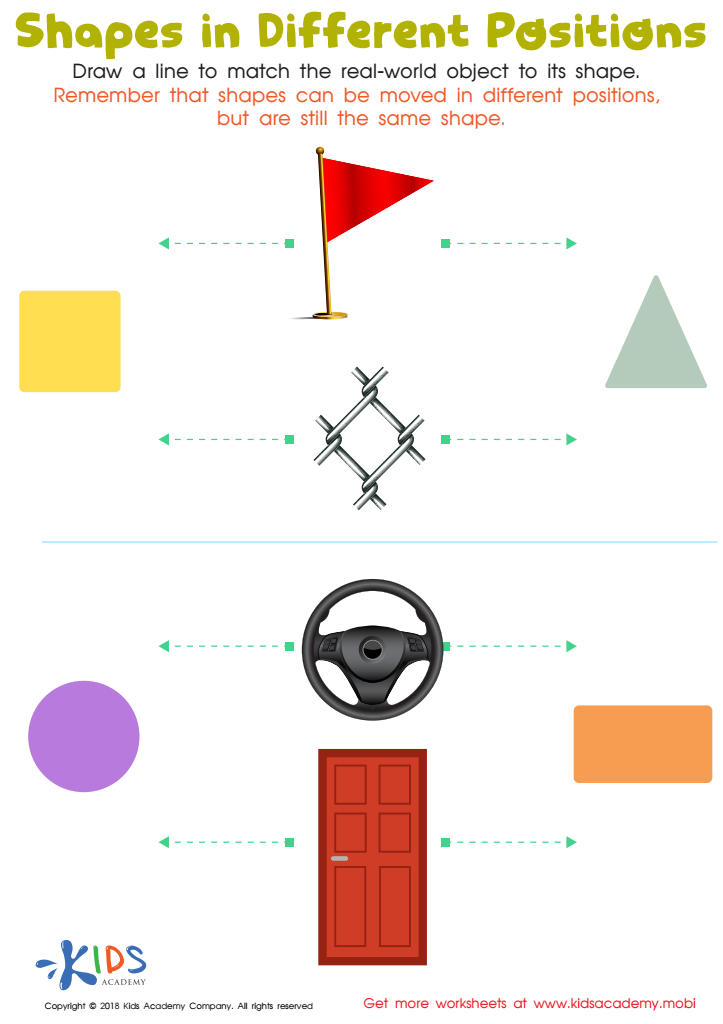
Shapes in Different Positions Worksheet
 Assign to My Students











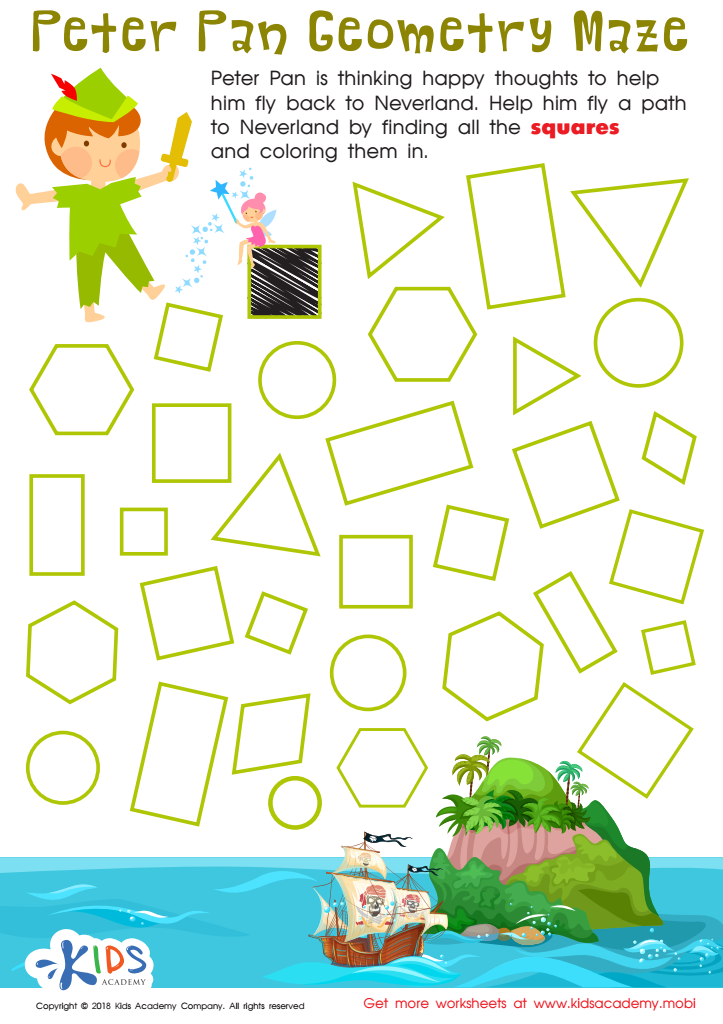
Peter Pan Worksheet
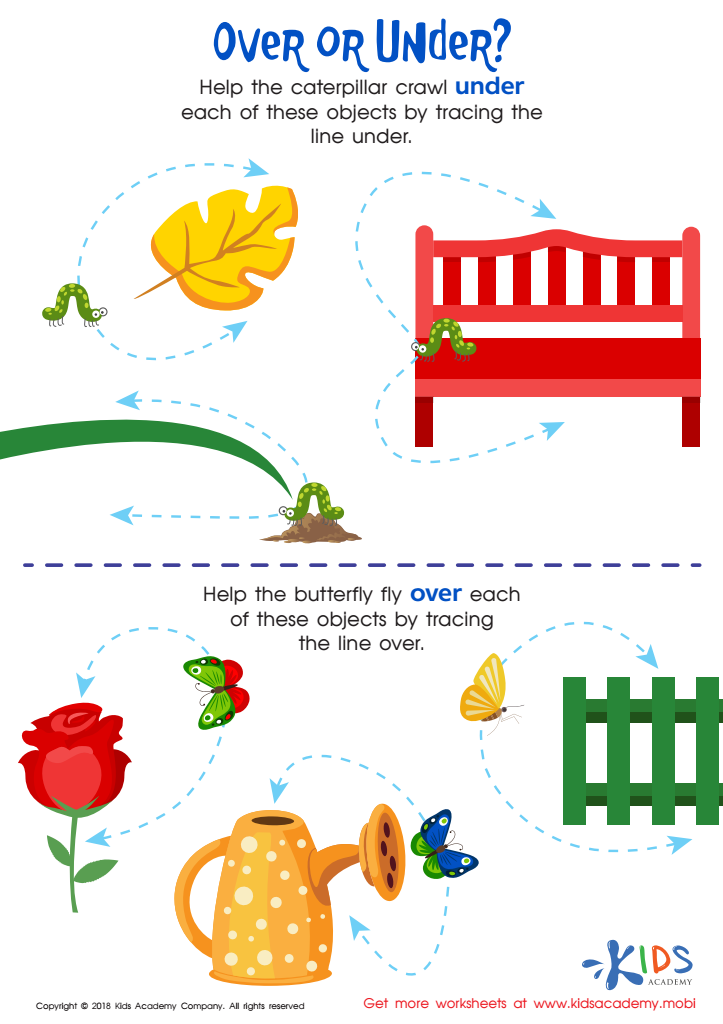
Over or Under? Worksheet
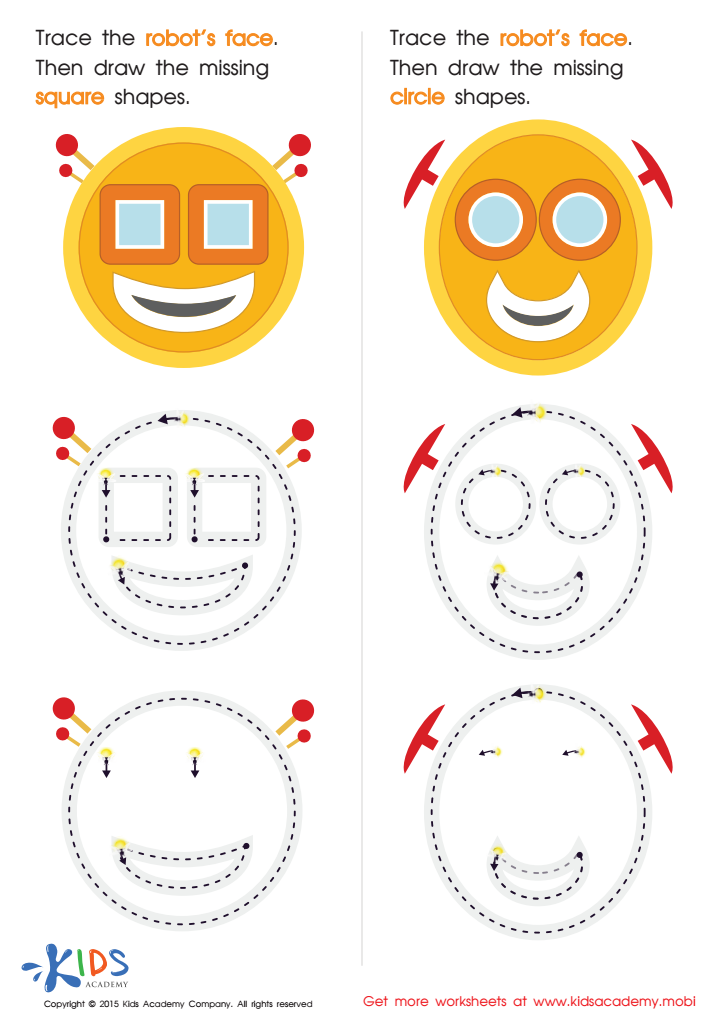
Practicing to Draw Circles And Squares Printable
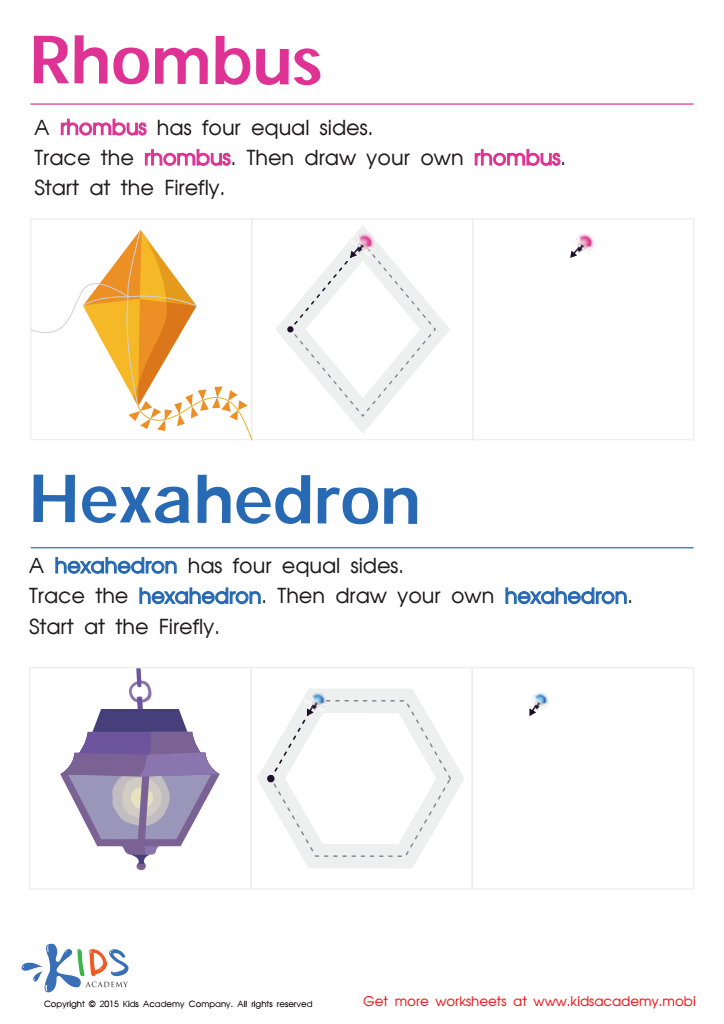
Draw a Rhombus And a Hexahedron Printable
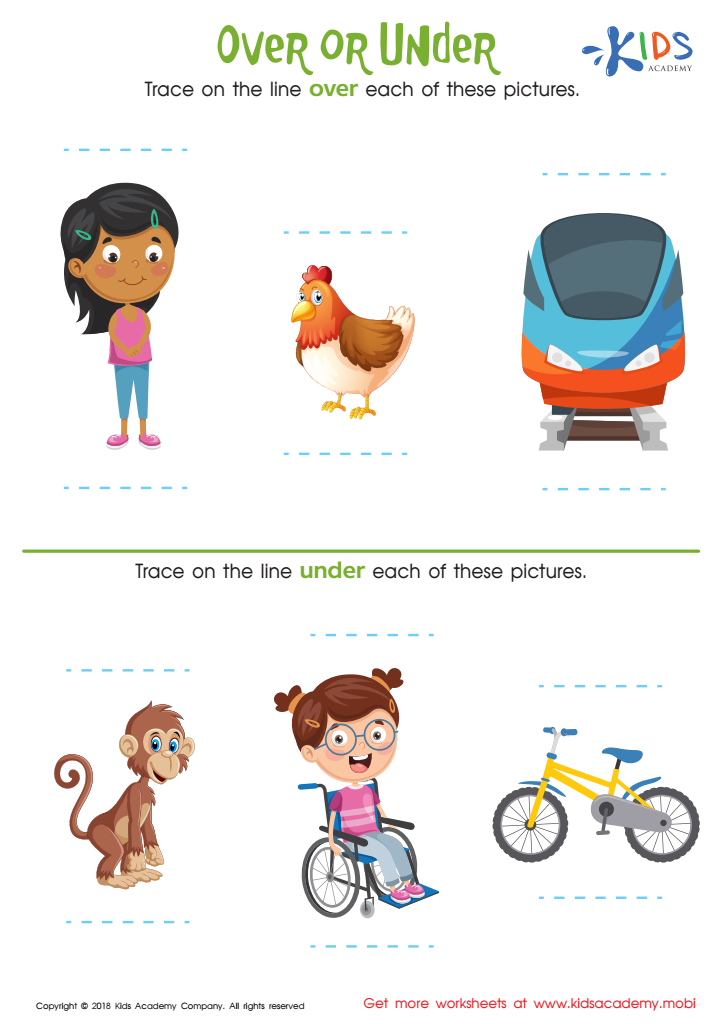
Over or Under Worksheet
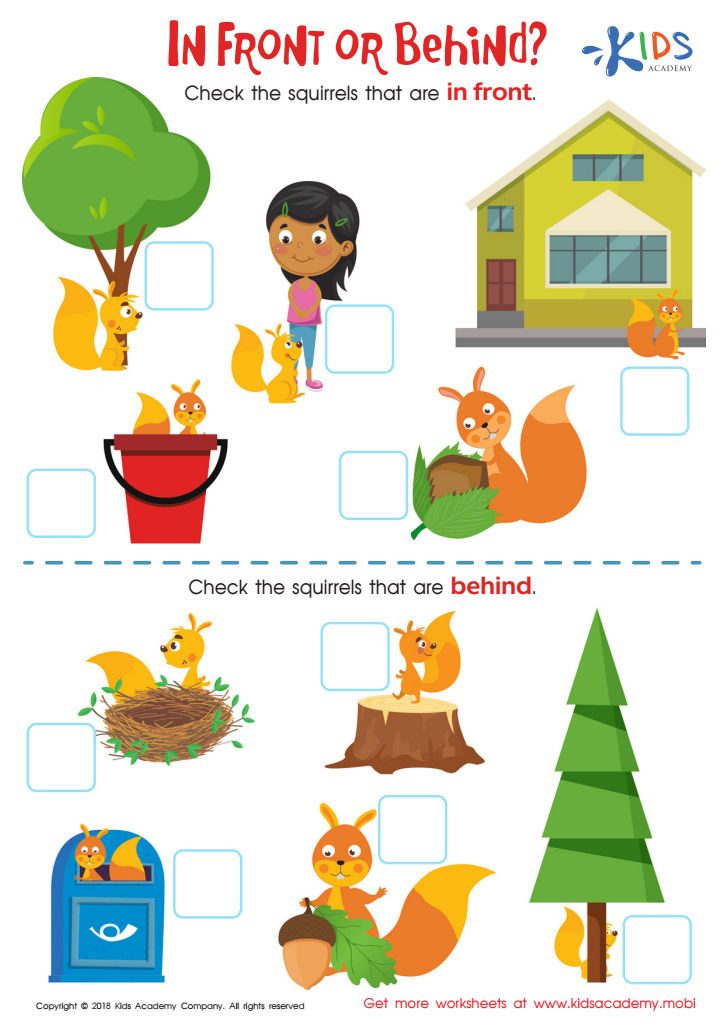
In Front or Behind: Part 2 Worksheet








Vocabulary enhancement in geometry for 4-year-olds is crucial for several reasons. At this early stage, children are naturally curious and open to learning. Introducing them to geometric vocabulary—such as "circle," "triangle," "square," and "rectangle"—not only enriches their language skills but also forms a foundational understanding of shapes and spatial awareness.
This vocabulary development is essential as it supports cognitive growth, encouraging children to describe their environment and experiences effectively. By articulating shapes and their properties, young learners can engage in mathematical conversations, fostering critical thinking and problem-solving skills.
Incorporating geometry into daily play and activities imbues children with a sense of discovery and connection to the world around them, revealing the relevance of shapes in art, nature, and structure. It also aids in developing fine motor skills through activities like tracing shapes or creating art projects.
Moreover, enhancing vocabulary in this context lays the groundwork for future mathematical learning, as a solid understanding of basic geometric concepts can greatly influence a child’s comfort and proficiency in math later on. Thus, both parents and teachers play a vital role in nurturing this aspect of early education, promoting holistic development through engaging geometric experiences.








