Fine Motor Skills Numbers Worksheets for 4-Year-Olds - Page 3
70 filtered results
-
From - To

Build with 9 Worksheet
 Assign to My Students
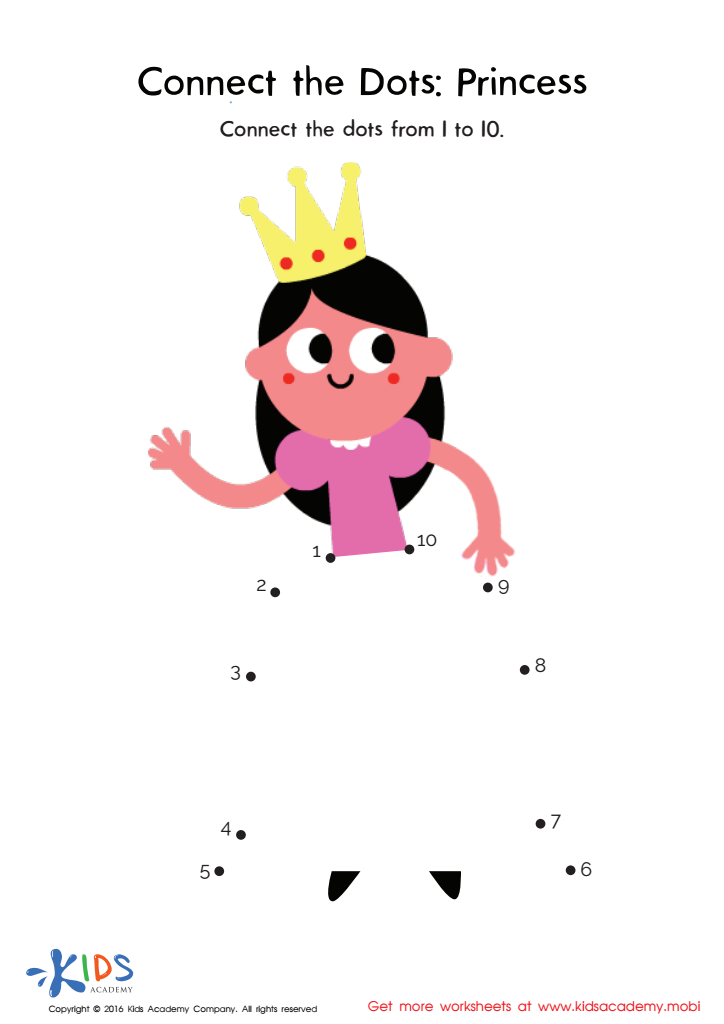
Princess Connect Dots Worksheet
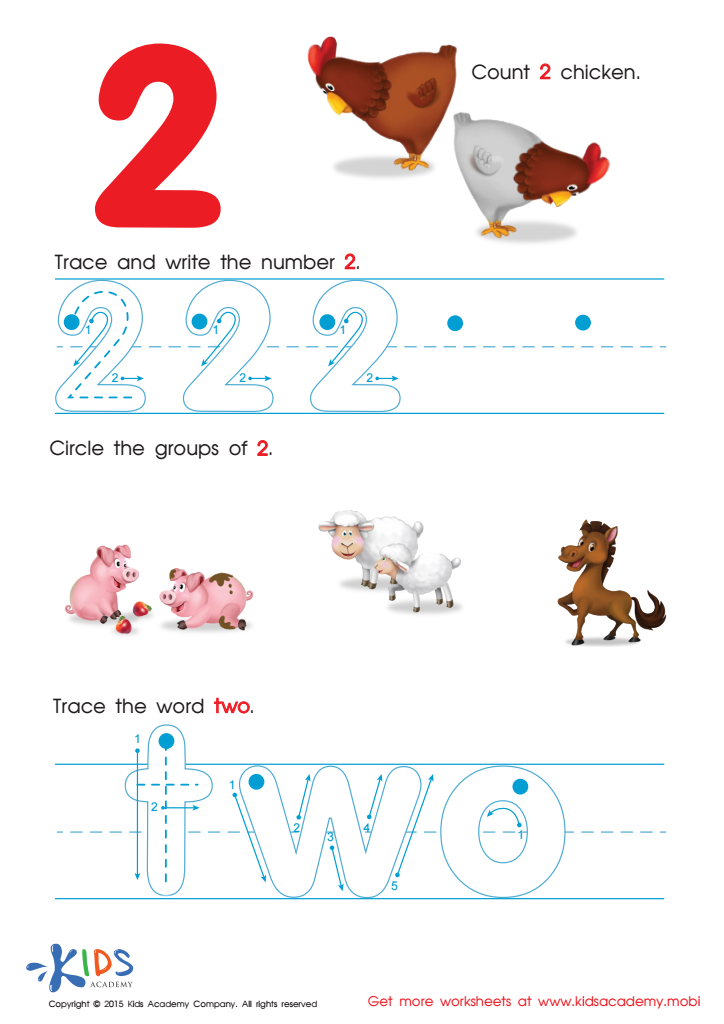
Learn to Write the Number 2 Worksheet
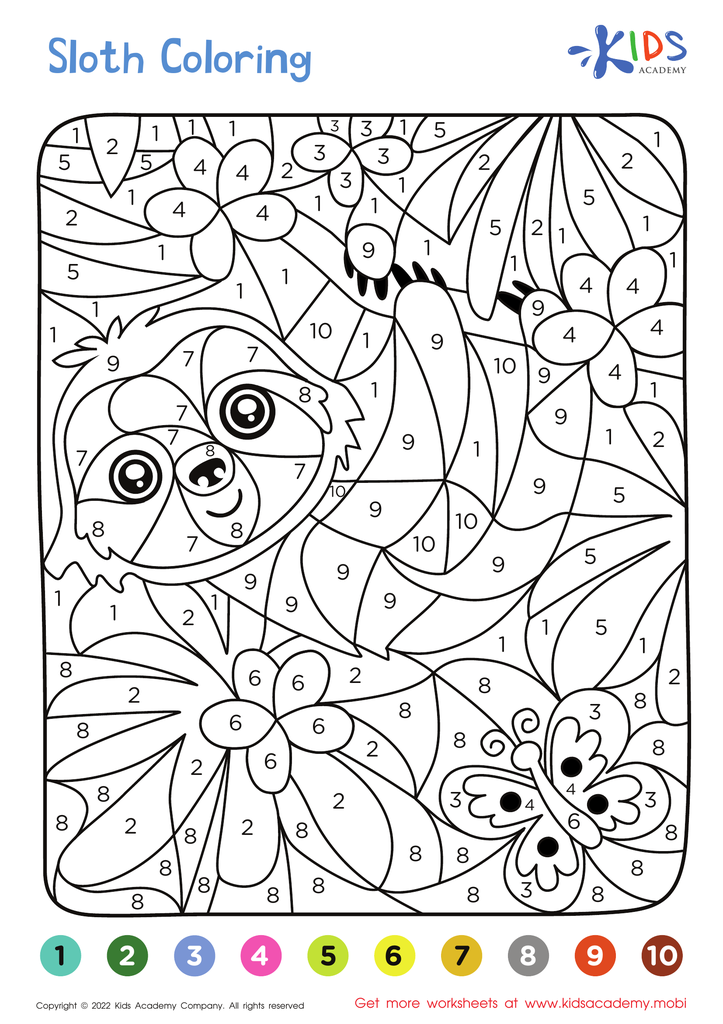
Sloth – Coloring by Numbers

Count the Cucumbers and Trace the Number 8 Printable
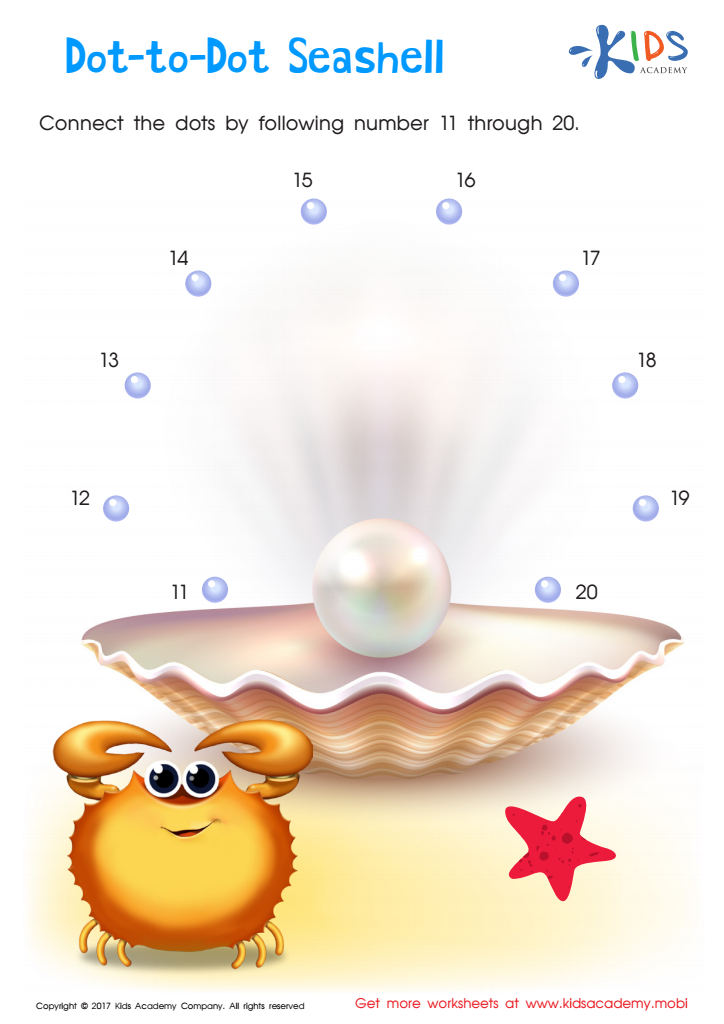
Ordering 11–20: Dot–to–dot Seashell Printable
Sea Adventure – Coloring by Numbers

Count and Match: Feed the Animals Worksheet
Triceratops Counting to 9 Worksheet

Great Hornbill – Coloring by Numbers

Counting on the City Skyline: Dot-to-Dot Worksheet
In the Treetops – Coloring Page

Twinkle, Twinkle, Little Star – Coloring by Numbers
Counting Big City Buildings Worksheet
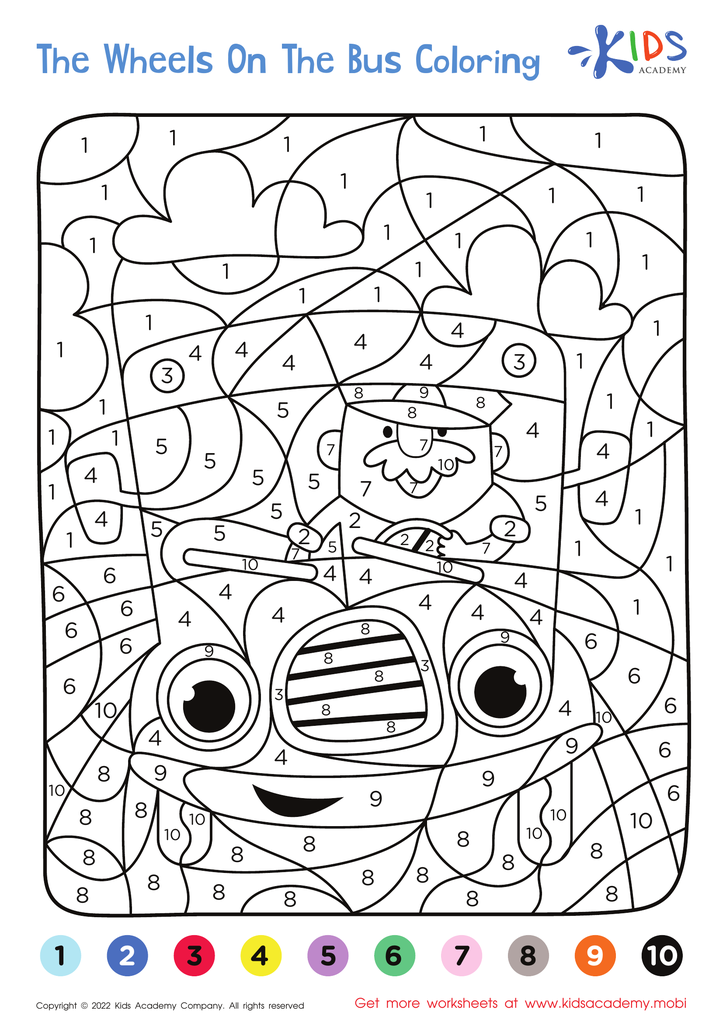
Wheels on the Bus – Coloring by Numbers
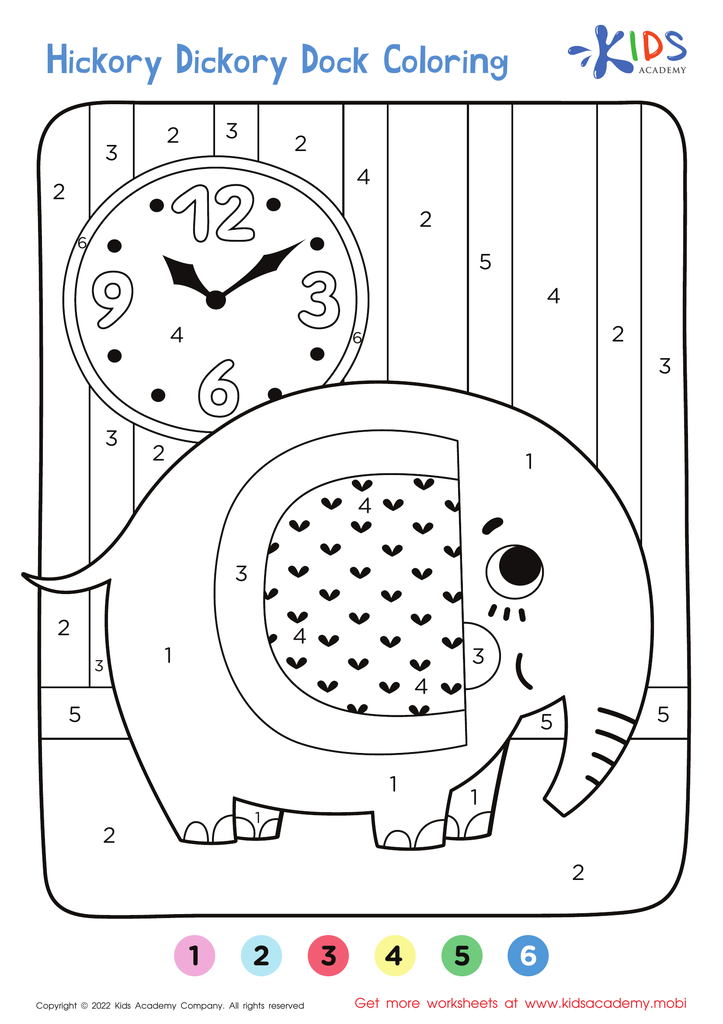
Hickory Dickory Dock – Coloring by Numbers

Night Sky Numbers Worksheet
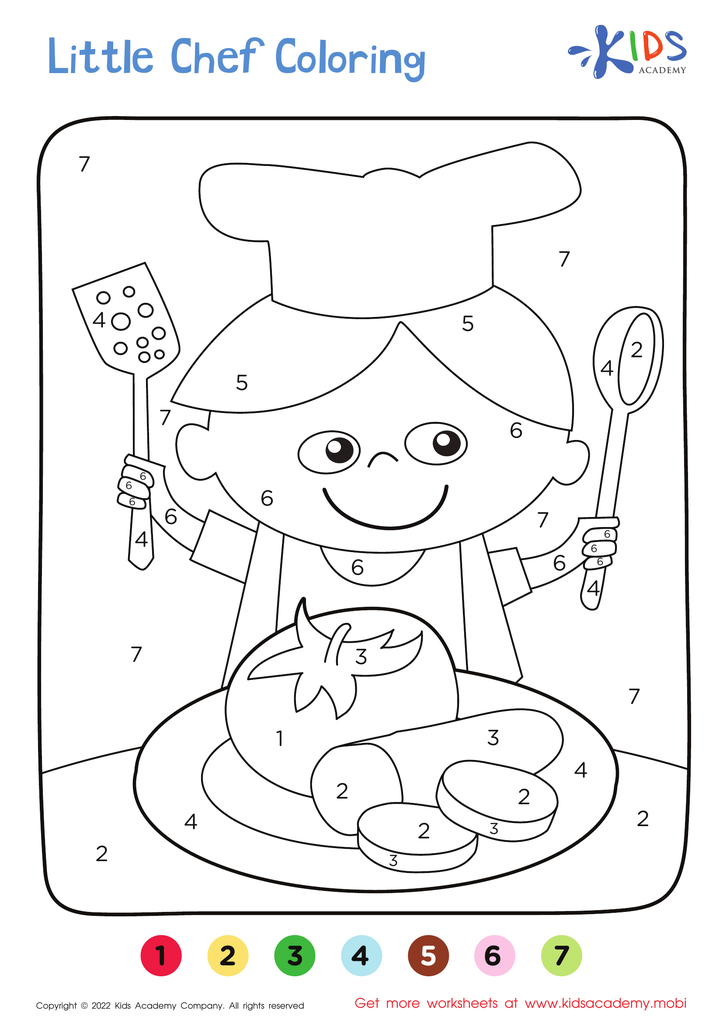
Little Chef – Coloring by Numbers
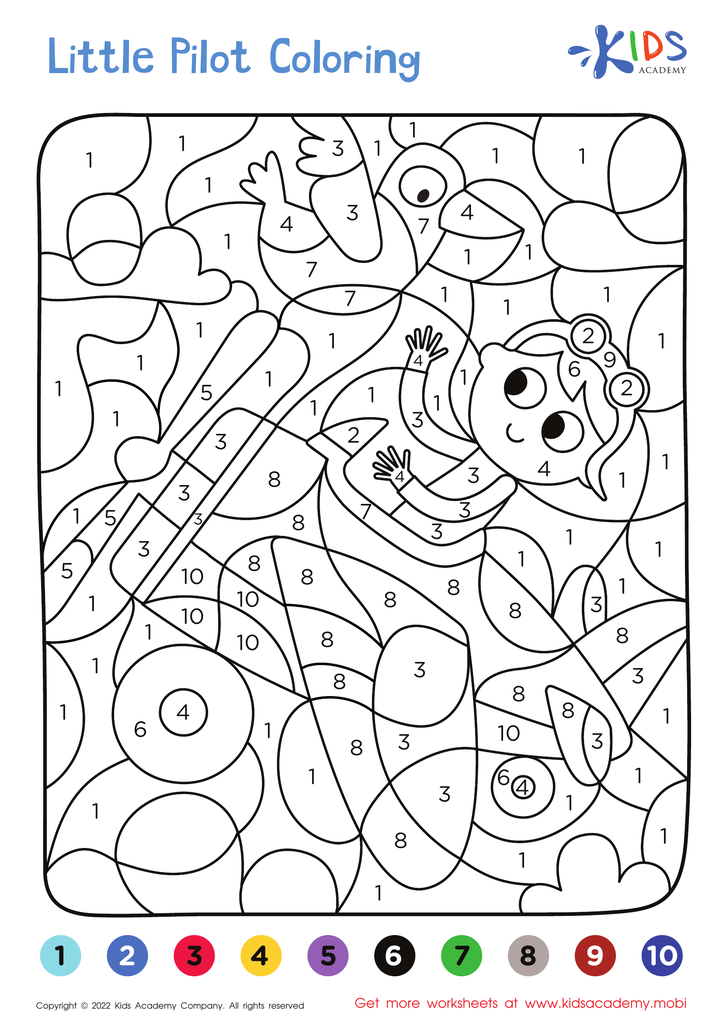
Little Pilot – Coloring by Numbers
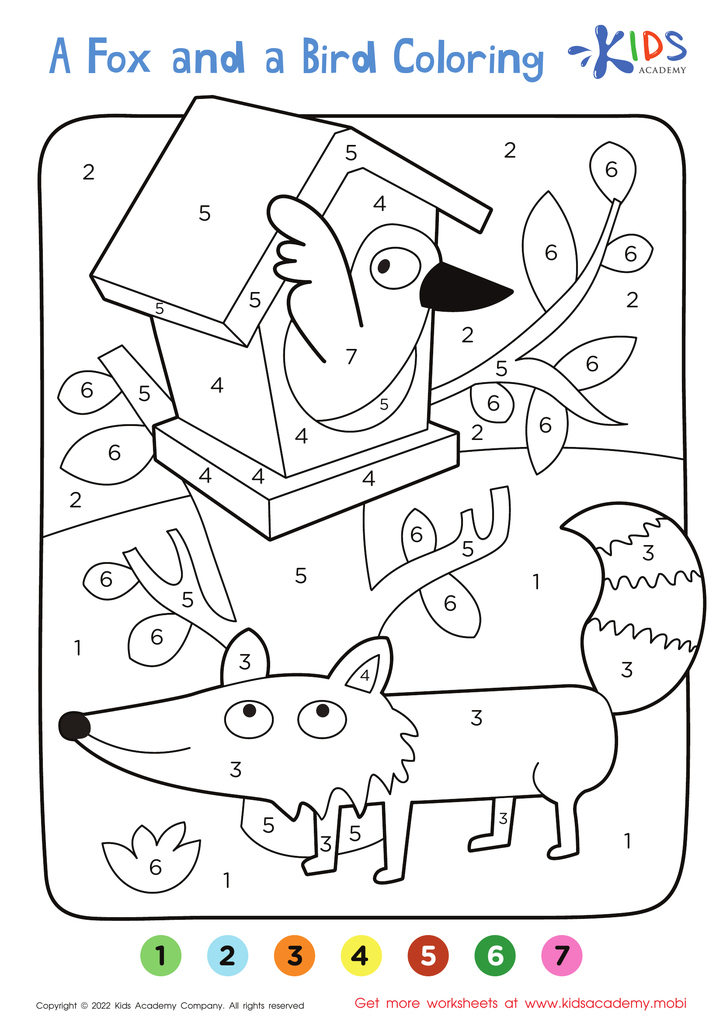
A Fox and a Bird – Coloring by Numbers
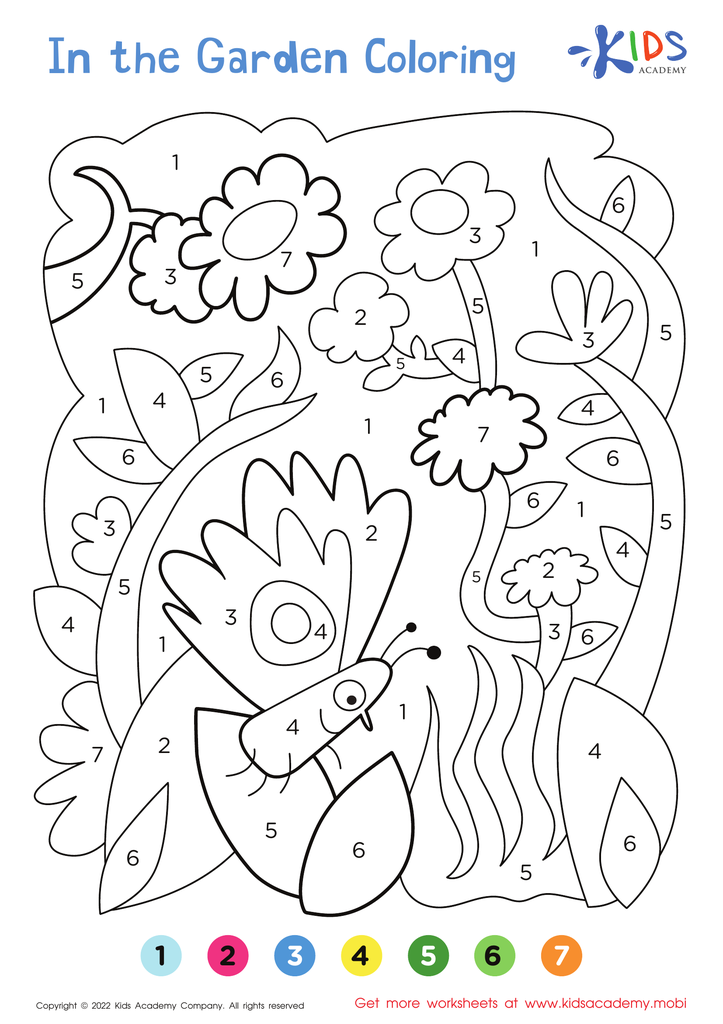
In the Garden – Coloring by Numbers
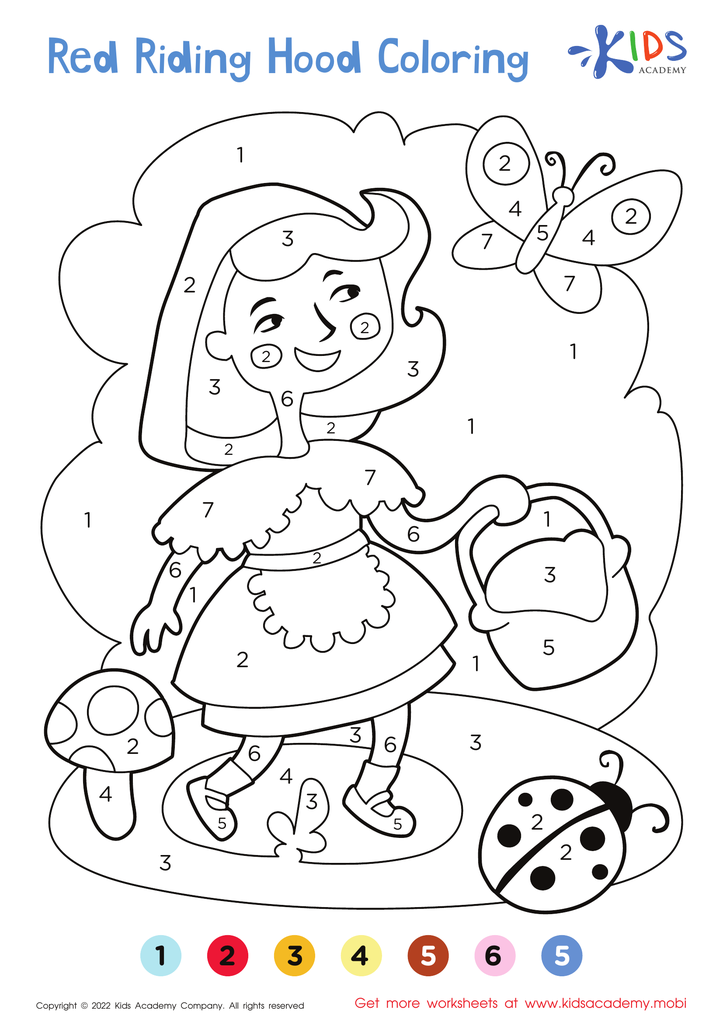
Little Red Riding Hood – Coloring by Numbers




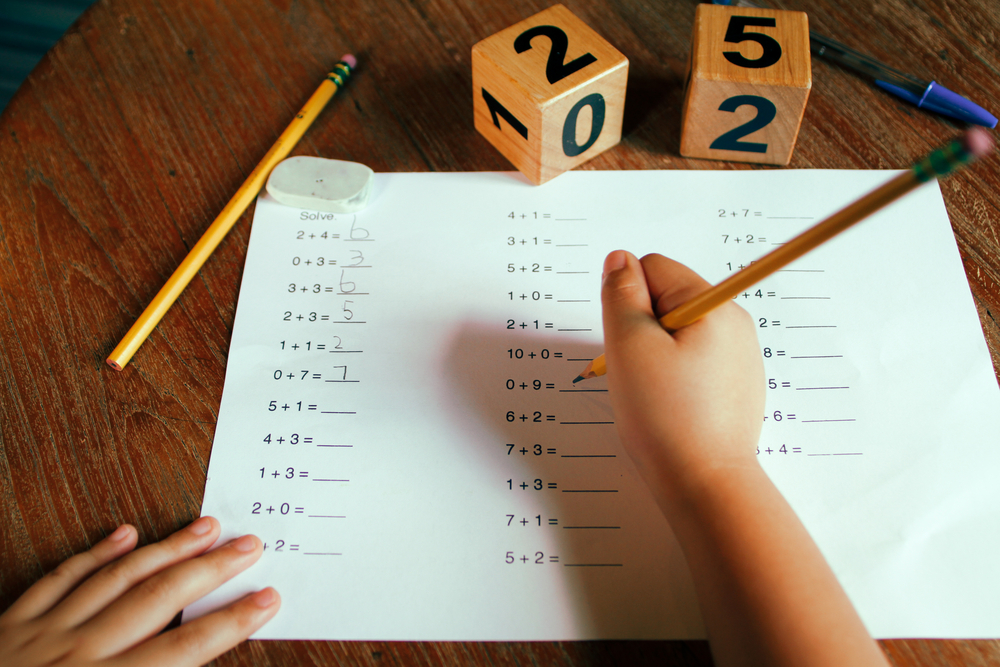


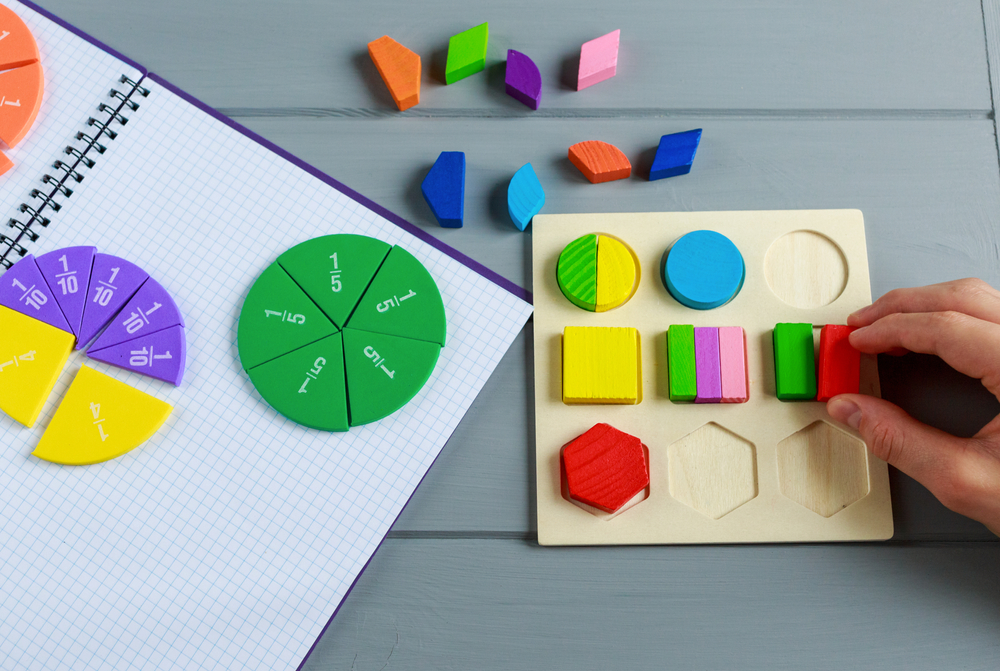
Parents and teachers should prioritize fine motor skills development in 4-year-olds because these skills form the foundation for a wide range of essential life tasks and future academic success. Fine motor skills involve the coordinated efforts of small muscles in the hands and fingers, enabling children to perform activities such as drawing, writing, buttoning, and using utensils. Developing these skills at an early age fosters children’s independence and confidence, as they become more capable of managing daily tasks on their own.
Introducing numbers into fine motor activities enhances cognitive and numerical understanding while refining motor control. Activities such as tracing numbers, counting objects, and arranging number blocks combine mathematical concepts with hands-on practice. This integration makes learning more engaging and effective, helping children build early math proficiency along with dexterity.
Strong fine motor skills also improve hand-eye coordination and precision, essential for navigating everyday surroundings safely and effectively. Additionally, tasks that require fine motor control often demand patience, concentration, and planning, further nurturing cognitive and emotional development.
For educators and parents, investing in activities that advance fine motor skills equips children with the tools they need for school readiness, paving the way for smoother transitions into formal education and fostering lifelong learning habits.








