Visual perception Math Worksheets for 4-Year-Olds - Page 2
47 filtered results
-
From - To
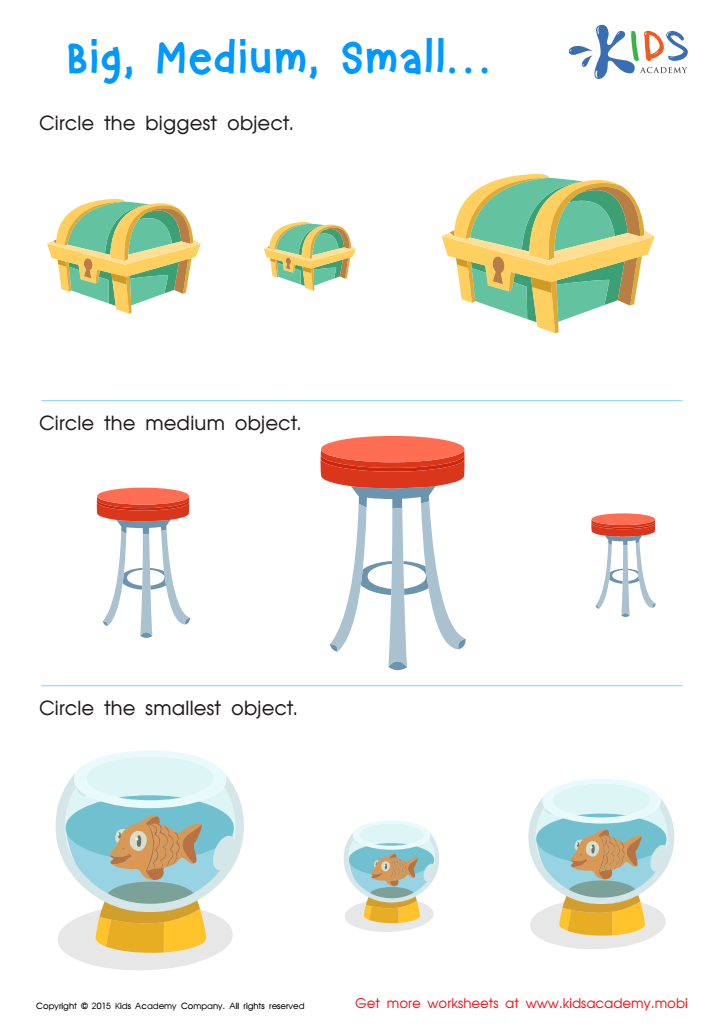
Big Medium Small Worksheet
 Assign to My Students
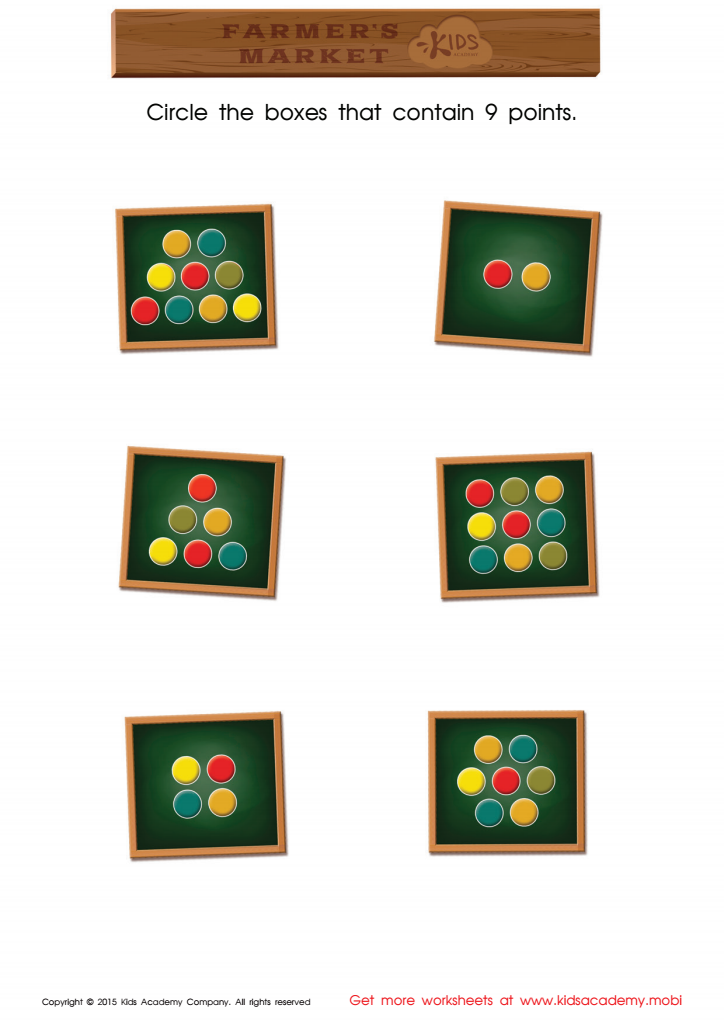
Count and Match Points 9 Math Worksheet
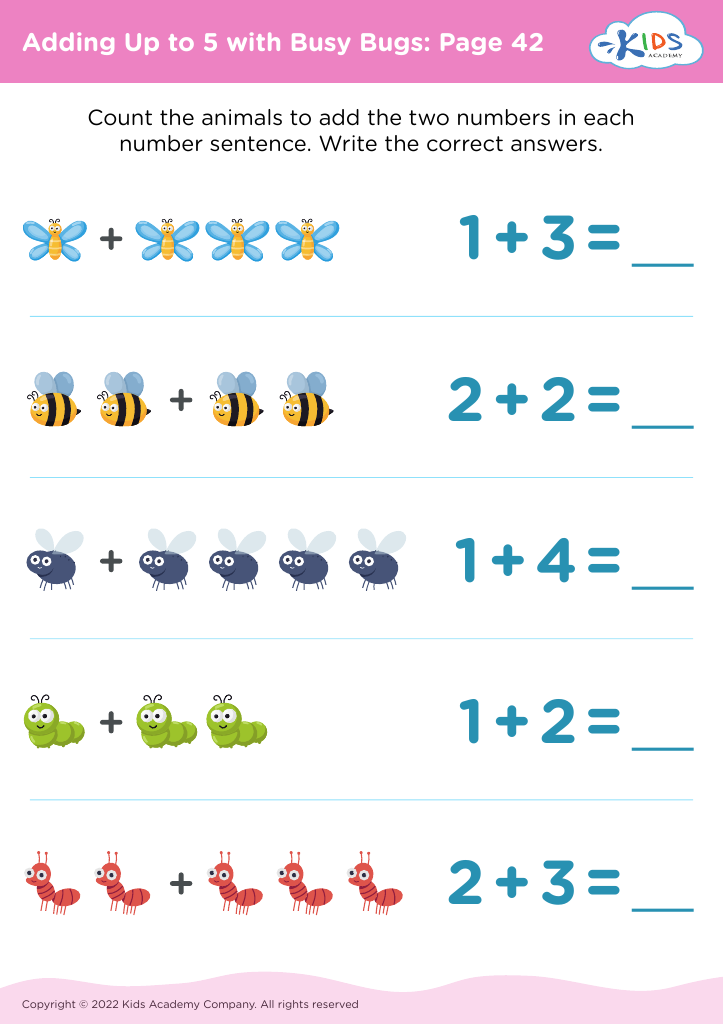
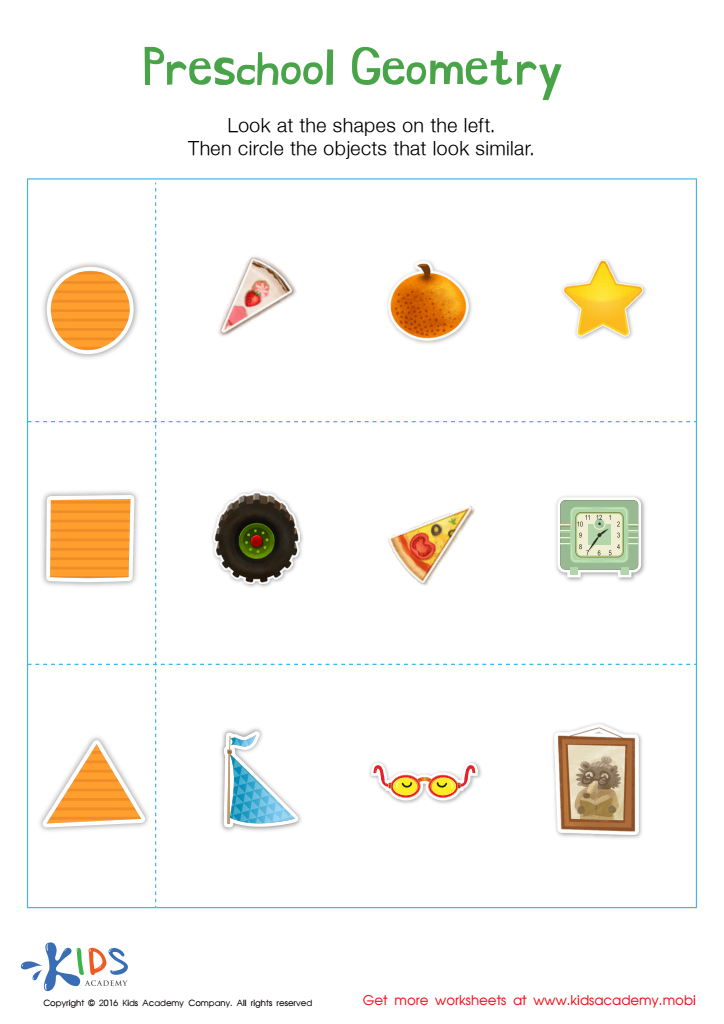
Preschool Geometry Match Up Worksheet
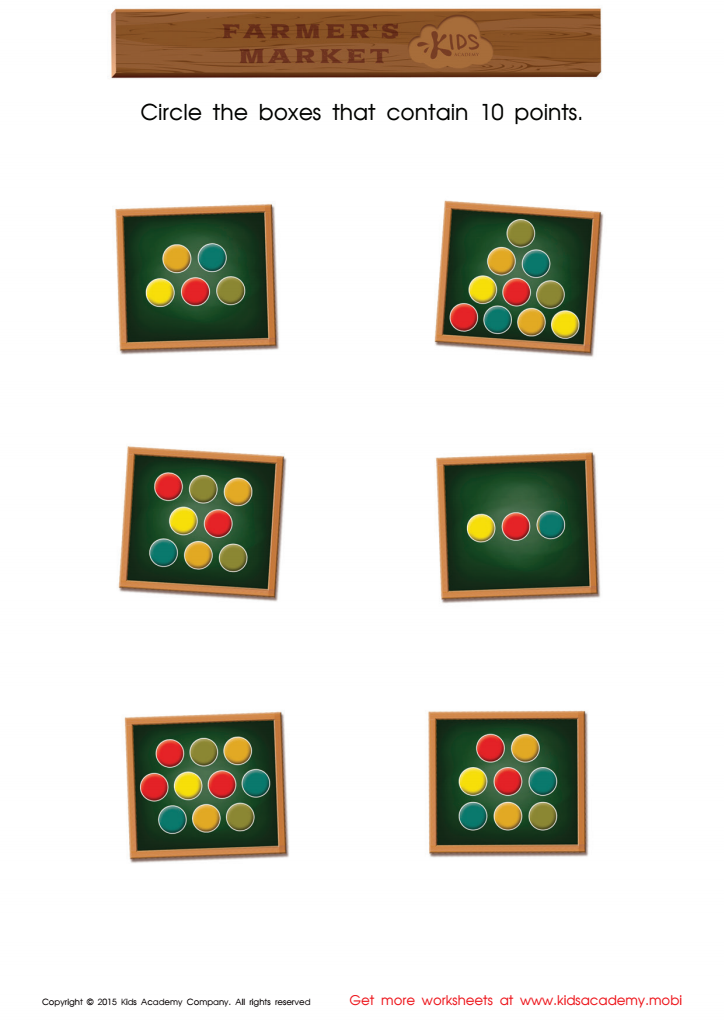
Count and Match Points 10 Math Worksheet
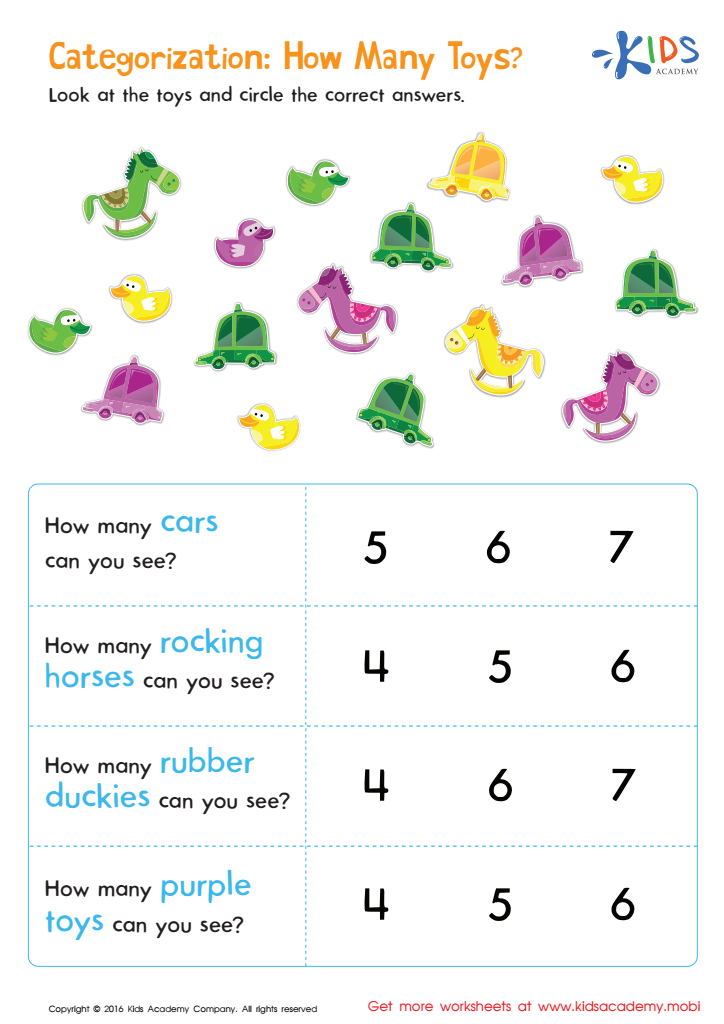
Classifying Toys by Type and Color Sorting Worksheet
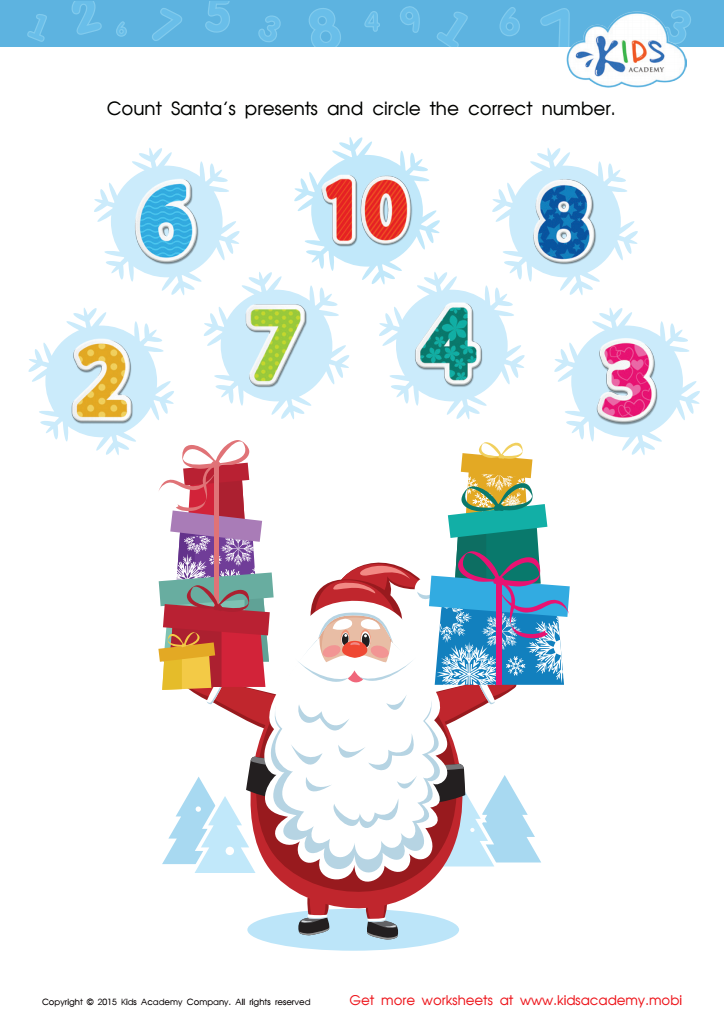
Count Santa's Presents Worksheet
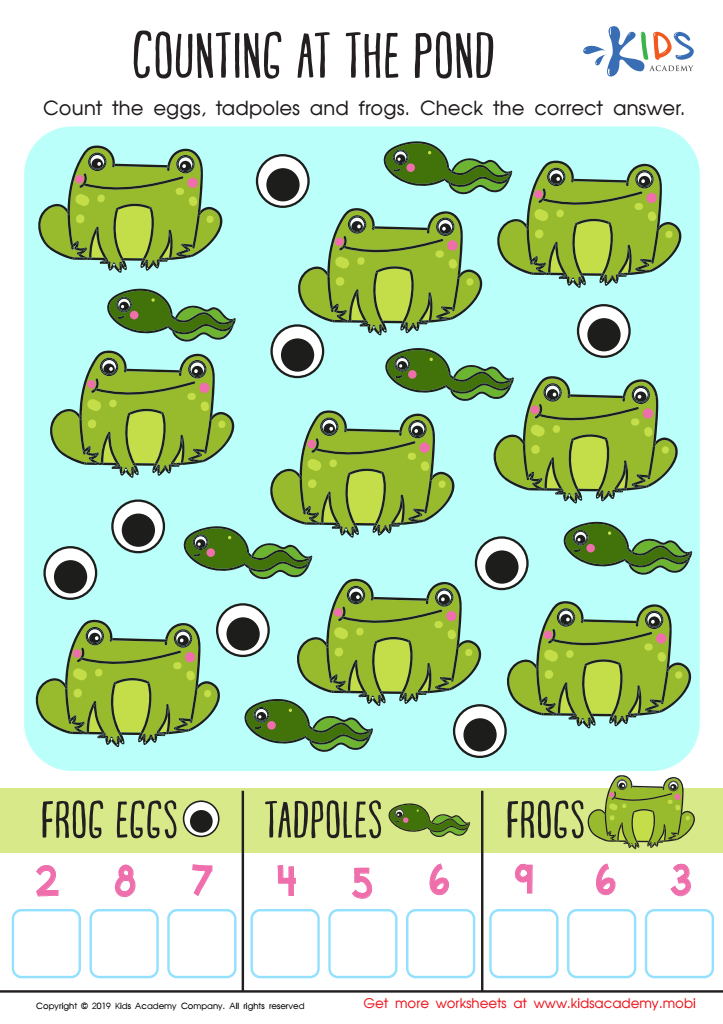
Counting at the Pond Worksheet
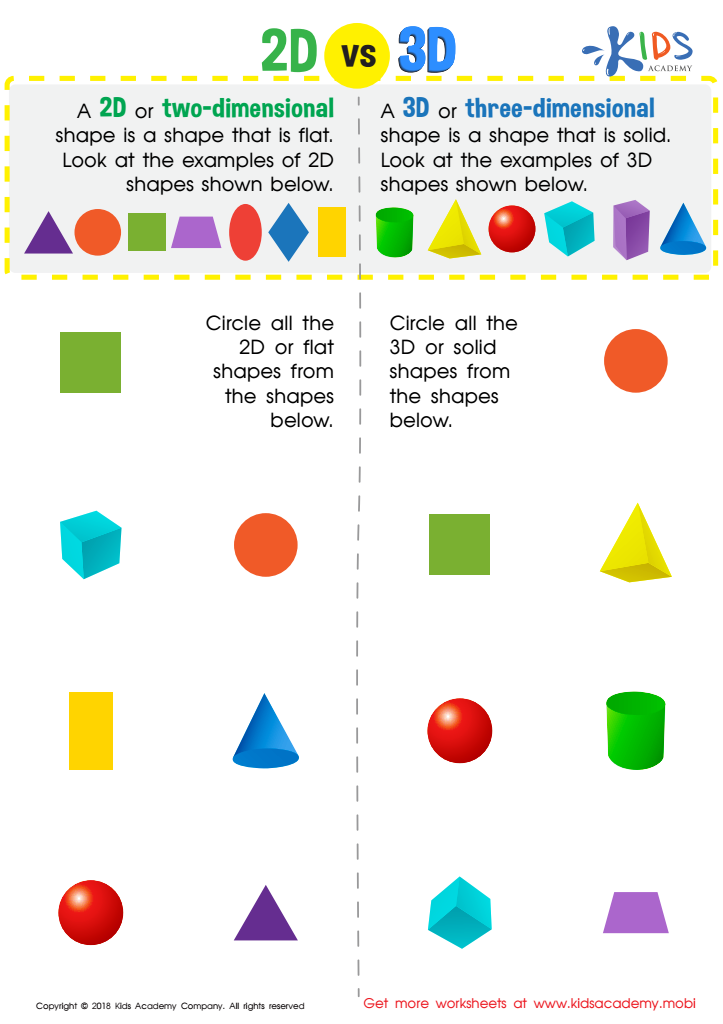
2D vs 3D Shapes Worksheet
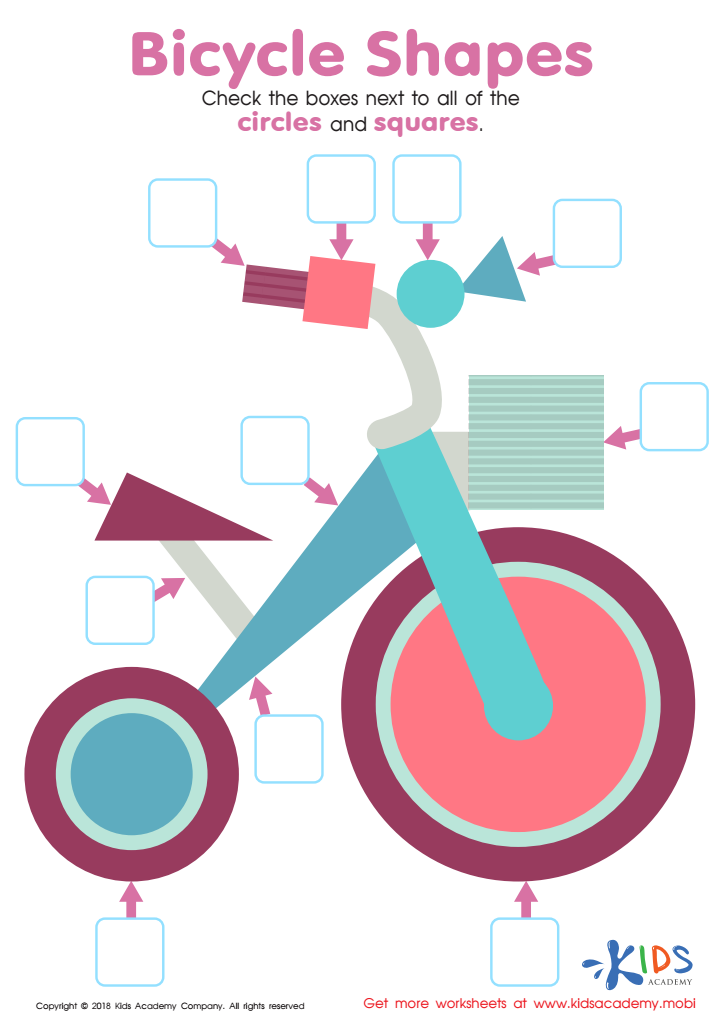
Bicycle Shapes Worksheet
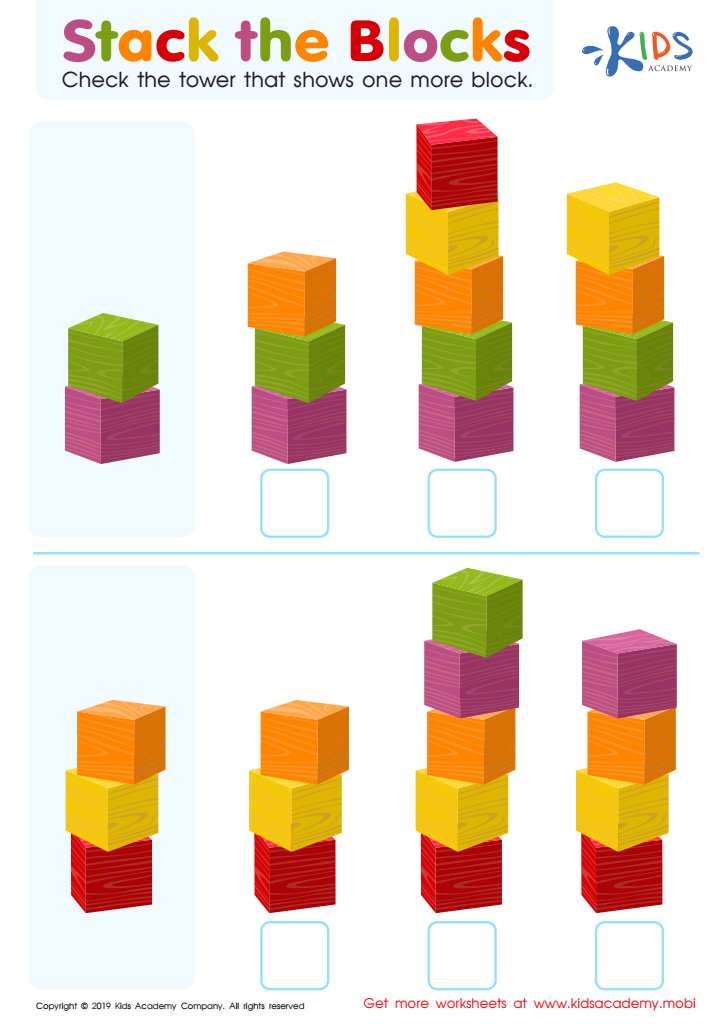
Stack the Blocks Worksheet
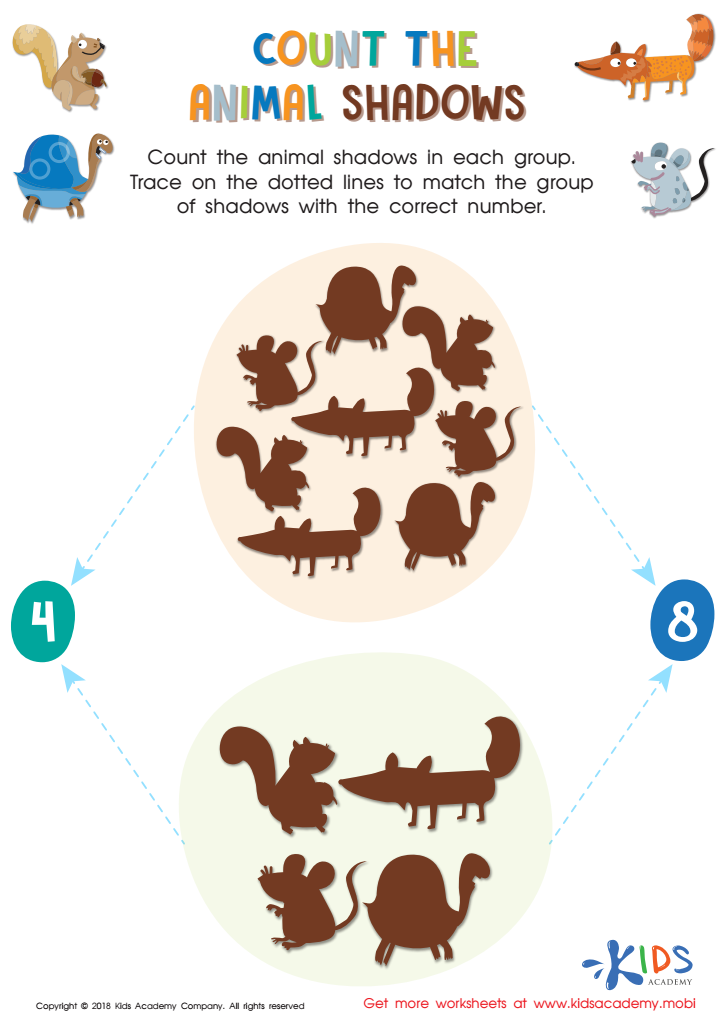
Count the Animal Shadows Worksheet
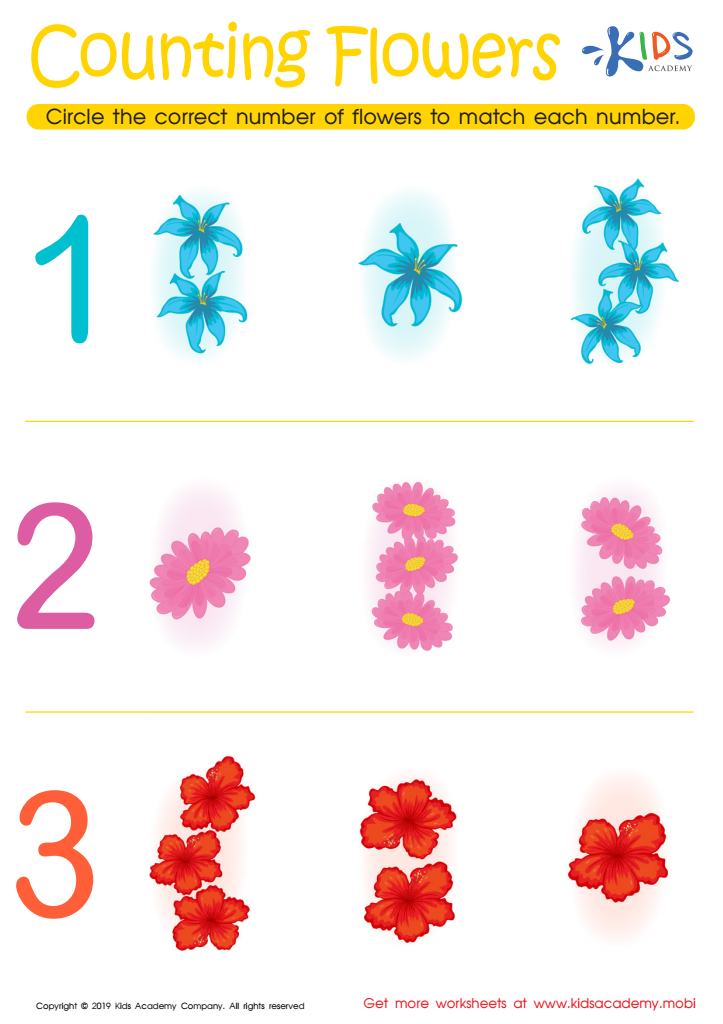
Counting Flowers Worksheet
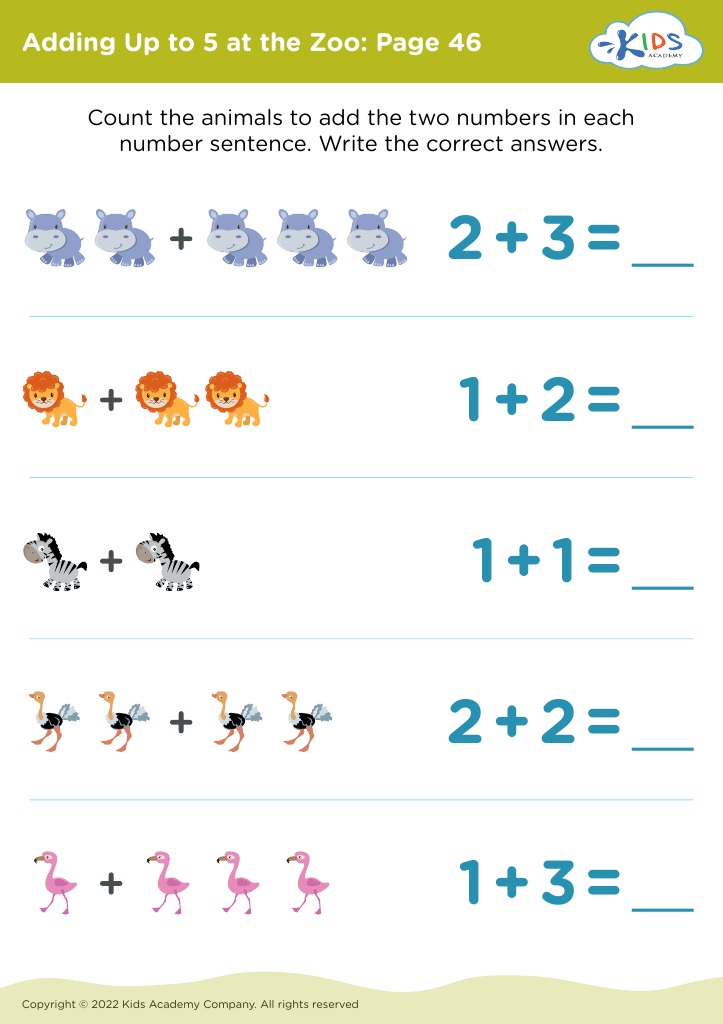
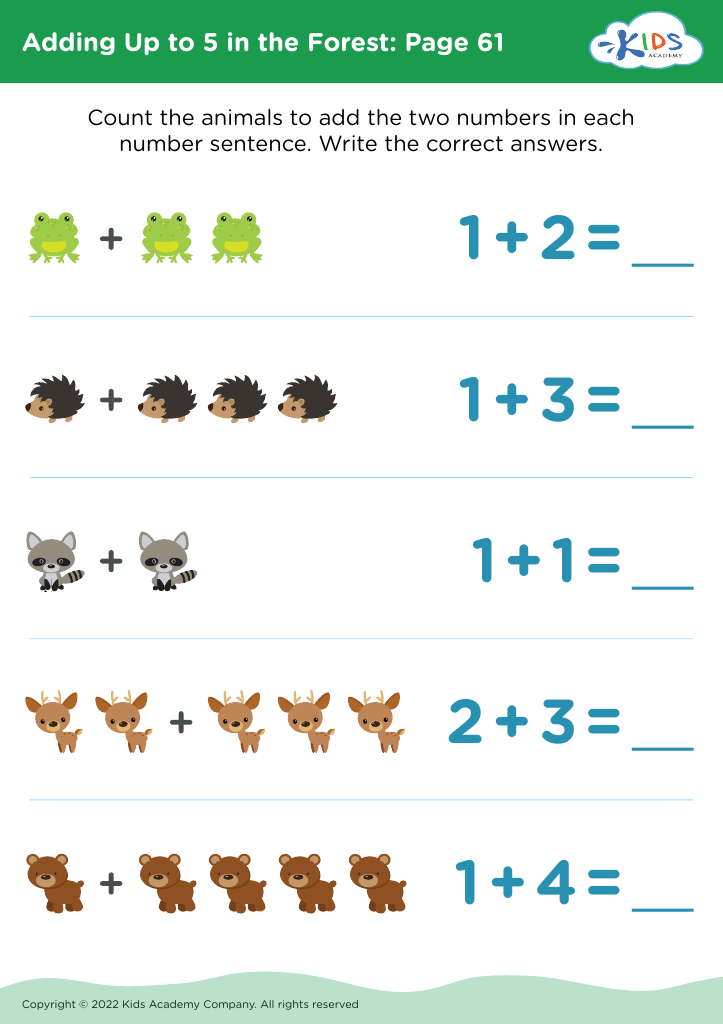
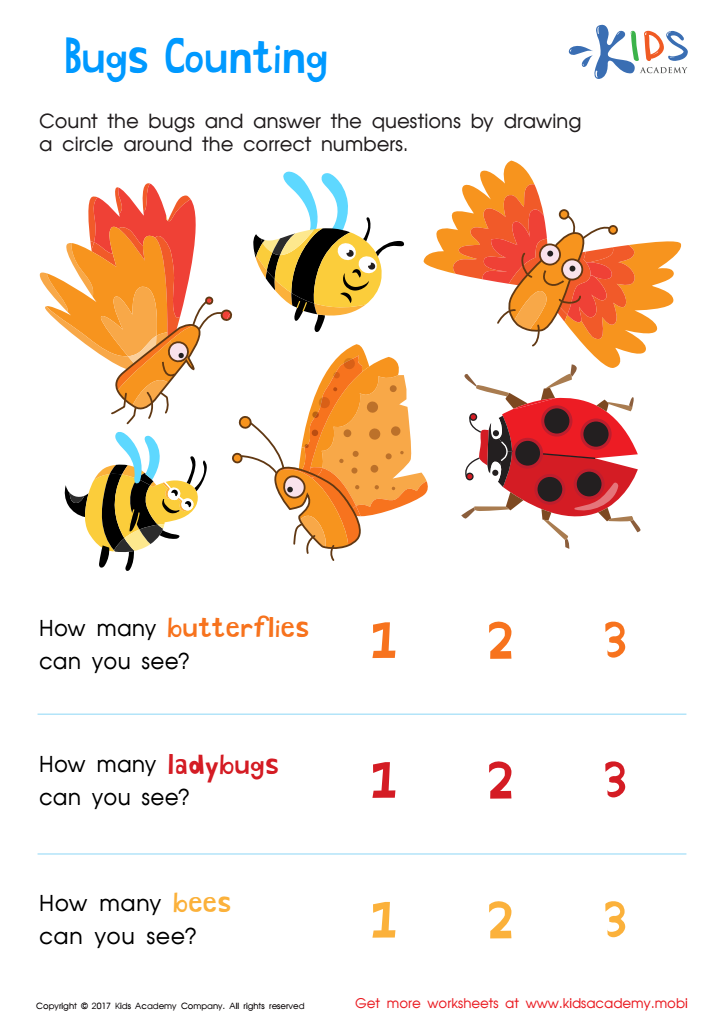
Bugs Counting Worksheet
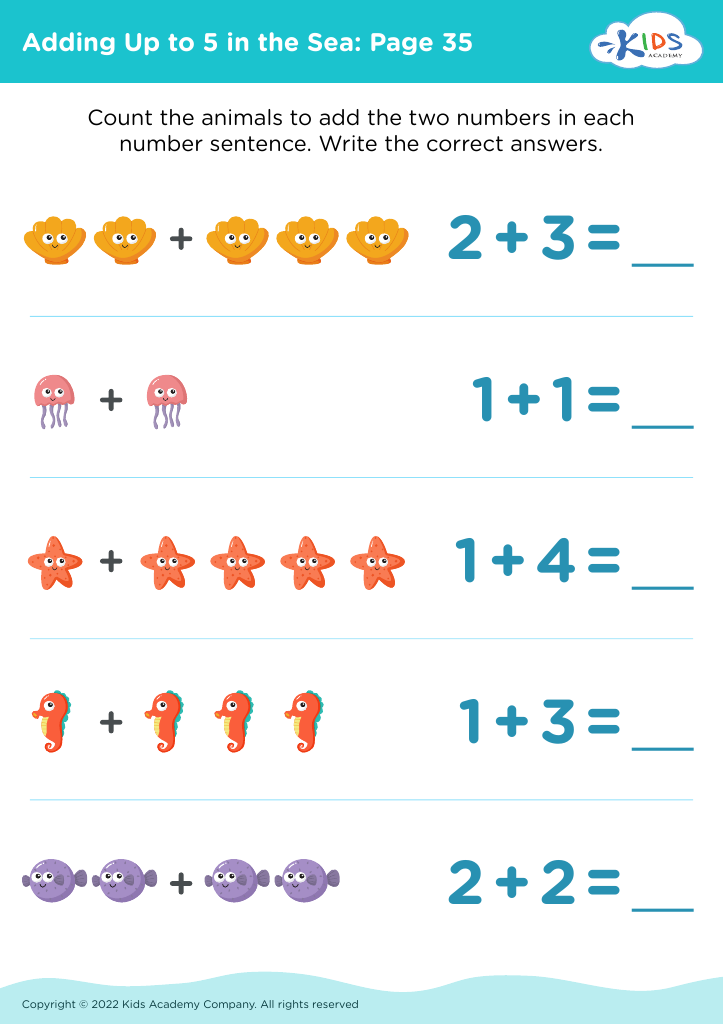
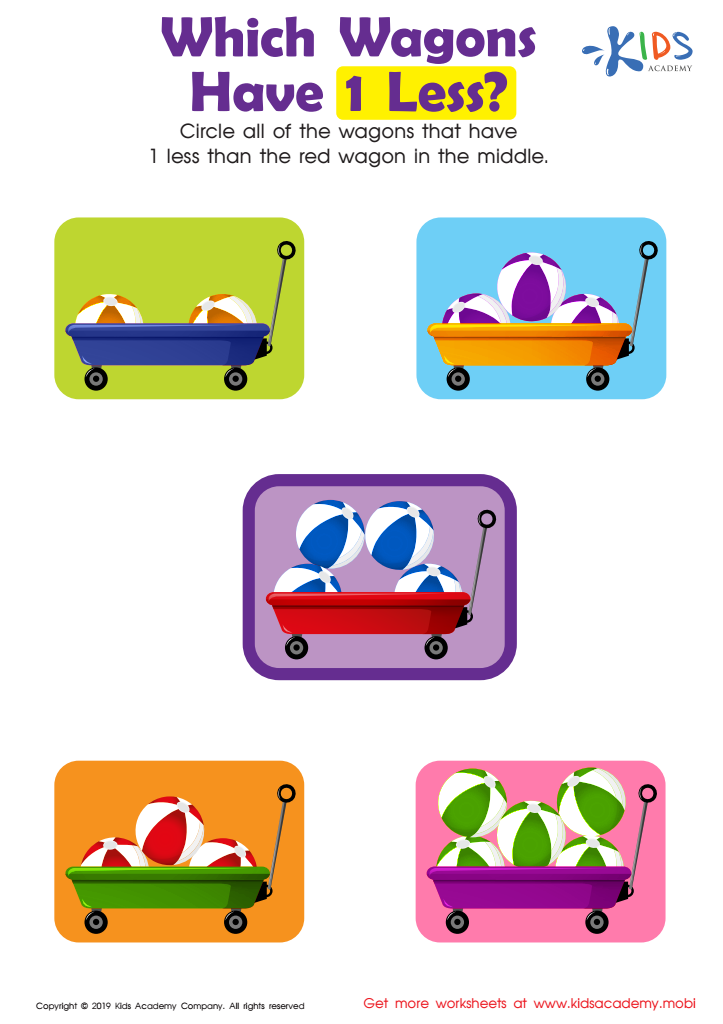
Which Wagons Have 1 Less? Worksheet
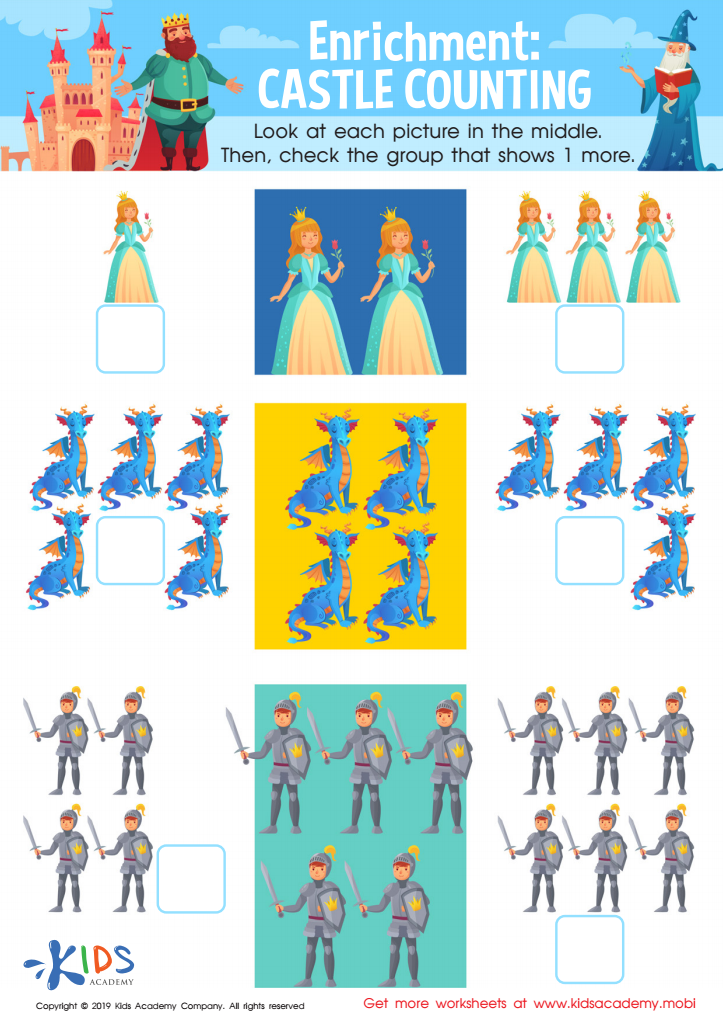
Enrichment: Castle Counting Worksheet
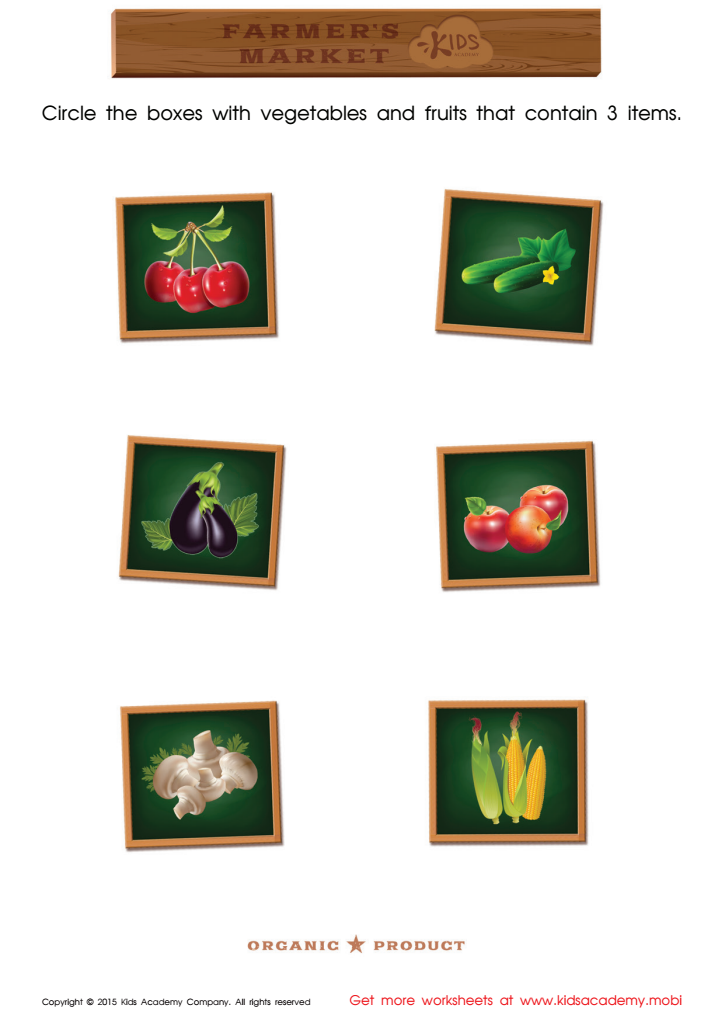
Count and Match Vegetables 1 – 5 Math Worksheet
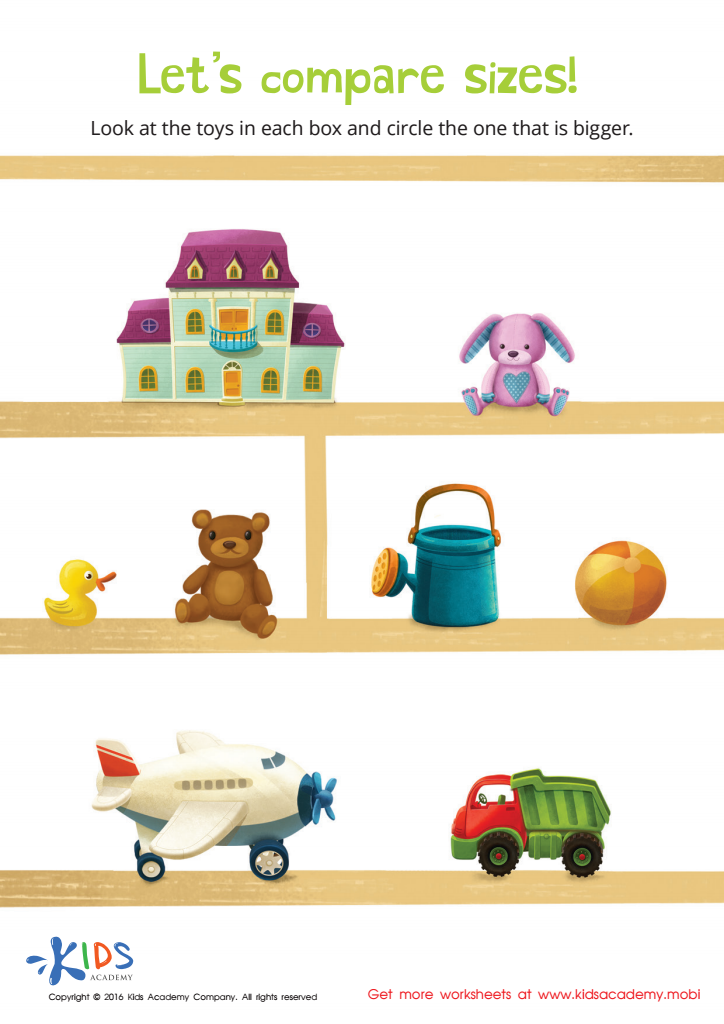
Classifying by Size Sorting Worksheet
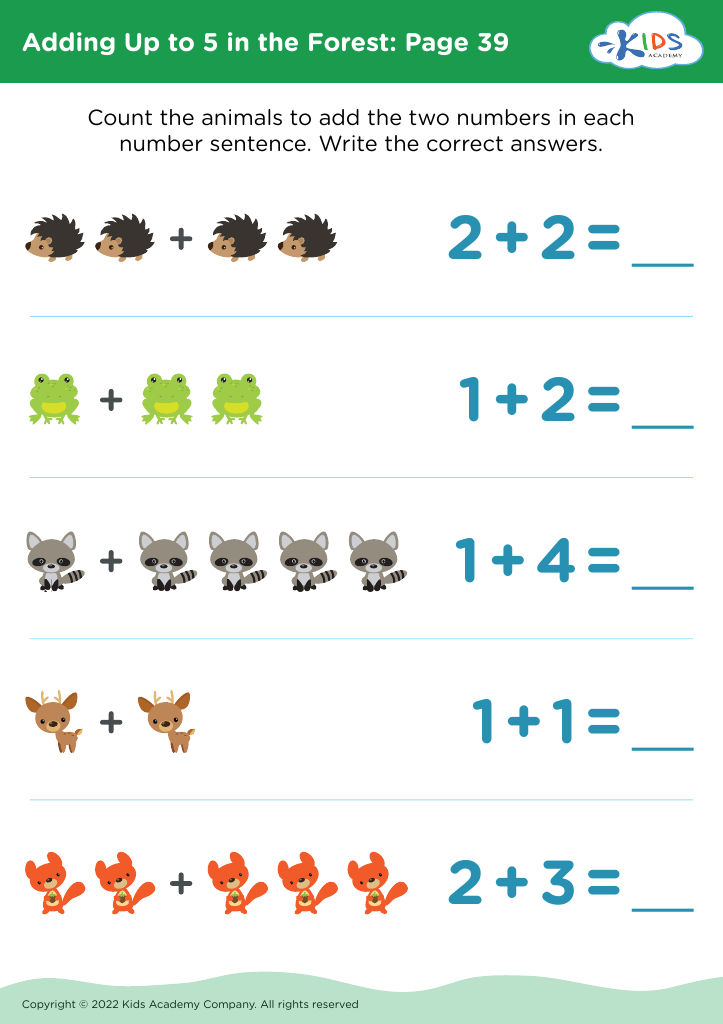



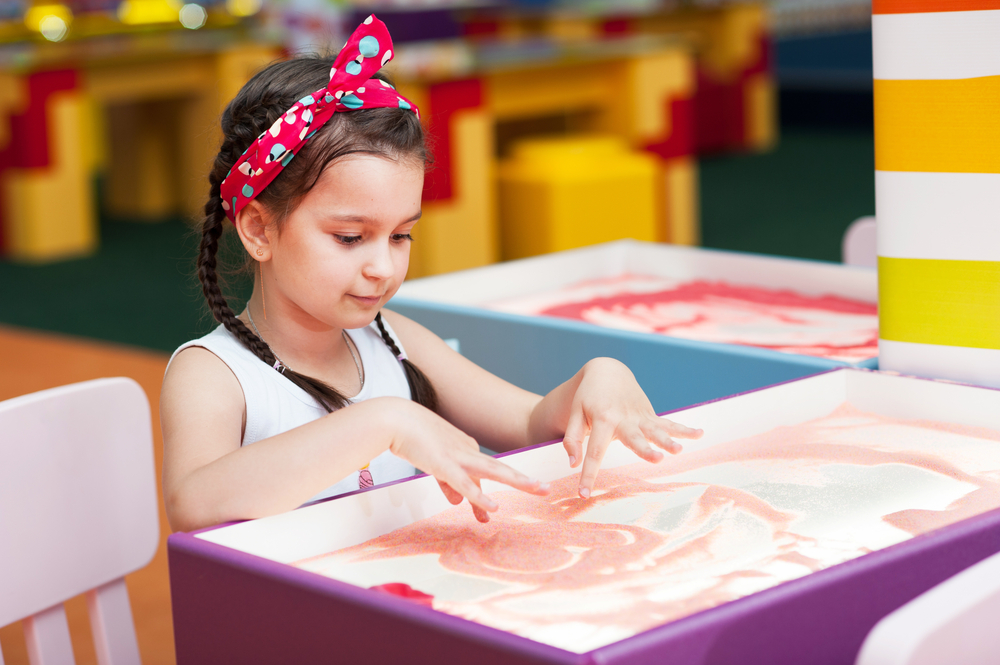


Visual perception math is essential for 4-year-olds as it lays the groundwork for future academic success and spatial understanding. At this age, children's brains are rapidly developing, making it the ideal time to nurture various cognitive skills, including those needed for math.
Visual perception involves recognizing, remembering, and organizing visual information. This skill allows children to understand shapes, sizes, patterns, and sequences—core aspects of early math learning. By improving visual perception, children can better distinguish differences and similarities among objects, aiding in number recognition and basic arithmetic operations later on.
For parents and teachers, fostering strong visual perception skills can lead to significant benefits beyond math. It enhances overall learning ability, reading readiness, and problem-solving skills. For instance, activities like sorting objects by shape or color, completing puzzles, and identifying patterns can make learning interactive and fun, promoting a positive attitude towards education.
Therefore, investing time in visual perception math activities for 4-year-olds helps develop critical cognitive pathways, setting the stage for not just math proficiency but also for broad academic and life skills. It equips children with the tools they need to navigate a visually rich world, making this an invaluable part of early childhood education.








