Shape Recognition Reading Worksheets for 4-Year-Olds
7 filtered results
-
From - To
Unlock the world of learning with our Shape Recognition Reading Worksheets for 4-Year-Olds! Designed to combine fun and education, these engaging activities help young children familiarize themselves with basic shapes while enhancing their reading skills. Each worksheet presents vibrant illustrations and enjoyable tasks that encourage kids to identify and name shapes such as circles, squares, and triangles. Perfect for preschoolers, these resources support early cognitive development, fine motor skills, and hand-eye coordination. Boost your child's confidence and foundational knowledge in a playful way with our expertly crafted worksheets, ensuring a smooth transition to more advanced concepts.
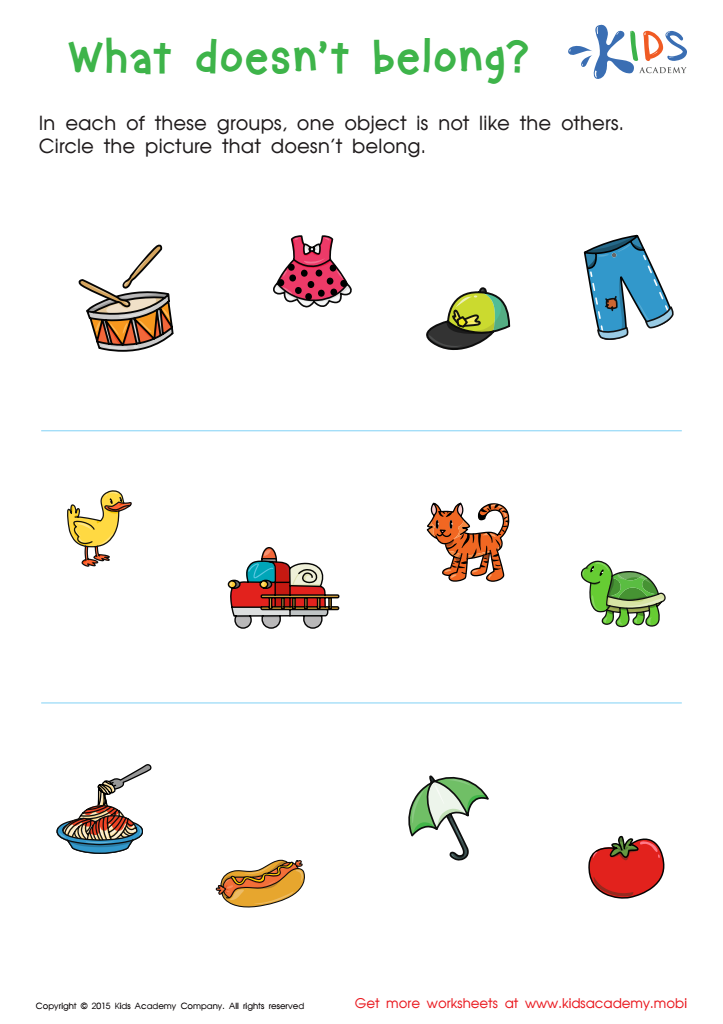
First Words: What Doesn't Belong Worksheet
 Assign to My Students
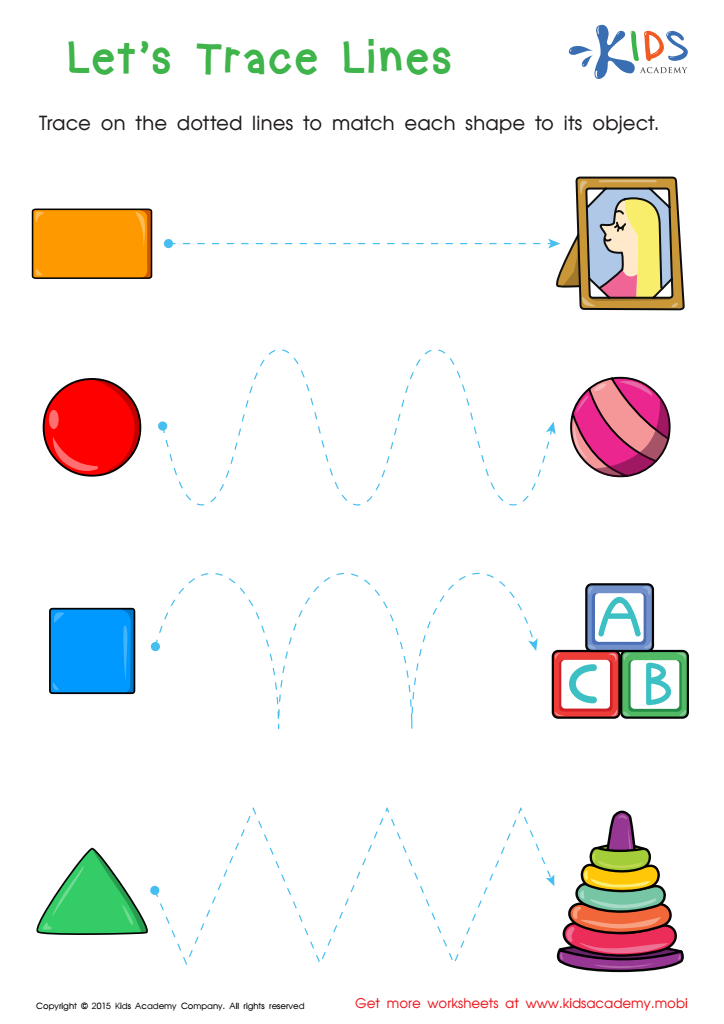
First Words: Let's Trace Lines Worksheet
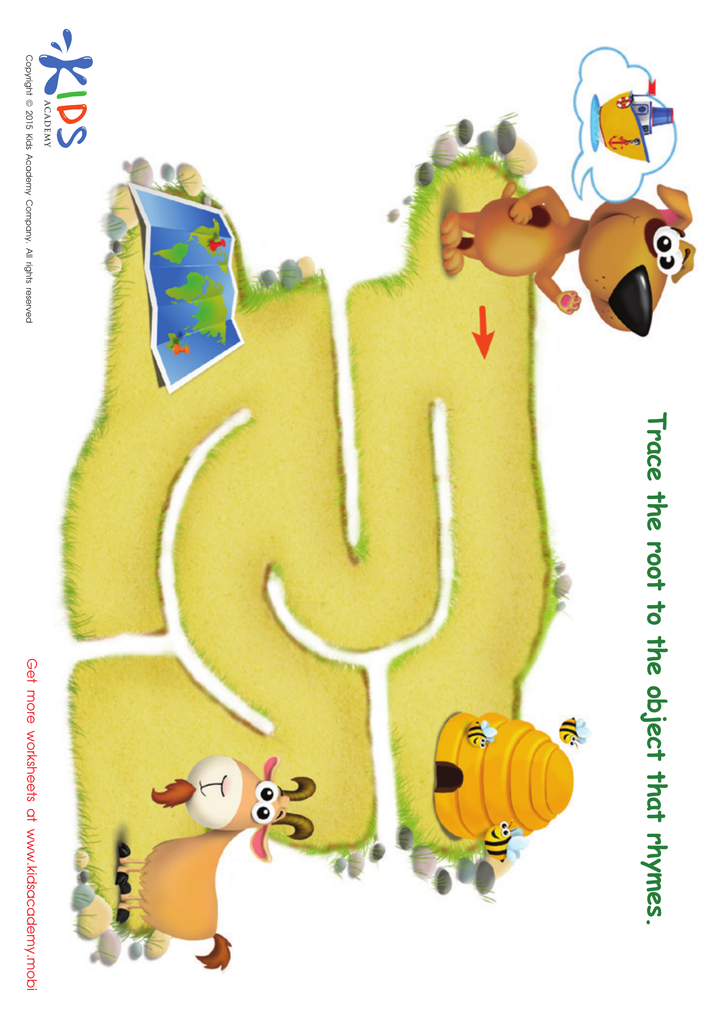
Boat Rhyming Words Worksheet
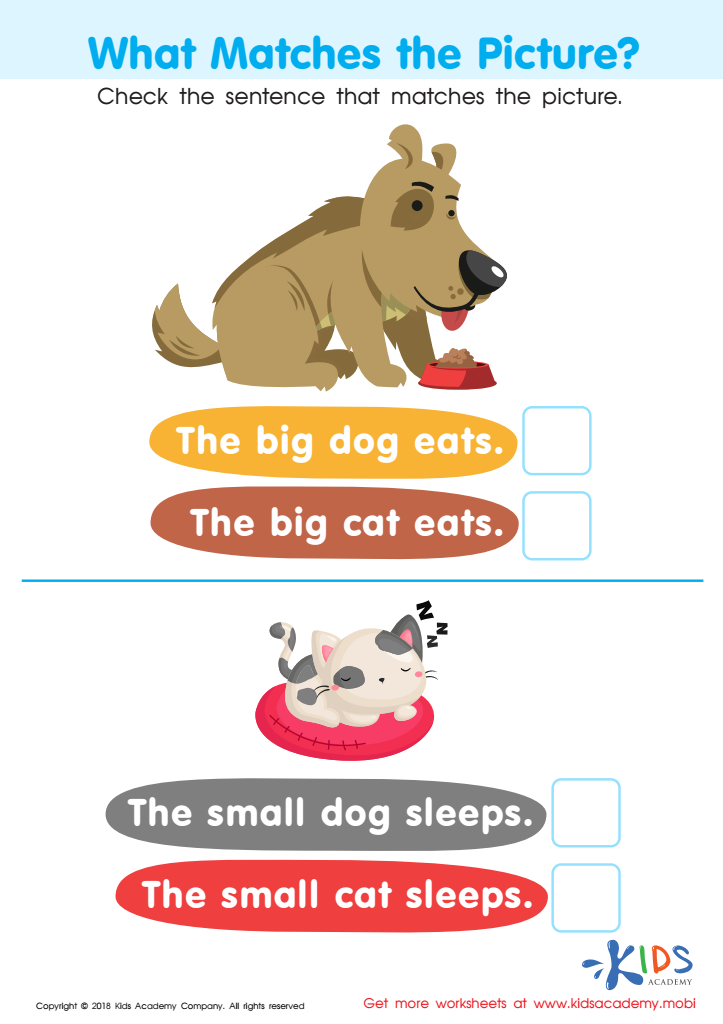
What Matches the Picture? Worksheet
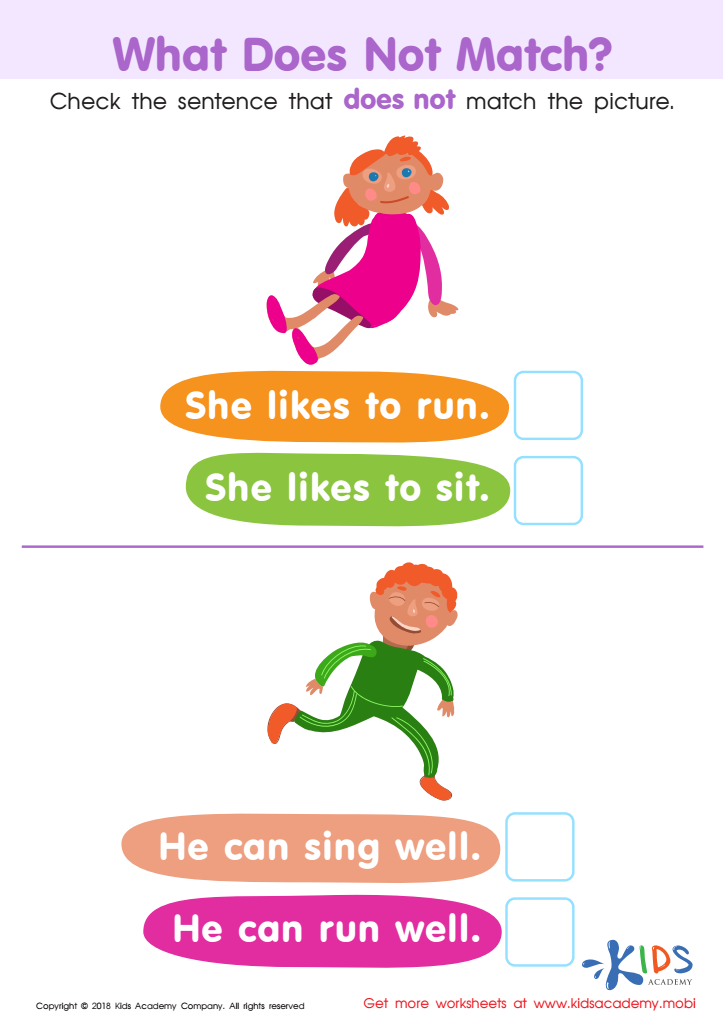
What Does Not Match? Worksheet








Shape recognition is a fundamental aspect of early childhood development that parents and teachers should carefully nurture in 4-year-olds. This skill lays the groundwork for many essential cognitive and academic abilities that children will need as they progress in their education. First, recognizing shapes helps with visual-spatial reasoning, allowing young children to understand how different elements fit together in their environment, an important precursor to math skills like geometry.
Additionally, shape recognition plays a pivotal role in literacy. Many letters and numbers are essentially different shapes, so understanding and distinguishing shapes can make learning to read and write easier. For example, recognizing that both 'O' and '0' are circles but serve different purposes can reduce confusion as kids learn to differentiate letters and numbers.
Moreover, learning shapes enhances a child's vocabulary and language skills. When children learn to identify and describe shapes, they also learn new words and concepts, such as 'circle,' 'square,' and 'triangle,' enriching their descriptive language and aiding communication skills.
Last but not least, shape recognition activities often involve hands-on learning—such as drawing shapes or identifying them in a physical space—which helps improve fine motor skills and hand-eye coordination. All of these benefits combined will create a strong foundation for future learning, fostering not just academic growth but also everyday problem-solving abilities and confidence in young children.








