Critical Thinking Reading Comprehension Worksheets for 4-Year-Olds
22 filtered results
-
From - To
Unlock the potential of early education with our Critical Thinking Reading Comprehension Worksheets for 4-Year-Olds from Kids Academy. Specially designed for young learners, these engaging worksheets foster essential skills through interactive and thought-provoking activities. Our resources enhance reading comprehension and stimulate critical thinking, making learning both fun and effective. Easy-to-follow exercises ensure that children grasp key concepts while developing a lifelong love for reading. Download today and give your child a head start in cognitive development and literacy. Ideal for educators and parents committed to nurturing inquisitive minds. Dive into a world of learning excellence with Kids Academy!
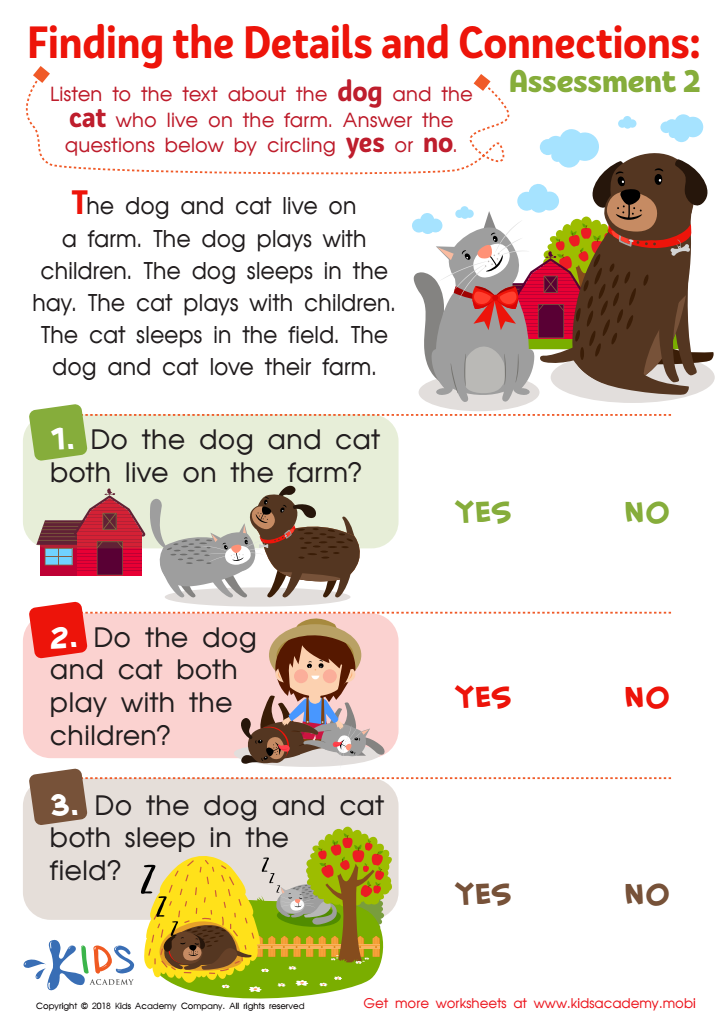
Finding the Details and Connections: Assessment 2 Worksheet
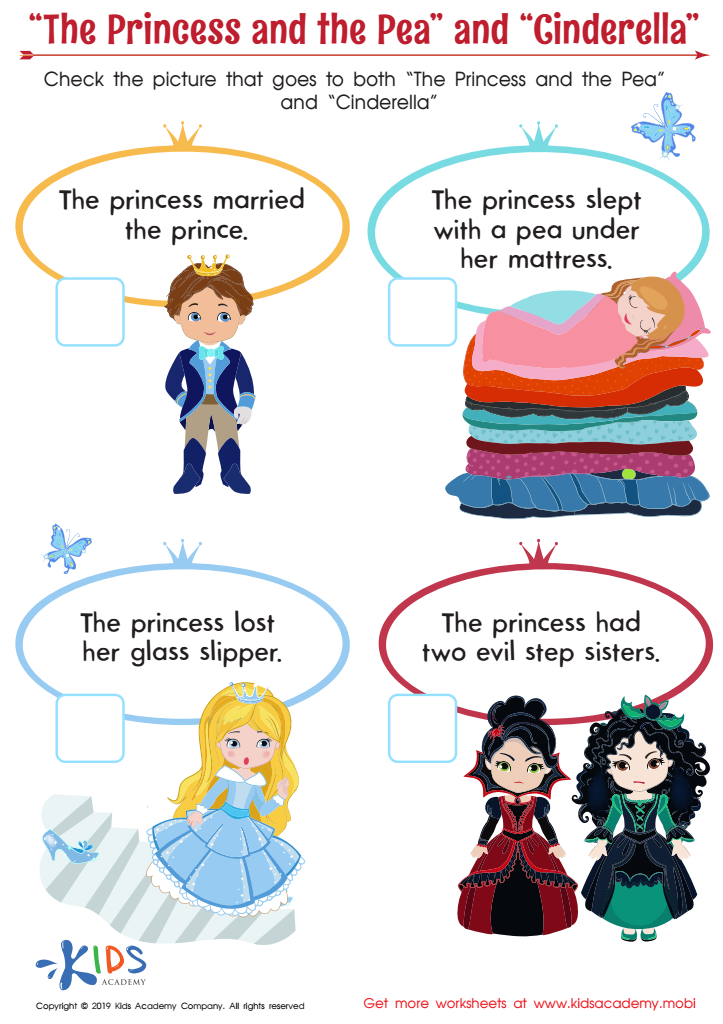
“The Princess and the Pea” and “Cinderella” Worksheet
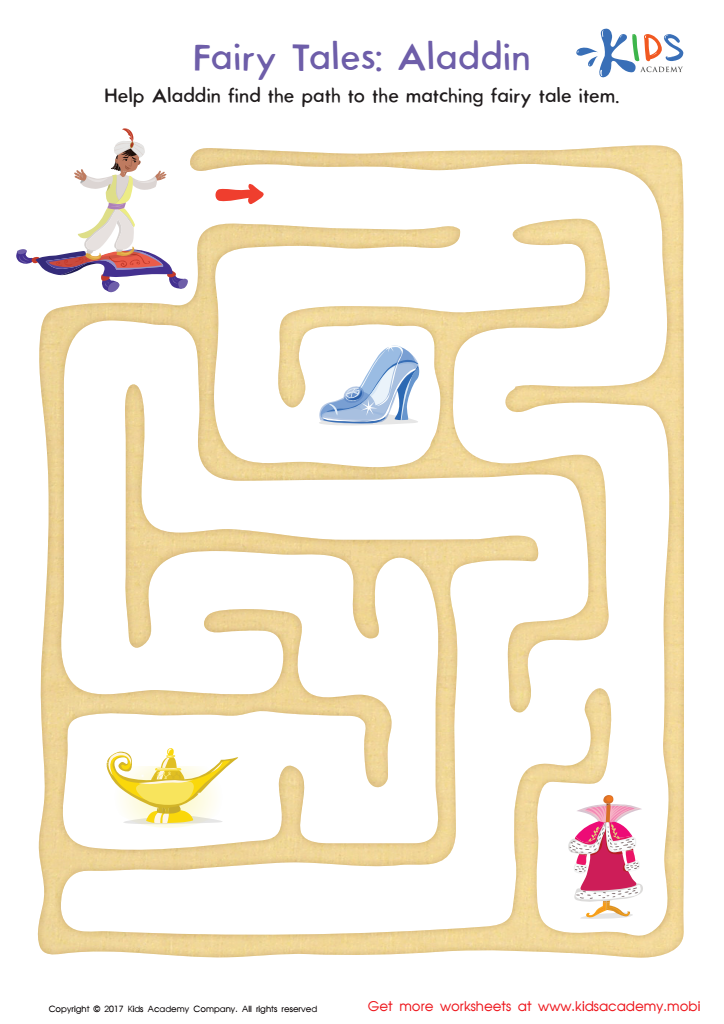
Fairy Tales Aladdin Printable
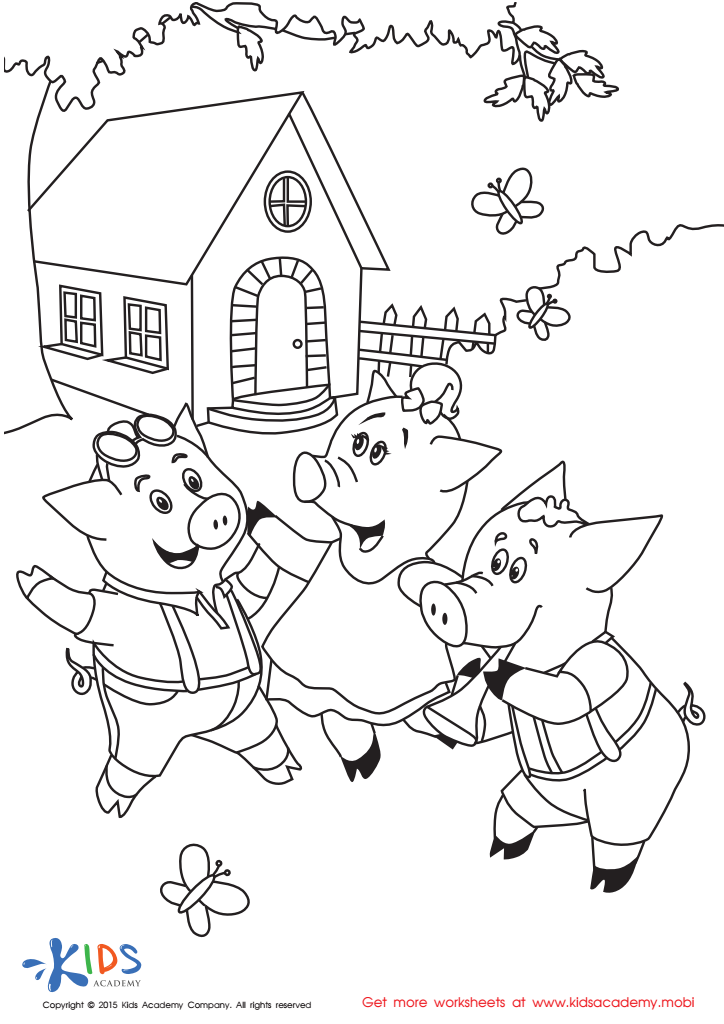
Folktales Printable PDF Worksheet: The 3 Little Pigs
 Assign to My Students
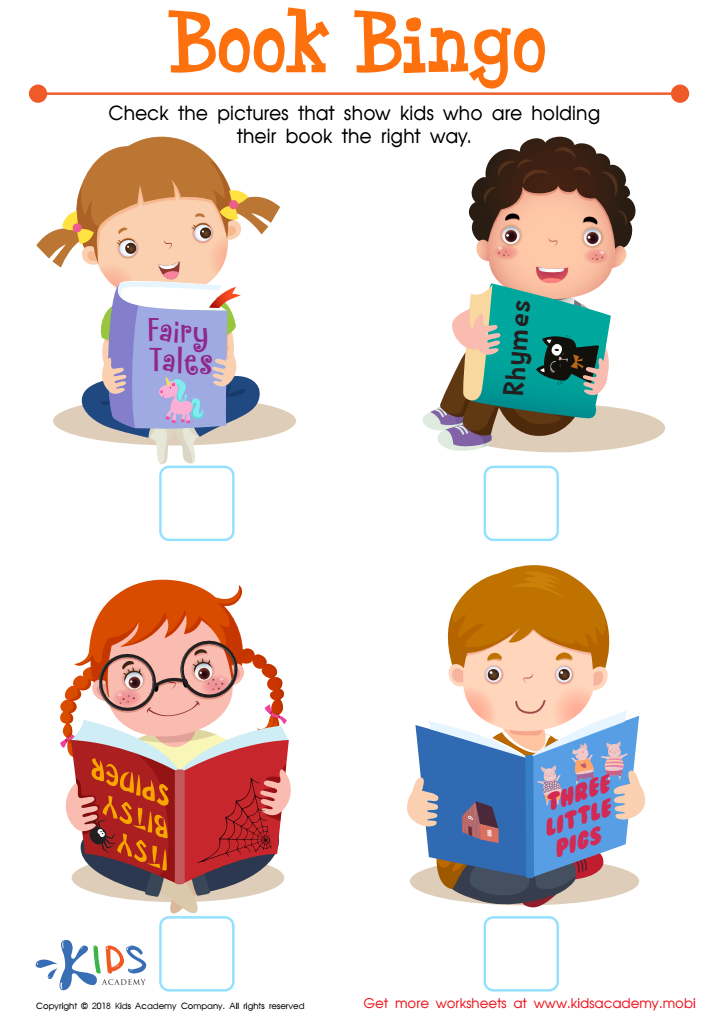
Book Bingo Worksheet
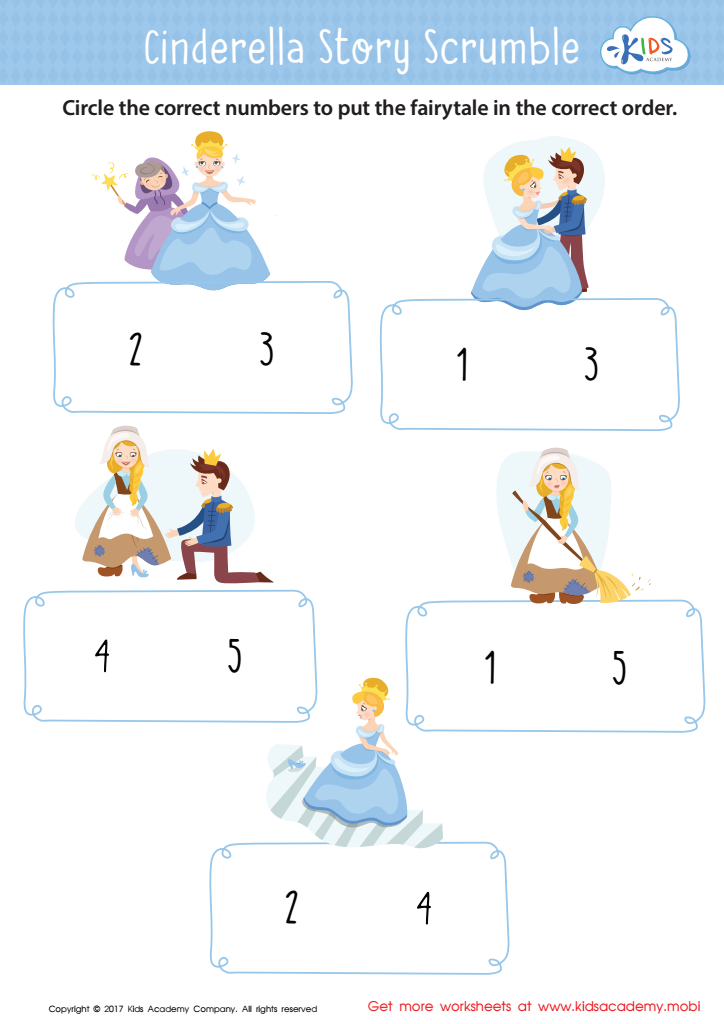
Cinderella Story Sequencing Worksheet
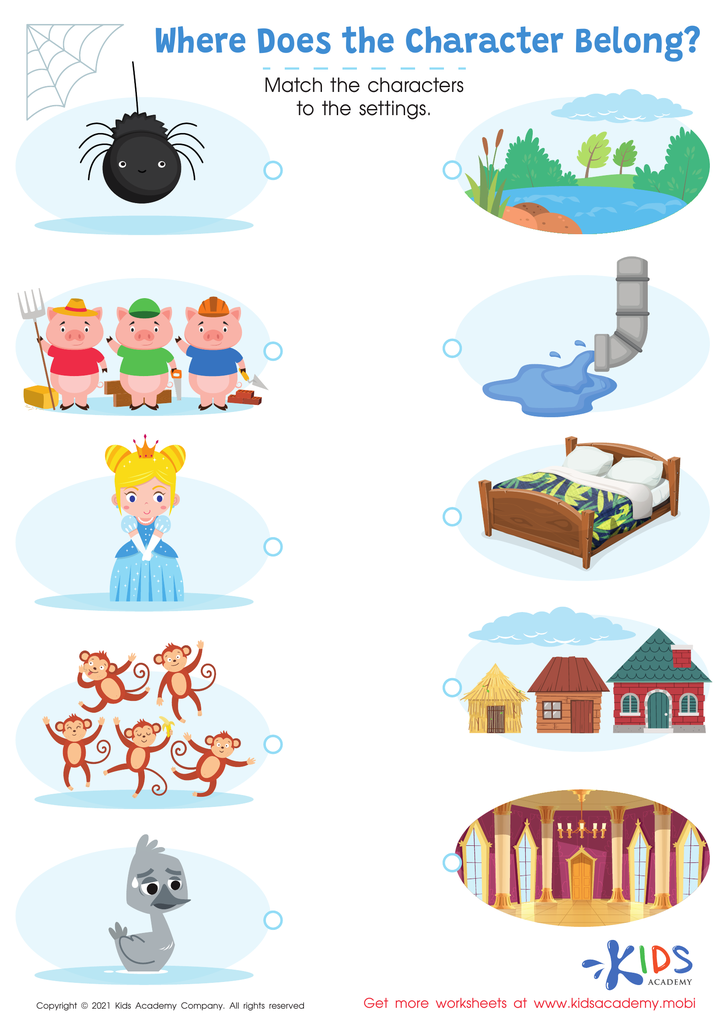
Where Does the Character Belong? Worksheet
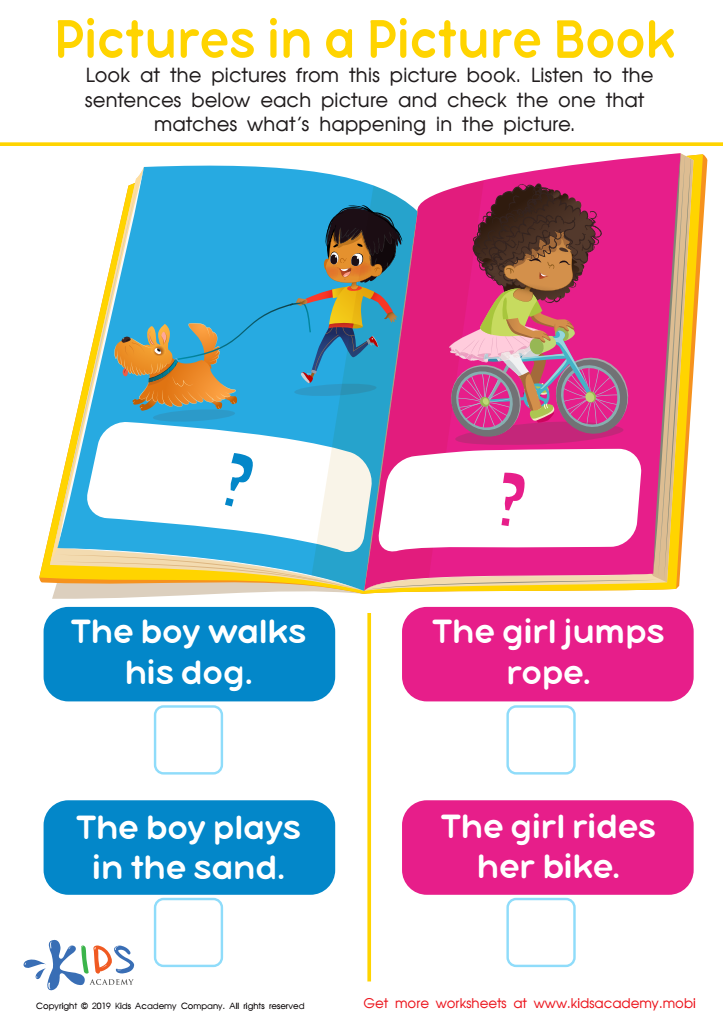
Picture in Books Worksheet
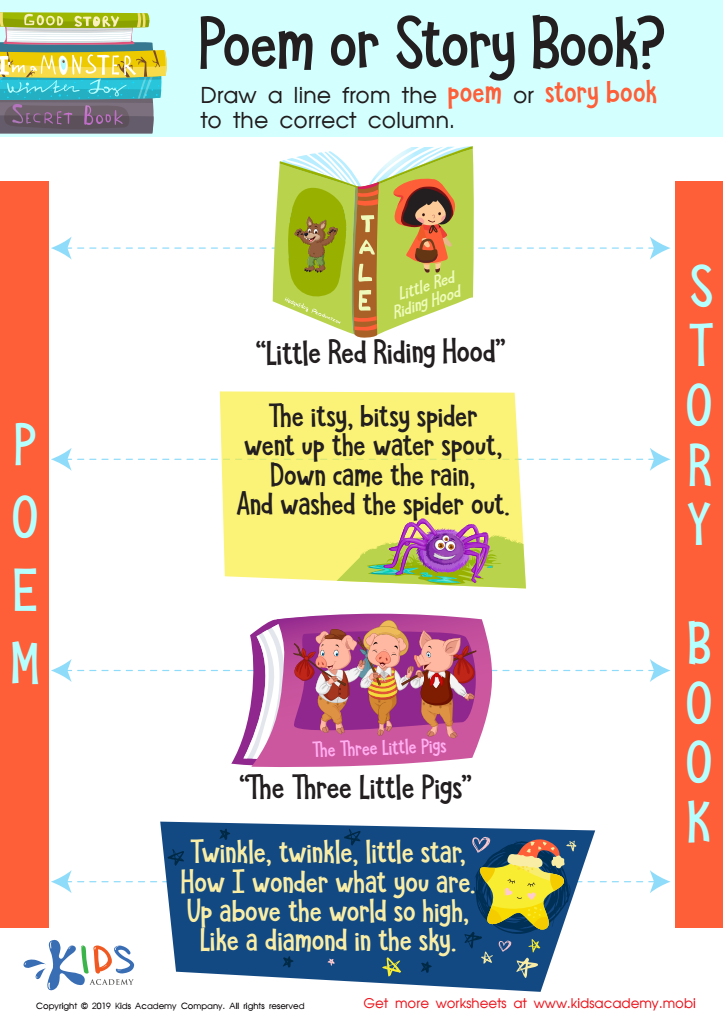
Poem or Story Book? Worksheet
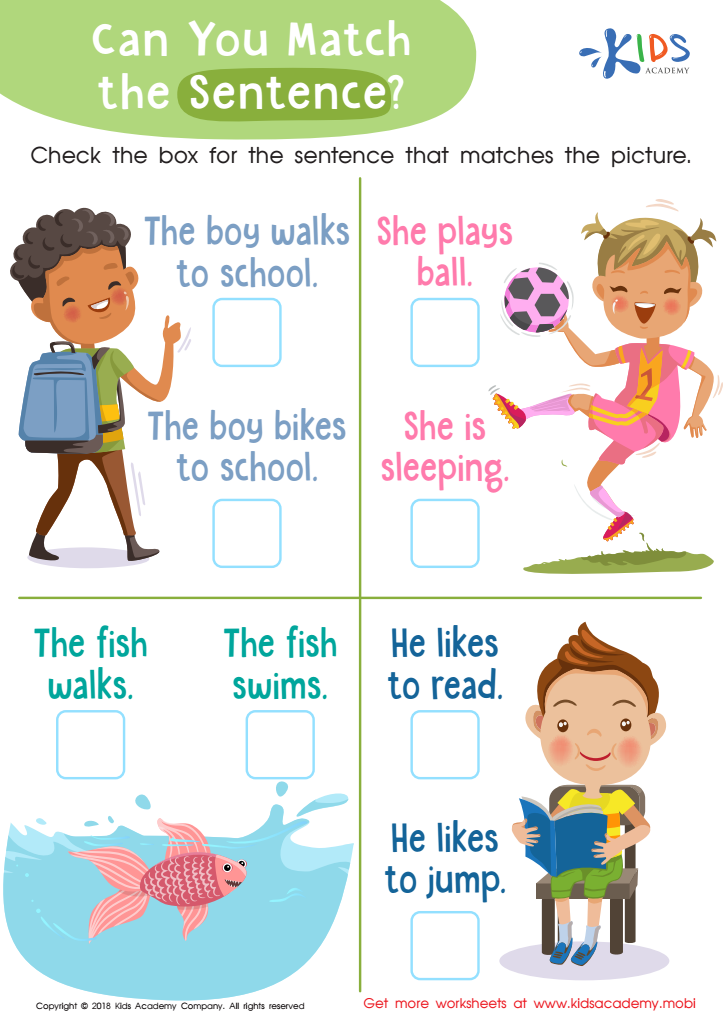
Can You Match the Sentence? Worksheet
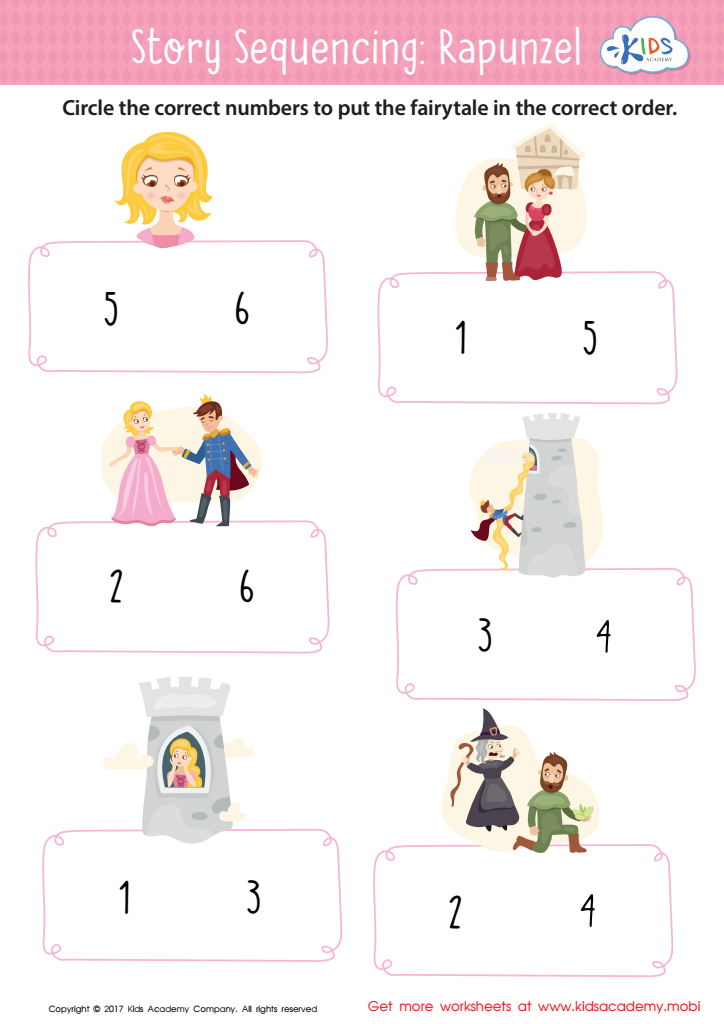
Rapunzel Story Sequencing Worksheet
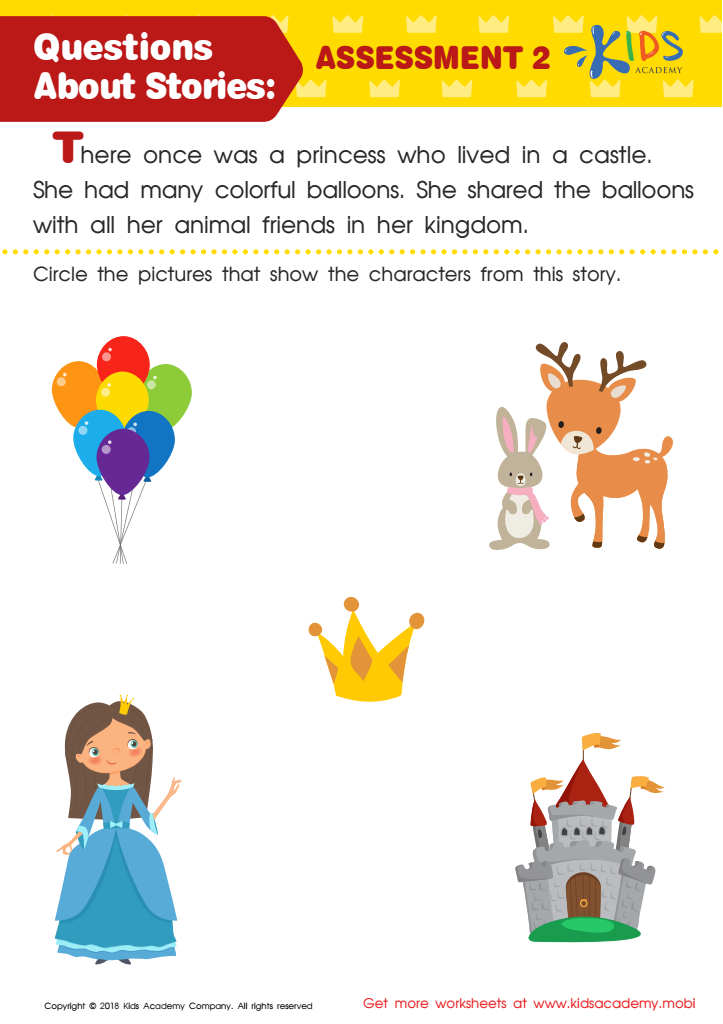
Questions About Stories: Assessment 2 Worksheet
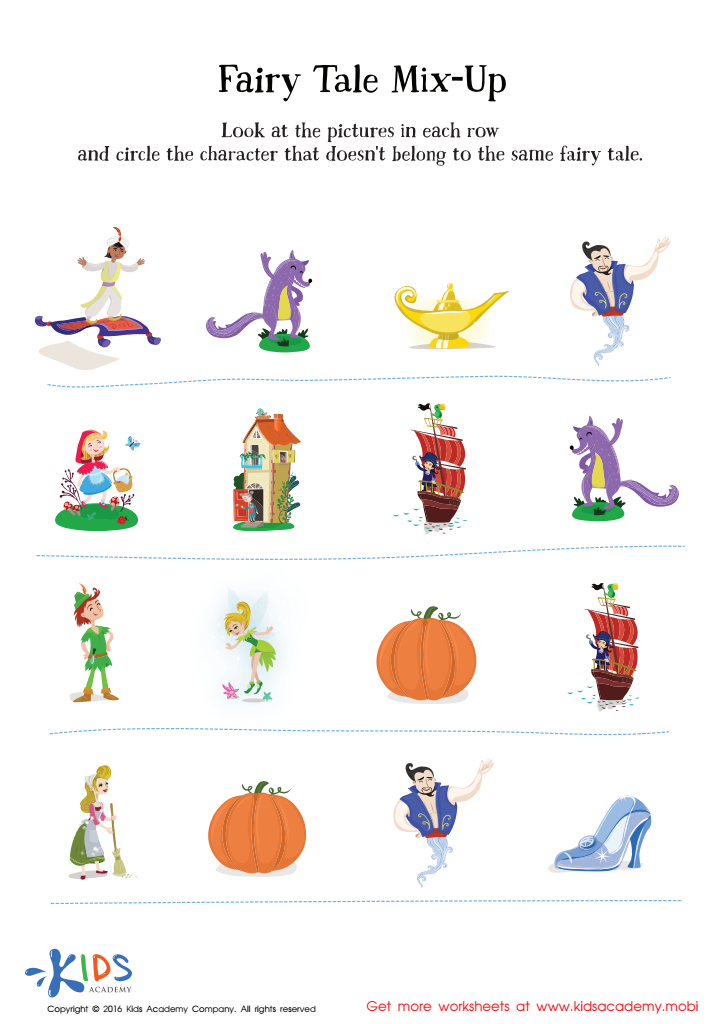
Fairy Tale Worksheet: Story Mix Up
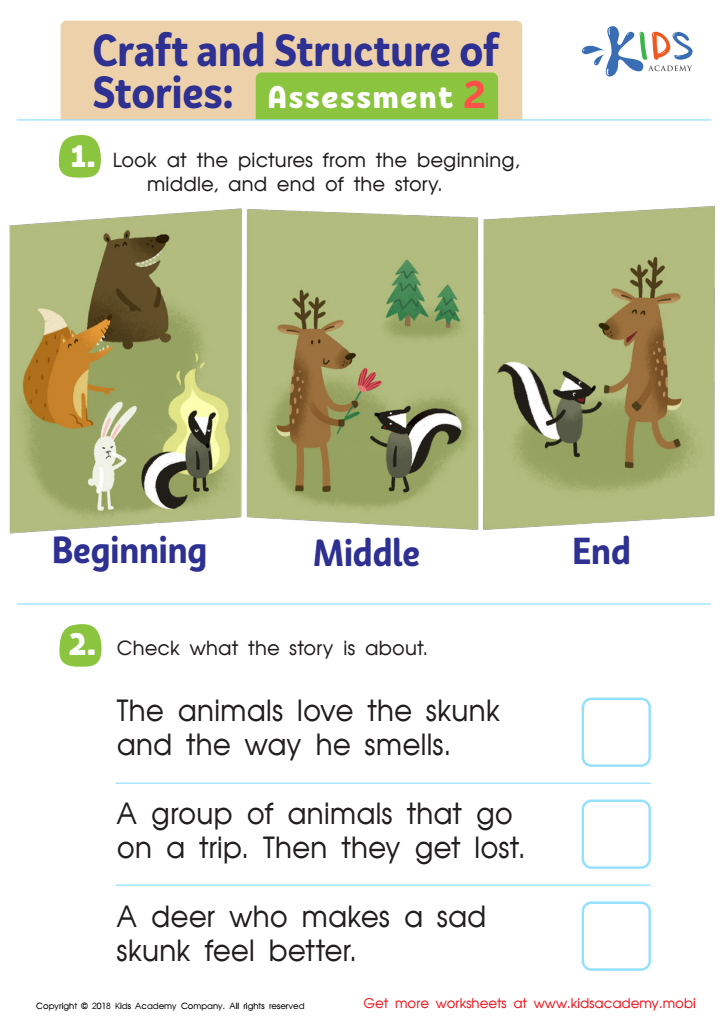
Craft and Structure of Stories: Assessment 2 Worksheet
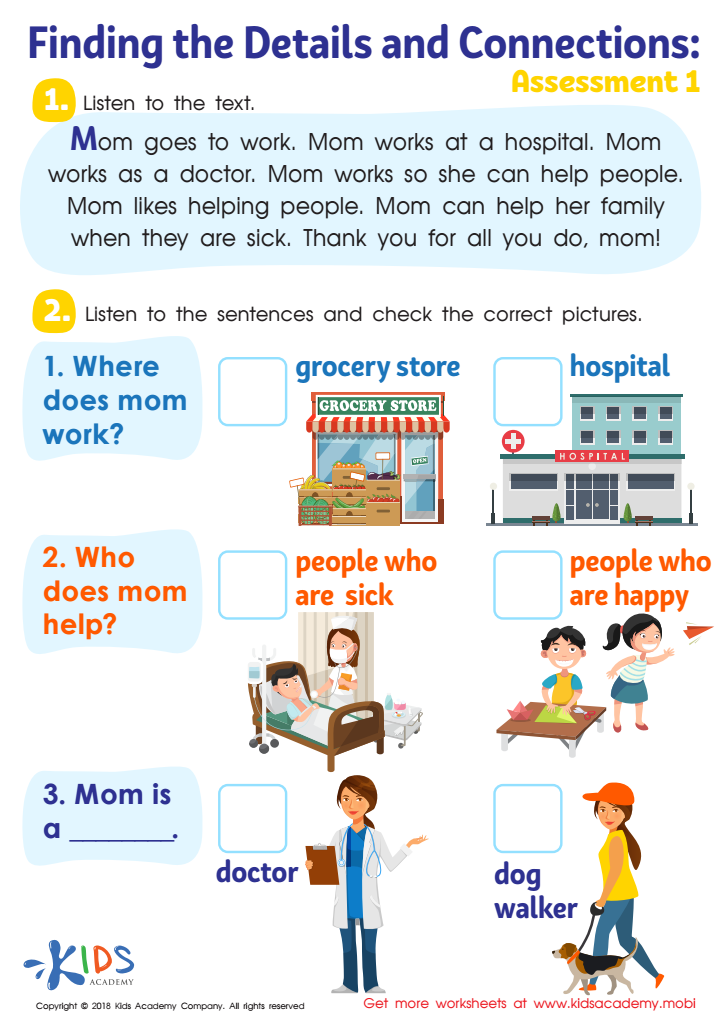
Finding the Details and Connections: Assessment 1 Worksheet
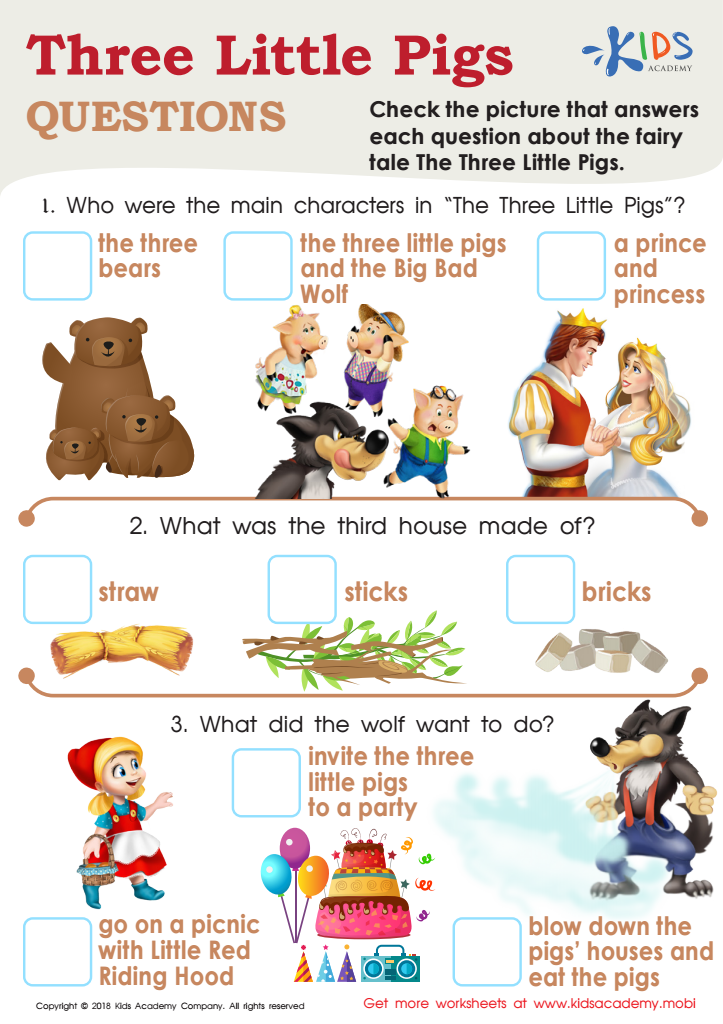
Three Little Pigs Questions Worksheet
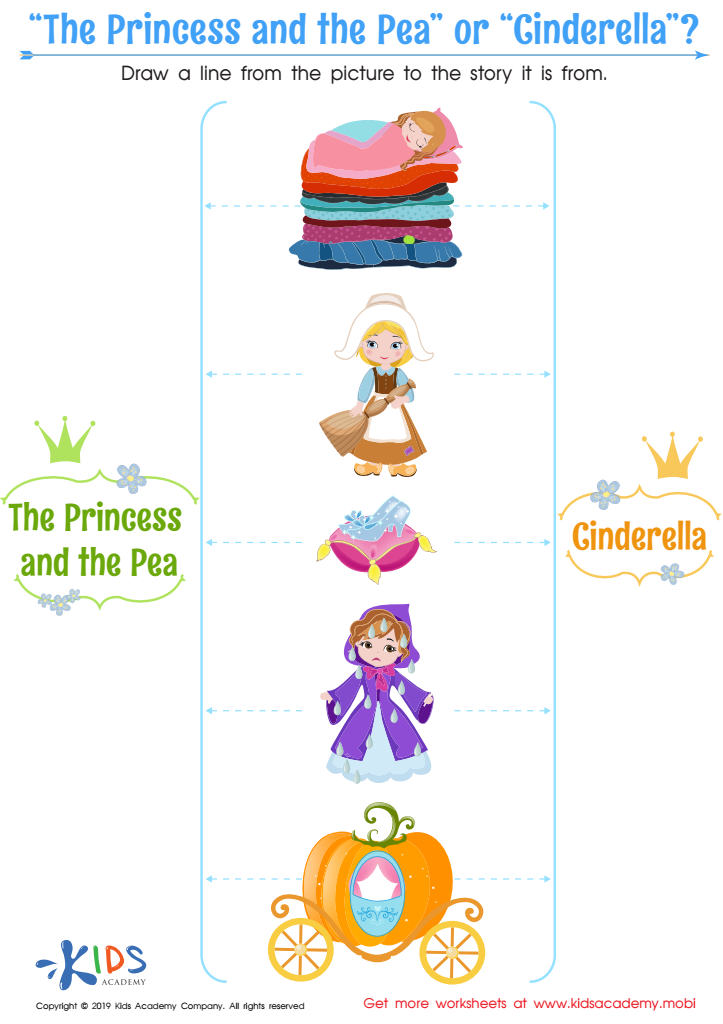
“The Princess and the Pea” or “Cinderella” Worksheet
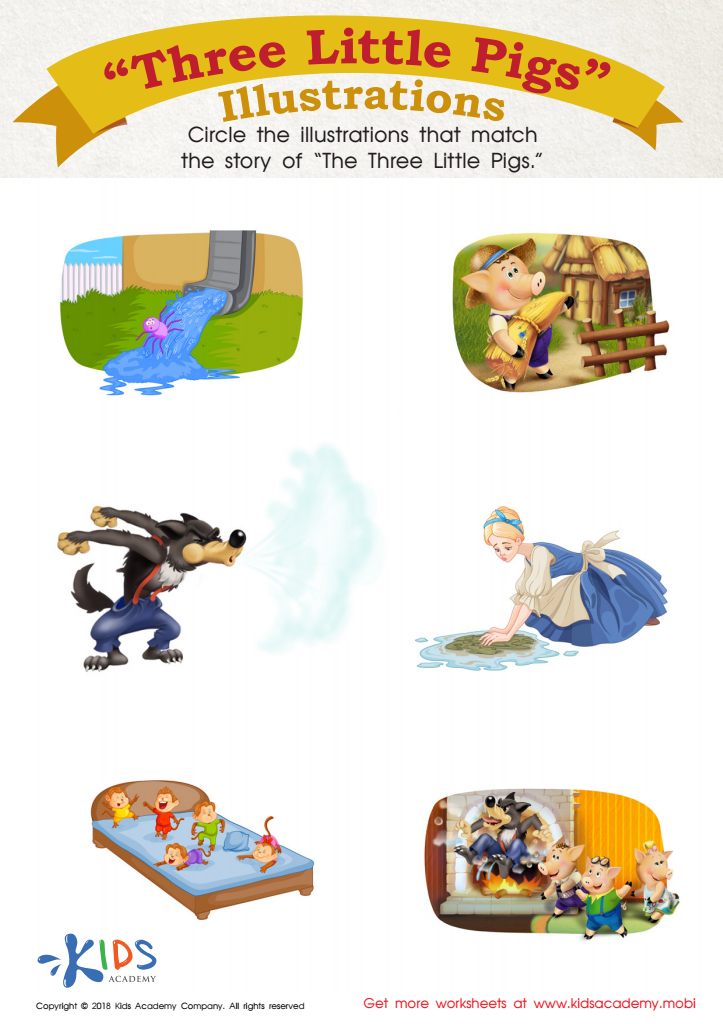
Three Little Pigs: Illustrations Worksheet
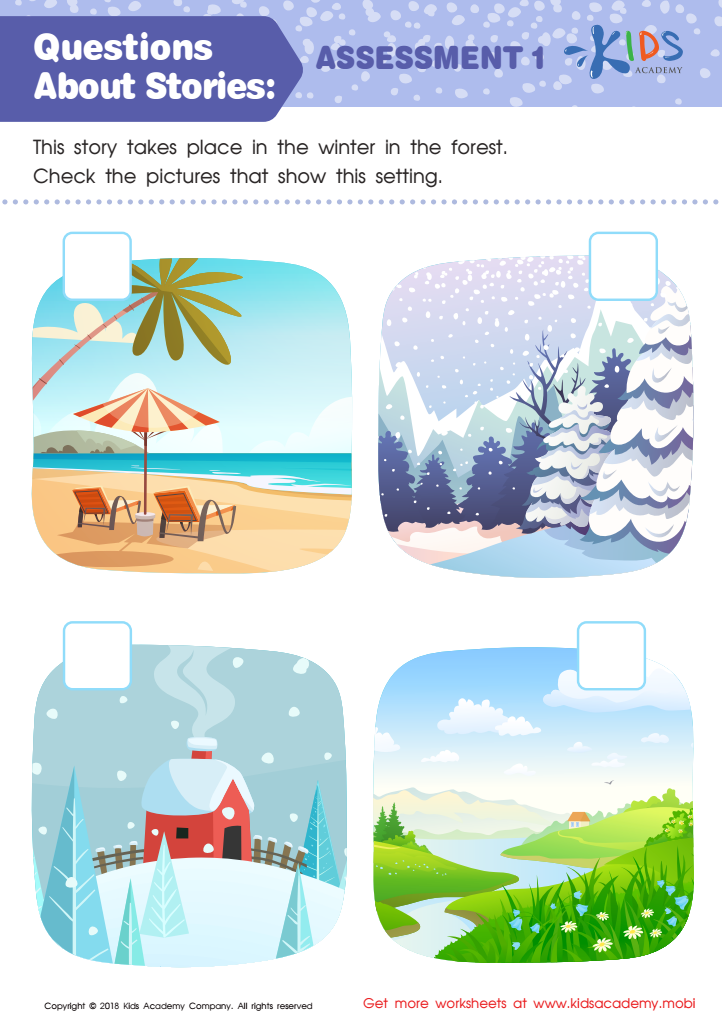
Questions About Stories: Assessment 1 Worksheet
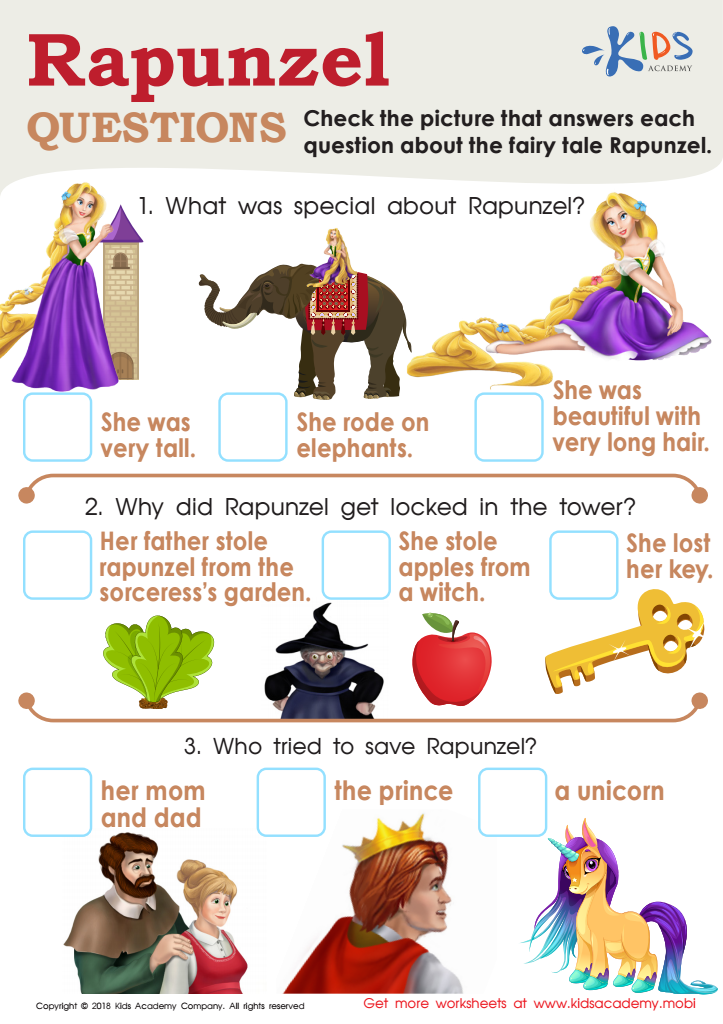
Rapunzel Questions Worksheet
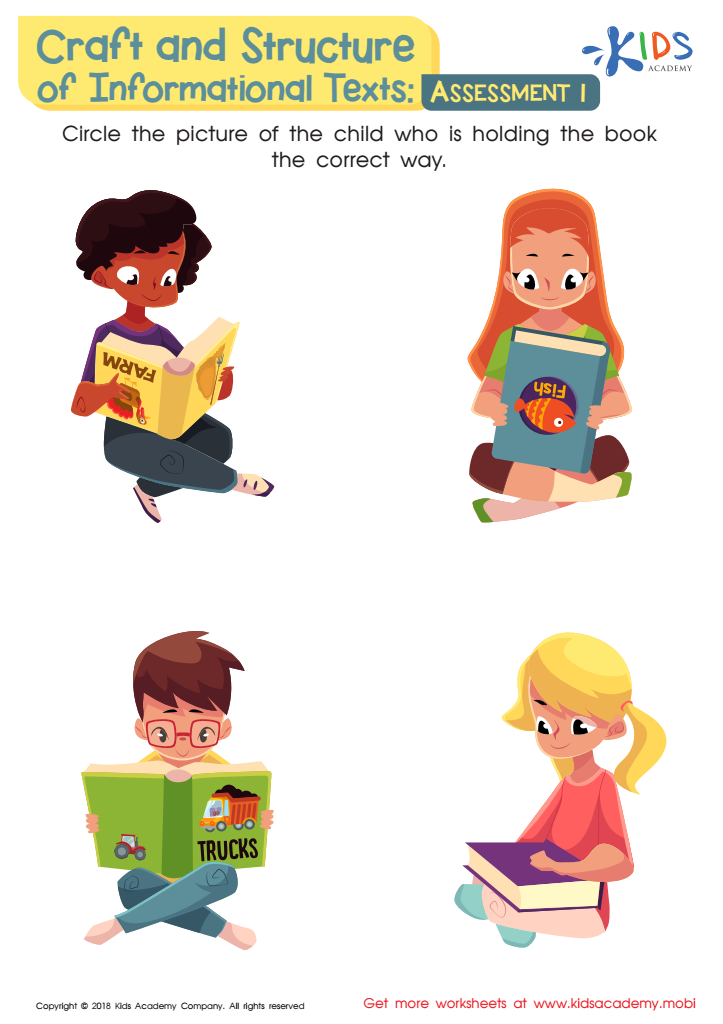
Craft and Structure of Informational Texts: Assessment 1 Worksheet
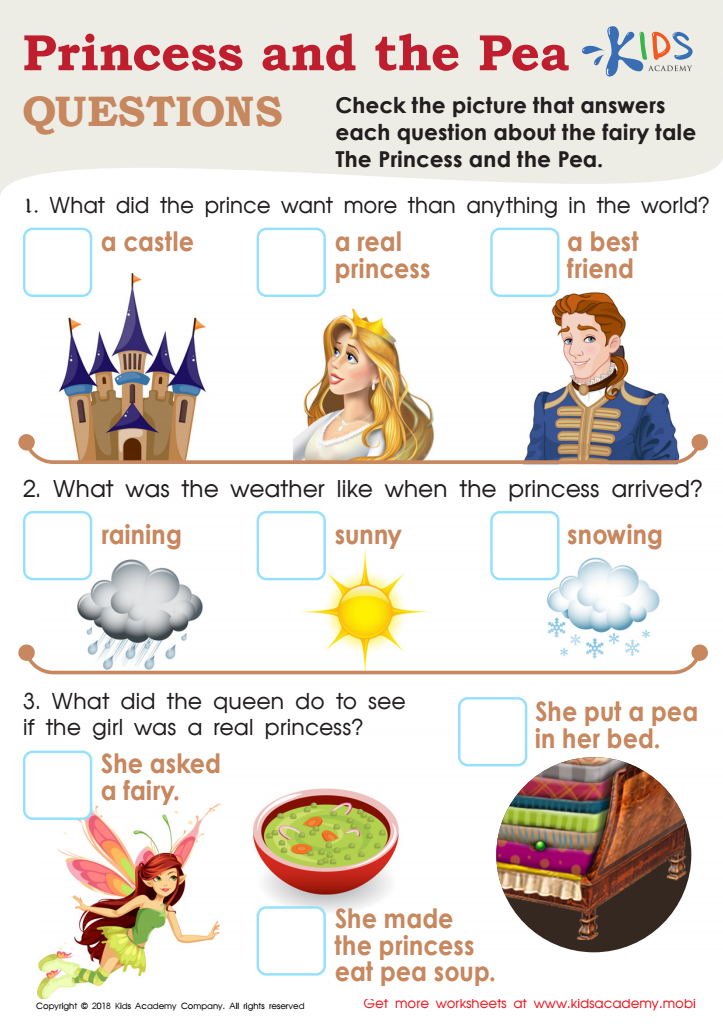
Princess and the Pea Questions Worksheet



.jpg)




Parents and teachers should prioritize Critical Thinking Reading Comprehension for 4-year-olds because it lays a vital foundation for cognitive development and lifelong learning. At this age, children are naturally curious and absorb information rapidly, making it the perfect time to introduce concepts that encourage critical thinking. Engaging in critical thinking equips children with the skills to analyze information, make connections, and draw conclusions, which are essential for problem-solving and decision-making later in life.
Reading comprehension, on the other hand, promotes language development, vocabulary enrichment, and the ability to understand and retell stories. When children start developing these skills early, they are better prepared for more complex tasks in later grades, such as independent reading, writing, and subject-specific learning.
Combining reading comprehension with critical thinking activities (like asking open-ended questions about a story) helps children understand not just the “what” but the “why” and “how” of narratives. This method fosters deeper engagement with the material, enhancing their cognitive abilities.
Moreover, these skills are closely linked to emotional understanding and socio-emotional learning. When children understand the motivations and feelings of characters in a story, they become better at empathizing with others in real life. Thus, cultivating these skills early equips children with the tools they need for academic success and emotional well-being.








