Critical Thinking Plants and Animals Worksheets for 4-Year-Olds
3 filtered results
-
From - To
Explore our engaging "Critical Thinking Plants and Animals Worksheets" designed specifically for 4-year-olds! These interactive worksheets encourage young learners to develop essential cognitive skills through fun activities related to plants and animals. From identifying different species to sorting and categorizing, each worksheet aims to stimulate curiosity and enhance problem-solving abilities. Perfect for early childhood education settings or at-home learning, these resources offer a creative way to explore the wonders of nature while fostering critical thinking skills. Get your little ones excited about learning with our vibrant, easy-to-use worksheets that make science both enjoyable and educational! Start their journey of discovery today!
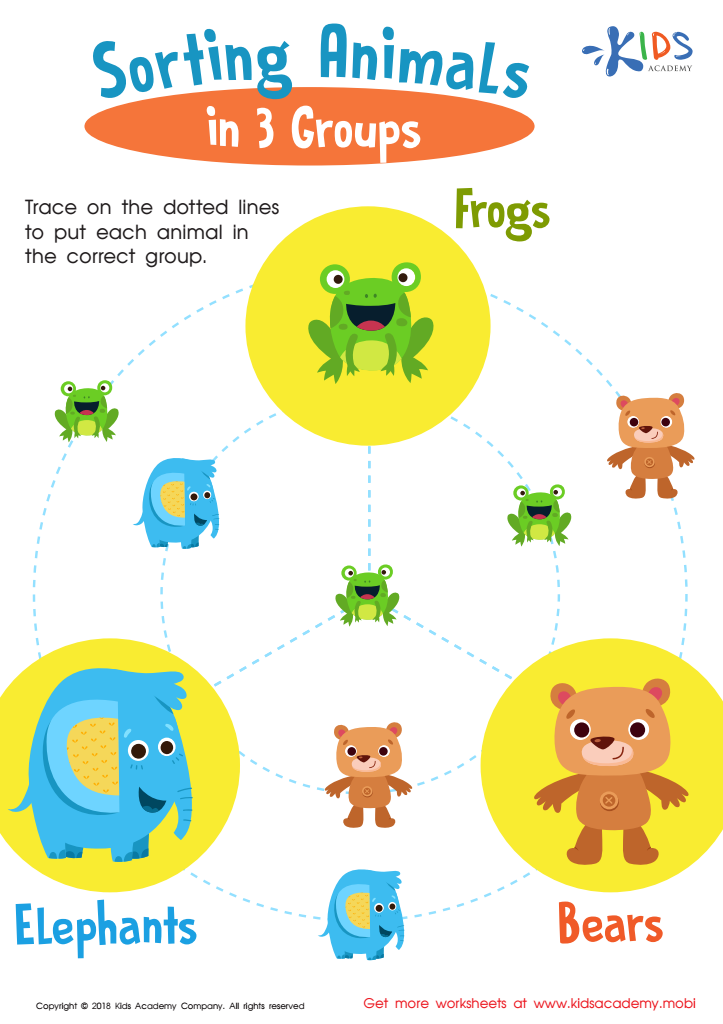
Sorting Animals in 3 Groups Worksheet
 Assign to My Students
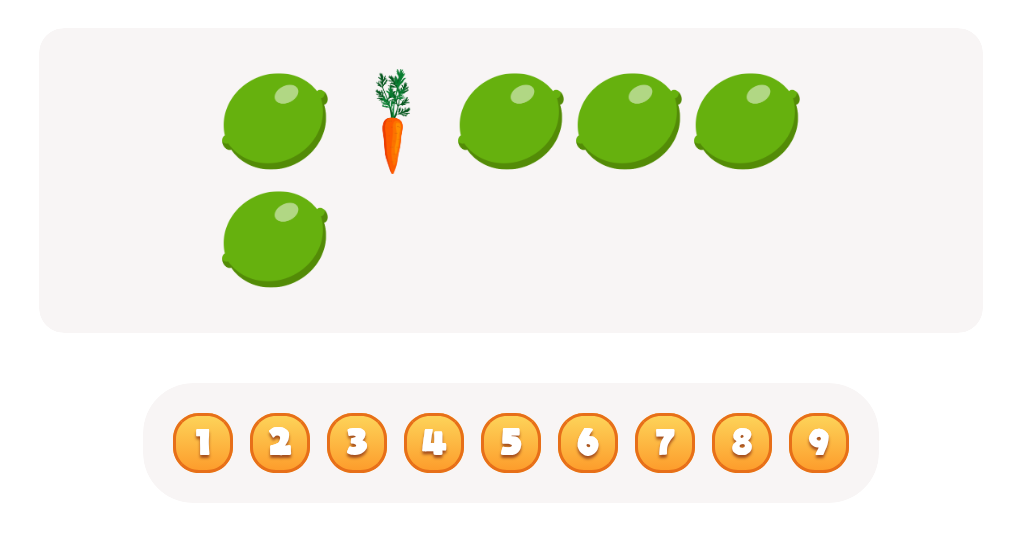

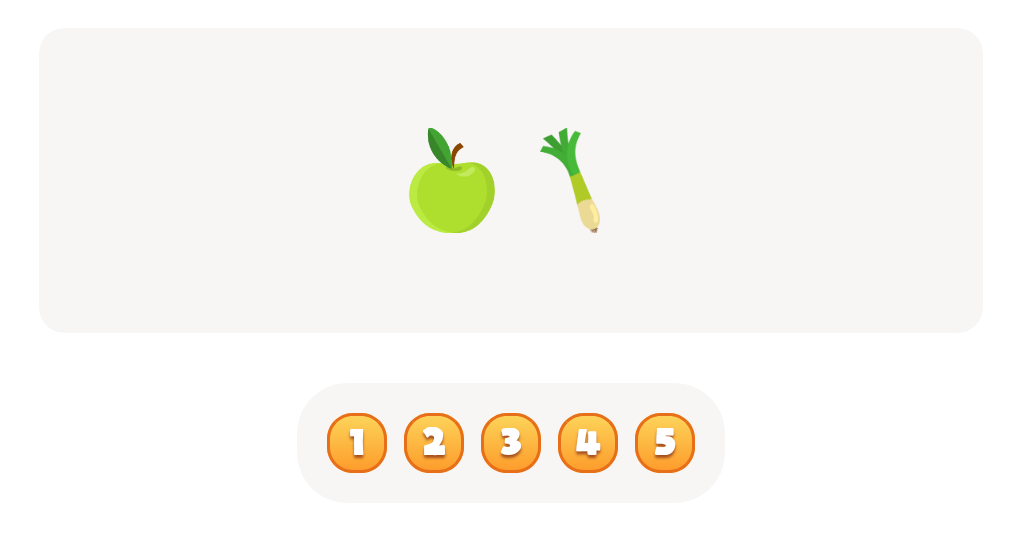
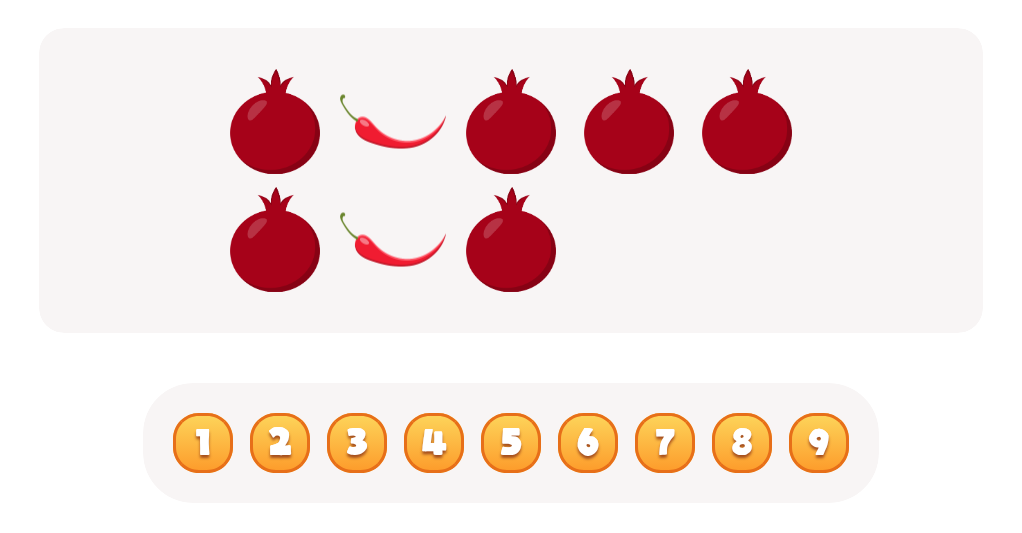
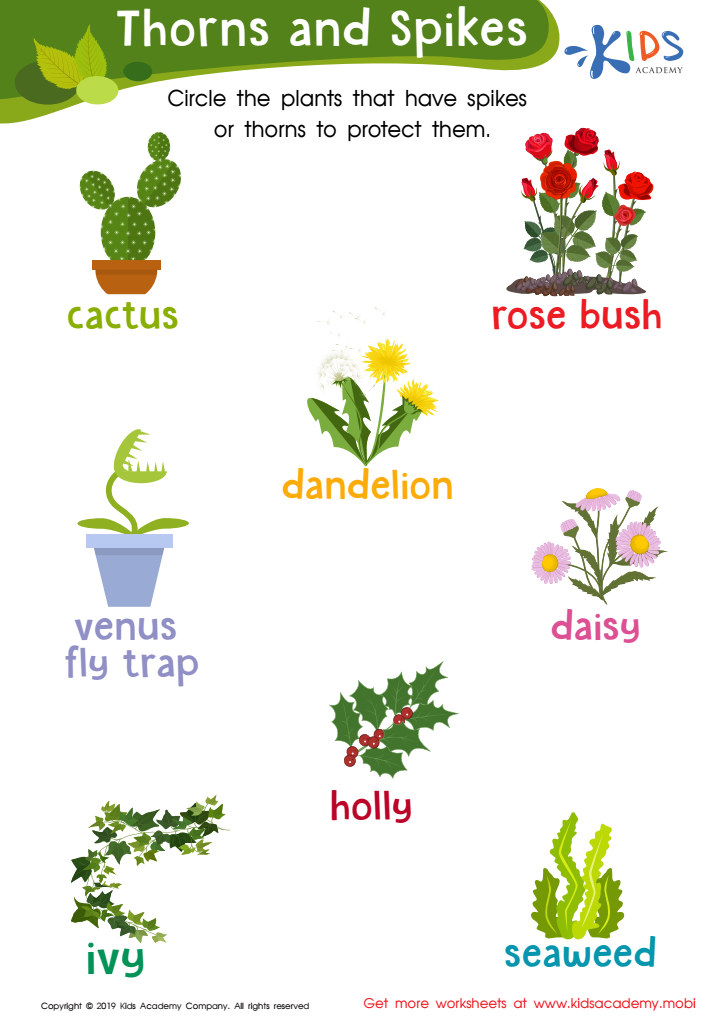
Thorns and Spikes Worksheet
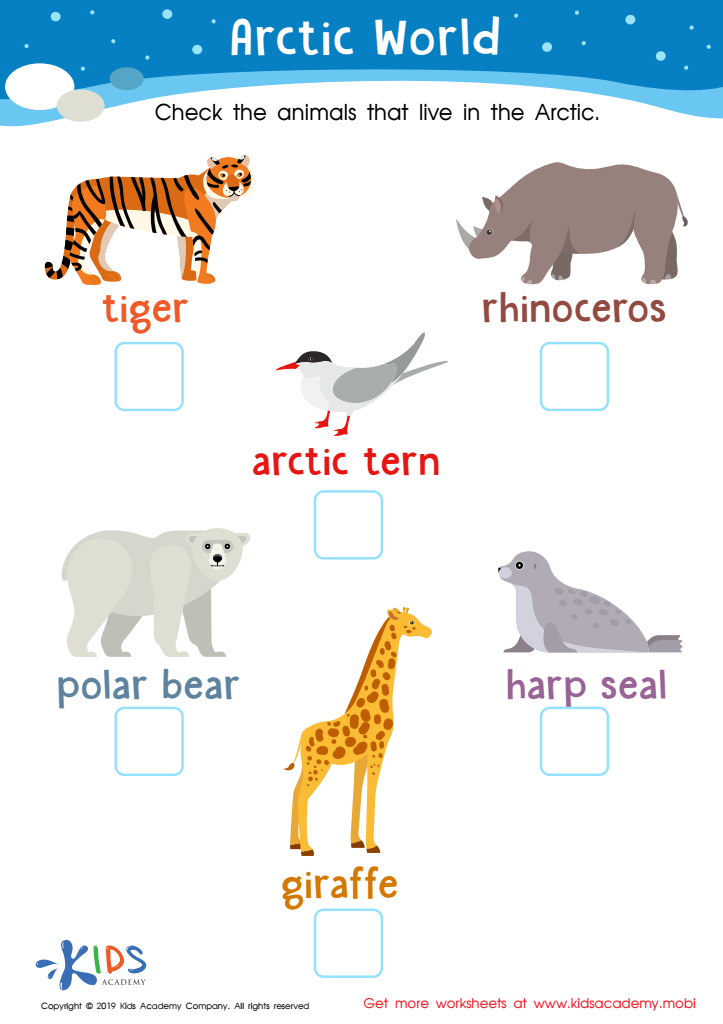
Arctic World Worksheet








Critical thinking skills are essential for young learners, particularly in the context of exploring plants and animals. For 4-year-olds, engaging with nature stimulates curiosity and fosters a deeper understanding of their environment, allowing them to ask questions, make observations, and draw connections. Parents and teachers should prioritize critical thinking about plants and animals because it lays the foundation for scientific reasoning and promotes inquiry-based learning.
At this age, children are naturally inquisitive and eager to explore. Encouraging them to think critically about the plants and animals around them enables them to develop important skills such as questioning, analyzing, and problem-solving. For instance, discussing why a plant needs sunlight or how animals adapt to their habitat helps children make sense of the natural world.
Moreover, these activities enhance cognitive development by promoting exploration and observation, which are vital components of critical thinking. When children interact directly with nature, they learn empathy and respect for living things, nurturing a sense of responsibility for the environment. By integrating critical thinking into early childhood experiences with plants and animals, parents and teachers equip children with lifelong skills that enrich their learning and understanding of the world around them.








