Color recognition Writing Worksheets for 4-Year-Olds
12 filtered results
-
From - To
Explore our engaging Color Recognition Writing Worksheets, specially designed for 4-year-olds! These interactive activities will capture your child's imagination while helping them master color identification and writing skills. Each worksheet features vibrant illustrations and fun prompts that encourage creativity and learning. As children color and trace, they will enhance their fine motor skills and develop their ability to recognize and differentiate colors. Perfect for home or classroom use, these worksheets are an effective resource to support early learners in shaping their understanding of colors and improving their writing proficiency. Download our colorful resources today and watch your toddler thrive!
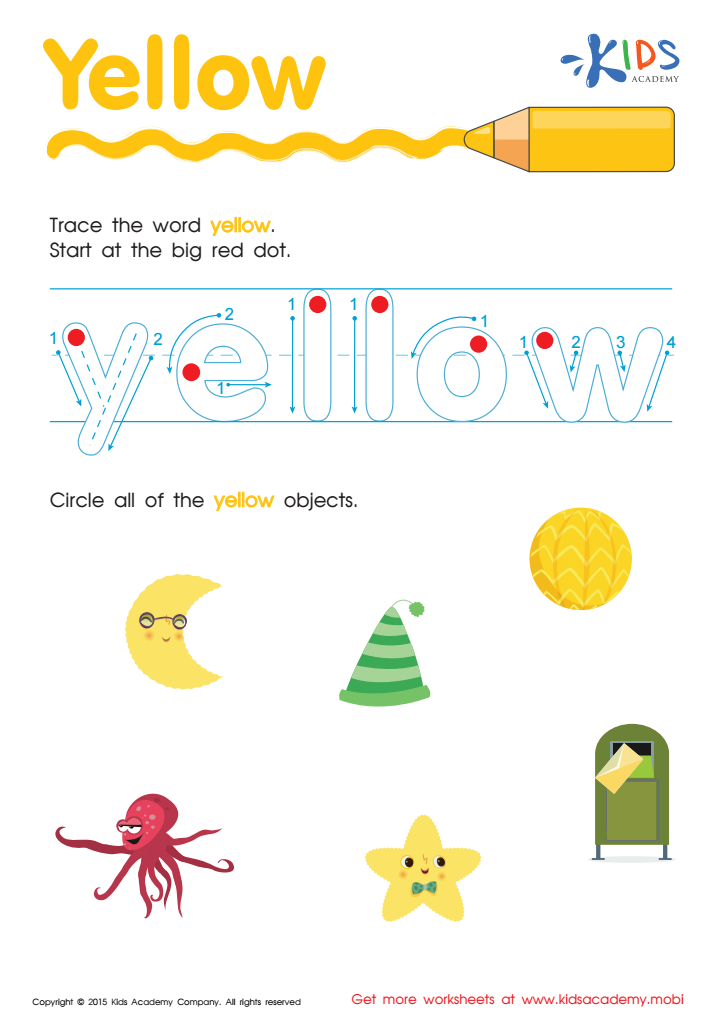
Yellow Tracing Color Words Worksheet
 Assign to My Students
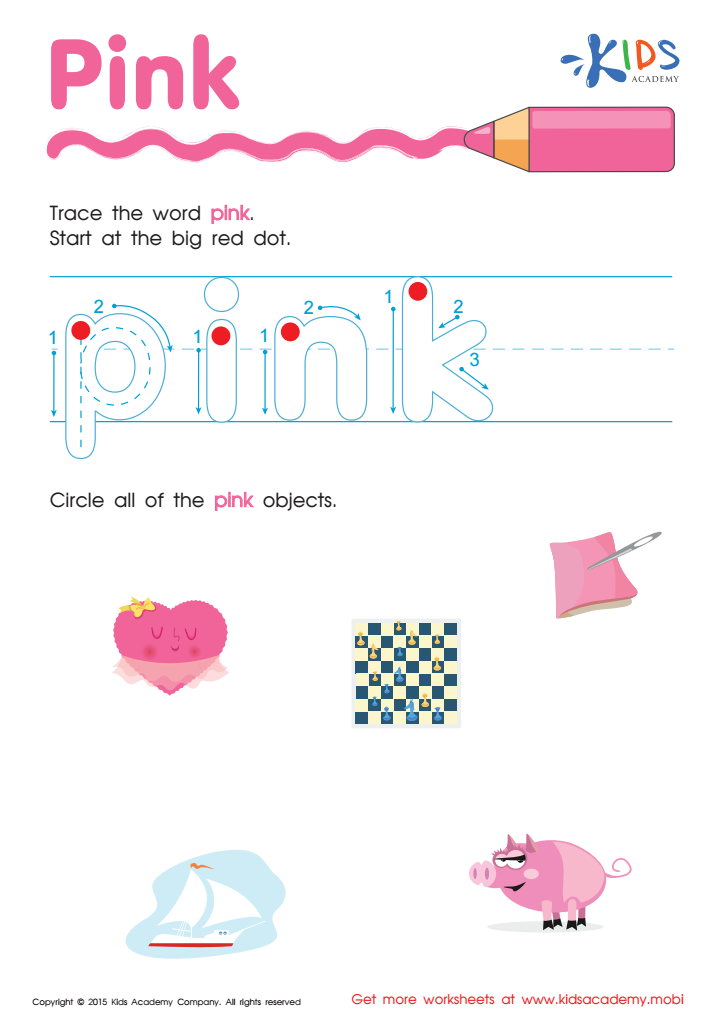
Pink Tracing Color Words Worksheet
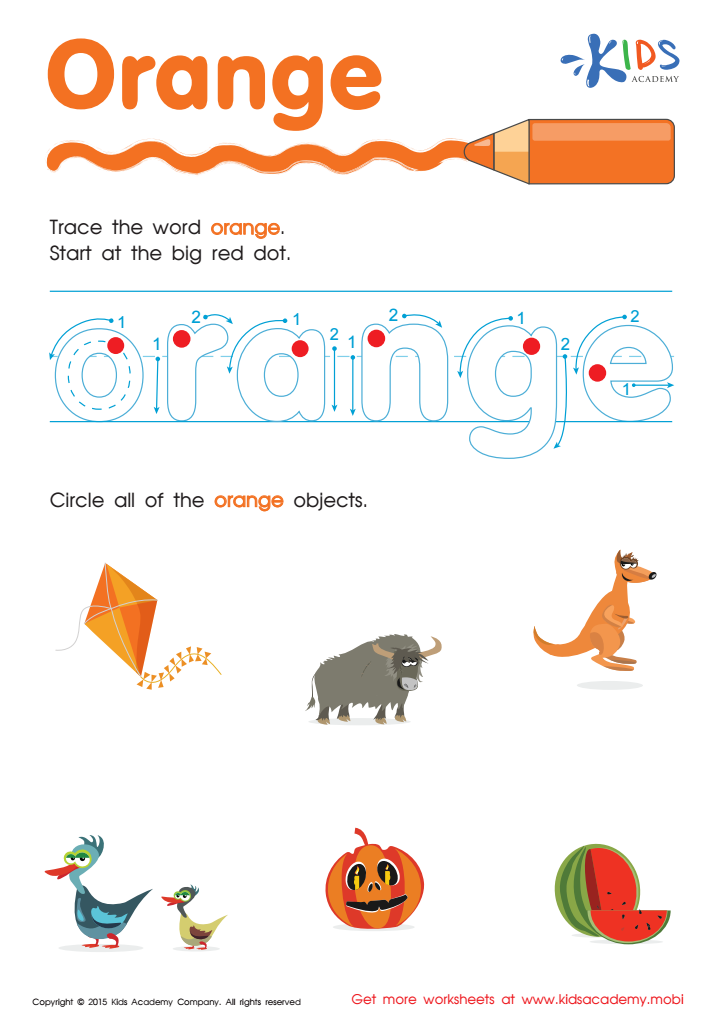
Orange Tracing Color Words Worksheet
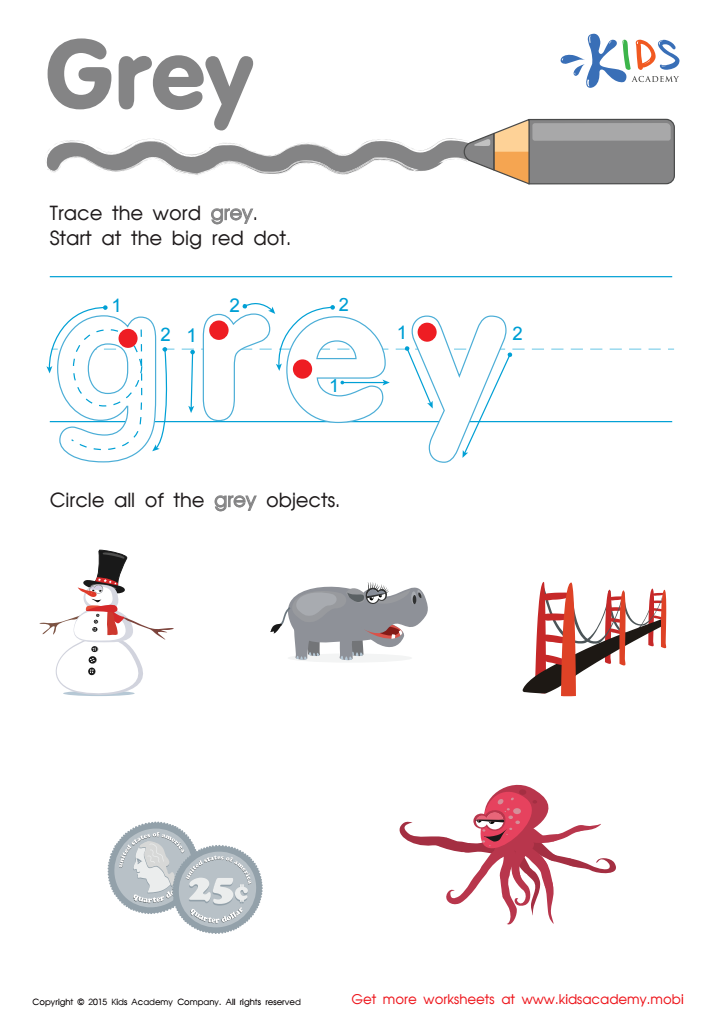
Grey Tracing Color Words Worksheet
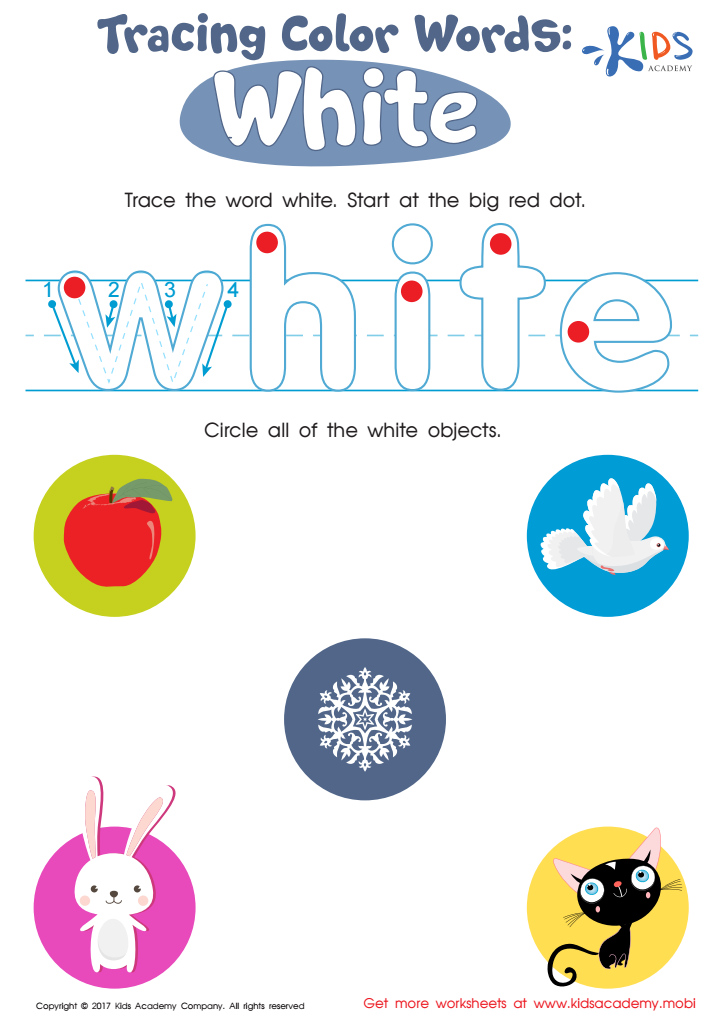
White Tracing Color Words Worksheet
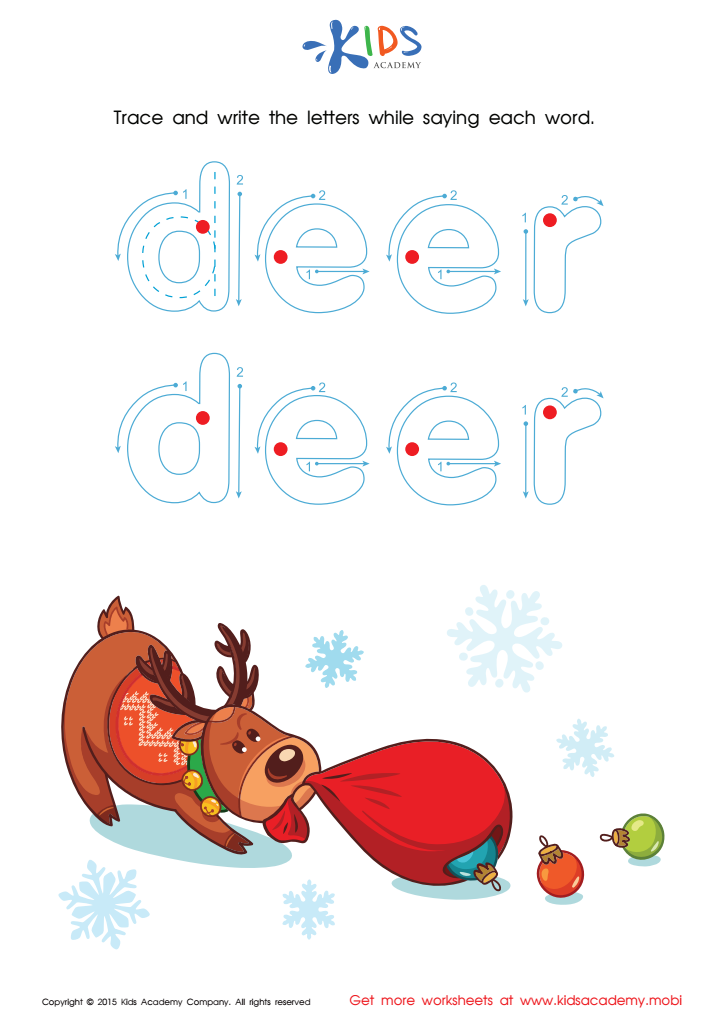
Deer Tracing Winter Words Worksheet
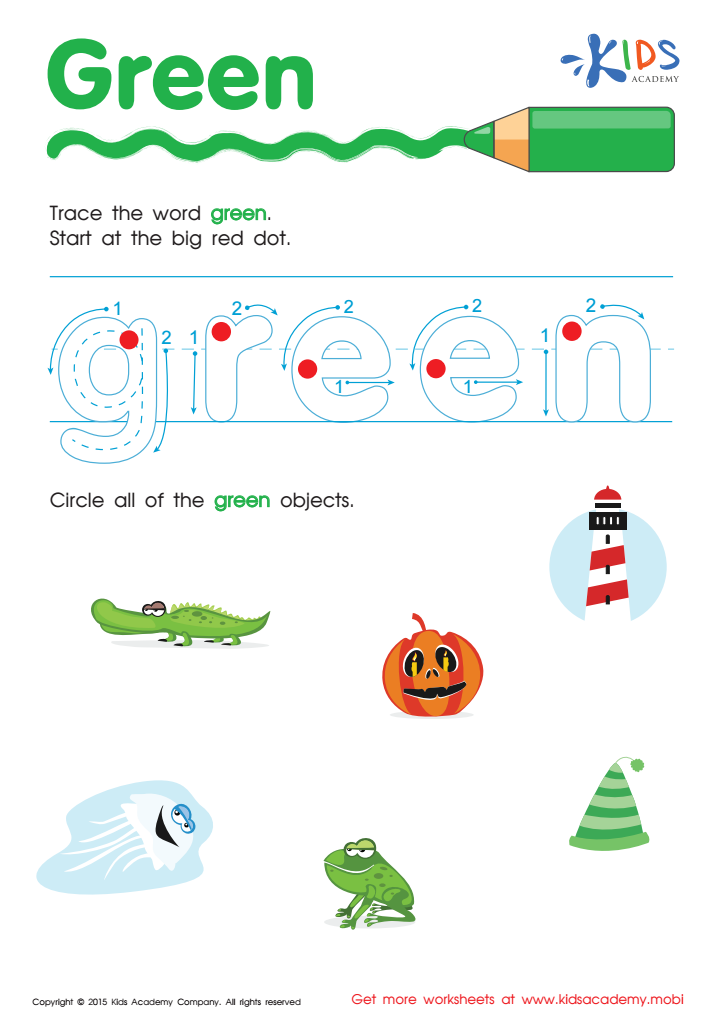
Green Tracing Color Words Worksheet
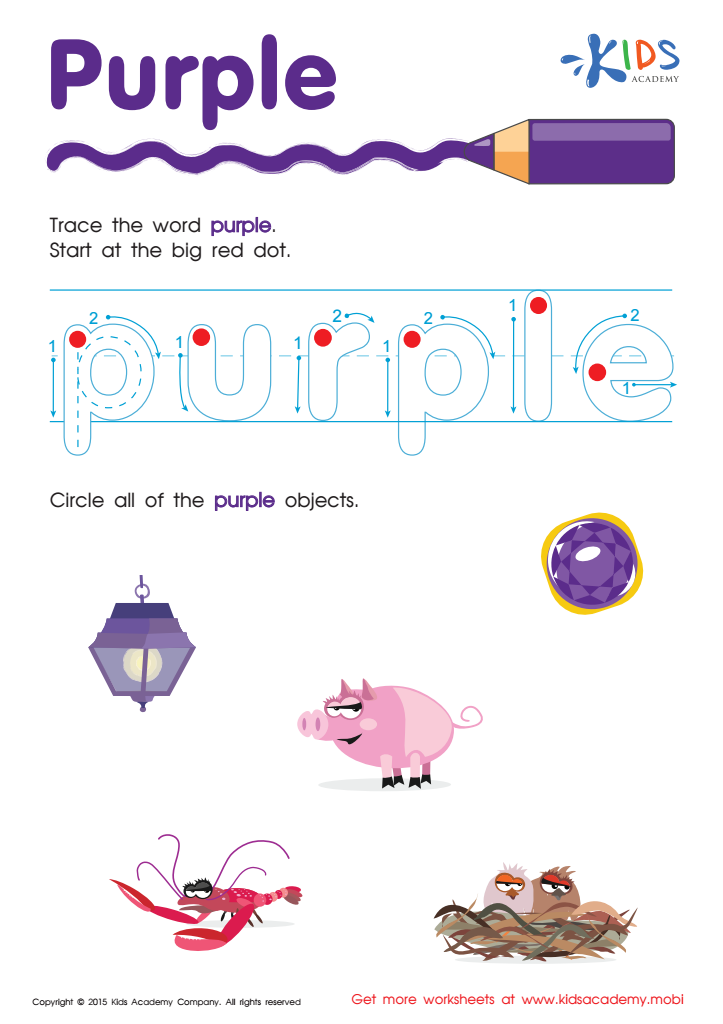
Purple Tracing Color Words Worksheet
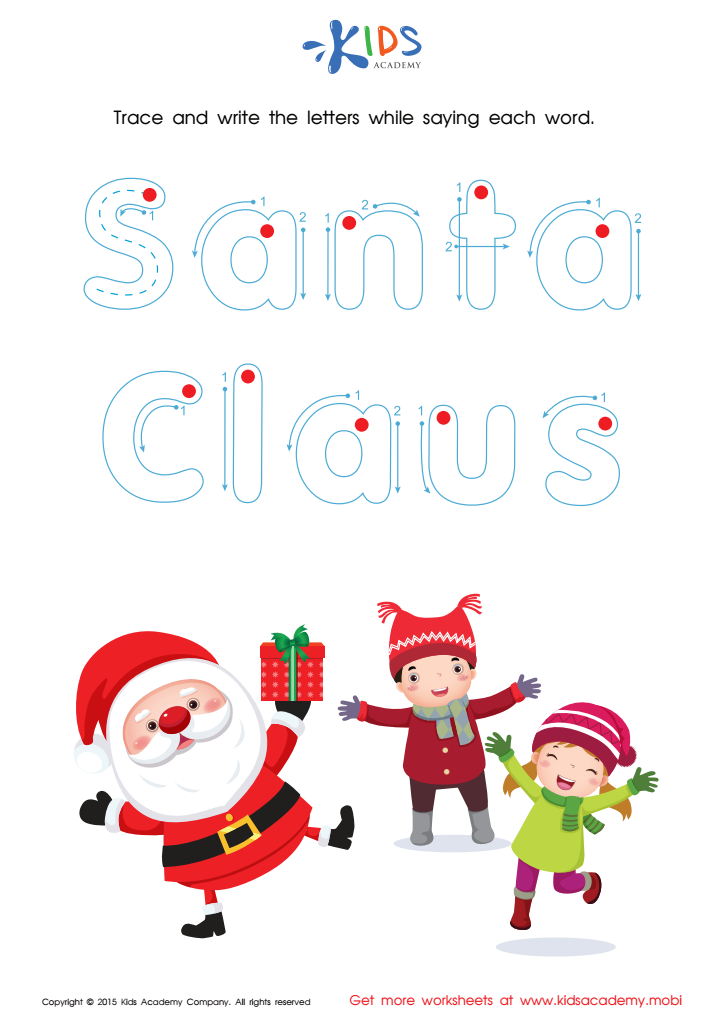
Santa Claus Tracing Winter Words Worksheet
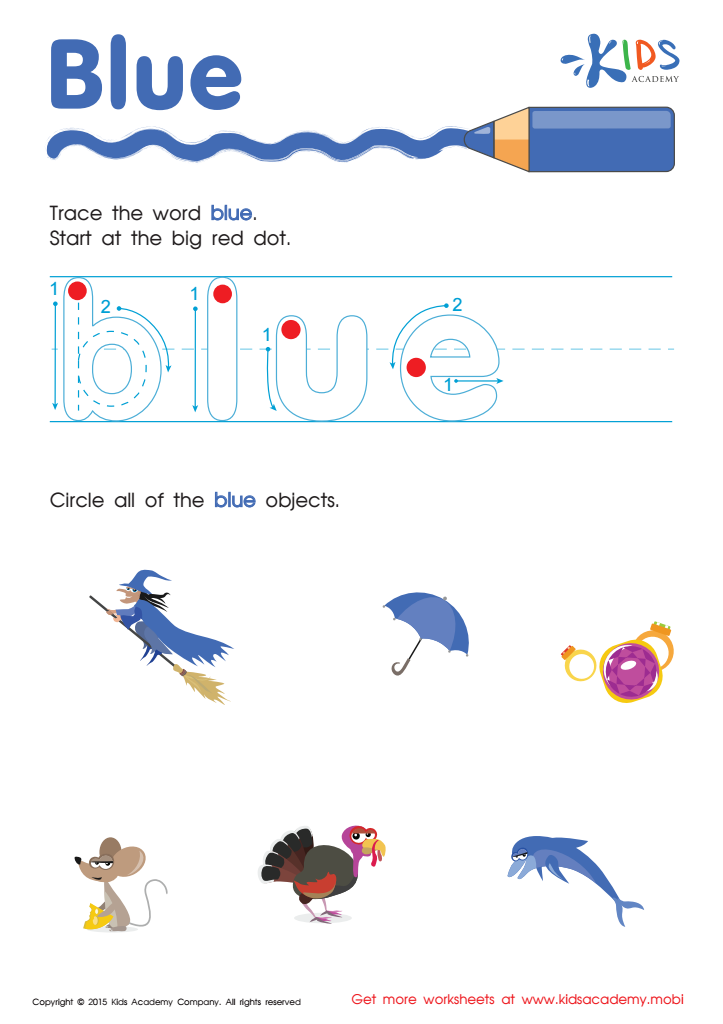
Blue Tracing Color Words Printable
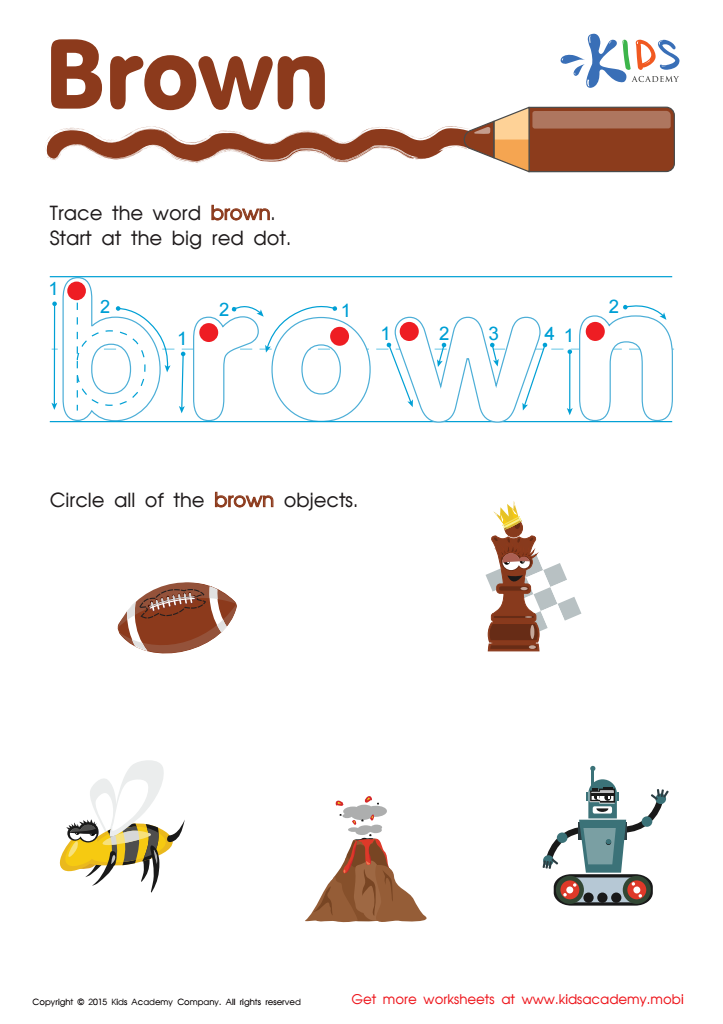
Brown Tracing Color Words Worksheet
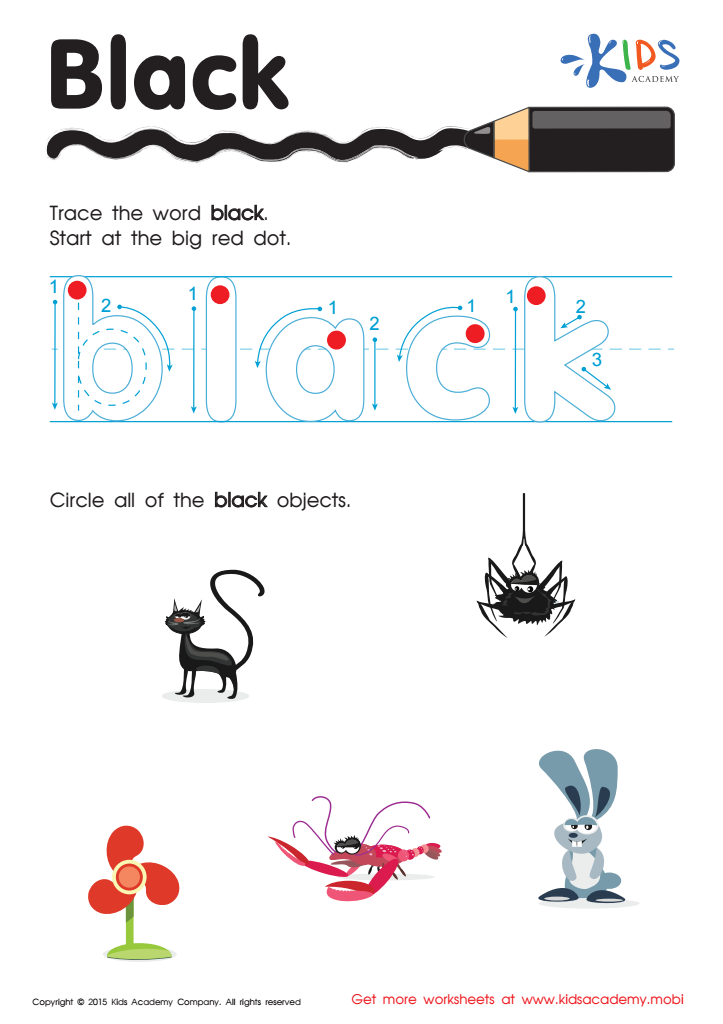
Black Tracing Color Words Printable








Color recognition is a fundamental skill that supports the cognitive, emotional, and social development of 4-year-olds. As children interact with their environment, identifying and naming colors becomes essential for their learning process. For parents and teachers, encouraging color recognition through writing activities is vital for several reasons.
First, color recognition enhances language development; children learn to articulate their thoughts as they describe colors in their surroundings. Writing activities incorporating colors can foster creativity, allowing young learners to express themselves through drawings and written descriptions. This not only builds fine motor skills but also engages their imagination.
Second, recognizing colors aids in developing critical thinking and problem-solving skills. Children learn to categorize and group objects, laying the groundwork for later mathematical concepts.
Moreover, using colors in learning promotes emotional expression; as children understand the meanings behind different colors, they can connect these feelings to their writing and artwork.
Finally, early mastery of color recognition encourages a sense of accomplishment, boosting self-esteem and motivation. Overall, parents and teachers who prioritize color recognition writing activities contribute significantly to a child’s overall development, preparing them for future academic success and fostering a lifelong love of learning.








