Spelling practice Alphabet Worksheets for Ages 5-6 - Page 2
45 filtered results
-
From - To
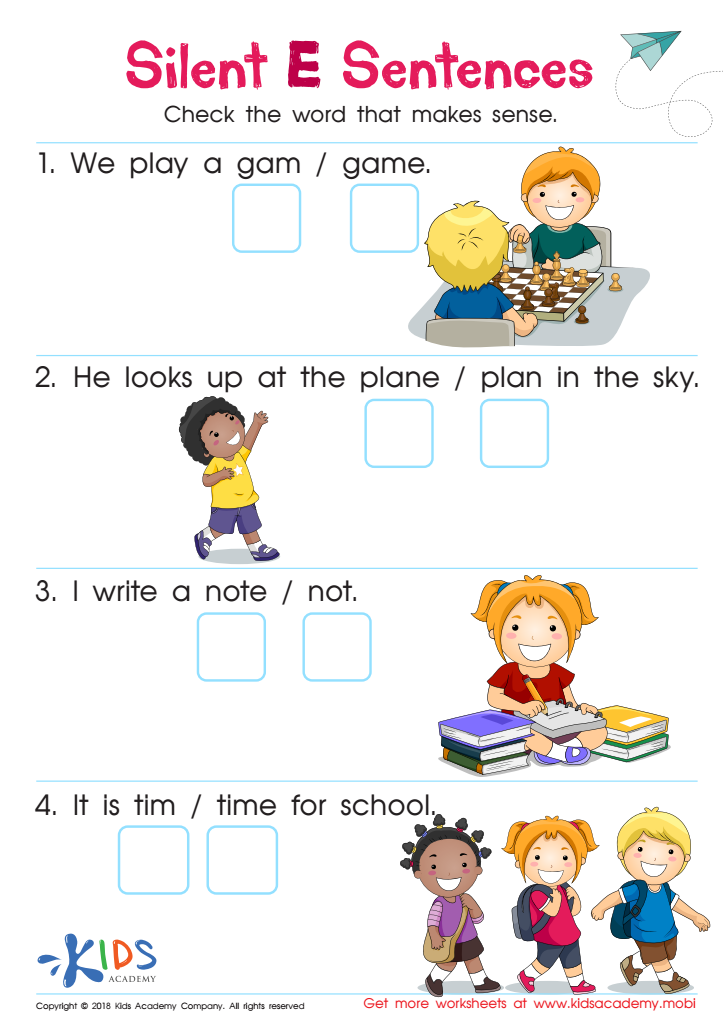
Silent E Sentences Worksheet
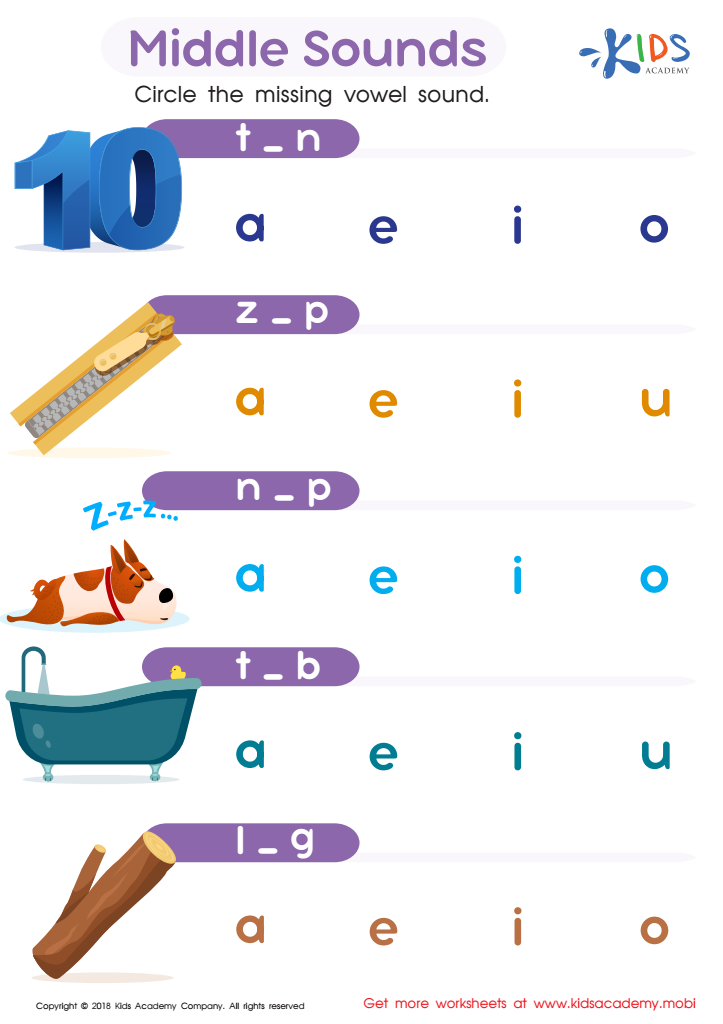
Middle Sounds Worksheet
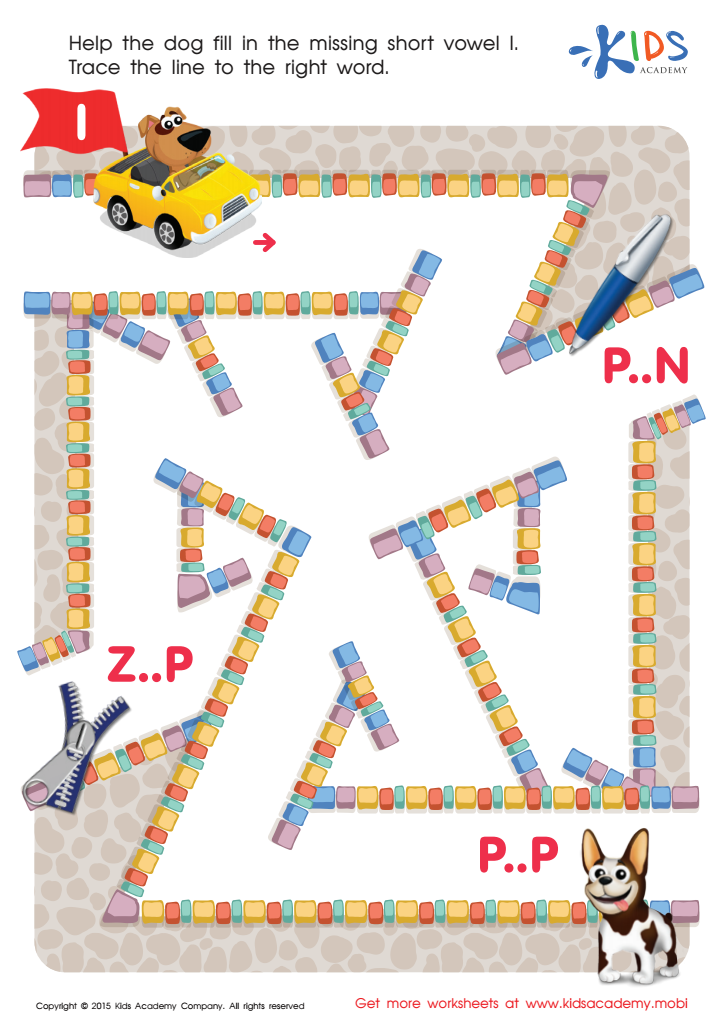
Short Vowel Sound I Worksheet
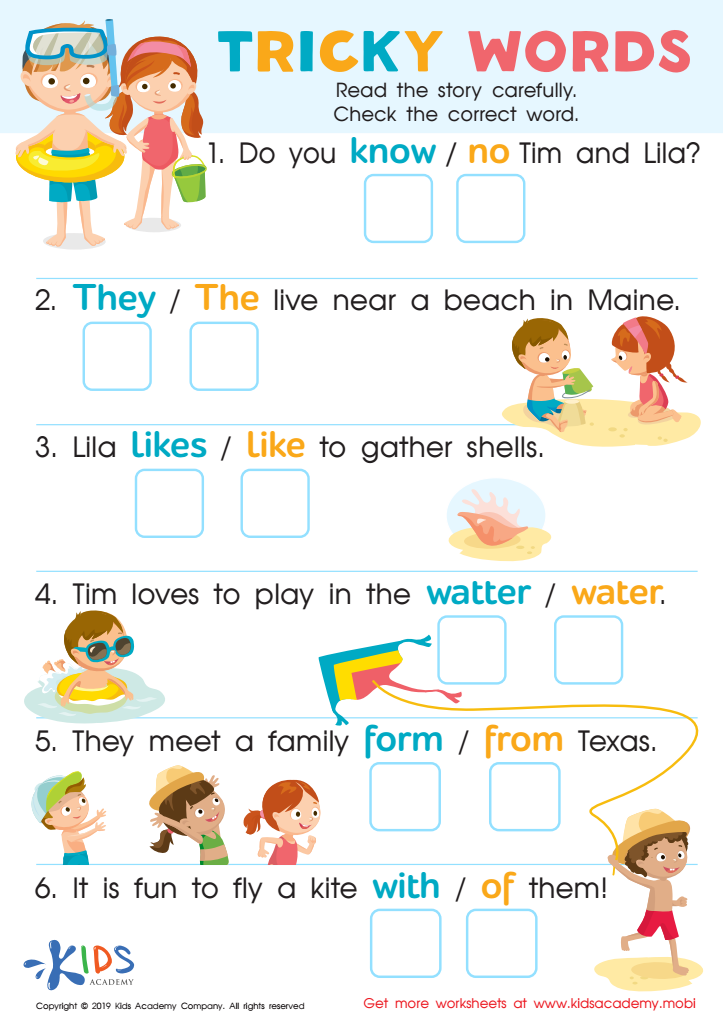
Tricky Words Worksheet
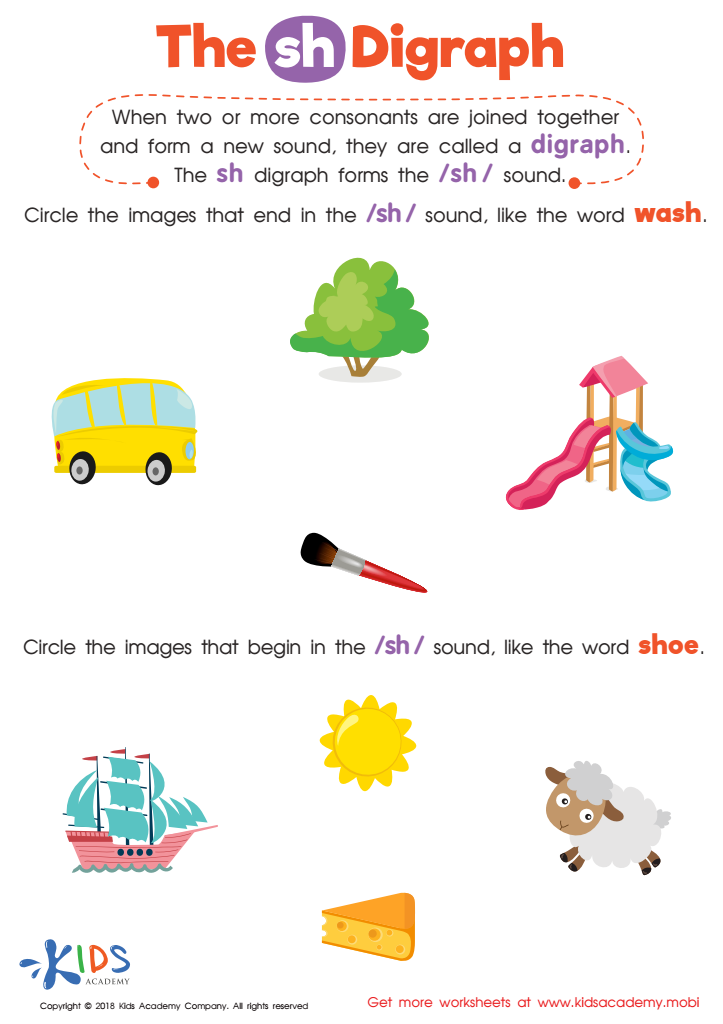
The SH Digraph Worksheet
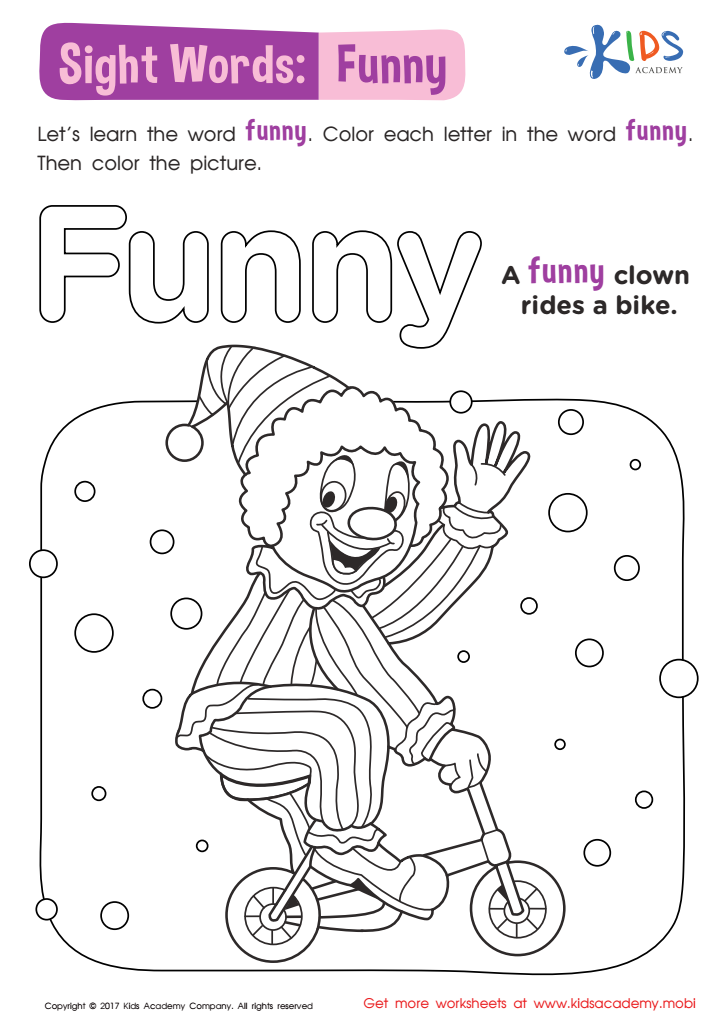
Funny Worksheet Sight Words Worksheet
 Assign to My Students
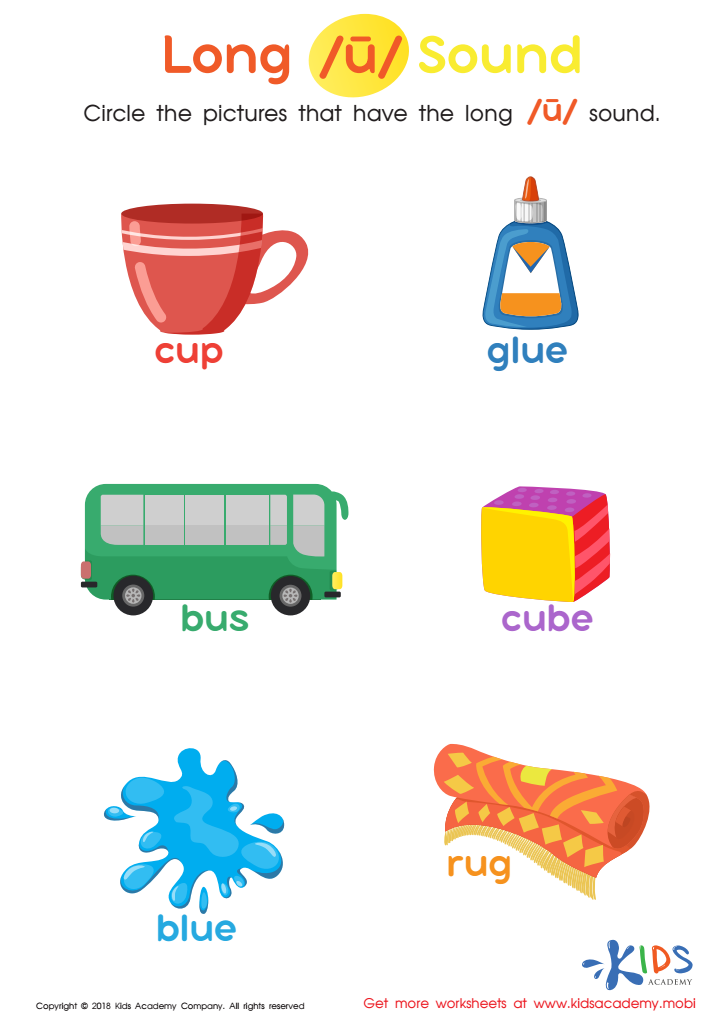
Long «u» Sound Worksheet
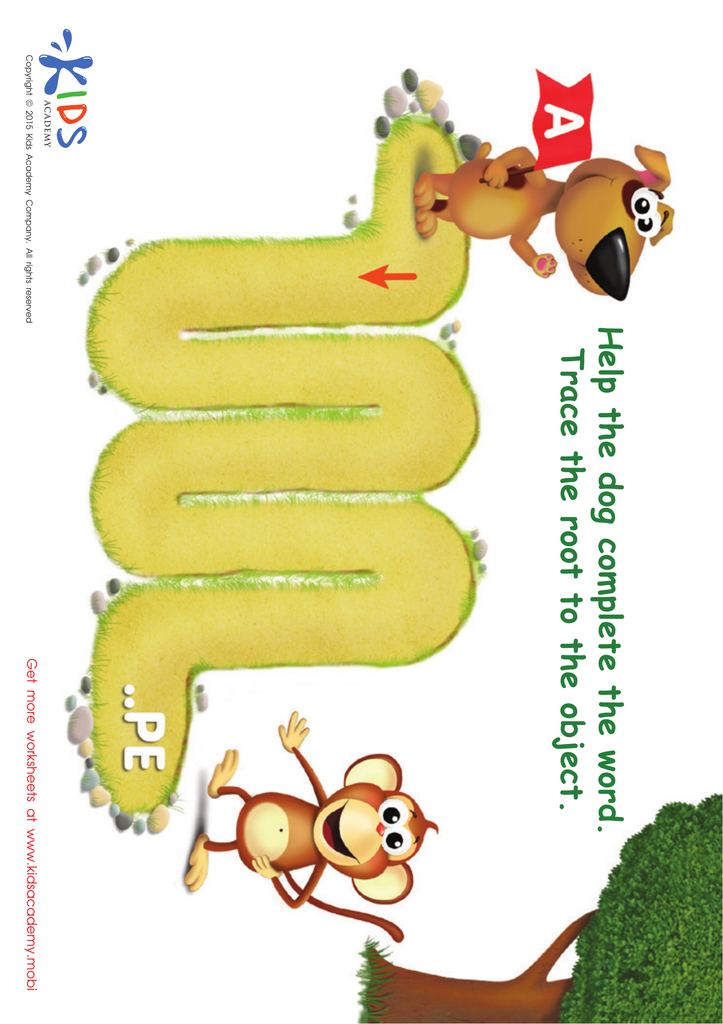
Long Vowel Sound A Worksheet Worksheet
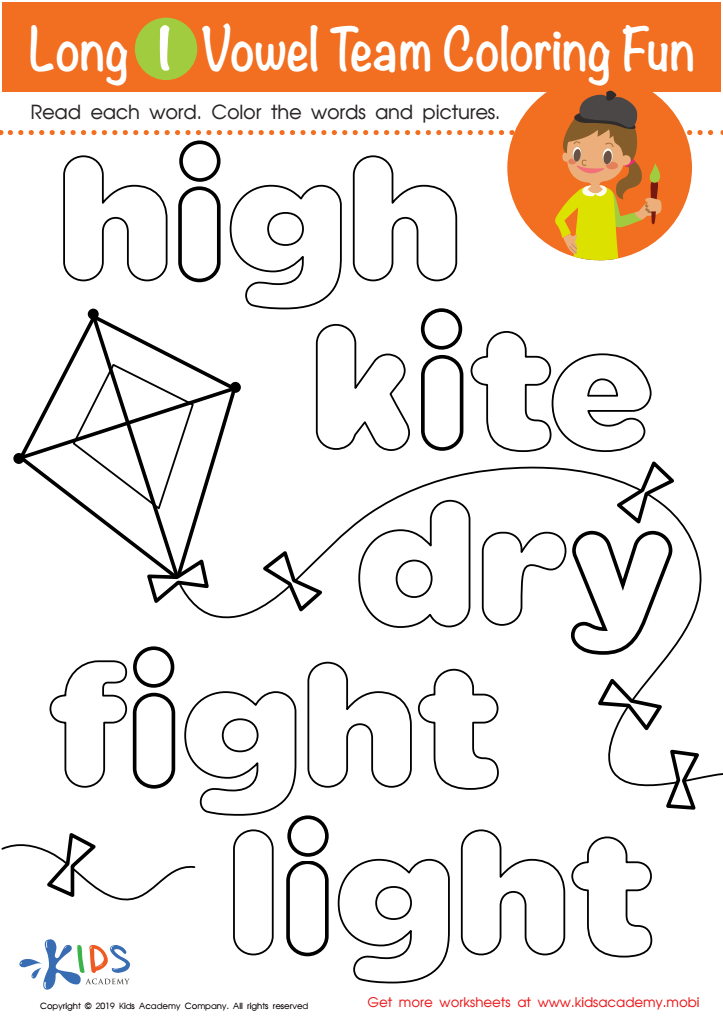
Long I Vowel Team Coloring Worksheet
Assign to My Students
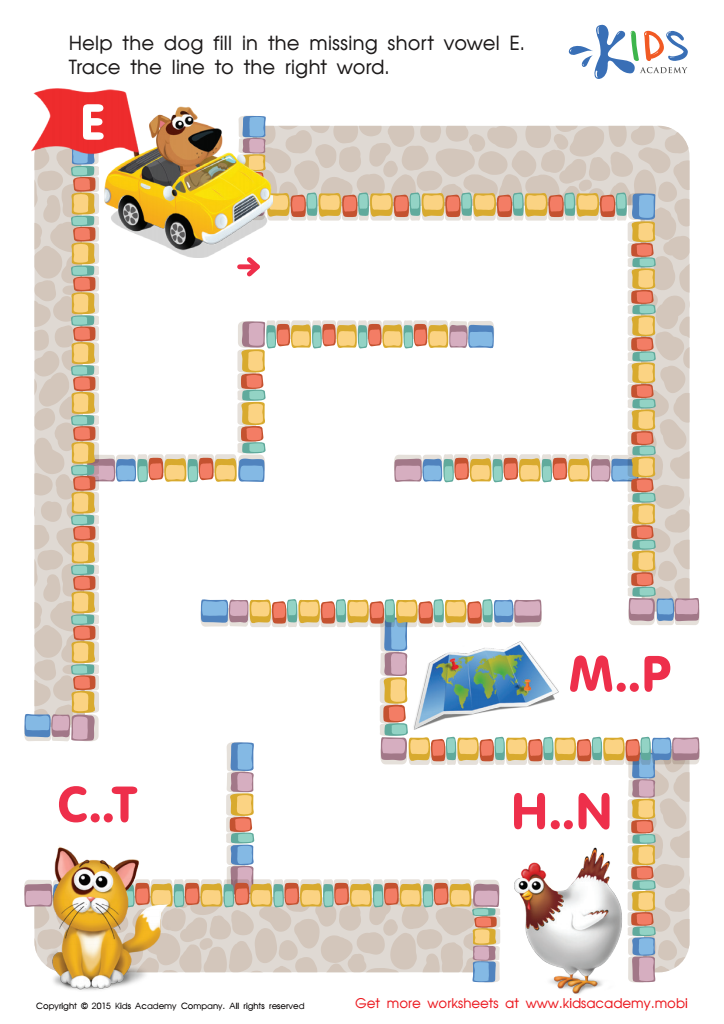
Short Vowel Sound E Worksheet
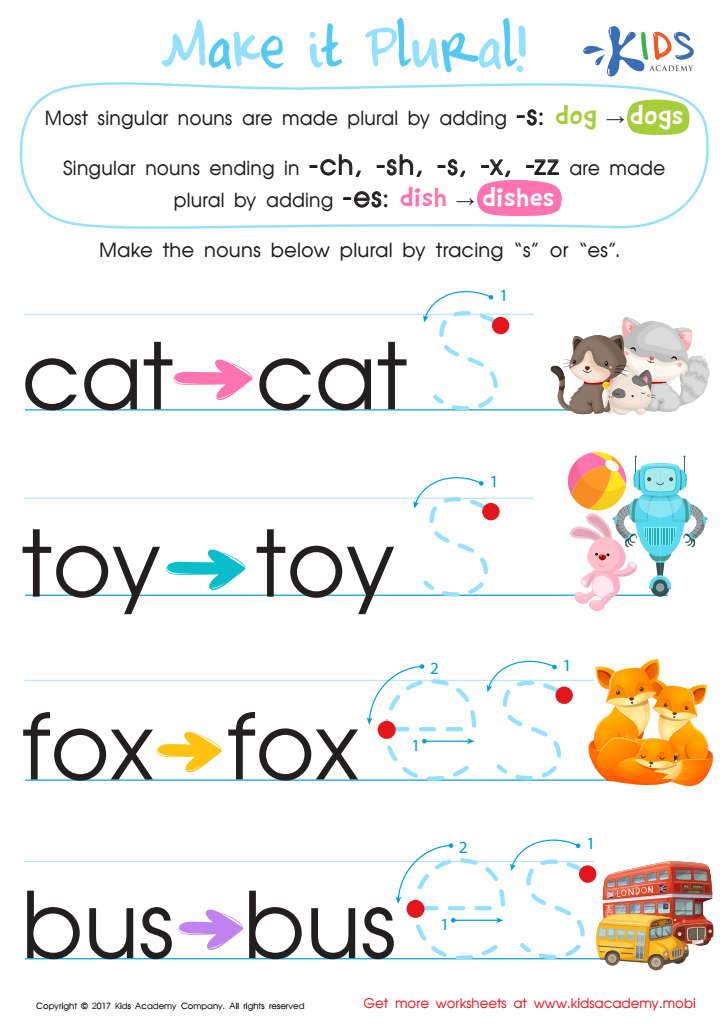
Make it Plural Worksheet
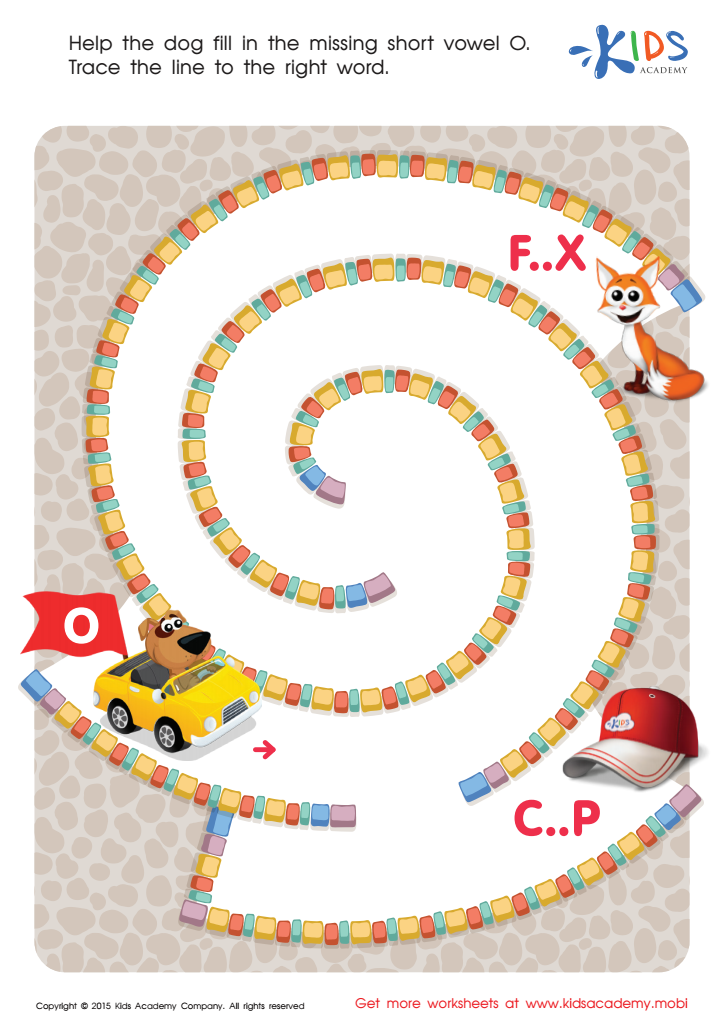
Short Vowel Sound O Worksheet
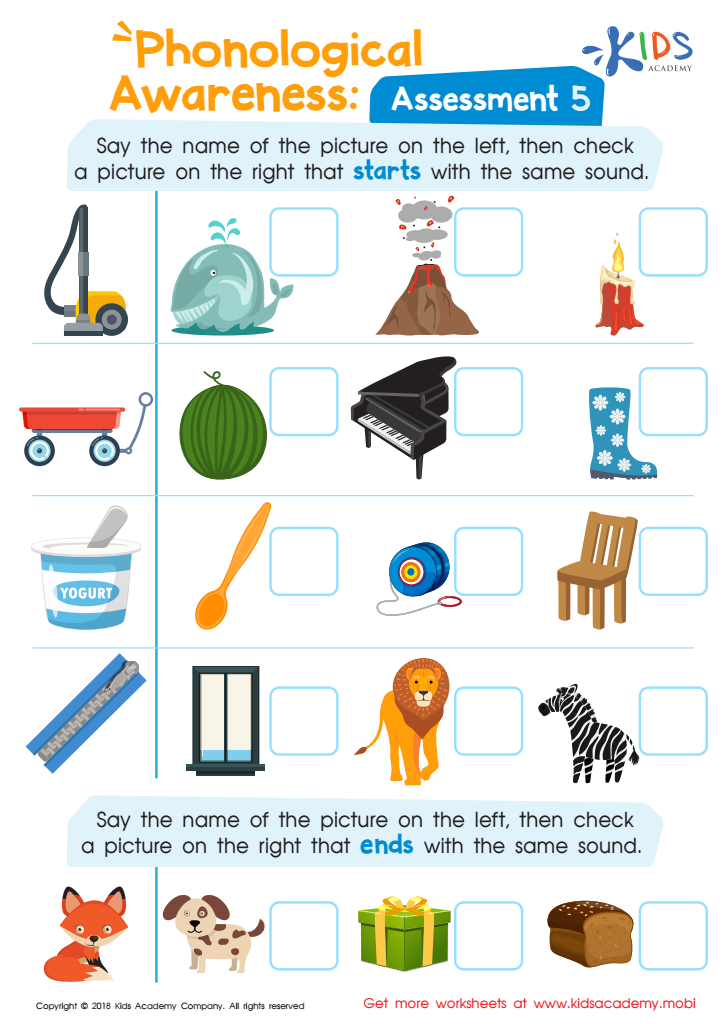
Phonological Awareness: Assessment 5 Worksheet
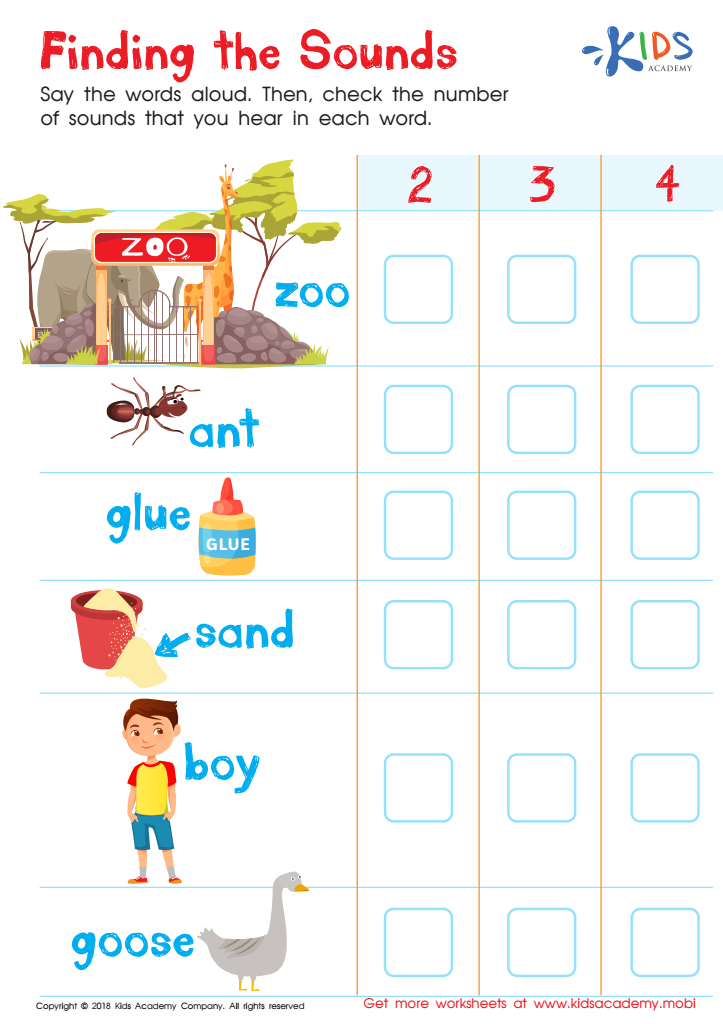
Finding the Sounds Worksheet
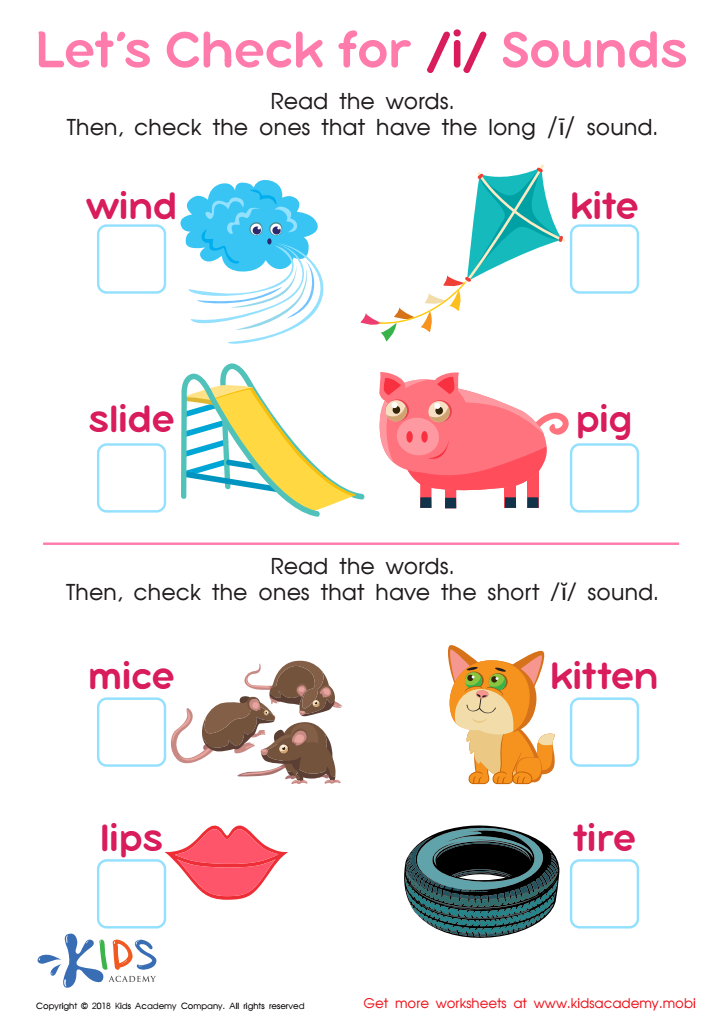
Let's Check for «i» Sounds Worksheet
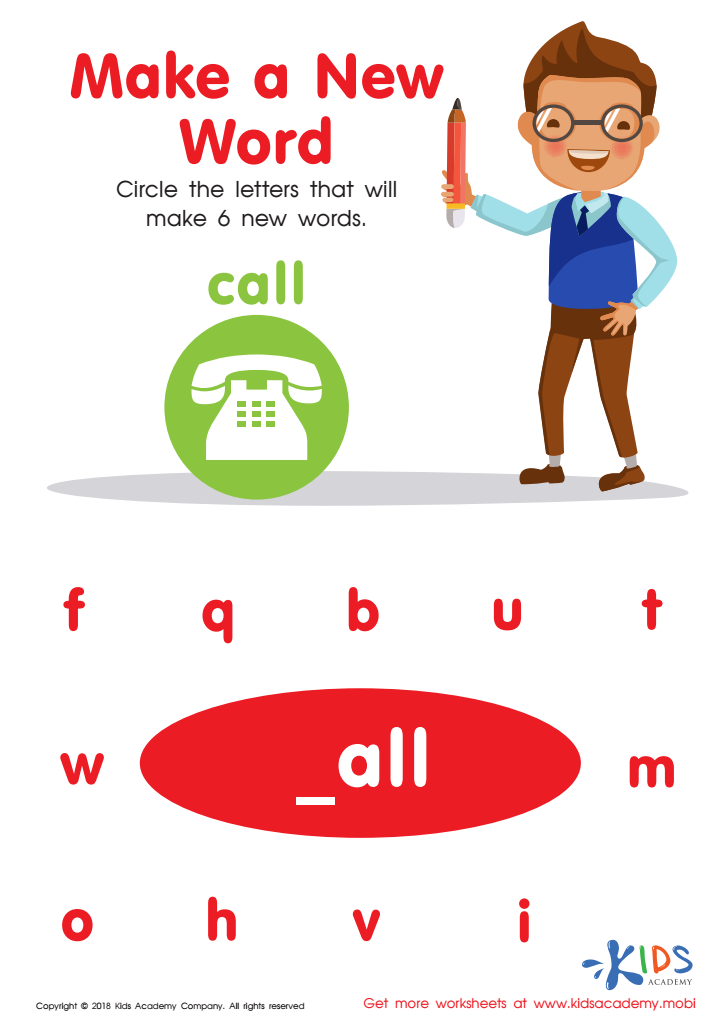
Make a New Word Worksheet
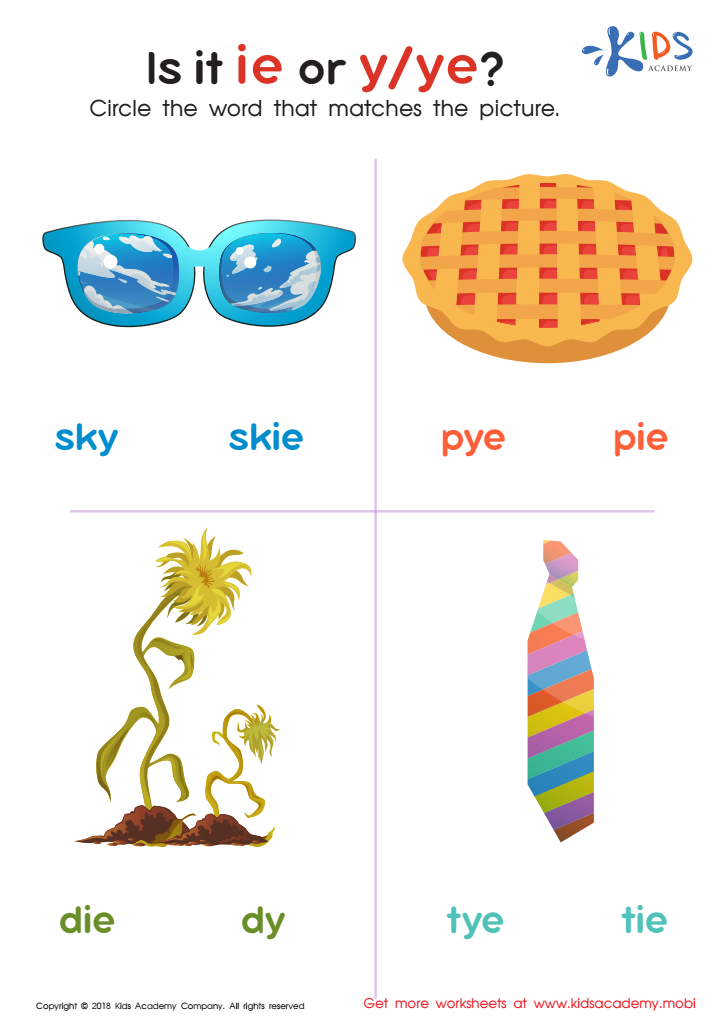
Is It IE or Y/Ye? Worksheet
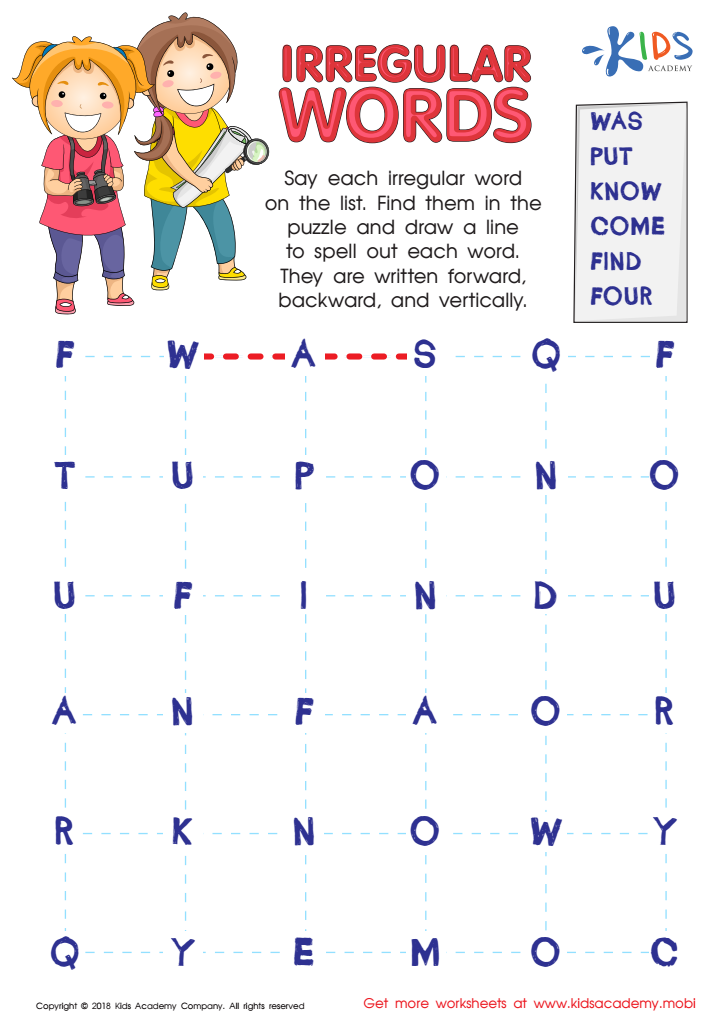
Irregular Words Worksheet
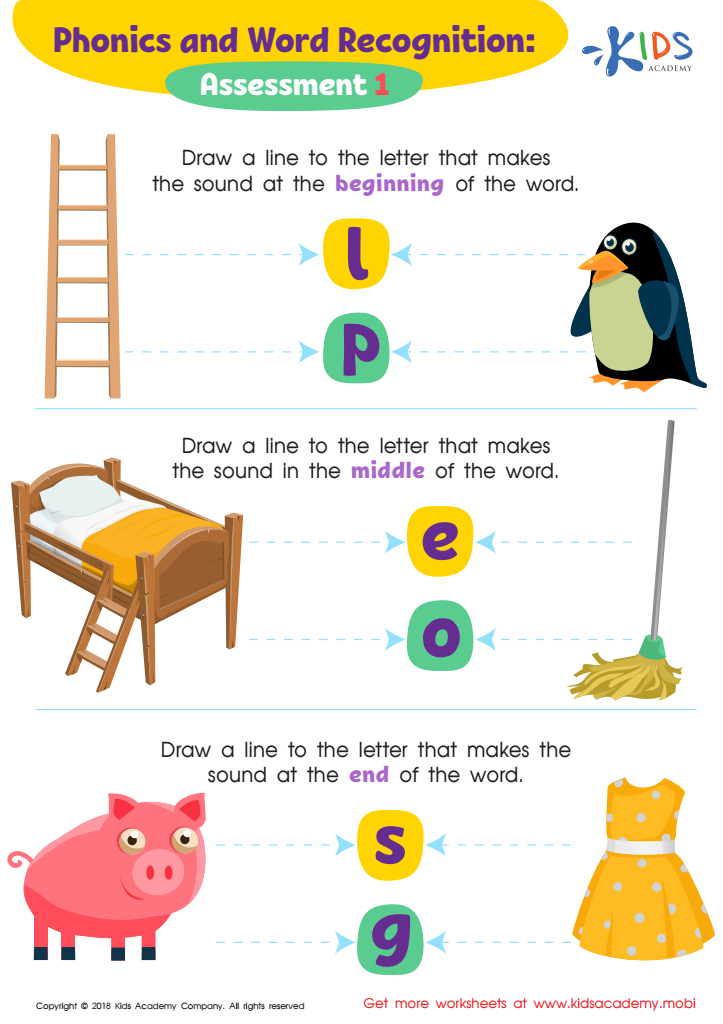
Phonics and Word Recognition: Assessment 1 ELA Worksheet
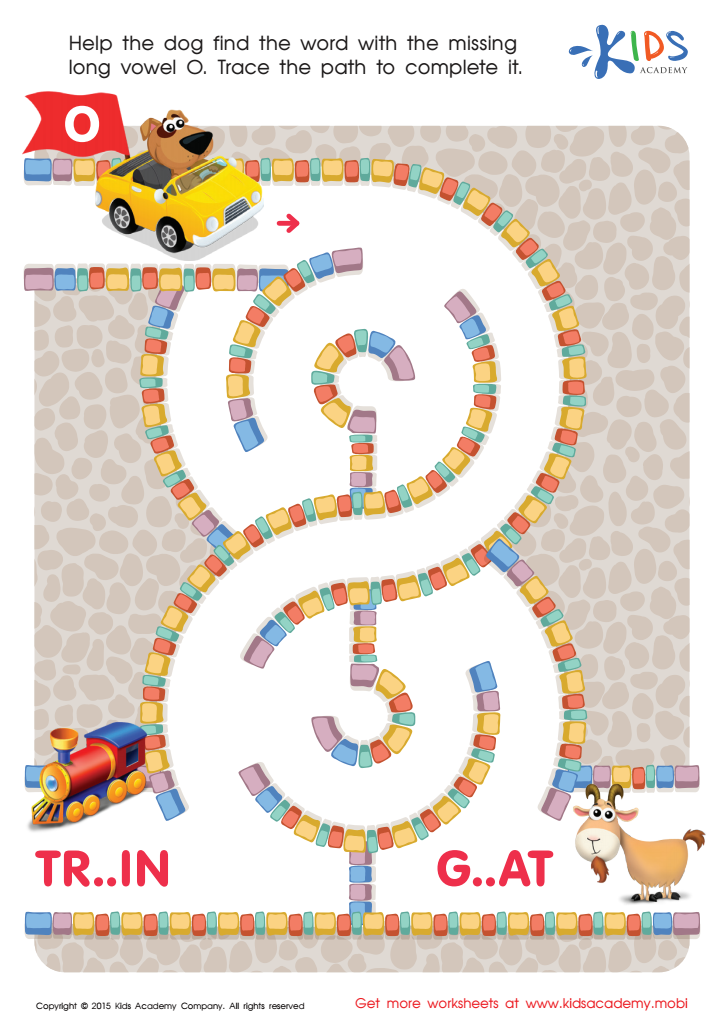
Long Vowel Sound O Worksheet
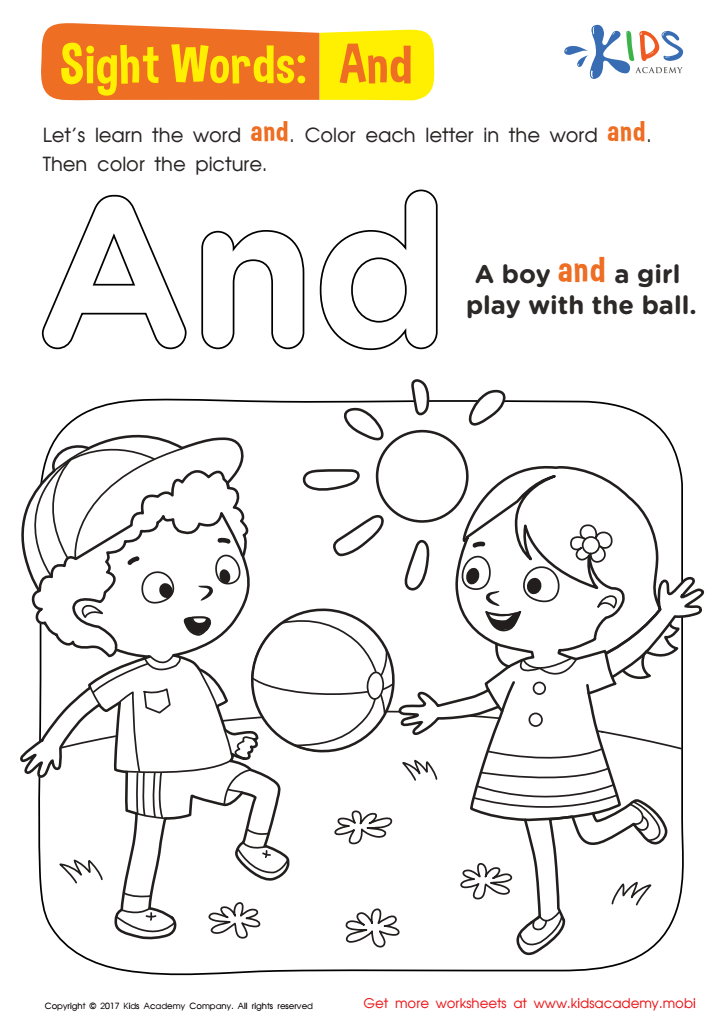
And Worksheet Sight Words Worksheet
Assign to My Students






Spelling practice for children aged 5-6 is crucial for developing foundational literacy skills. At this young age, children are in the early stages of phonemic awareness, learning the relationship between letters and sounds. Engaging in spelling activities helps reinforce this connection, allowing them to decode words more easily and improve their reading abilities. Mastering spelling also enhances their writing skills; children become more confident when expressing their thoughts and ideas.
Moreover, spelling practice fosters cognitive development. It encourages memory recall, enhances visual recognition of words, and promotes fine motor skills through writing exercises. By engaging with letters and sounds, children improve their ability to think critically and solve problems related to language.
For parents and teachers, it’s essential to create an interactive and enjoyable learning environment. Fun activities, such as spelling games or storytelling, can stimulate a child's interest and make learning enjoyable. Emphasizing the importance of spelling at this stage can ignite a lifelong love for reading and writing.
In summary, prioritizing spelling practice in early education lays a solid foundation for literacy, enhances cognitive development, and fosters communication skills, which are vital for a child’s overall academic success and personal confidence.







