Spelling practice Phonics Worksheets for Ages 5-6 - Page 2
43 filtered results
-
From - To
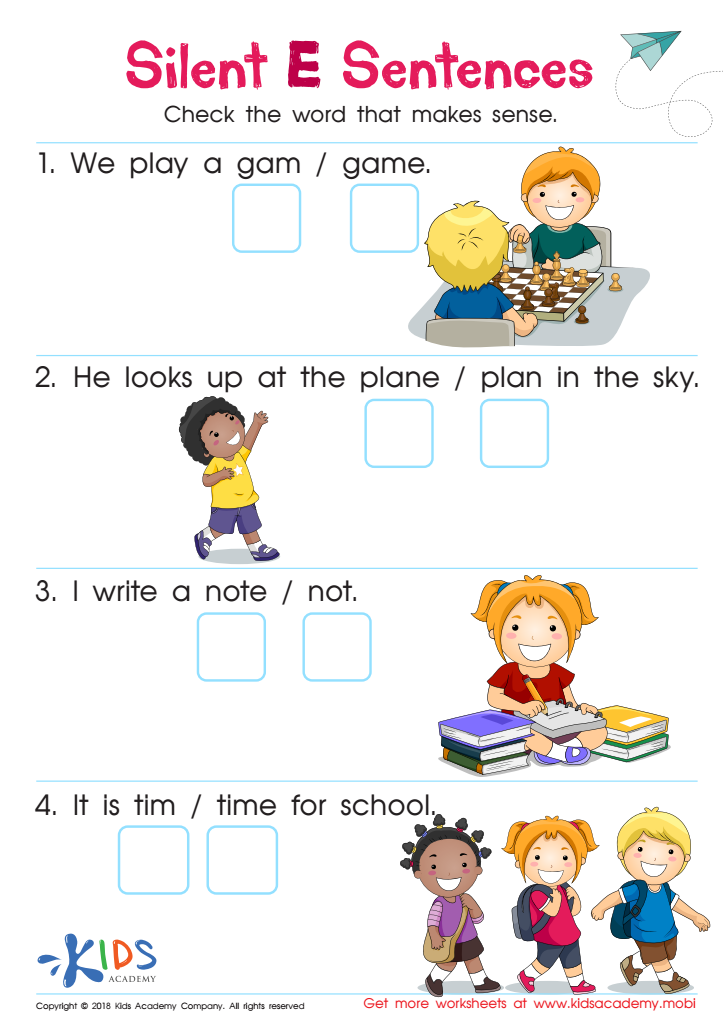
Silent E Sentences Worksheet
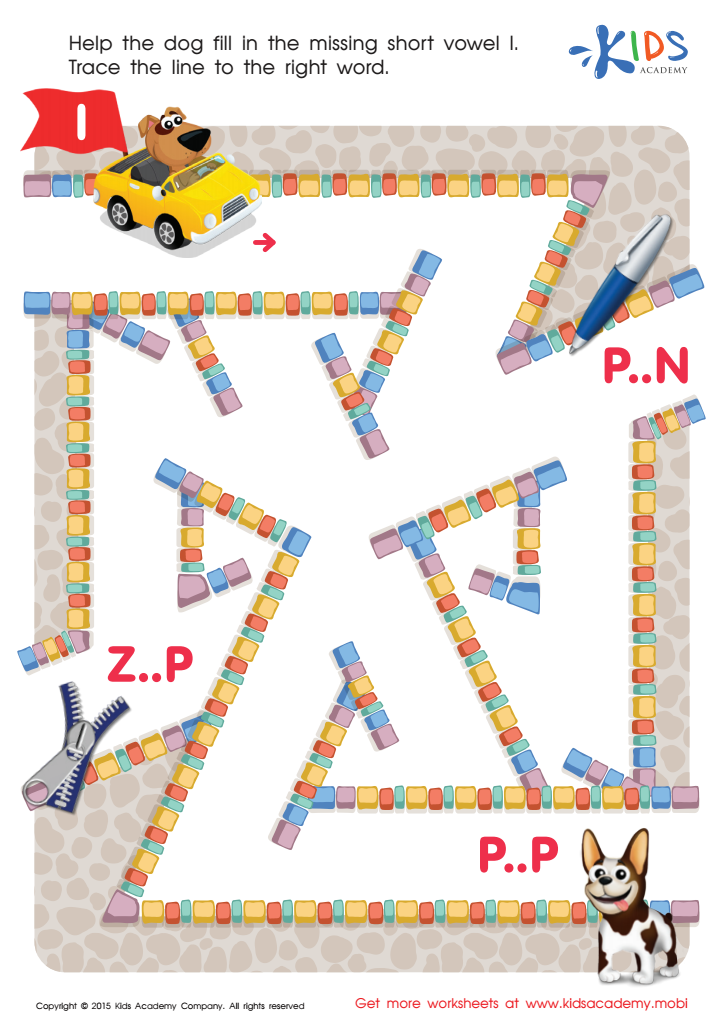
Short Vowel Sound I Worksheet
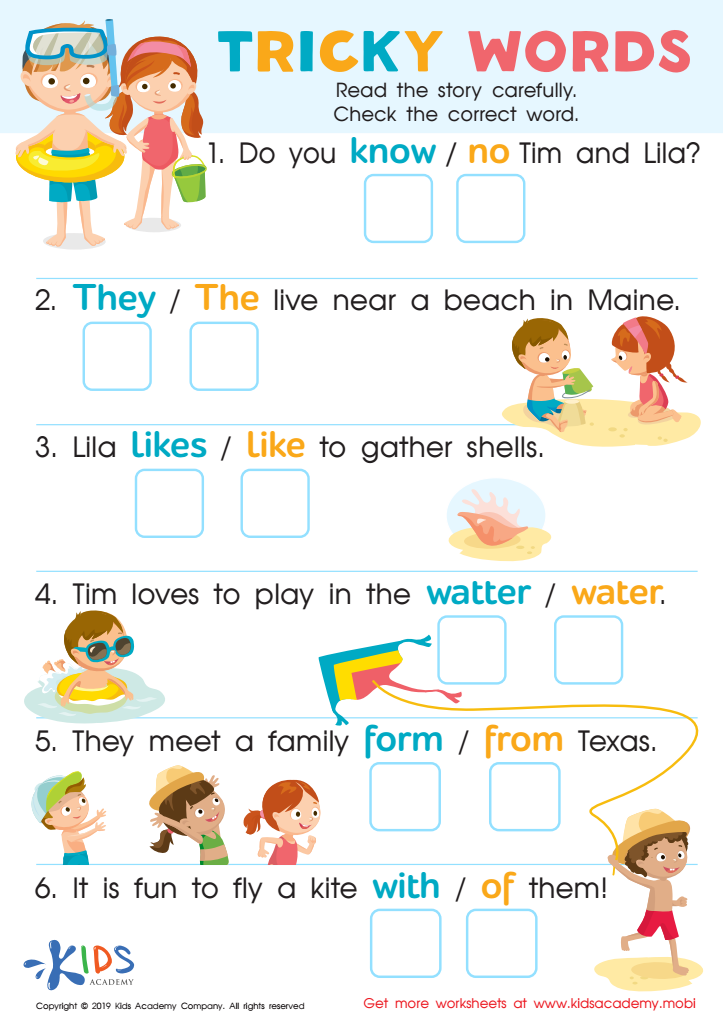
Tricky Words Worksheet
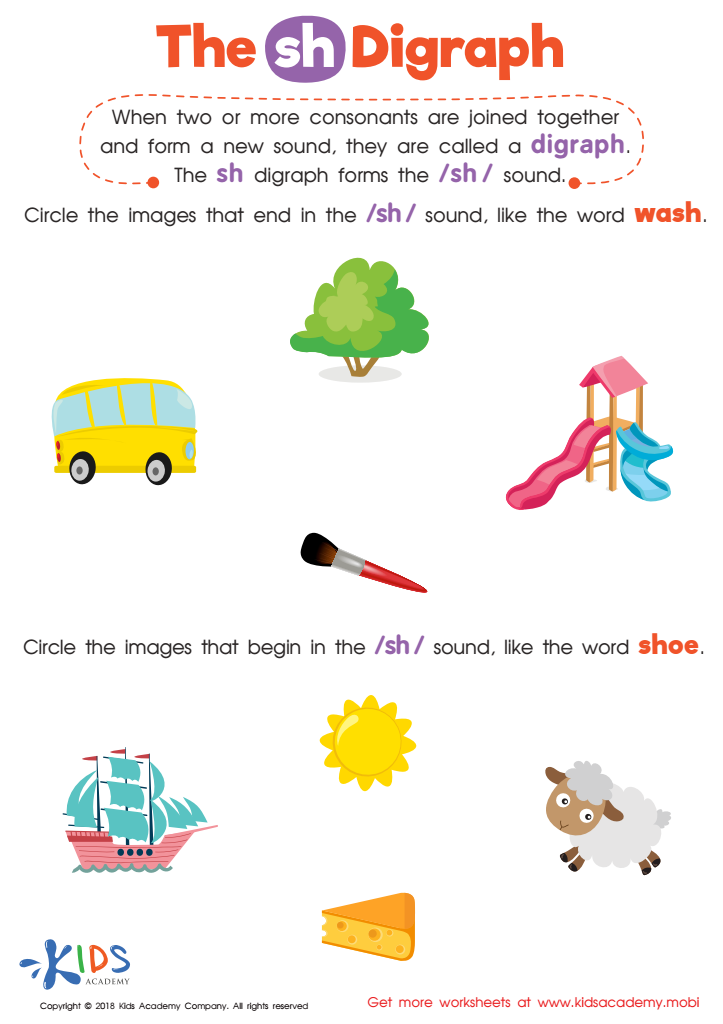
The SH Digraph Worksheet
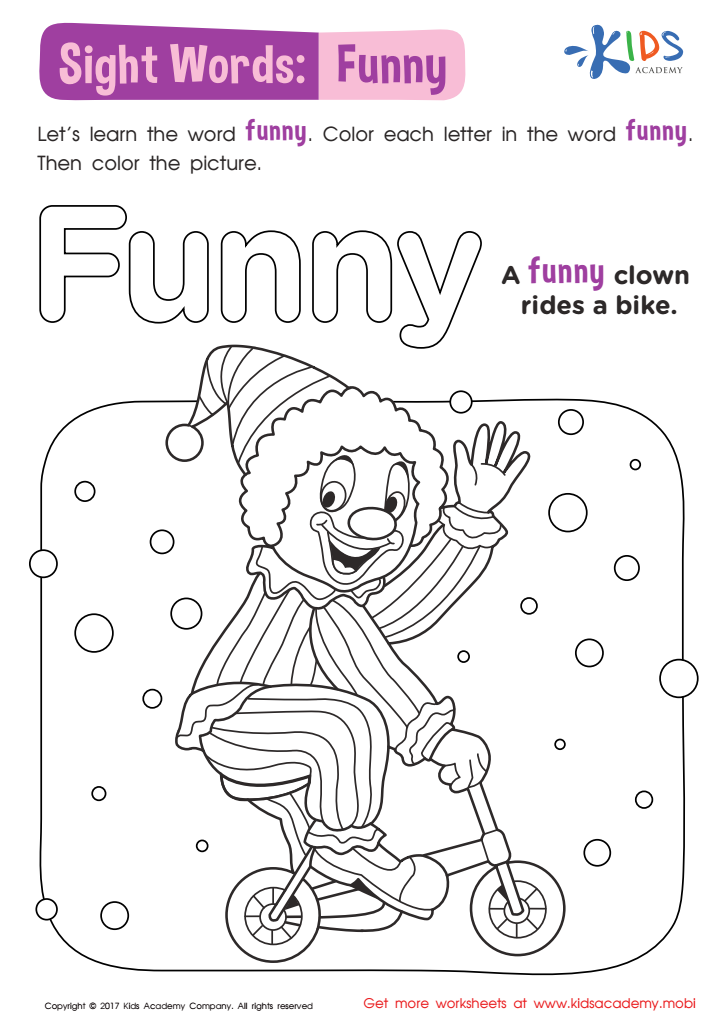
Funny Worksheet Sight Words Worksheet
 Assign to My Students
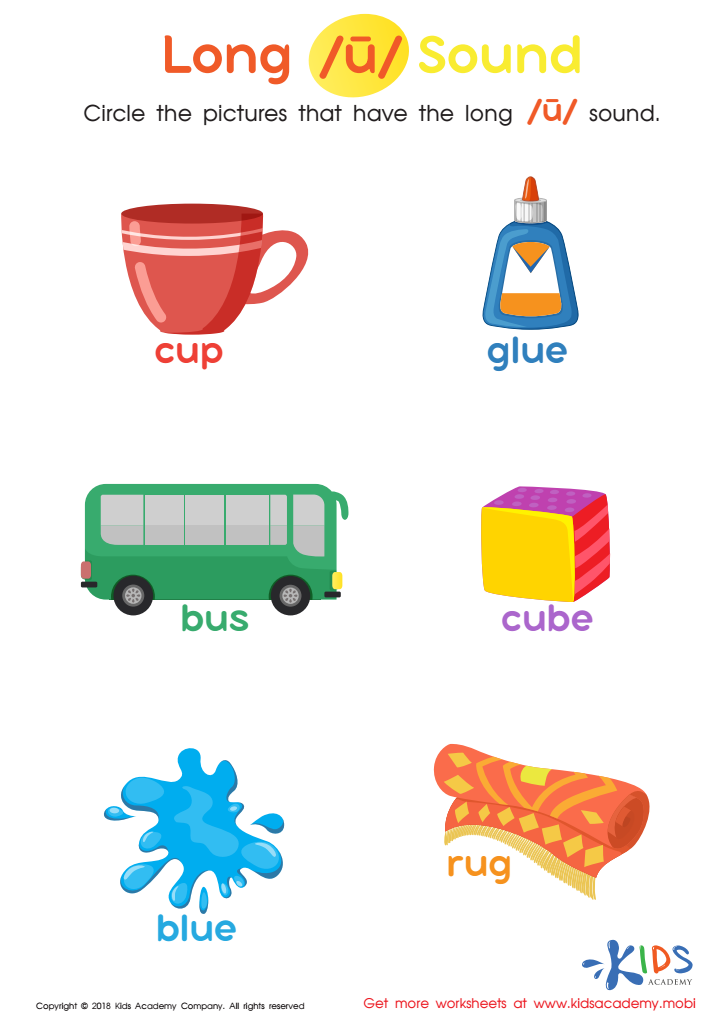
Long «u» Sound Worksheet
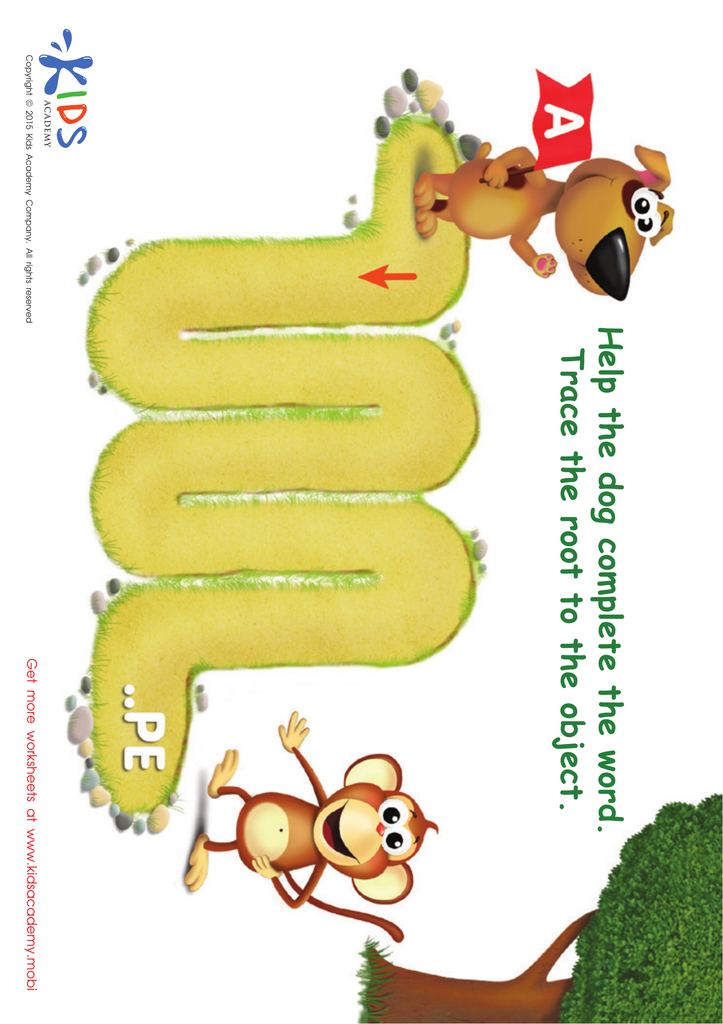
Long Vowel Sound A Worksheet Worksheet
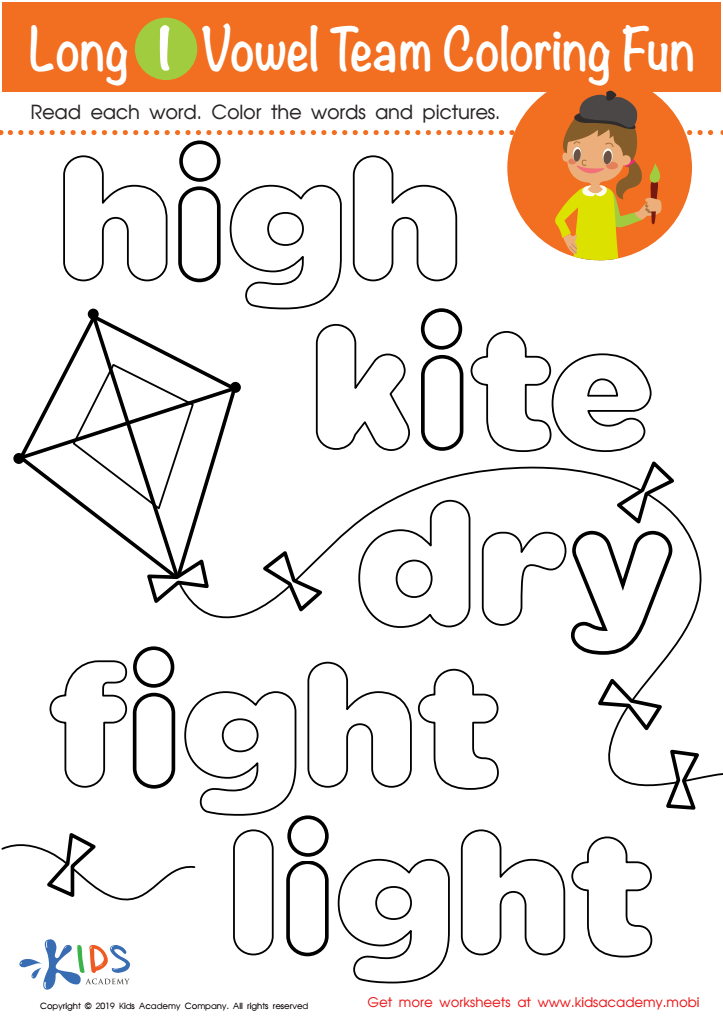
Long I Vowel Team Coloring Worksheet
Assign to My Students
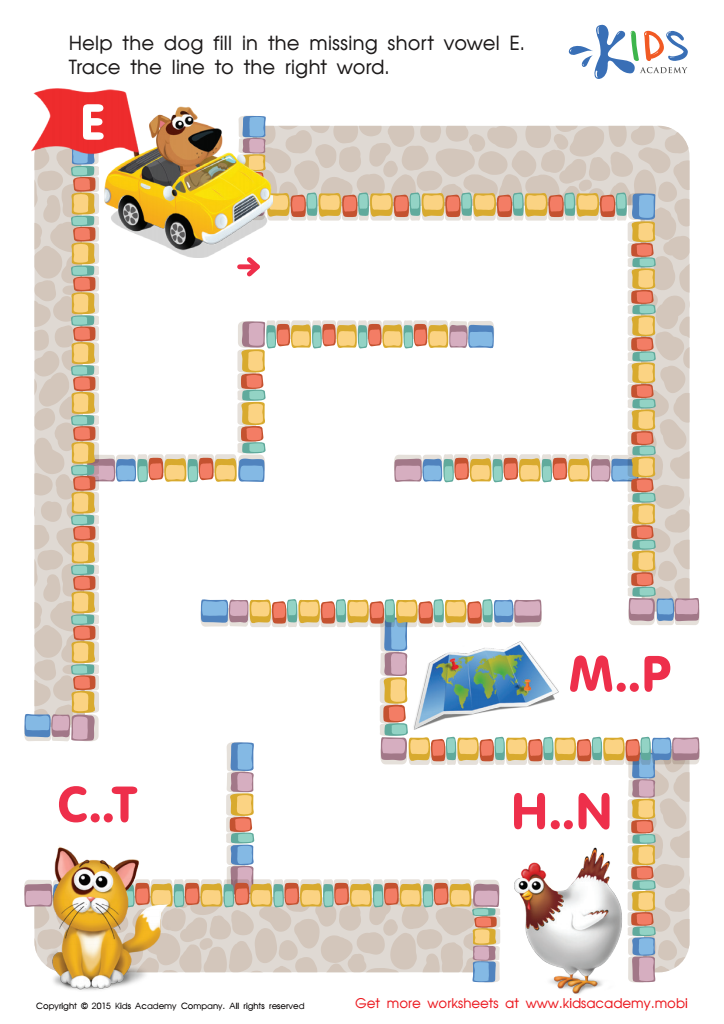
Short Vowel Sound E Worksheet
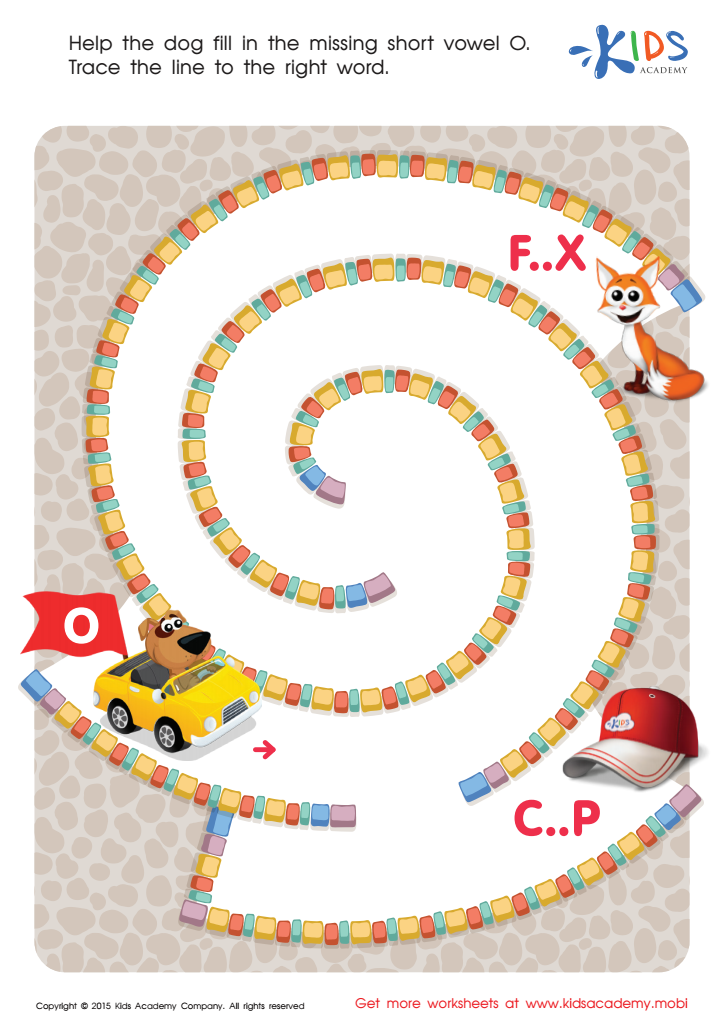
Short Vowel Sound O Worksheet
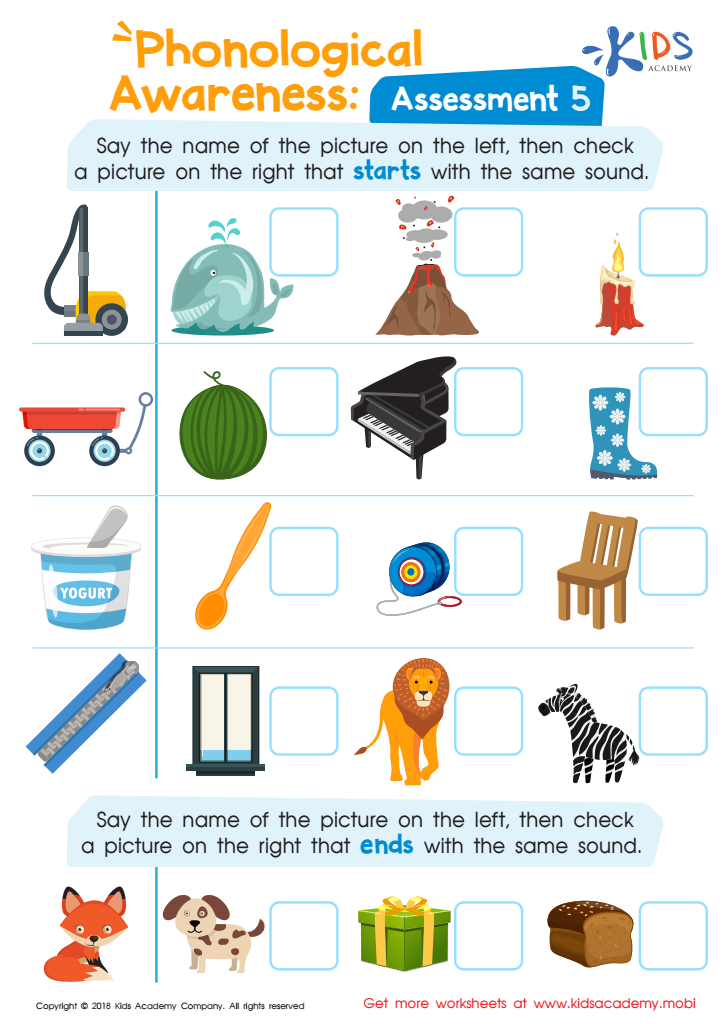
Phonological Awareness: Assessment 5 Worksheet
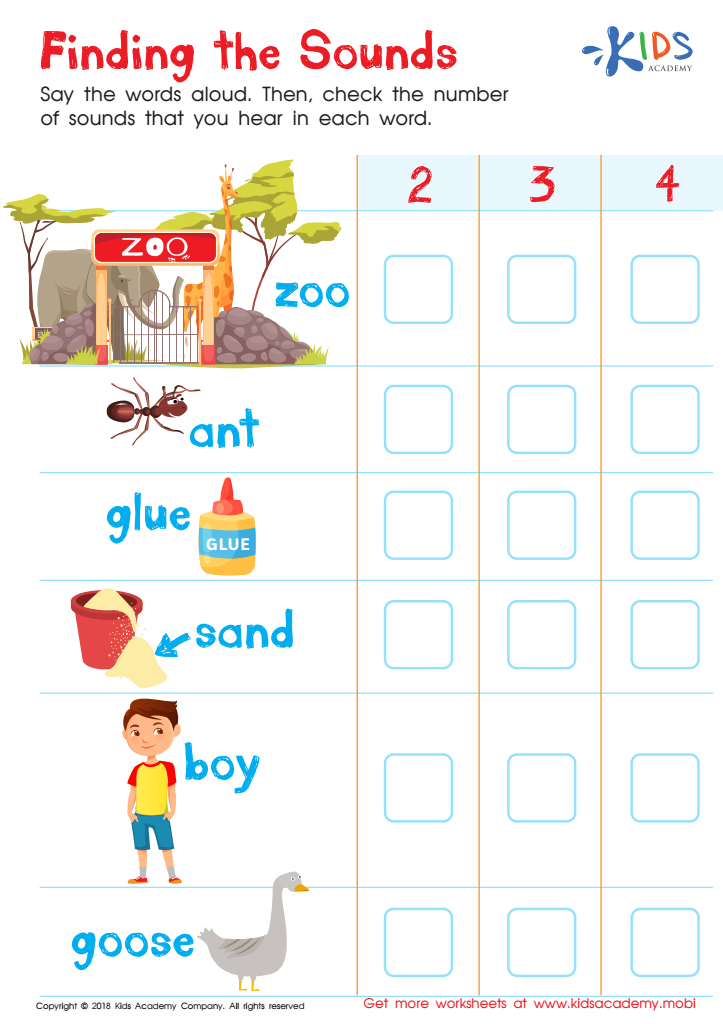
Finding the Sounds Worksheet
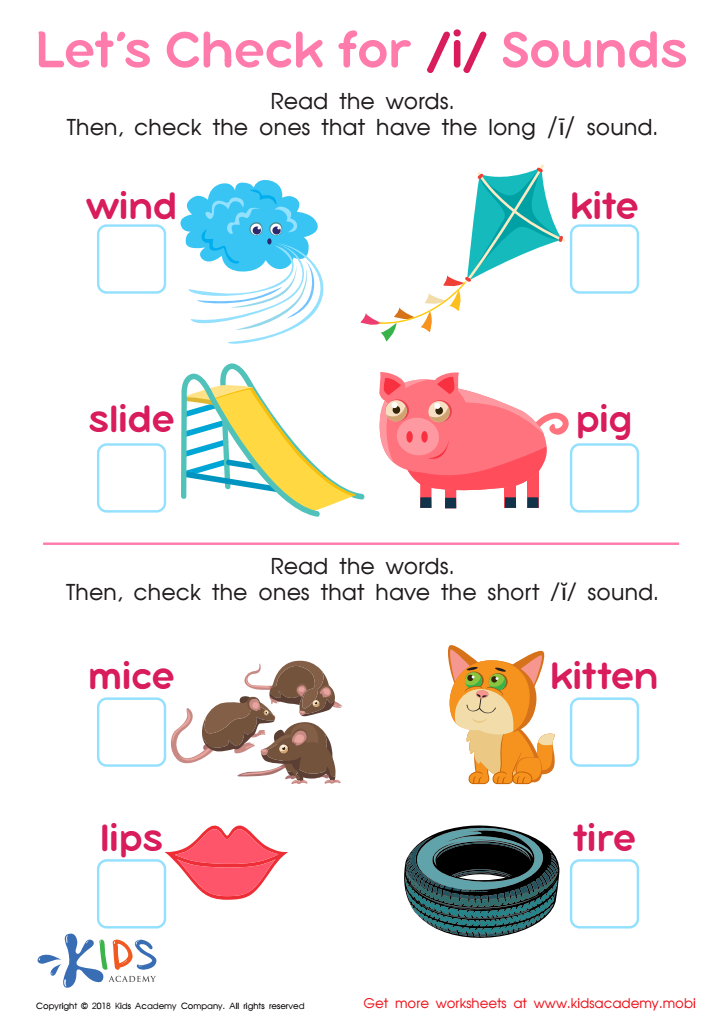
Let's Check for «i» Sounds Worksheet
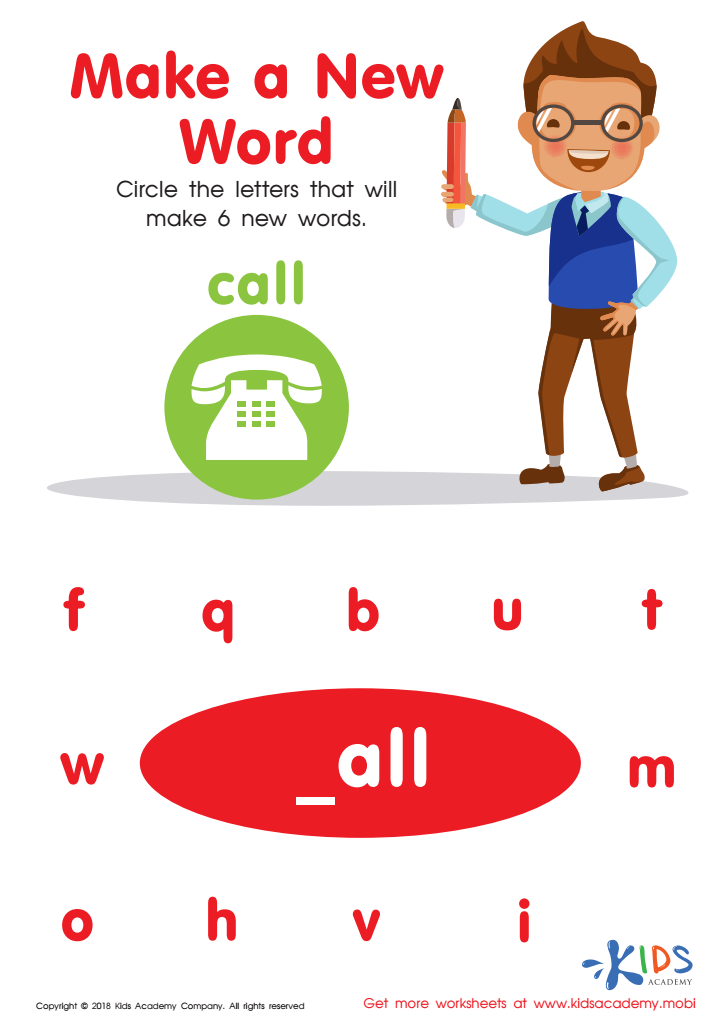
Make a New Word Worksheet
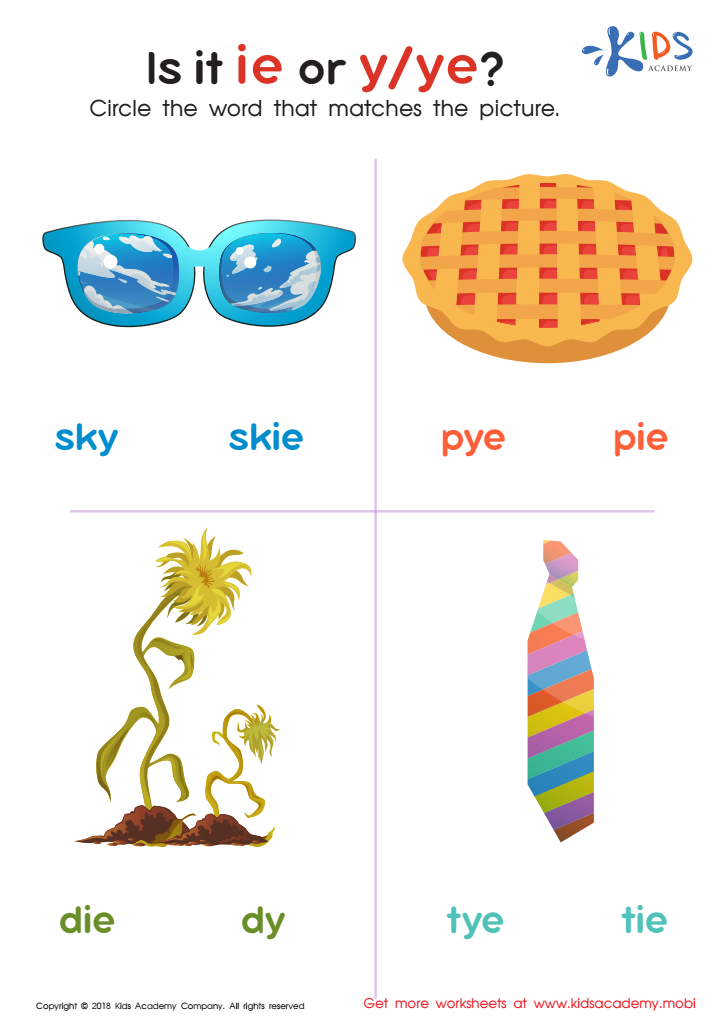
Is It IE or Y/Ye? Worksheet
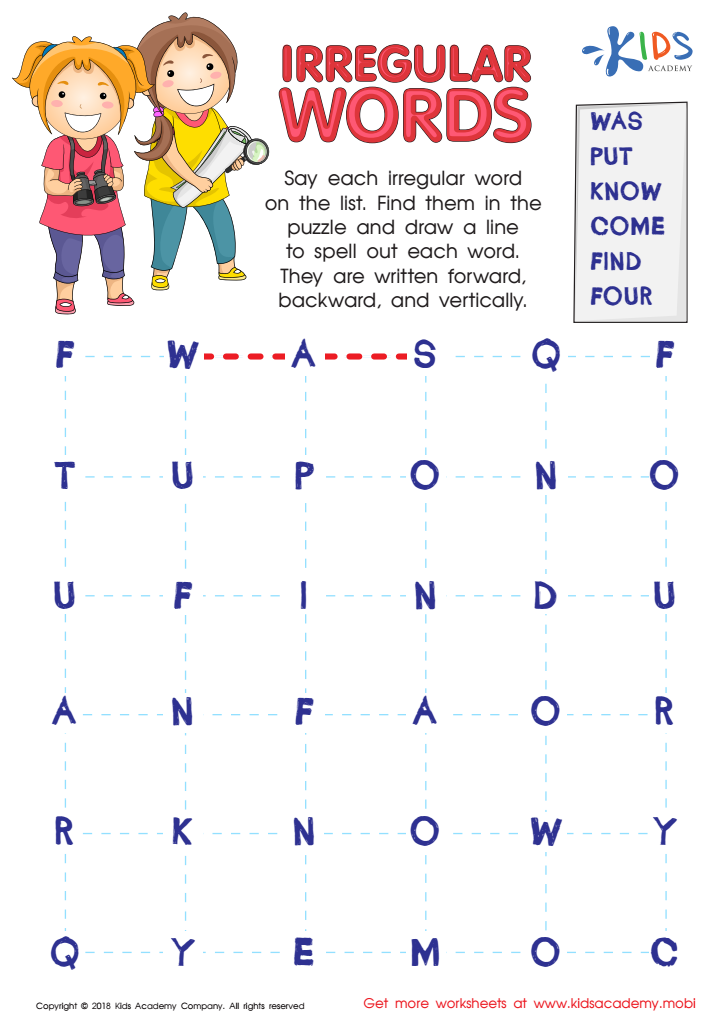
Irregular Words Worksheet
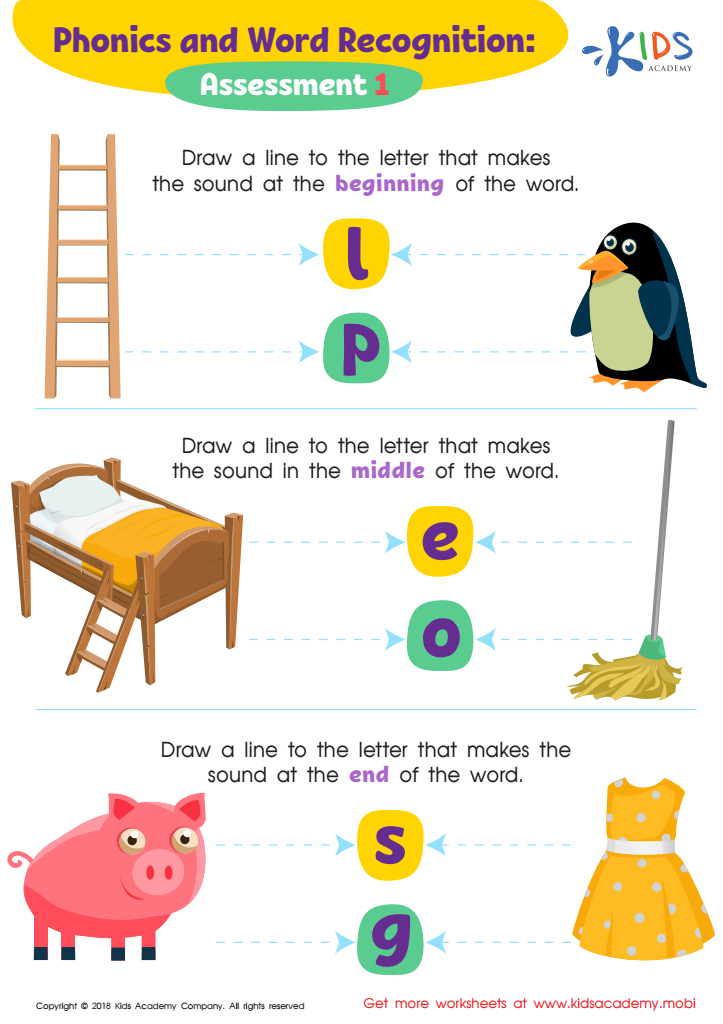
Phonics and Word Recognition: Assessment 1 ELA Worksheet
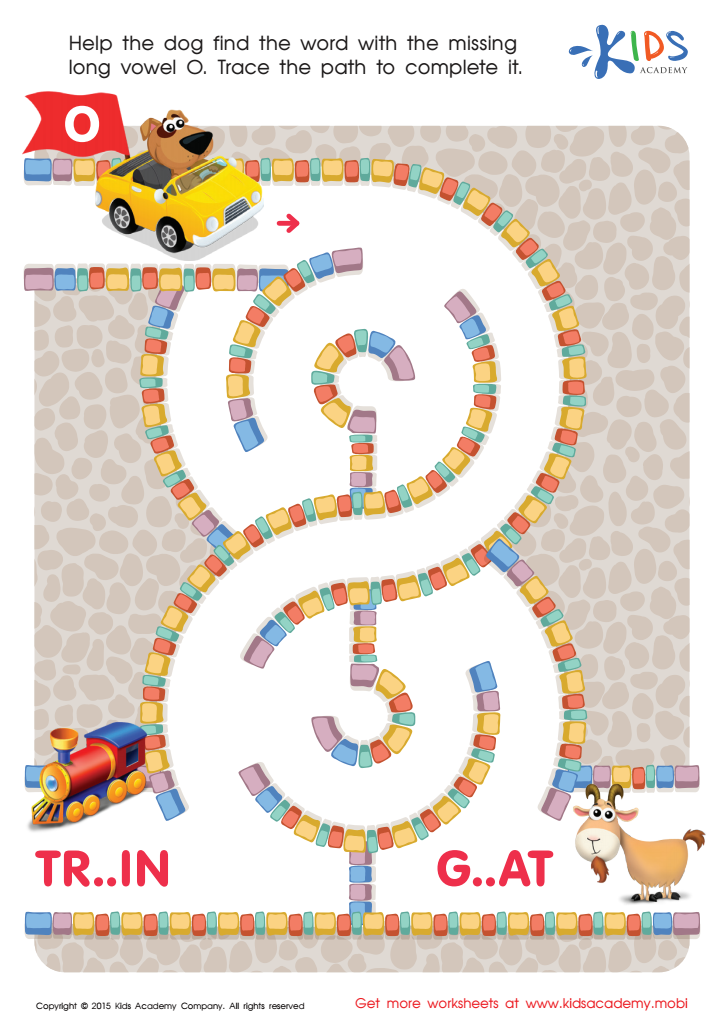
Long Vowel Sound O Worksheet
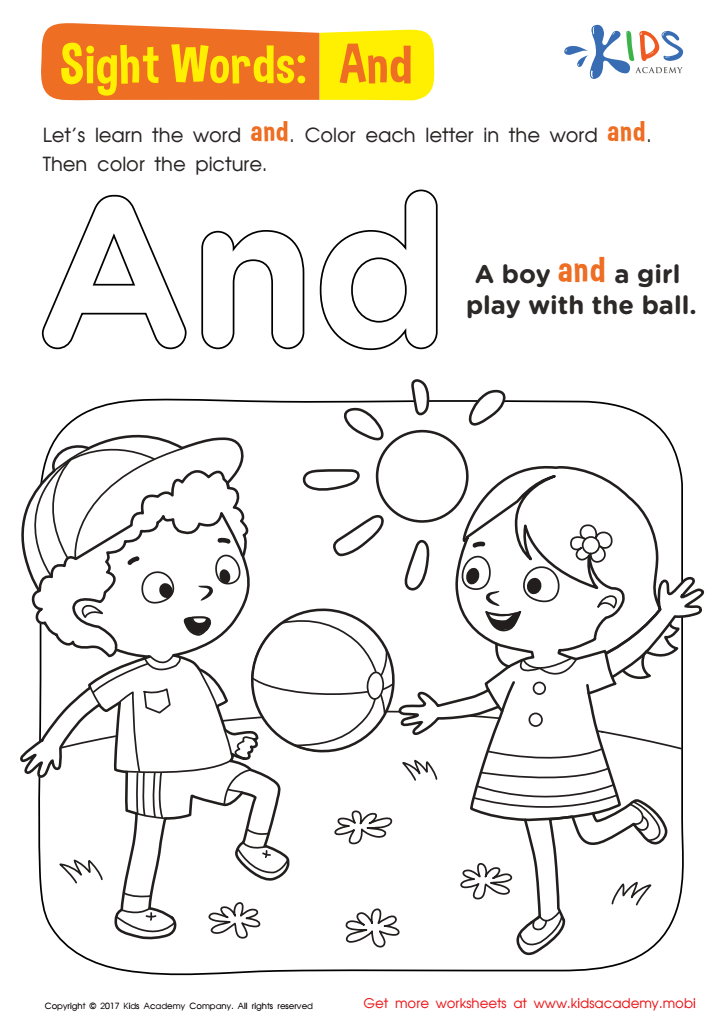
And Worksheet Sight Words Worksheet
Assign to My Students








Spelling practice and phonics are crucial components of early literacy development for children aged 5 to 6. For parents and teachers, understanding the importance of these skills can significantly impact a child's reading and writing abilities.
Phonics instruction teaches children the relationship between sounds and letters, enabling them to decode and understand words. Mastering phonics allows young learners to read independently, build their vocabulary, and develop comprehension skills. As children practice spelling, they reinforce their phonics knowledge by applying sound-letter associations, which deepens their understanding of how words are constructed and used.
Furthermore, early spelling practice fosters confidence and increases motivation. When children successfully spell words, they gain a sense of achievement, encouraging them to engage more with reading and writing. This positive reinforcement is essential at this developmental stage, as it nurtures a lifelong love for learning.
Ultimately, parents and teachers should prioritize spelling practice and phonics as foundational skills that support overall literacy. By investing time and resources into these areas, they equip children with the tools necessary for academic success and effective communication in the future. Engaging in fun, interactive spelling and phonics activities together can also strengthen home-school connections and promote collaborative learning.







