Handwriting practice English for Beginners Worksheets for Ages 5-6 - Page 2
43 filtered results
-
From - To
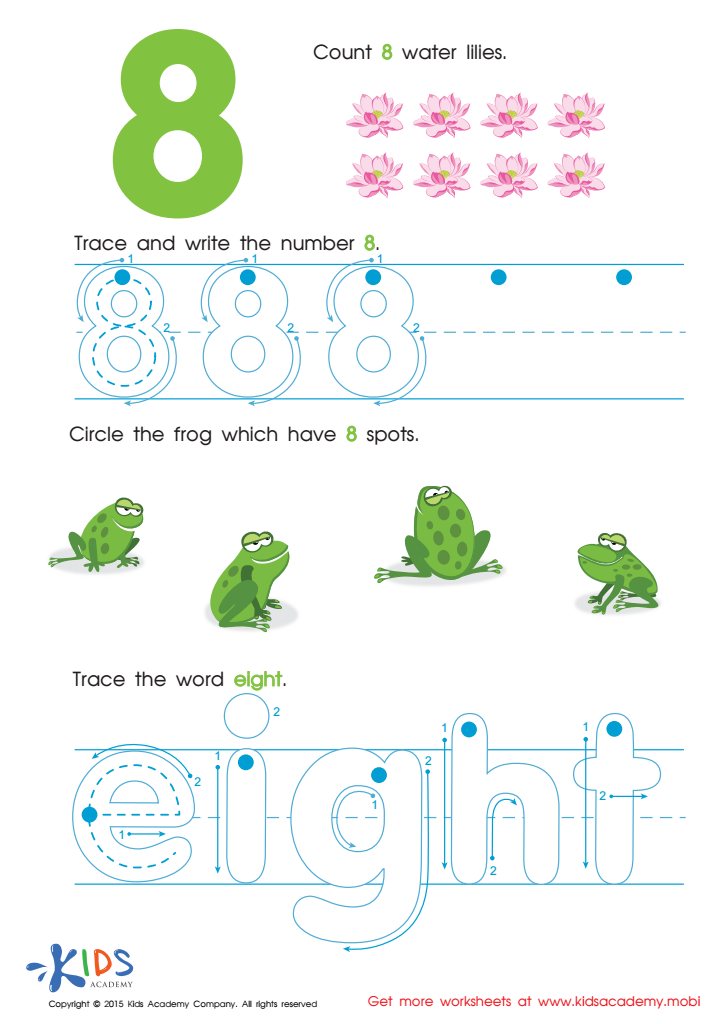
Learn Number 8 Easily Worksheet
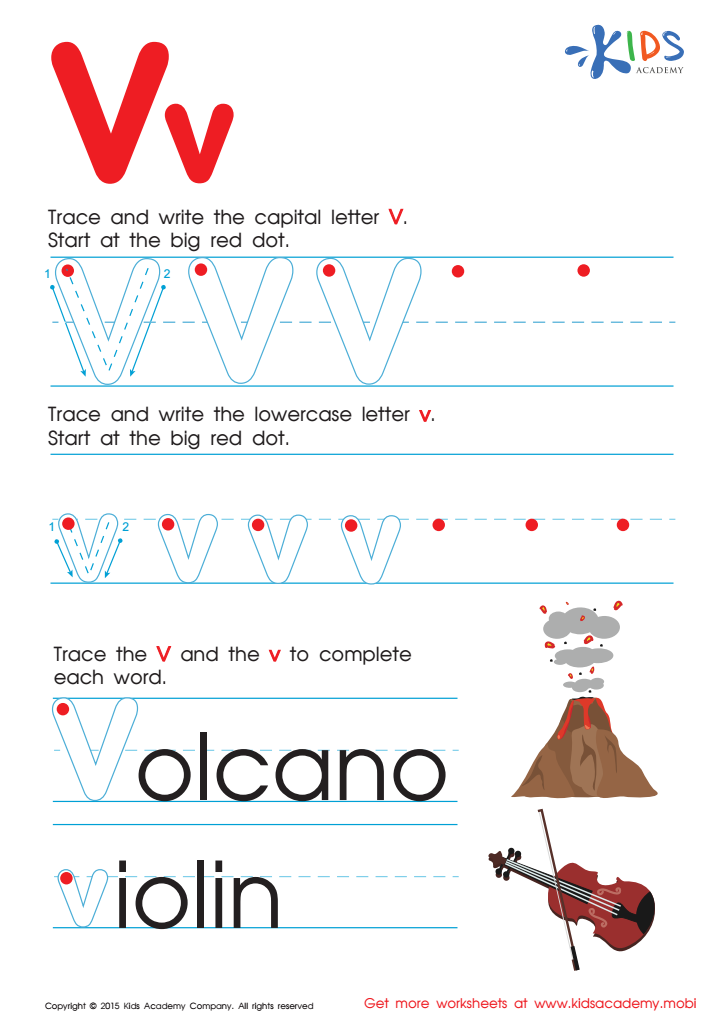
Letter V Tracing Page
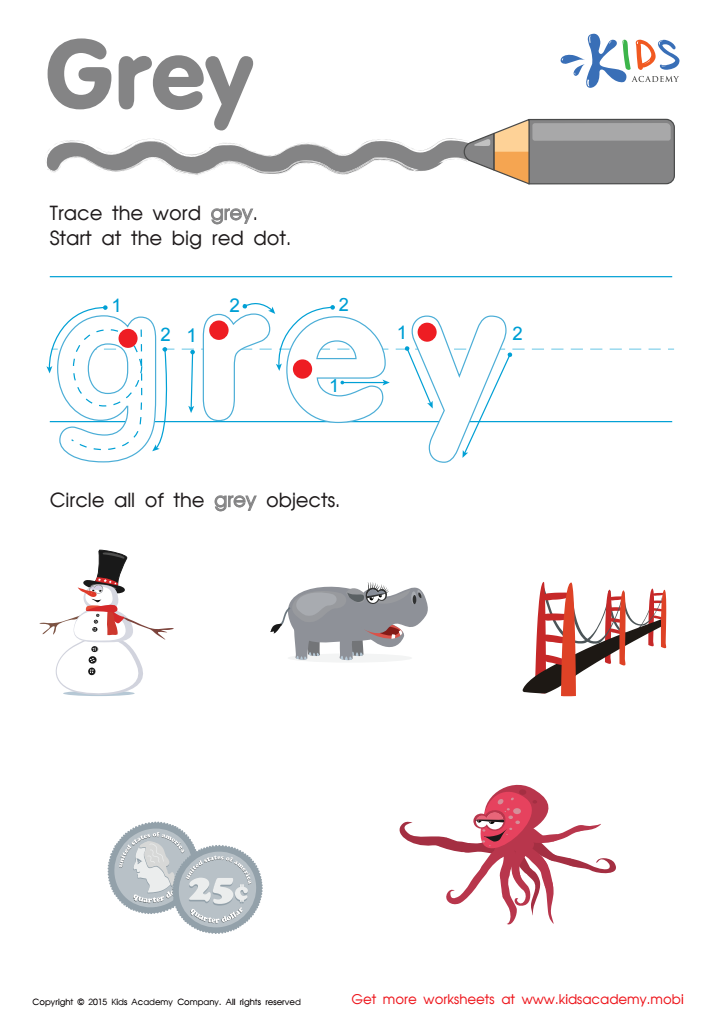
Grey Tracing Color Words Worksheet
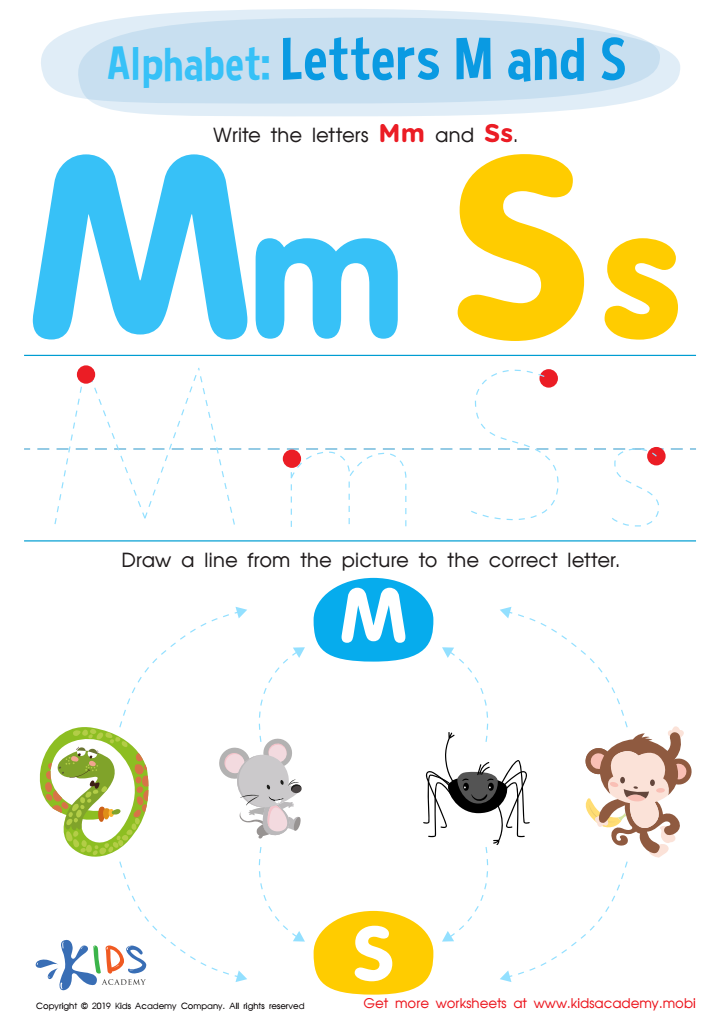
Letters M and S Tracing Worksheet
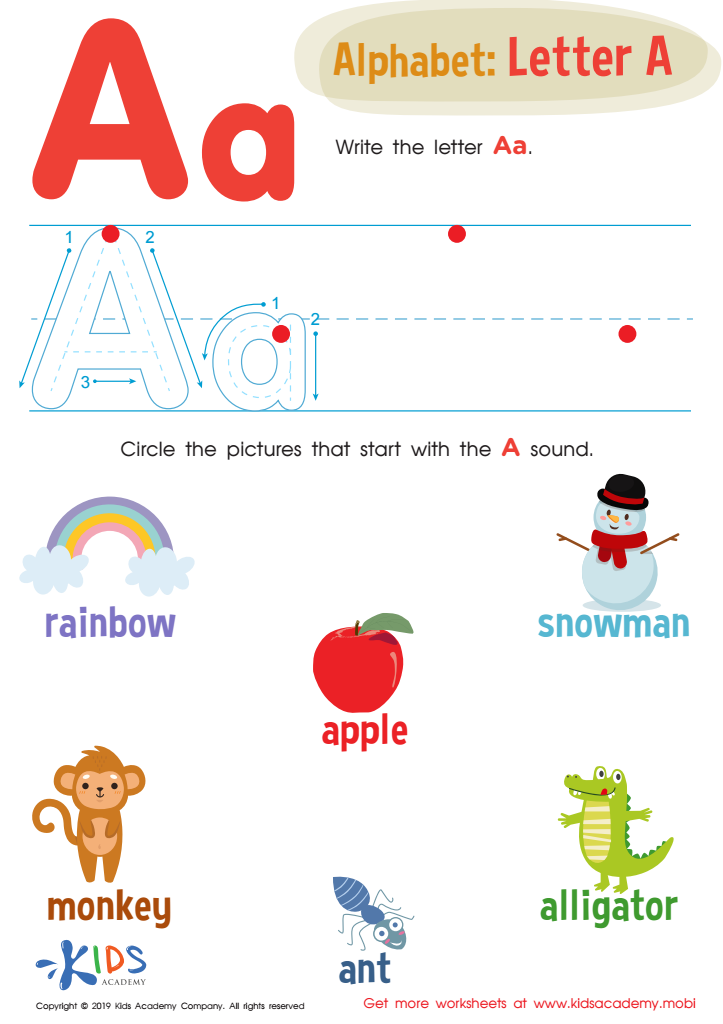
Letter A Tracing Worksheet
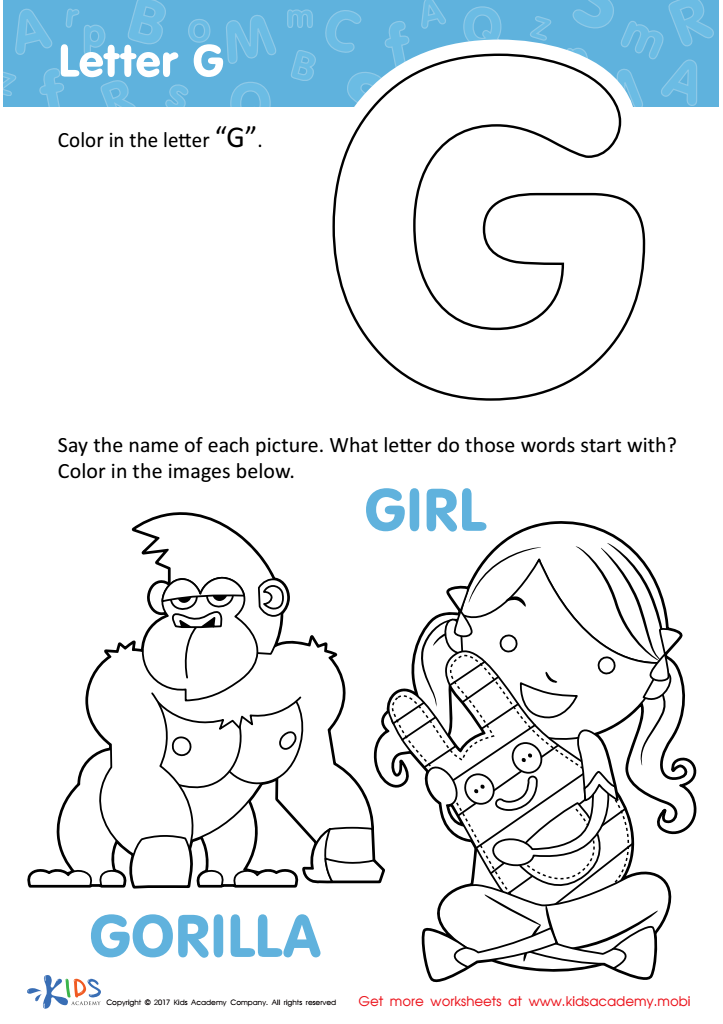
Letter G Coloring Sheet
 Assign to My Students
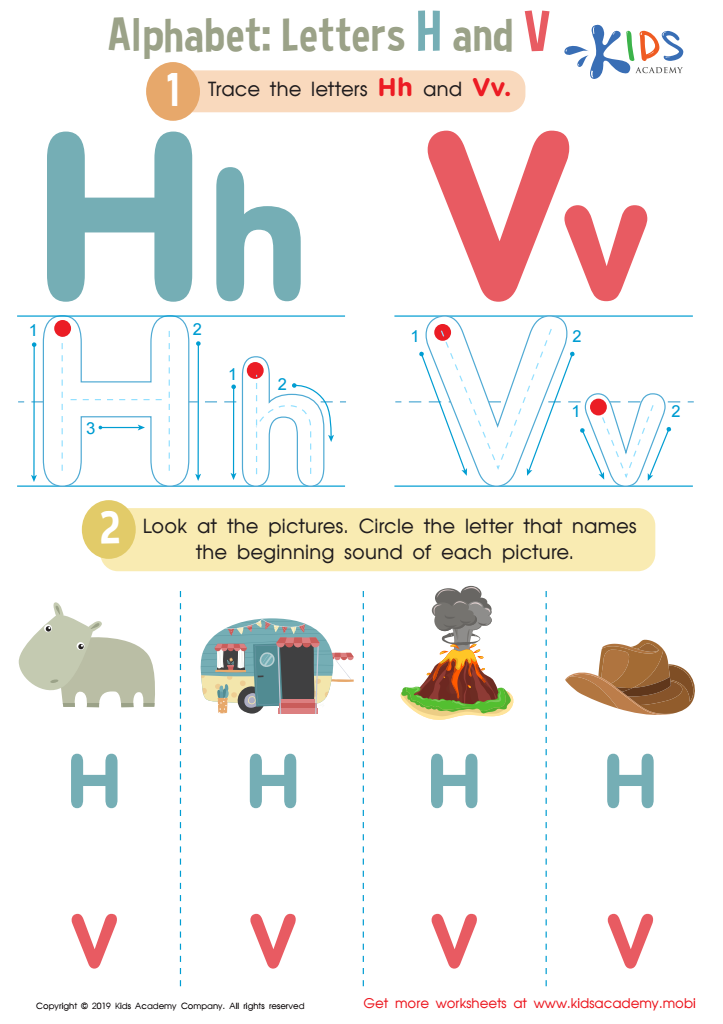
Letters H and V Tracing Worksheet
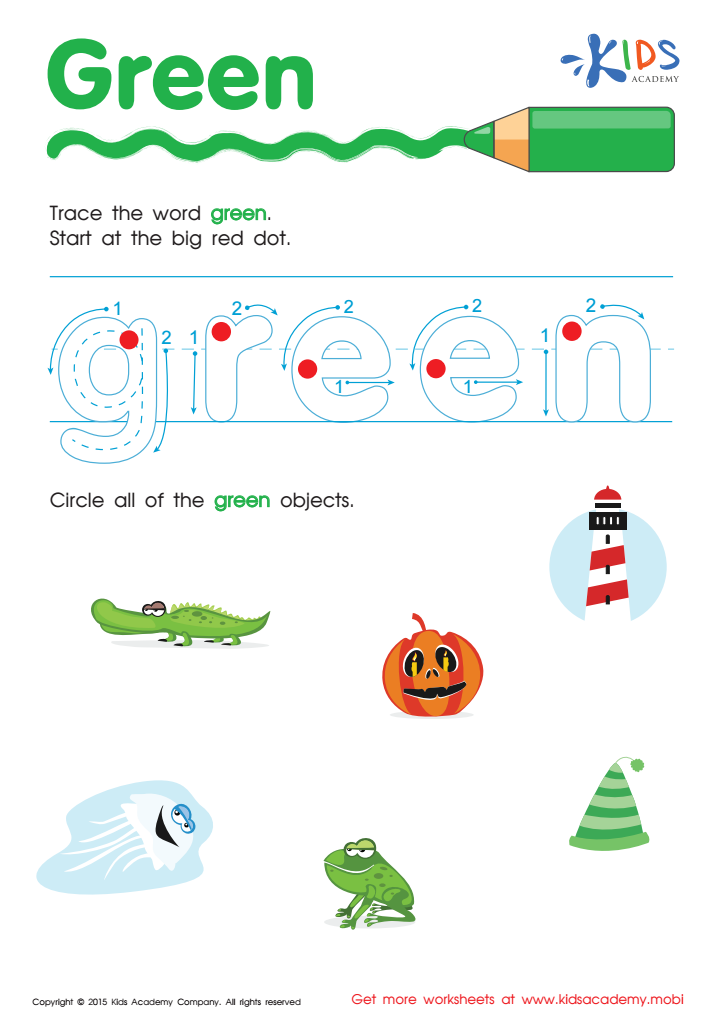
Green Tracing Color Words Worksheet
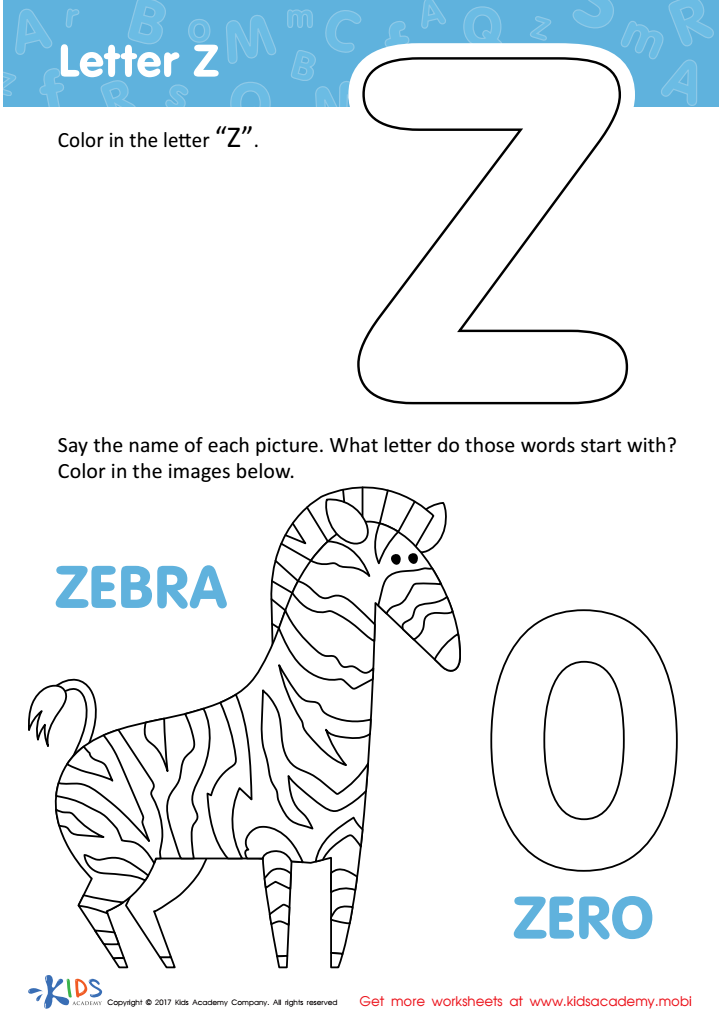
Letter Z Coloring Sheet
Assign to My Students
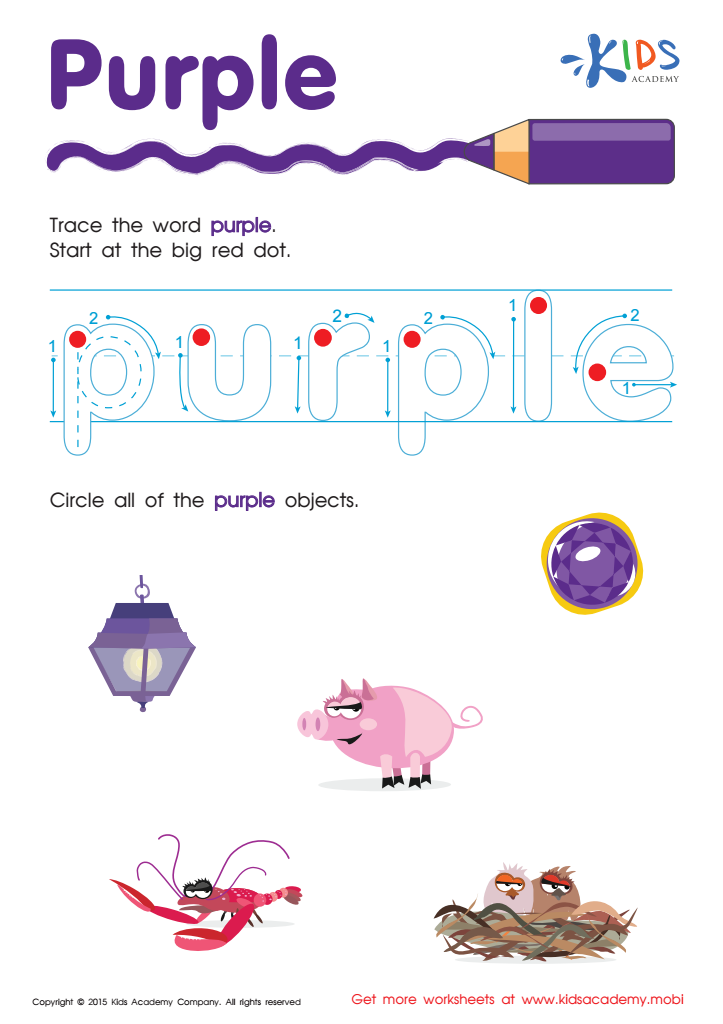
Purple Tracing Color Words Worksheet
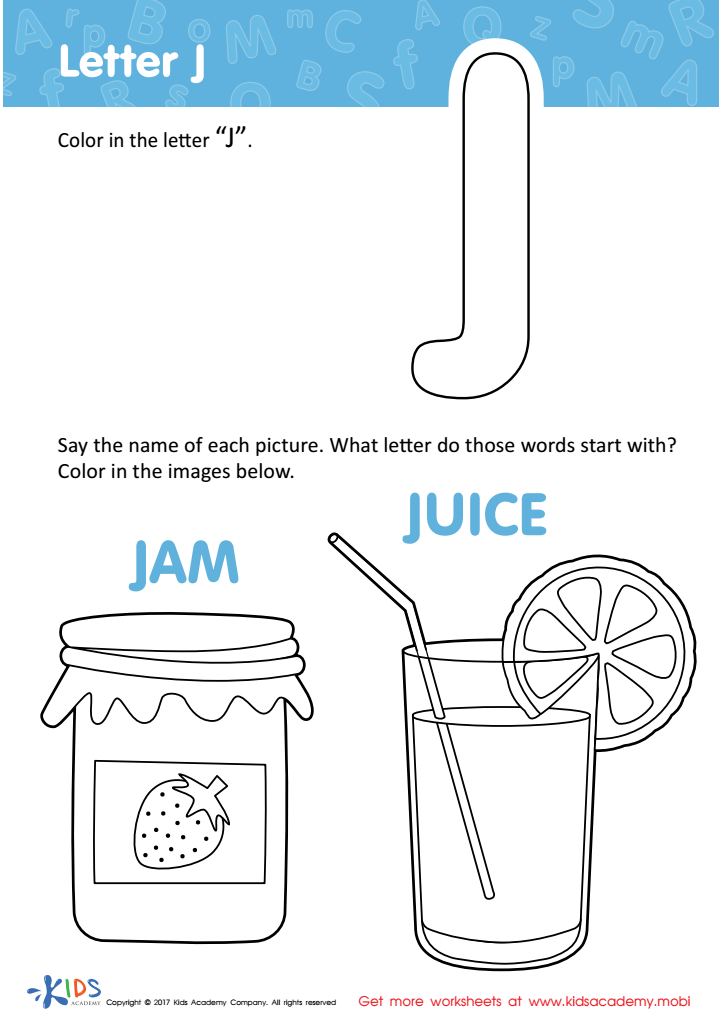
Letter J Coloring Sheet
Assign to My Students
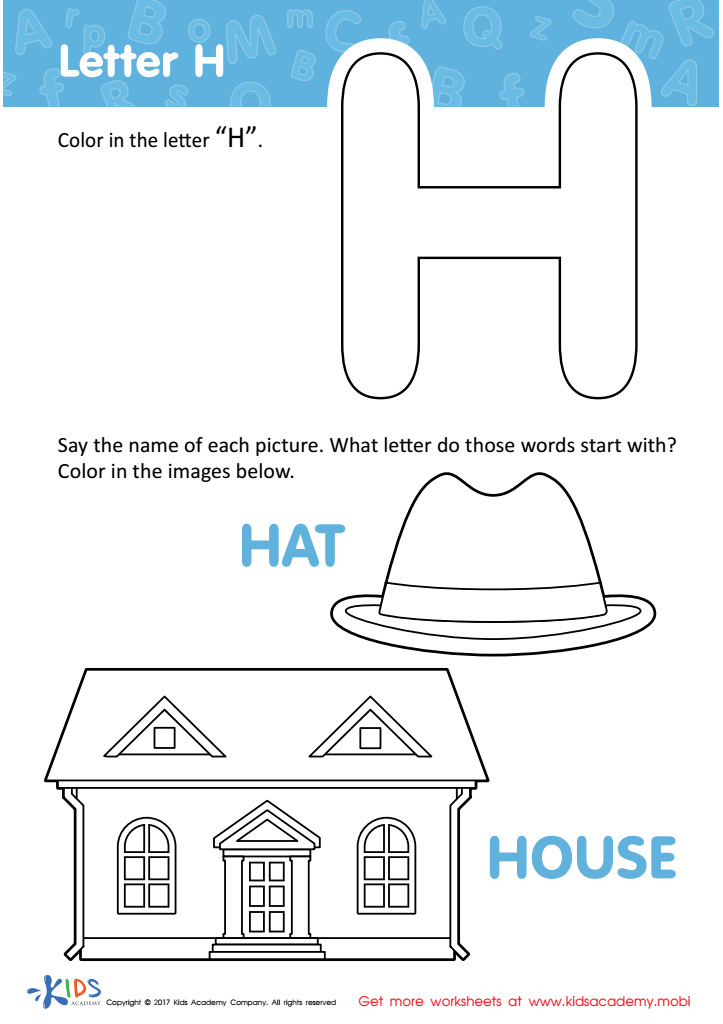
Letter H Coloring Sheet
Assign to My Students
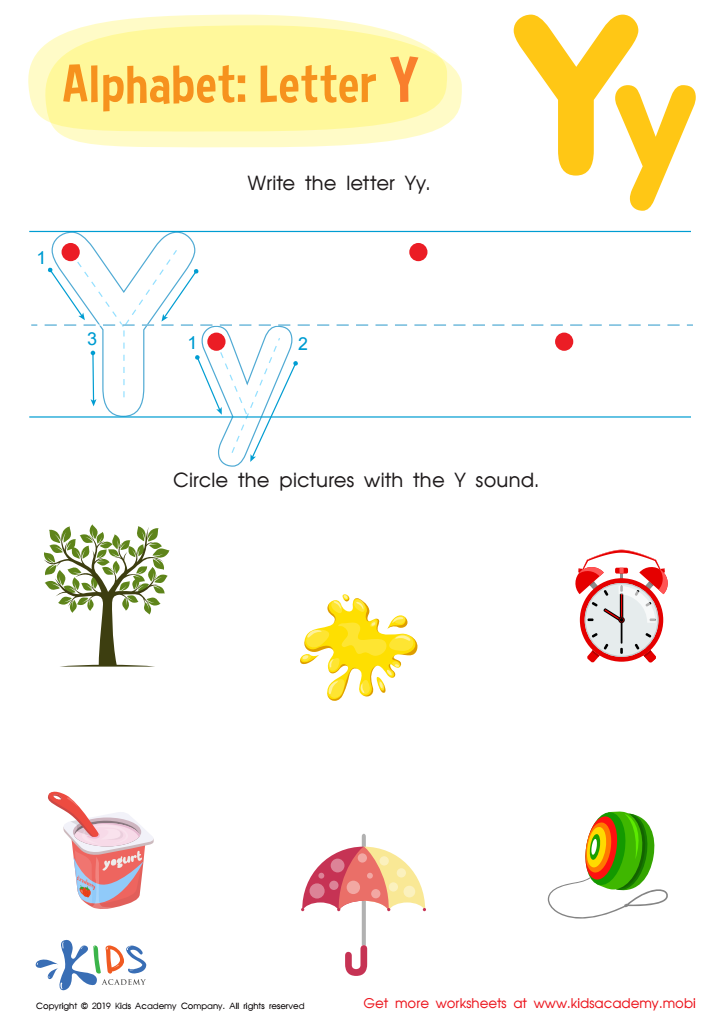
Letter Y Tracing Worksheet
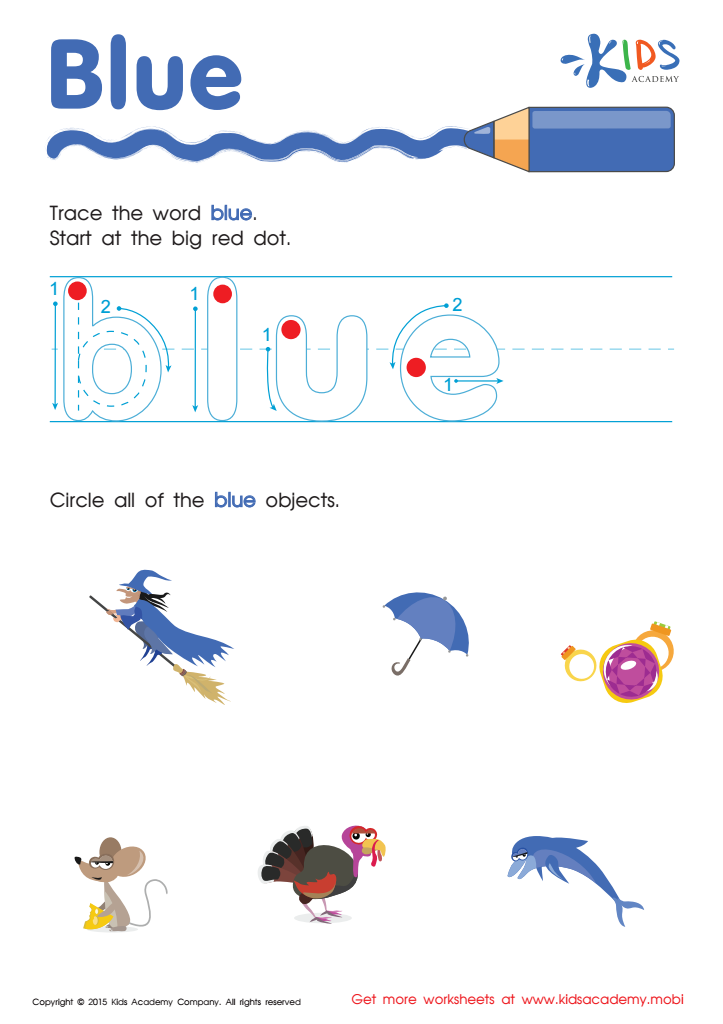
Blue Tracing Color Words Printable
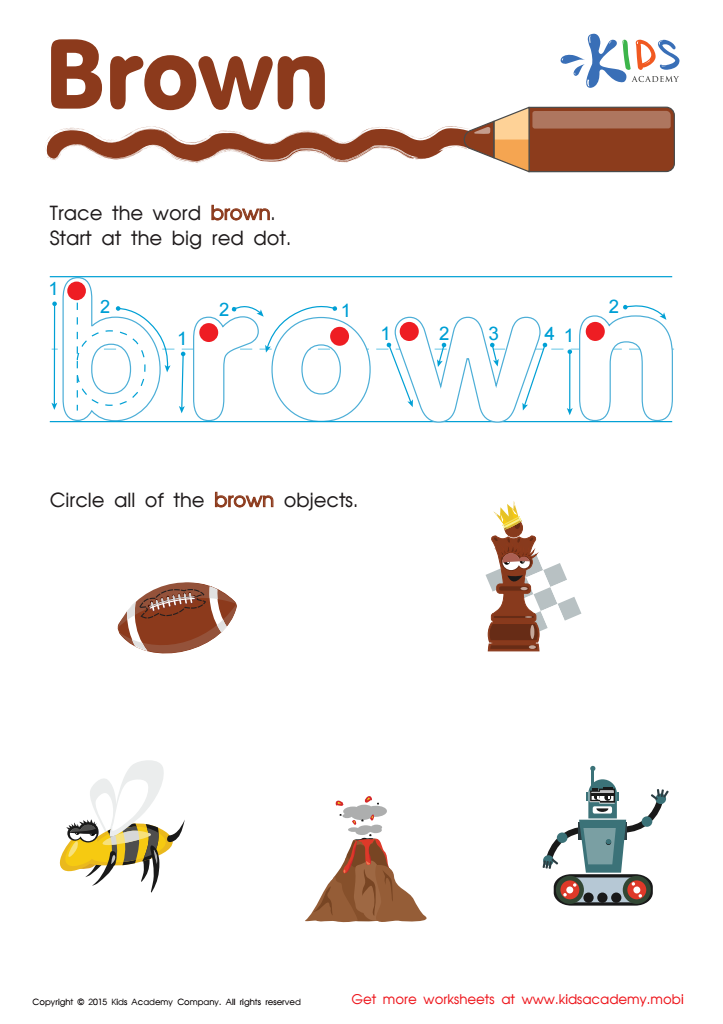
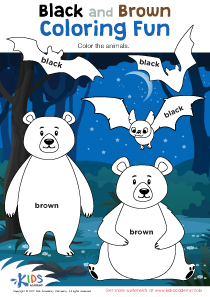
Brown Tracing Color Words Worksheet
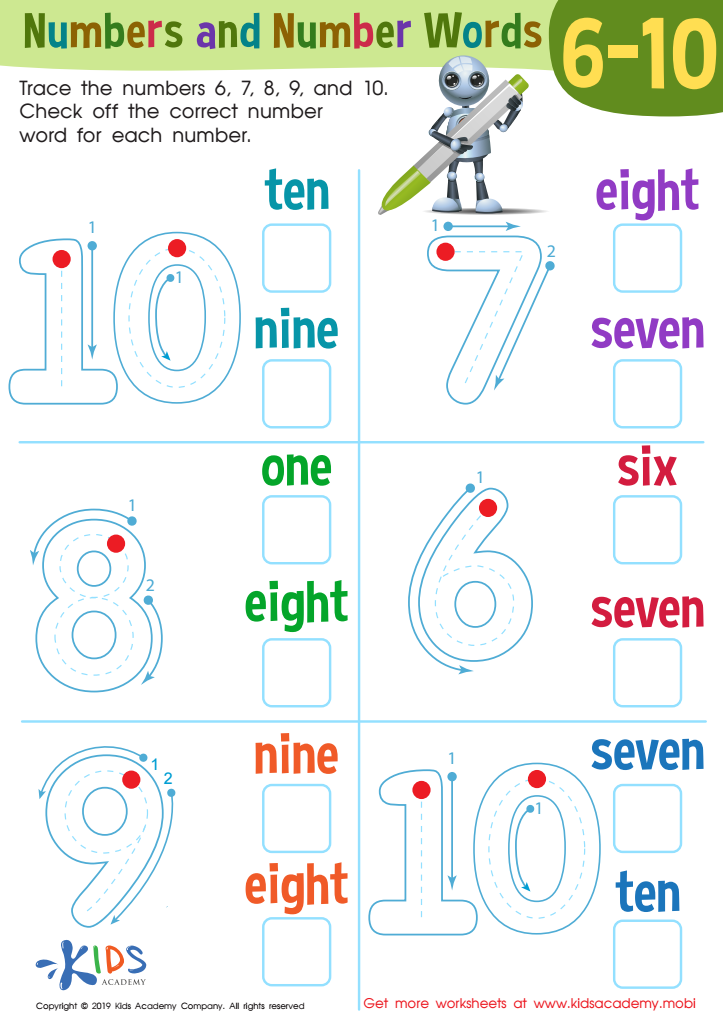
Numbers and Number Words 6–1 Worksheet
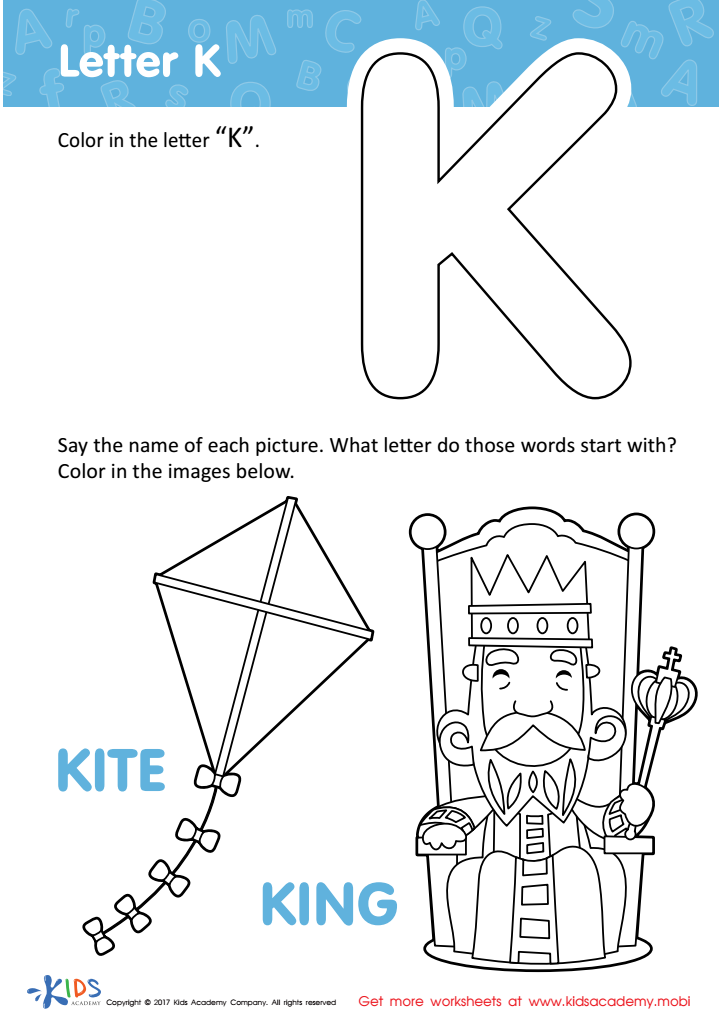
Letter K Coloring Sheet
Assign to My Students
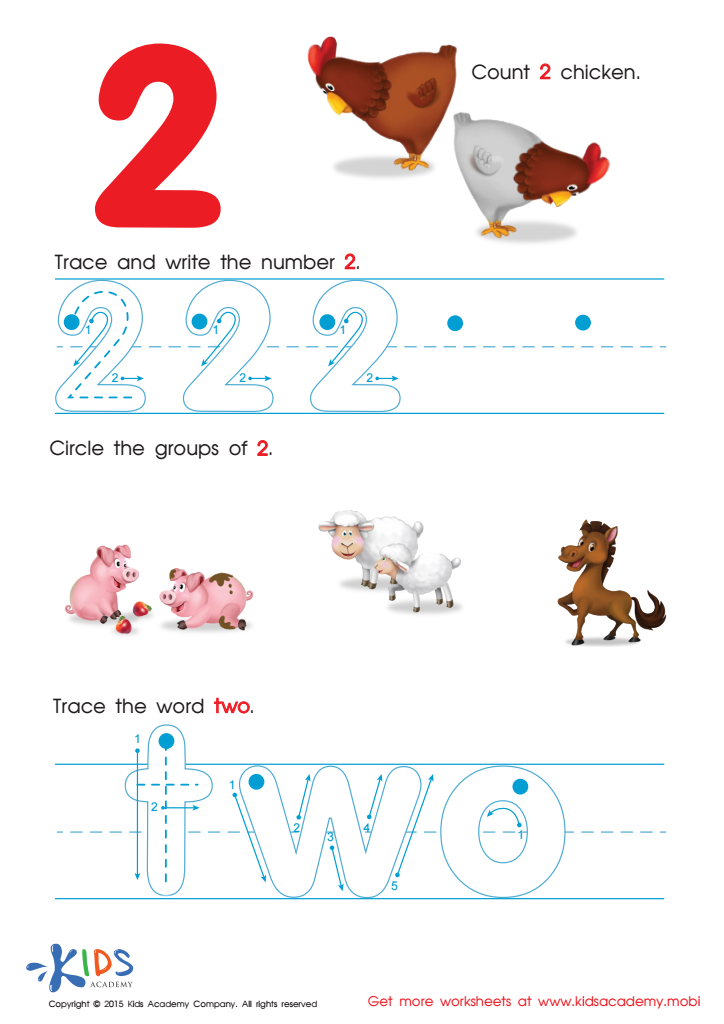
Learn to Write the Number 2 Worksheet
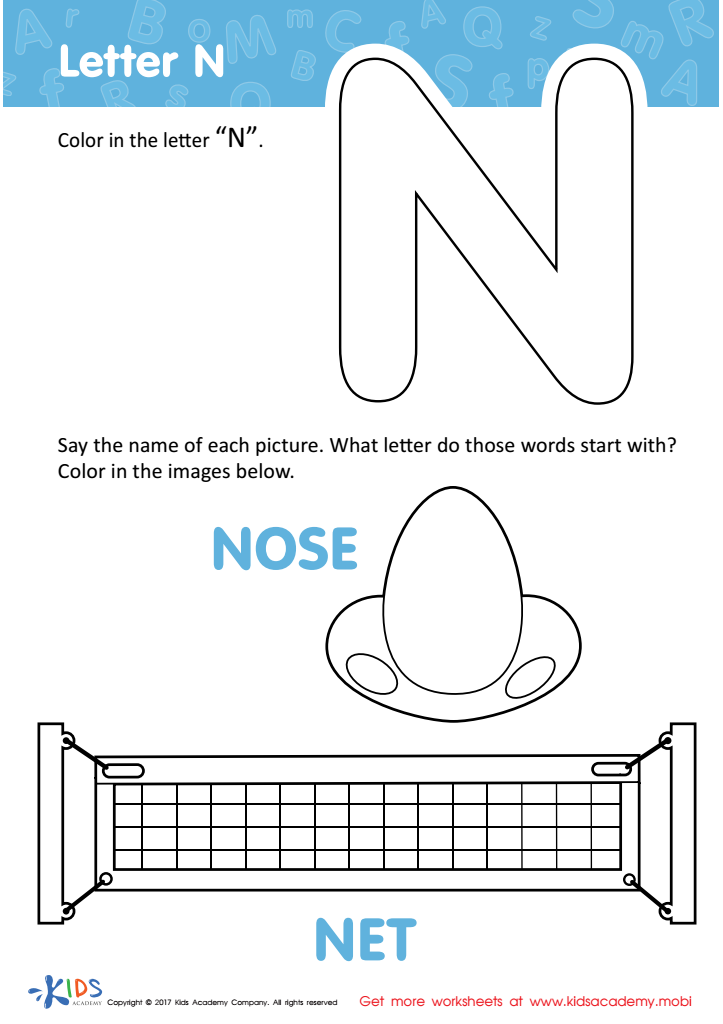
Letter N Coloring Sheet
Assign to My Students





Handwriting practice is foundational for young learners, particularly for children aged 5-6 who are just beginning their educational journey. At this stage, developing fine motor skills is crucial, and handwriting provides a hands-on way to refine these abilities. As children grasp pencils and form letters, they enhance their dexterity and hand-eye coordination.
Furthermore, handwriting is more than just a mechanical skill; it supports cognitive development. As kids learn to write, they engage in a process that requires memory, sequencing, and critical thinking. This activity can enhance their literacy skills, helping them connect sounds with letters and words.
Moreover, the ability to express thoughts clearly is essential for academic success. Good handwriting promotes confidence in communication. Children who practice writing can more effectively share their ideas, facilitating classroom participation and interaction.
With technology on the rise, some may question the importance of handwriting. However, handwritten assignments can foster a personal touch, encouraging creativity and allowing children to express themselves more authentically. In sum, parents and teachers should value handwriting practice as an integral part of early education, nurturing essential skills that will serve students well throughout their lives.