Addition Practice Worksheets for Ages 5-6 - Page 2
139 filtered results
-
From - To
 Assign to My Students
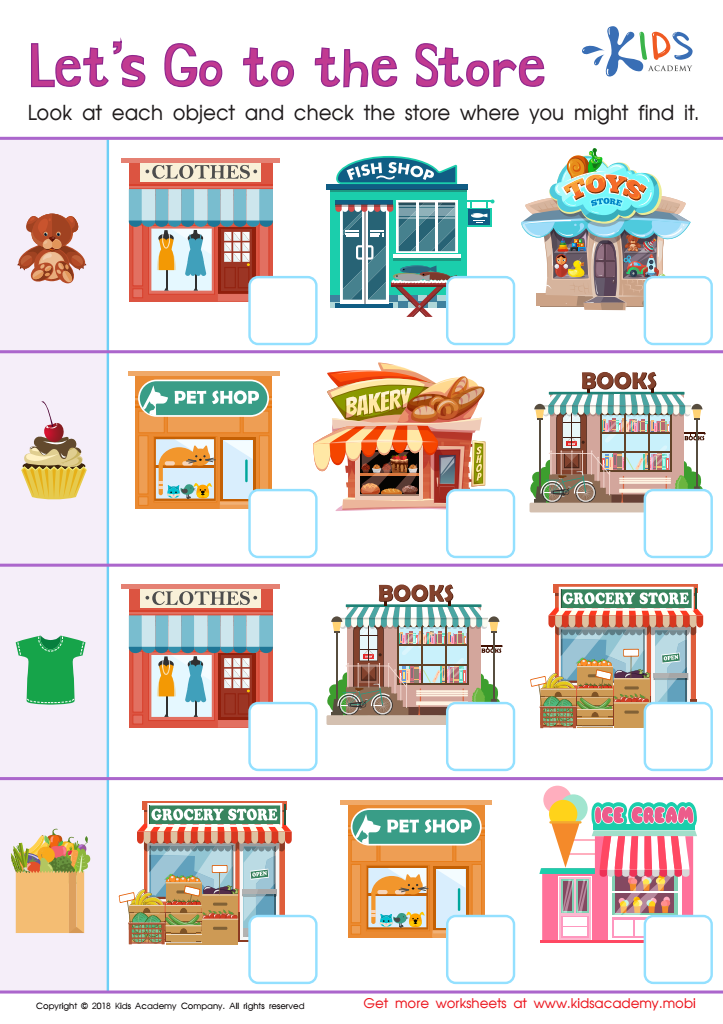
Let's Go to the Store! Worksheet
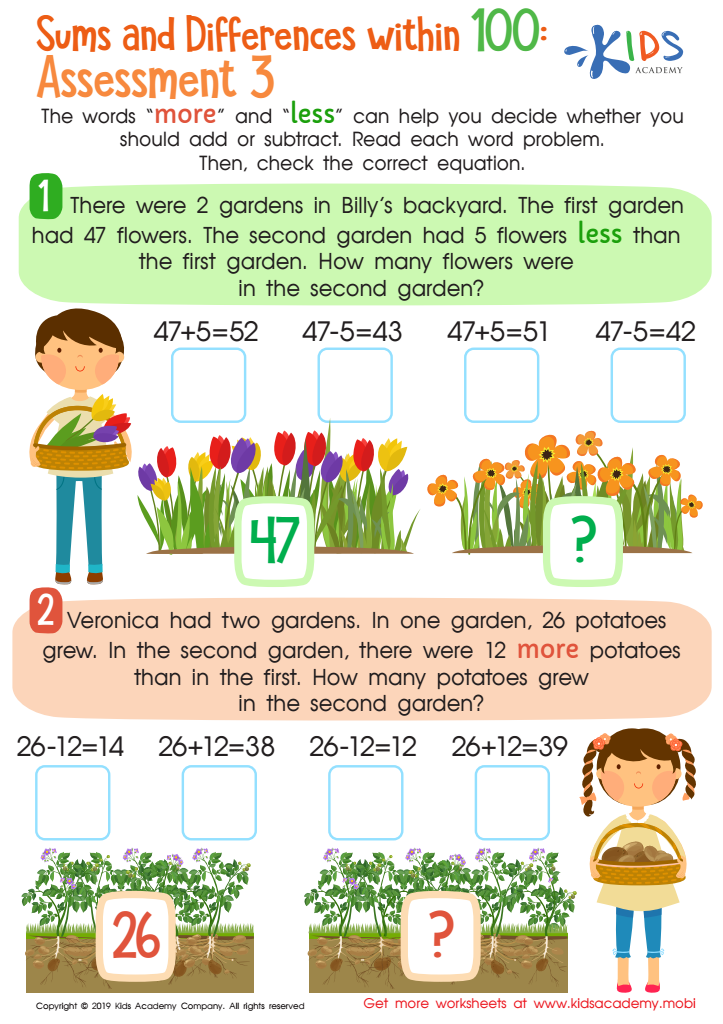
Sums and Differences Within 1 - Assessment 1 Worksheet
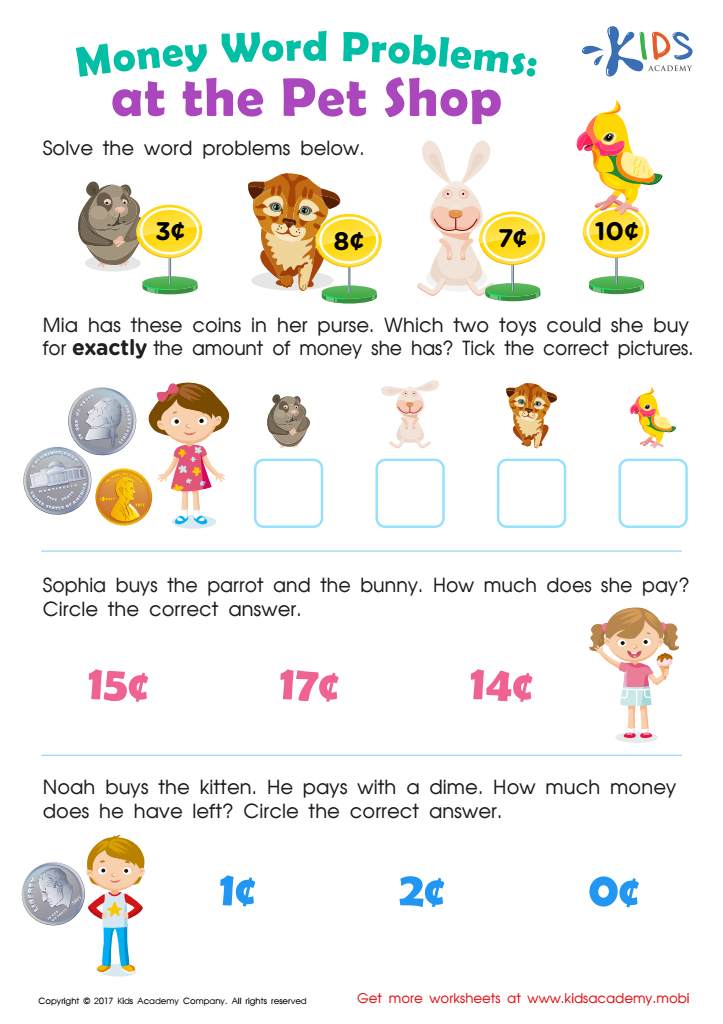
Pet Shop Worksheet
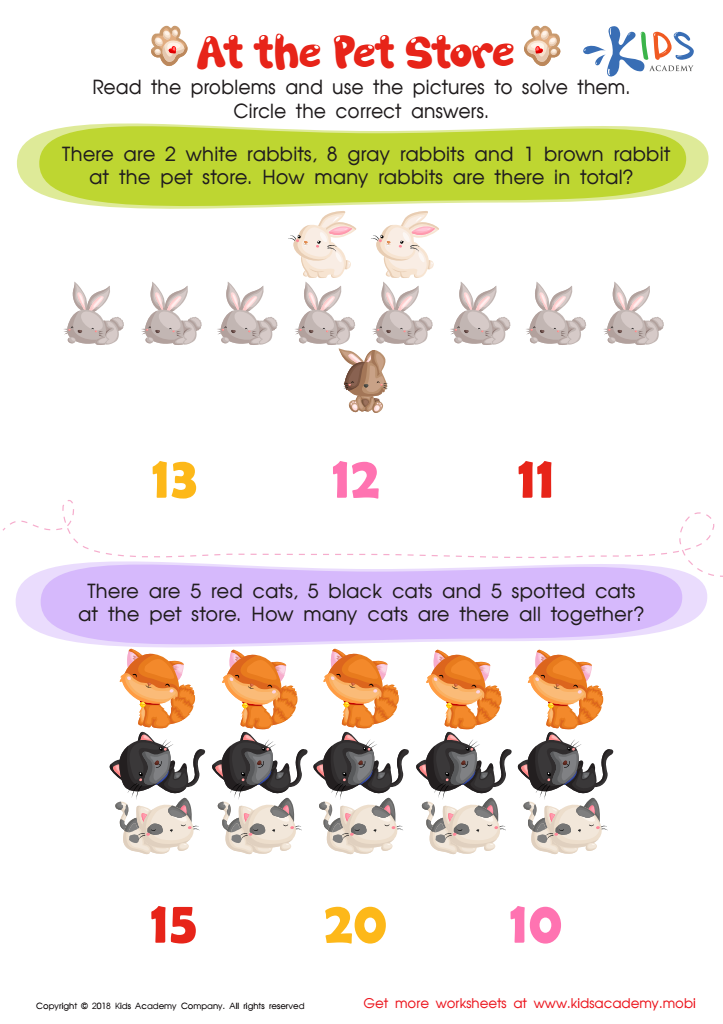
At the Pet Store Word Problems Worksheet
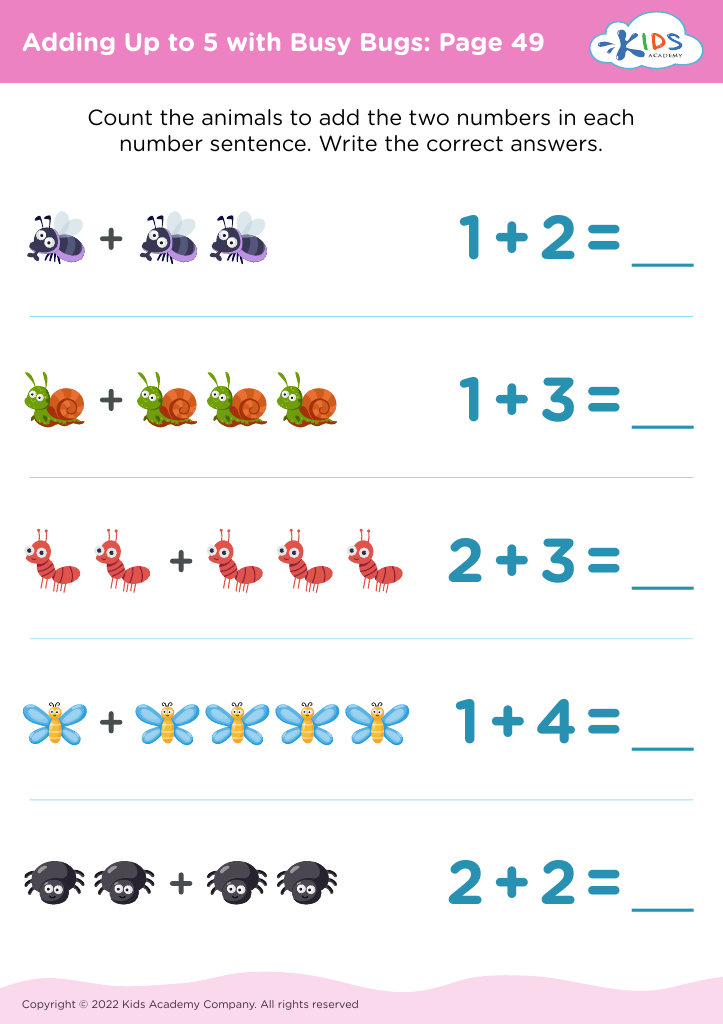
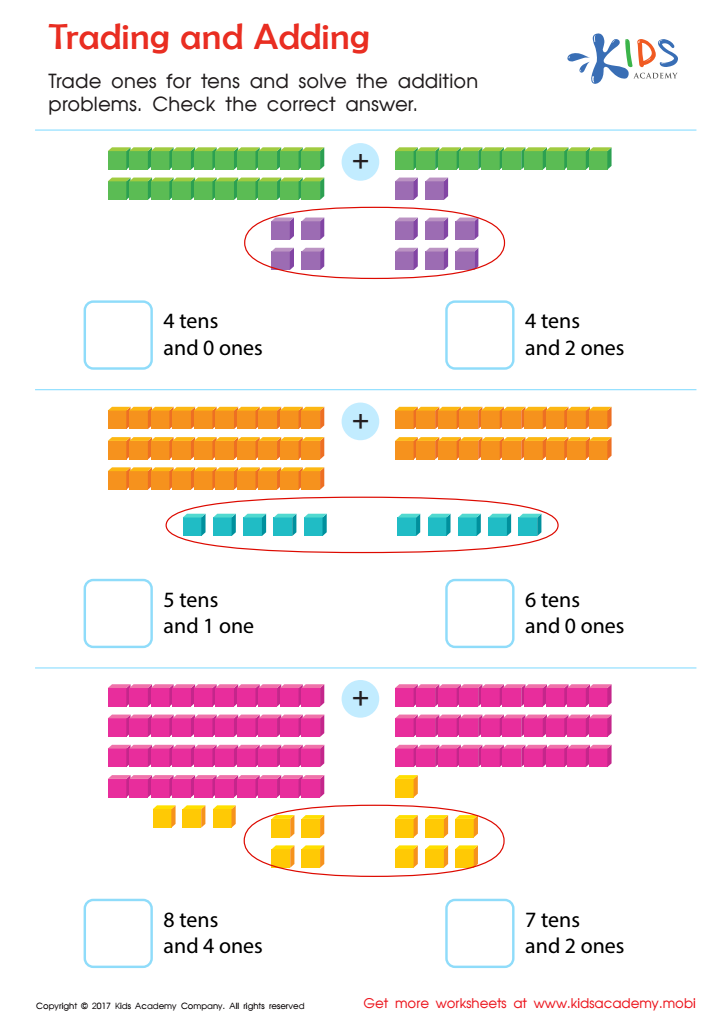
Trading and Adding Worksheet
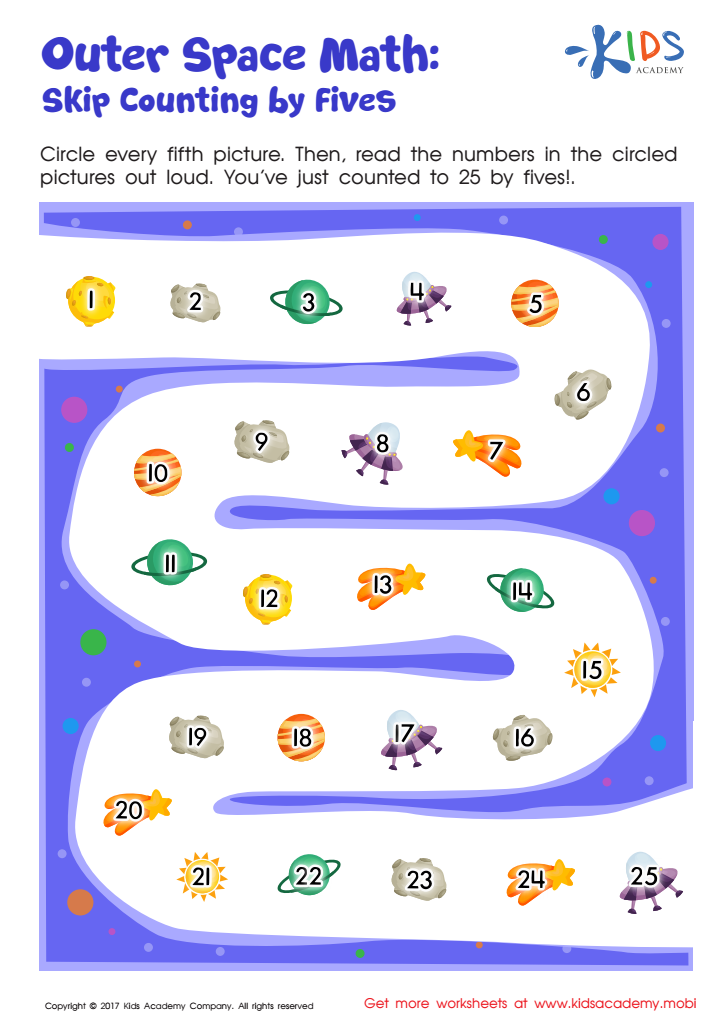
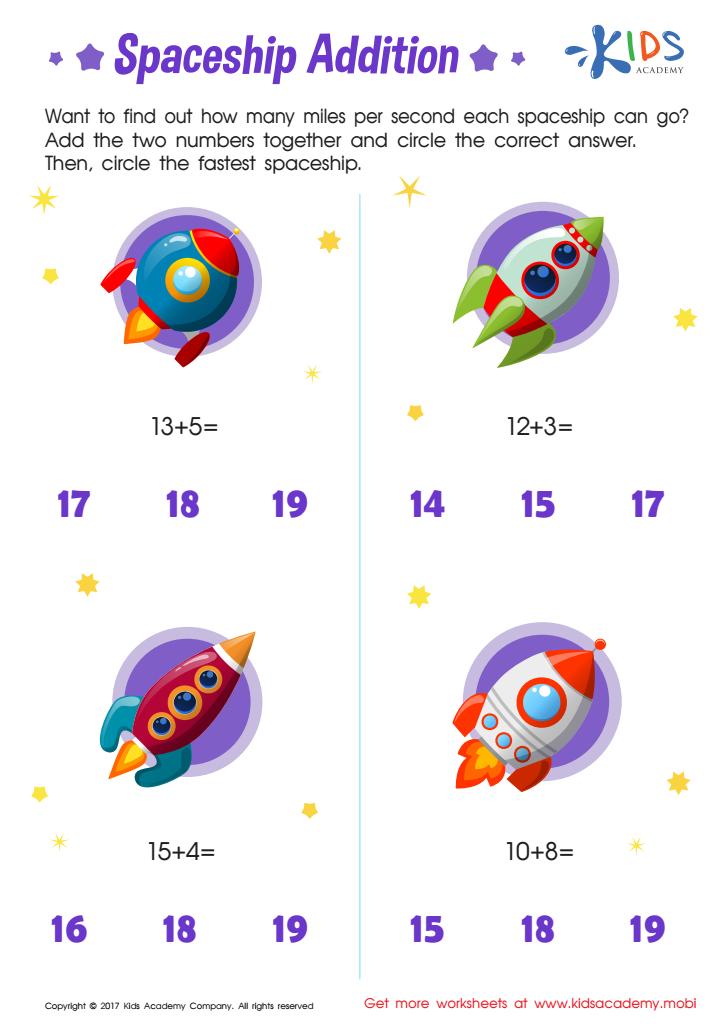
Skip Counting by 5s: Outer Space Math Printable
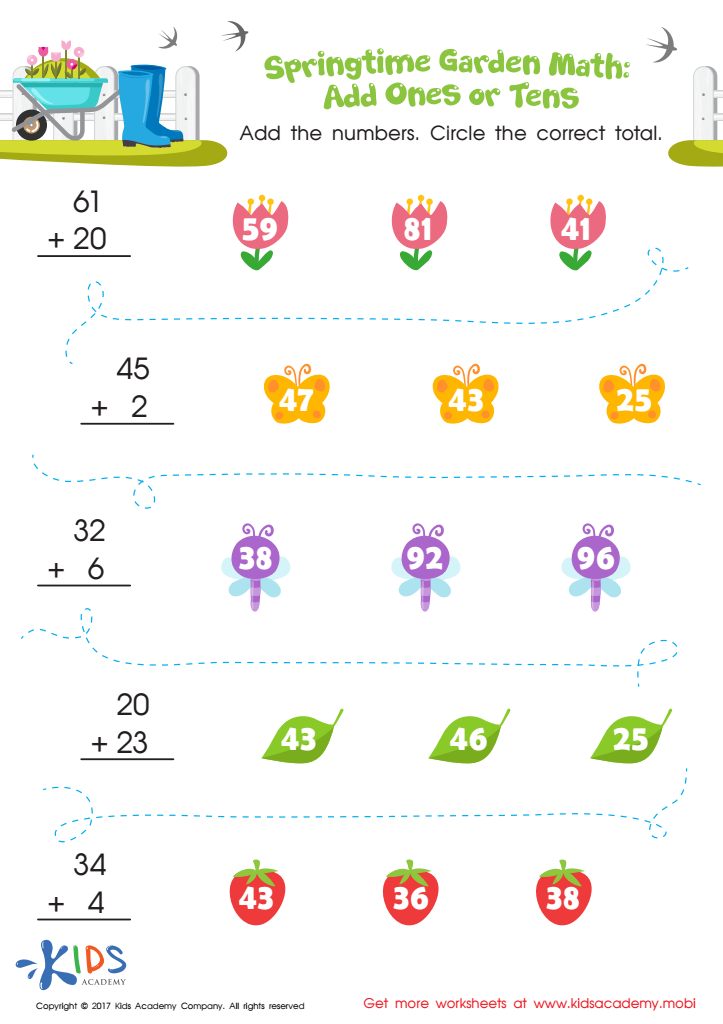
Springtime Garden Math Worksheet
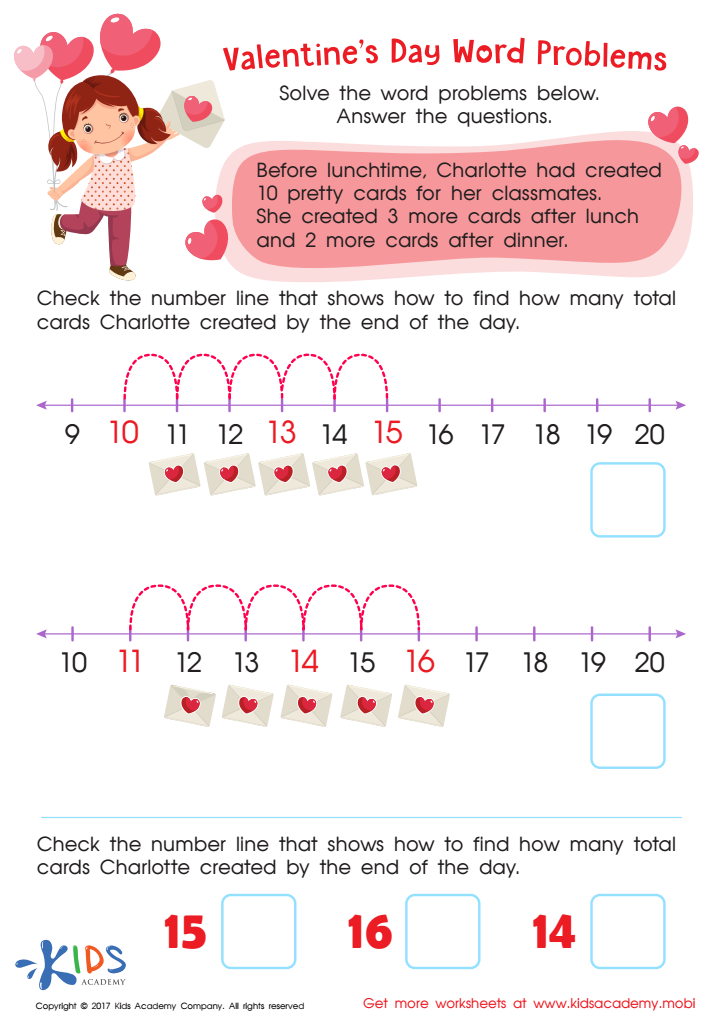
Valentines Day Word Problem Worksheet
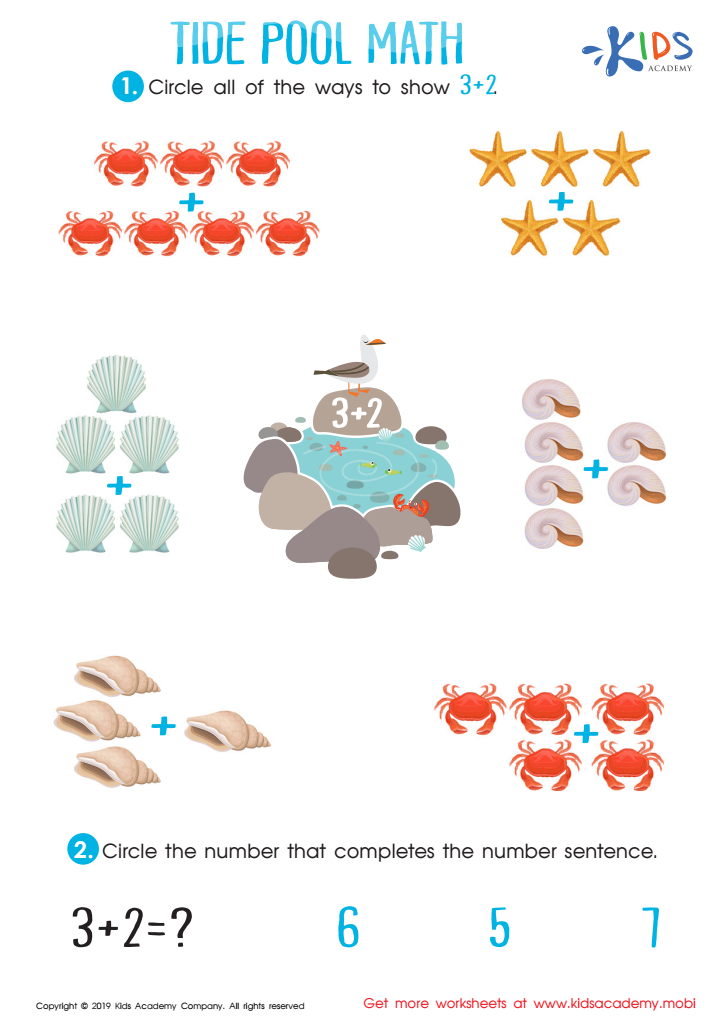
Tide Pool Math Worksheet
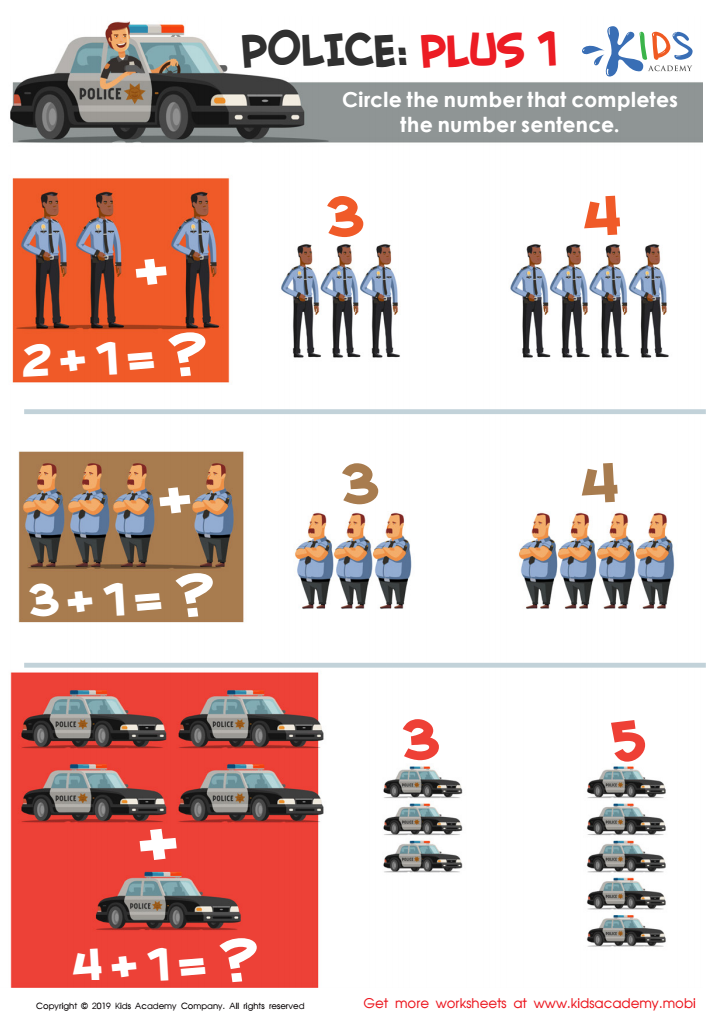
Police: Plus 1 Worksheet
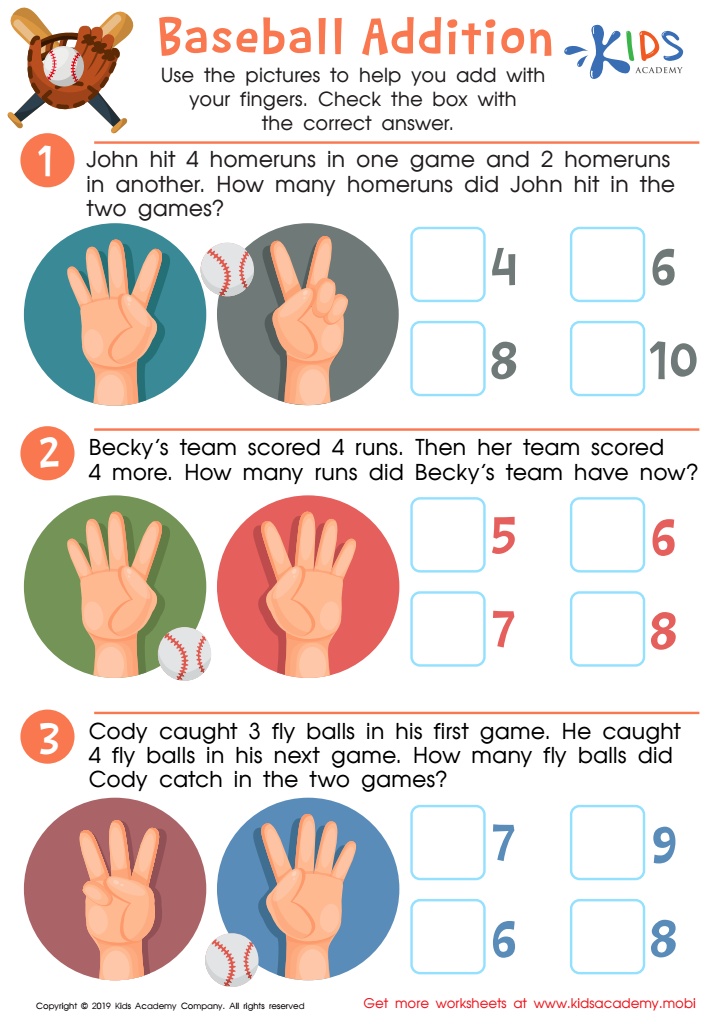
Baseball Addition Worksheet
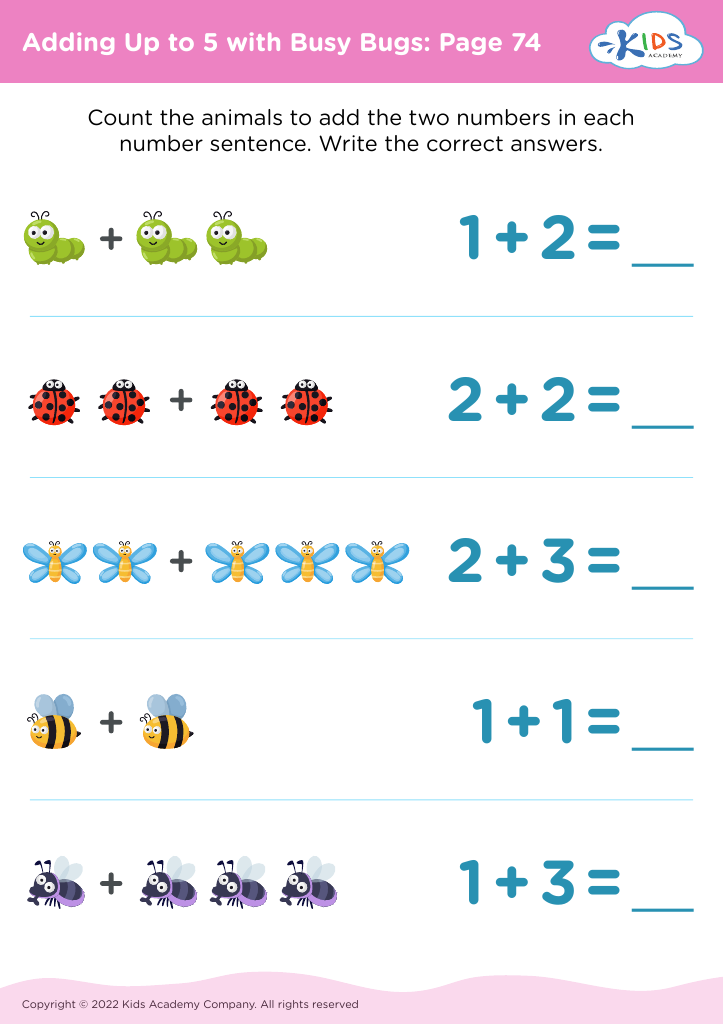
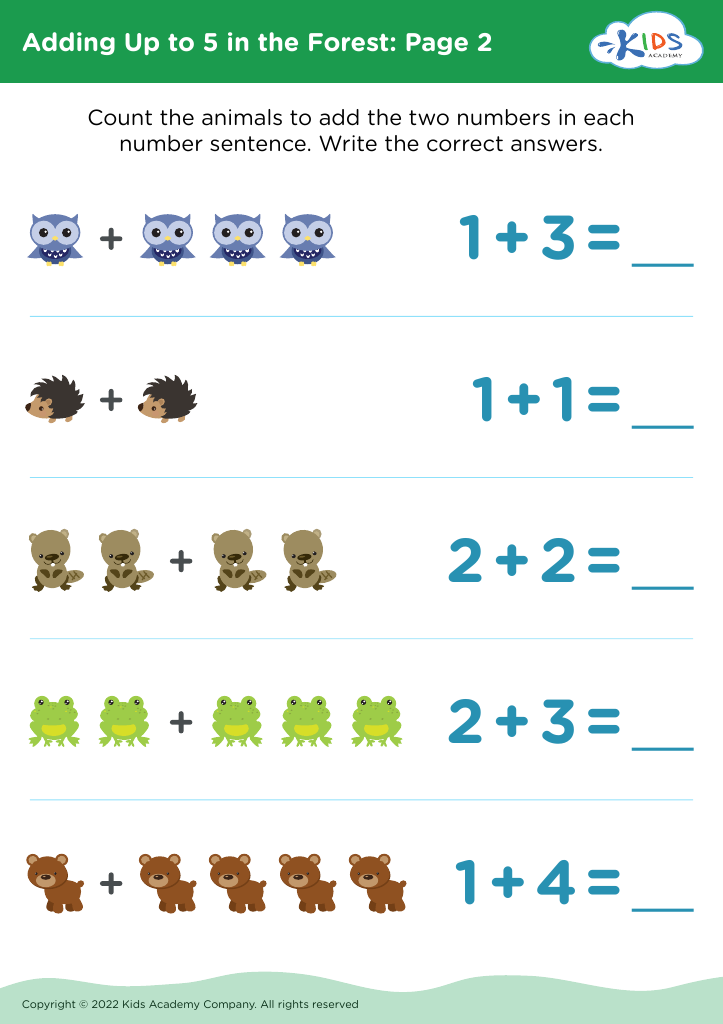
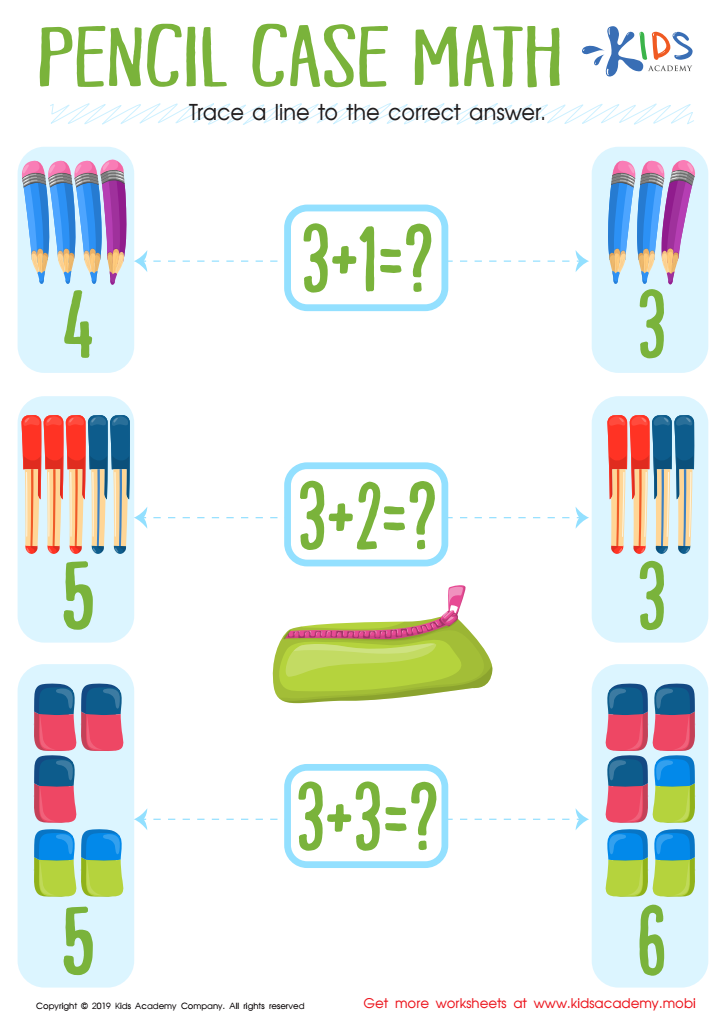
Pencil Case Math Worksheet
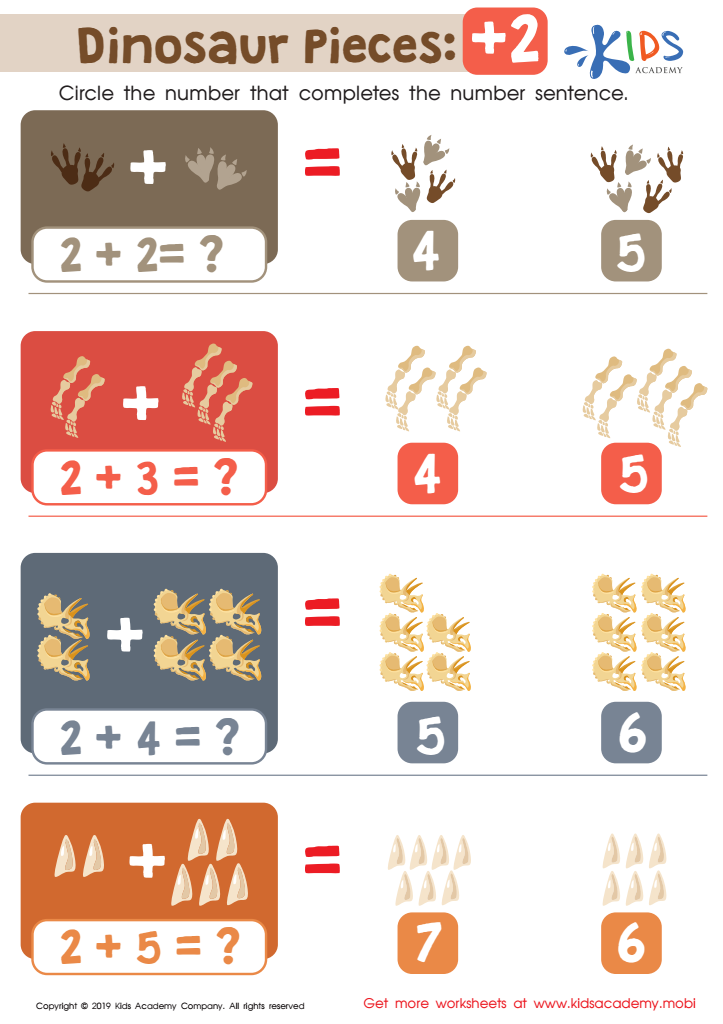
Dinosaur Pieces: +2 Worksheet








Ensuring that children aged 5-6 practice addition is crucial for their early mathematical development and overall intellectual growth. At this formative stage, young learners are building foundational skills that will support more complex mathematical concepts in the future. Practicing addition helps to solidify their understanding of basic number relationships and arithmetic operations, which are essential for advanced math topics.
Additionally, early addition practice enhances cognitive skills such as problem-solving, logical thinking, and memory. When young children engage with numbers and practice adding, they begin to recognize patterns and develop reasoning abilities. It strengthens their ability to focus, follow instructions, and apply learned concepts to different scenarios, all of which are vital academic skills.
Furthermore, consistent practice in addition boosts children's confidence and enjoyment of math. It promotes a positive attitude towards learning and helps overcome the fear of math that many children experience. For parents and teachers, fostering a strong mathematical foundation through addition practice also means they are investing in their child's long-term academic success, not only in math but across other subjects that require analytical skills.
By prioritizing addition practice for children aged 5-6, caregivers and educators can provide kids with the tools and confidence they need for a bright academic future.








