Basic Math Skills Worksheets for Ages 5-6 - Page 3
126 filtered results
-
From - To
 Assign to My Students
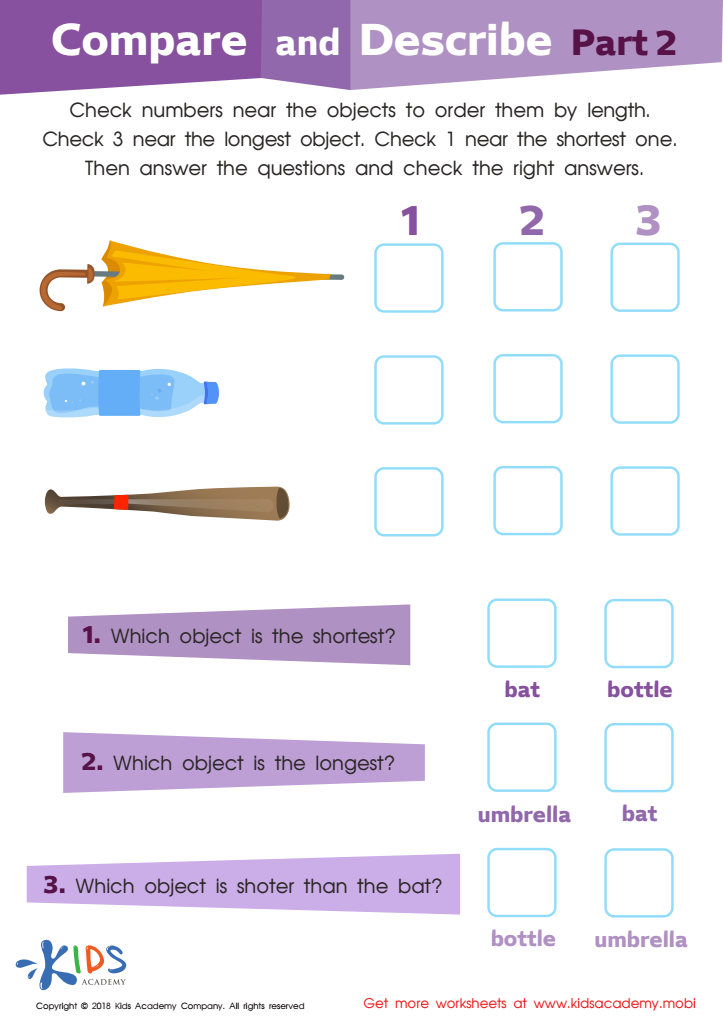
Compare and Describe: Part 2 Worksheet
Honey Bee Counting Worksheet
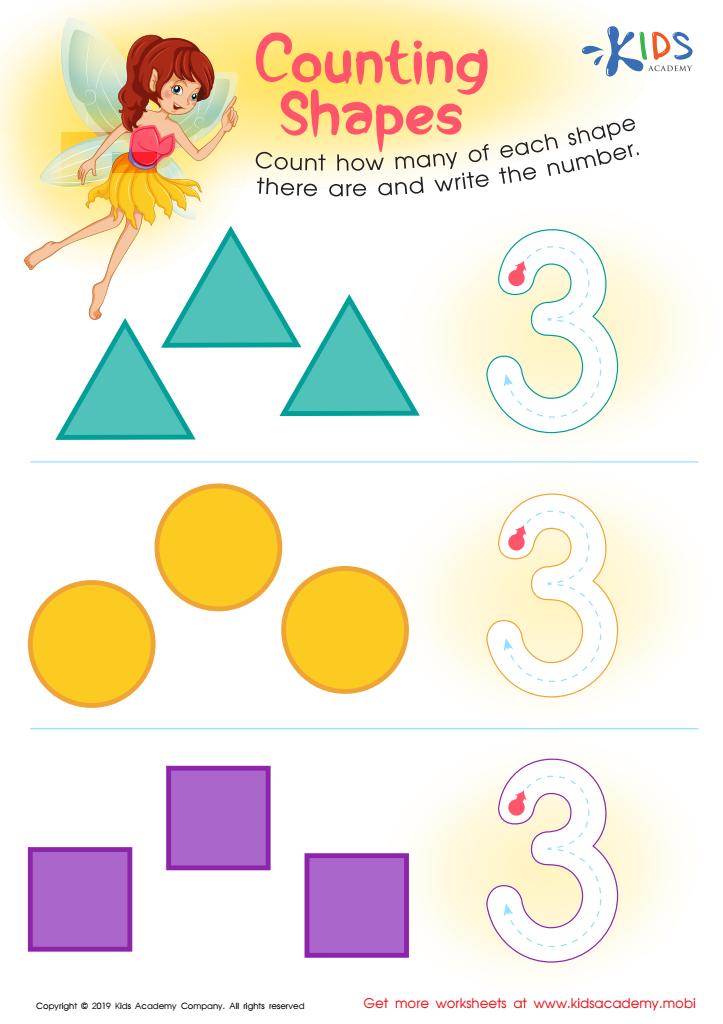
Counting Shapes Worksheet
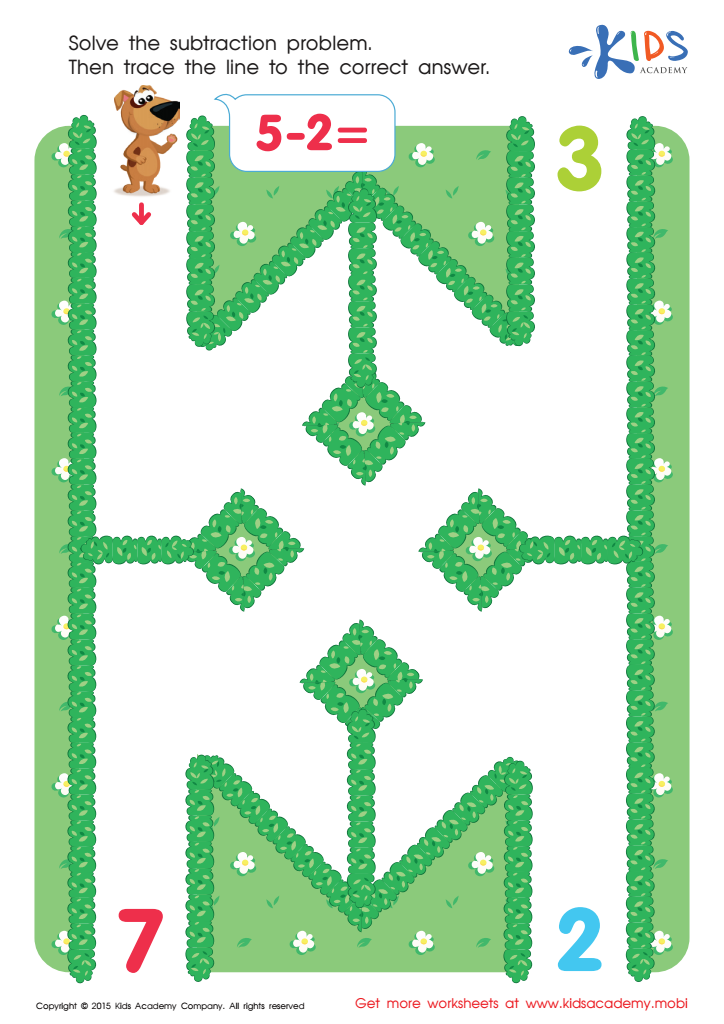
Five Minus Two Worksheet
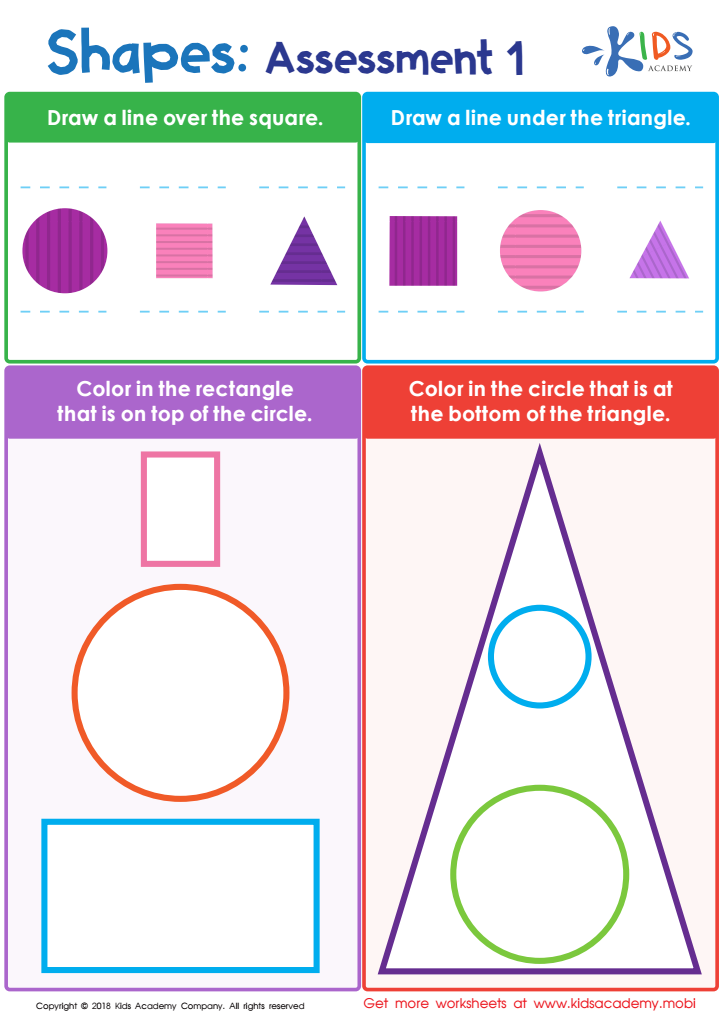
Shapes: Assessment 1 Worksheet
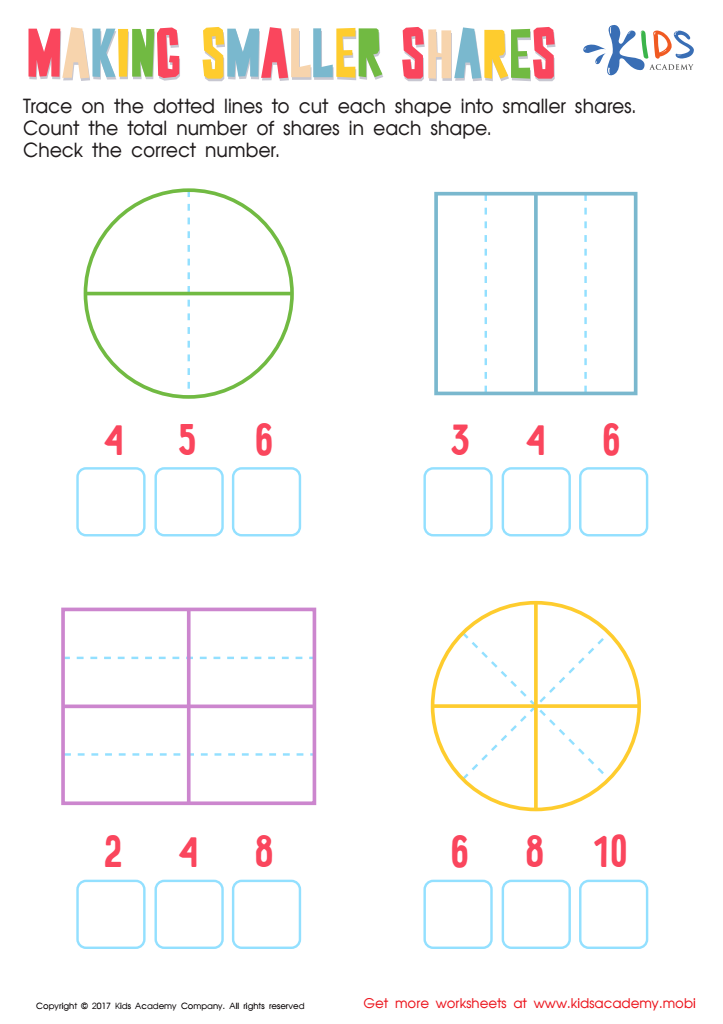
Making Smaller Shares Worksheet
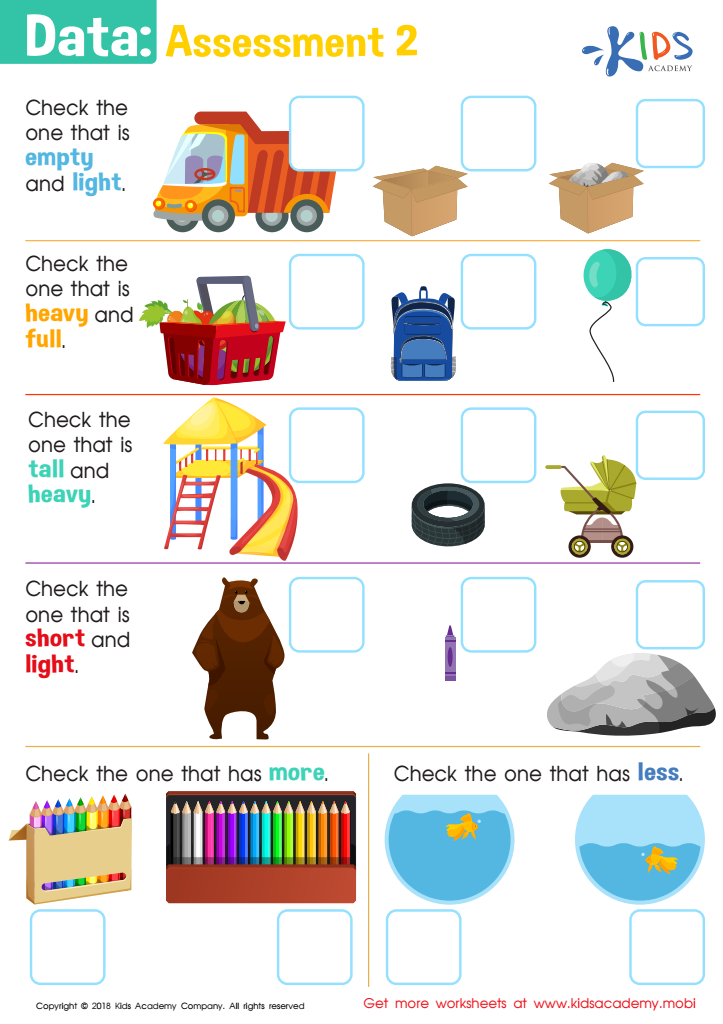
Data: Assessment 2 Worksheet
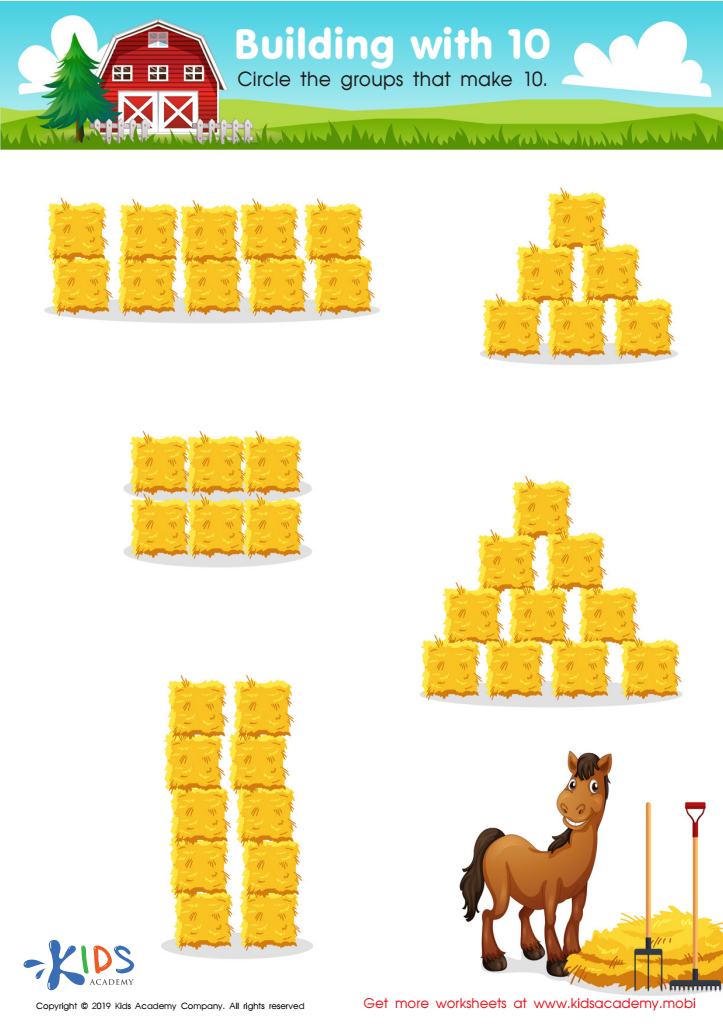
Building with 10 Worksheet
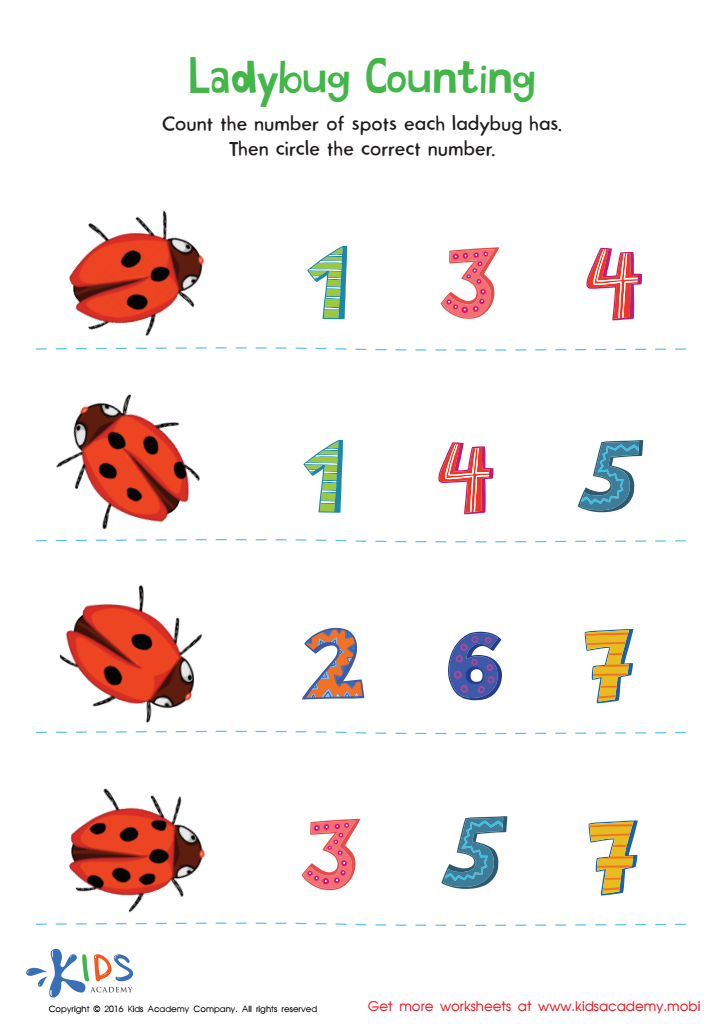
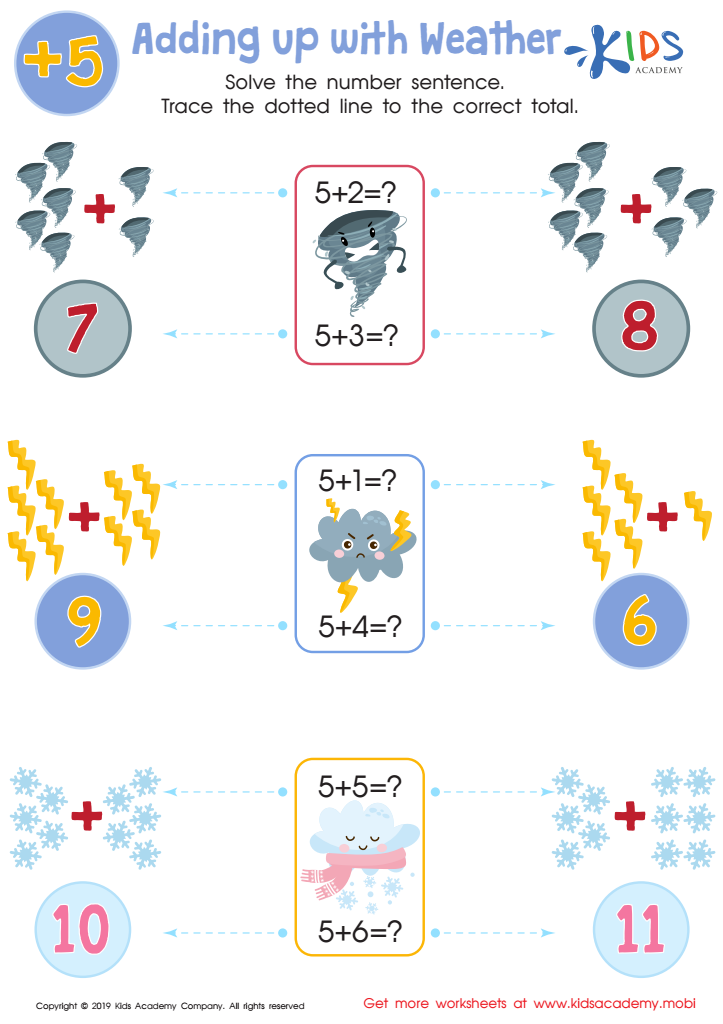
Adding up With Water Worksheet
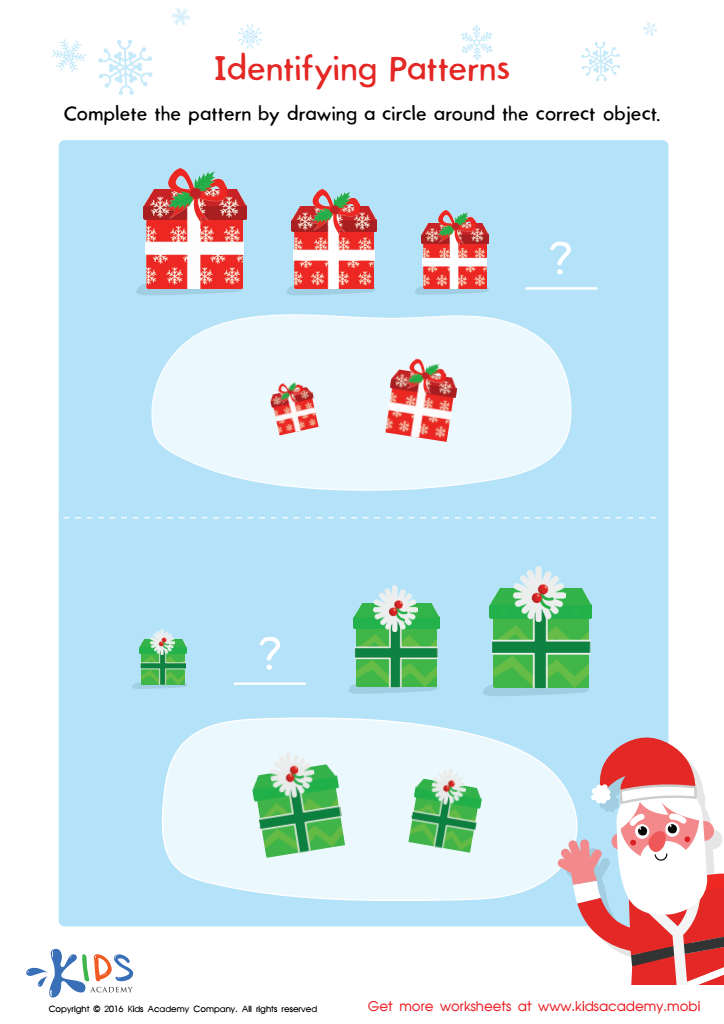
Identifying Patterns Worksheet
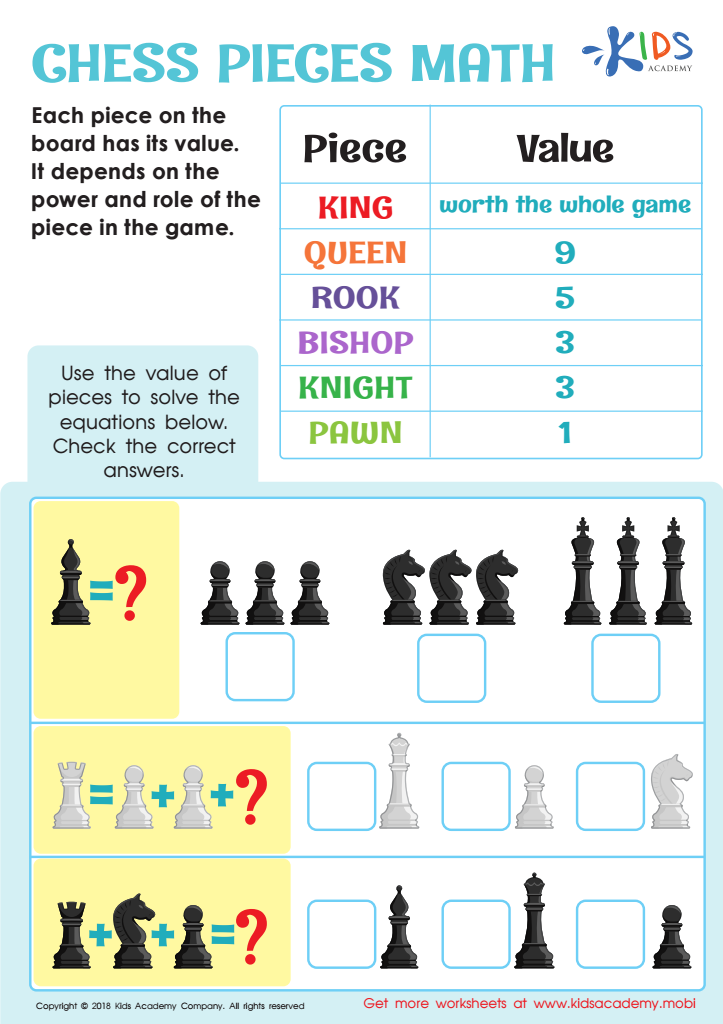
Chess Pieces Math Worksheet
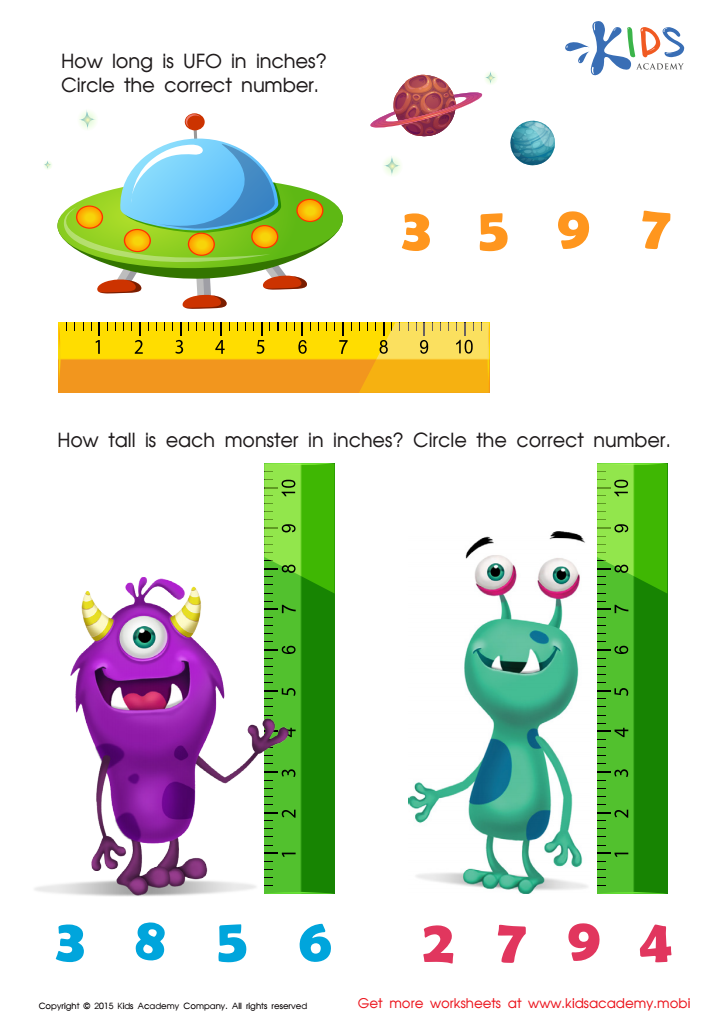
Measuring in Inches Worksheet
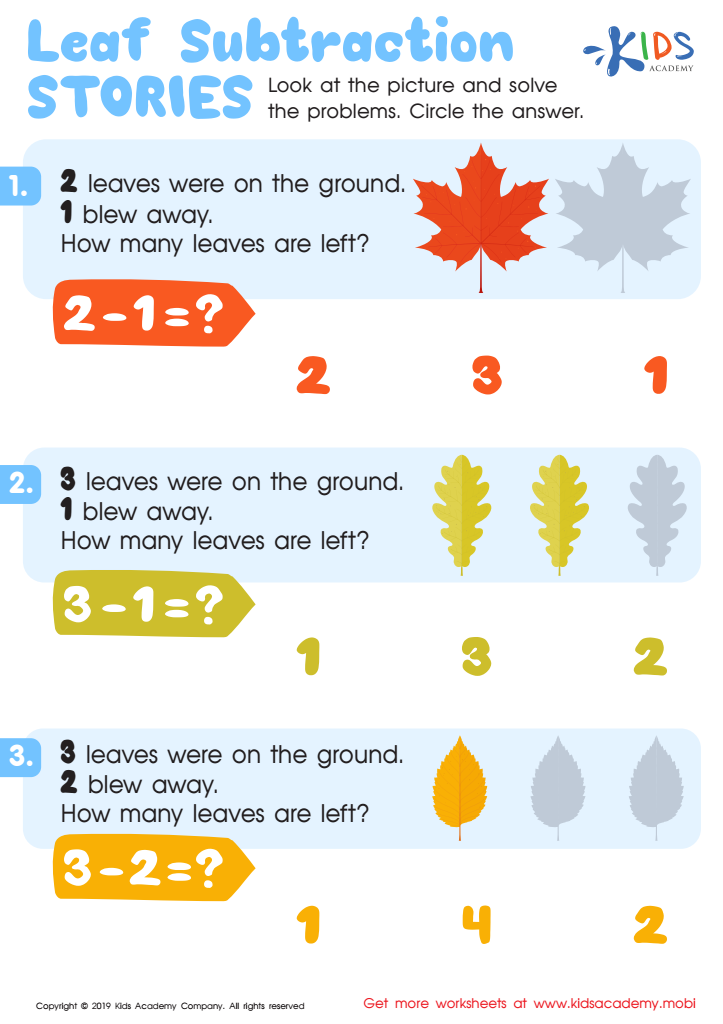
Leaf Subtraction Stories Worksheet
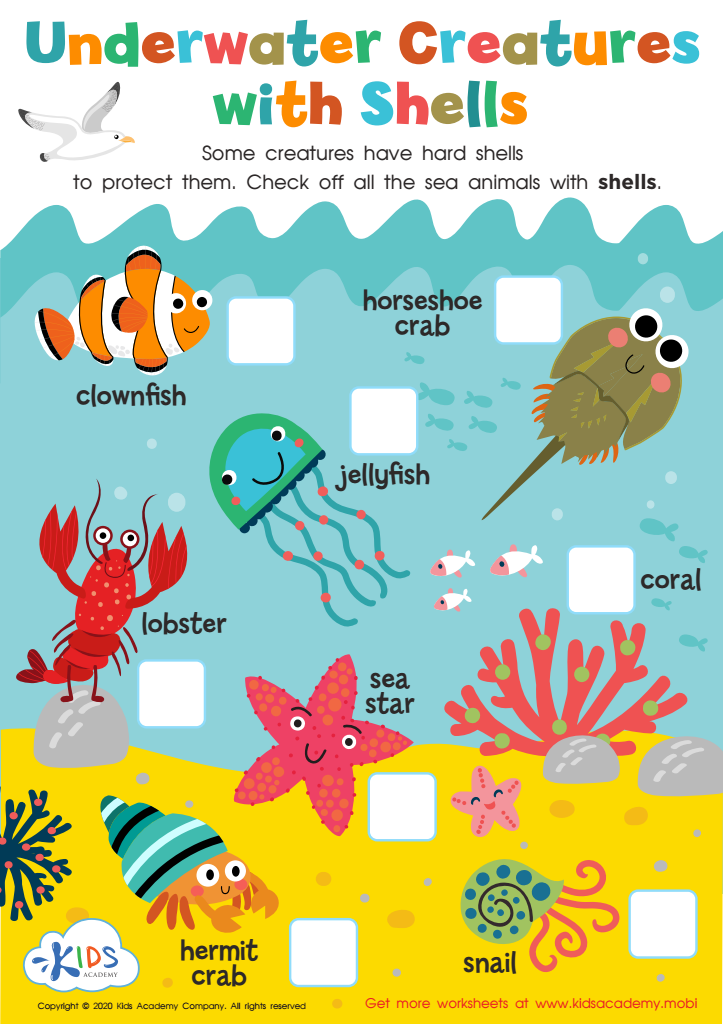
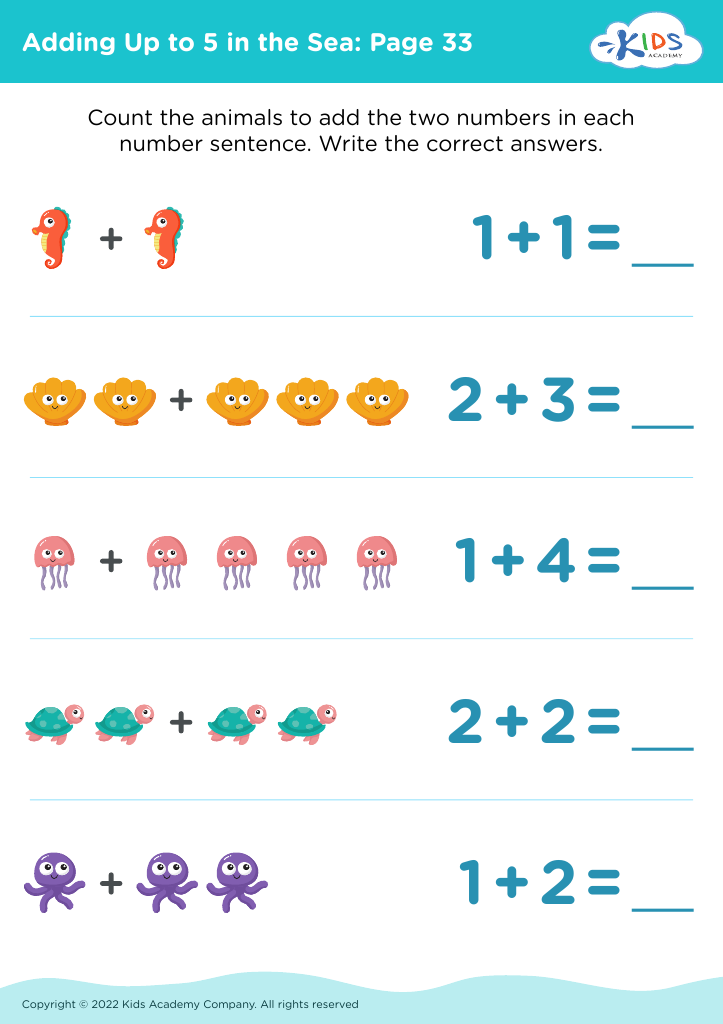
Underwater Creatures with Shells Worksheet
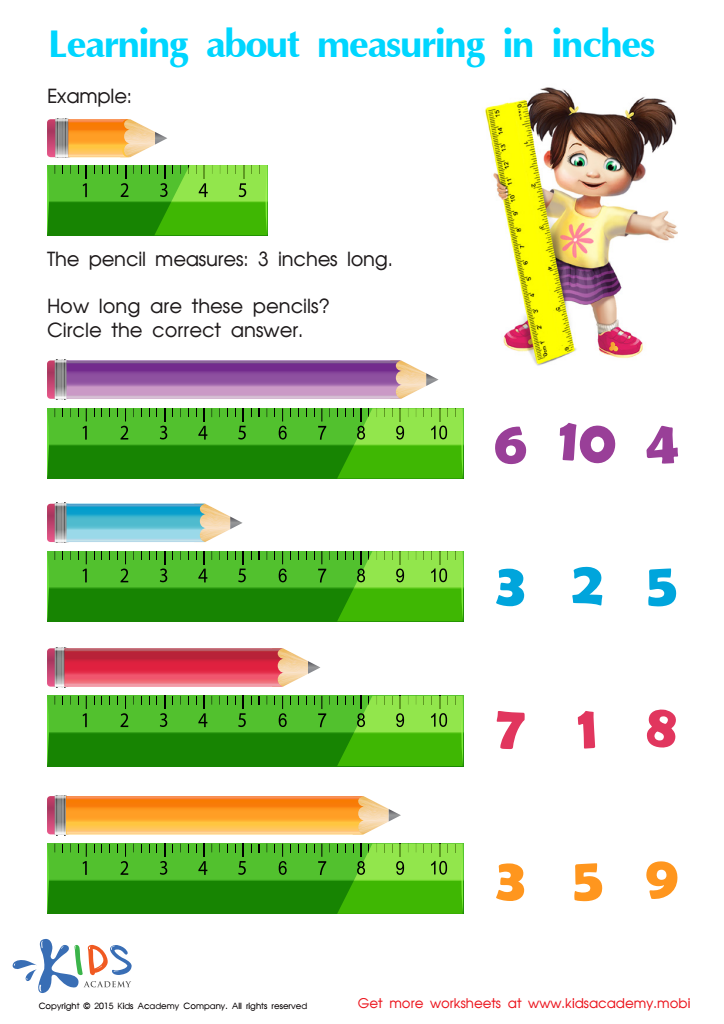
Learning About Measuring In Inches Printable
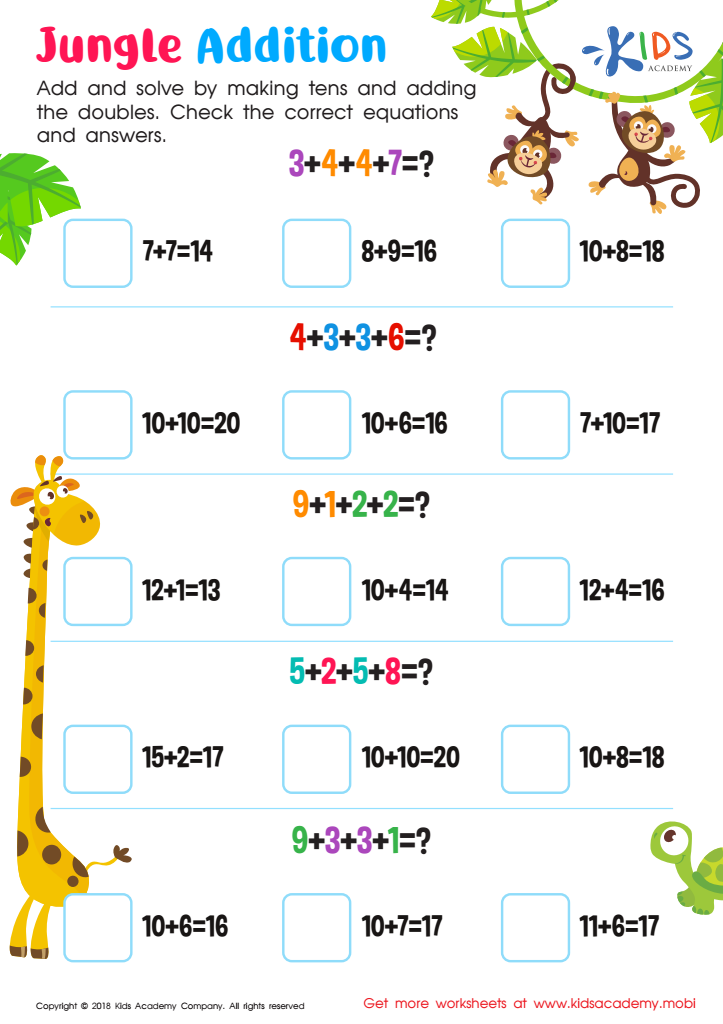
Jungle Addition Worksheet
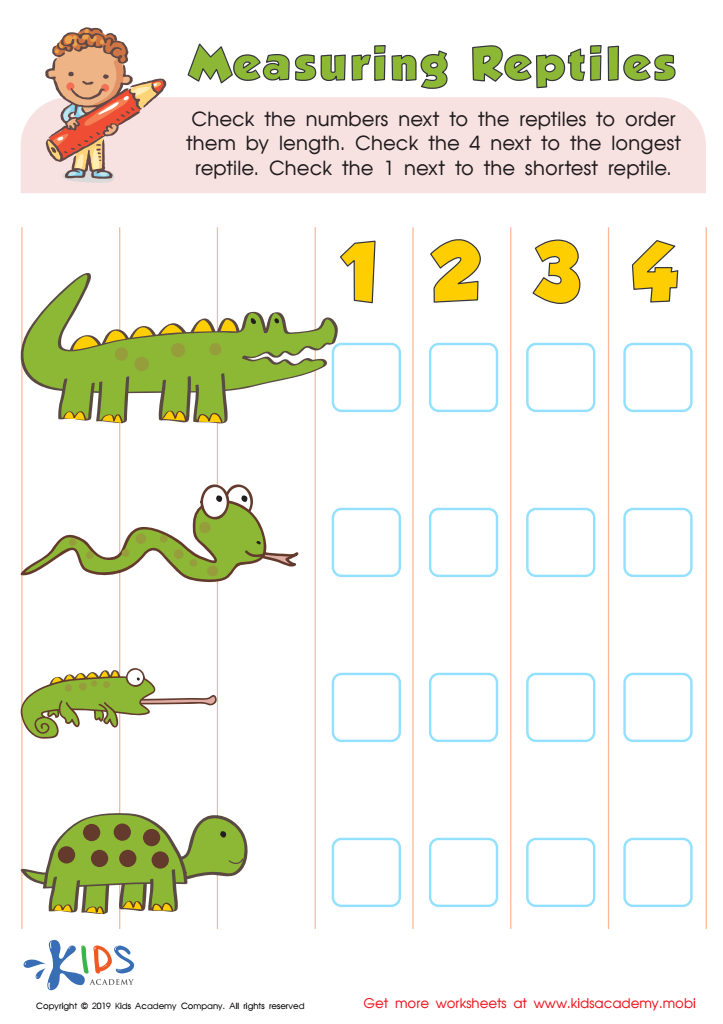
Measuring Reptiles Worksheet
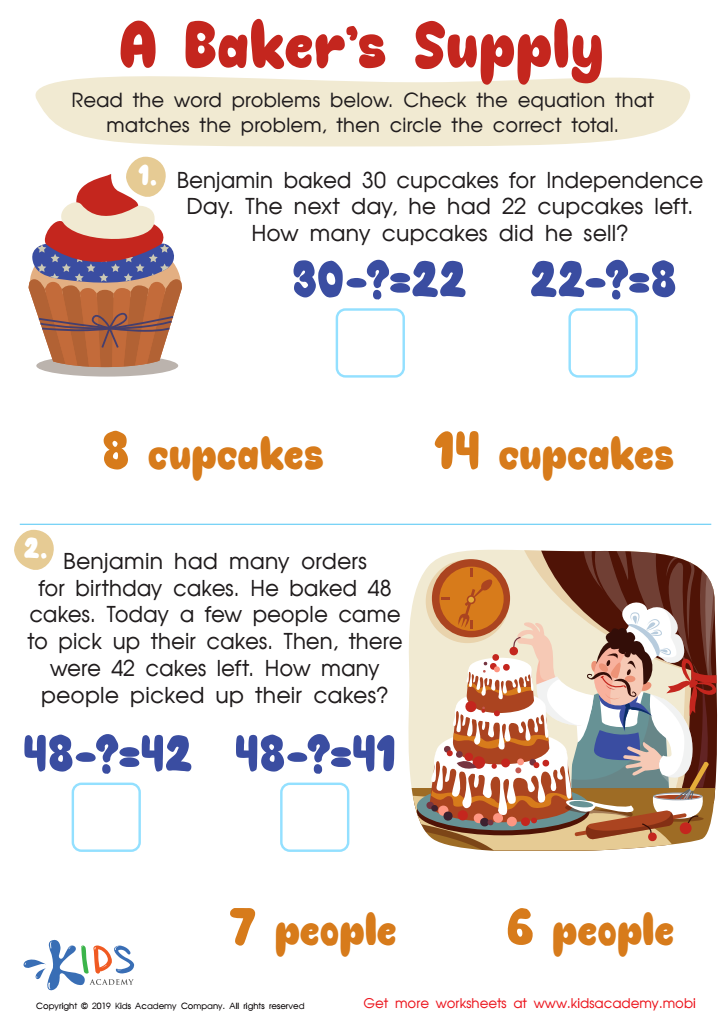
A Baker's Supply Worksheet
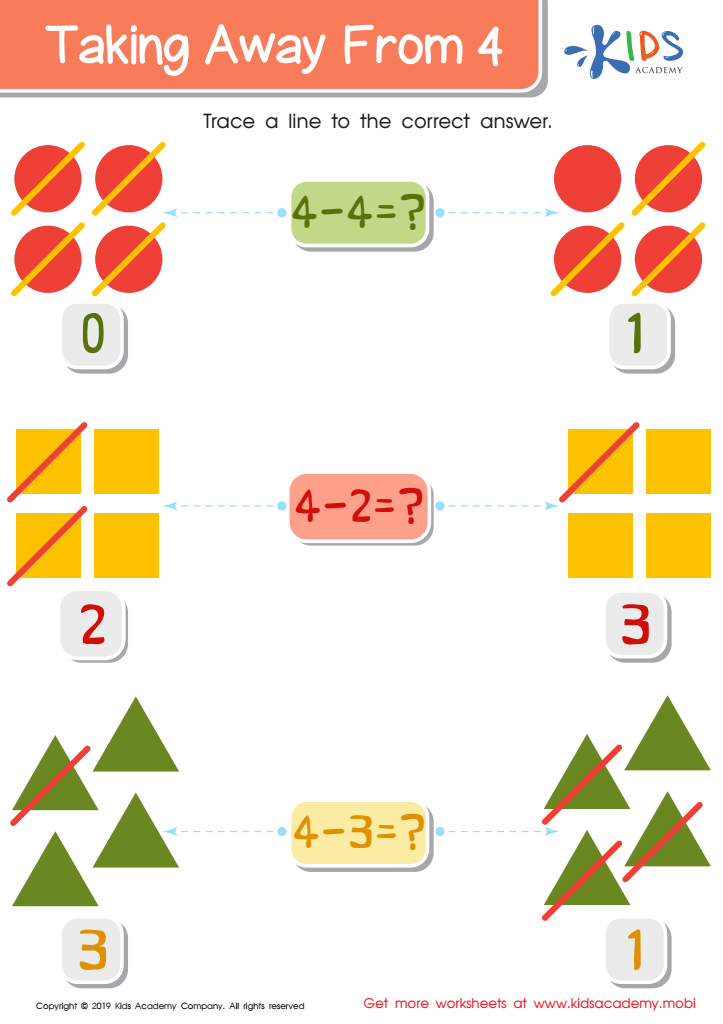
Taking Away from 4 Worksheet
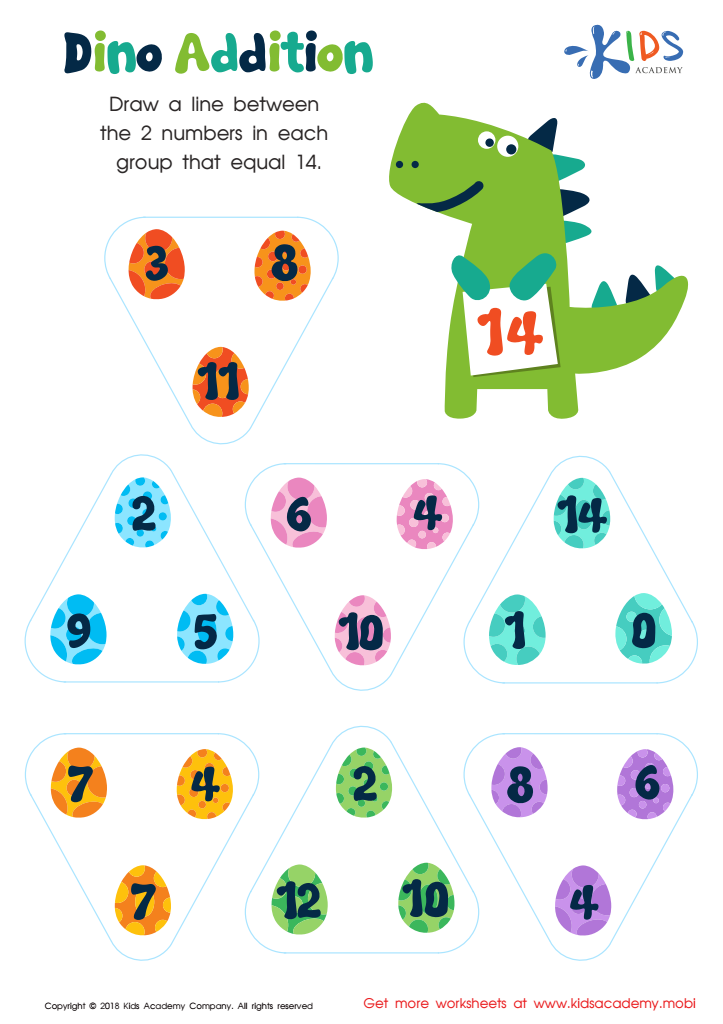
Dino Addition Worksheet







Basic math skills are fundamental building blocks for a child's overall academic development, especially for children aged 5-6. At this critical stage, children are naturally curious and receptive to learning foundational concepts like counting, recognizing numbers, and understanding simple addition and subtraction. When parents and teachers engage with children to foster these math skills early on, they set the stage for future success in more complex mathematical concepts and problem-solving abilities.
Investing in basic math at ages 5-6 helps children develop logical and critical thinking skills. Young children begin to learn how to reason, identify patterns, and make sense of the world around them through numbers. This age is also when children start to gain confidence in their abilities; succeeding in foundational math can enhance their self-esteem and encourage a positive attitude towards learning.
Moreover, early math skills are closely linked to other cognitive and academic areas, such as literacy. Research shows that children who excel in early math tend to perform better in reading and other subjects as they progress through school. By prioritizing fundamental math skills during the early years, parents and teachers can help children establish a strong, interconnected foundation that will benefit them across various areas of learning and development.








