Color Identification Worksheets for Ages 5-6 - Page 2
49 filtered results
-
From - To
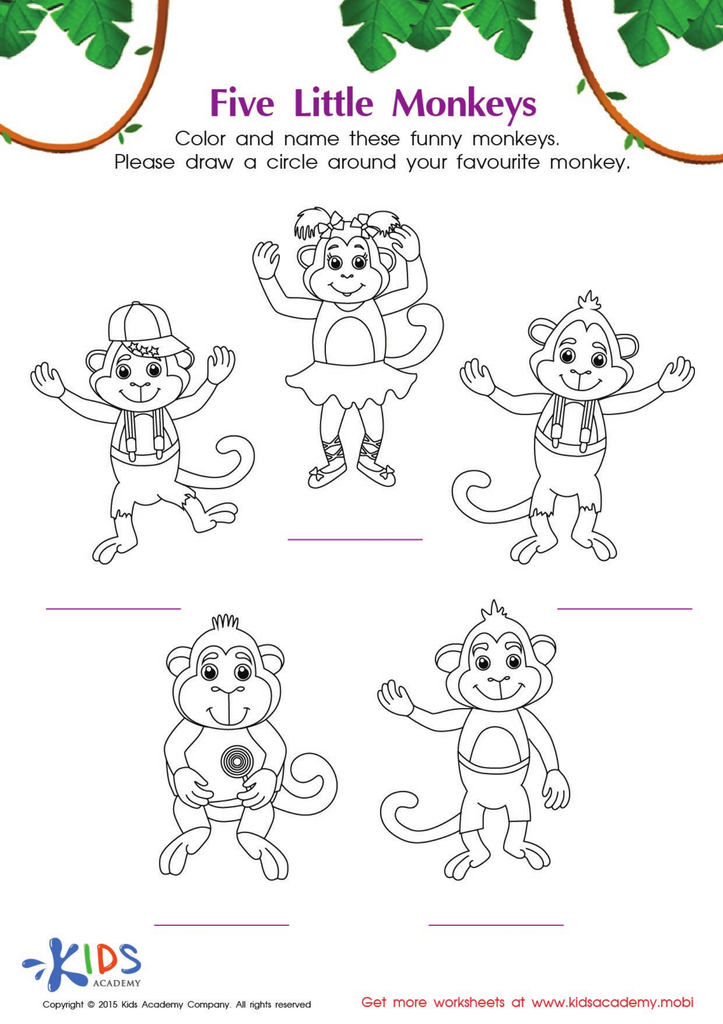
The Five Little Monkeys Coloring Worksheet
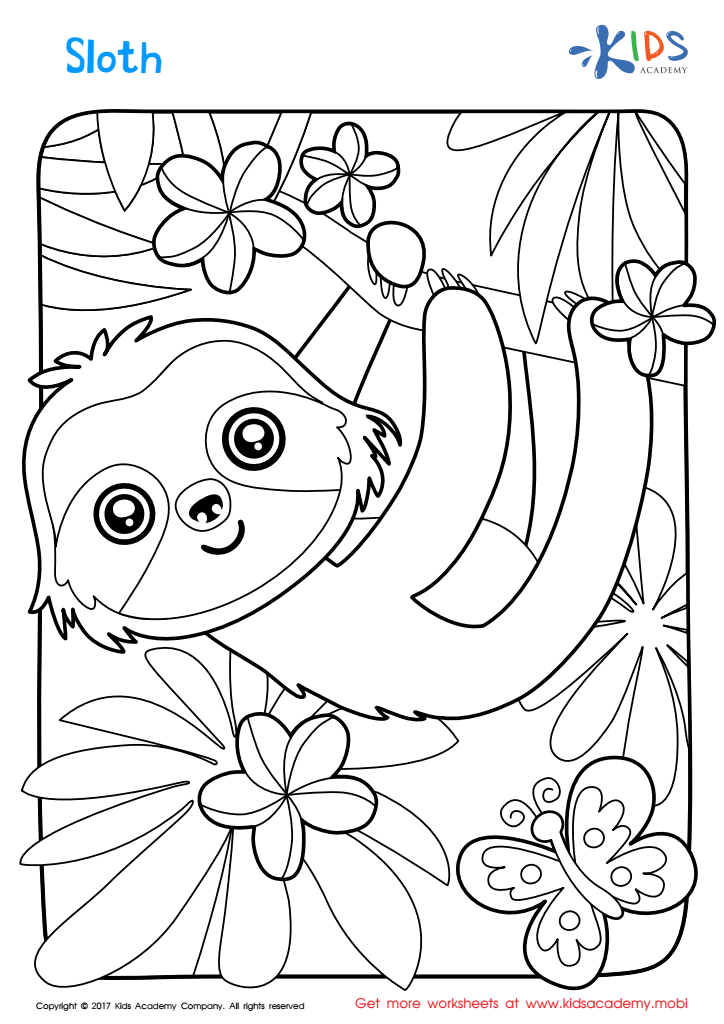
Sloth Worksheet
 Assign to My Students
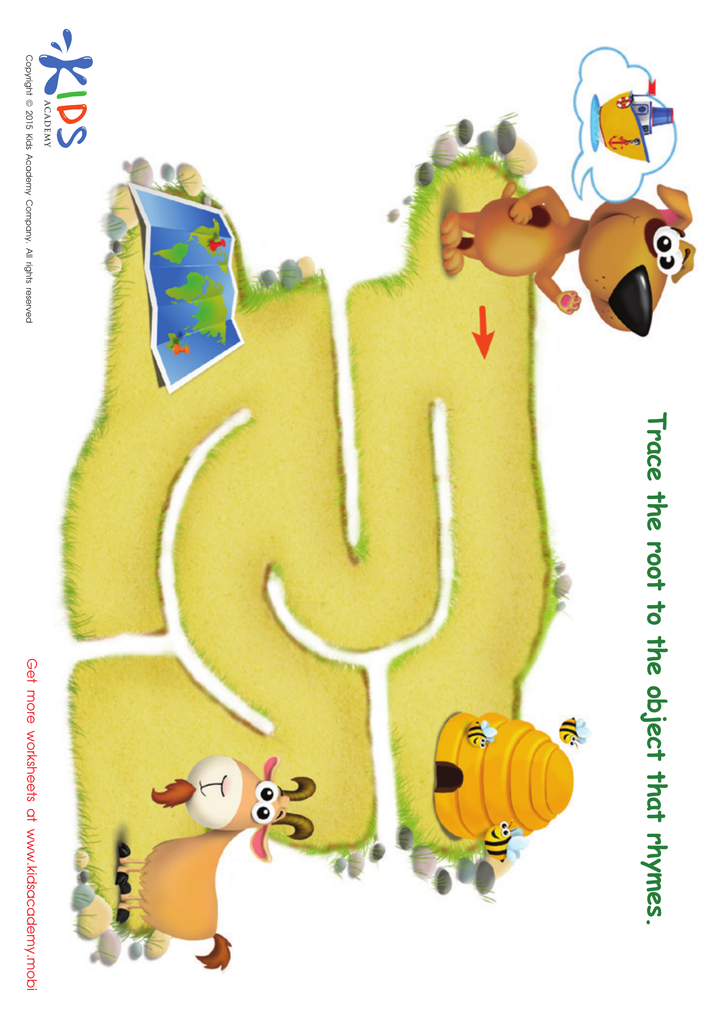
Boat Rhyming Words Worksheet
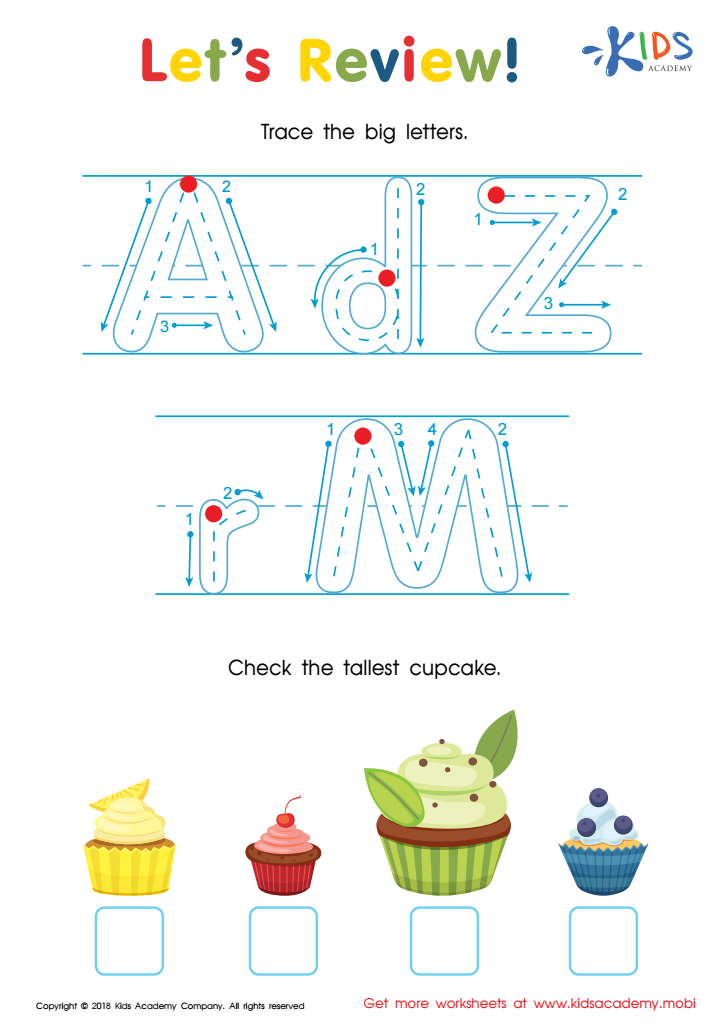
Let's Review! Big Letters Worksheet
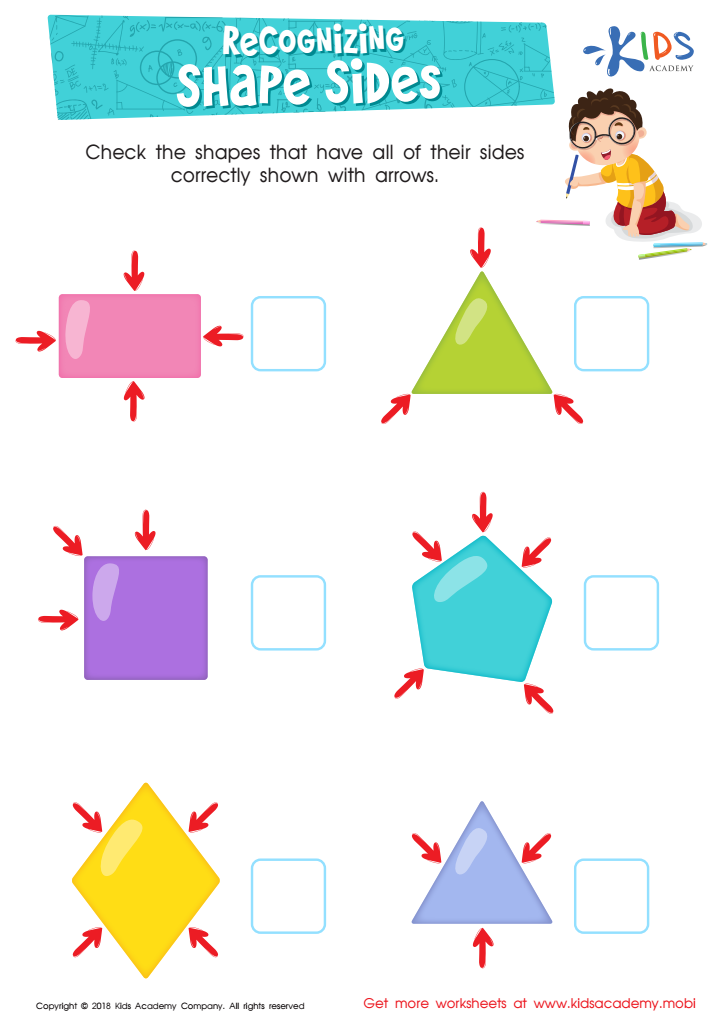
Recognizing Shape Sides Worksheet
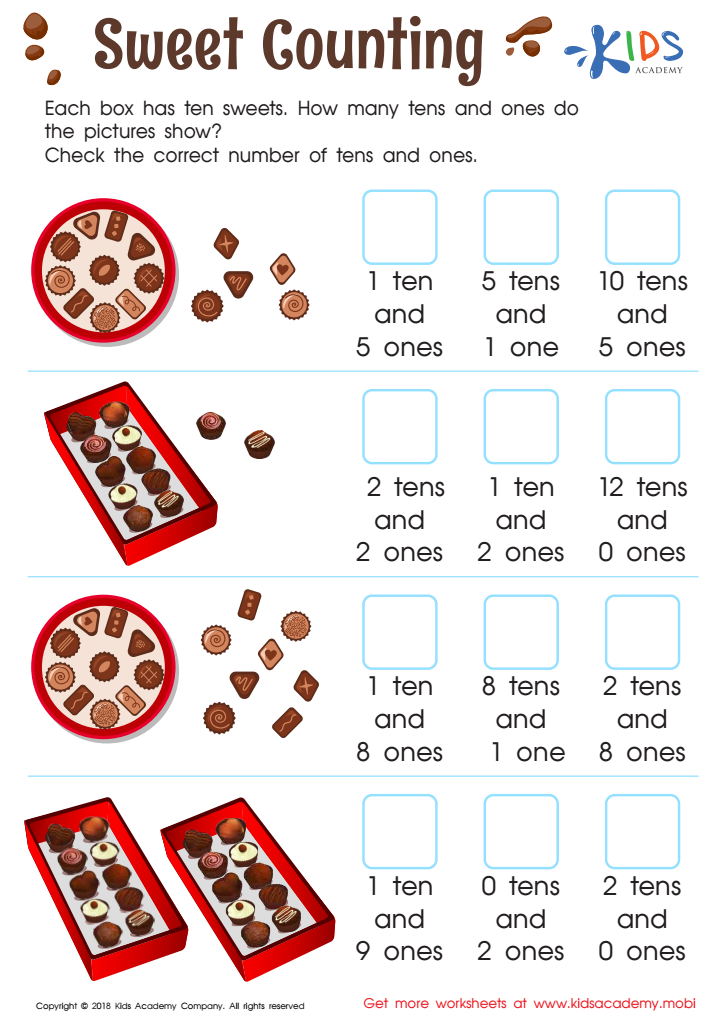
Sweet Counting - Part 2 Worksheet

Color the Shapes Worksheet
Assign to My Students
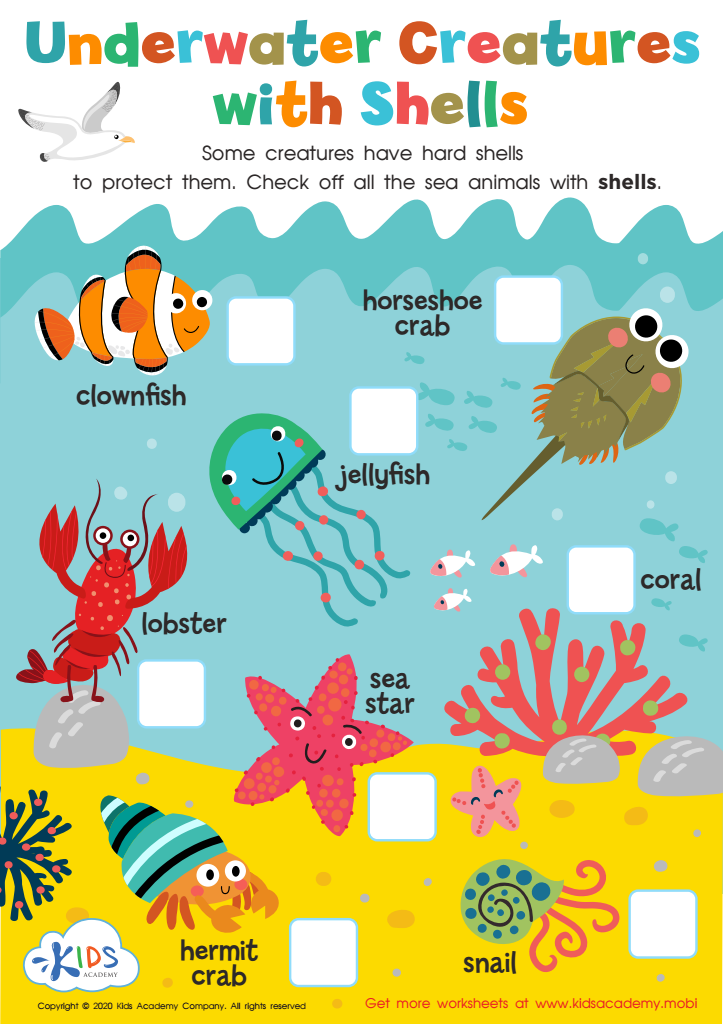
Underwater Creatures with Shells Worksheet
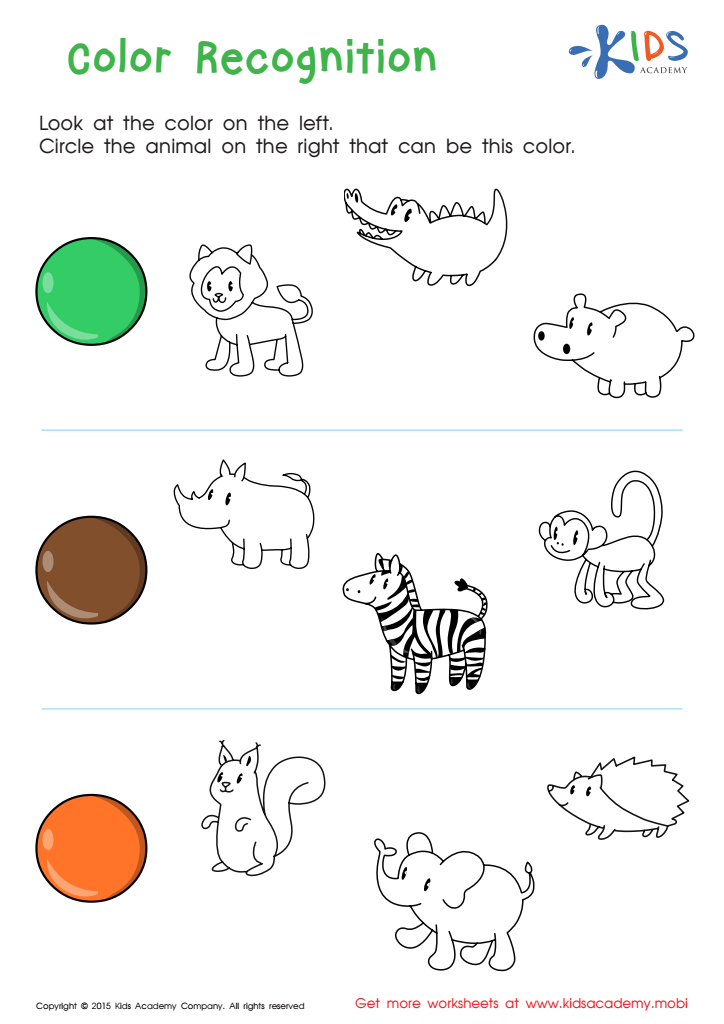
First Words: Color Recognition Worksheet
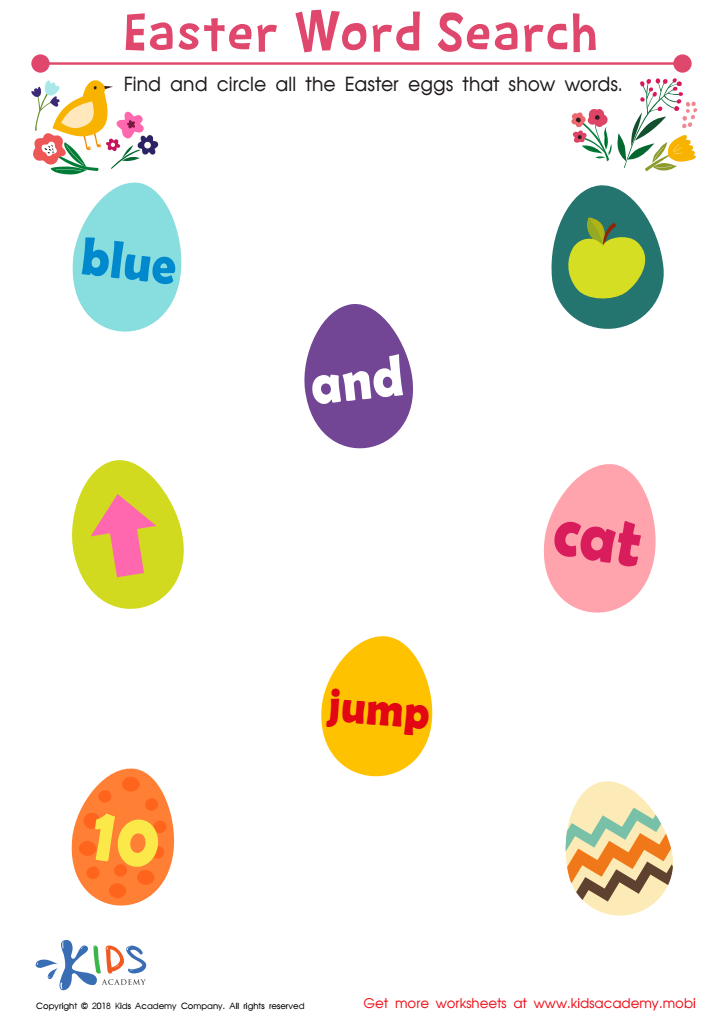
Easter Word Search Worksheet
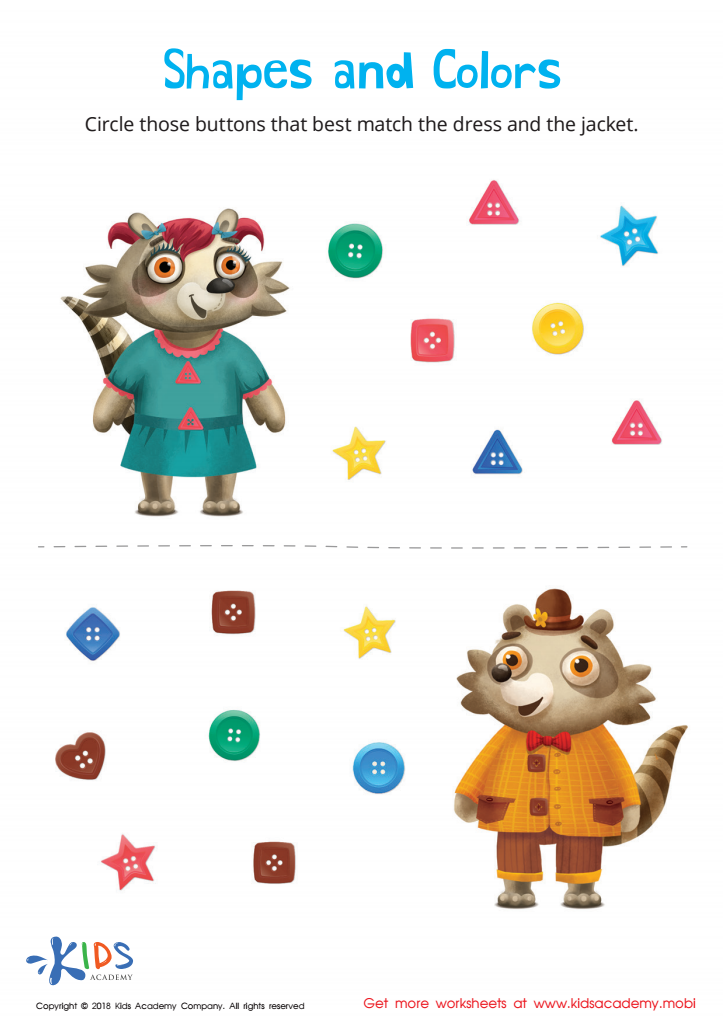
Shapes and Colors Worksheet
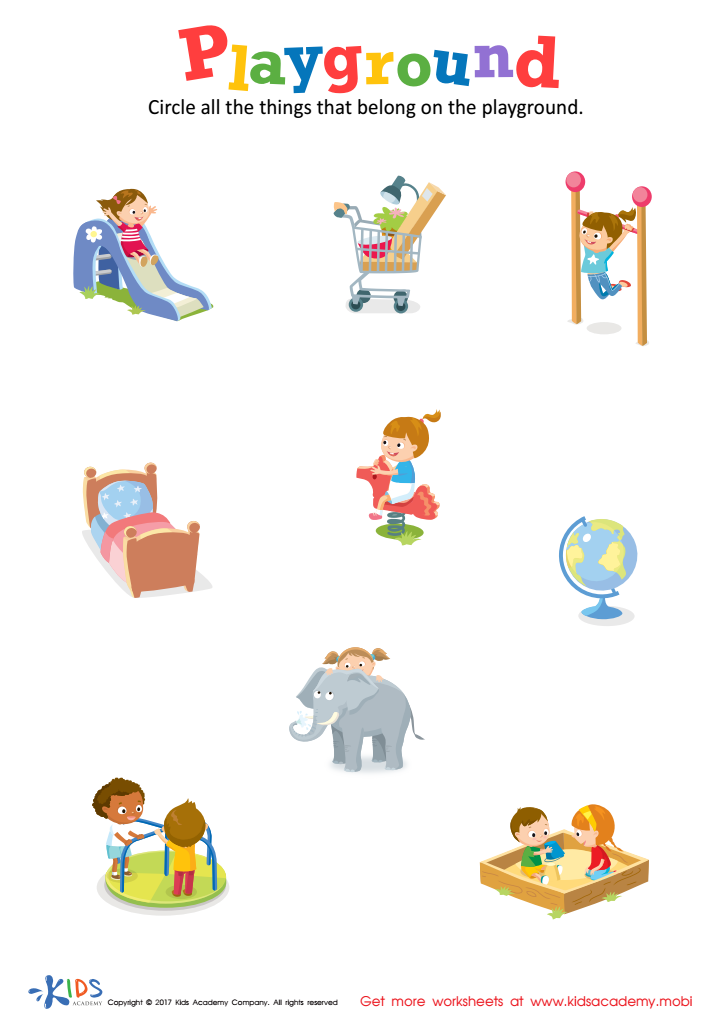
Playground Worksheet
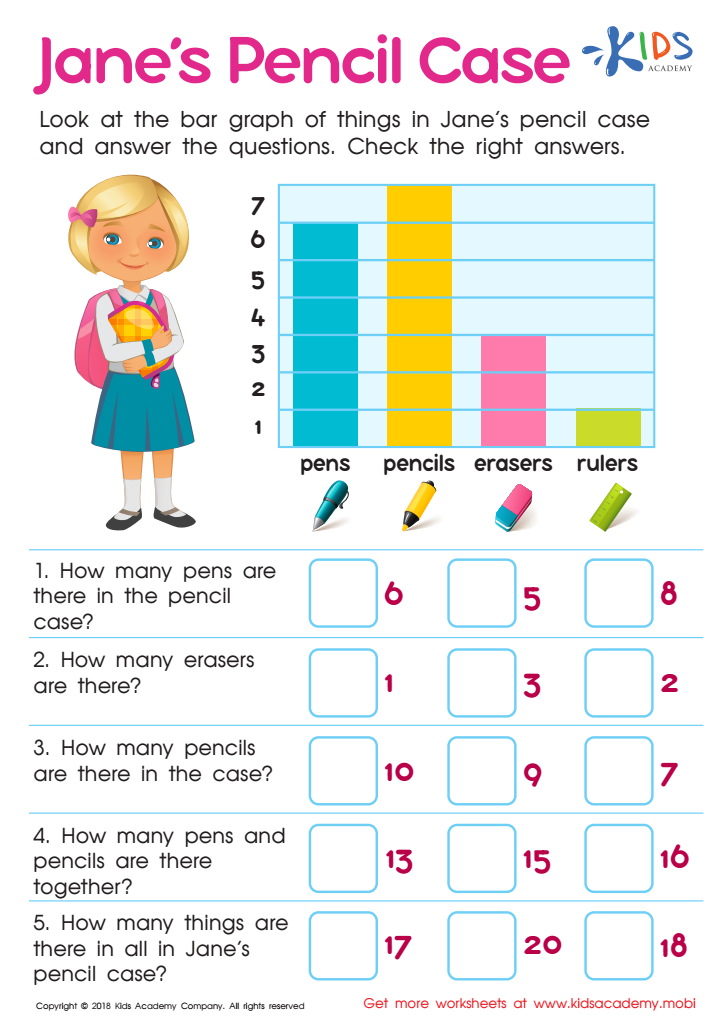
Jane's Pencil Case Worksheet
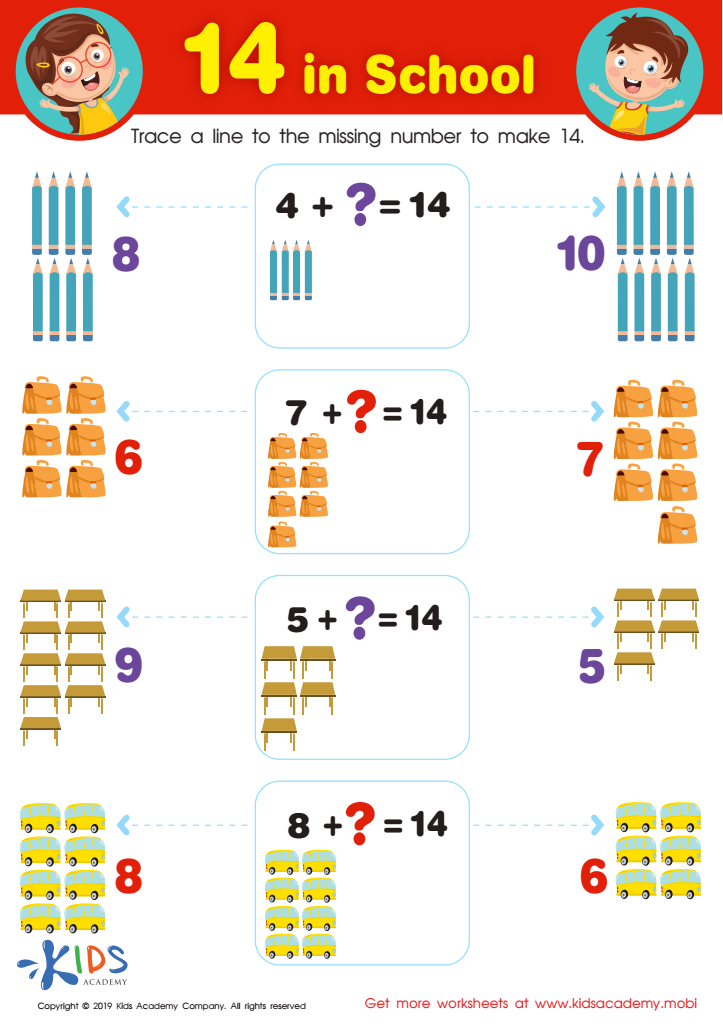
14 in School Worksheet

Christmas: Christmas Tree Printable
Assign to My Students
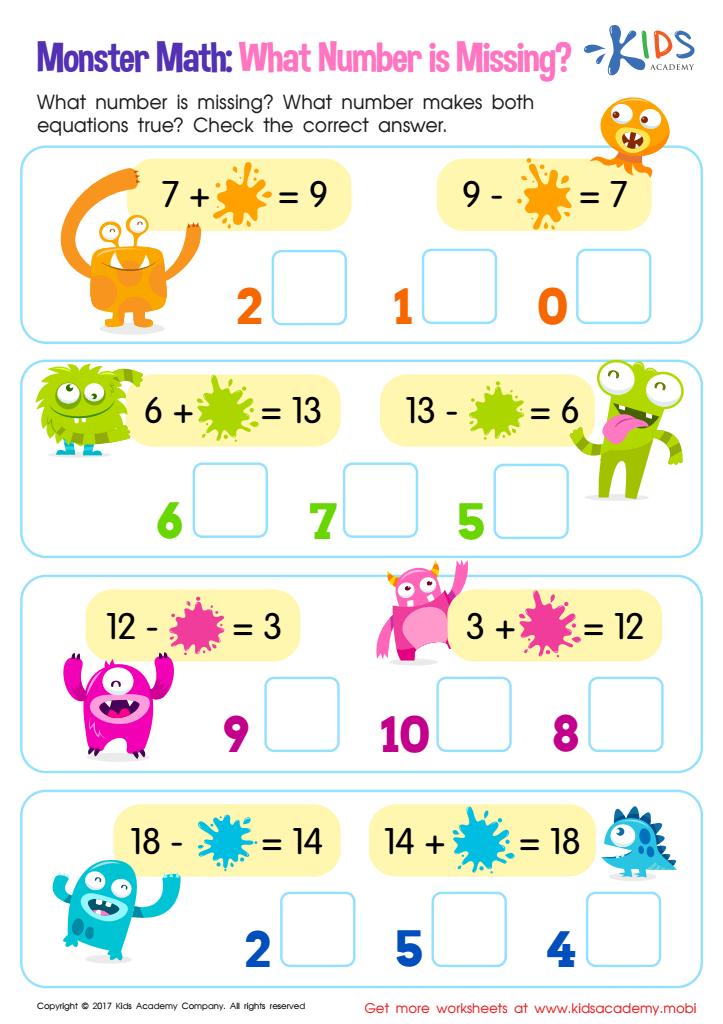
Missing Number: Monster Math Worksheet
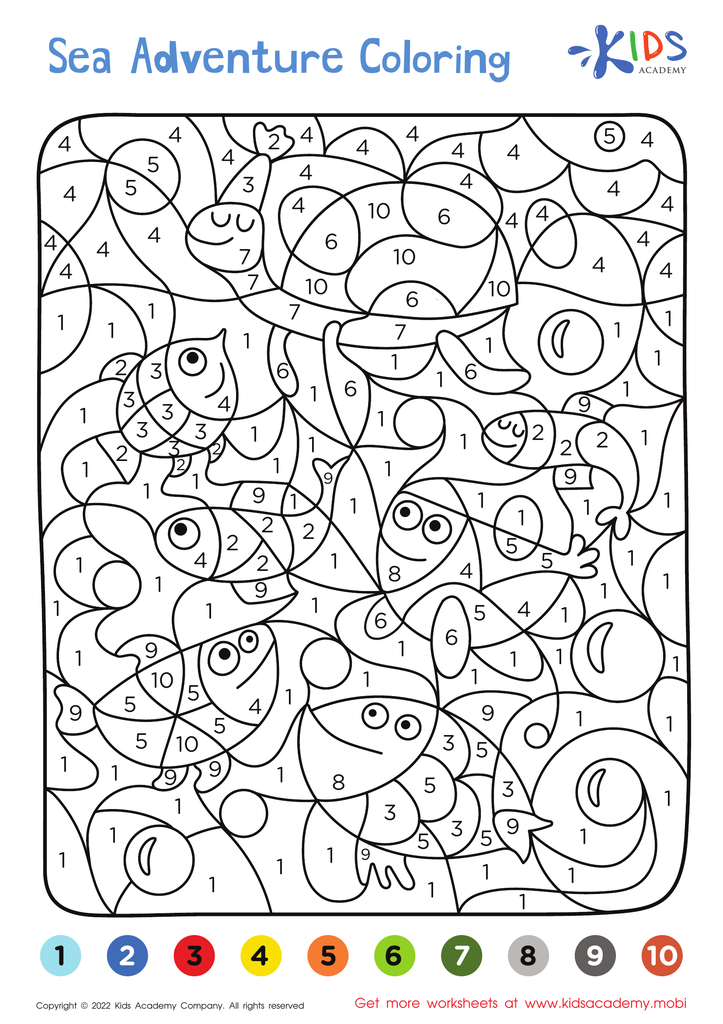
Sea Adventure – Coloring by Numbers
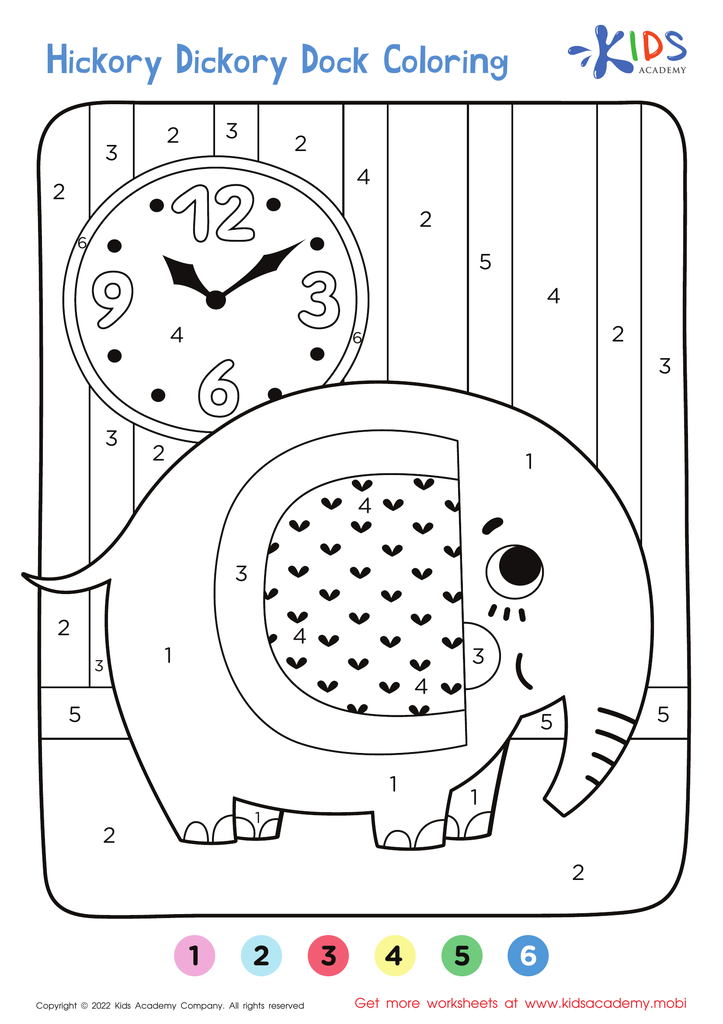
Hickory Dickory Dock – Coloring by Numbers
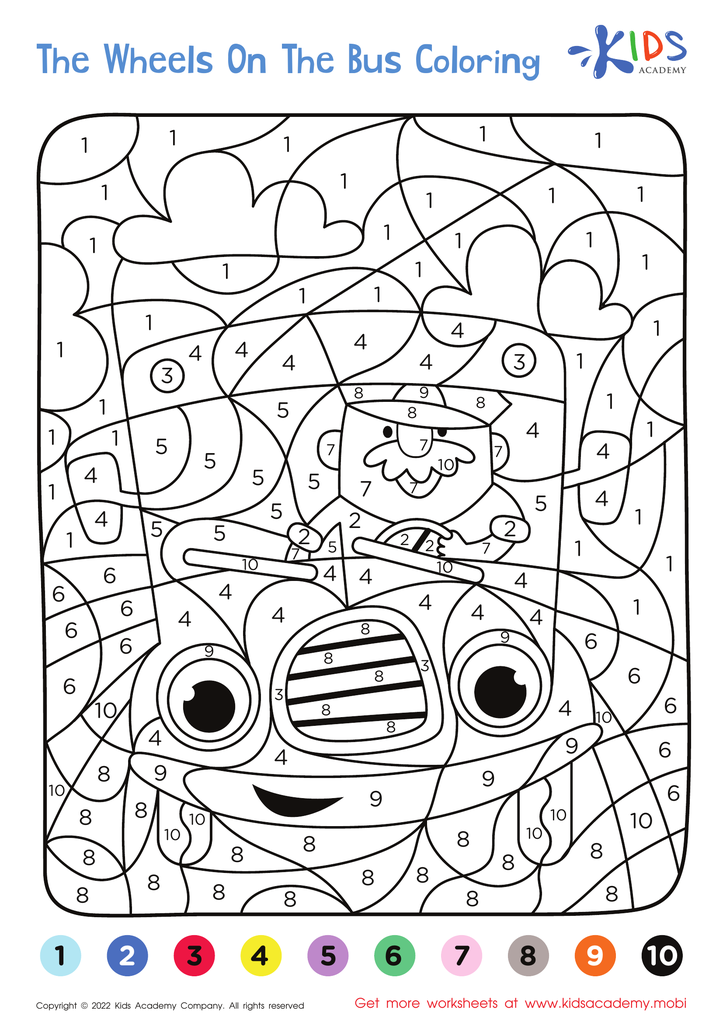
Wheels on the Bus – Coloring by Numbers
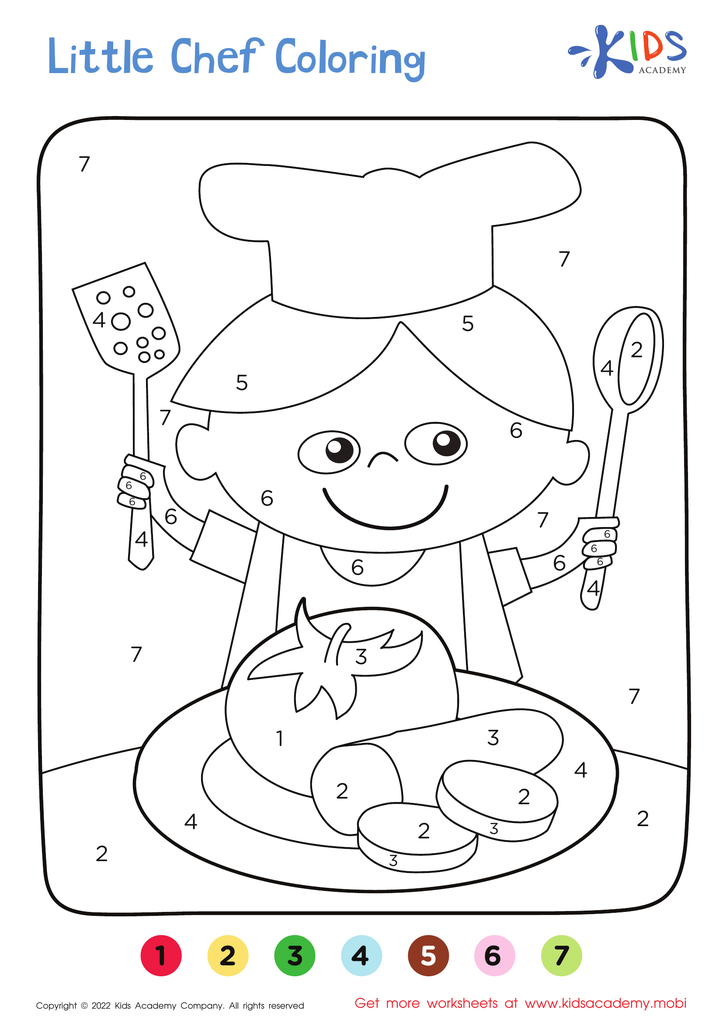
Little Chef – Coloring by Numbers
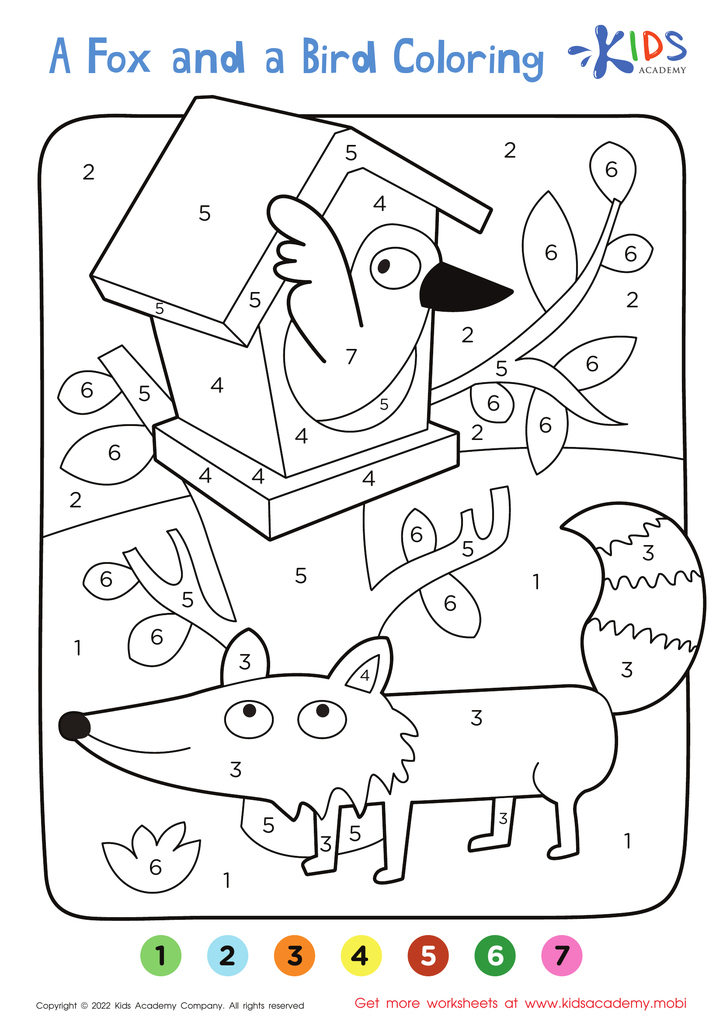
A Fox and a Bird – Coloring by Numbers
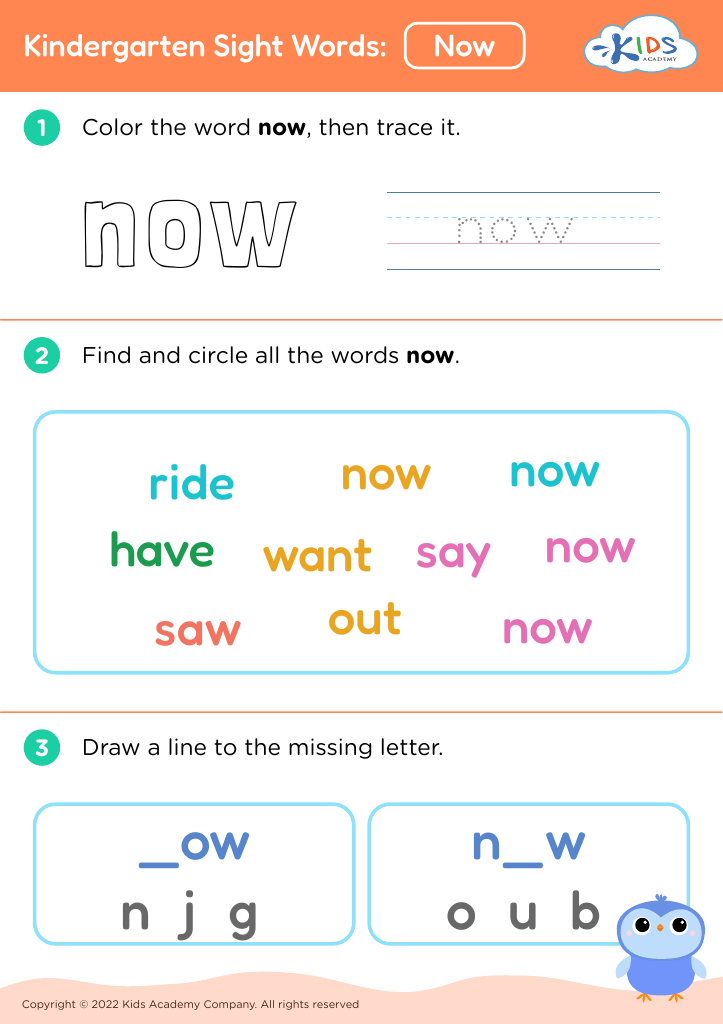
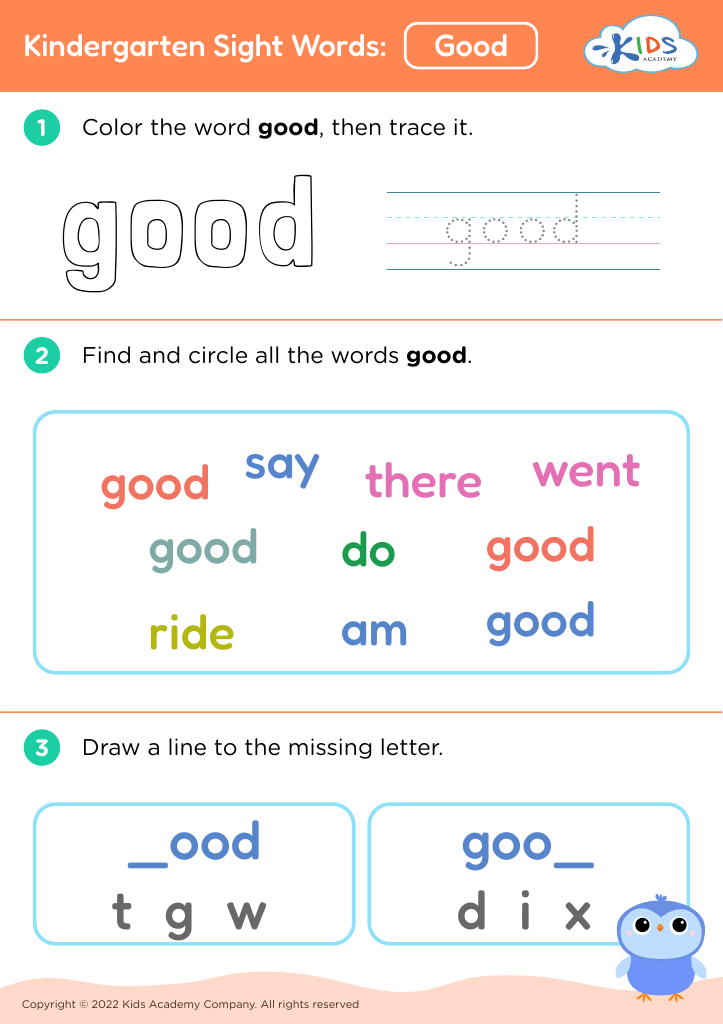








Color identification is a fundamental skill for children aged 5-6, as it lays the groundwork for broader learning experiences. At this developmental stage, young learners start to make sense of their world, and recognizing colors enhances their ability to categorize and describe surroundings, boosting their cognitive development. Parents and teachers should prioritize color identification for several reasons.
Firstly, it is integral to early literacy. Children often encounter colors in books, games, and everyday conversations, and recognizing them can improve language skills and vocabulary. Secondly, color identification assists in math learning, as concepts like sorting, counting, and patterns often incorporate colors.
Moreover, color recognition supports artistic expression and creativity. By understanding colors, children can experiment with art materials, bolstering their fine motor skills and imaginative play. Socially, sharing and discussing preferences for colors can help children develop communication skills and form connections with peers.
Lastly, knowledge of colors is also practical; it aids in safety awareness and navigating environments. By instilling strong color recognition skills, teachers and parents set a solid foundation for lifelong learning, establishing confidence and curiosity in young learners as they explore the world around them.








