Spelling practice Worksheets for Ages 5-6 - Page 4
95 filtered results
-
From - To
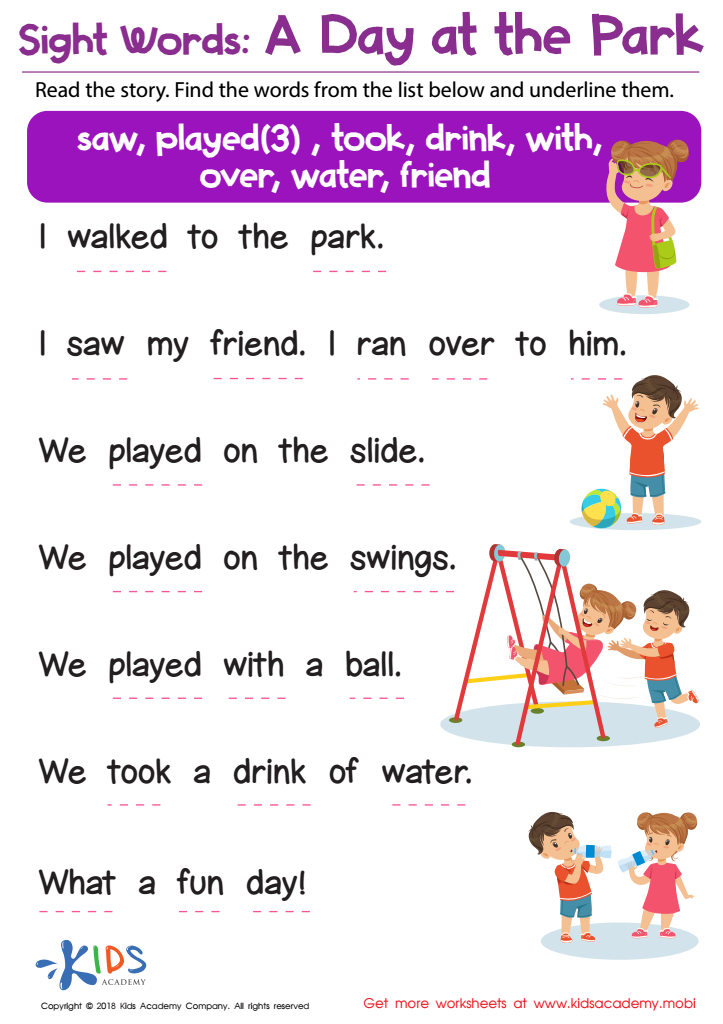
Sight Words: A Day at the Park Worksheet
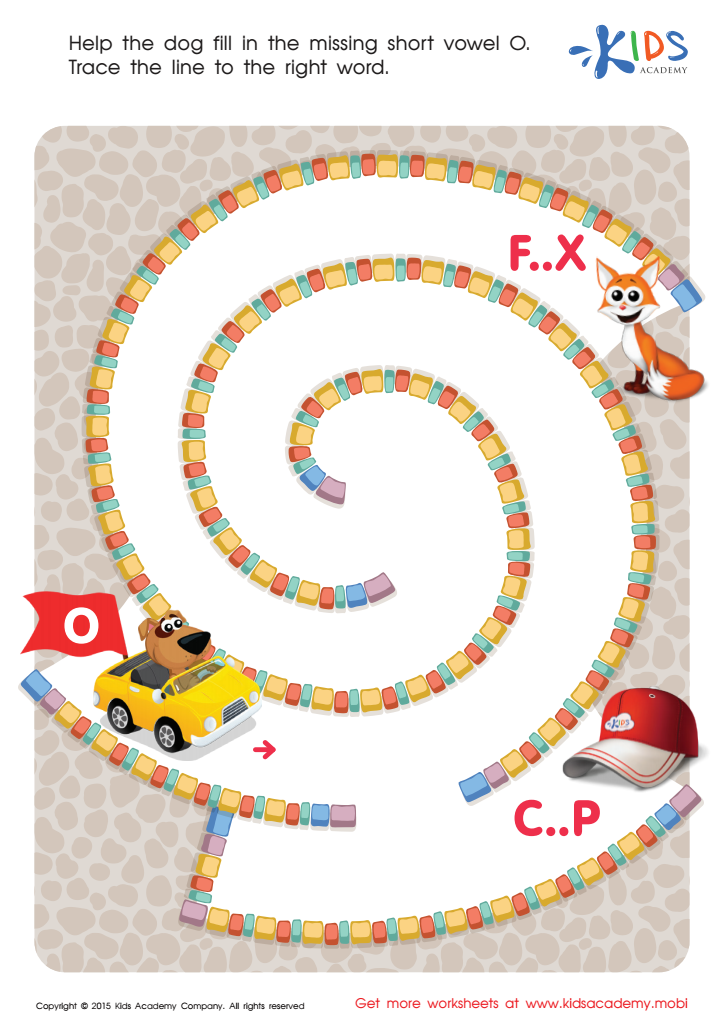
Short Vowel Sound O Worksheet
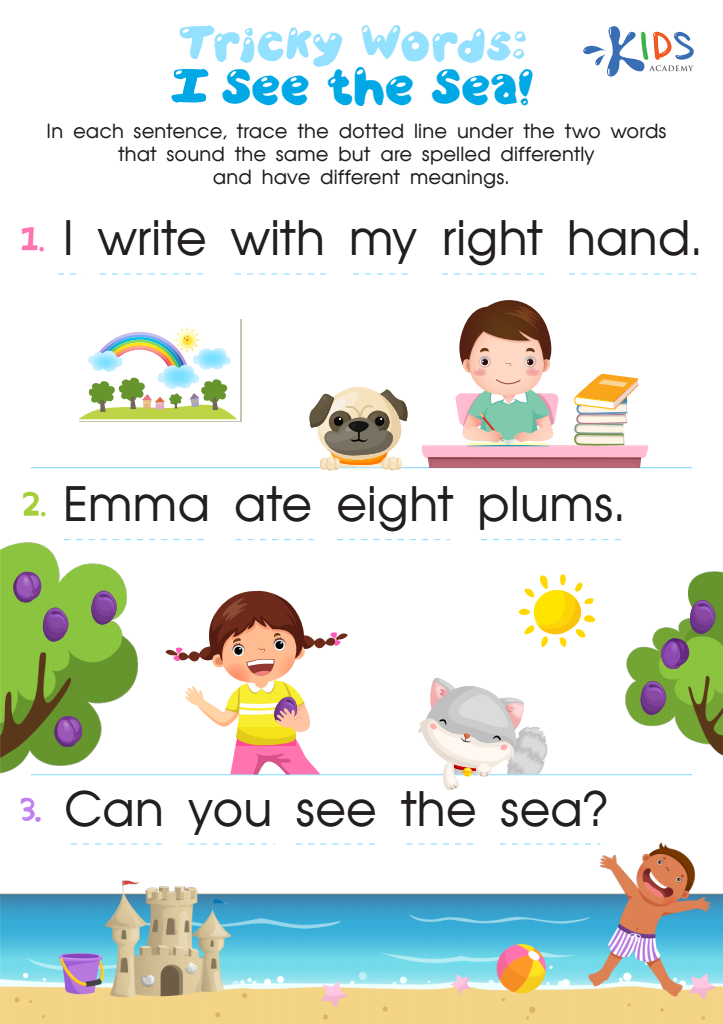
Tricky Words Worksheet
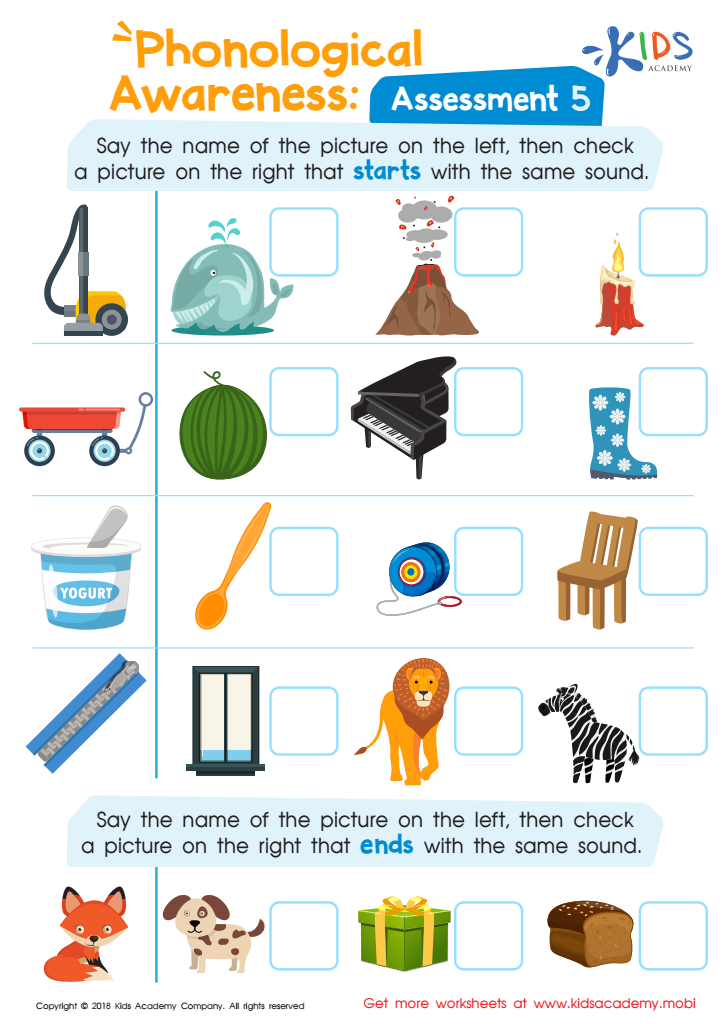
Phonological Awareness: Assessment 5 Worksheet
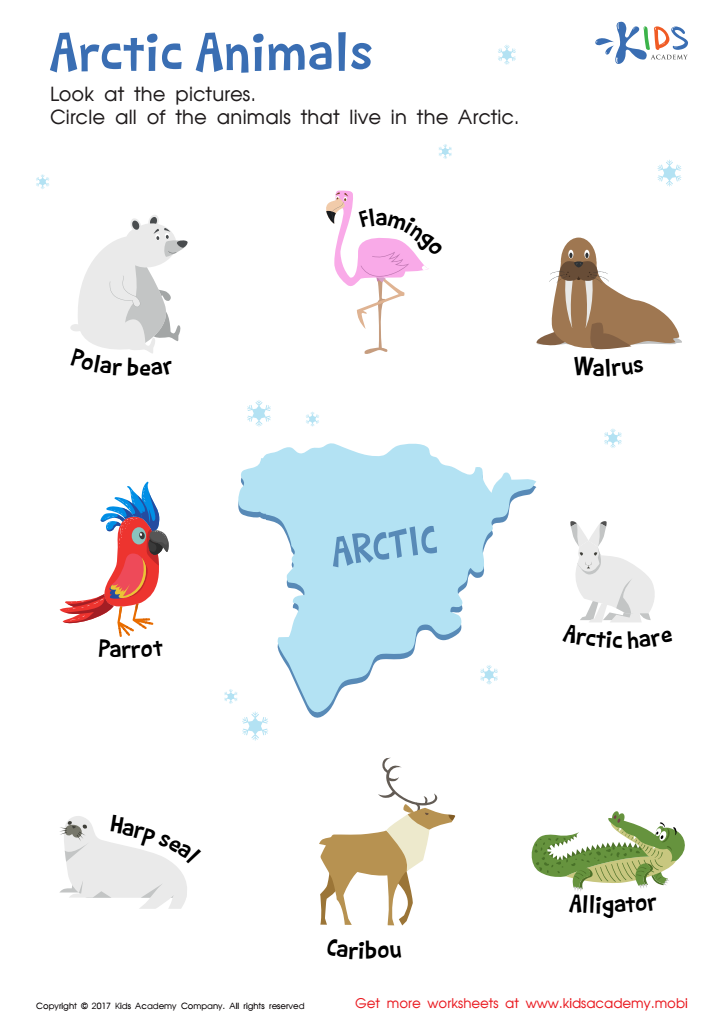
Arctic Animals Worksheet
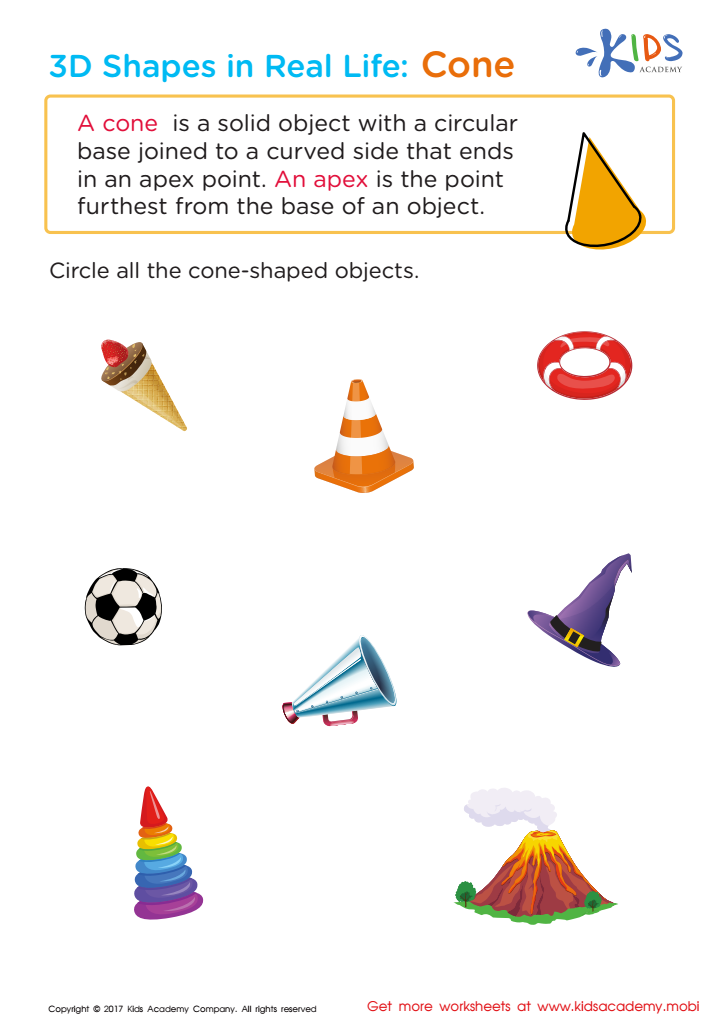
Shapes in Real Life: Cone Worksheet
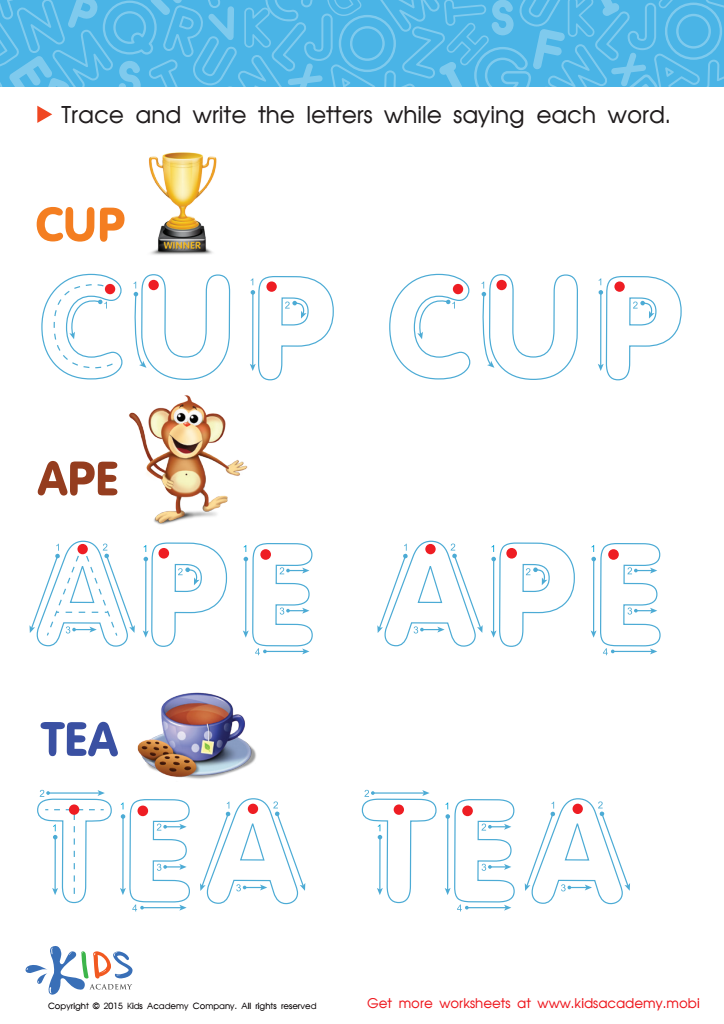
A Cup, an Ape and Tea Spelling Worksheet
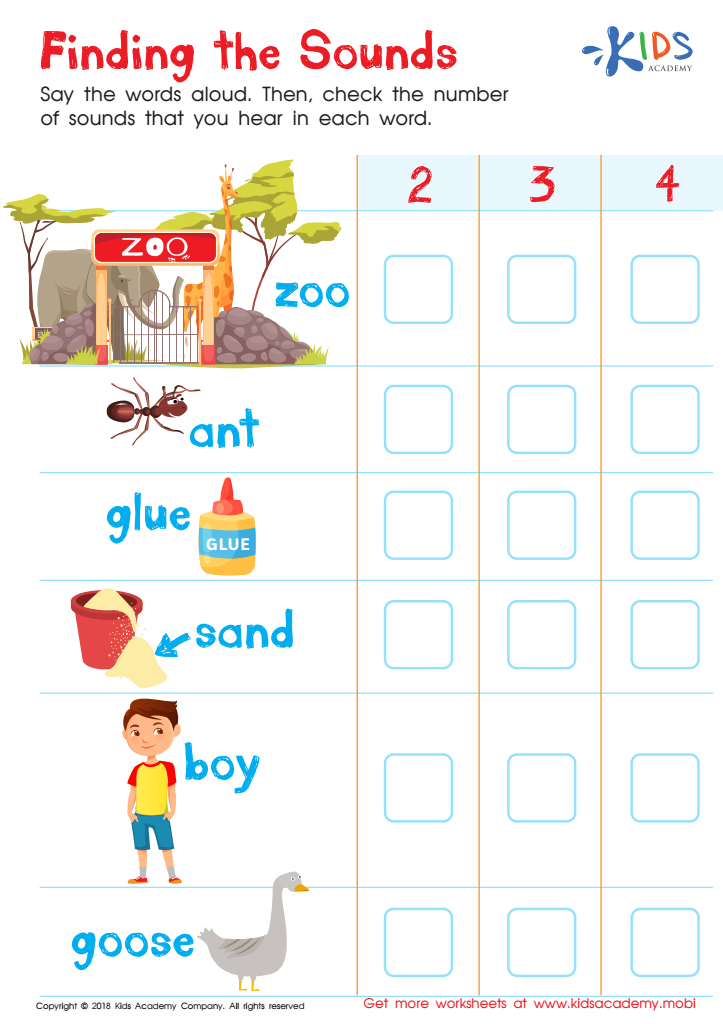
Finding the Sounds Worksheet
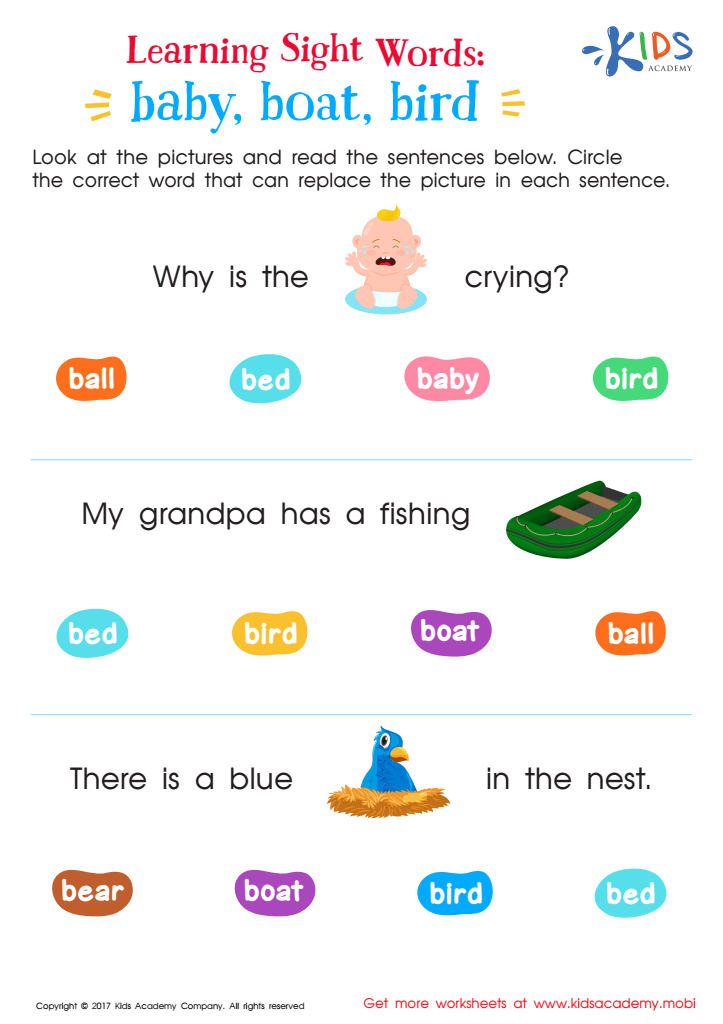
Baby, Boat, Bird Worksheet Sight Words Worksheet
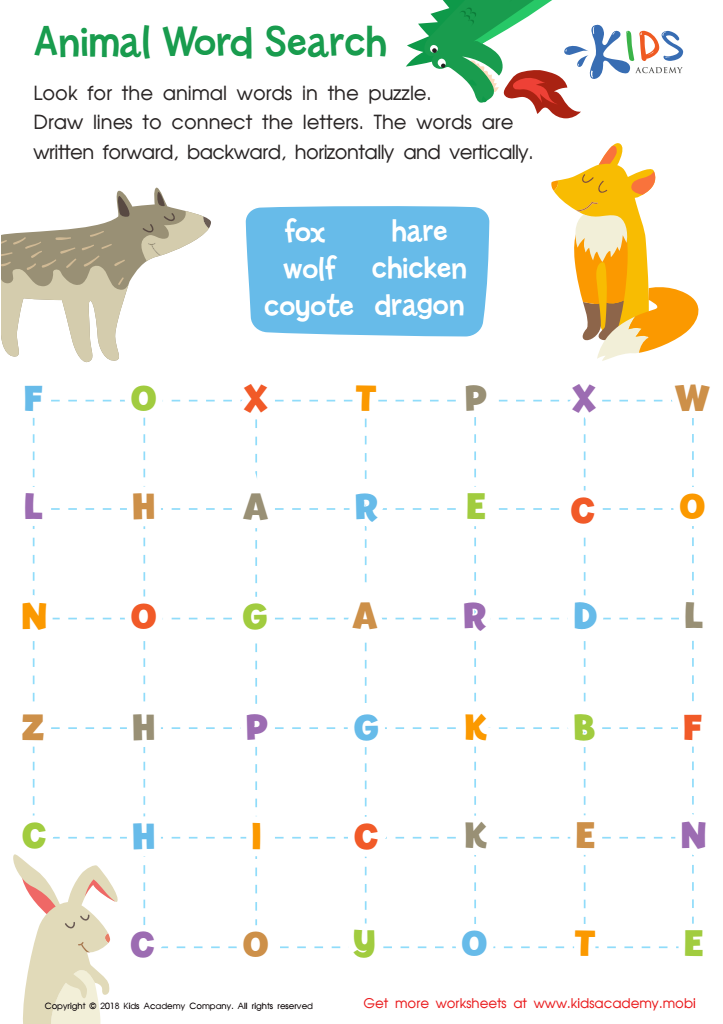
Animal Word Search Worksheet
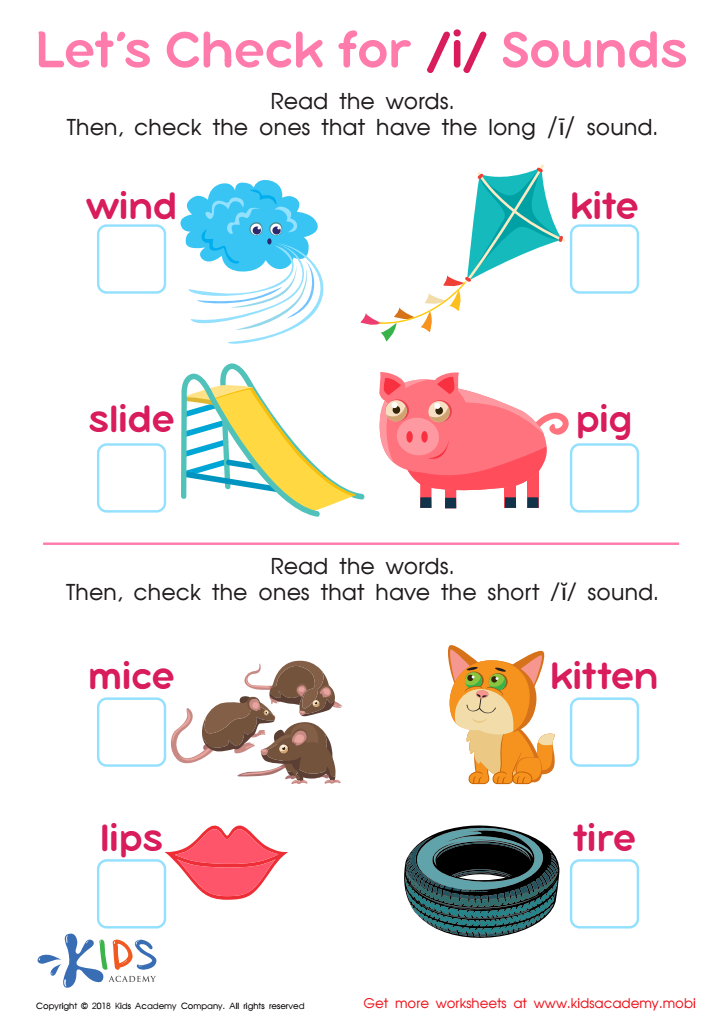
Let's Check for «i» Sounds Worksheet
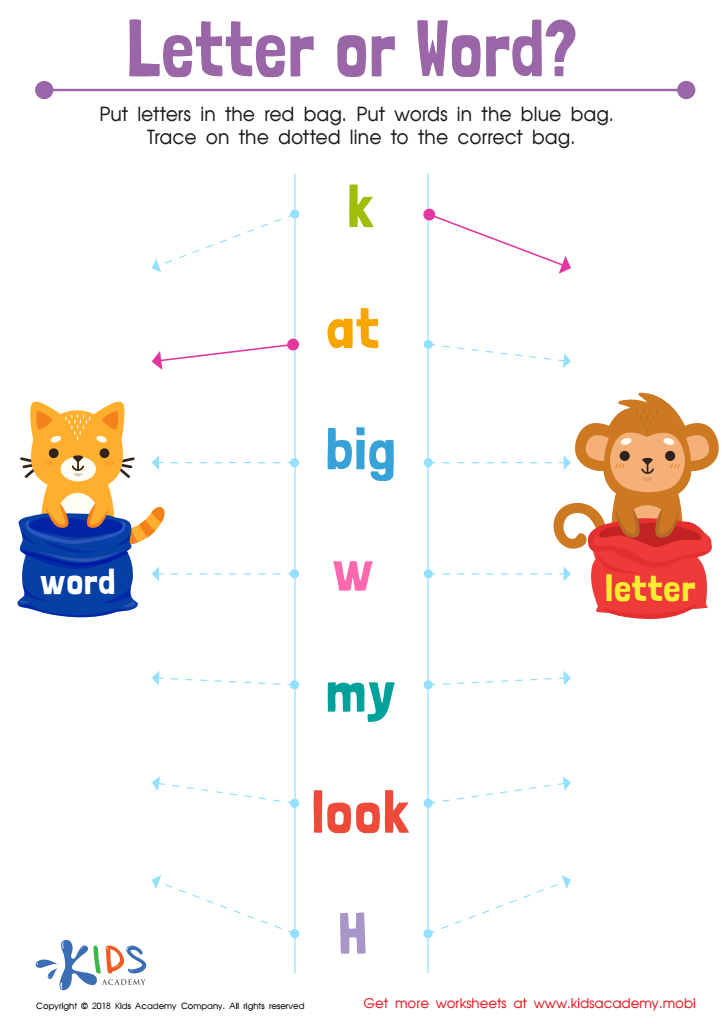
Letter or Word? Worksheet
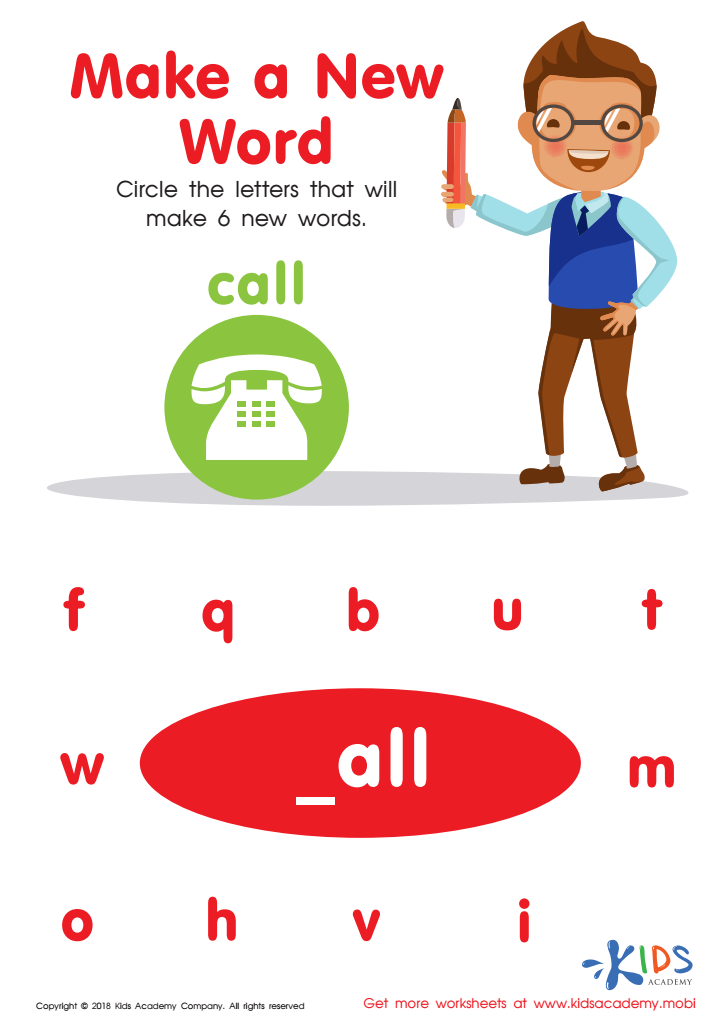
Make a New Word Worksheet
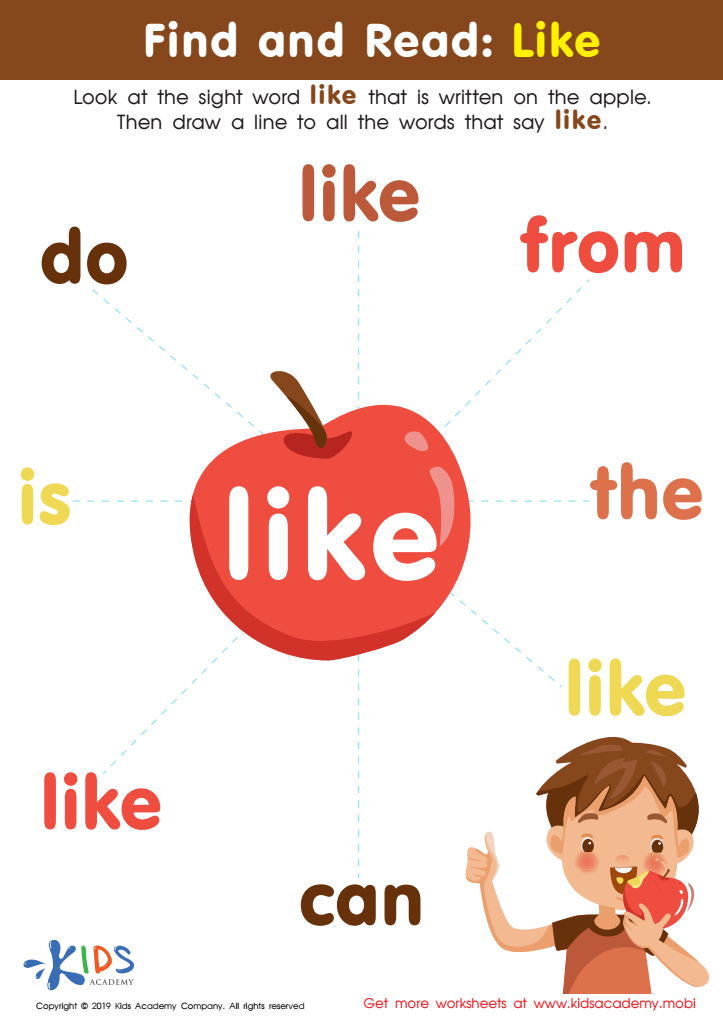
Find and Read: Like Worksheet
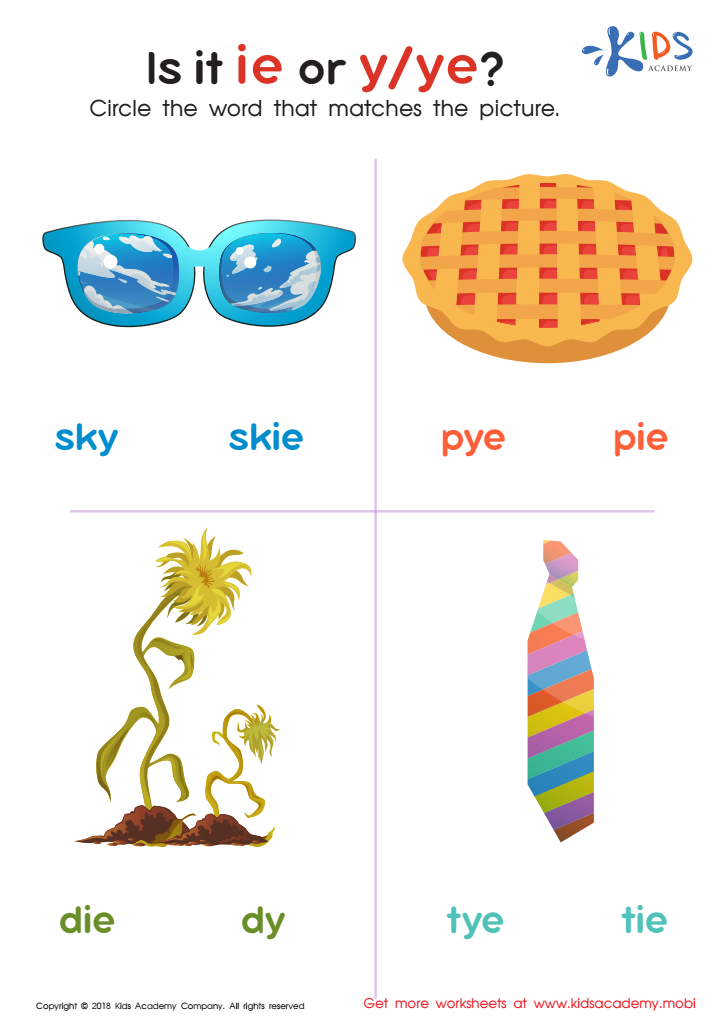
Is It IE or Y/Ye? Worksheet
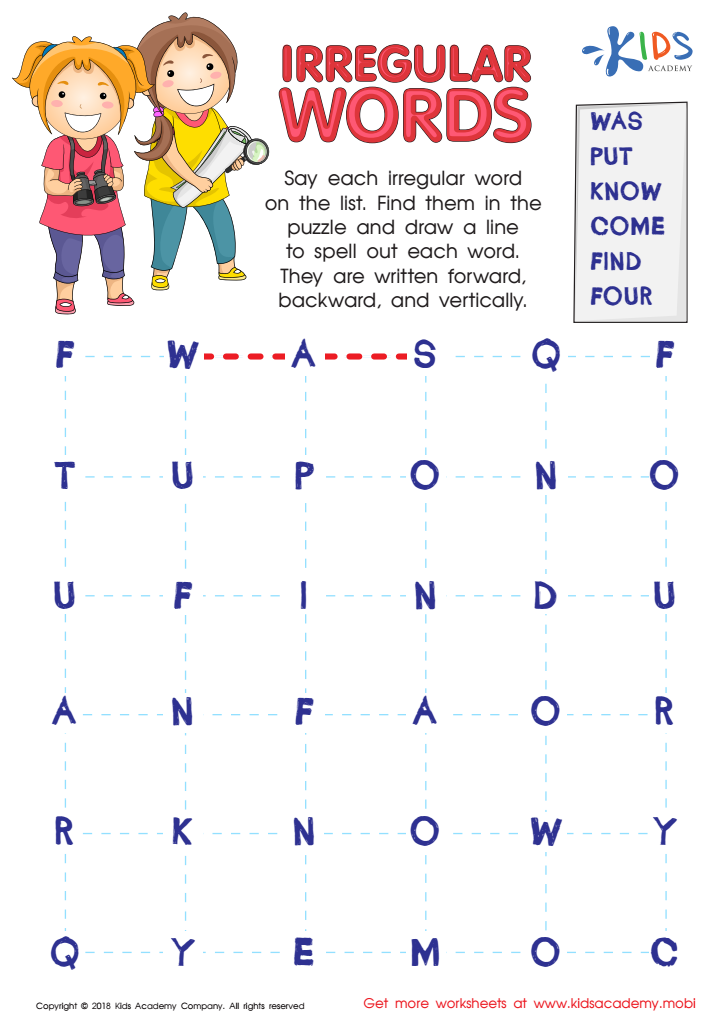
Irregular Words Worksheet
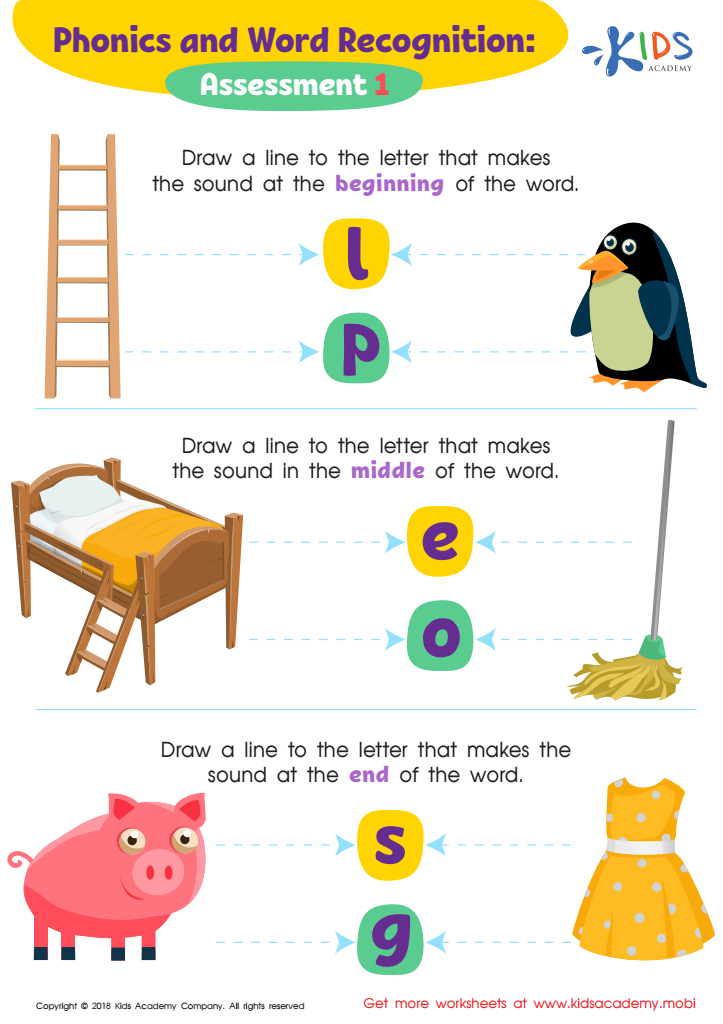
Phonics and Word Recognition: Assessment 1 ELA Worksheet
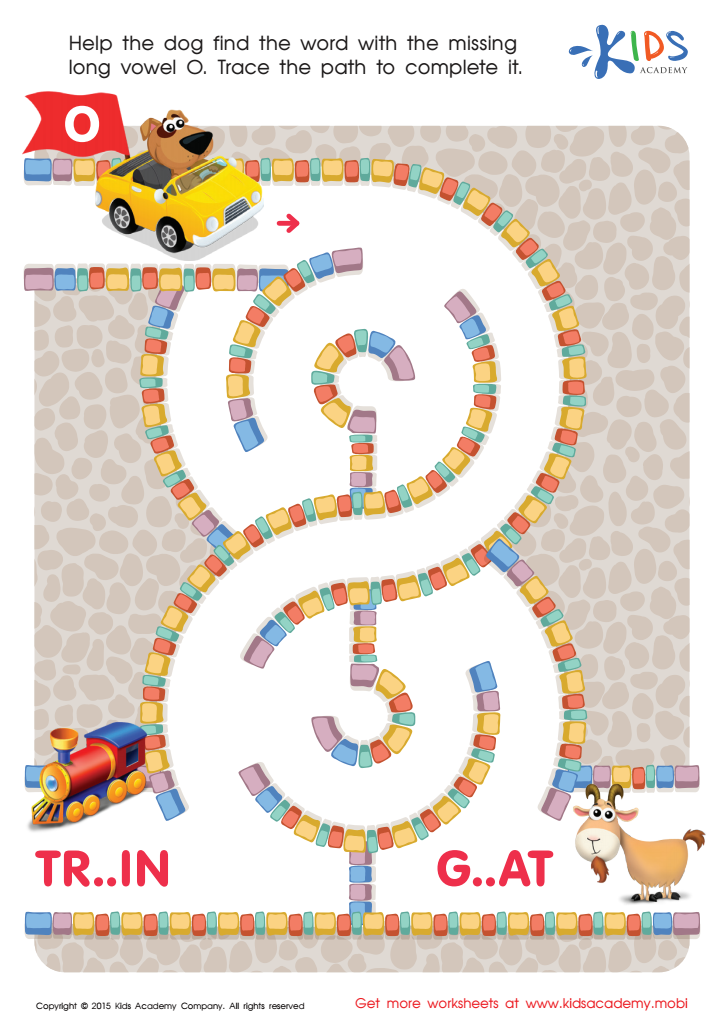
Long Vowel Sound O Worksheet
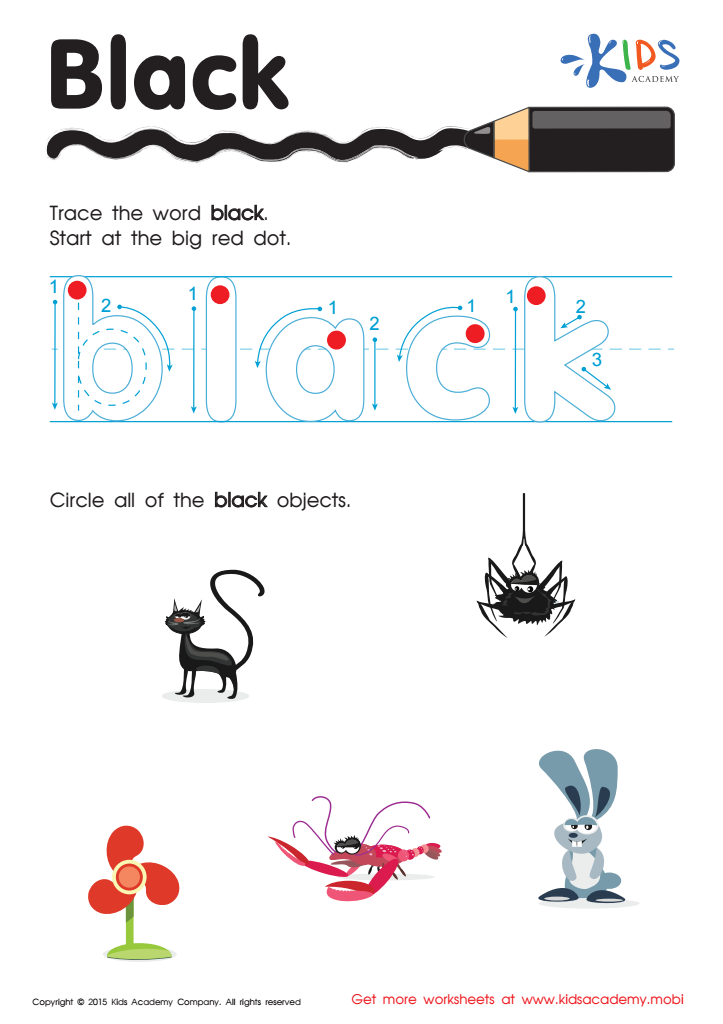
Black Tracing Color Words Printable
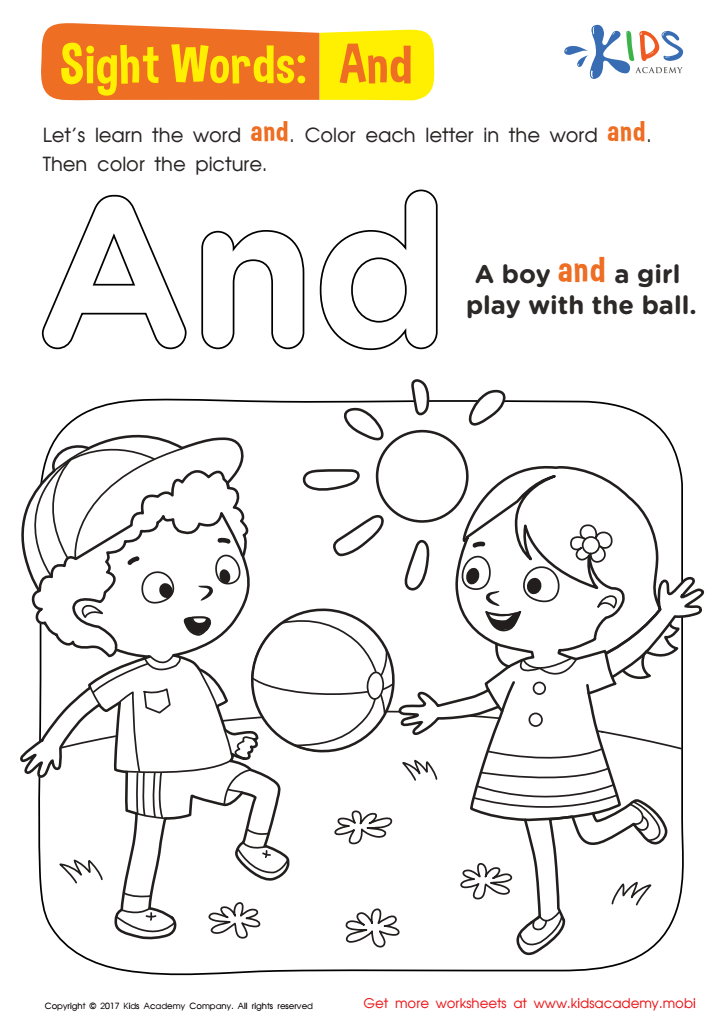
And Worksheet Sight Words Worksheet
 Assign to My Students
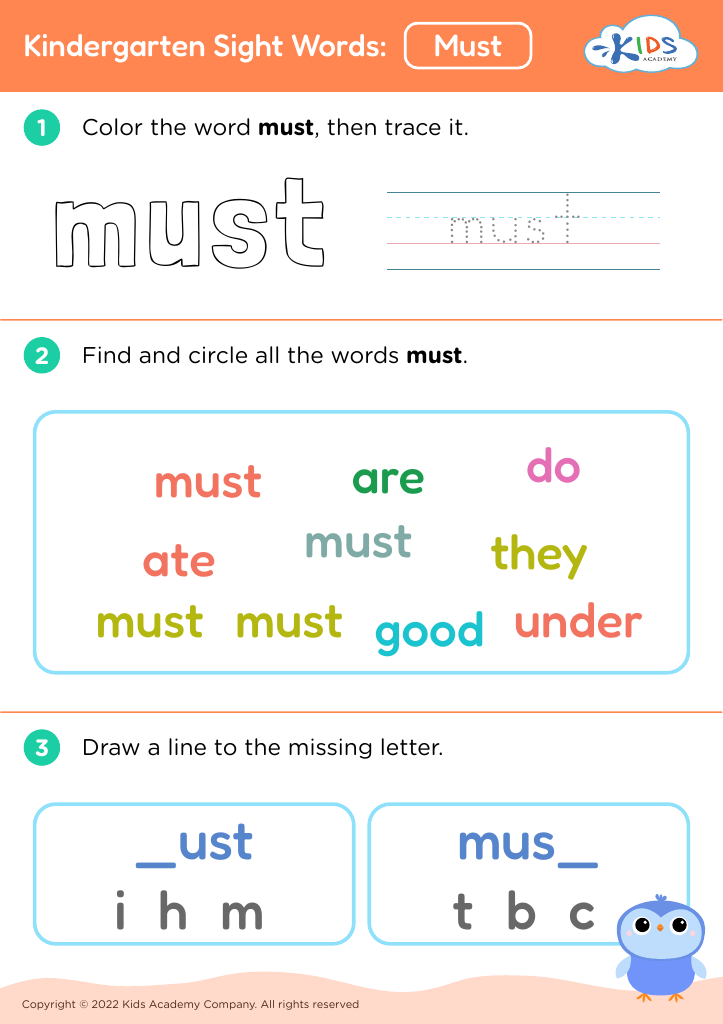
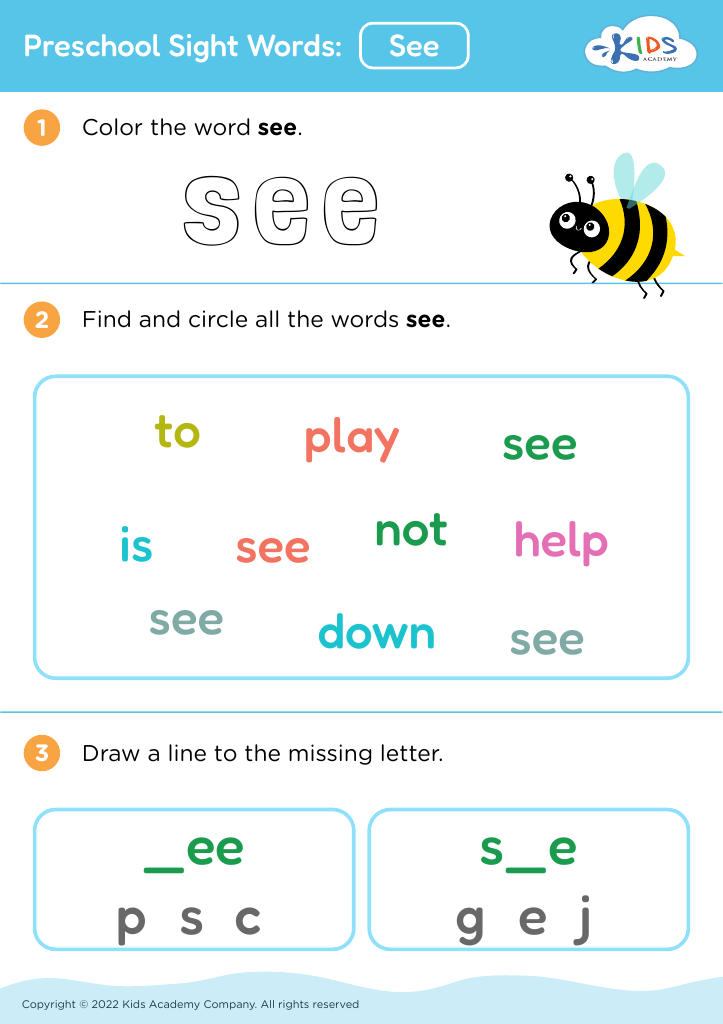




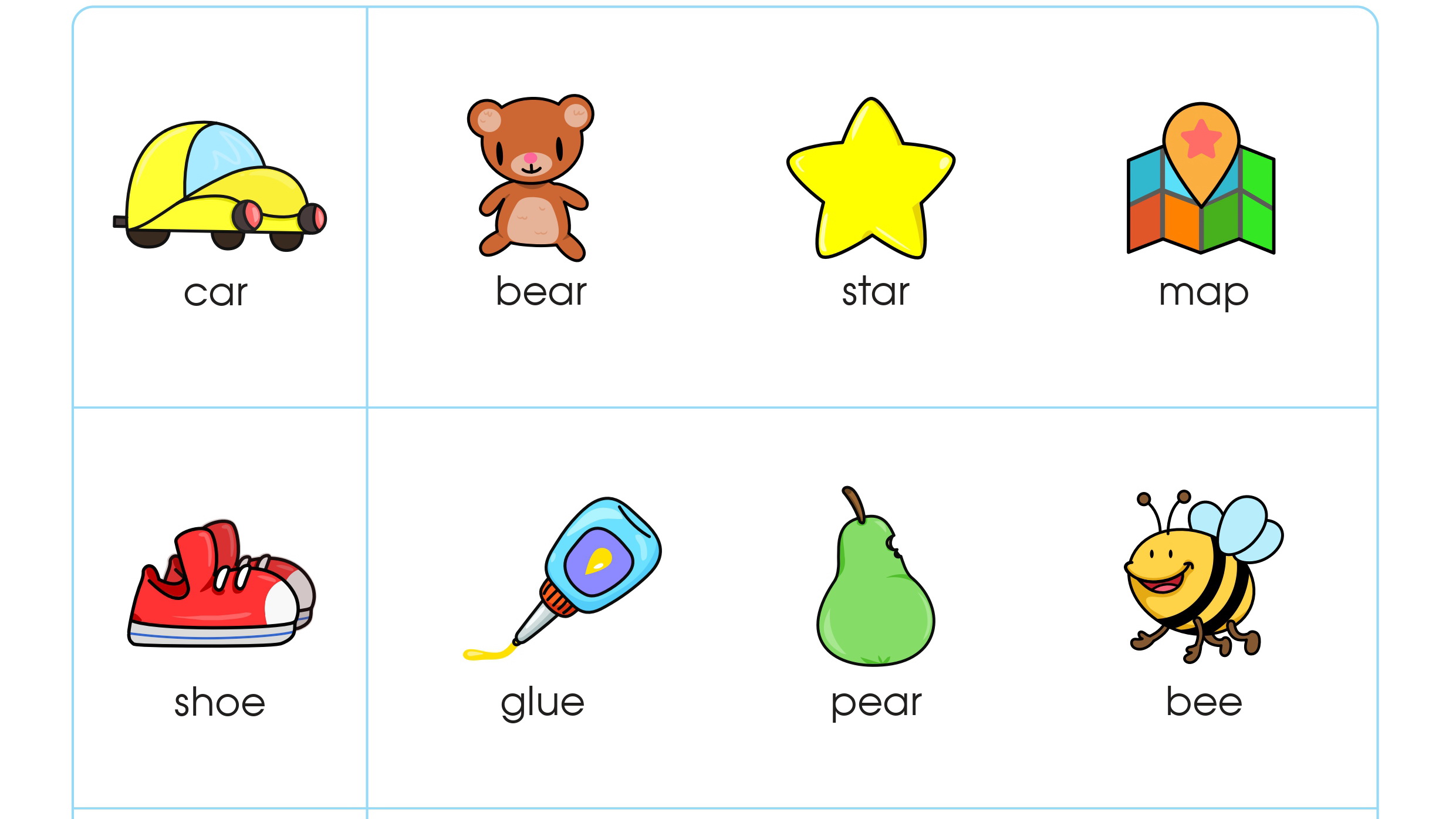


Spelling practice for ages 5-6 is crucial as it lays the foundation for essential literacy skills. At this early age, children’s brains are highly adaptable and are in a prime state for language acquisition. By practicing spelling, they start to understand how letters and sounds come together to form words, helping to enhance their phonics skills, which is a critical component of reading and writing proficiency.
Moreover, early spelling practice boosts cognitive development. As children learn to spell, they are simultaneously engaging in activities that improve memory, attention to detail, and problem-solving abilities. This time period is ideal for nurturing an interest in reading, making it easier for them to gain comprehension skills as they advance through their schooling years.
Spelling also improves a child’s confidence and motivation to learn. When children successfully spell words, they gain a sense of achievement that encourages them to tackle more complex language tasks. This confidence can spread across all subjects, fostering a positive association with school and learning in general.
Lastly, early spelling practice supports future academic success. Literacy skills are foundational to almost all learning; solid spelling abilities can enhance other language-related tasks such as vocabulary acquisition, reading comprehension, and writing skills. To disregard spelling practice is to miss an opportunity to provide a strong academic foundation.








