Filters

385 filtered results

Clear all filters
Favorites
With answer key
Interactive

385 filtered results

Difficulty Level

Grade


Subject

    Check out this FREE Trial Lesson on Adding Up to 5 for age 5-6!

    Exactly the Same, or Not

    Favorites
    With answer key
    Interactive
    • 5-6
    • Adding Up to 5
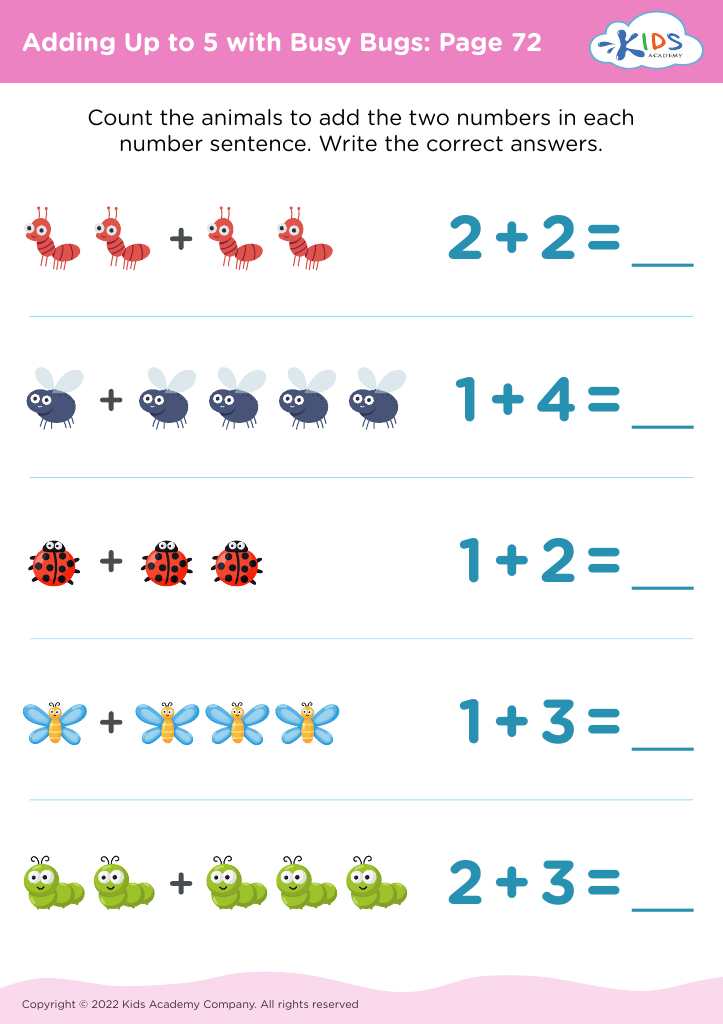
    Adding Up to 5 with Busy Bugs: Page 72
    Adding Up to 5 with Busy Bugs: Page 72
    Adding Up to 5 with Busy Bugs: Page 72
    Worksheet
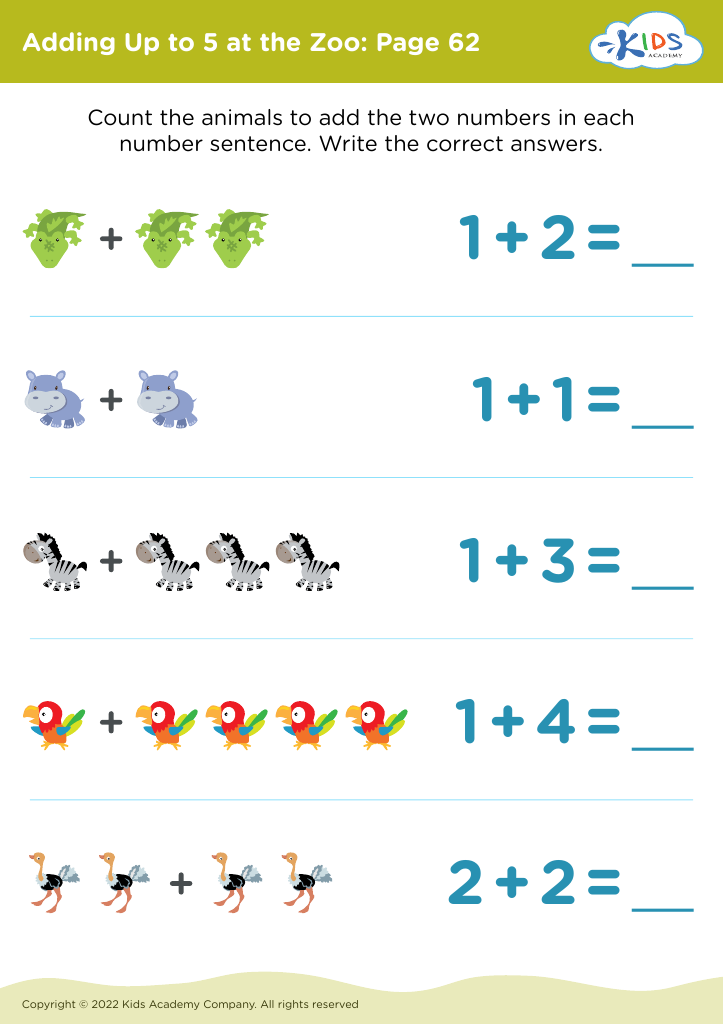
    Adding Up to 5 at the Zoo: Page 62
    Adding Up to 5 at the Zoo: Page 62
    Adding Up to 5 at the Zoo: Page 62
    Worksheet
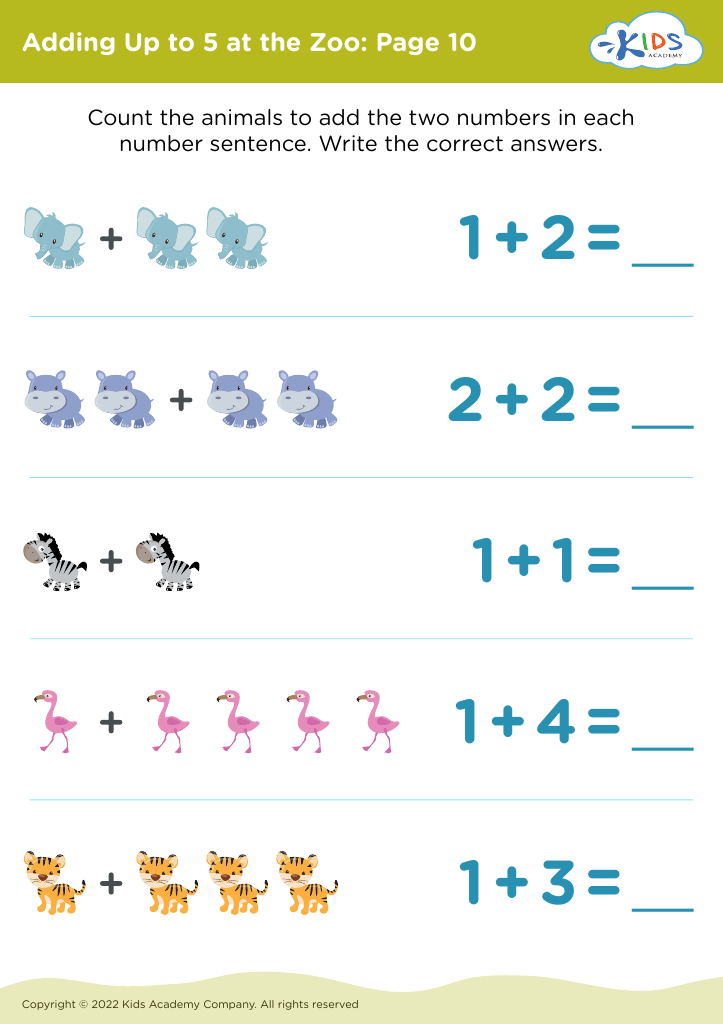
    Adding Up to 5 at the Zoo: Page 10
    Adding Up to 5 at the Zoo: Page 10
    Adding Up to 5 at the Zoo: Page 10
    Worksheet
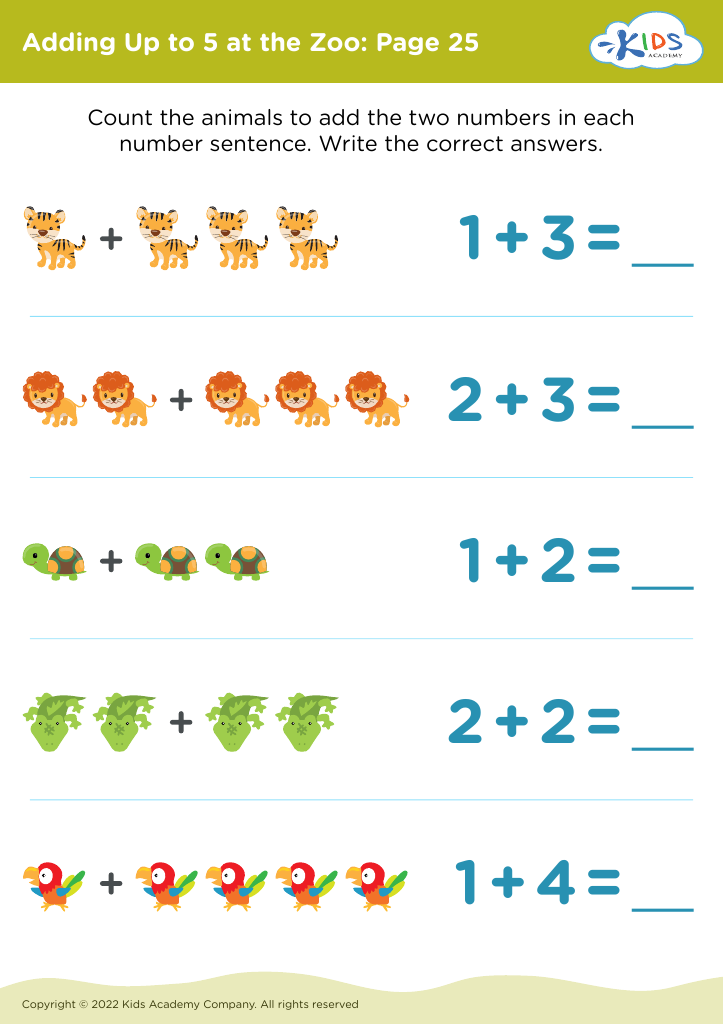
    Adding Up to 5 at the Zoo: Page 25
    Adding Up to 5 at the Zoo: Page 25
    Adding Up to 5 at the Zoo: Page 25
    Worksheet
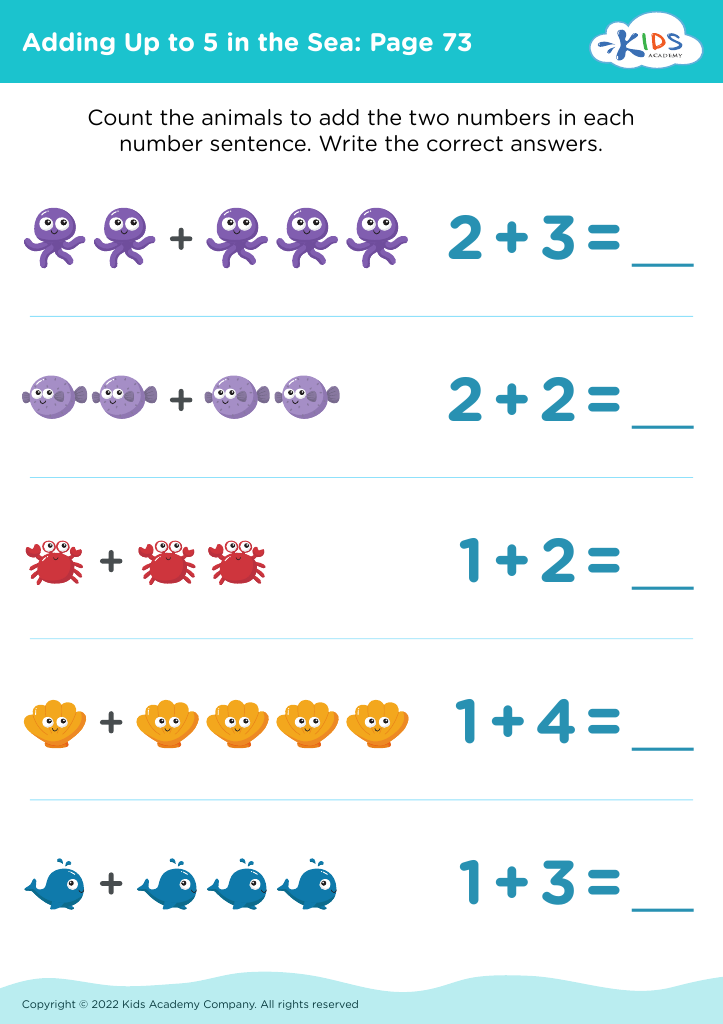
    Adding Up to 5 in the Sea: Page 73
    Adding Up to 5 in the Sea: Page 73
    Adding Up to 5 in the Sea: Page 73
    Worksheet
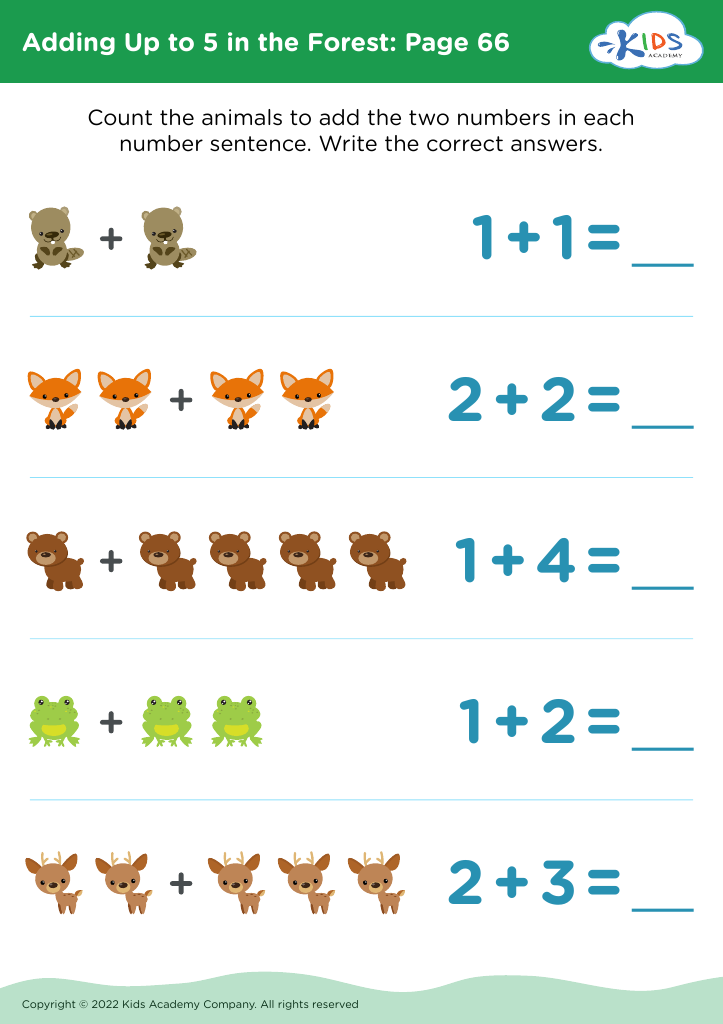
    Adding Up to 5 in the Forest: Page 66
    Adding Up to 5 in the Forest: Page 66
    Adding Up to 5 in the Forest: Page 66
    Worksheet
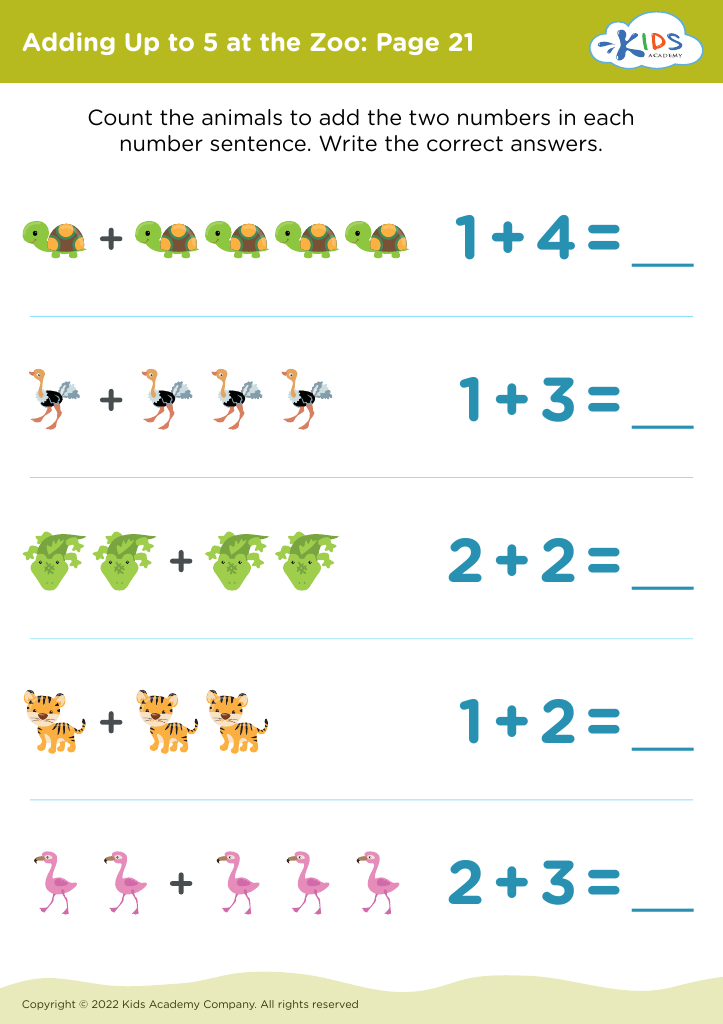
    Adding Up to 5 at the Zoo: Page 21
    Adding Up to 5 at the Zoo: Page 21
    Adding Up to 5 at the Zoo: Page 21
    Worksheet
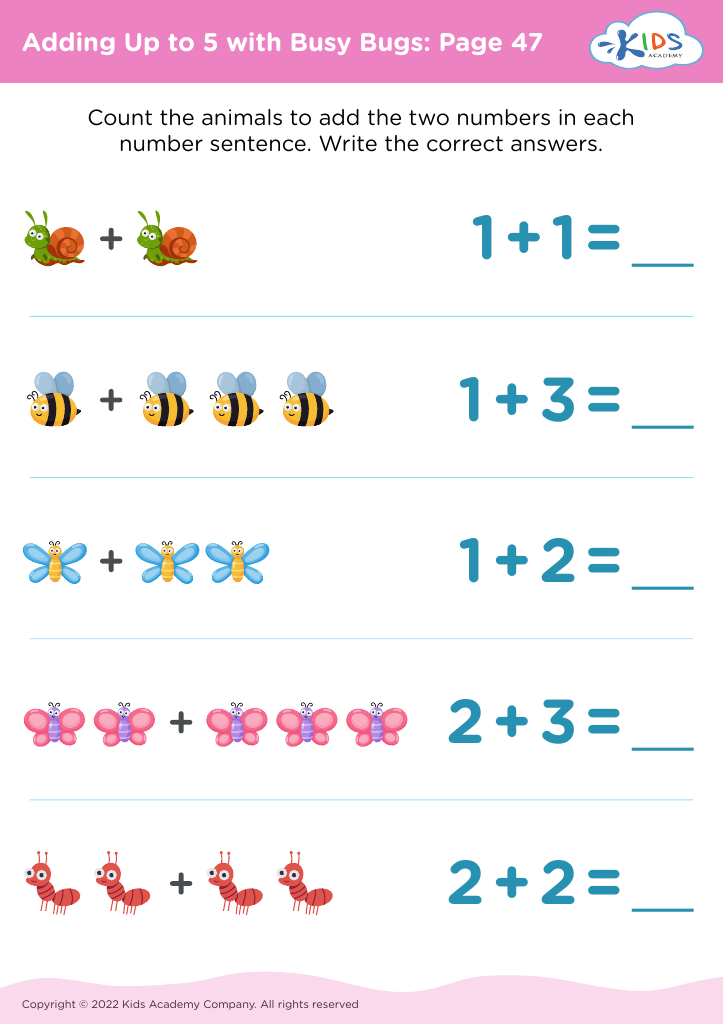
    Adding Up to 5 with Busy Bugs: Page 47
    Adding Up to 5 with Busy Bugs: Page 47
    Adding Up to 5 with Busy Bugs: Page 47
    Worksheet
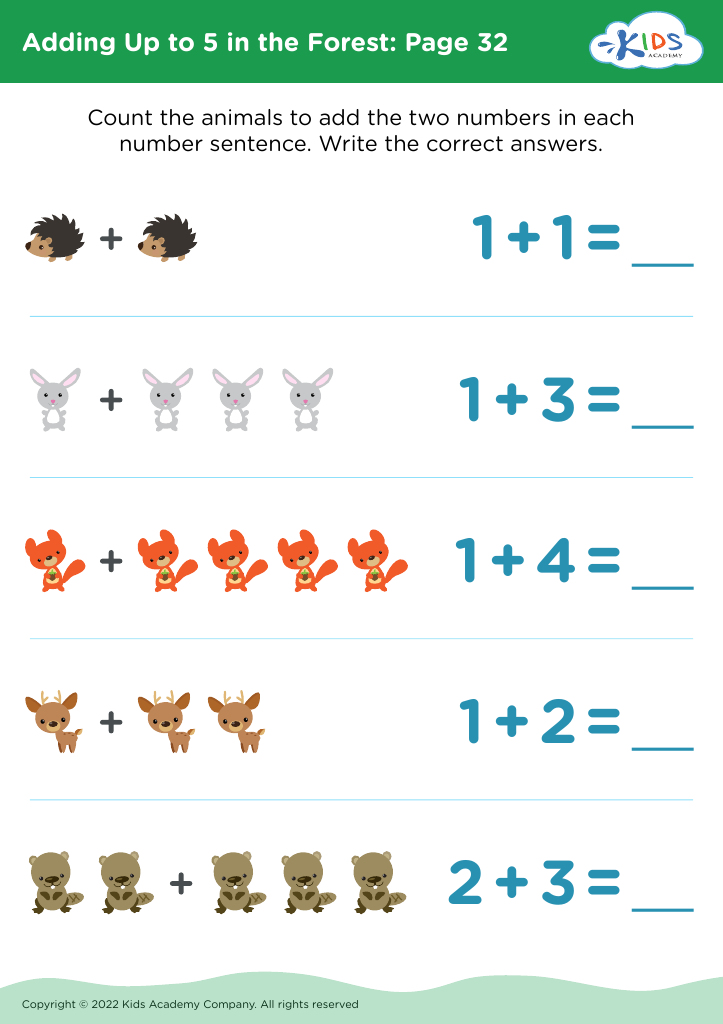
    Adding Up to 5 in the Forest: Page 32
    Adding Up to 5 in the Forest: Page 32
    Adding Up to 5 in the Forest: Page 32
    Worksheet
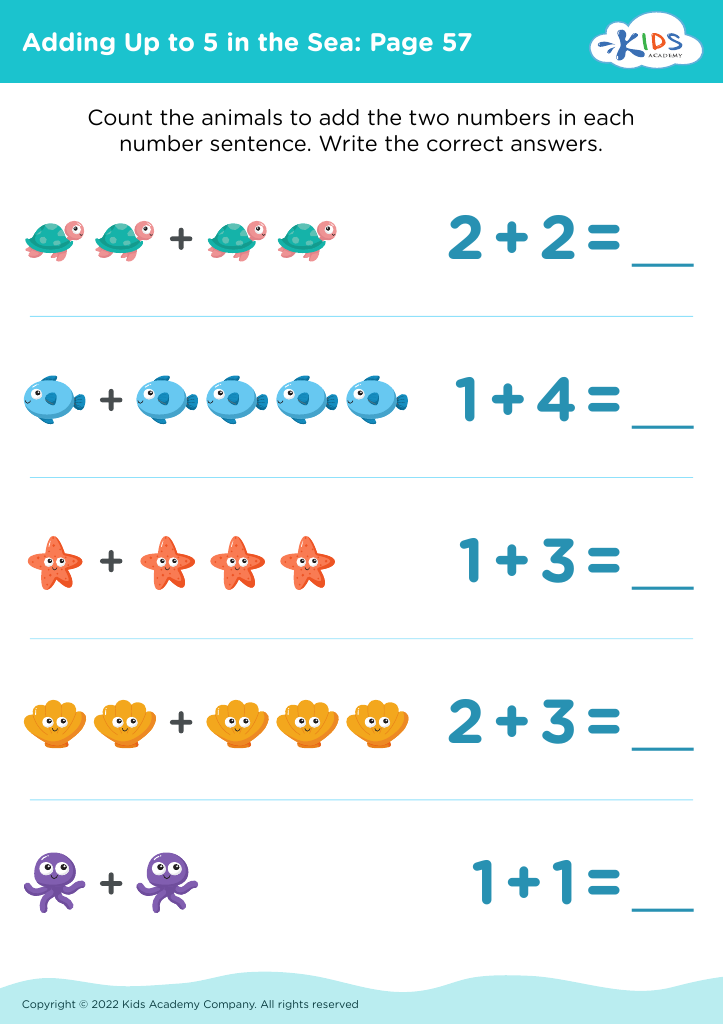
    Adding Up to 5 in the Sea: Page 57
    Adding Up to 5 in the Sea: Page 57
    Adding Up to 5 in the Sea: Page 57
    Worksheet
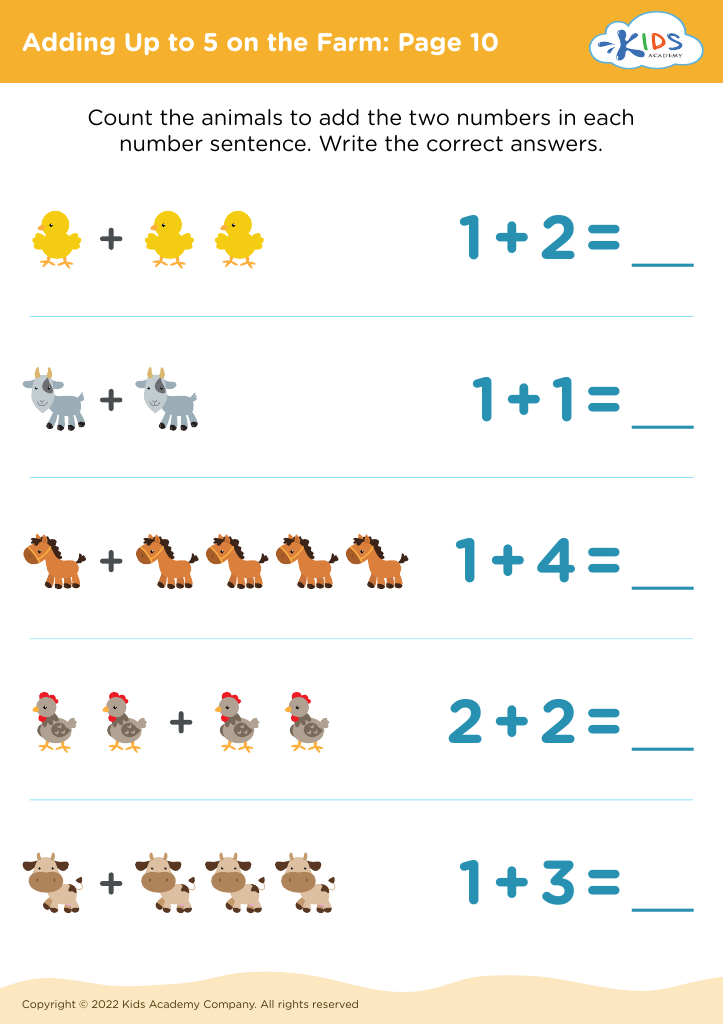
    Adding Up to 5 on the Farm: Page 10
    Adding Up to 5 on the Farm: Page 10
    Adding Up to 5 on the Farm: Page 10
    Worksheet
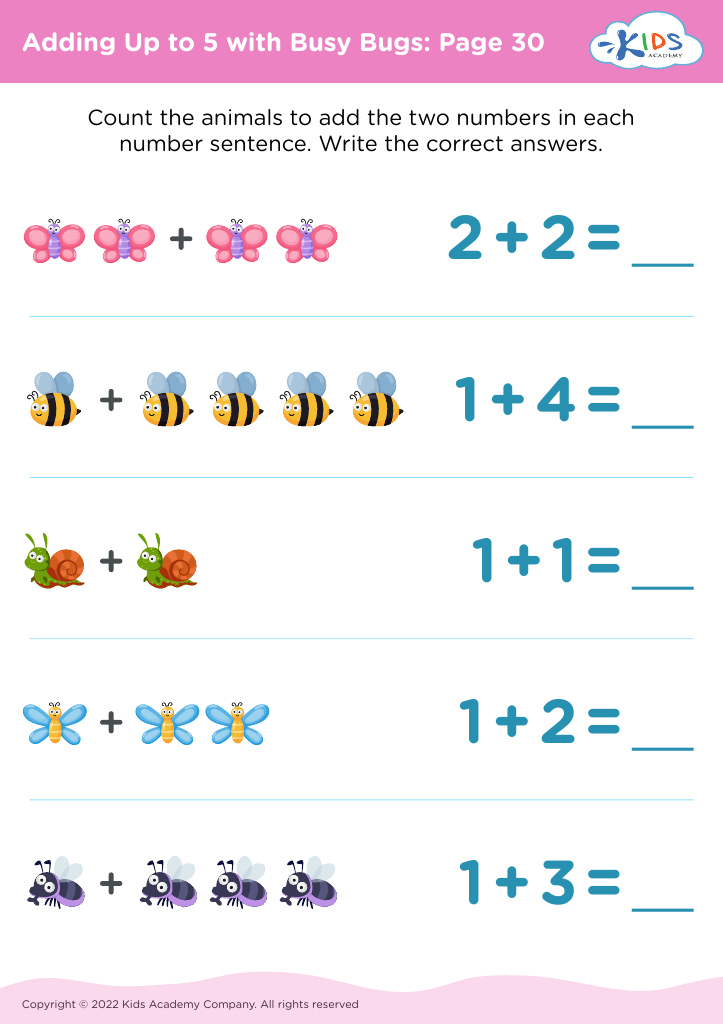
    Adding Up to 5 with Busy Bugs: Page 30
    Adding Up to 5 with Busy Bugs: Page 30
    Adding Up to 5 with Busy Bugs: Page 30
    Worksheet
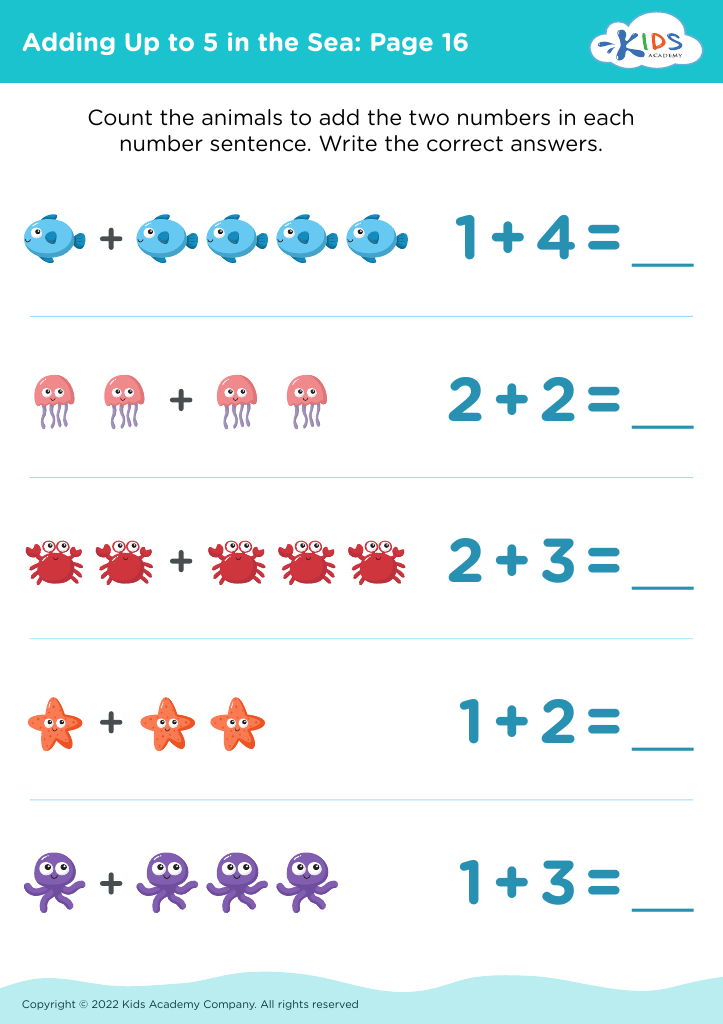
    Adding Up to 5 in the Sea: Page 16
    Adding Up to 5 in the Sea: Page 16
    Adding Up to 5 in the Sea: Page 16
    Worksheet
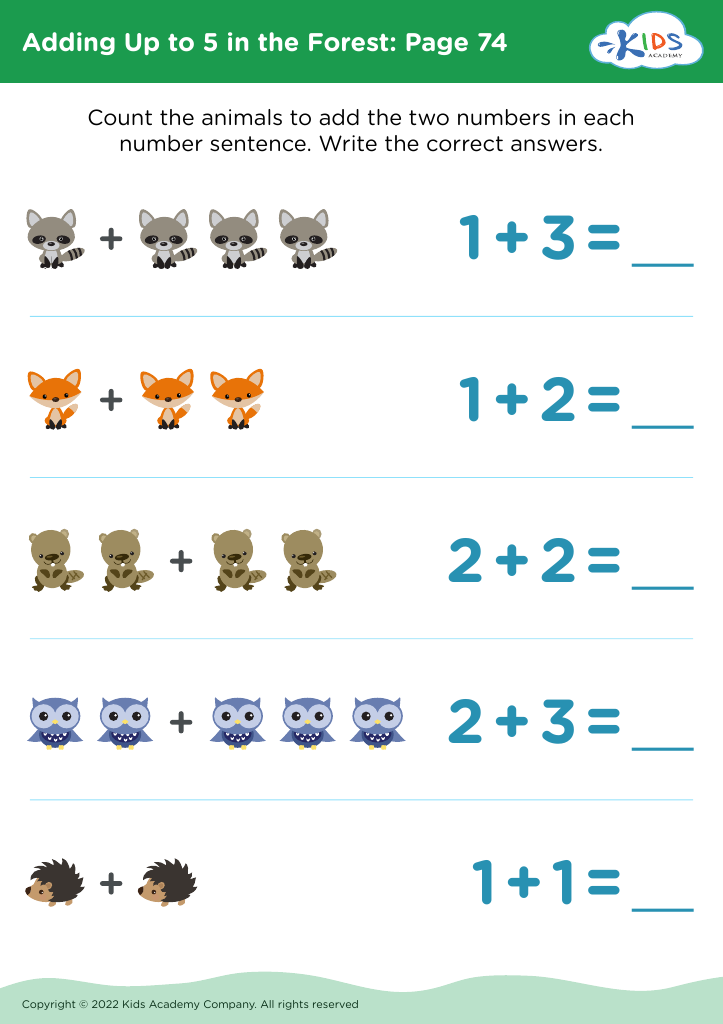
    Adding Up to 5 in the Forest: Page 74
    Adding Up to 5 in the Forest: Page 74
    Adding Up to 5 in the Forest: Page 74
    Worksheet
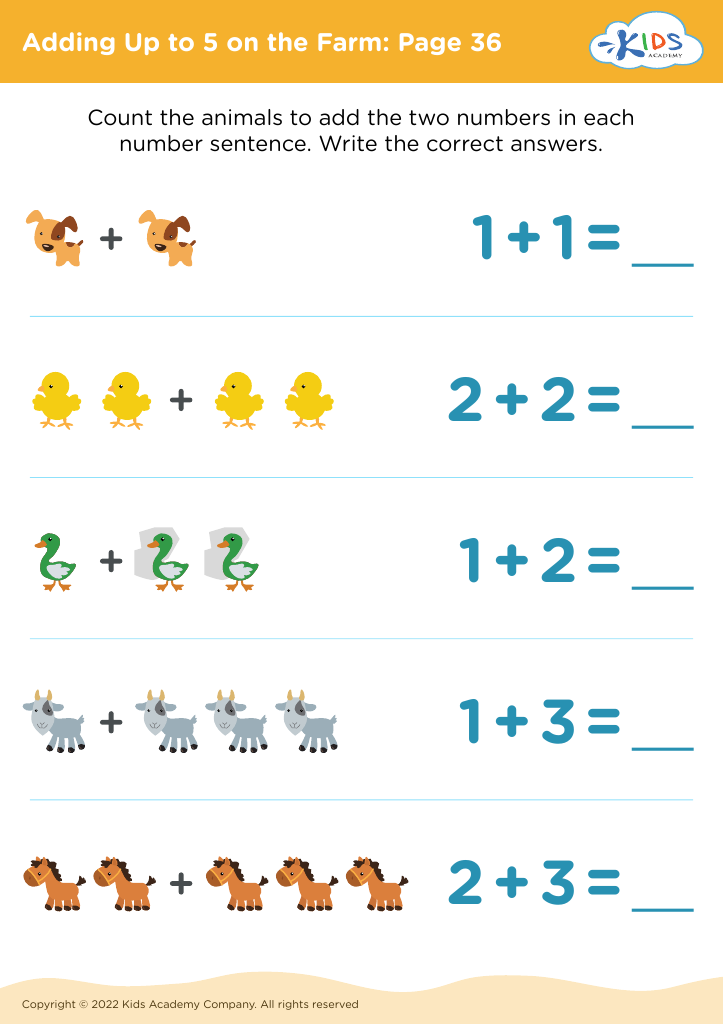
    Adding Up to 5 on the Farm: Page 36
    Adding Up to 5 on the Farm: Page 36
    Adding Up to 5 on the Farm: Page 36
    Worksheet
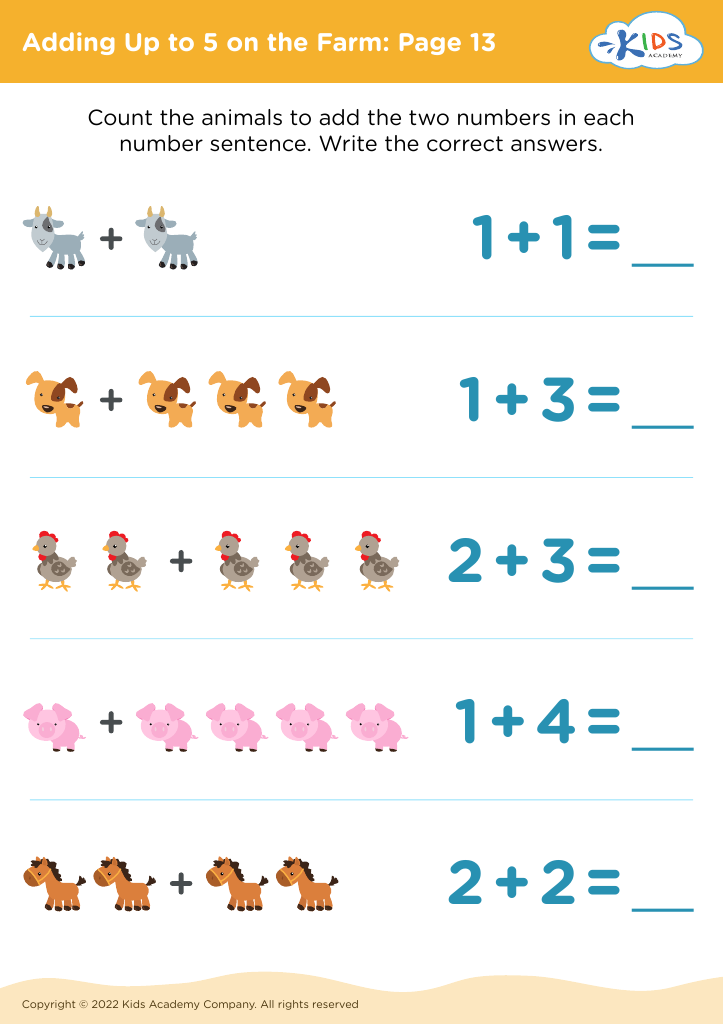
    Adding Up to 5 on the Farm: Page 13
    Adding Up to 5 on the Farm: Page 13
    Adding Up to 5 on the Farm: Page 13
    Worksheet
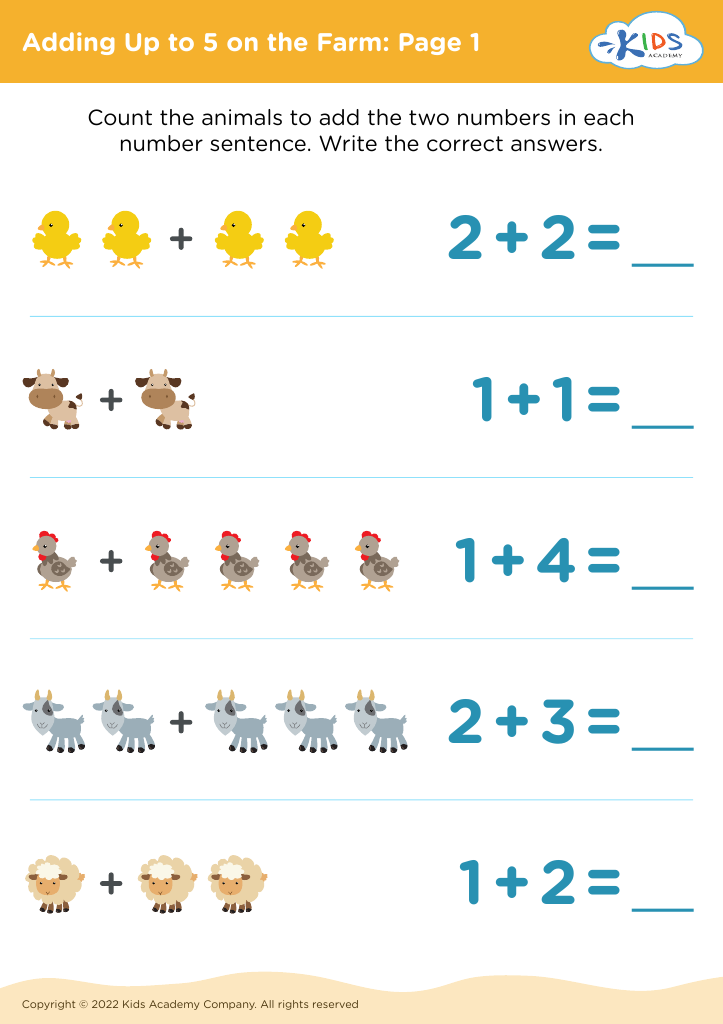
    Adding Up to 5 on the Farm: Page 1
    Adding Up to 5 on the Farm: Page 1
    Adding Up to 5 on the Farm: Page 1
    Worksheet
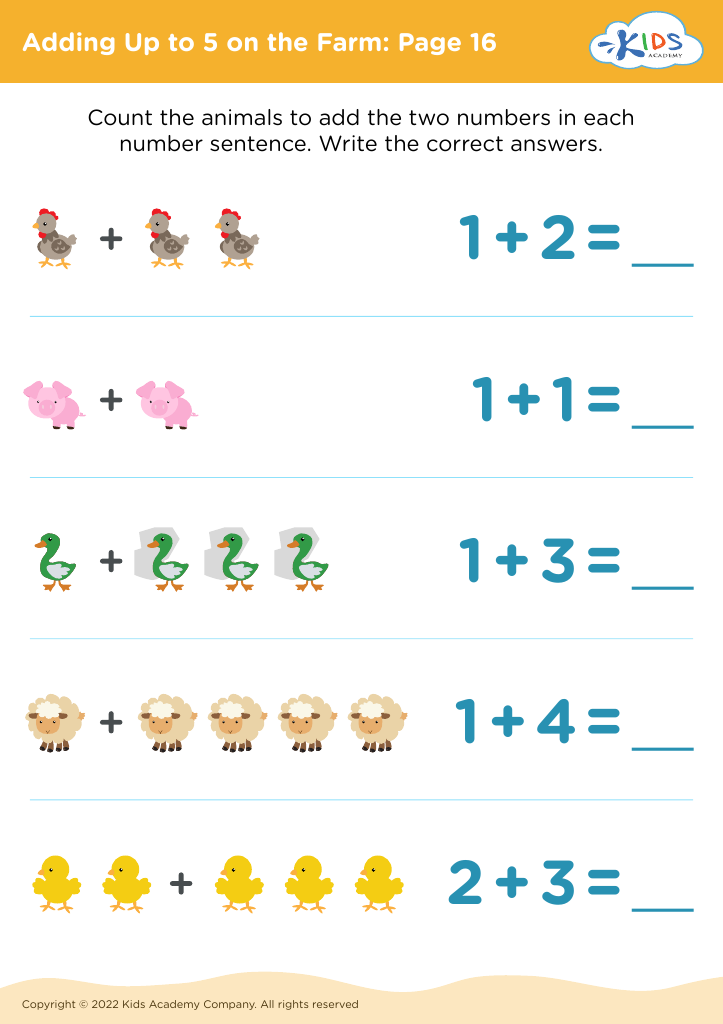
    Adding Up to 5 on the Farm: Page 16
    Adding Up to 5 on the Farm: Page 16
    Adding Up to 5 on the Farm: Page 16
    Worksheet
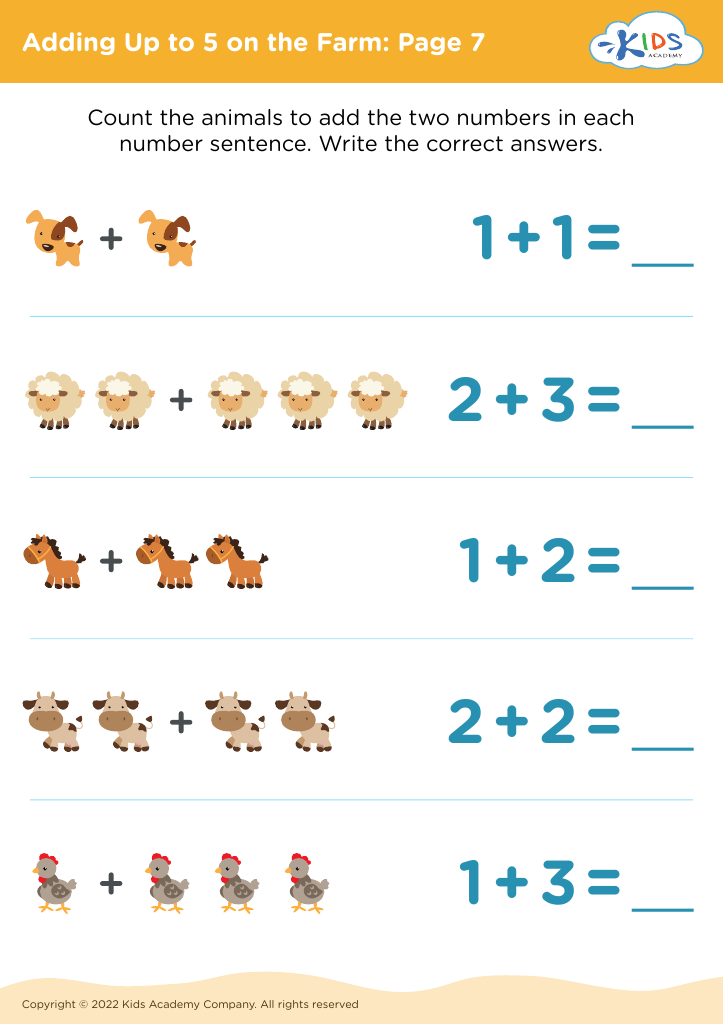
    Adding Up to 5 on the Farm: Page 7
    Adding Up to 5 on the Farm: Page 7
    Adding Up to 5 on the Farm: Page 7
    Worksheet
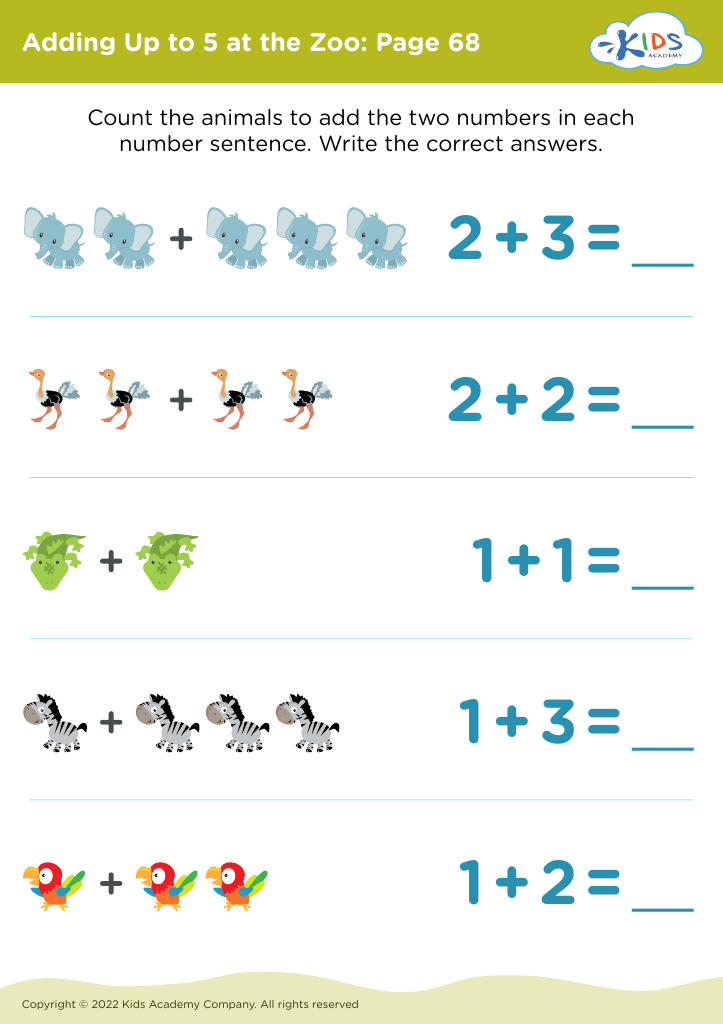
    Adding Up to 5 at the Zoo: Page 68
    Adding Up to 5 at the Zoo: Page 68
    Adding Up to 5 at the Zoo: Page 68
    Worksheet
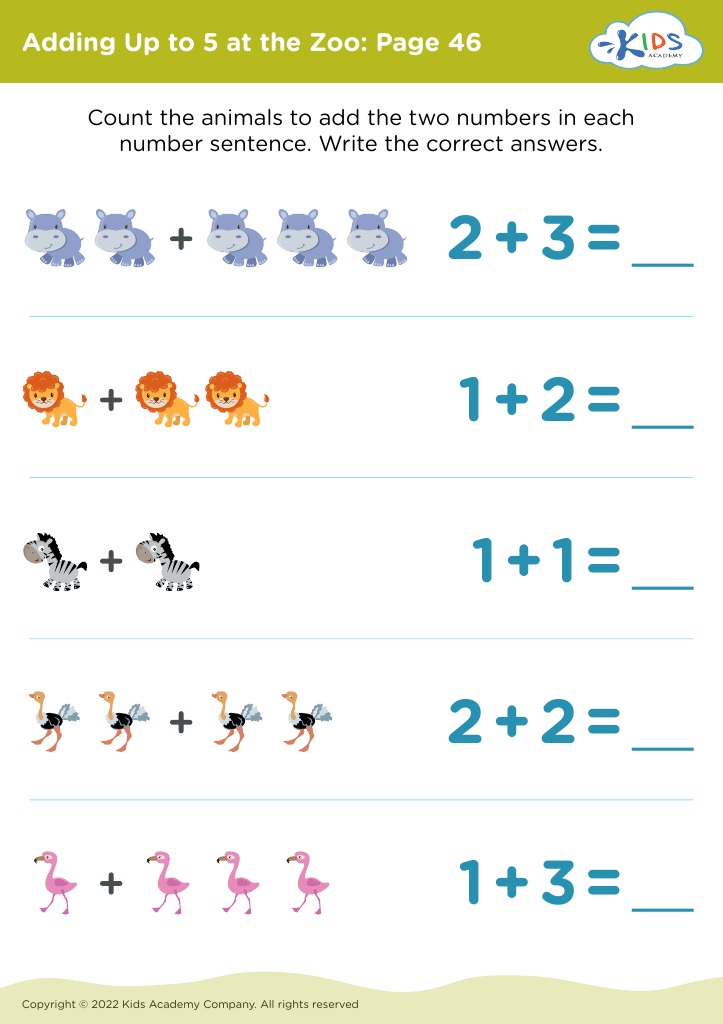
    Adding Up to 5 at the Zoo: Page 46
    Adding Up to 5 at the Zoo: Page 46
    Adding Up to 5 at the Zoo: Page 46
    Worksheet
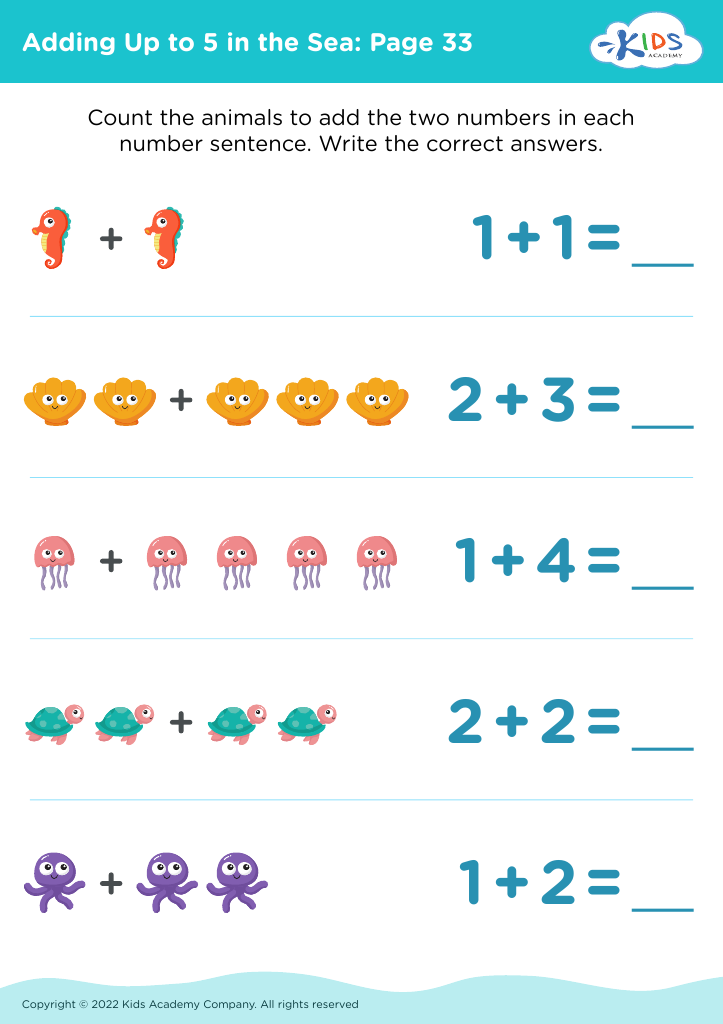
    Adding Up to 5 in the Sea: Page 33
    Adding Up to 5 in the Sea: Page 33
    Adding Up to 5 in the Sea: Page 33
    Worksheet
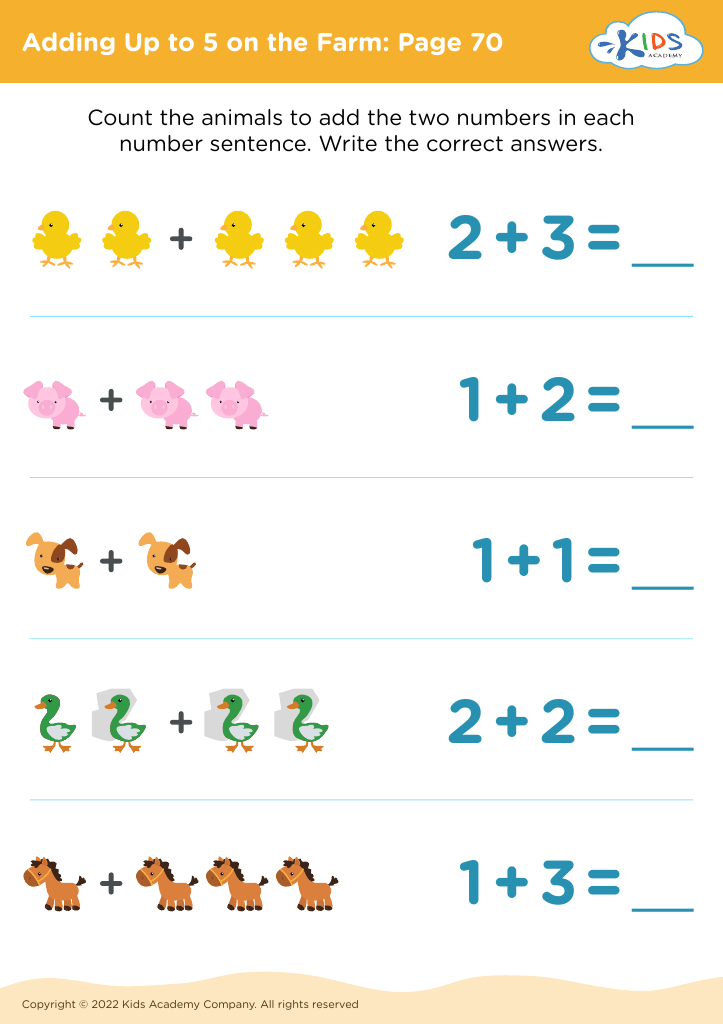
    Adding Up to 5 on the Farm: Page 70
    Adding Up to 5 on the Farm: Page 70
    Adding Up to 5 on the Farm: Page 70
    Worksheet
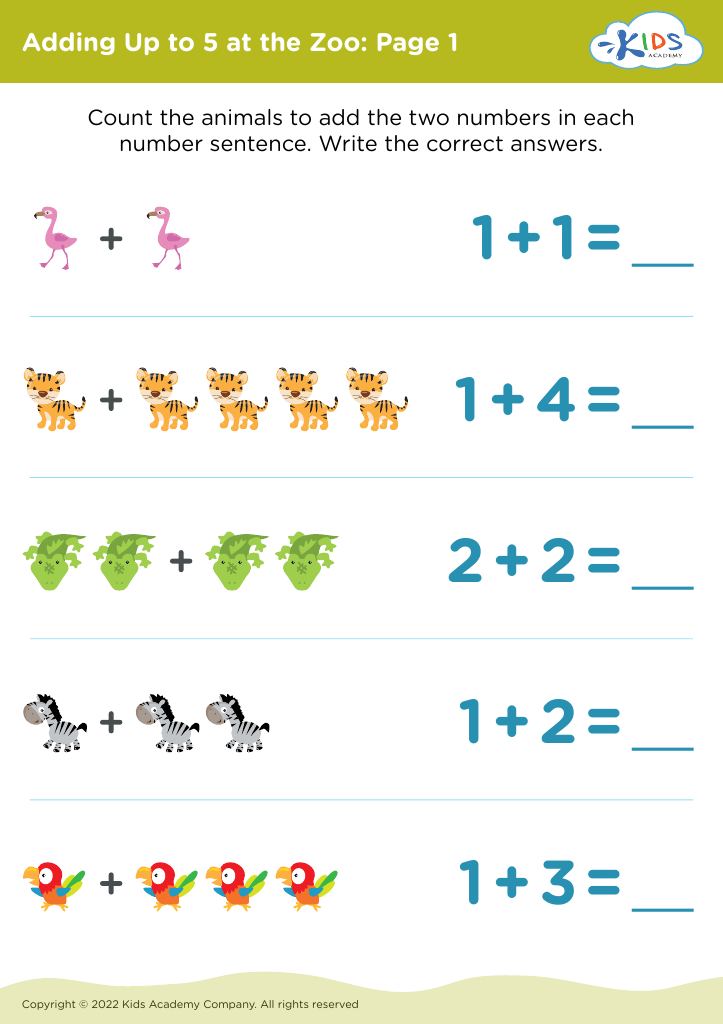
    Adding Up to 5 at the Zoo: Page 1
    Adding Up to 5 at the Zoo: Page 1

    Adding Up to 5 at the Zoo: Page 1

    Adding Up to 5 at the Zoo: Page 1
    Worksheet


    Adding Up to 5 is a foundational mathematical skill for children aged 5-6, crucial in developing their early numeracy skills. This basic addition helps young minds grasp the concept of combining groups of items to form a new total, which is a stepping stone to more complex math problems encountered in later years. Importantly, it lays the groundwork for understanding other mathematical operations, encouraging children to think logically and recognize patterns.

    Parents and teachers should care about this early skill as it nurtures a child’s confidence and comfort with numbers. Mastering simple addition sets a positive tone for future mathematical learning, reducing anxiety and making the subject more approachable. Enjoyable, hands-on activities like counting objects, using fingers, or drawing pictures can transform learning into a playful and engaging experience.

    Early success in math can also positively impact a child’s overall academic performance. Confidence in their math abilities often leads to improved performance in other subjects due to enhanced problem-solving skills and logical thought processes. Therefore, investing time and energy in teaching five and six-year-olds how to add up to 5 can have long-lasting benefits, establishing a strong academic foundation and fostering a lifelong appreciation for learning.