Shape Recognition Comparison Worksheets for Ages 5-6
3 filtered results
-
From - To
Explore our engaging Shape Recognition Comparison Worksheets designed specifically for children ages 5-6! These fun and interactive activities help young learners sharpen their shape identification skills while comparing different geometric figures. Through vibrant illustrations and relatable contexts, children will develop critical thinking and analytical abilities as they identify and differentiate between shapes. Each worksheet encourages creativity and enhances their understanding of spatial relationships, laying the foundation for future mathematical skills. Perfect for preschool and kindergarten classrooms or at-home practice, our shape recognition worksheets make learning enjoyable. Dive into the world of shapes and watch your child’s confidence soar with every successful comparison!
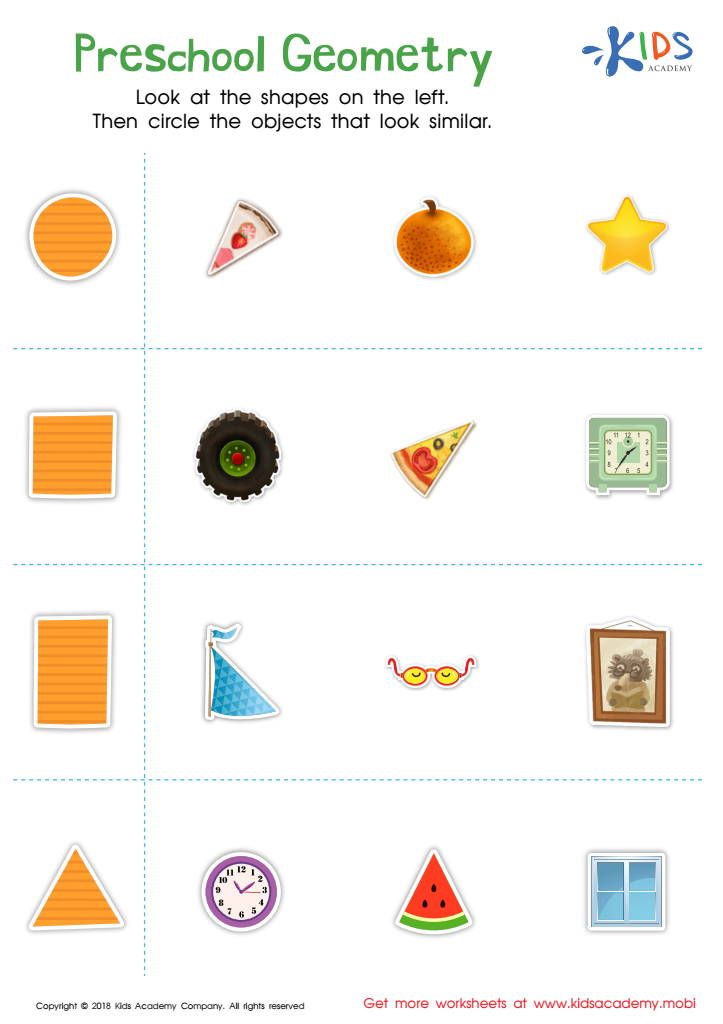
Preschool Geometry Worksheet
 Assign to My Students
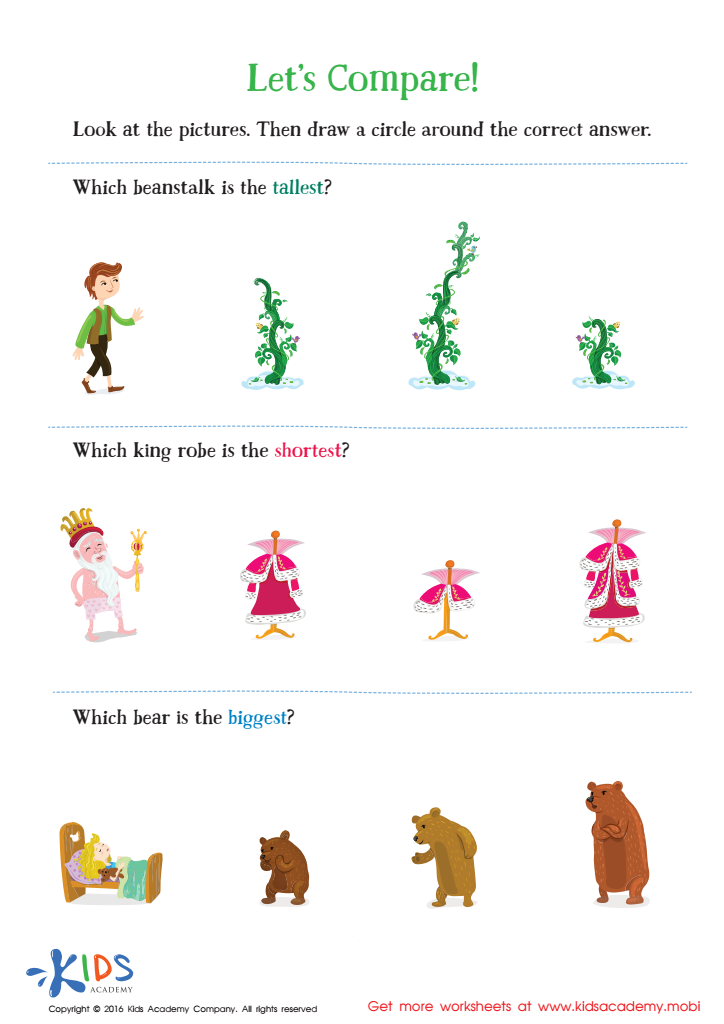
Fairy Tale Worksheet: Let's Compare
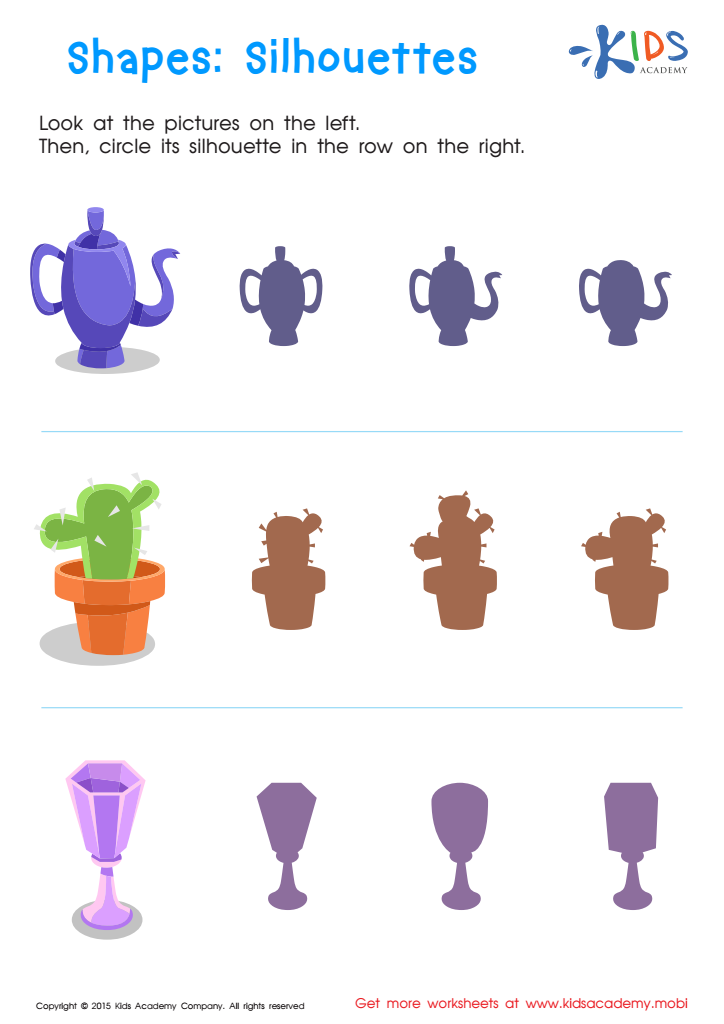
Silhouettes – Shapes Worksheet


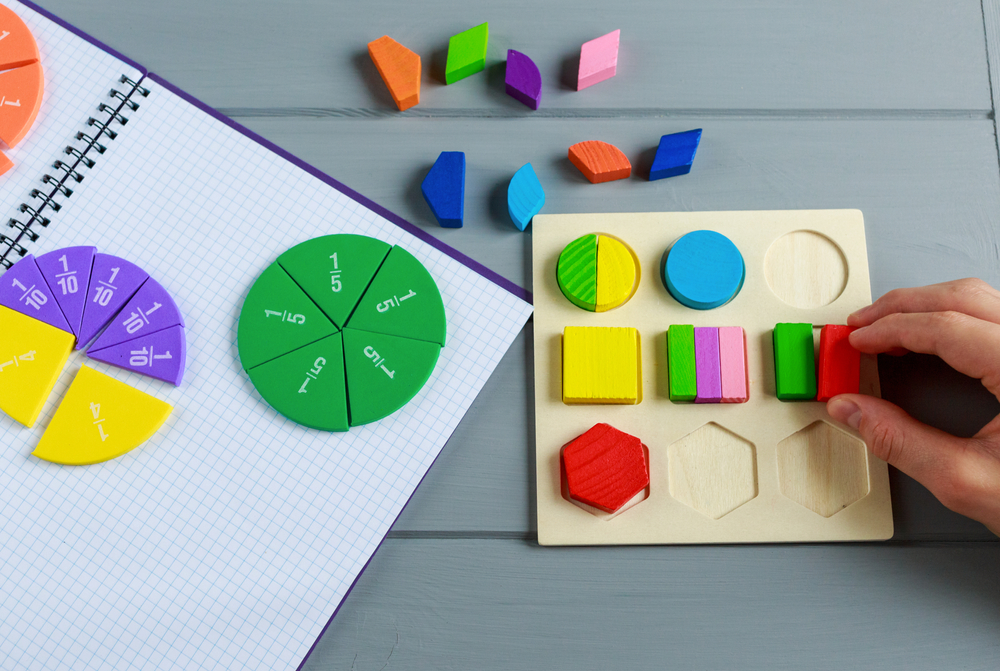



Shape recognition is a fundamental skill for children aged 5-6, serving as a building block for many aspects of early learning and development. Parents and teachers should prioritize shape recognition because it not only promotes cognitive development but also lays the groundwork for essential mathematical concepts. Understanding shapes helps children identify patterns, differences, and similarities, fostering critical thinking skills.
Moreover, shape recognition enhances spatial awareness, an important skill for everyday tasks, including reading maps, organizing spaces, and solving puzzles. These skills can boost problem-solving abilities and promote creativity. Through the comparison of shapes, children learn to classify and categorize objects, a foundational component of scientific reasoning.
Additionally, engaging in shape recognition activities—like sorting, matching, or creating shapes—can improve fine motor skills and hand-eye coordination. These activities encourage social interaction and collaborative play, vital for emotional and social development. As children compare shapes, they communicate their thoughts and reasoning, fostering language skills and vocabulary growth.
Ultimately, by focusing on shape recognition and comparison, parents and teachers assist in developing well-rounded learners equipped with essential skills for their academic journey and everyday life.








