Subtraction practice Math Worksheets for Ages 5-6 - Page 2
72 filtered results
-
From - To
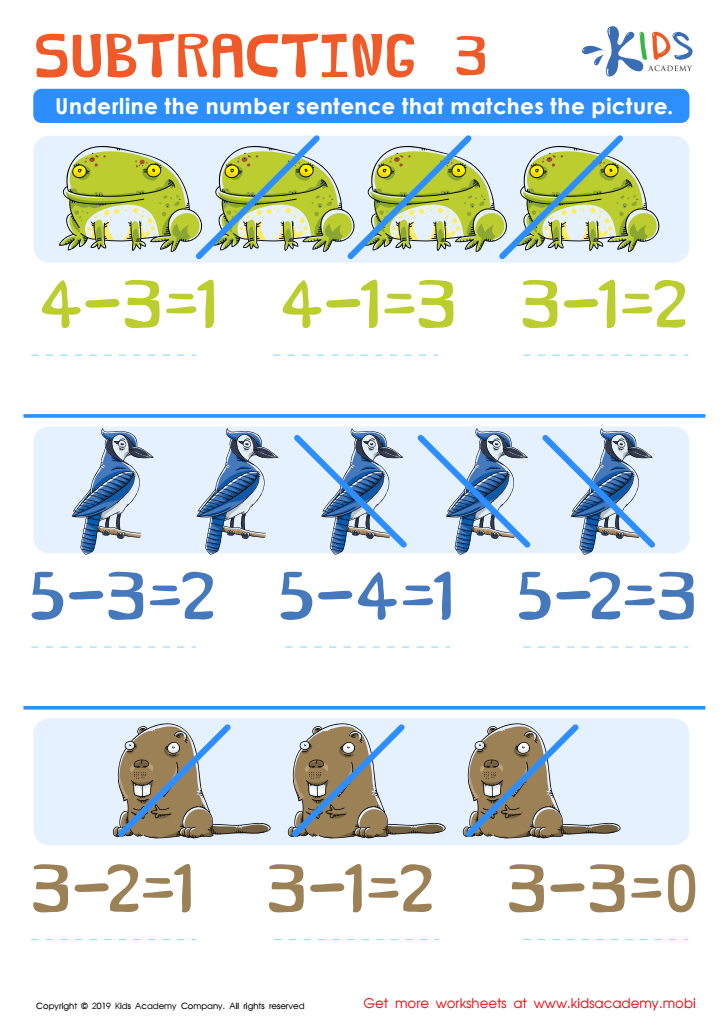
Subtracting 3 Worksheet
 Assign to My Students
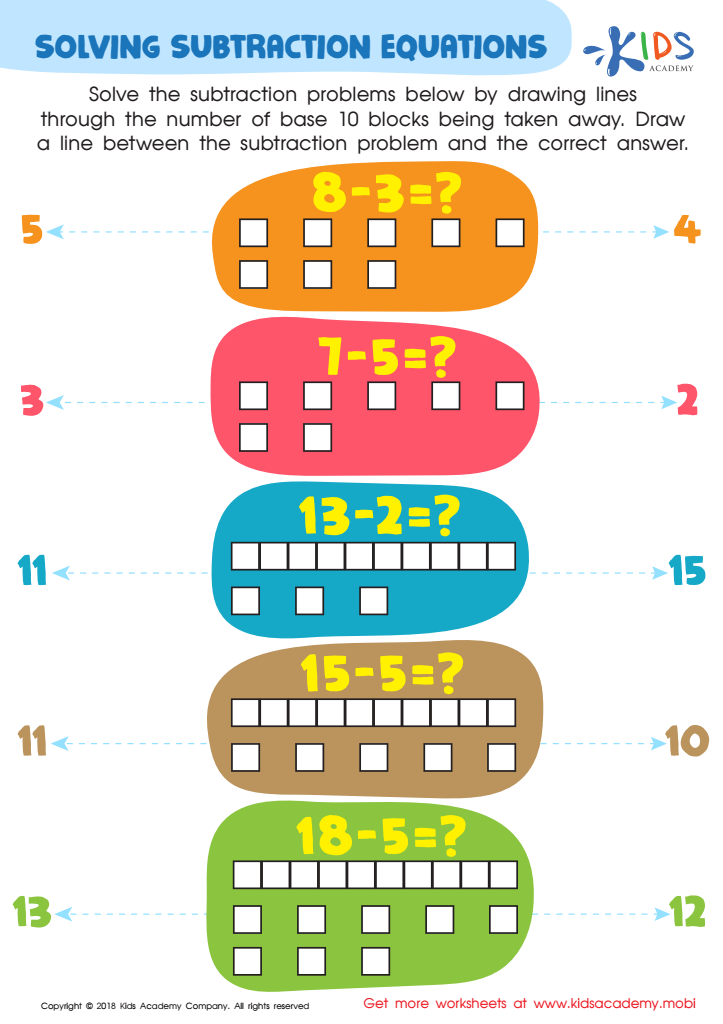
Solving Subtraction Equations Worksheet
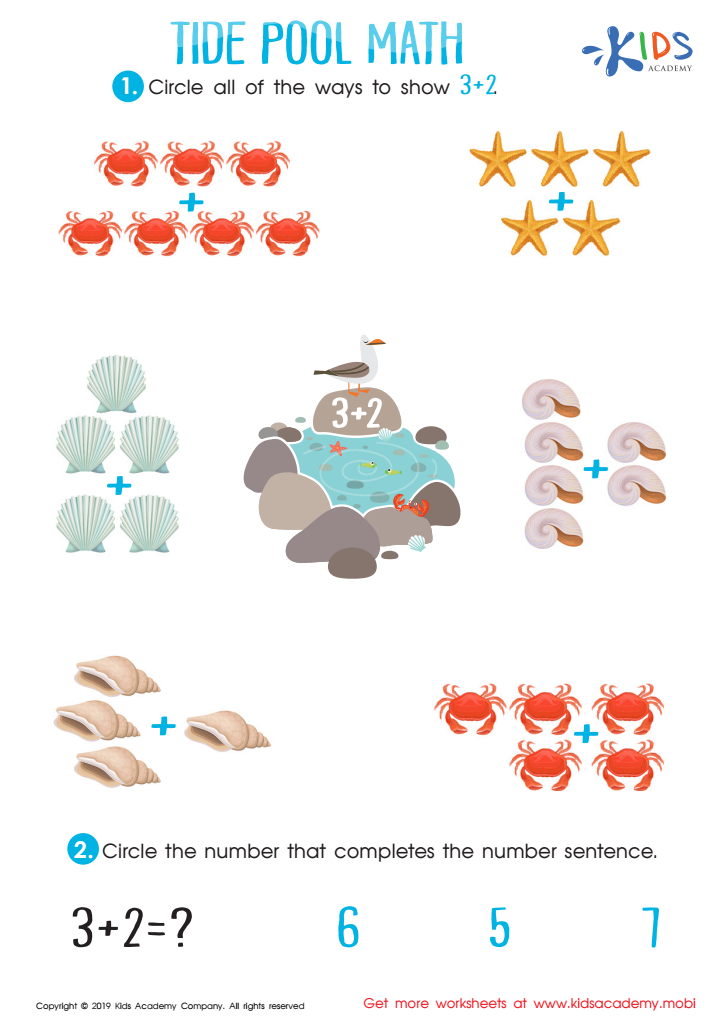
Tide Pool Math Worksheet
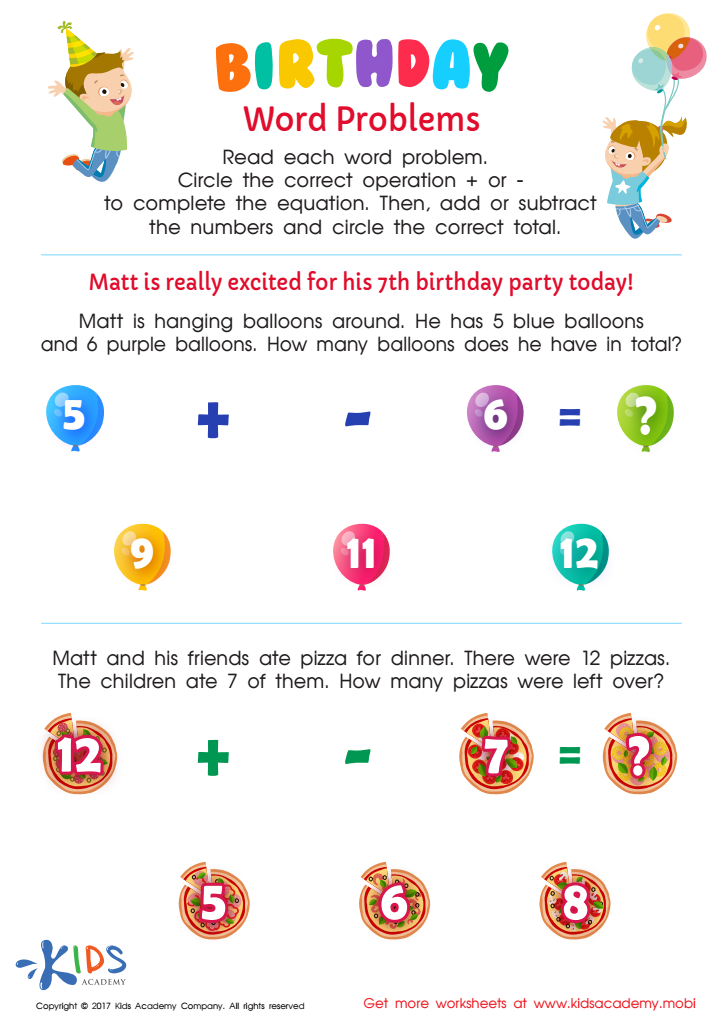
Birthday Word Problems Substraction Worksheet
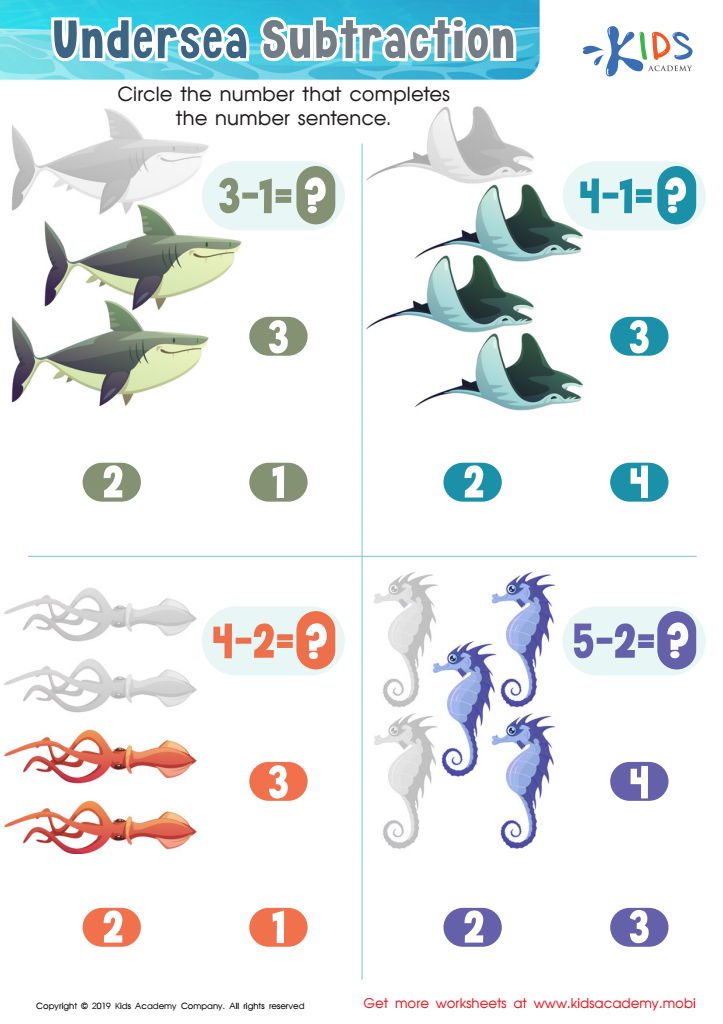
Undersea Subtraction Worksheet
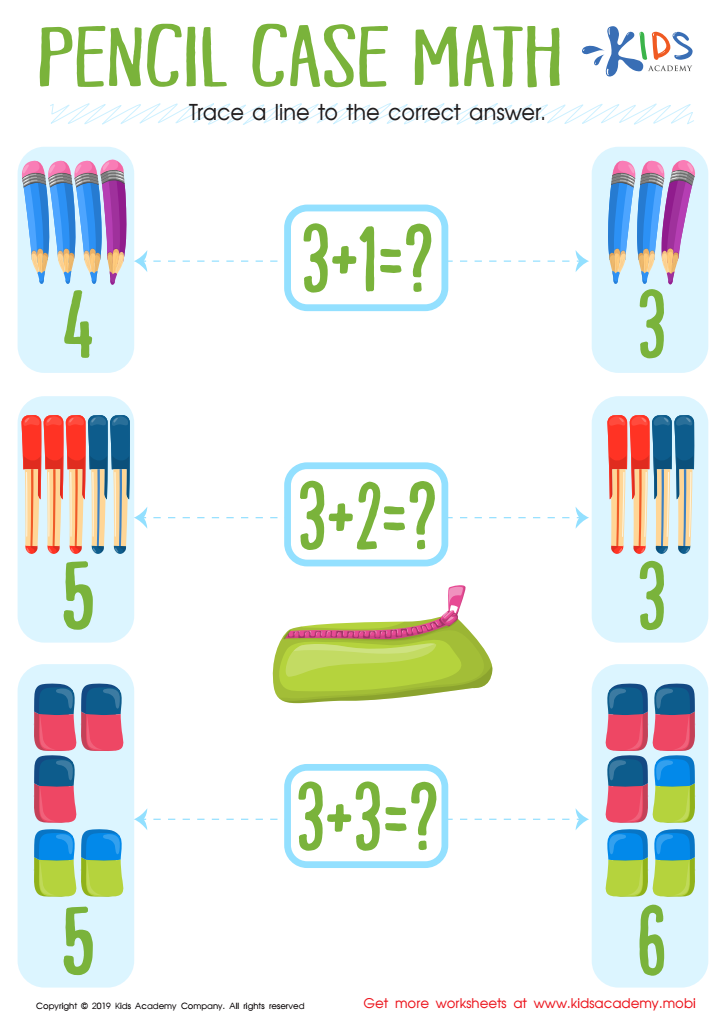
Pencil Case Math Worksheet
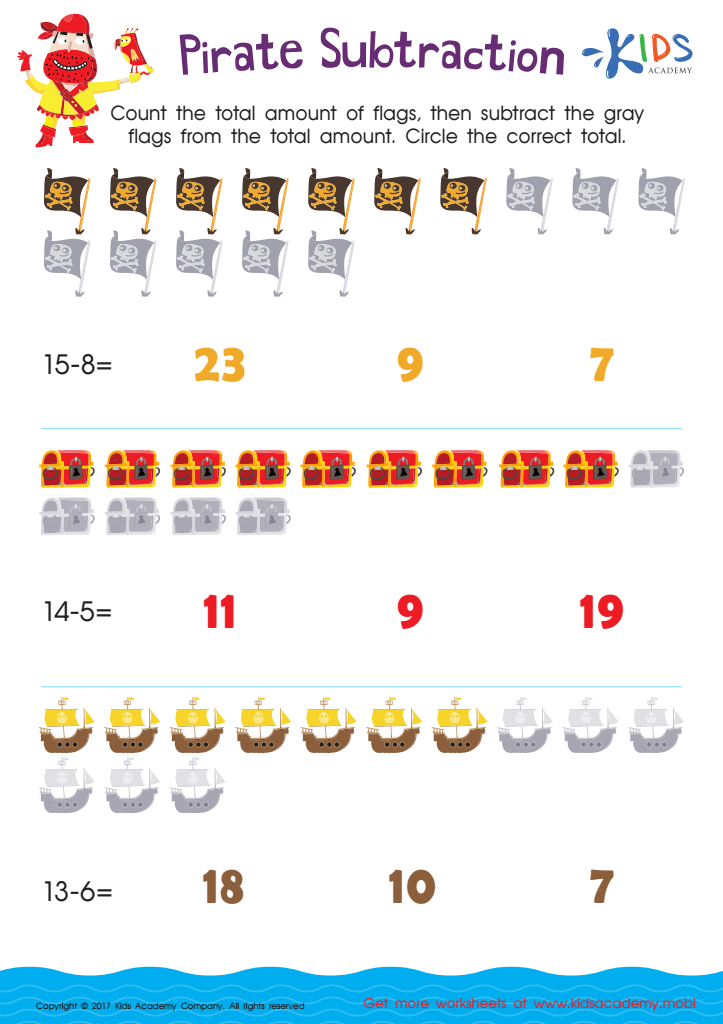
Pirate Subtraction Substraction Worksheet
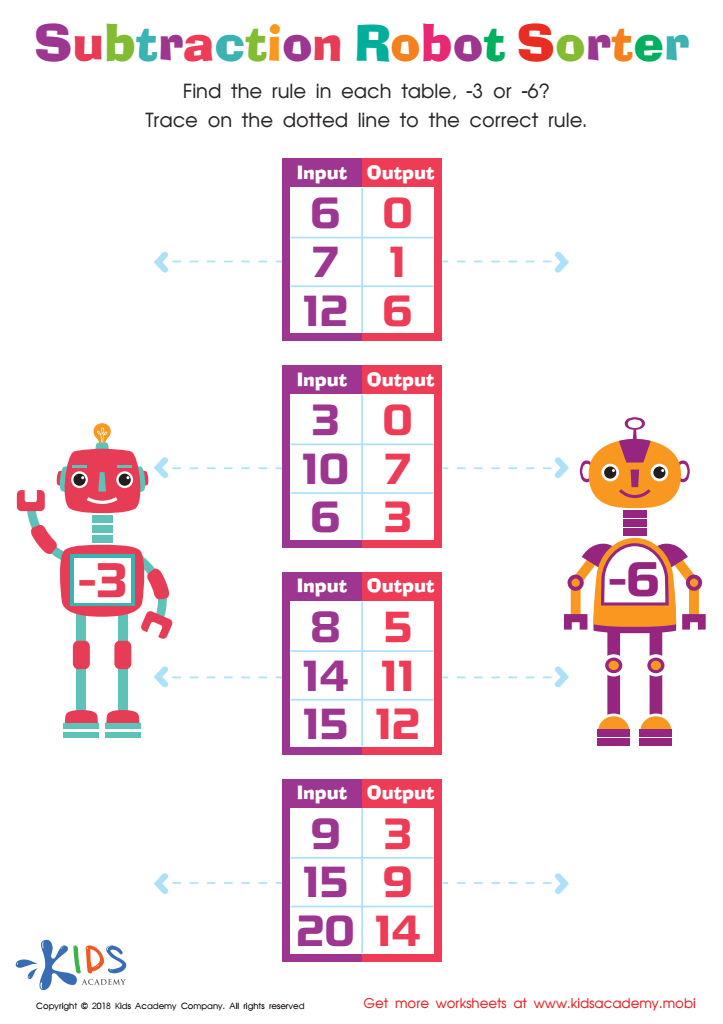
Subtraction Robot Sorter Worksheet
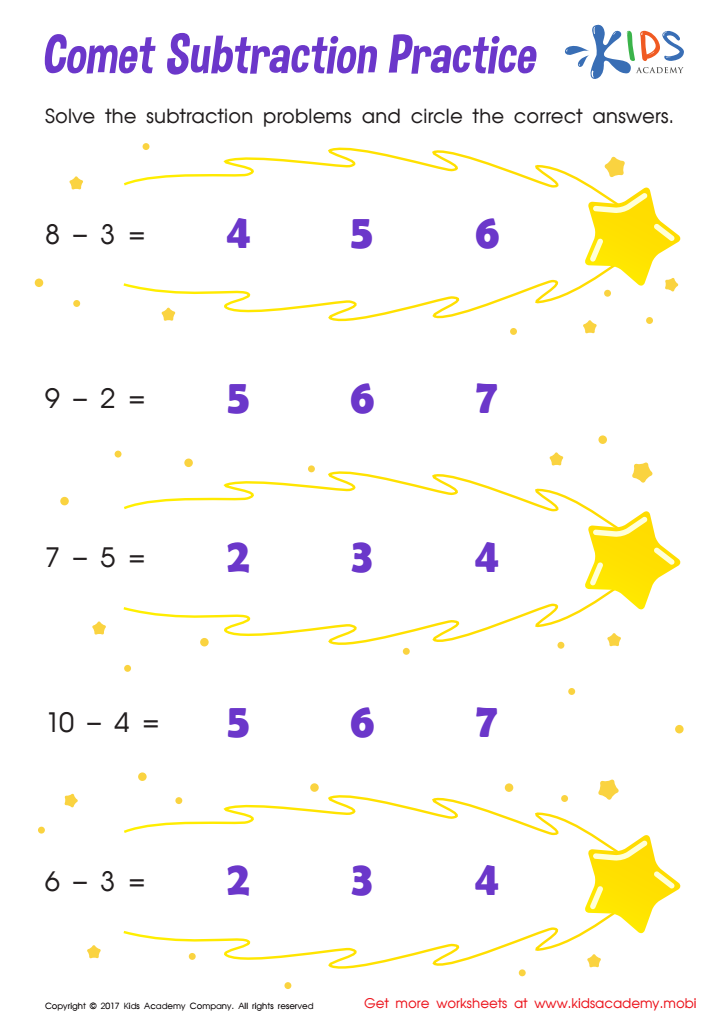
Comet Subtraction Practice Substraction Worksheet
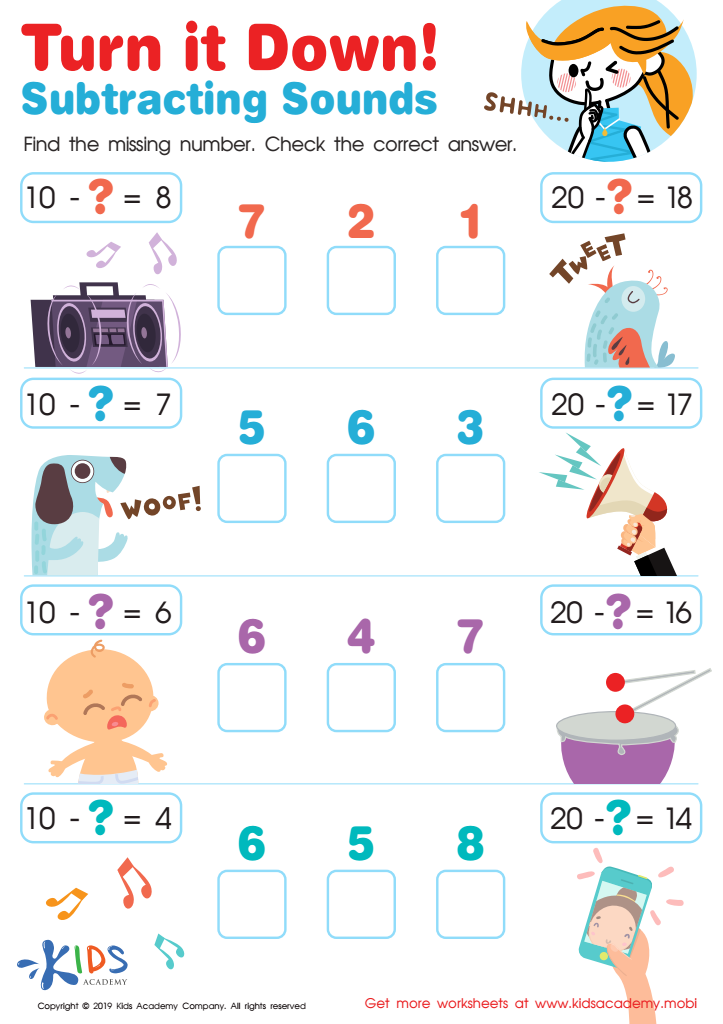
Turn It down! Subtracting Sounds Worksheet
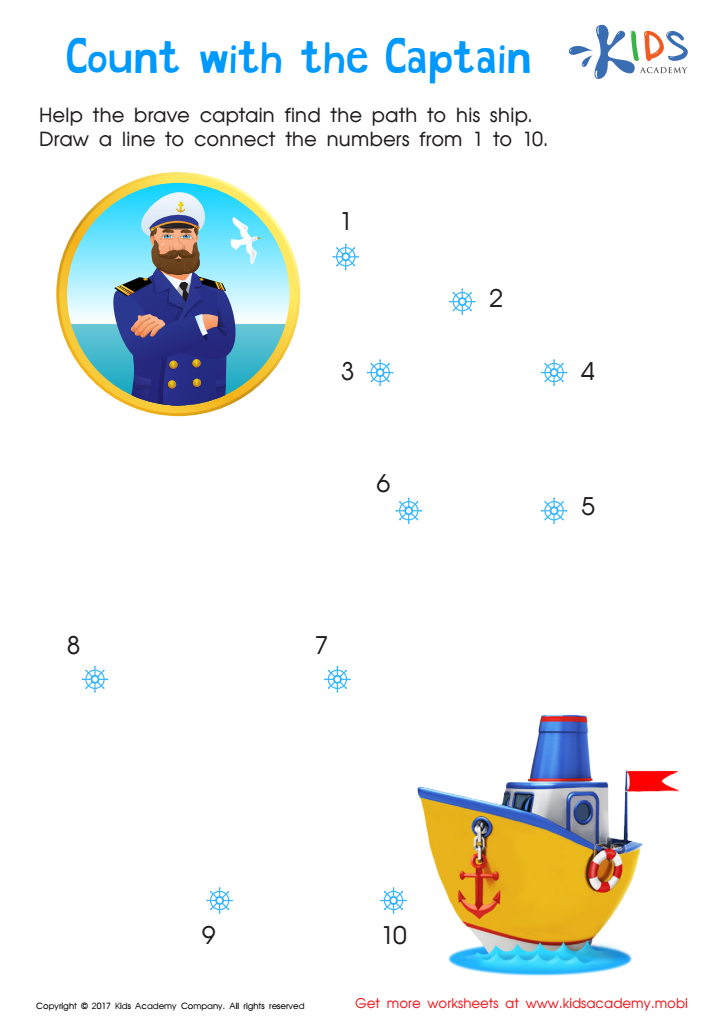
Count with the Captain Connect Dots Worksheet
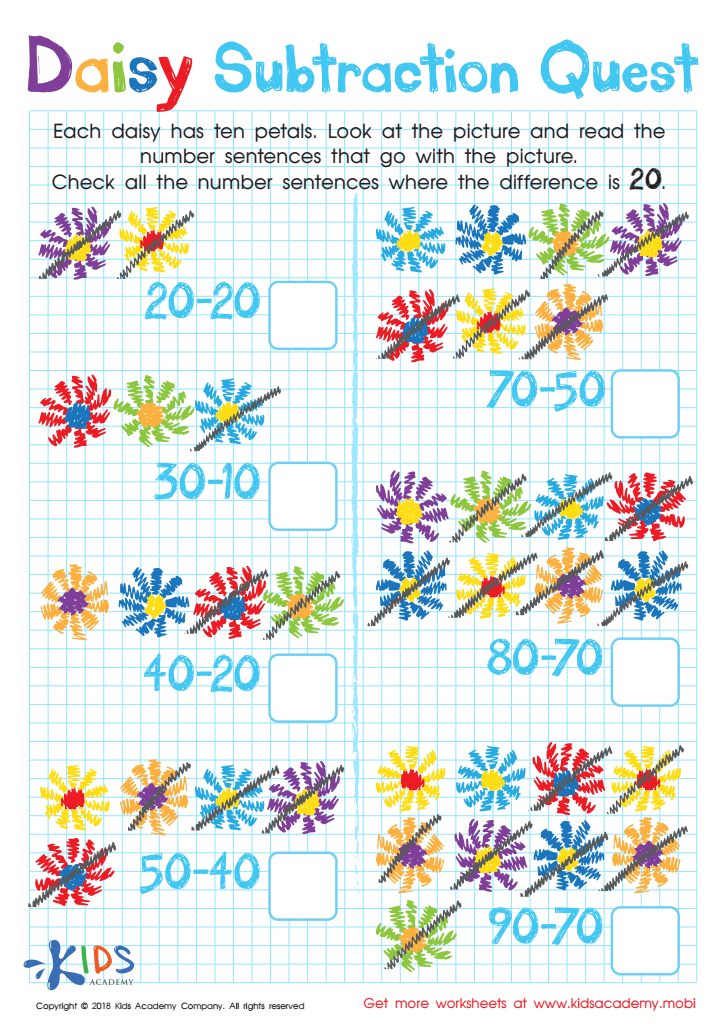
Daisy Subtraction Quest Worksheet
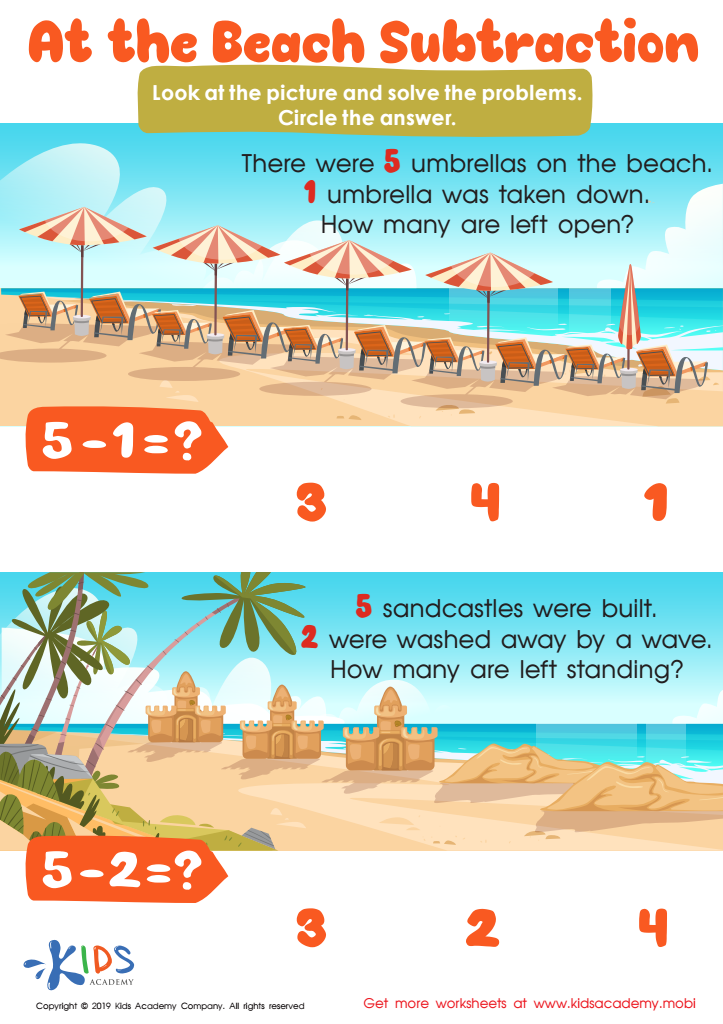
At the Beach Subtraction Worksheet
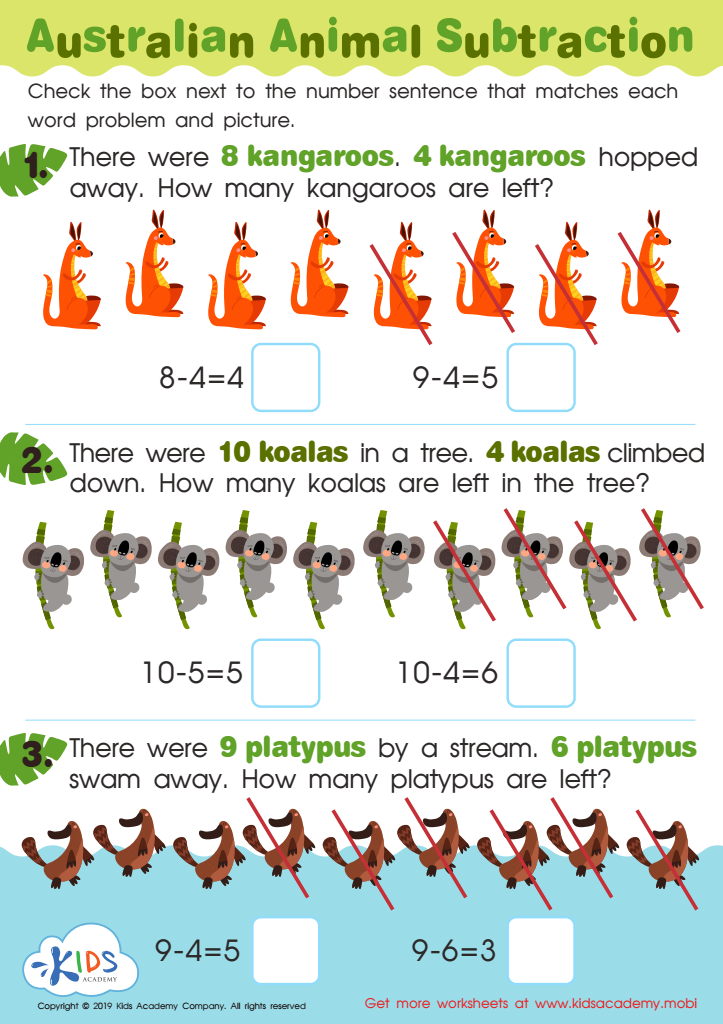
Australian Animal Subtraction Worksheet
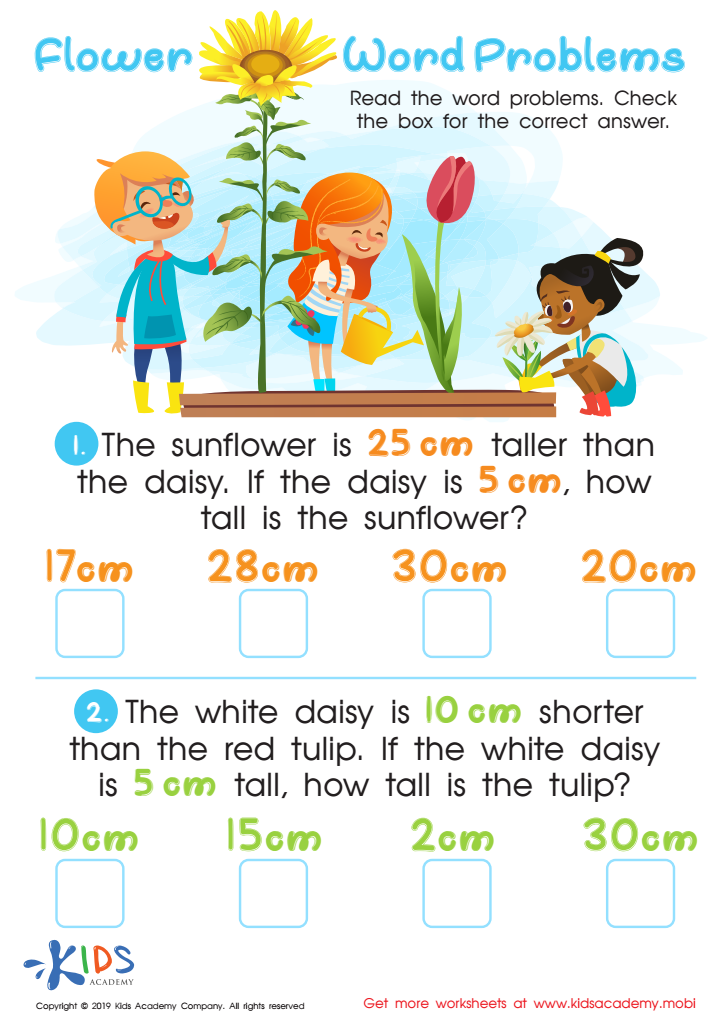
Flower Word Problems Worksheet
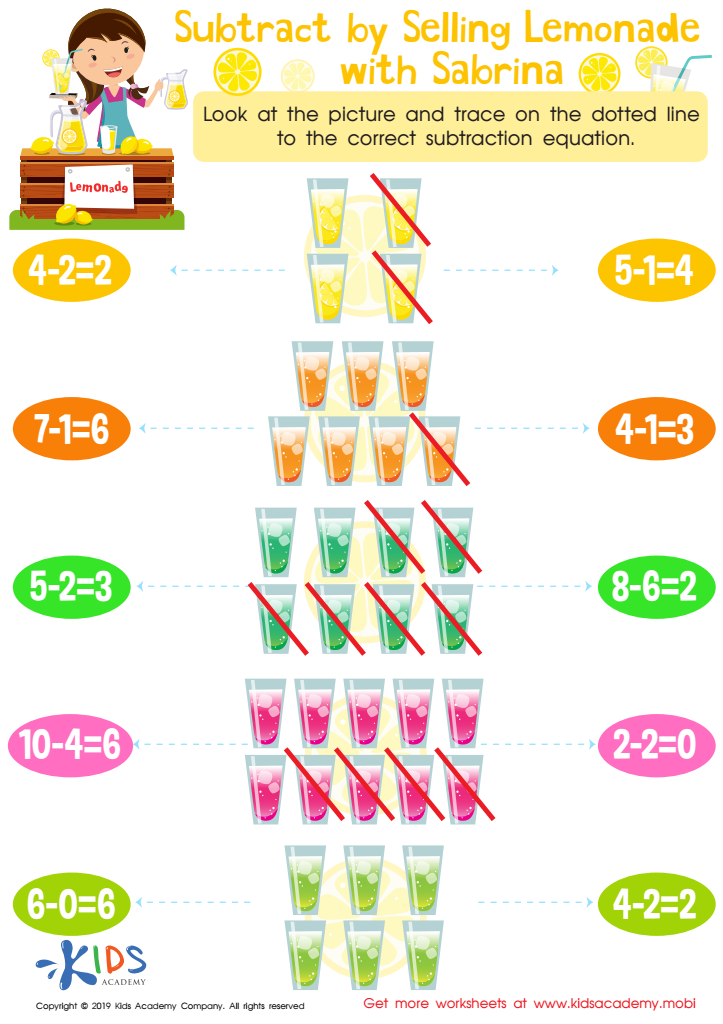
Subtract by Selling Lemonade with Sabrina Worksheet
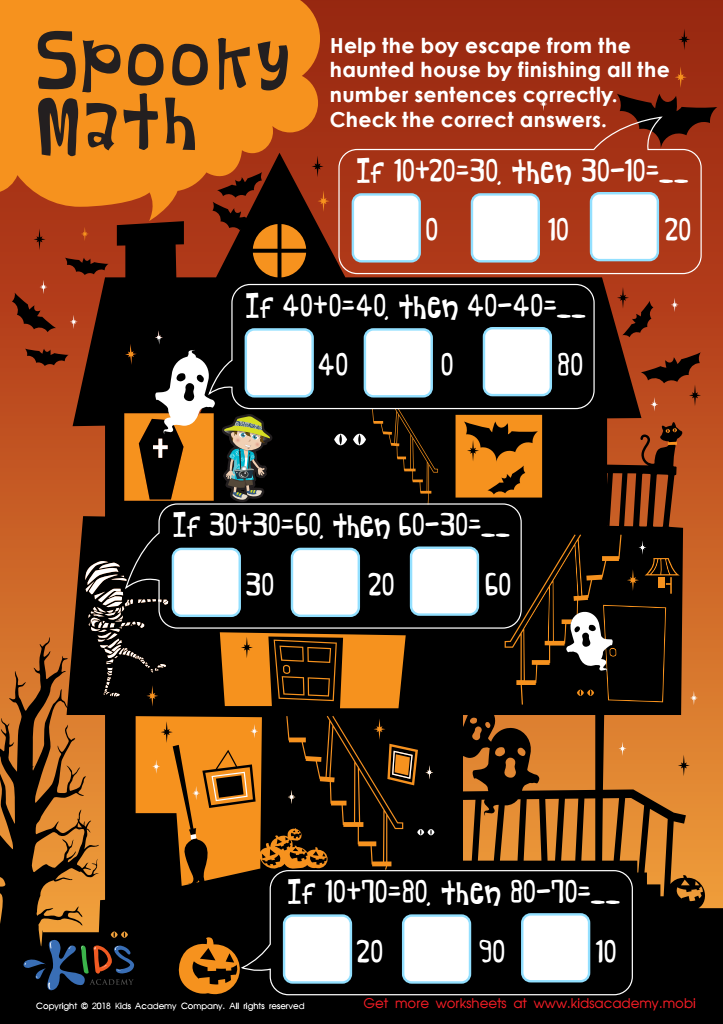
Subtract Tens: Spooky Math Worksheet
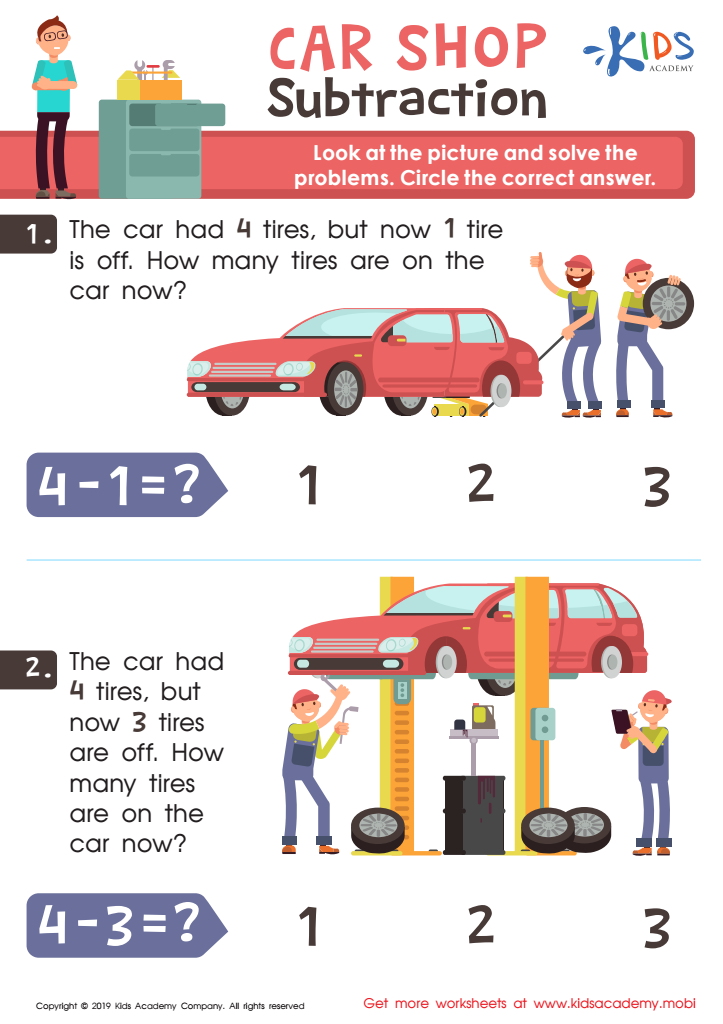
Car Shop Subtraction Worksheet
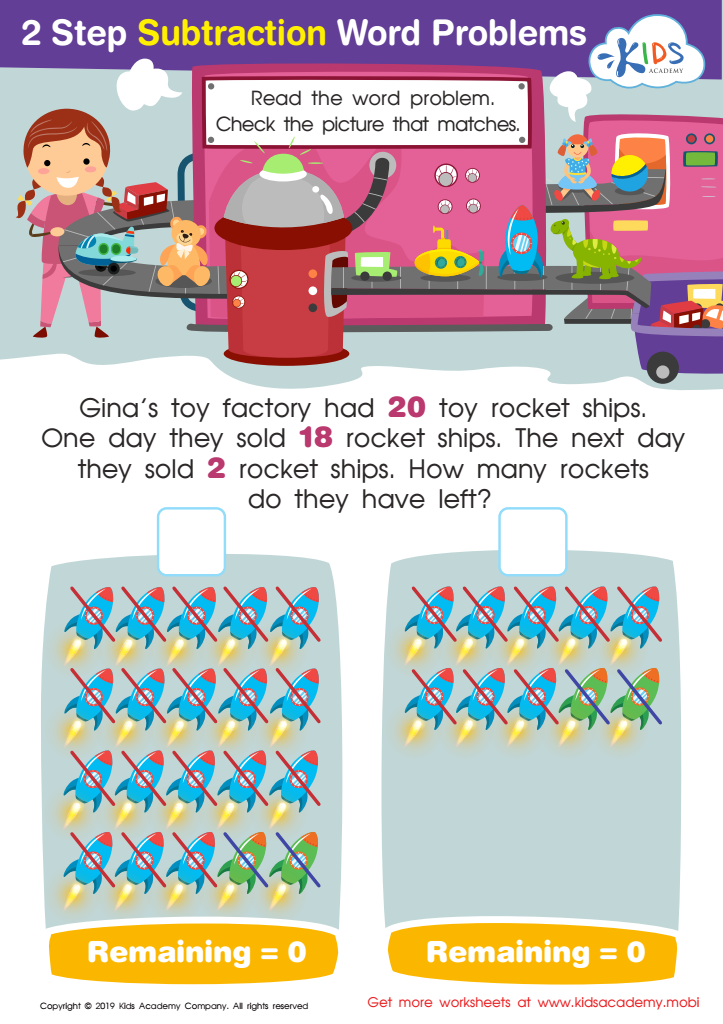
Step Subtraction Word Problems Worksheet
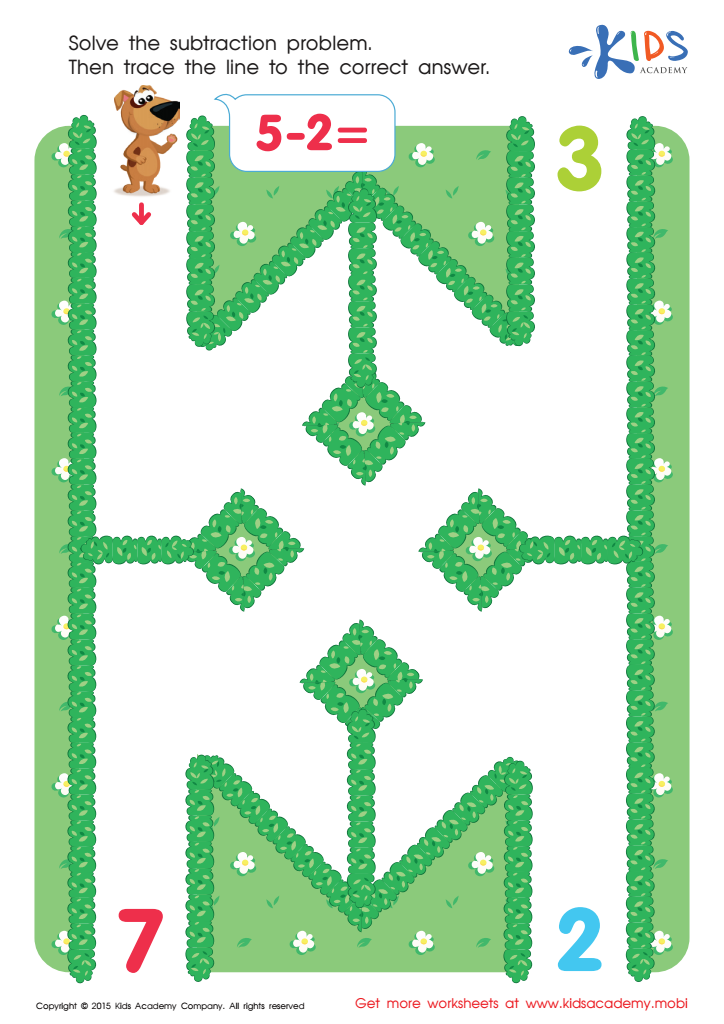
Five Minus Two Worksheet
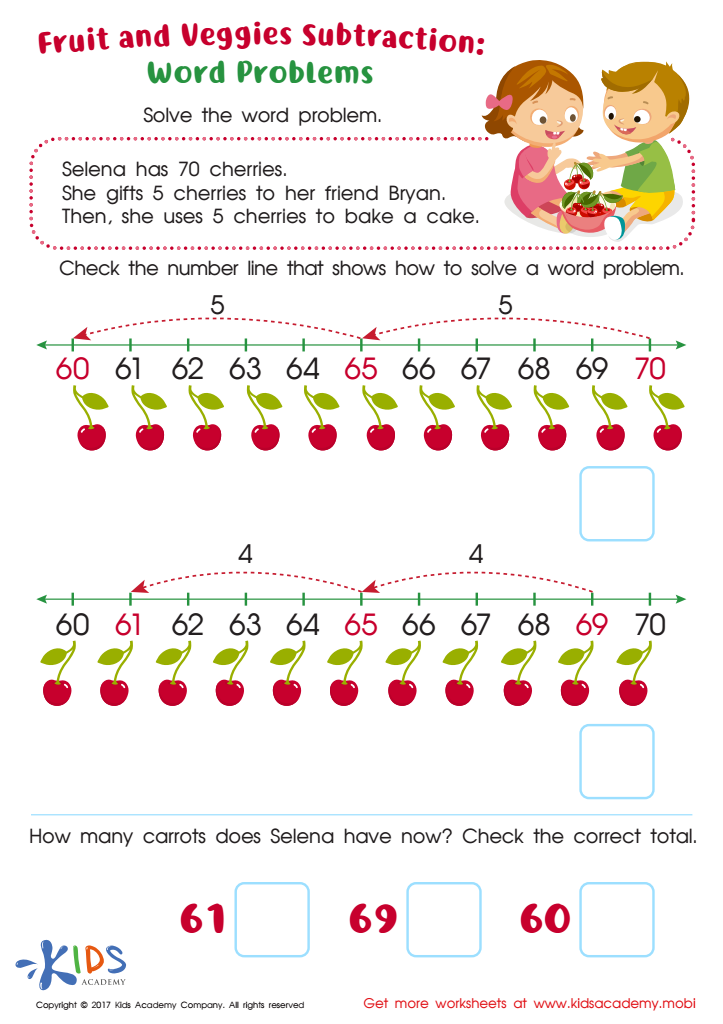
Subtraction Word Problems Free Printable
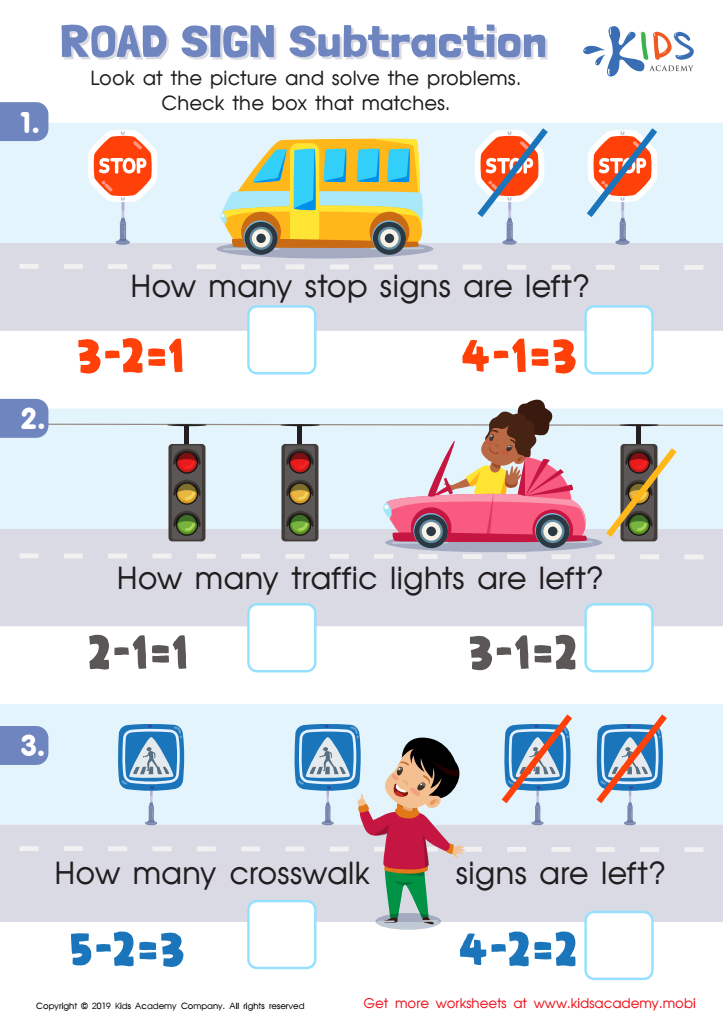
Road Sign Subtraction Worksheet
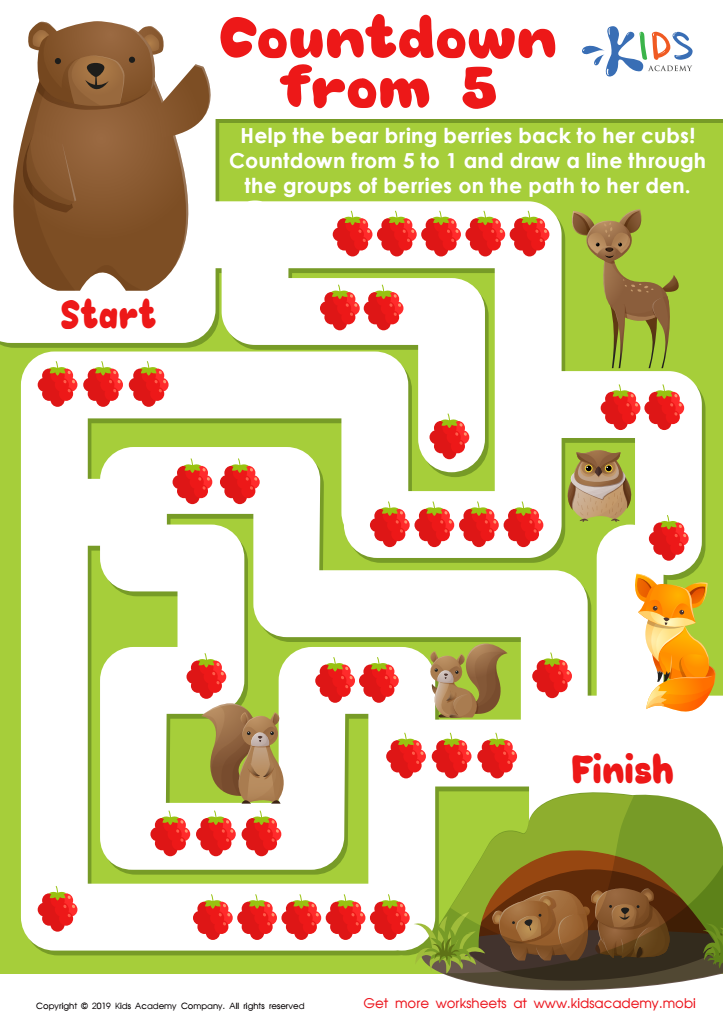
Countdown from 5 Worksheet
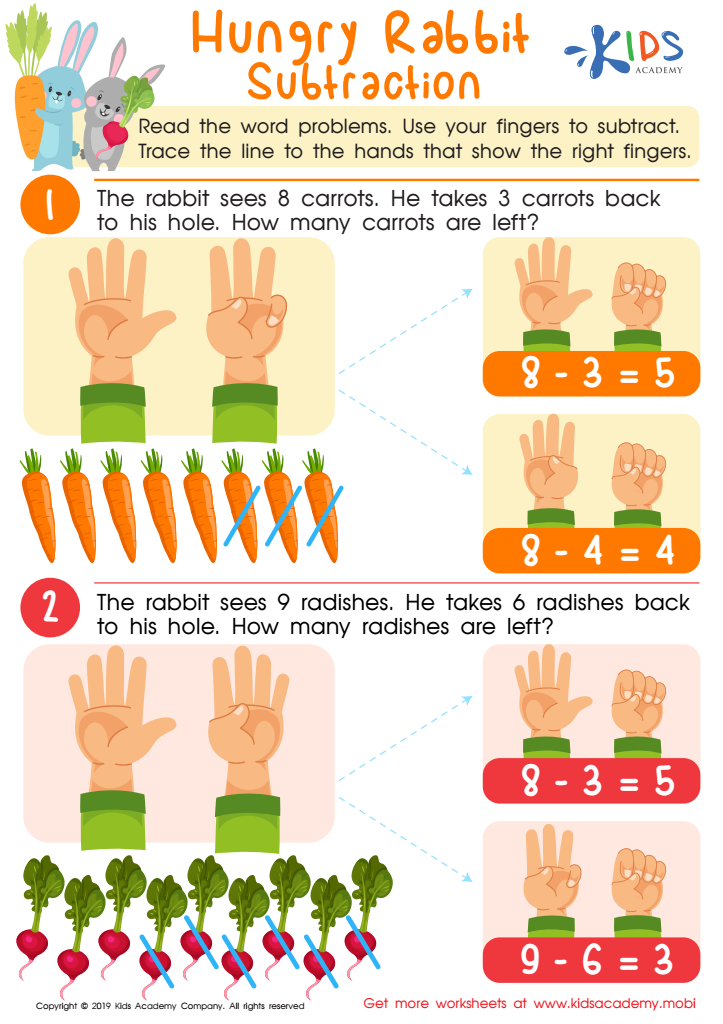
Hungry Rabbit Subtraction Worksheet








Parents and teachers should prioritize subtraction practice for children aged 5-6 because foundational math skills established at this age set the groundwork for future learning. Subtraction is not only one of the basic operations of arithmetic but also essential for everyday problem-solving. Early exposure enhances numerical literacy, boosting children's confidence and comfort with more complex mathematical concepts they will encounter later.
Consistent practice with subtraction sharpens a child's cognitive abilities, such as logical reasoning and memory. By navigating various subtraction scenarios, children enhance their problem-solving skills and learn to approach tasks methodically. This age group benefits greatly as their brains are highly plastic and capable of rapid skill acquisition.
Additionally, developing math skills early aids in detecting and addressing any learning issues, providing a timely intervention that can forestall difficulties in subsequent education levels. Equipping children with robust subtraction skills fosters a positive attitude towards mathematics, making them more likely to enjoy and engage with the subject throughout their academic journey.
Overall, prioritizing subtraction practice for young children not only solidifies a crucial math foundation but also contributes to their holistic cognitive development, preparing them for more advanced educational challenges.








