Logical thinking Matching Worksheets for Ages 5-6
5 filtered results
-
From - To
Our "Logical Thinking Matching Worksheets for Ages 5-6" are designed to cultivate critical thinking and problem-solving skills in young learners. These engaging and educational worksheets encourage children to make connections and recognize patterns by completing fun matching activities. Ideal for developing foundational math skills, each worksheet is carefully crafted to enhance cognitive abilities while keeping learning enjoyable. Through colorful and interactive exercises, kids practice reasoning and decision-making, essential for their educational journey. Perfect for home or classroom use, our worksheets provide a solid foundation for future academic success, making learning an adventure your child will love.
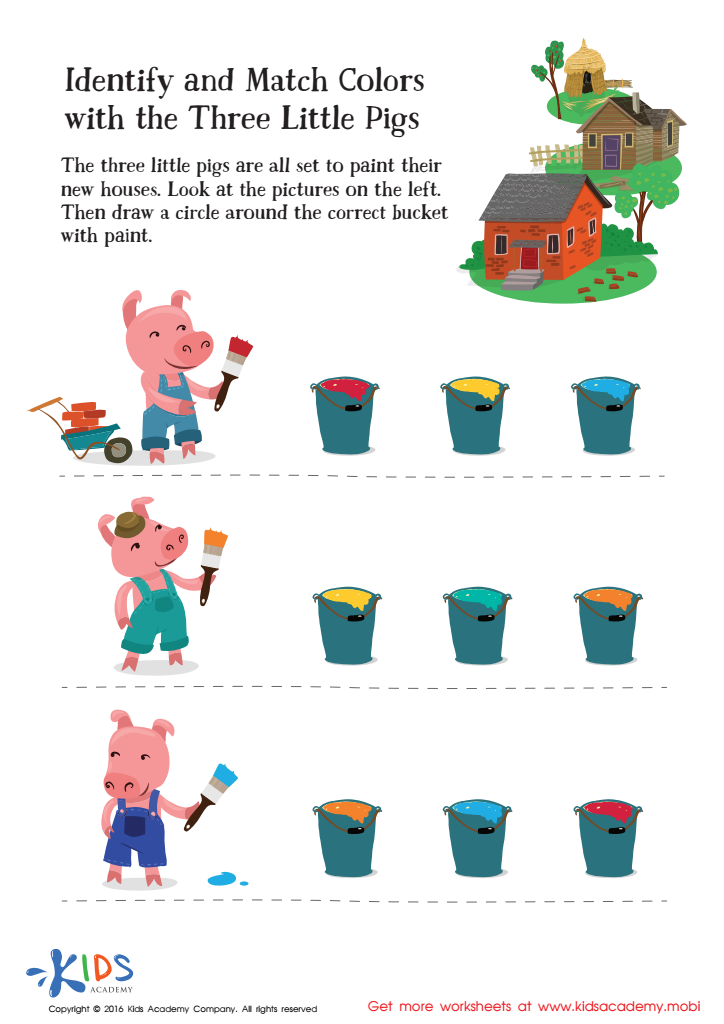
Fairy Tale Worksheet: Identify and Match Colors with Three Little Pigs
 Assign to My Students
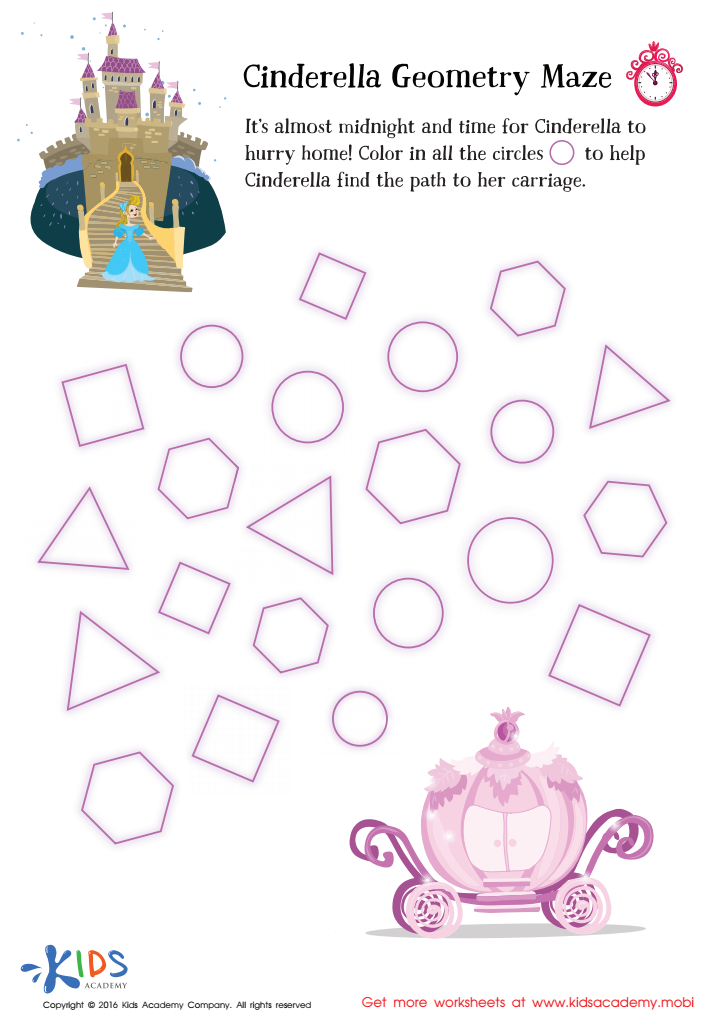
Cinderella Geometry Maze Worksheet
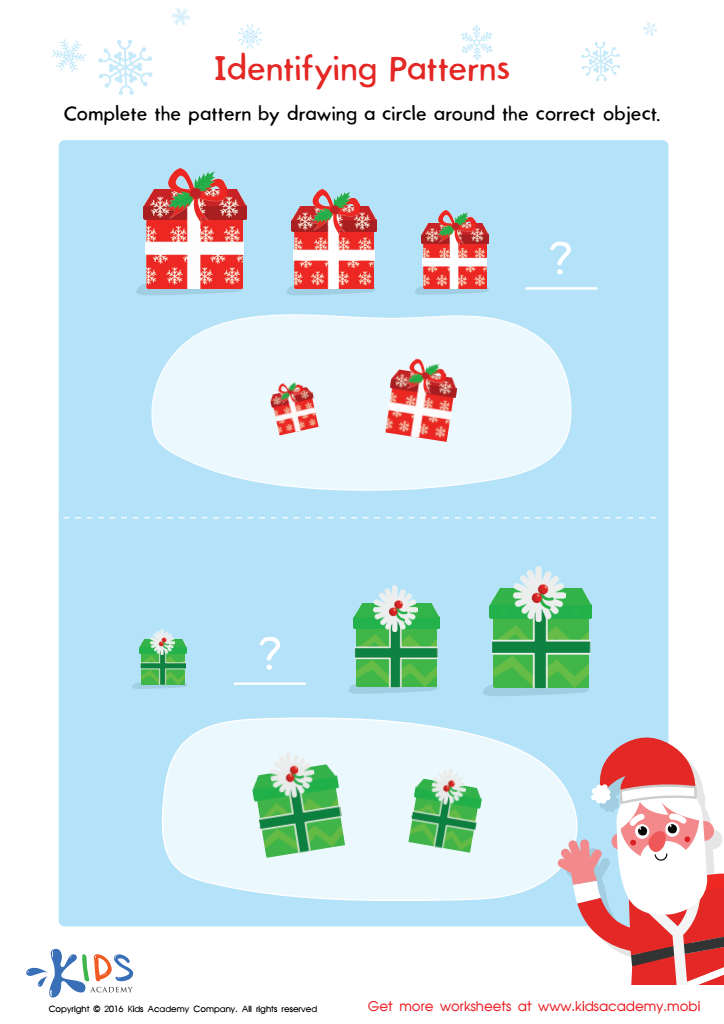
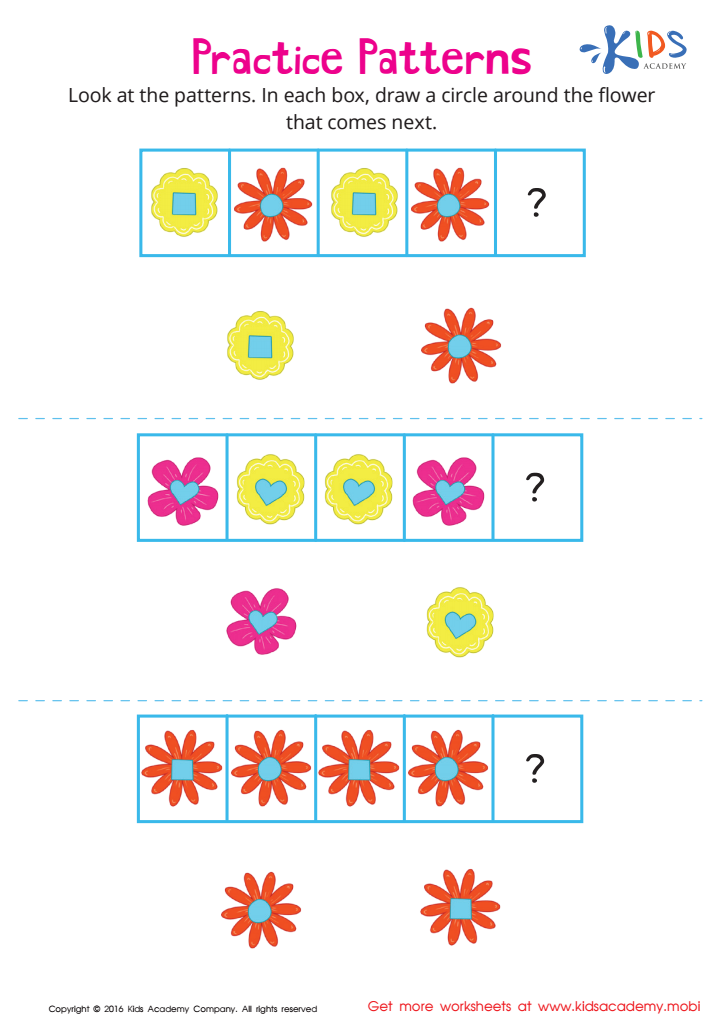
Identifying Patterns Worksheet
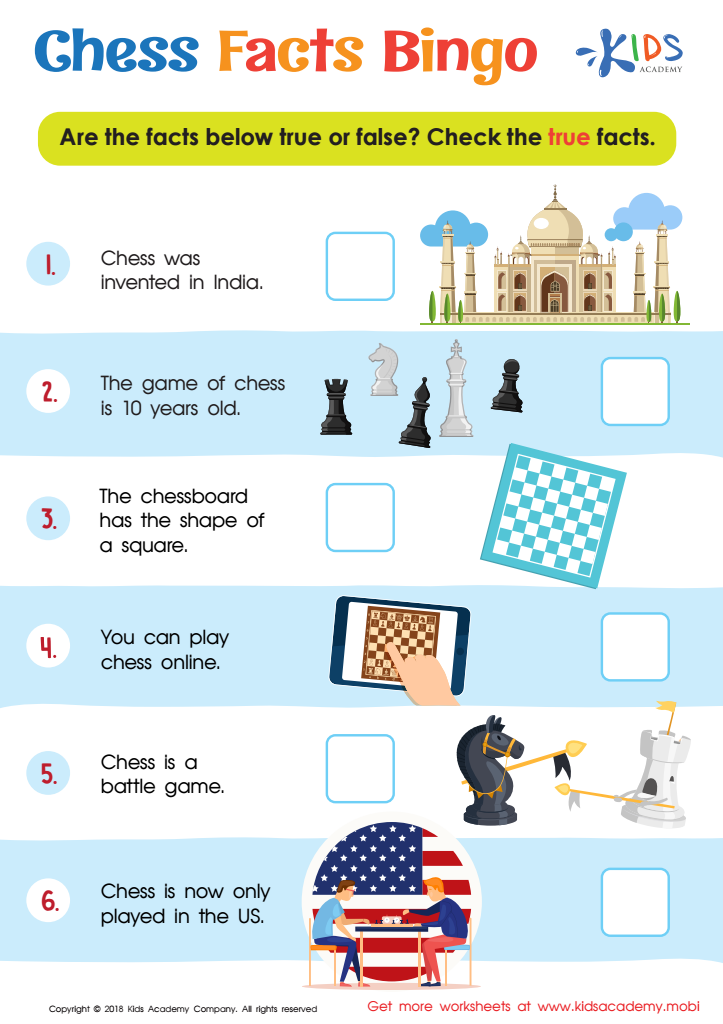
Chess Facts Bingo Worksheet








Logical thinking and matching skills are foundational cognitive abilities that are critical for young children, particularly those aged 5-6. These skills foster children's abilities to recognize patterns, make connections, and understand relationships, which are essential for problem-solving and critical thinking in later academic pursuits. Engaging in logical thinking matching activities, such as sorting objects, classifying items by attributes, and completing simple puzzles, helps strengthen children's mental processes and supports the development of higher-level thinking skills.
Moreover, these activities boost children's attention to detail, concentration, and patience, as they learn to focus on specific characteristics and systematically explore solutions. The development of logical thinking also promotes self-confidence and a sense of accomplishment as children successfully navigate and solve these challenges.
Beyond academic advantages, logical thinking and matching tasks are linked to improving social skills. When children play games involving these tasks with peers or adults, they learn essential communication skills, patience, and cooperation.
In summary, nurturing logical thinking and matching abilities in young children lays a vital foundation for their overall cognitive development, supporting their future success in both academic and everyday problem-solving tasks. Parents and teachers play crucial roles in providing opportunities and creating environments conducive to developing these crucial skills.








