Critical Thinking Reading Worksheets for Ages 5-6 - Page 2
43 filtered results
-
From - To
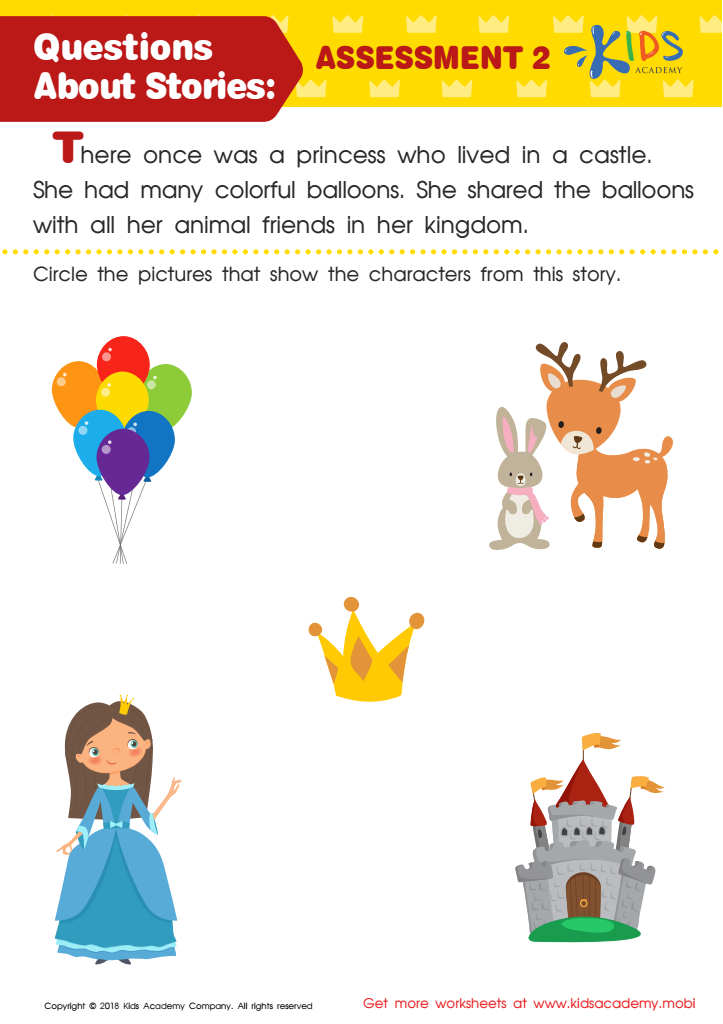
Questions About Stories: Assessment 2 Worksheet
 Assign to My Students
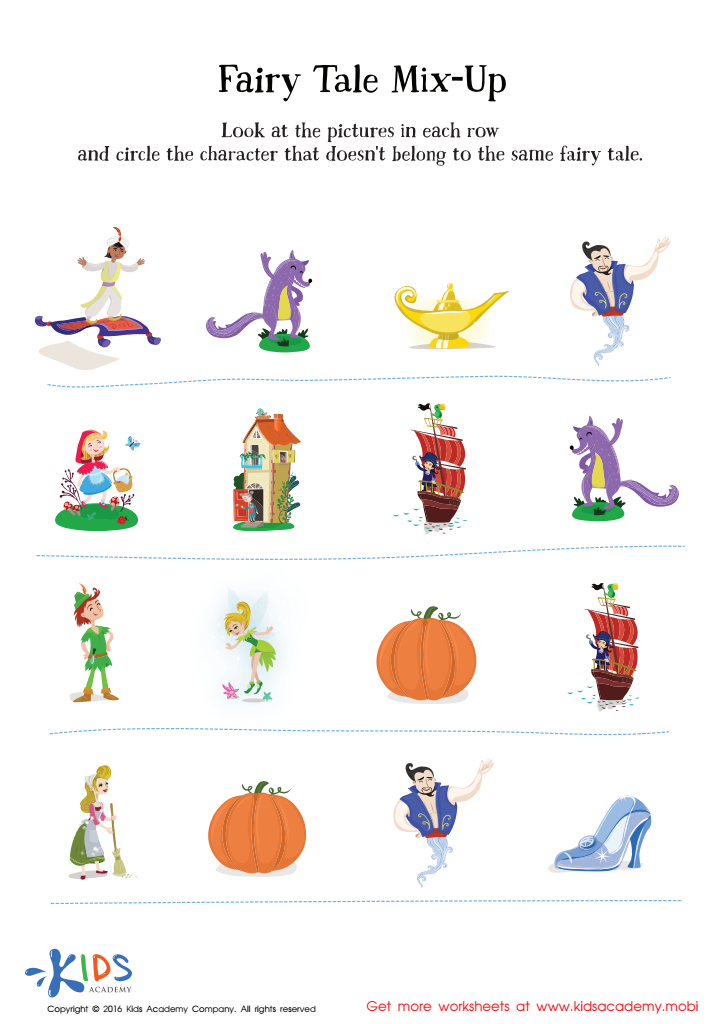
Fairy Tale Worksheet: Story Mix Up
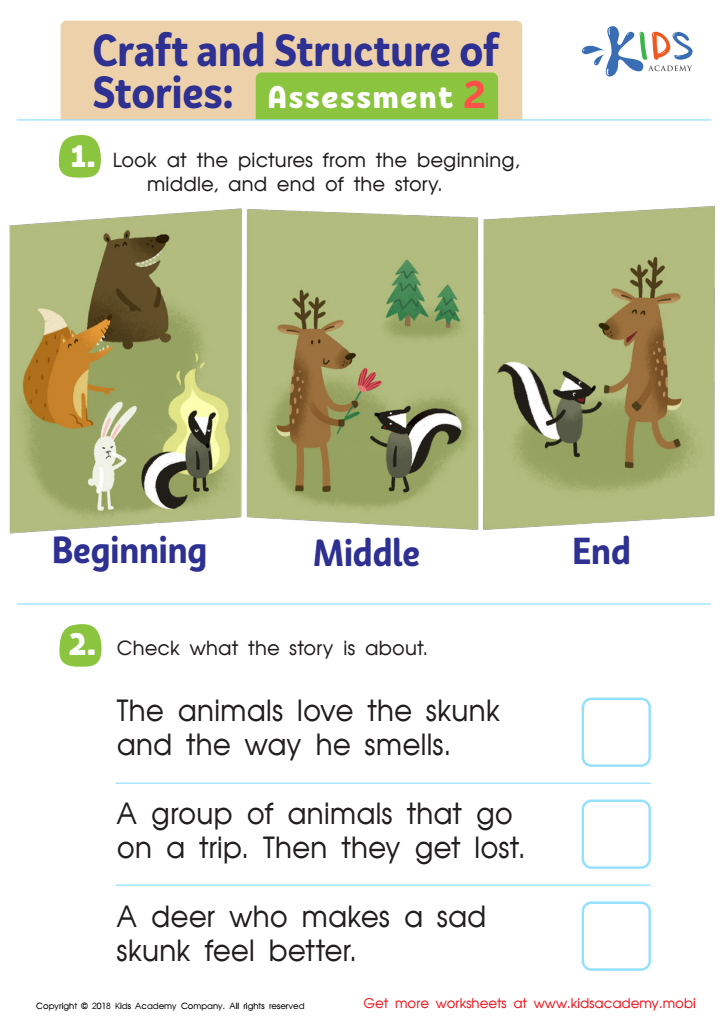
Craft and Structure of Stories: Assessment 2 Worksheet
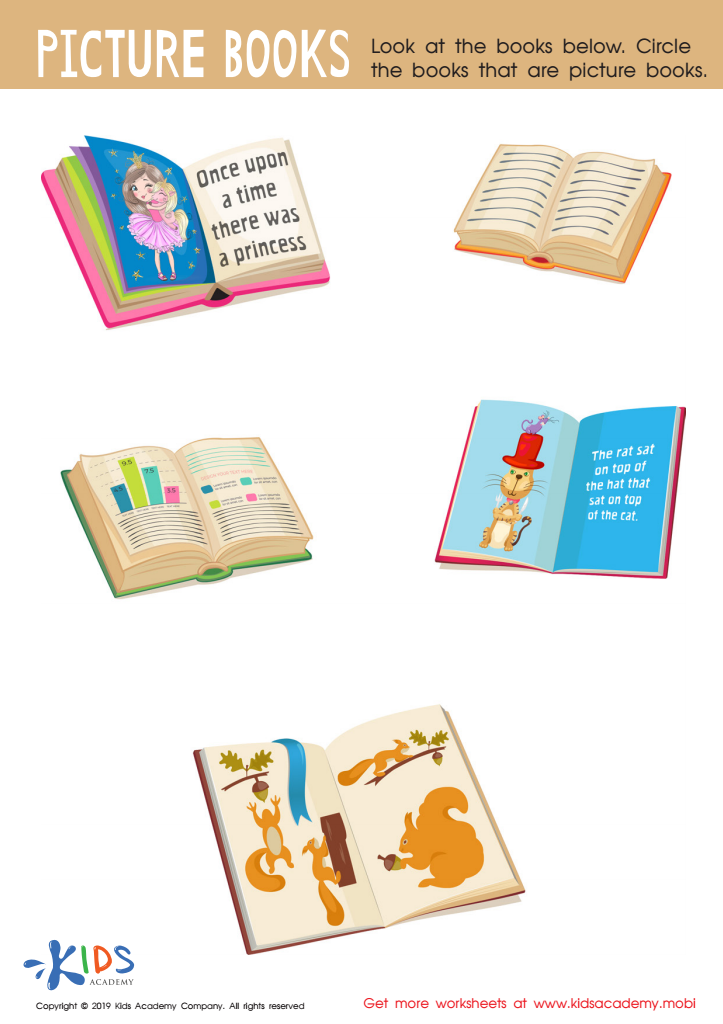
Picture Books Worksheet
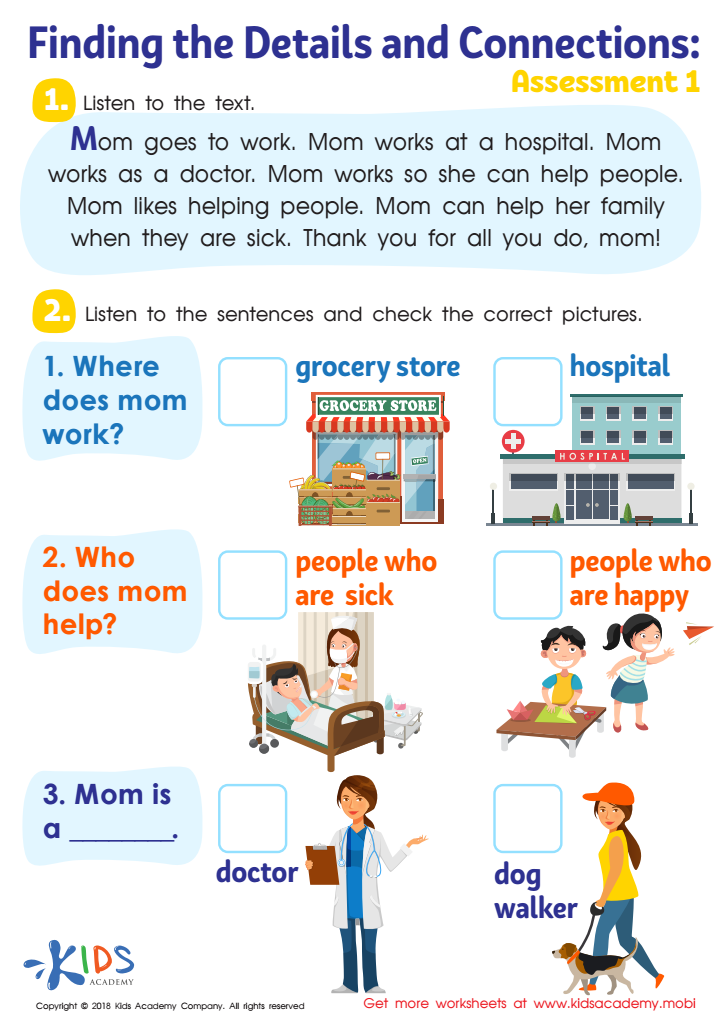
Finding the Details and Connections: Assessment 1 Worksheet
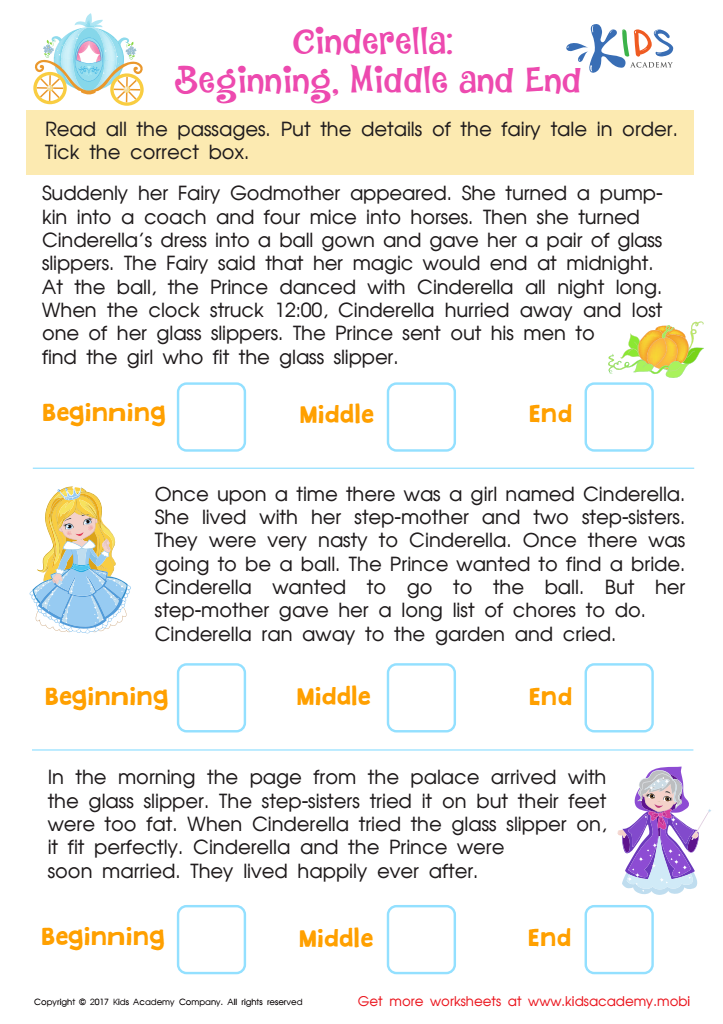
Cinderella: Beginning, Middle and End Worksheet
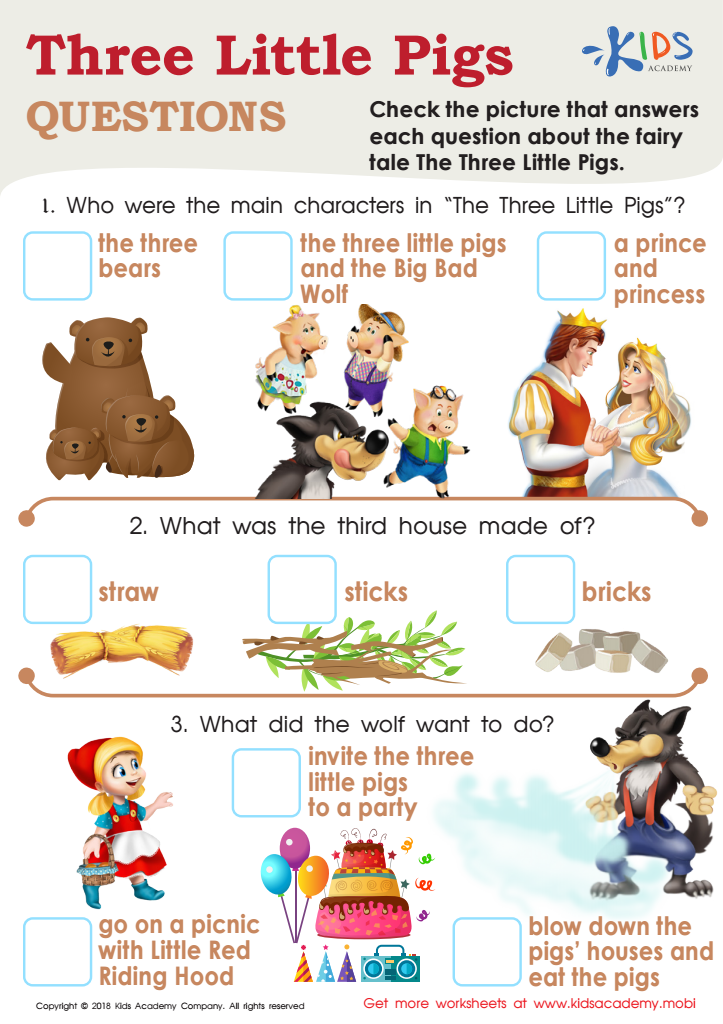
Three Little Pigs Questions Worksheet
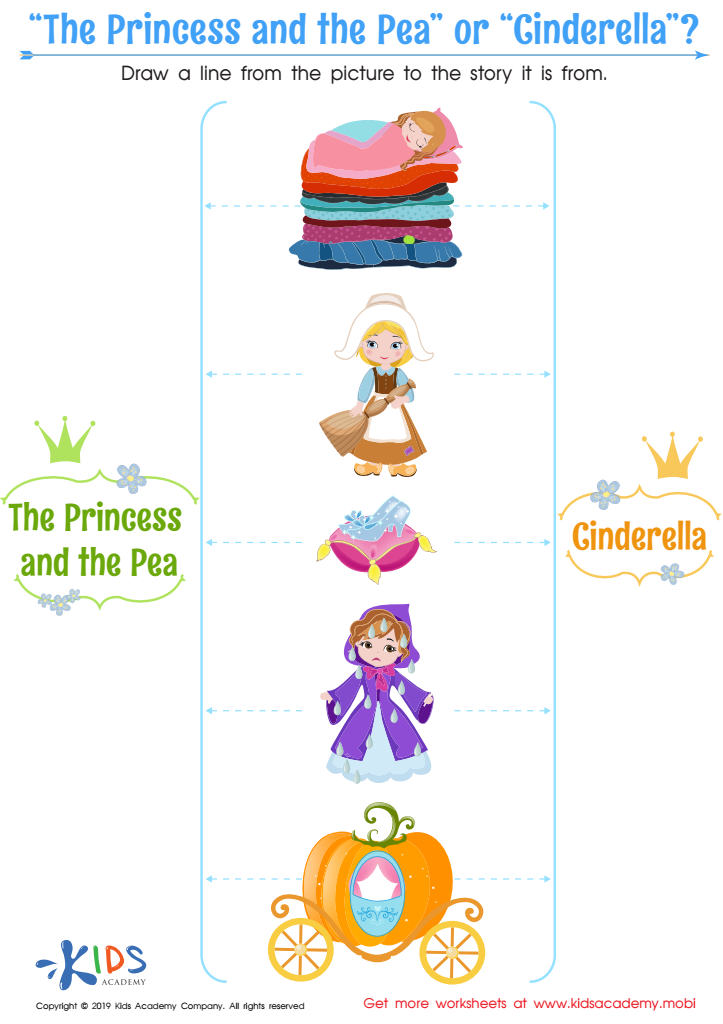
“The Princess and the Pea” or “Cinderella” Worksheet
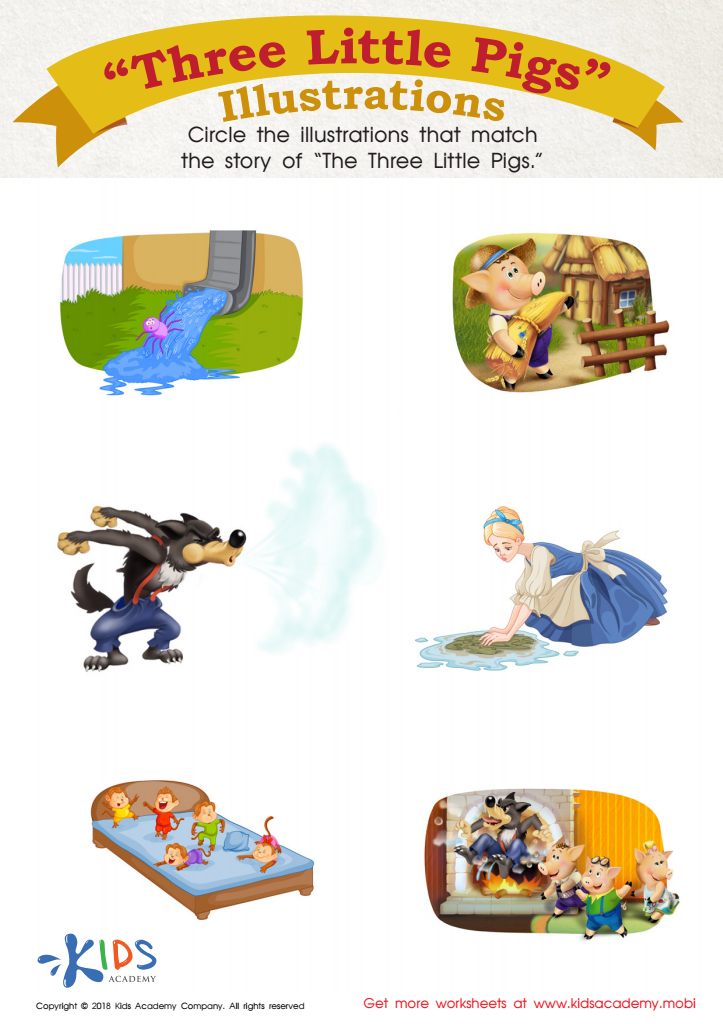
Three Little Pigs: Illustrations Worksheet

Questions About Stories: Assessment 1 Worksheet
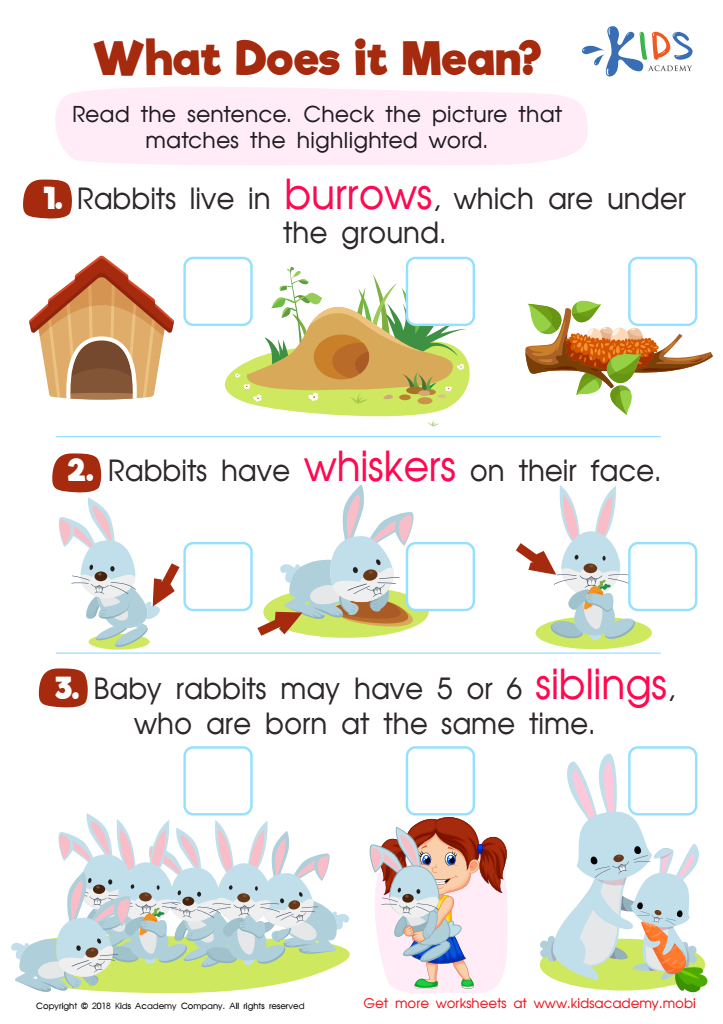
What Does It Mean? Worksheet
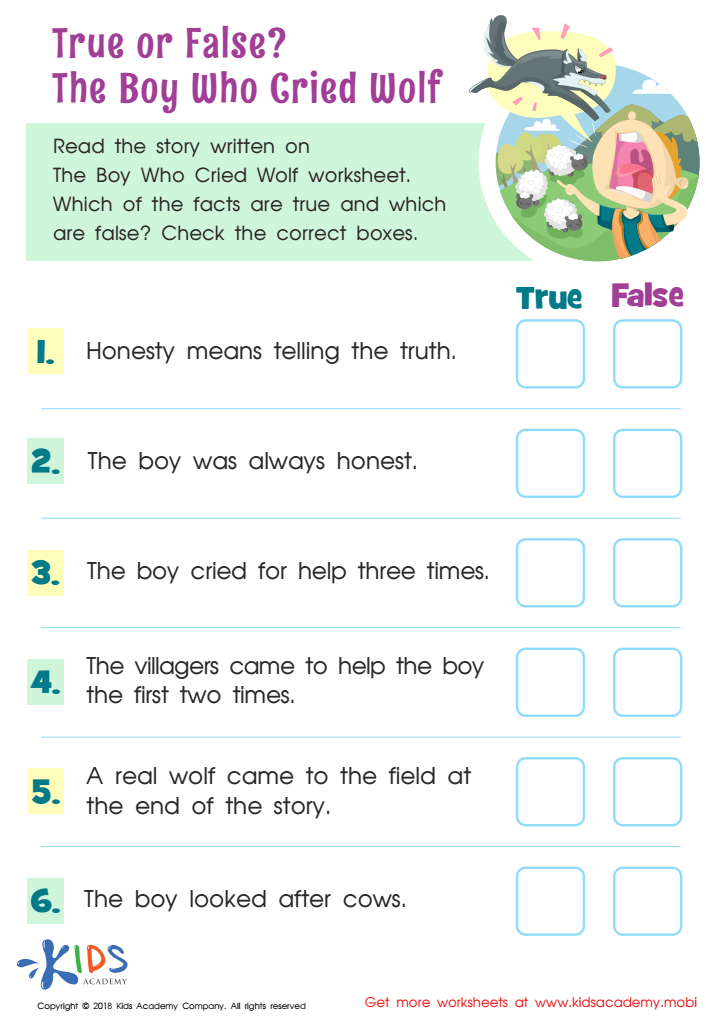
True or False? The Boy Who Cried Wolf Worksheet
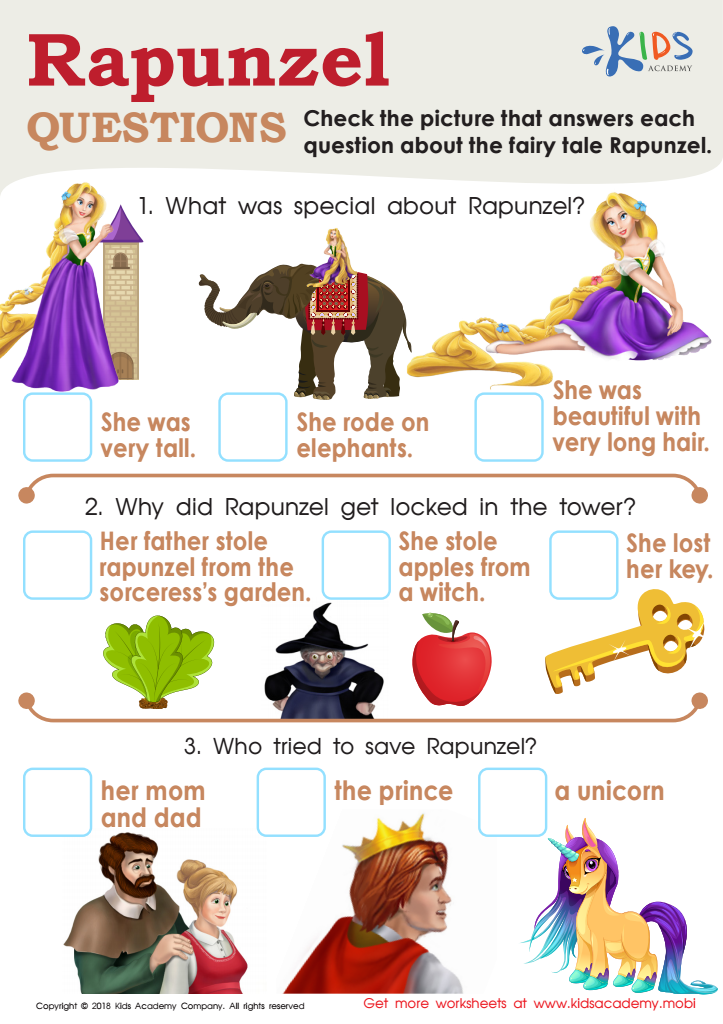
Rapunzel Questions Worksheet
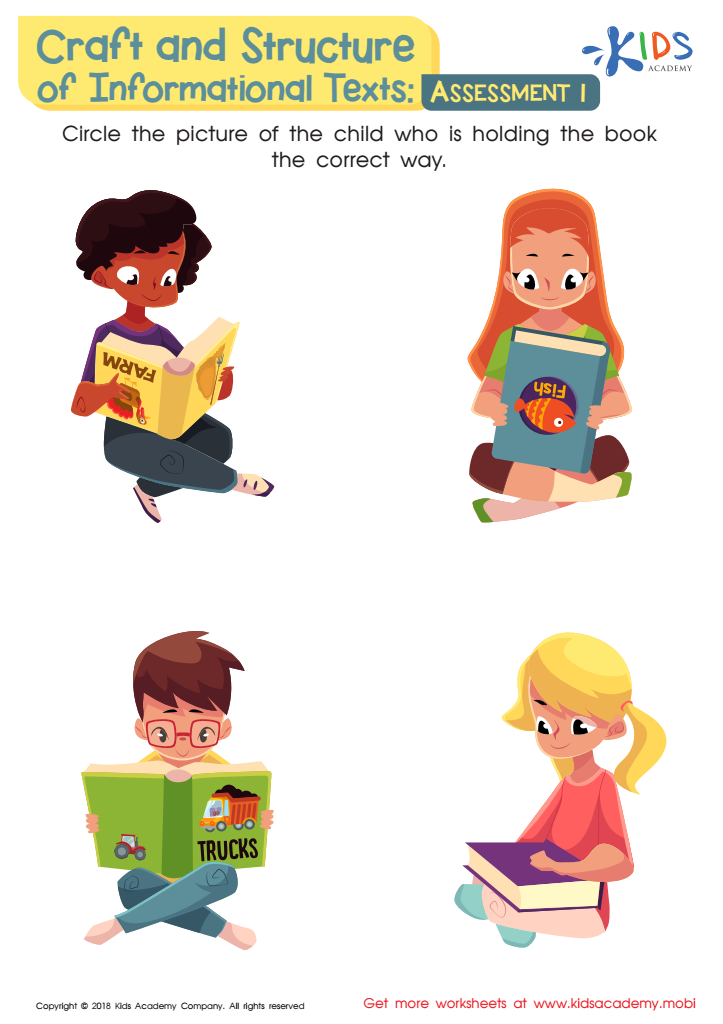
Craft and Structure of Informational Texts: Assessment 1 Worksheet
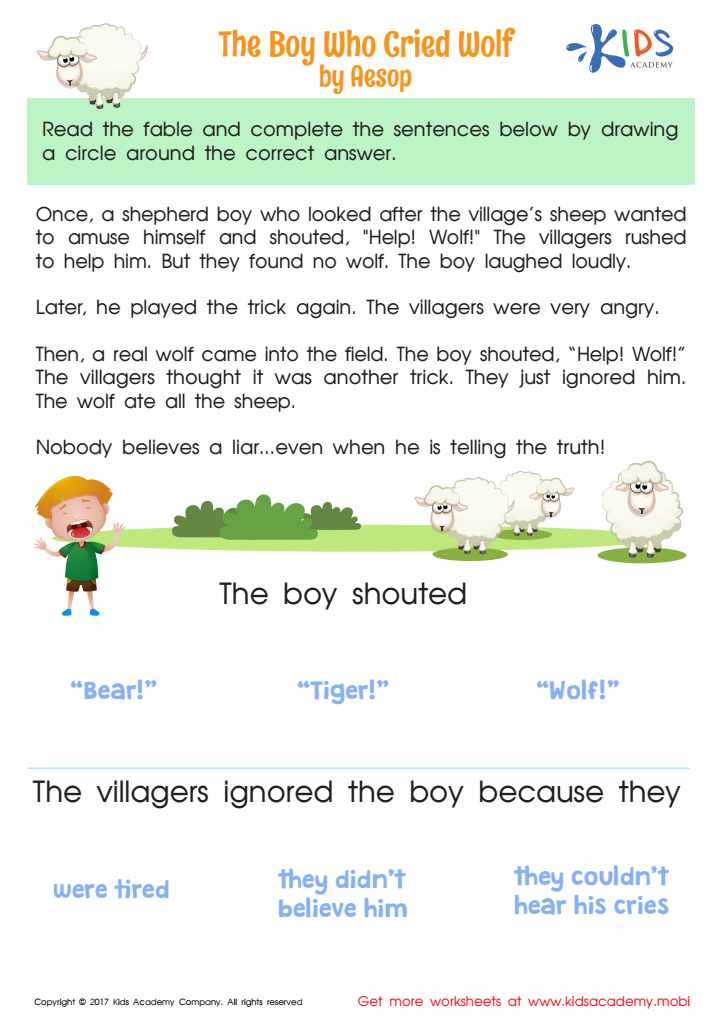
The Boy Who Cried Wolf Worksheet
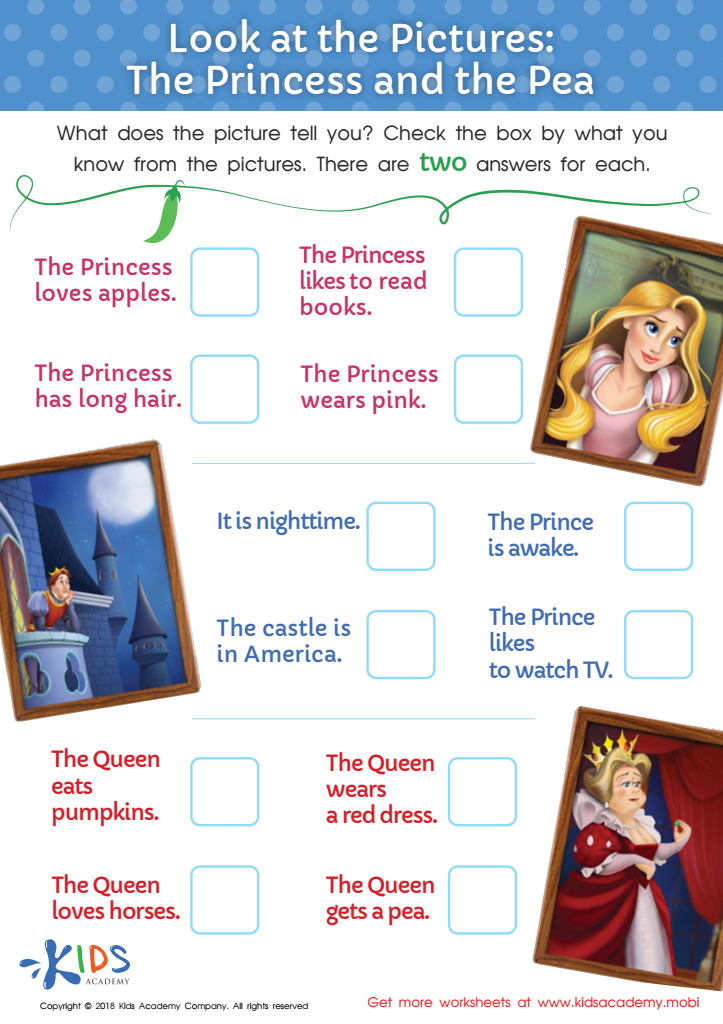
Look at the Pictures: The Princess and the Pea Worksheet
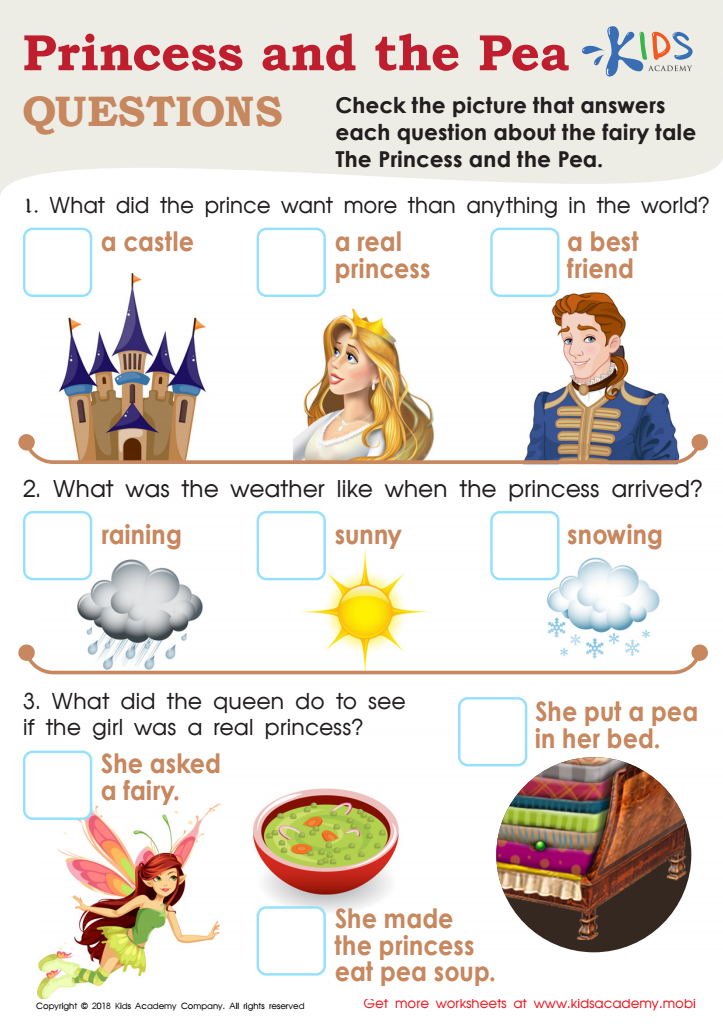
Princess and the Pea Questions Worksheet








Parents and teachers should fervently care about fostering critical thinking and reading skills in children aged 5-6 because this is a foundational period for cognitive and linguistic development. At this age, children's brains are highly malleable, making it an ideal time to nurture essential skills they will use throughout their academic and personal lives.
Firstly, cultivating critical thinking enhances comprehension. Instead of just decoding words, children learn to process and analyze what they read, fostering deeper understanding. As they ask questions, make predictions, and draw inferences, they become more engaged and motivated learners. This active engagement is crucial for developing a lifelong love for reading.
Secondly, integrating critical thinking with reading teaches children to look beyond surface meanings, encouraging them to think independently and creatively. It helps them recognize patterns, differentiate facts from opinions, and solve problems logically. These skills are invaluable in everyday decision-making and academic subjects beyond language arts, such as science and math.
Moreover, fostering these abilities early on supports social-emotional growth. Critical thinking in reading can introduce young learners to diverse perspectives, enhancing empathy and improving their ability to communicate effectively with others.
Incorporating critical thinking into early reading thus equips children not just with the ability to read, but with a toolkit for understanding and engaging with the world in a meaningful way.








