Simplifying Fractions Reading Worksheets for Ages 5-6
4 filtered results
-
From - To
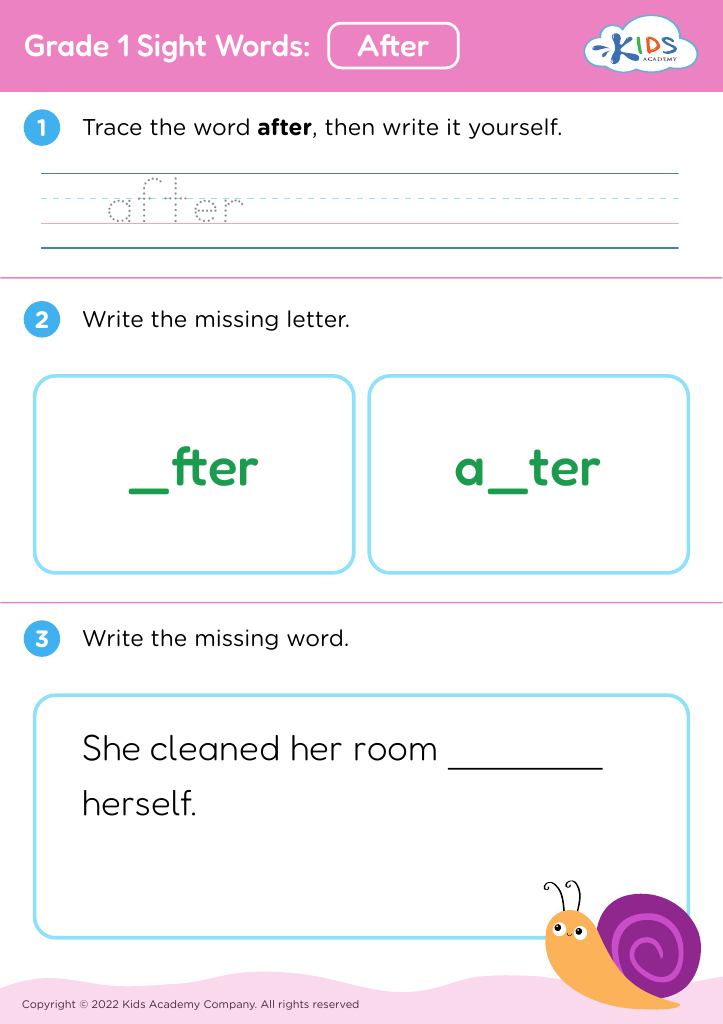
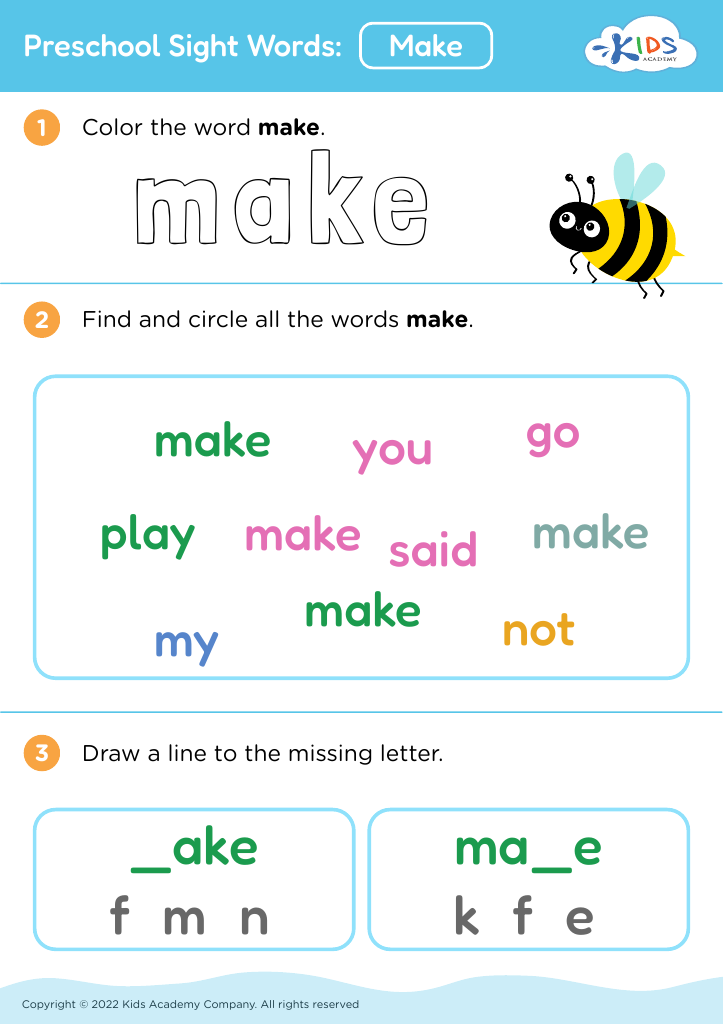
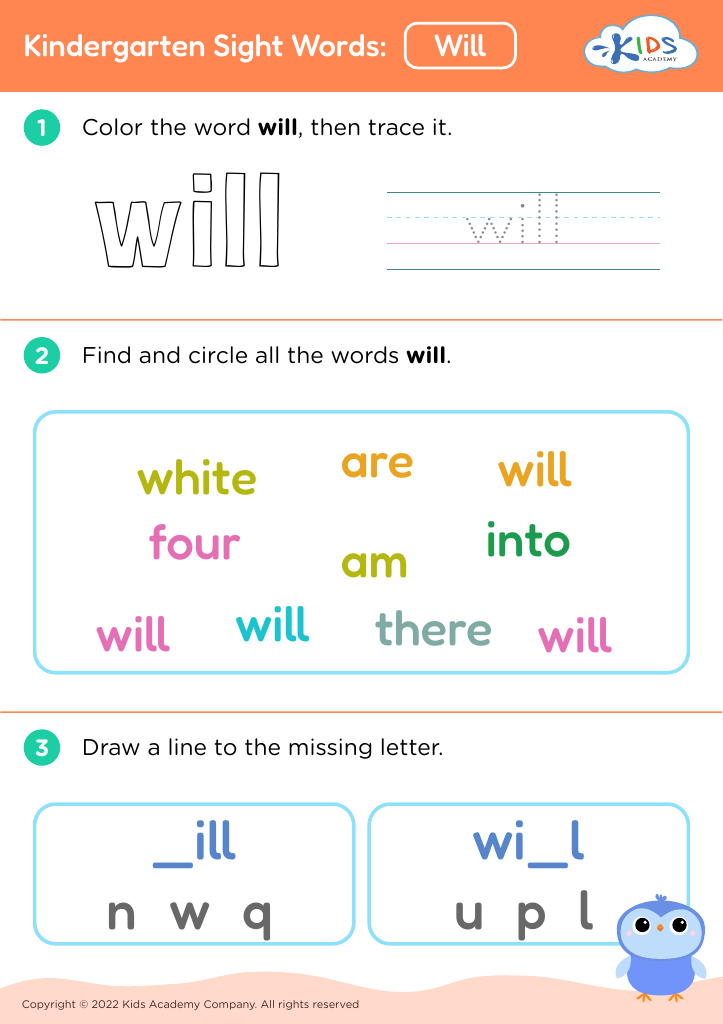
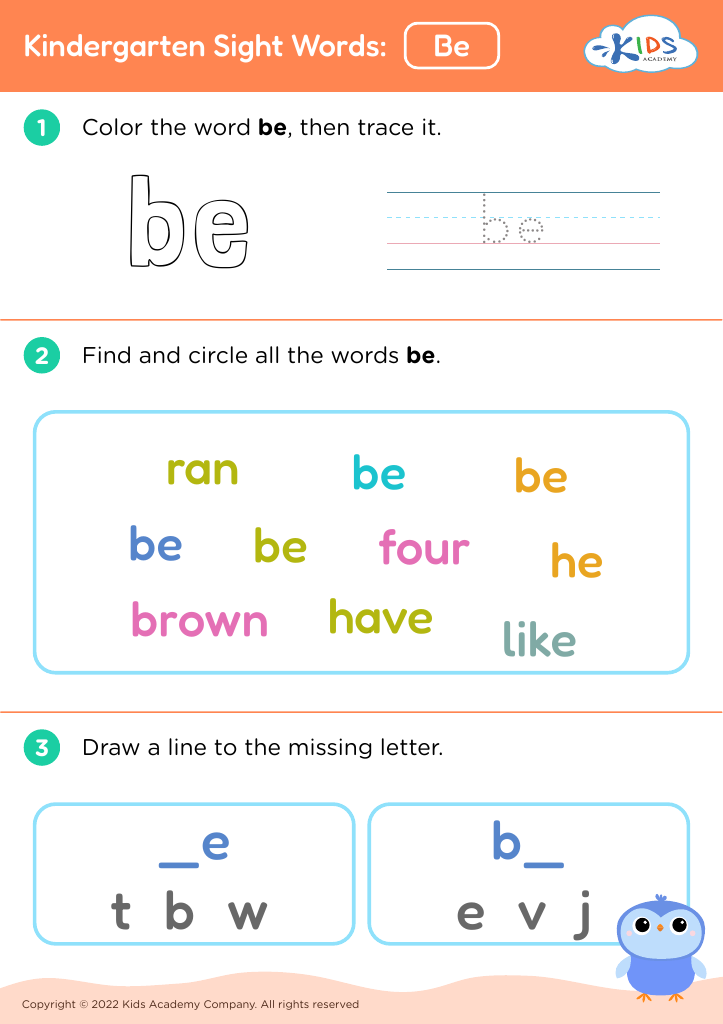
Discover engaging "Simplifying Fractions" reading worksheets designed for children ages 5-6. These resources help young learners build essential skills in identifying and simplifying fractions through fun activities and interactive reading exercises. Ideal for preschool and early grade classrooms, our worksheets encourage foundational math understanding while enhancing reading proficiency. Each worksheet features colorful illustrations and age-appropriate language, ensuring that learning remains enjoyable and effective. Parents and teachers can easily incorporate these worksheets into daily lessons or home practice to reinforce fraction concepts. Empower your child with essential math literacy skills today and make learning an exciting adventure!




Simplifying fractions is an essential mathematical skill that lays the groundwork for more advanced concepts in mathematics, making it crucial for parents and teachers working with young children aged 5-6. Understanding fractions helps kids develop number sense, enabling them to comprehend parts of a whole and recognize relationships between numbers. At this age, children are naturally curious and eager to learn, making it an ideal time to introduce fraction concepts in a simplified manner.
By focusing on reading and understanding fractions early on, parents and teachers foster a strong foundation for mathematical reasoning. Simplifying fractions engages young learners and encourages problem-solving skills, as they learn to make sense of numbers and quantities. Furthermore, when children learn to simplify fractions, they enhance their critical thinking and analytical skills.
Additionally, incorporating mix-and-match activities with visual aids, such as fraction circles or bars, keeps learning fun and engaging. Such early exposure helps demystify more complex mathematical operations they will encounter later in their education. By nurturing these skills now, parents and teachers equip children with the confidence and capability needed to tackle future math challenges, ultimately fostering a lifelong love for learning in mathematics.








