Enhancing vocabulary Science Worksheets for Ages 5-6
5 filtered results
-
From - To
Enhance your child’s vocabulary with our engaging Science Worksheets designed specifically for ages 5-6! These resources provide a fun and interactive way to explore key scientific concepts while building essential language skills. Each worksheet features colorful illustrations and age-appropriate activities that encourage children to identify, describe, and connect scientific terms with everyday objects. Perfect for classroom or home learning, our worksheets foster curiosity and creativity. Help your little learners expand their vocabulary while they discover the wonders of science! Explore our collection today and watch your child excel in both science and language development.
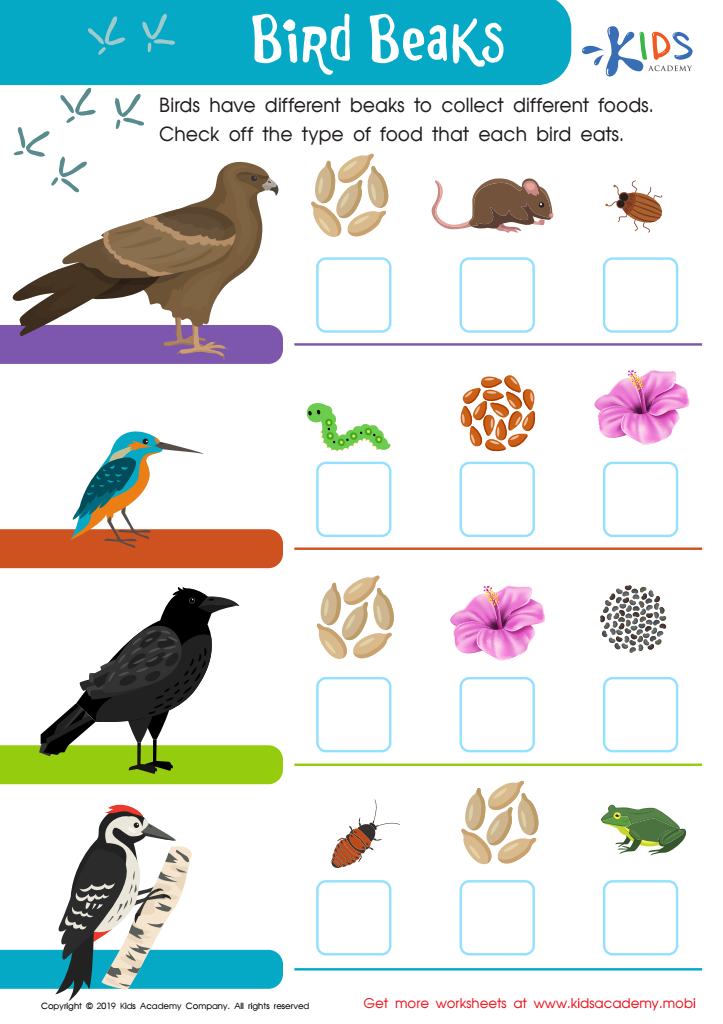
Bird Beaks Worksheet
 Assign to My Students
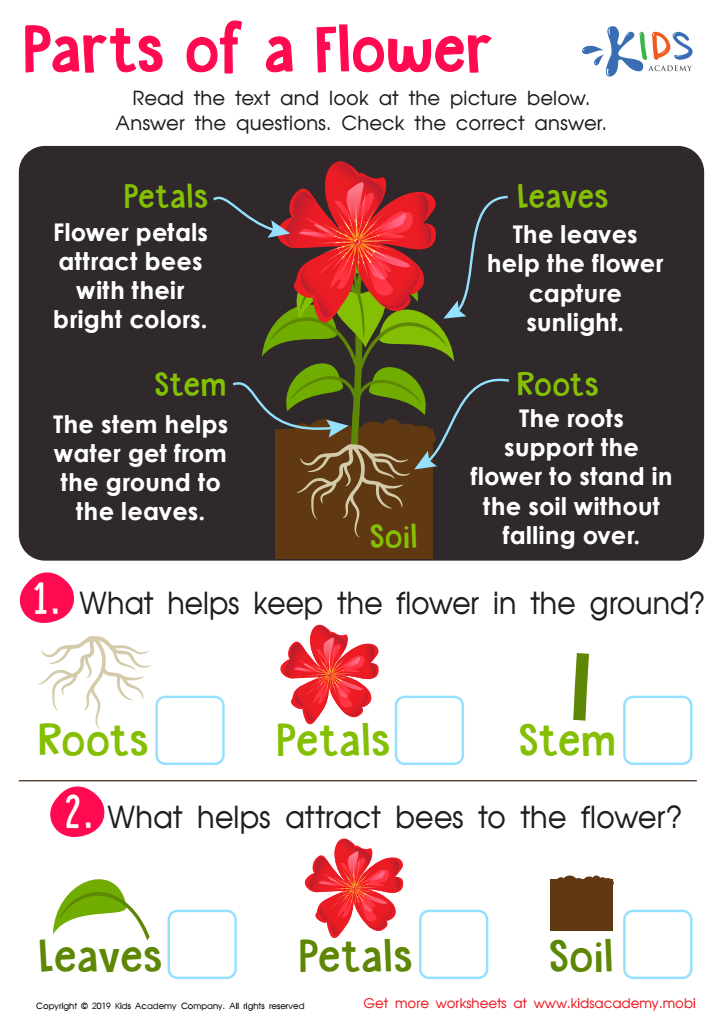
Parts of Flower Worksheet
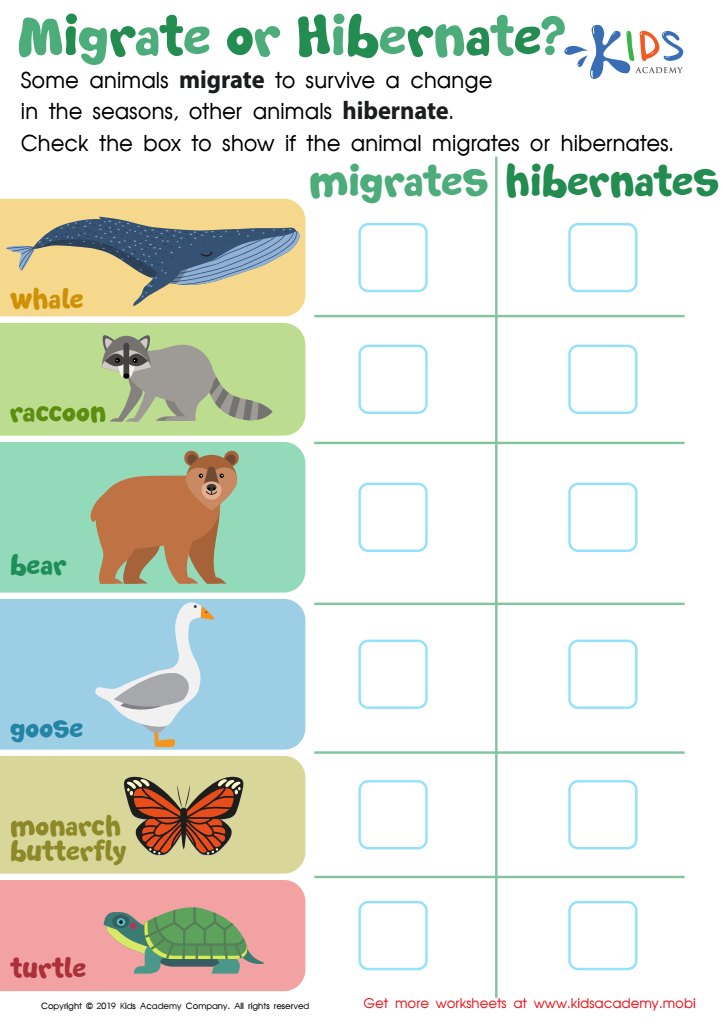
Migrate or Hibernate? Worksheet
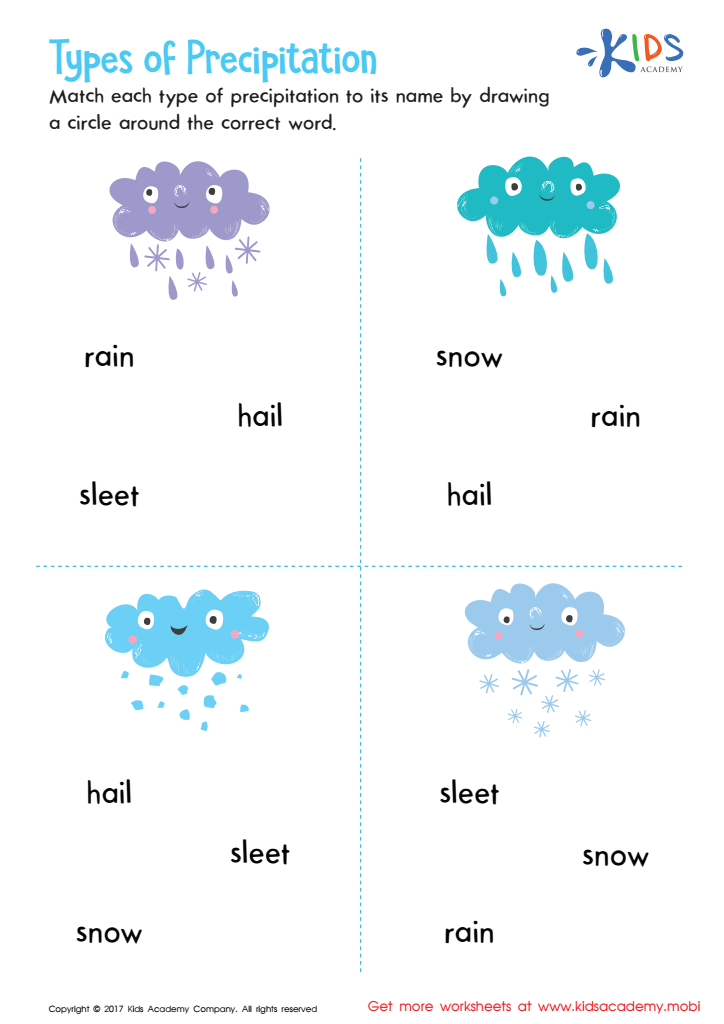
Types of Precipitation Printable
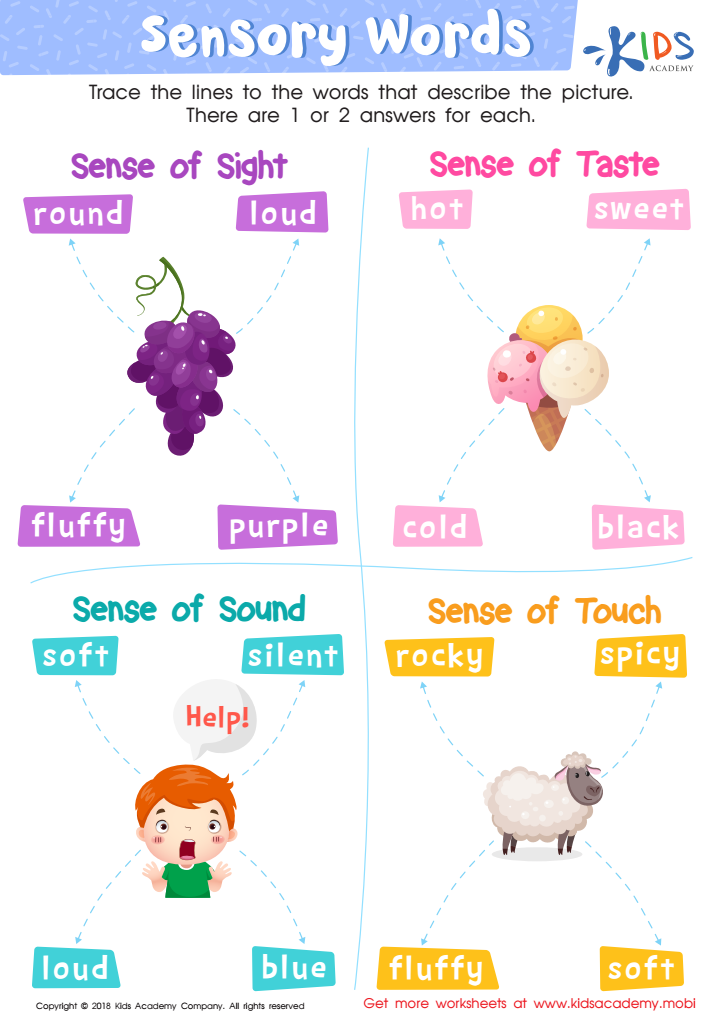
Sensory Words Worksheet




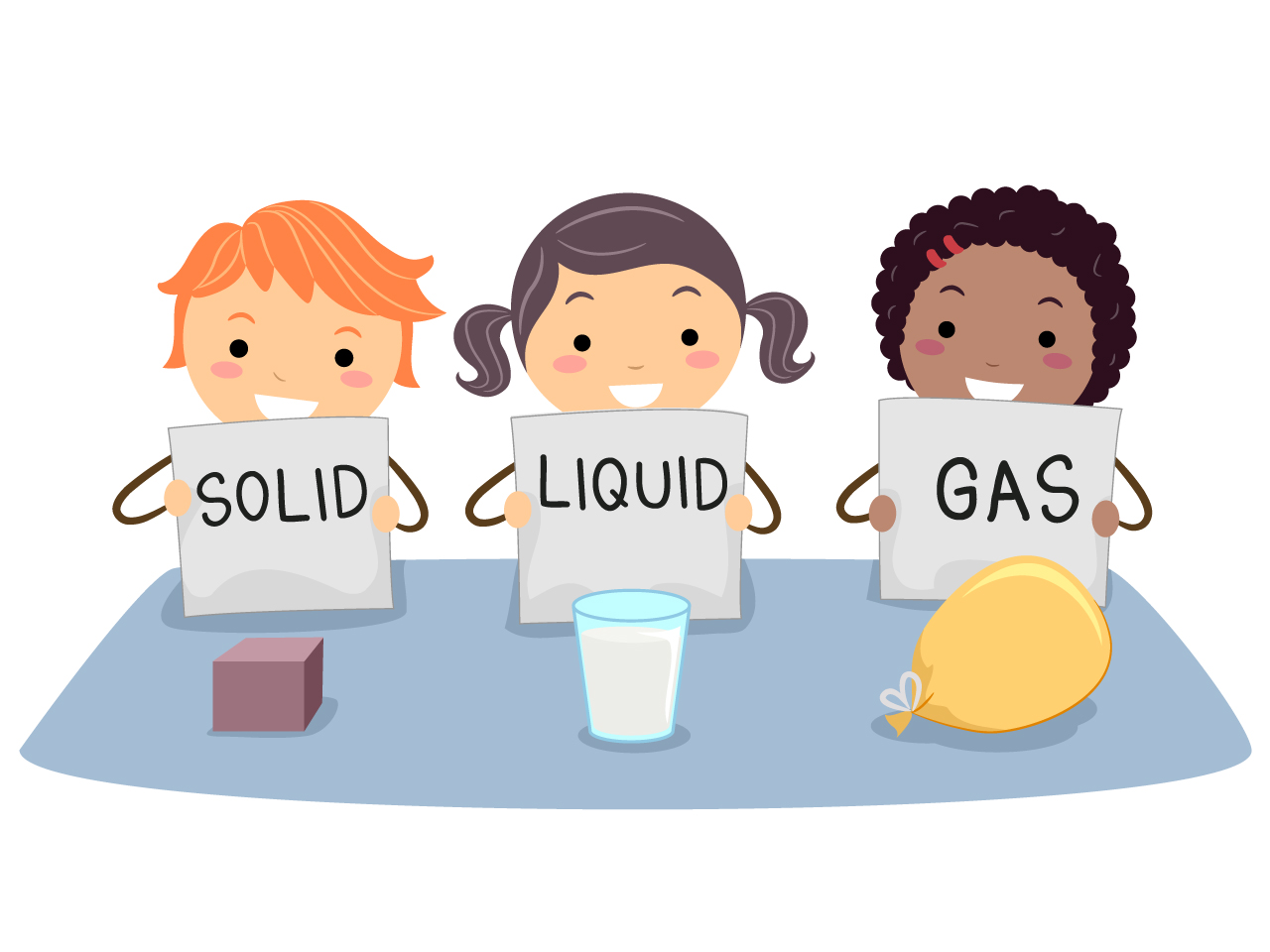


Enhancing vocabulary in science for children aged 5-6 is crucial for their overall development and understanding of the world. At this tender age, children are naturally curious and eager to explore their environment. By introducing them to scientific vocabulary, parents and teachers can help foster this curiosity, enabling children to articulate their thoughts and inquiries more effectively.
A robust vocabulary enhances comprehension, allowing young learners to grasp scientific concepts more easily. Familiarity with specific terms, such as "ecosystem," "habitat," and "gravity," equips children to discuss and engage with science-related topics confidently. This lays a strong foundation for future scientific learning and critical thinking skills.
Moreover, effectively communicating scientific ideas encourages children to develop a scientific mindset, fostering analytical and problem-solving skills. Enhancing vocabulary in science also supports literacy development, as children encounter a variety of language structures and processes. Furthermore, a rich vocabulary nurtures creativity and imagination, vital attributes for innovation in any subject.
Ultimately, an early emphasis on scientific vocabulary benefits cognitive, emotional, and social development, forming well-rounded individuals who can think critically and approach challenges with a solutions-oriented mindset. Investing in vocabulary enrichment today sets the stage for lifelong learning and discovery.







