Science knowledge Science Worksheets for Ages 5-6
3 filtered results
-
From - To
Discover the joy of learning with our "Science Knowledge Worksheets" tailored for ages 5-6! These engaging worksheets are designed to introduce young learners to the fascinating world of science through fun activities and interactive exercises. Helping to develop essential skills, our worksheets cover a variety of topics, from basic concepts of nature and the environment to simple scientific principles. Perfect for at-home or classroom use, they foster curiosity and critical thinking, ensuring your child builds a solid foundation in science while enjoying the learning process. Explore our collection and watch your little one thrive as they discover the wonders of science!
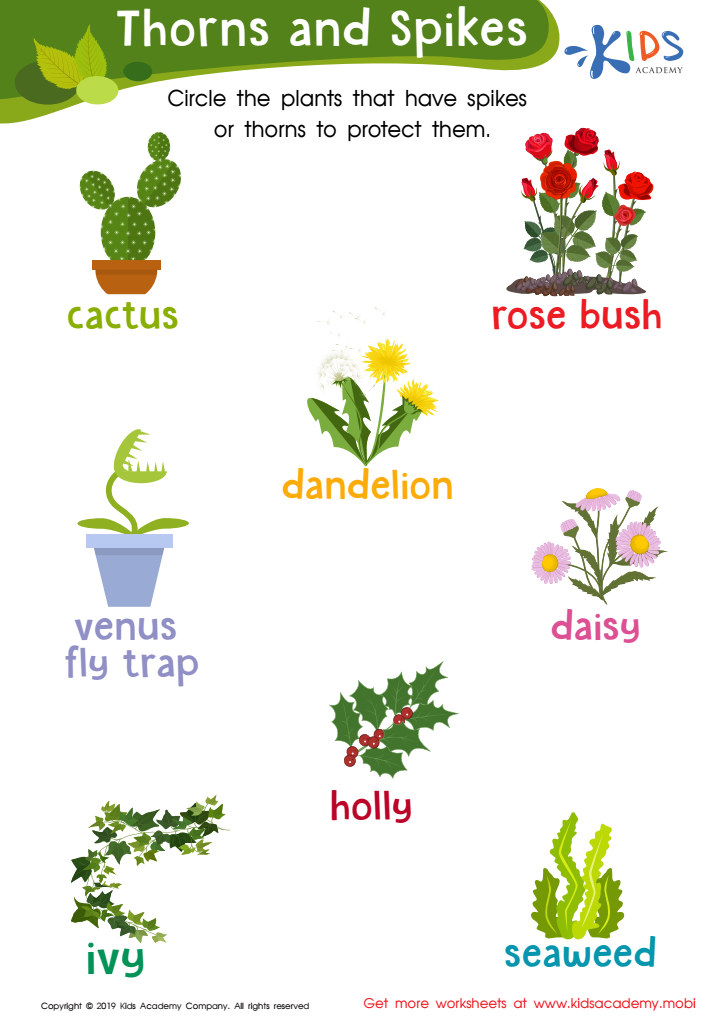
Thorns and Spikes Worksheet
 Assign to My Students
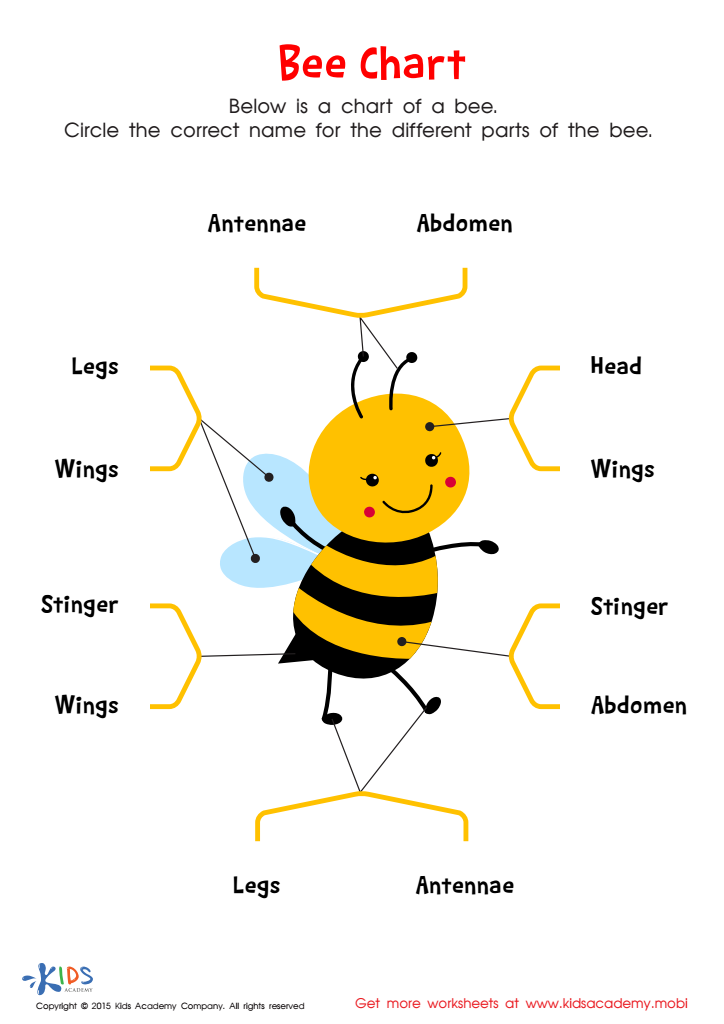
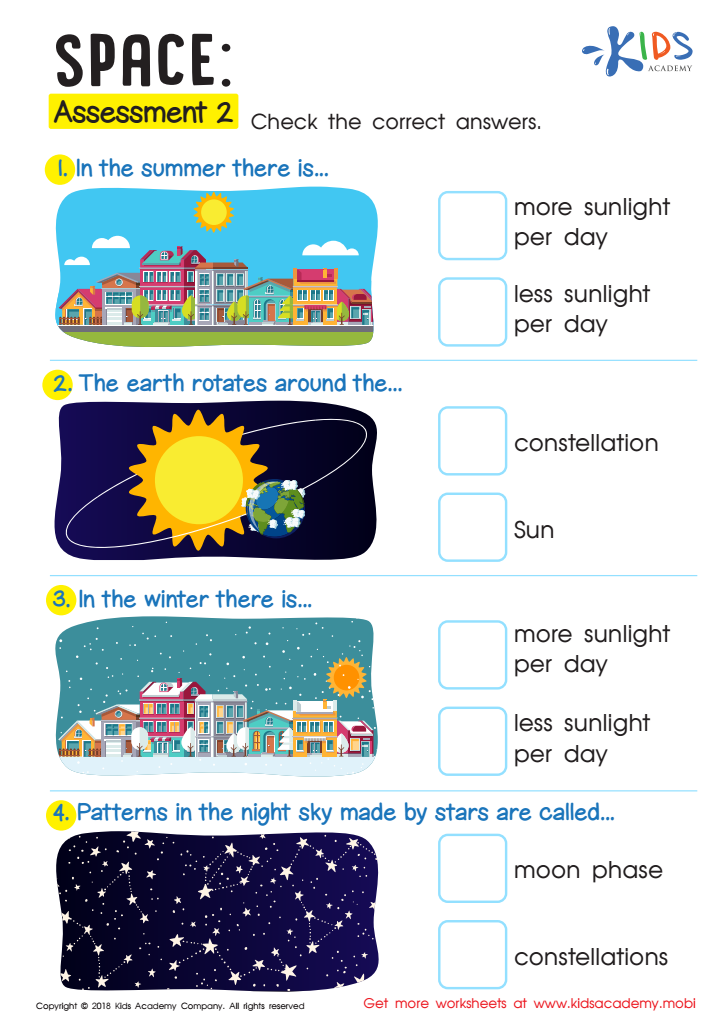
Space: Assessment 2 Worksheet







Parents and teachers should prioritize science knowledge for children ages 5-6 for several compelling reasons. At this early stage of development, children are naturally curious about their surroundings; they ask countless questions about how things work and why things happen. Engaging them in science fosters this curiosity, encouraging critical thinking, observation skills, and problem-solving abilities.
Science helps young children connect the dots between what they experience and understand in their daily lives, making sense of the world around them. Activities like simple experiments or nature walks offer opportunities for hands-on learning, enhancing cognitive development and promoting a lifelong love for learning.
Furthermore, introducing scientific concepts at a young age lays the foundation for future academic success. Basic knowledge in science-related fields helps children grasp more complex ideas later in their education. It also promotes essential skills such as collaboration, communication, and ethics, as children learn to work in teams, discuss ideas, and share findings.
Finally, instilling an appreciation for science can lead to increased interest in STEM careers, fostering the next generation of innovative thinkers who can tackle future challenges. Parents and teachers play a pivotal role in nurturing this foundational knowledge, ensuring children are prepared for an increasingly complex world.







