
Critical Thinking Plants and Animals Worksheets for Ages 5-6
5 filtered results
Difficulty Level
Grade
Age
-
From - To
Subject
Activity
Standards
Enhance your child's critical thinking skills with our engaging Plants and Animals Worksheets designed for ages 5-6! These interactive resources encourage young learners to explore the fascinating world of nature while developing essential cognitive abilities. Featuring captivating illustrations and thought-provoking activities, these worksheets challenge children to observe, analyze, and draw connections between plants and animals. Each activity promotes curiosity and fosters a deeper understanding of the environment, making science both fun and educational. Perfect for home or classroom use, our worksheets help prepare children for future learning adventures while instilling a lifelong love for nature and critical thinking. Start their journey today!
Favorites
With answer key
Interactive
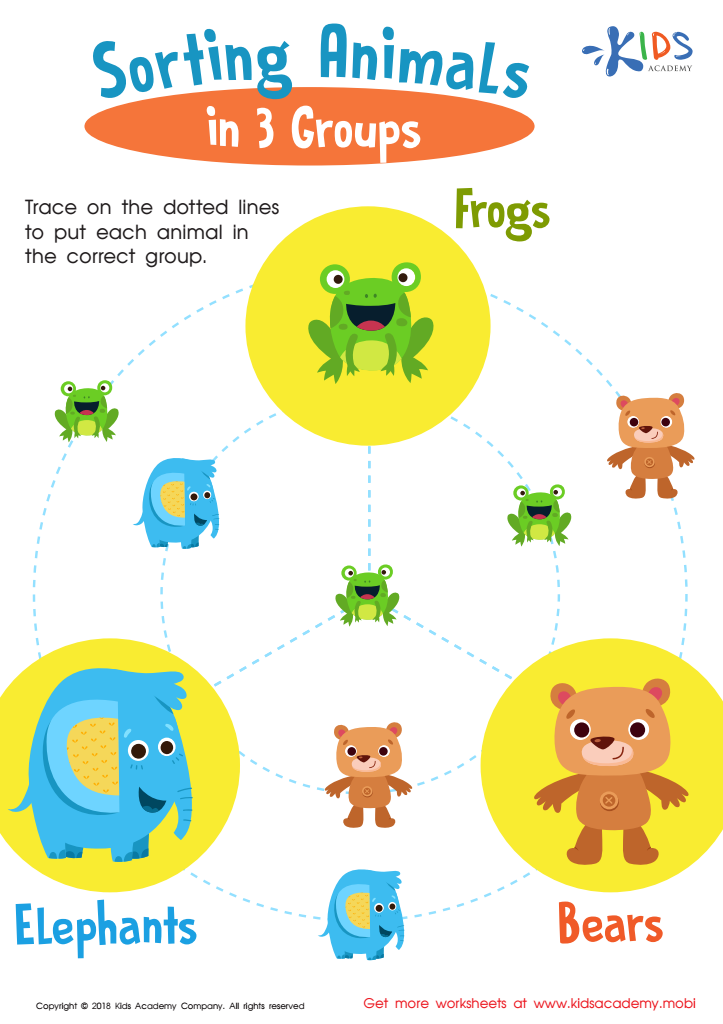
Sorting Animals in 3 Groups Worksheet
Let your kids practice and build skills for future Venn Diagrams with this PDF worksheet. They'll trace lines to match and group animals, and learn the differences and similarities of animals by categorizing with pictures and words. Plus, it's a great way to develop fine motor skills.
 Assign to My Students
Sorting Animals in 3 Groups Worksheet
Worksheet
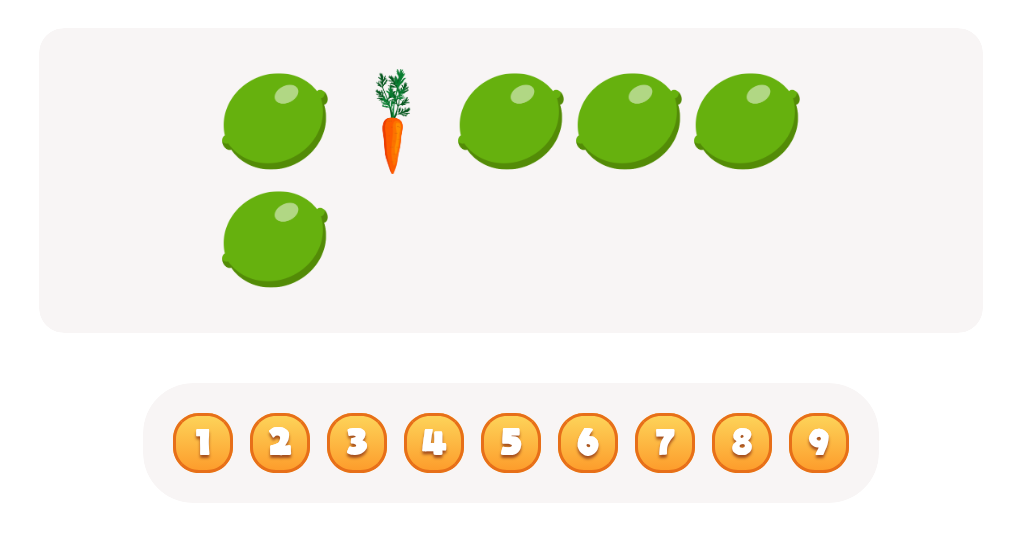

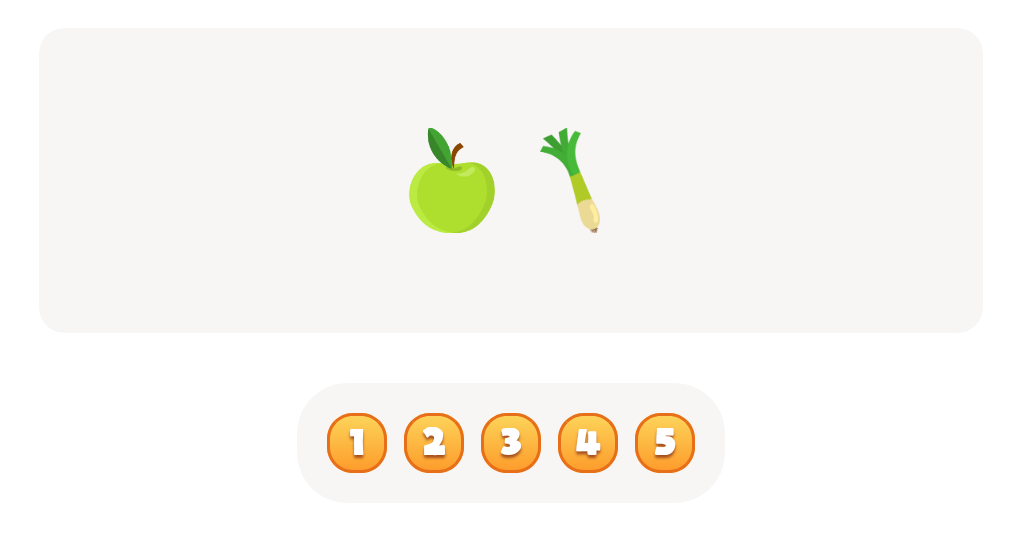
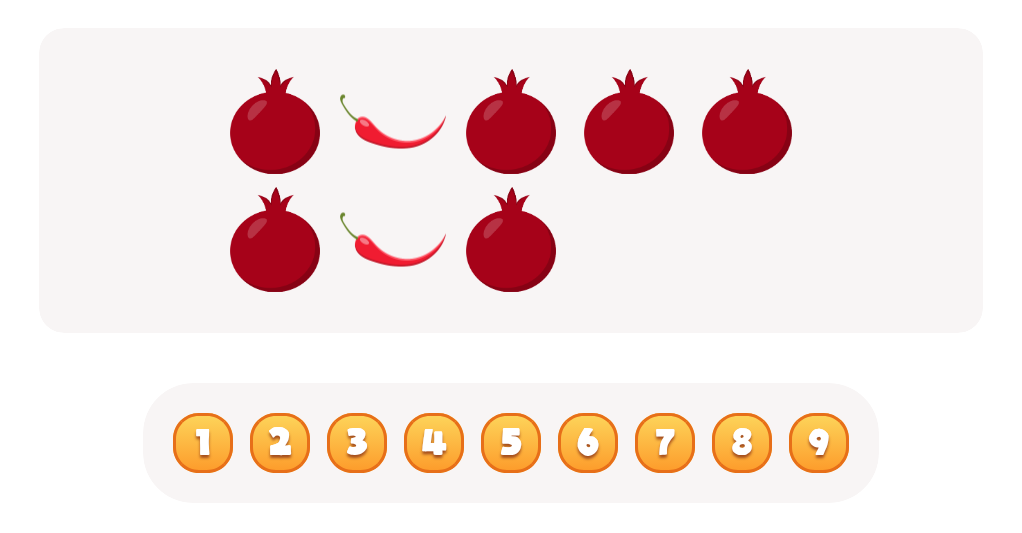
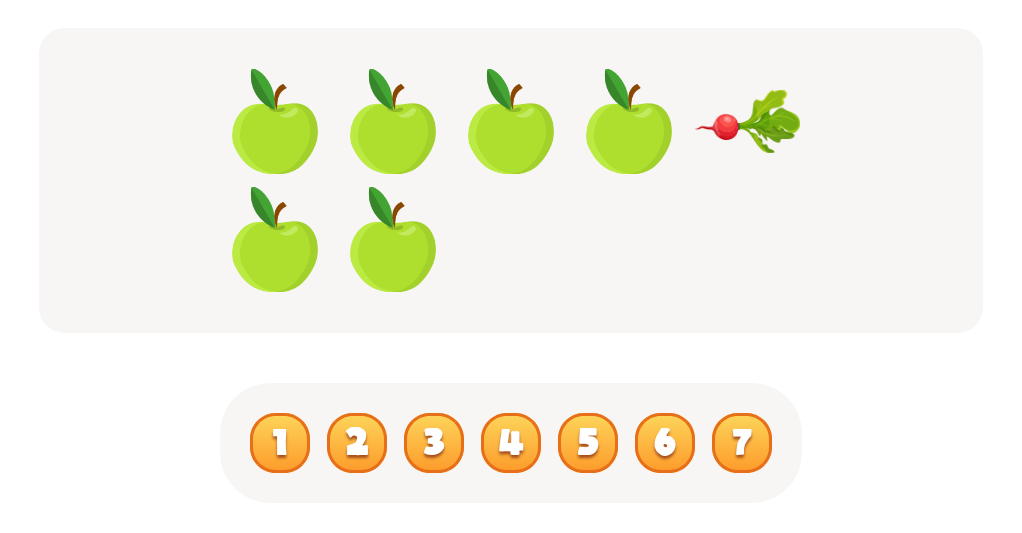
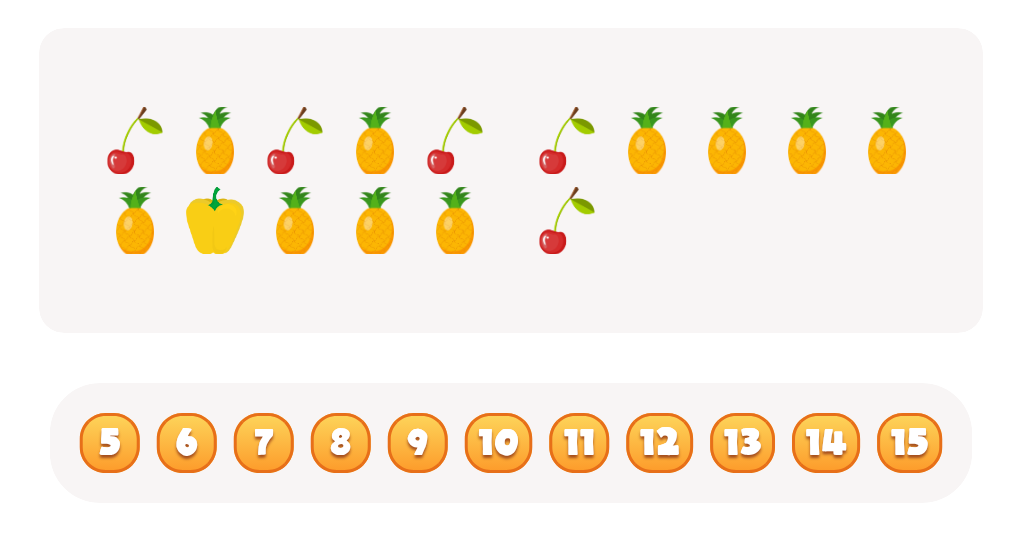
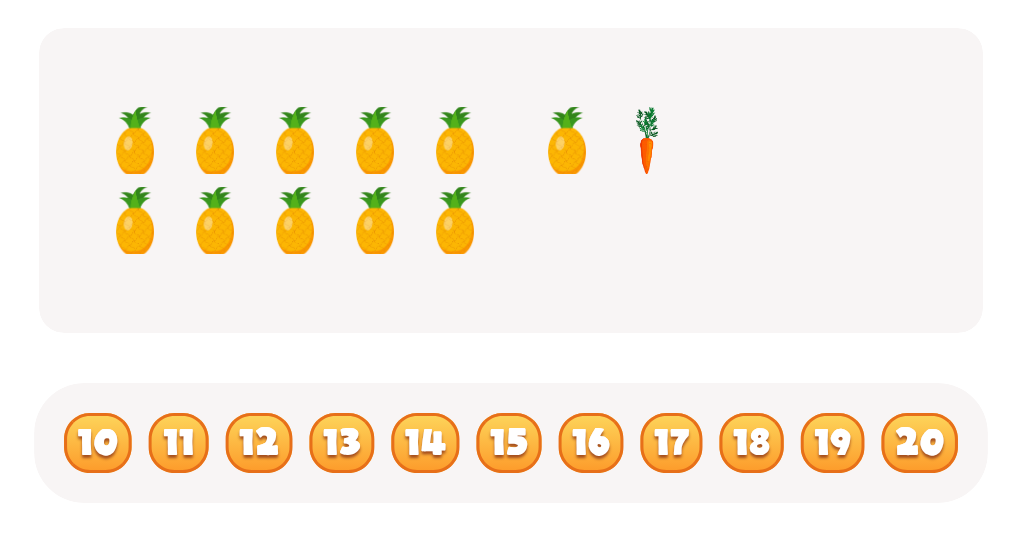
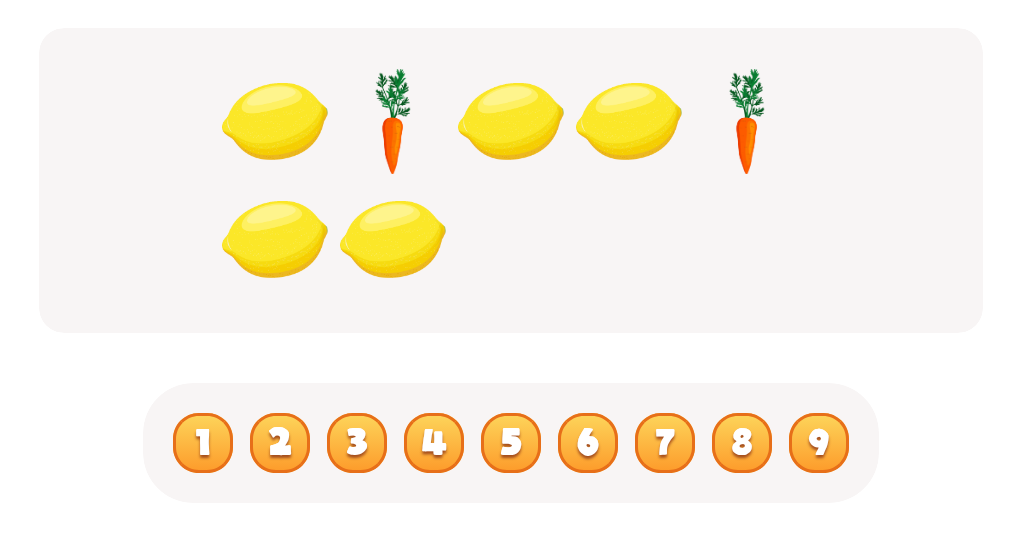
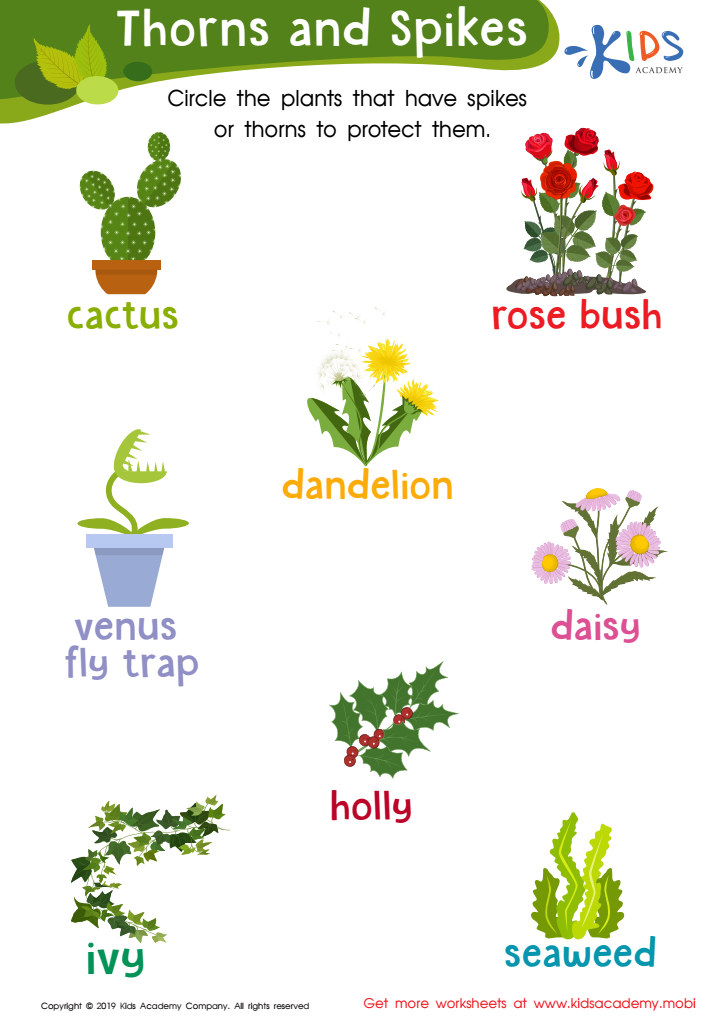
Thorns and Spikes Worksheet
Can your students name and identify the plants and flowers in this worksheet? Ask them to read out the names and circle the ones with spikes or thorns. Help them appreciate nature's beauty and understand how plants protect themselves.
Thorns and Spikes Worksheet
Worksheet
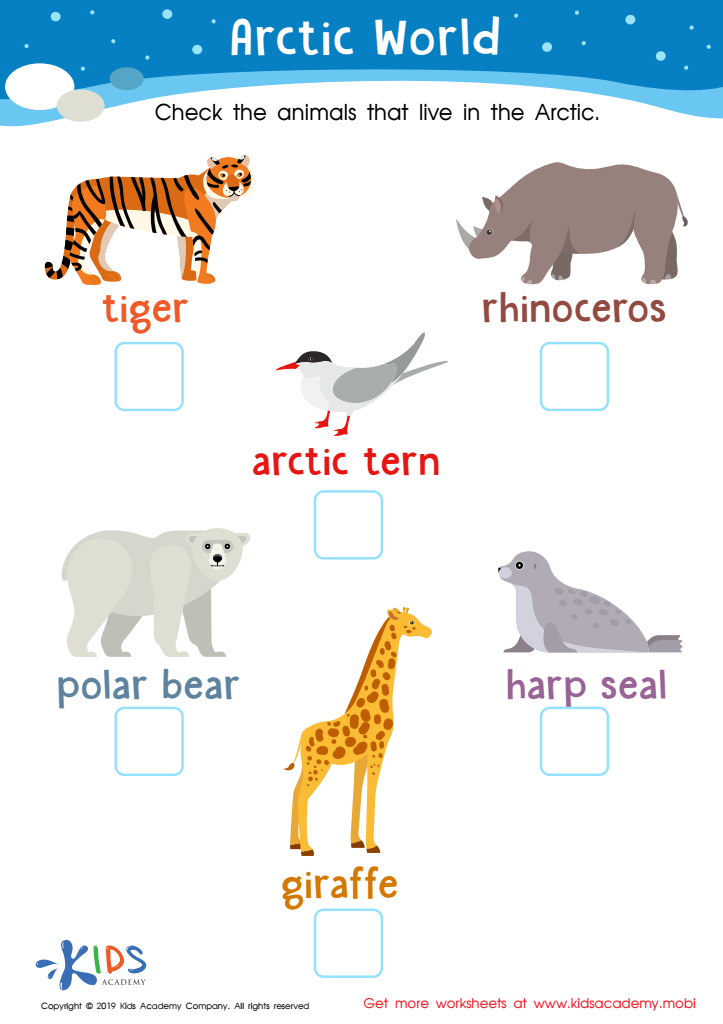
Arctic World Worksheet
Ask your students if they know where the Arctic is located and what lives there. If not, use a world atlas to show them. The Arctic is very cold and snow-covered; native animals have adapted to survive the harsh conditions. Look at the animals in the worksheet and help your students decide which ones live in the Arctic.
Arctic World Worksheet
Worksheet
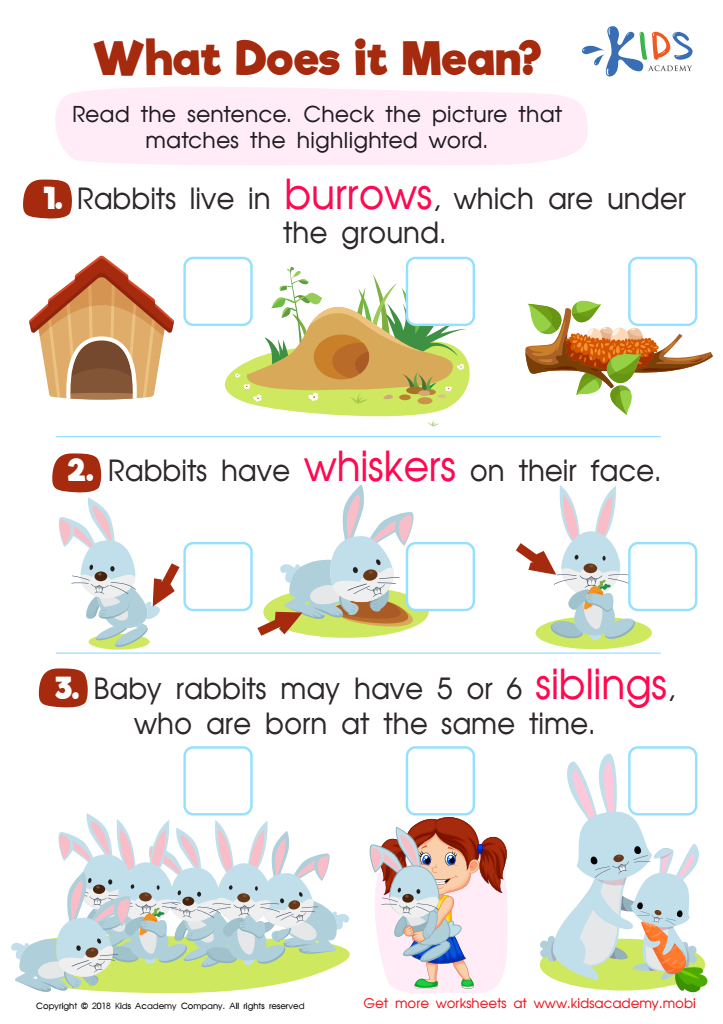
What Does It Mean? Worksheet
Teach your child to use context clues with this engaging Kids Academy worksheet. Read the sentences and find the pink-highlighted word. Use the other words in the sentence to figure out the meaning, then check the box next to the picture that represents it.
What Does It Mean? Worksheet
Worksheet
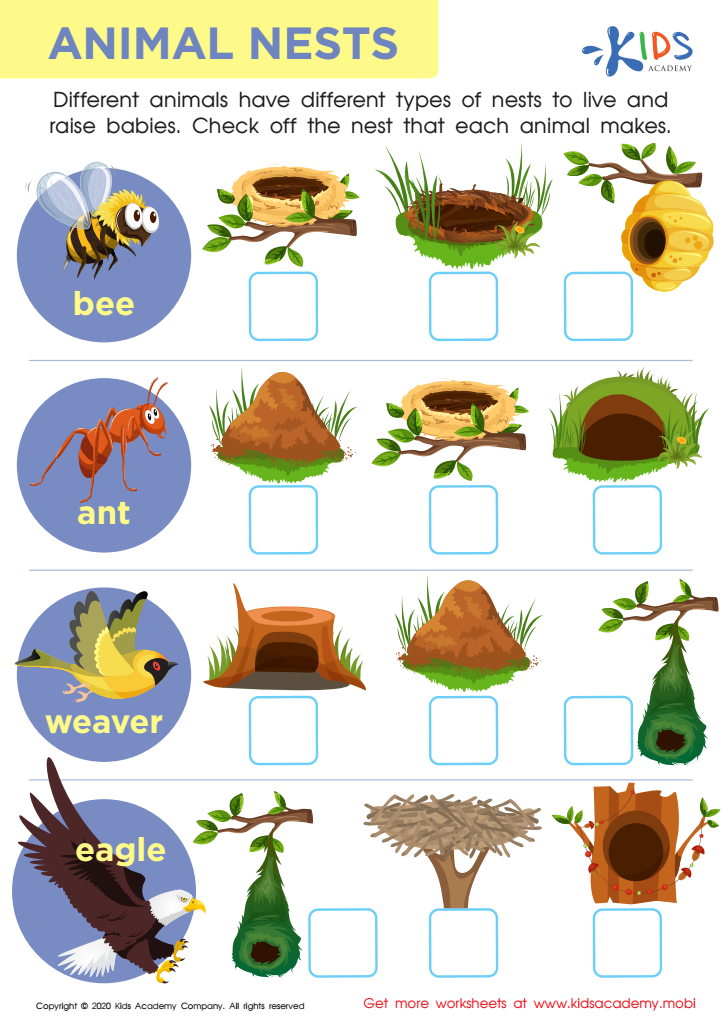
Animal Nests Worksheet
Animals need homes to sleep and stay safe. Look at the animal on the left and examine the nests and hives to the right. Check off the correct one for each animal to complete the worksheet! From birds to bees, it's a great way to show different types of homes animals make!
Animal Nests Worksheet
Worksheet
Join Kids Academy for Free
Who is primarily going to use this learning content?






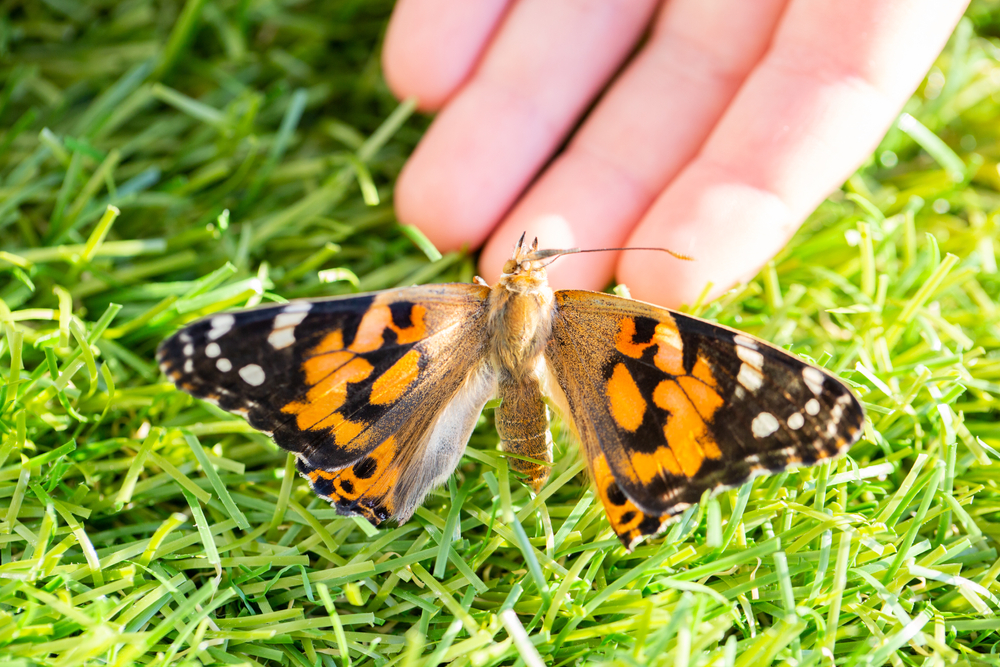

Critical thinking about plants and animals is essential for children aged 5-6, as it fosters curiosity, environmental awareness, and cognitive development. At this early stage, children are naturally inquisitive, making it the perfect time to cultivate their analytical skills as they explore the living world around them. Engaging with plants and animals not only enriches their understanding of biodiversity but also encourages them to ask questions, make observations, and think deeply about the relationships within ecosystems.
Parents and teachers should care about promoting critical thinking in this area because it lays the foundation for lifelong learning. By learning to evaluate information, compare characteristics of different species, and understand habitats, young learners become better equipped to make informed decisions about environmental issues in the future. This early engagement can lead to a commitment to sustainability and conservation, instilling a sense of responsibility toward the planet.
Moreover, activities focused on plants and animals can enhance language skills, as children learn to describe and classify, fostering creativity and expression. Ultimately, nurturing critical thinking in young learners empowers them to be active problem-solvers and informed citizens, contributing positively to their communities and the world.








