Writing practice ABC Letters Worksheets for Ages 5-7
12 filtered results
-
From - To
Boost your child's alphabet mastery with our Writing Practice ABC Letters Worksheets, crafted for kids ages 5-7. These engaging activities encourage young learners to practice tracing and writing each letter, enhancing their penmanship and reinforcing letter recognition. Designed to make learning fun, our worksheets feature vivid illustrations and interesting exercises that keep children motivated. Each sheet focuses on individual letters, complete with guided tracing, fun coloring sections, and space for practice. Ideal for both classroom use and extra home practice, these worksheets help strengthen foundational fluency, paving the way for successful reading and writing skills. Get started now!
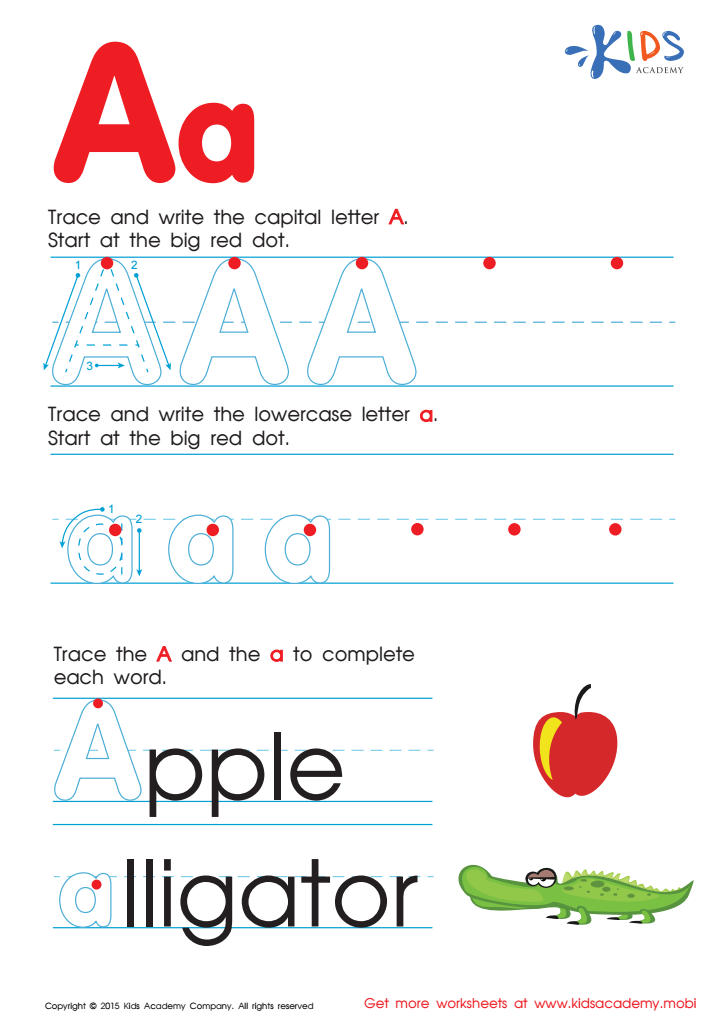
Letter A Tracing Page










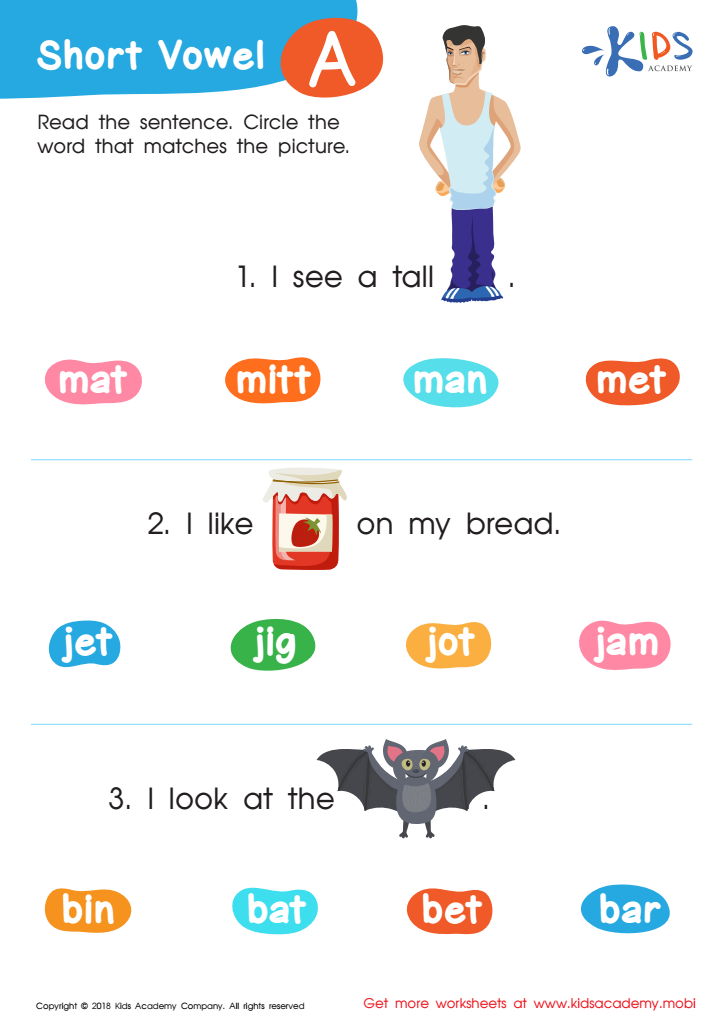
Short Vowel /a/ Worksheet
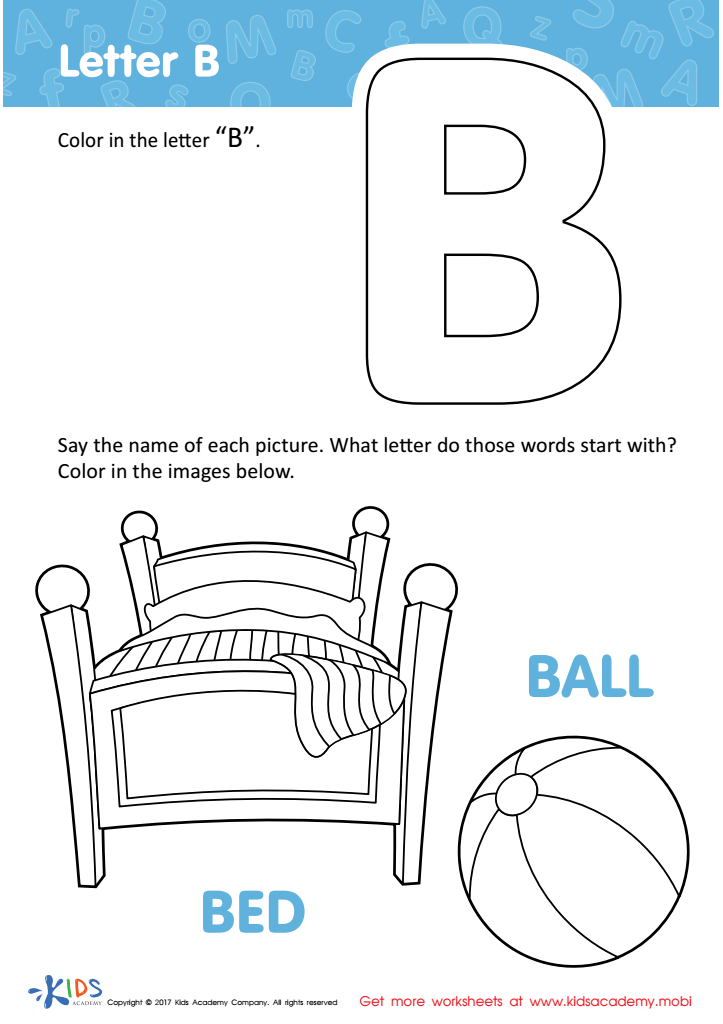
Letter B Coloring Sheet
 Assign to My Students
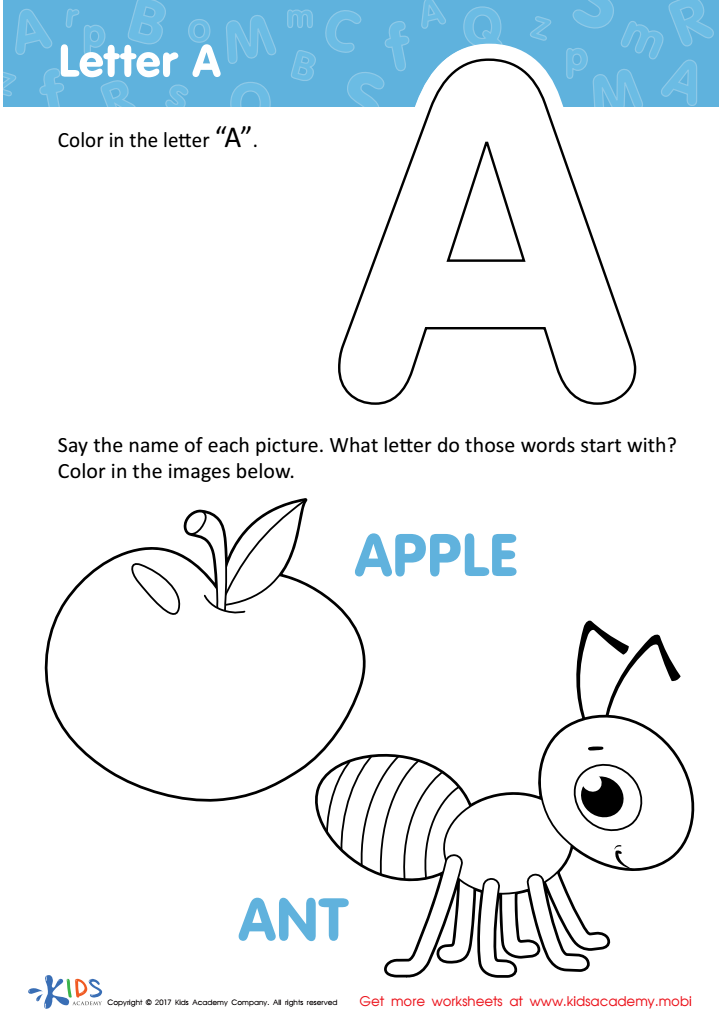
Letter A Coloring Sheet
Assign to My Students
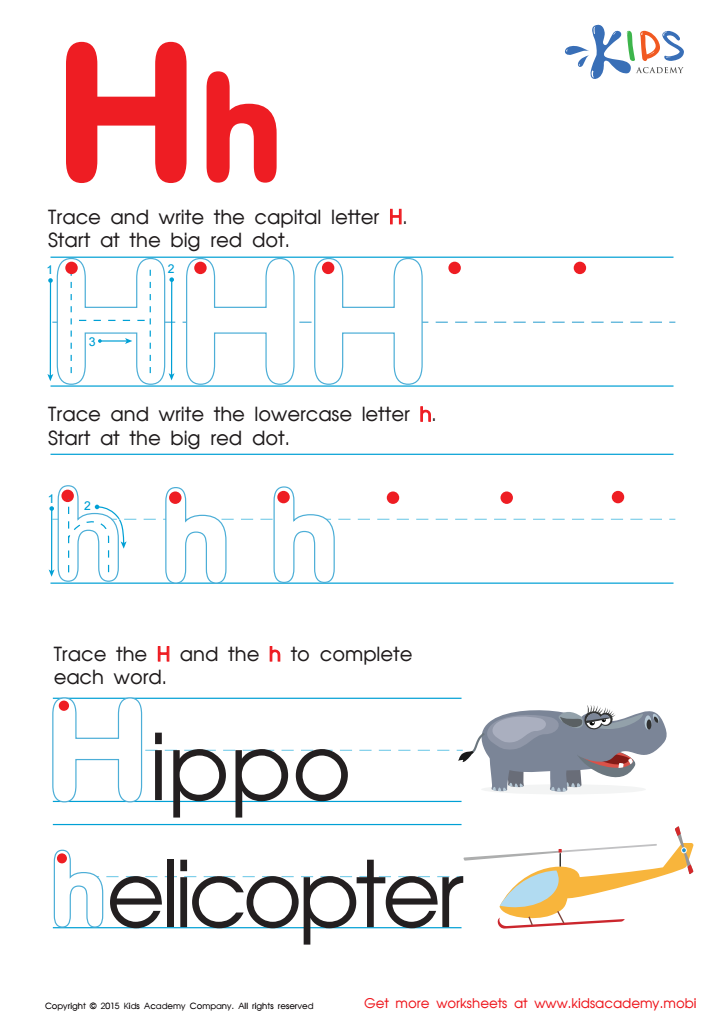
Letter H Tracing Page
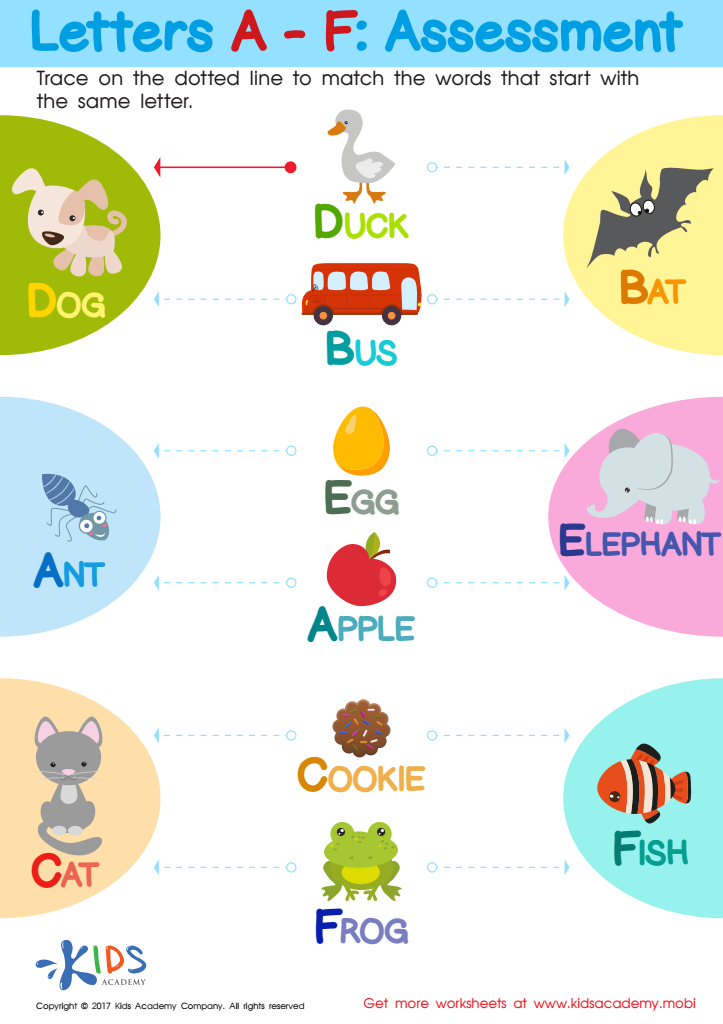
Letters A - F Worksheet
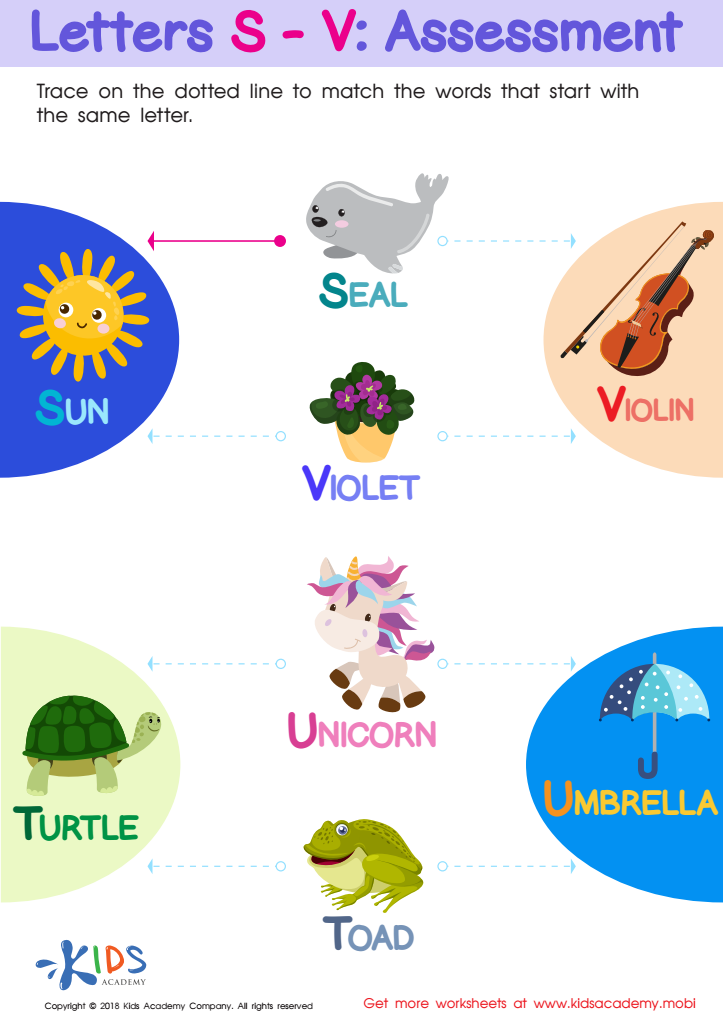
Letters S - V Tracing Worksheet
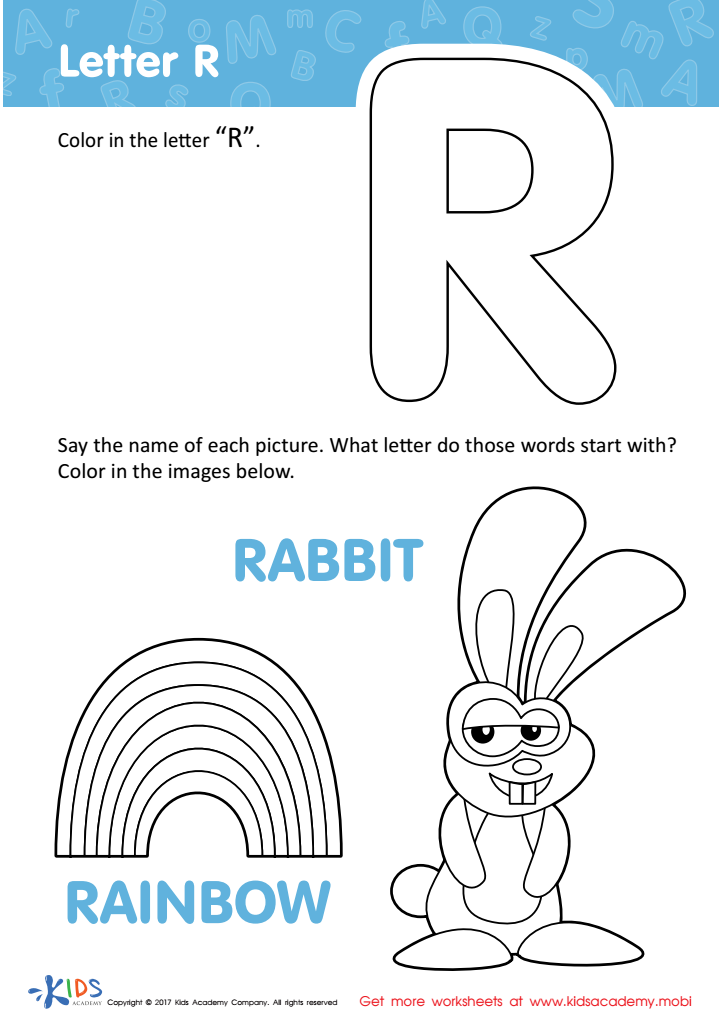
Letter R Coloring Sheet
Assign to My Students
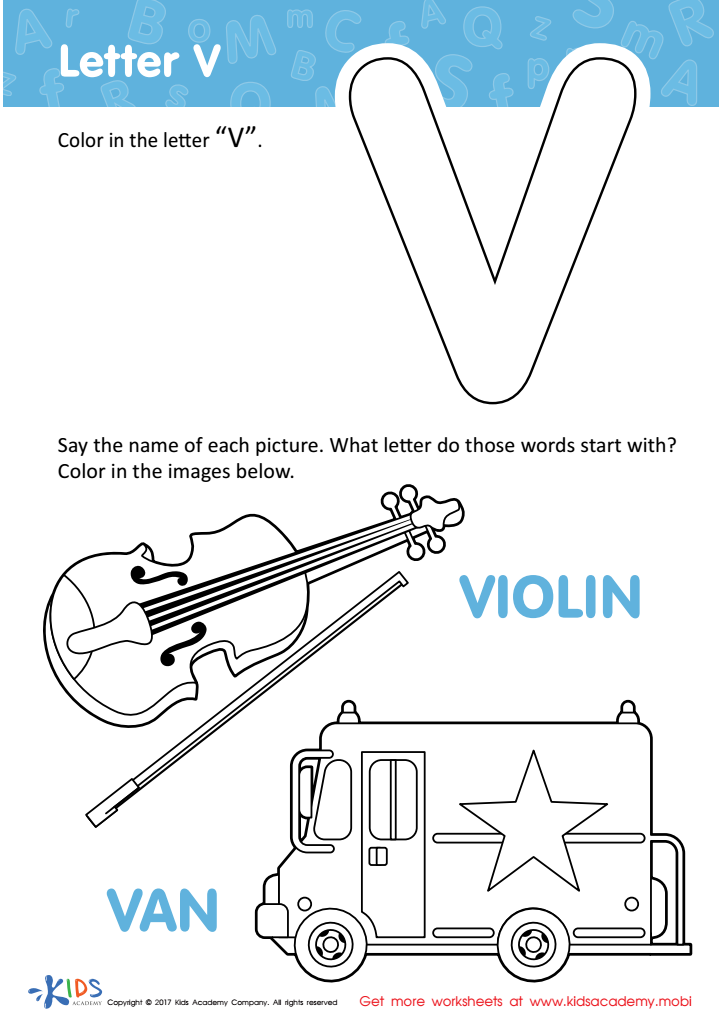
Letter V Coloring Sheet
Assign to My Students
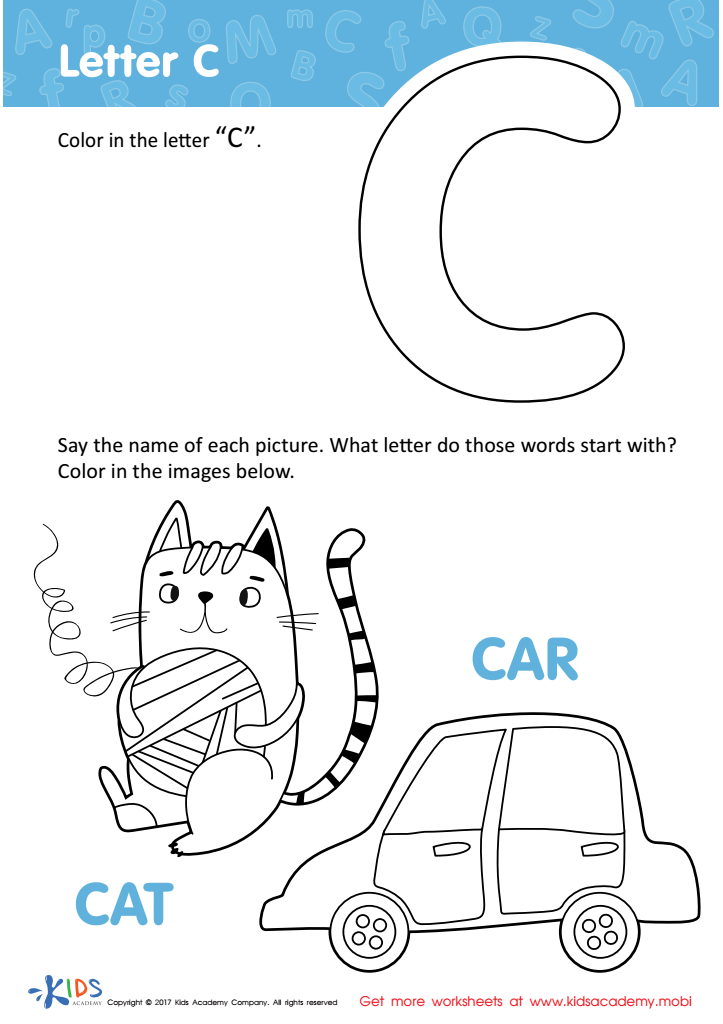
Letter C Coloring Sheet
Assign to My Students
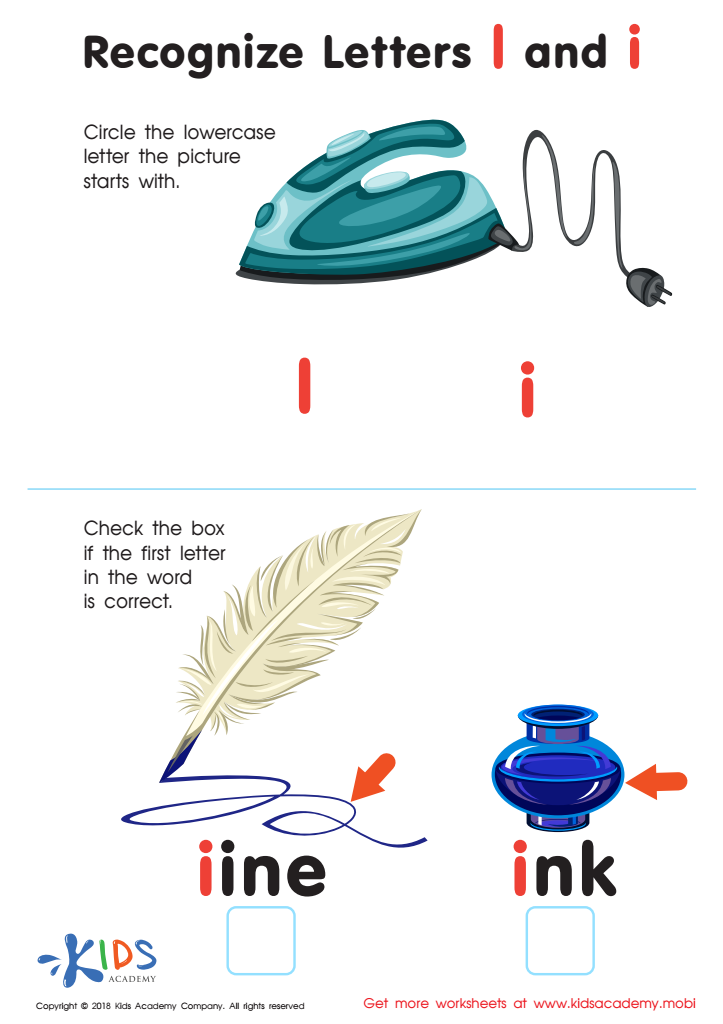
Recognize Letters l and i Worksheet
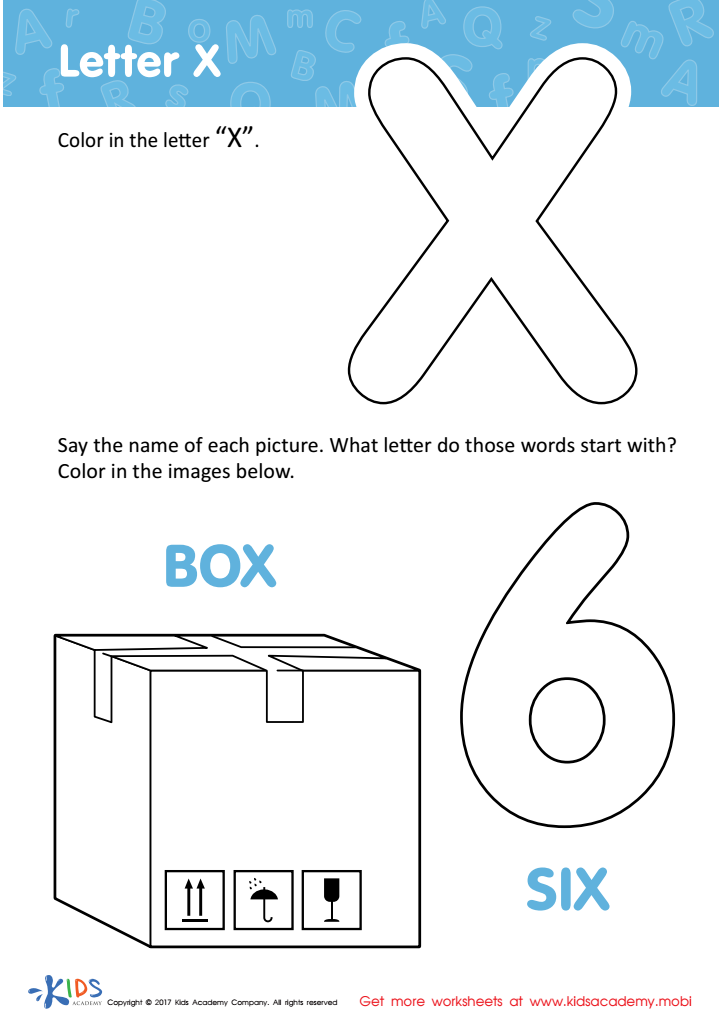
Letter X Coloring Sheet
Assign to My Students








Writing practice of ABC letters holds foundational importance for children aged 5-7. This critical activity nurtures their fine motor skills, which are essential for tasks like buttoning a shirt or tying shoelaces. By tracing and writing individual letters, children develop precision and hand-eye coordination.
Beyond physical dexterity, writing practice solidifies letter recognition and phonemic awareness. At this age, children are in the early stages of reading, and learning to write helps them understand the shapes and sounds of letters. This dual sensory input—seeing and writing—reinforces memory, aiding in faster acquisition of reading and spelling skills.
Additionally, writing fosters cognitive development by engaging children in tasks that require focus and patience. These skills are pivotal for all areas of learning. Writing also serves as a medium for creative expression. Even simple tasks like writing letters can develop into storytelling, drawing, or other avenues of self-expression.
Moreover, writing inculcates a sense of responsibility and accomplishment. Successfully writing their ABCs can boost a child's self-esteem, encouraging a positive attitude towards learning. In classrooms and at home, this practice sets the foundation for academic success and lifelong literacy skills. Parents and teachers, therefore, have a crucial role in supporting and encouraging consistent writing practice.







