Fine Motor Skills Letter R Worksheets for Ages 5-7
4 filtered results
-
From - To
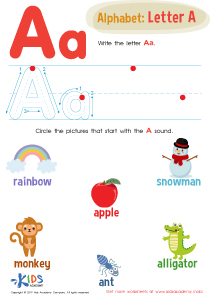
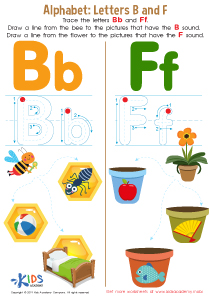
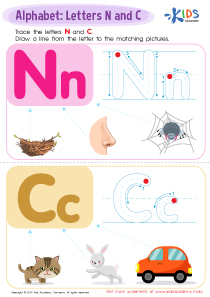
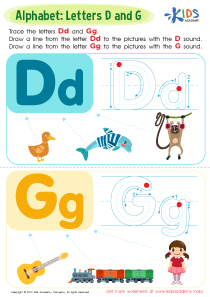
Enhance your child's fine motor skills with our engaging Letter R worksheets, designed specifically for ages 5-7! These activities help young learners develop coordination and dexterity while effectively learning the letter R. Our worksheets incorporate fun exercises such as tracing letters, coloring images, and crafting activities that explore the letter in multiple contexts. Ideal for parents and educators, these resources foster creativity and critical thinking while reinforcing essential skills. Watch your child's confidence grow as they master the letter R through enjoyable hands-on learning experiences. Download our printable worksheets today to support your child's educational journey!
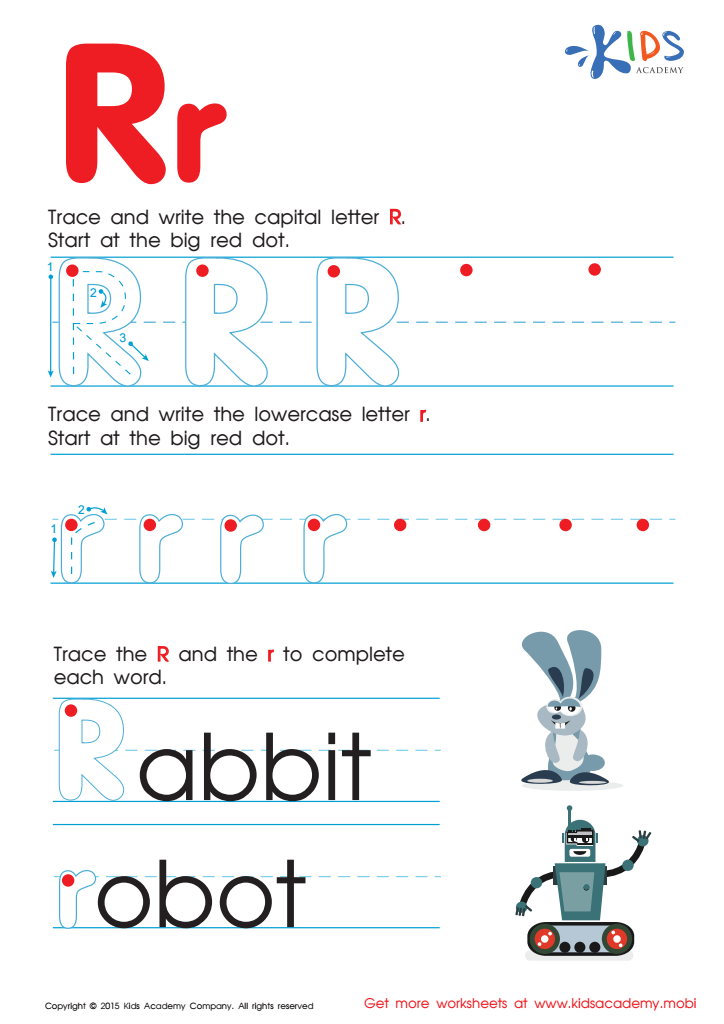
Letter R Tracing Page
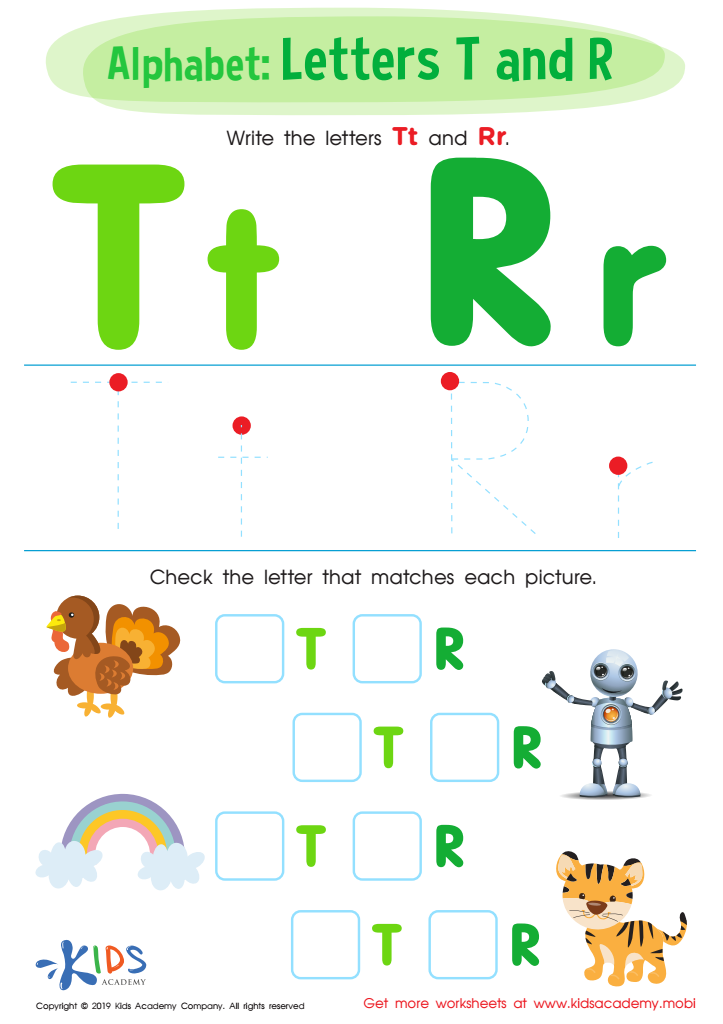
Letters T and R Worksheet
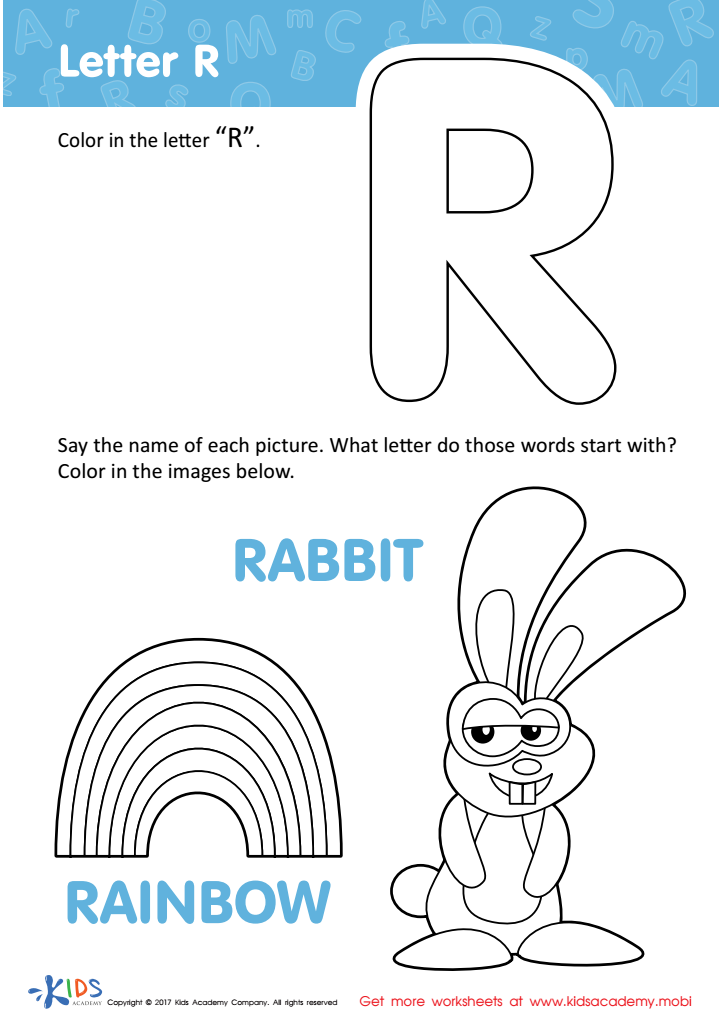
Letter R Coloring Sheet
 Assign to My Students
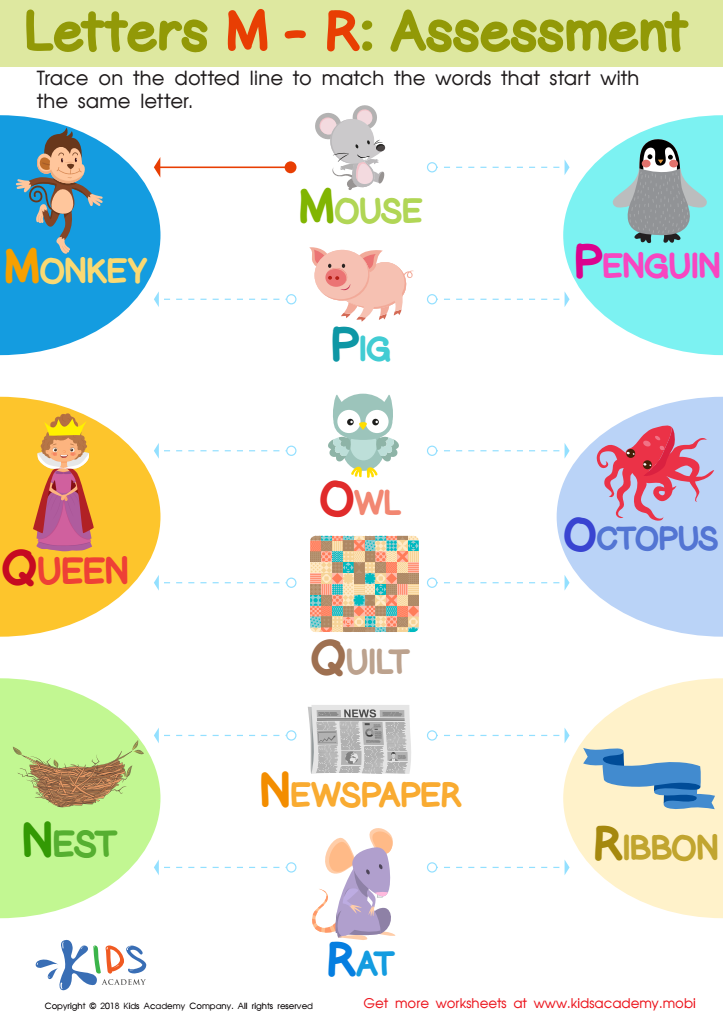
Letters M-R Tracing Worksheet






Fine motor skills are crucial for children aged 5-7, as they form the foundation for numerous everyday tasks and academic activities. Specifically, the letter "R," often used for activities in this age bracket, represents both a specific letter and the broader skills associated with it.
Development of fine motor skills—precision movements involving small muscles, particularly in the hands and fingers—enables children to efficiently grip writing instruments, manipulate scissors, and perform tasks requiring hand-eye coordination. Mastery of skills associated with letters, like "R," can enhance children's ability to write, draw, and perform tasks like buttoning clothing or using utensils.
Engaging children with tasks related to the letter "R," such as tracing, recognizing, and creating, encourages not just the practice of writing but also incorporates play through activities like painting or crafting. These interactions foster confidence and independence, two key factors in a child's development.
Moreover, strong fine motor skills lay the groundwork for later academic success. As parents or teachers nurture these abilities, they help instill precision, control, and focus. Indeed, early intervention in developing fine motor skills can lead to enhanced learning opportunities, paving the way for a child's overall growth and academic achievements. Thus, prioritizing fine motor skill development during these formative years is vital.