Handwriting practice Letter Recognition Worksheets for Ages 5-7
40 filtered results
-
From - To
Enhance your child's early literacy skills with our Handwriting Practice Letter Recognition Worksheets tailored for ages 5-7. These engaging resources focus on improving letter recognition and fine motor skills through a variety of fun activities. Children can practice writing each letter while associating it with familiar words and images, making learning enjoyable and effective. Our worksheets provide a structured approach to mastering the alphabet, ensuring your little one gains confidence in their handwriting and letter identification. Perfect for home or classroom use, these worksheets are an essential tool for young learners to build a strong foundation in reading and writing. Start learning today!
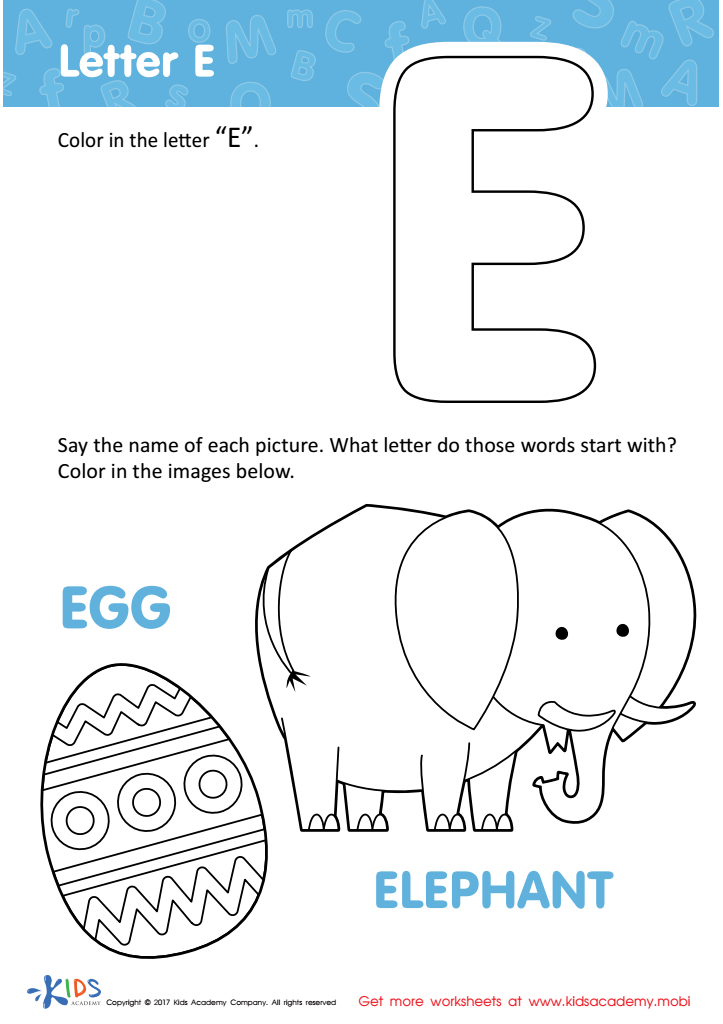
Letter E Coloring Sheet
 Assign to My Students
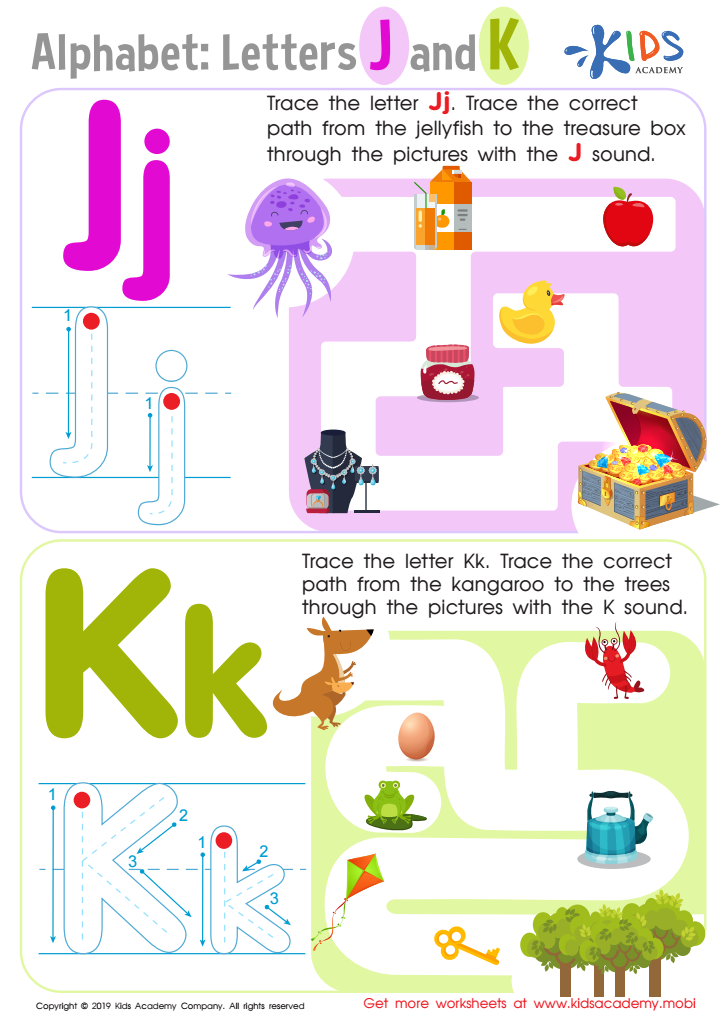
Letters J and K Tracing Worksheet
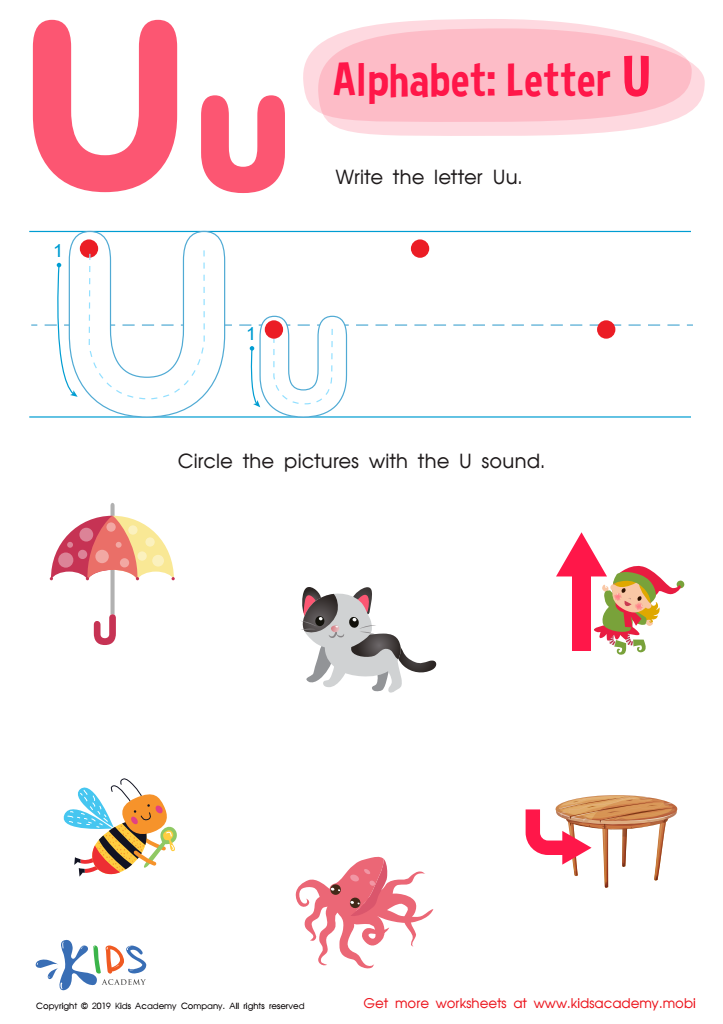
Letter U Tracing Worksheet
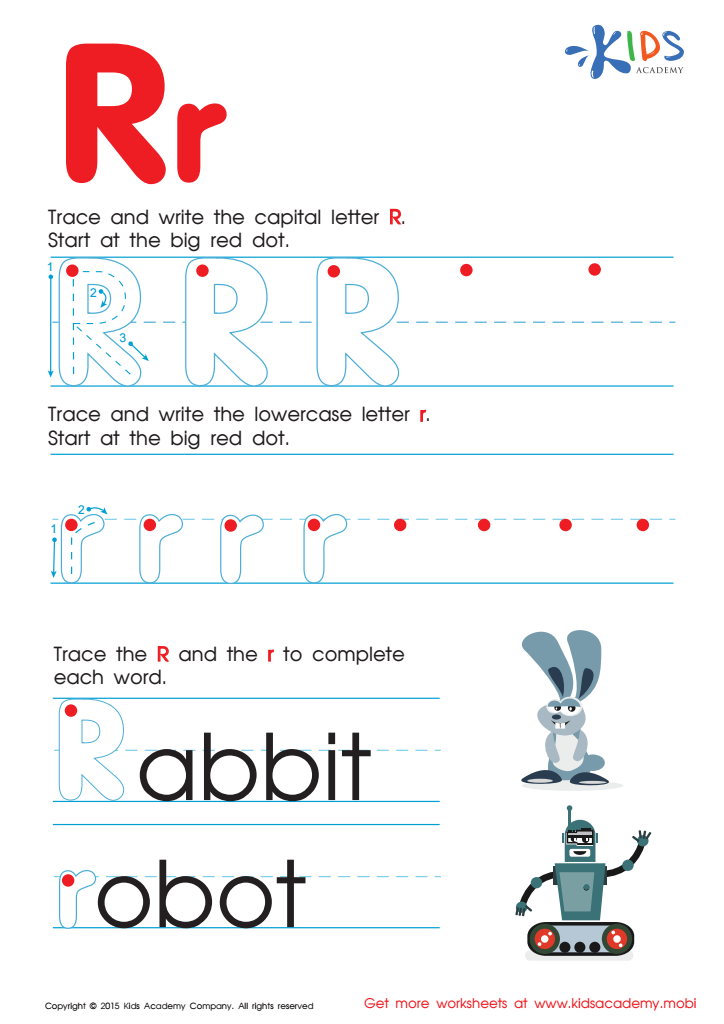
Letter R Tracing Page
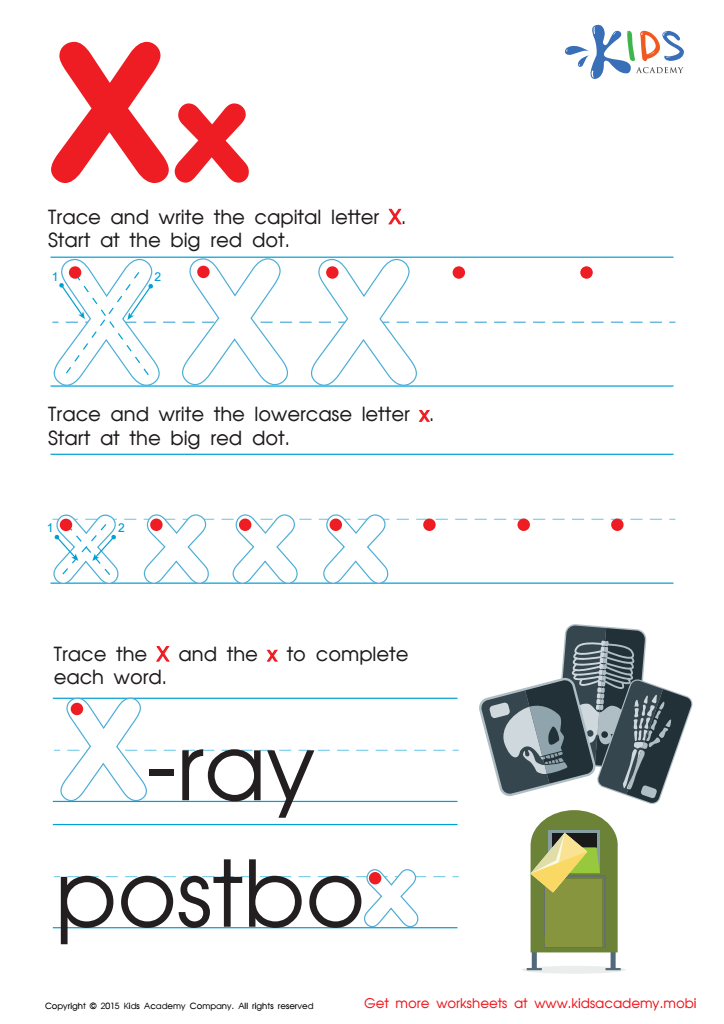
Letter X Tracing Page
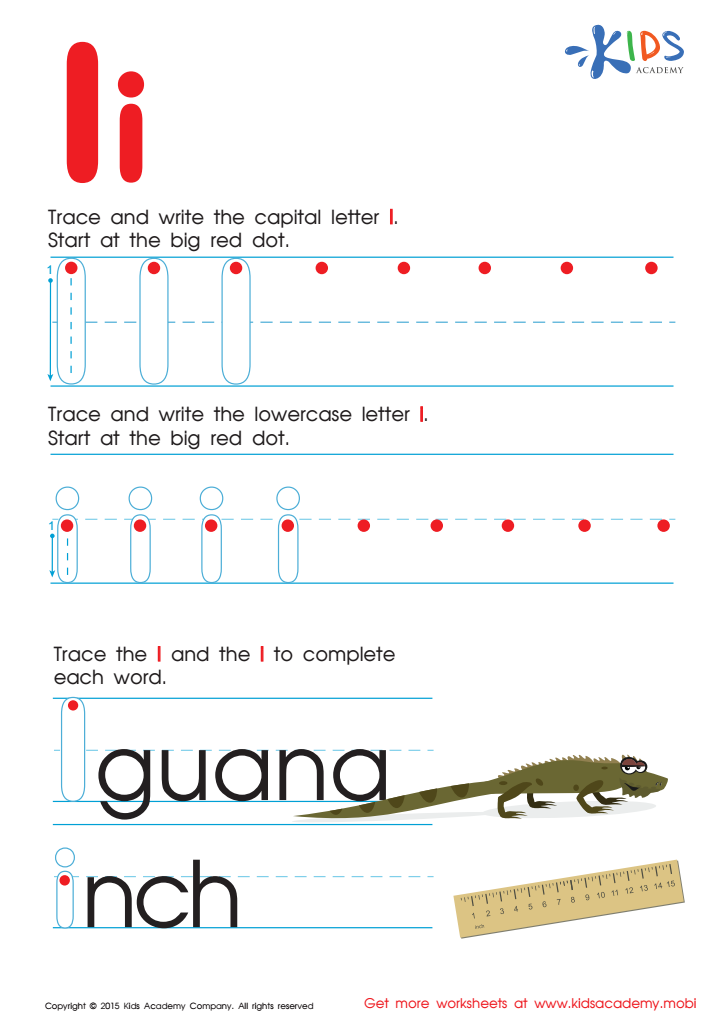
Letter I Tracing Page
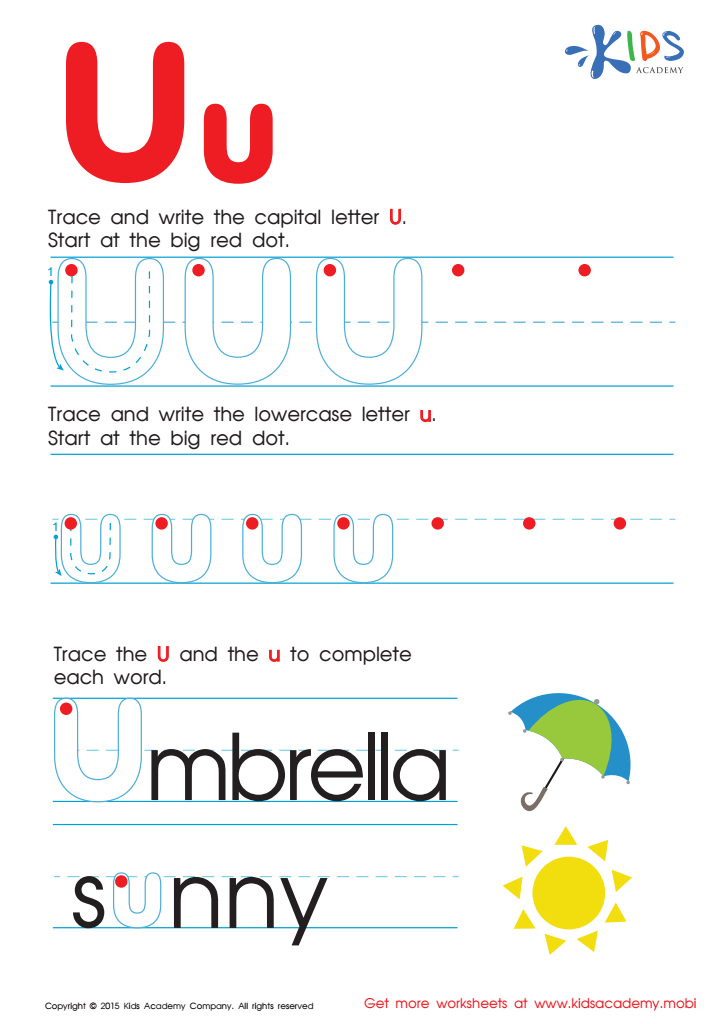
Letter U Tracing Page
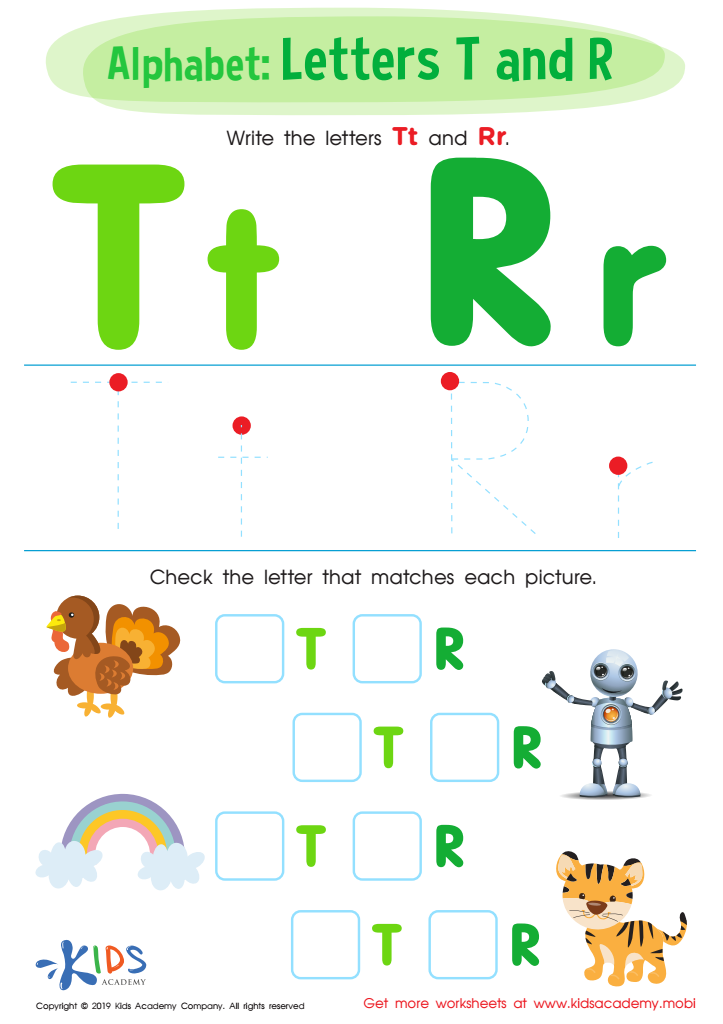
Letters T and R Worksheet
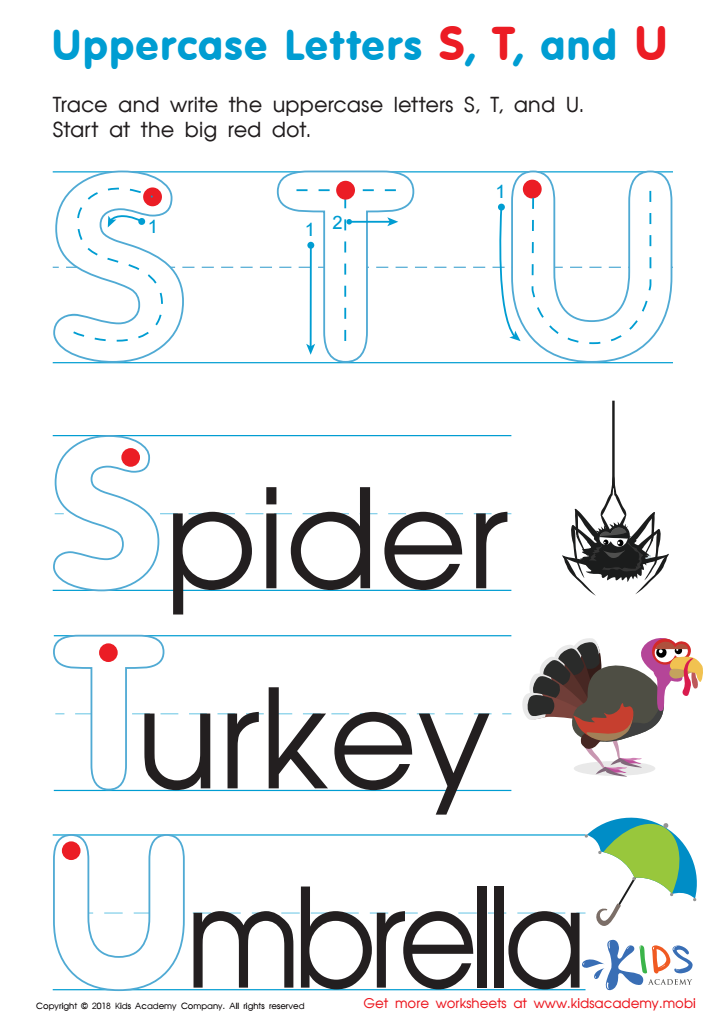
Uppercase Letters S, T, and U Worksheet
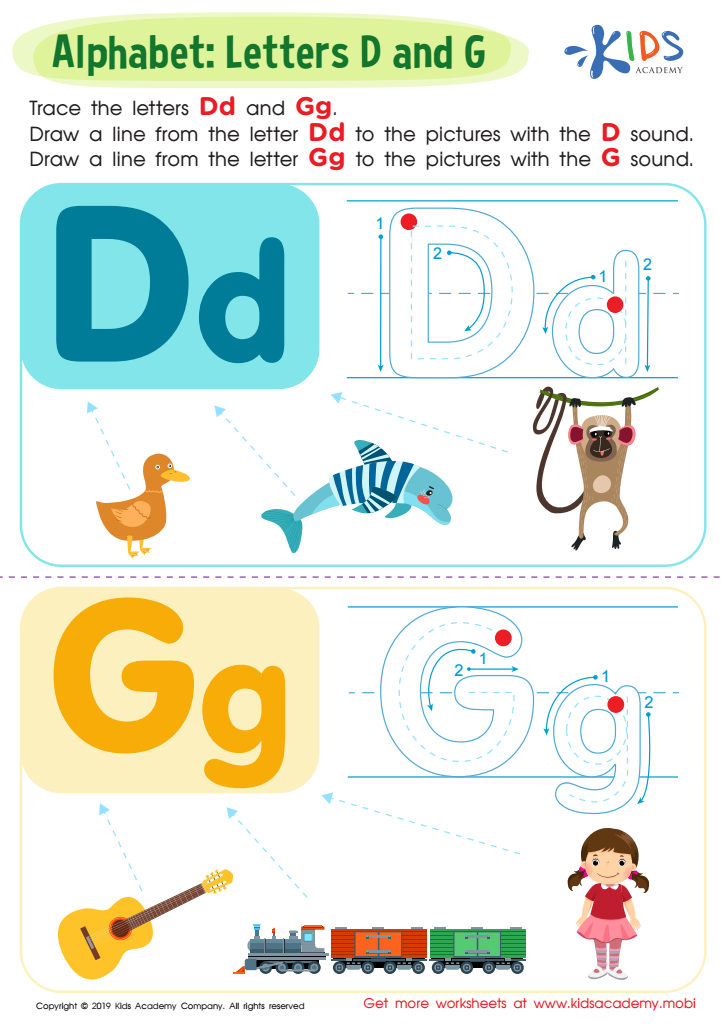
Letter D and G Tracing Worksheet
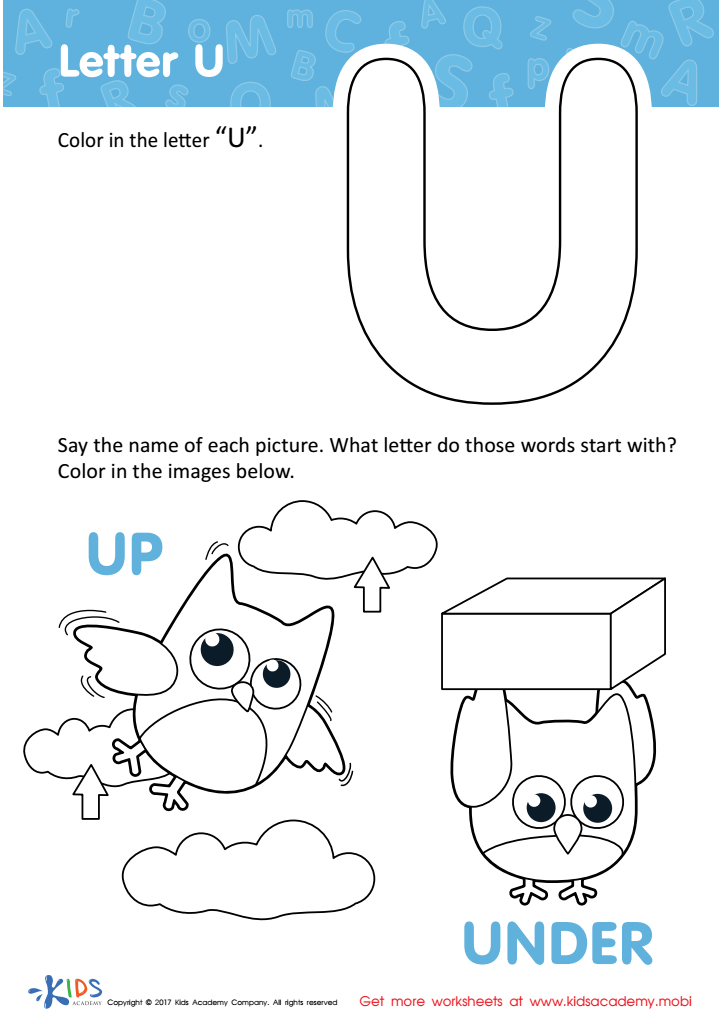
Letter U Coloring Sheet
Assign to My Students
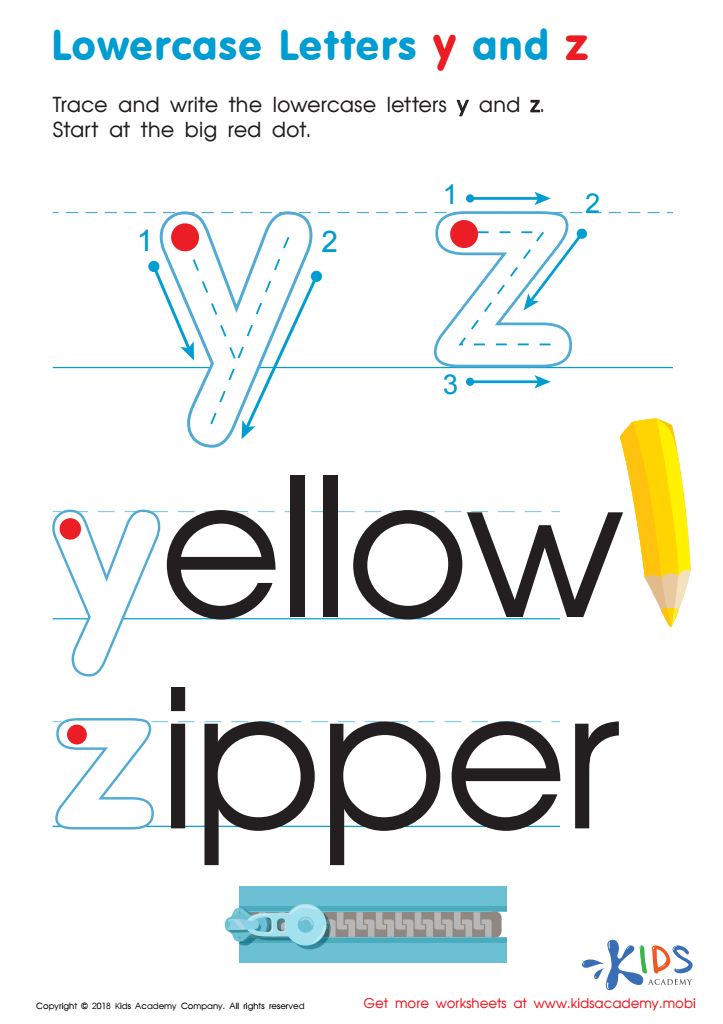
Lowercase Letters y z Worksheet
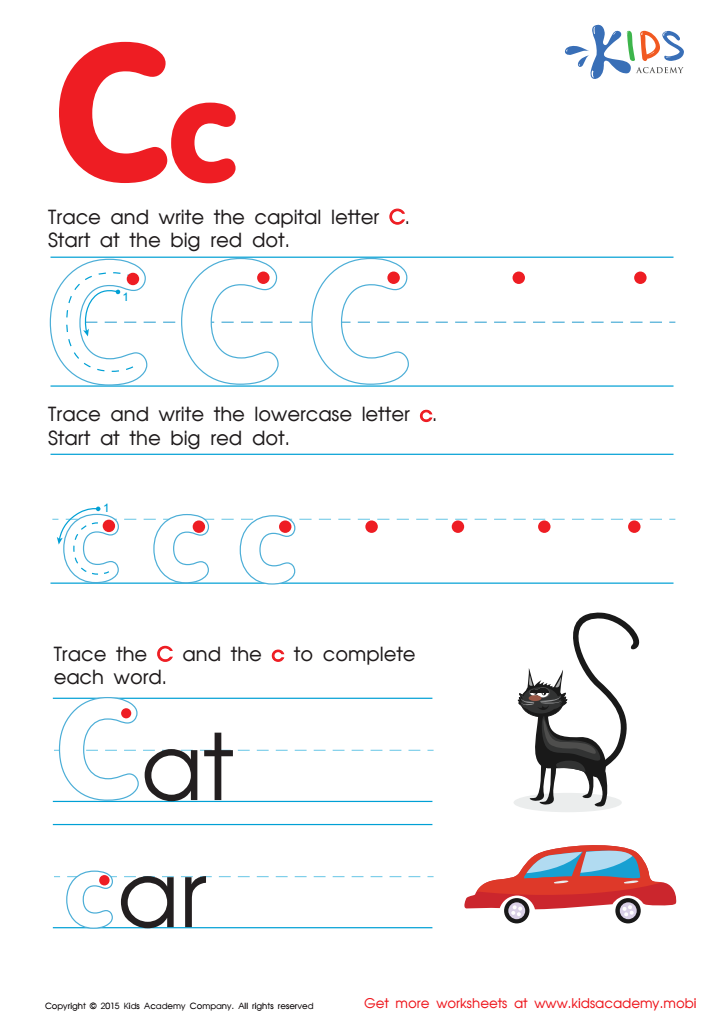
Letter C Tracing Page
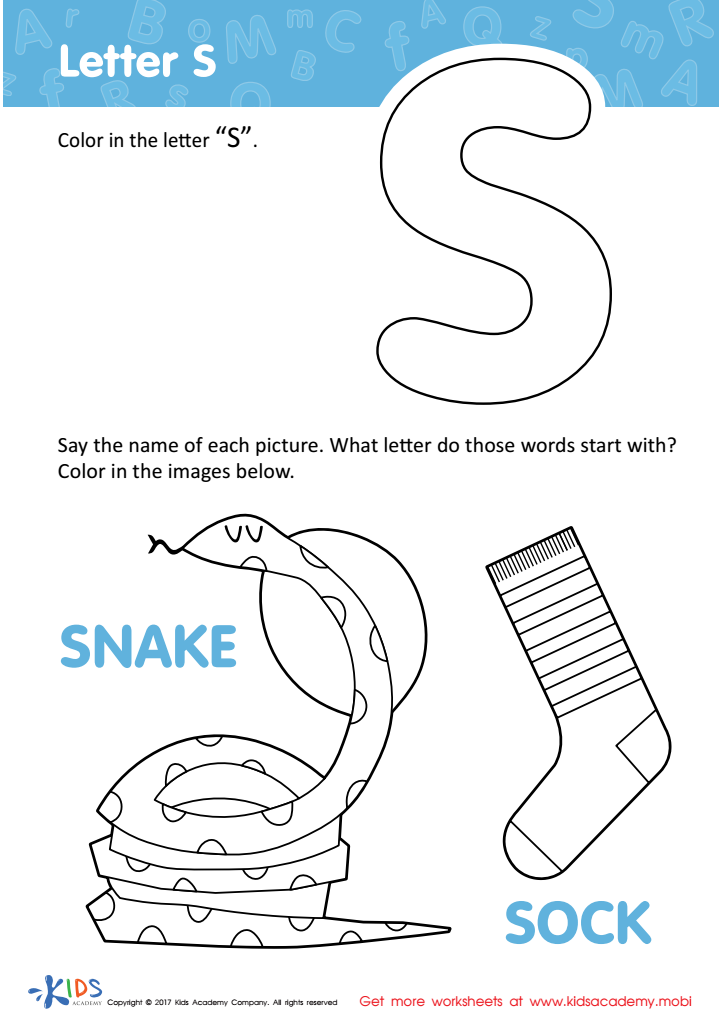
Letter S Coloring Sheet
Assign to My Students
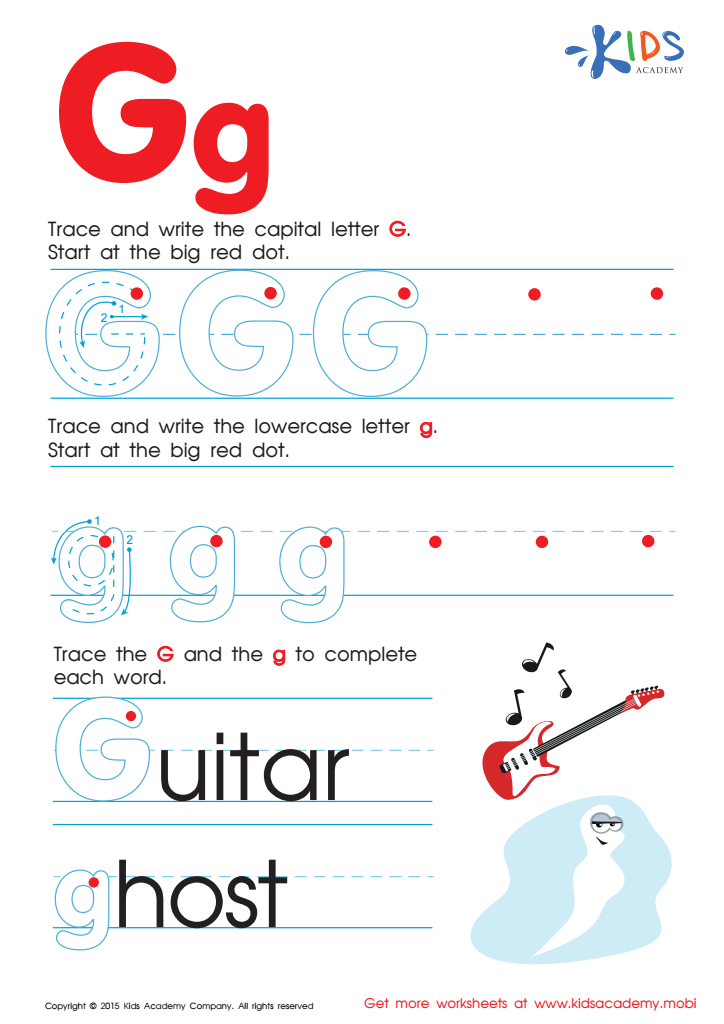
Letter G Tracing Page
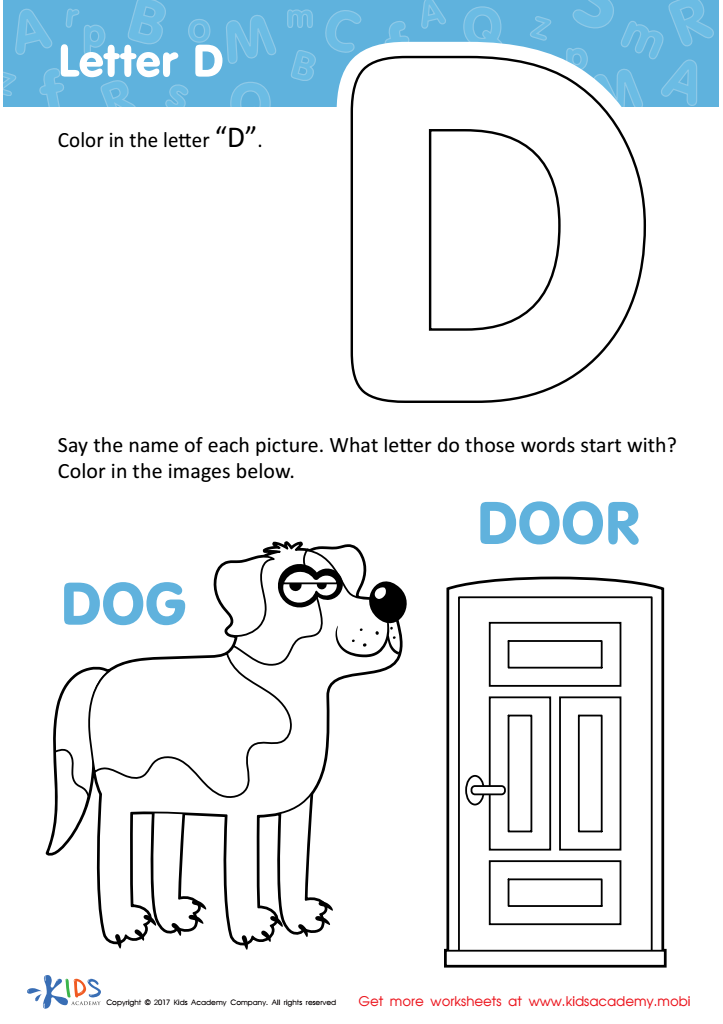
Letter D Coloring Sheet
Assign to My Students
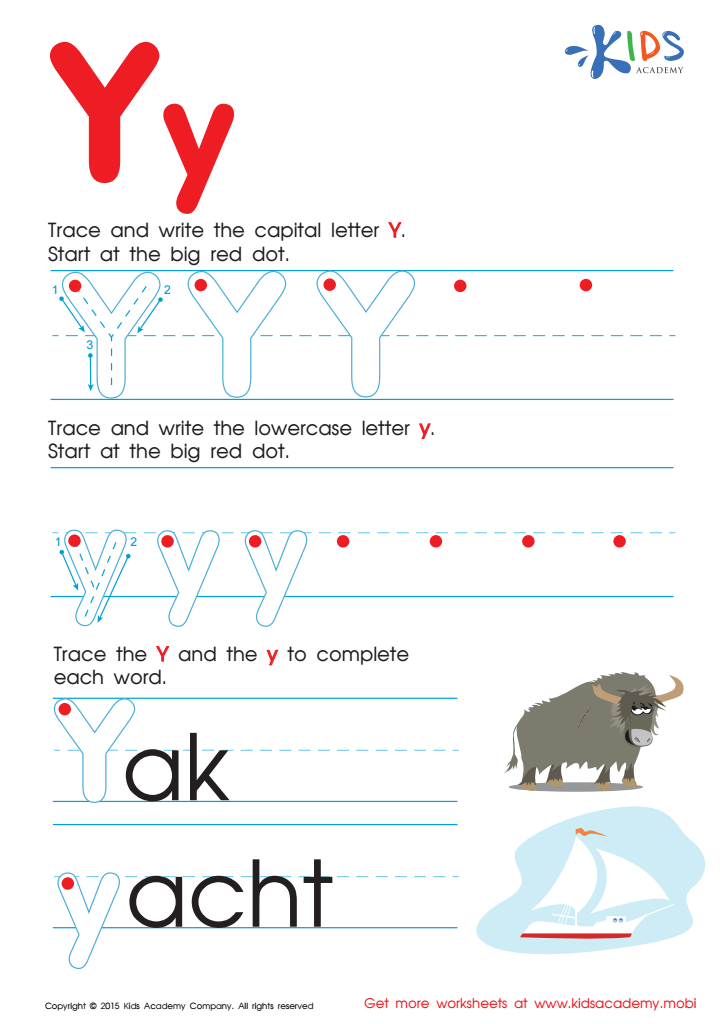
Letter Y Tracing Page
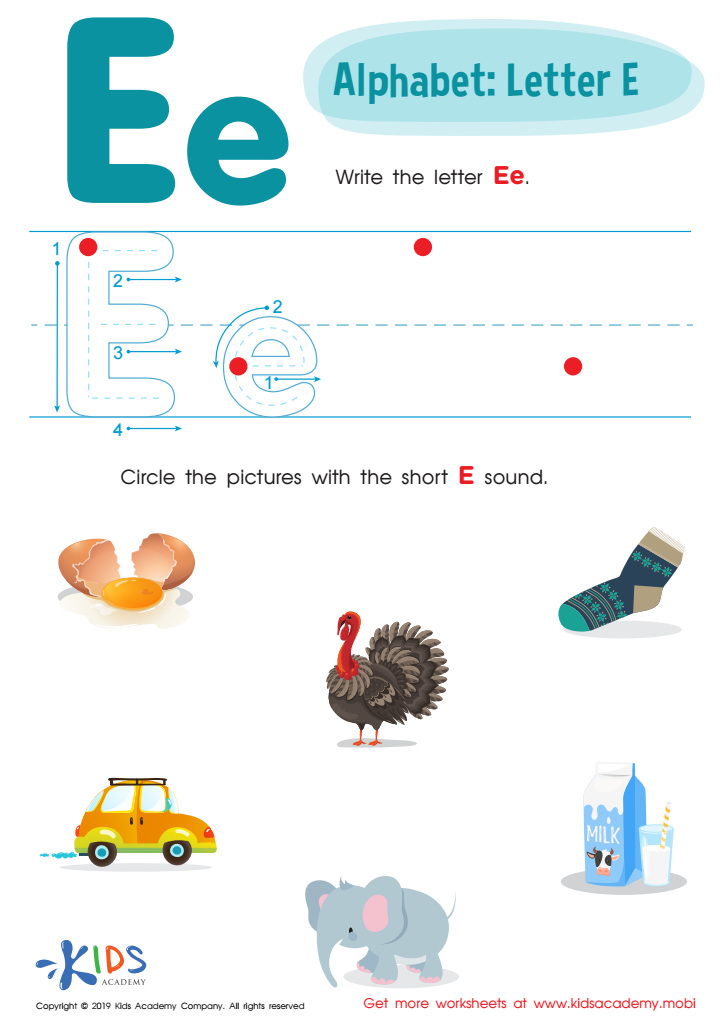
Letter E Tracing Worksheet
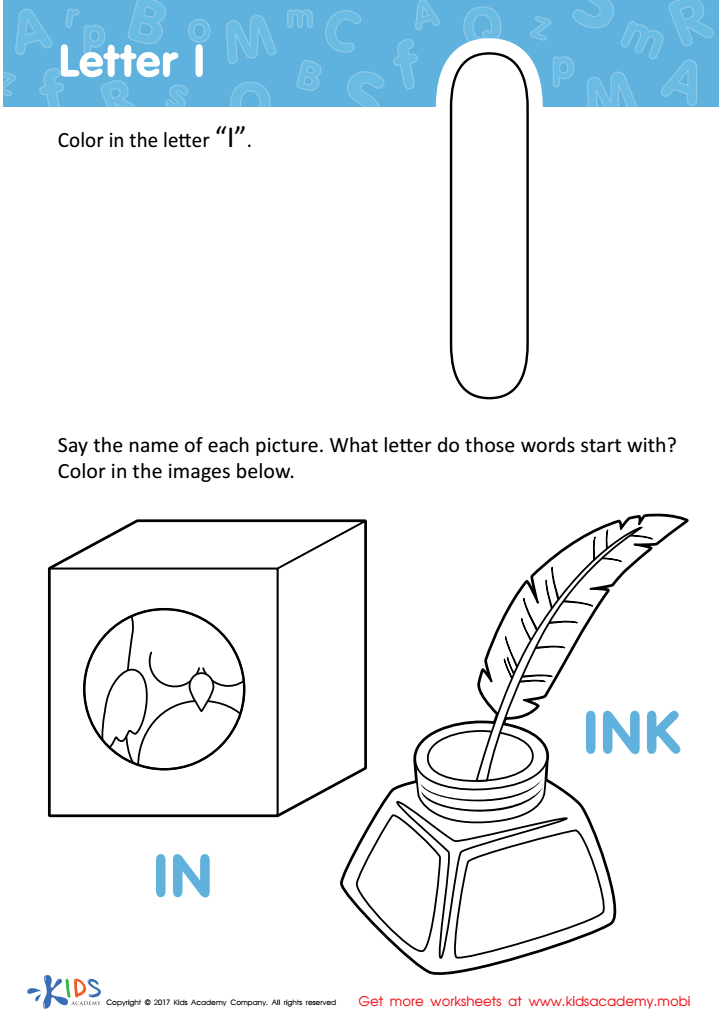
Letter I Coloring Sheet
Assign to My Students
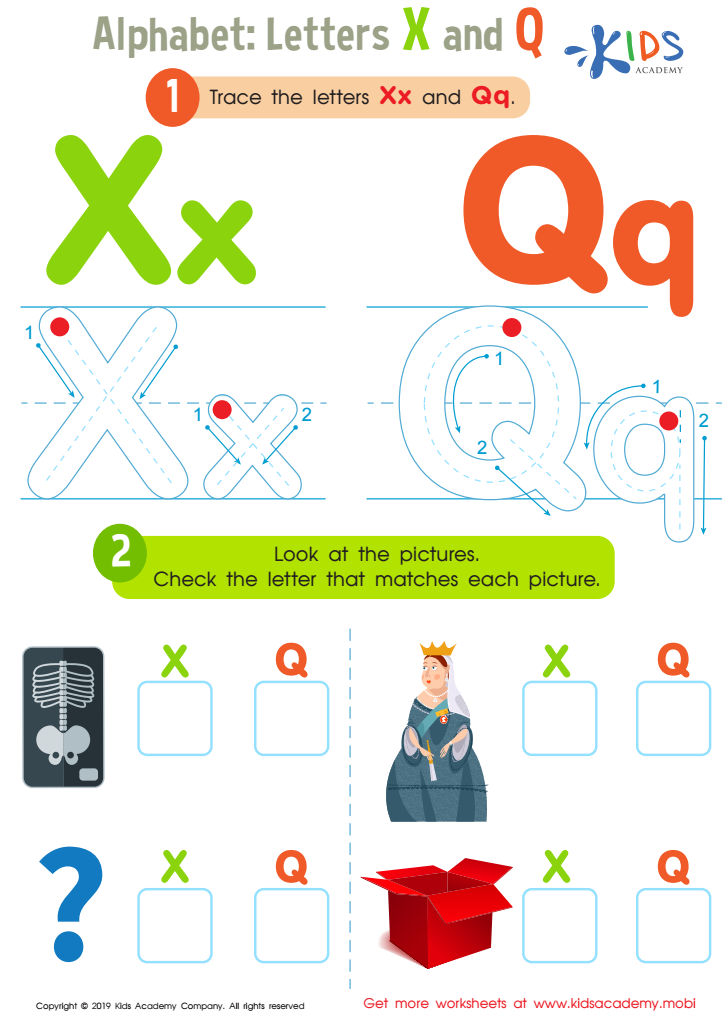
Letters X and Q Tracing Worksheet
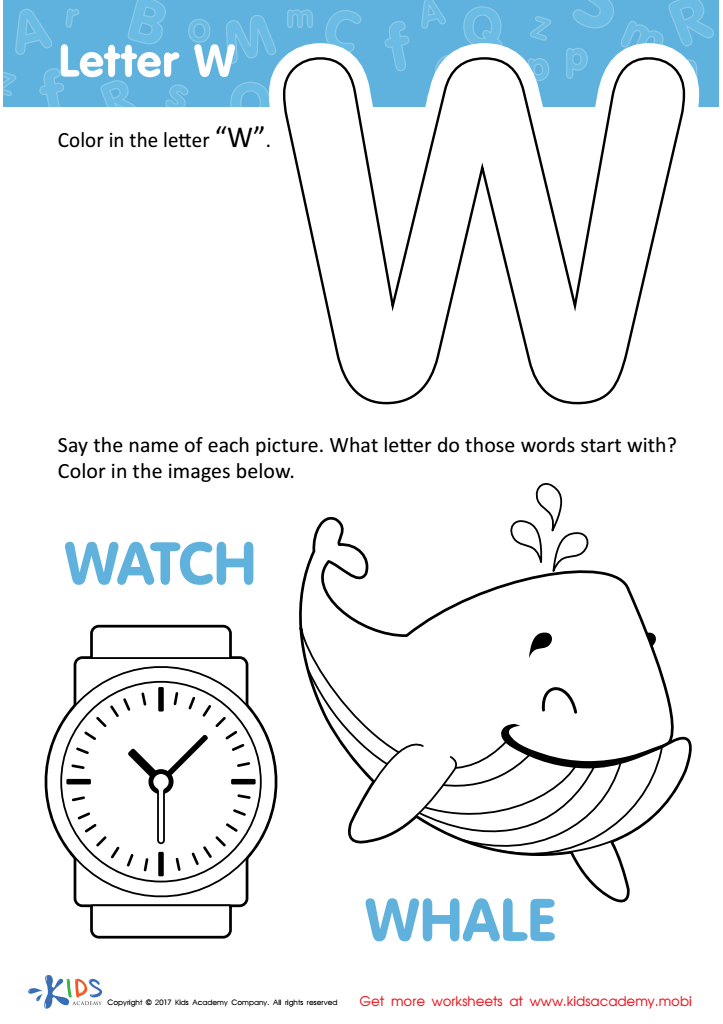
Letter W Coloring Sheet
Assign to My Students
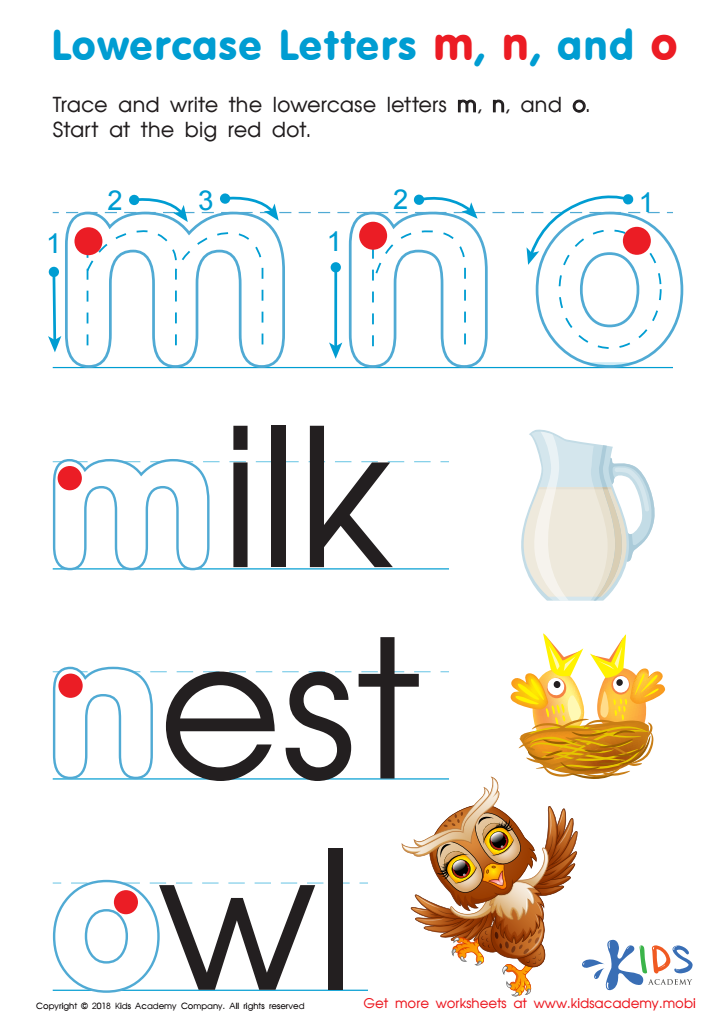
Lowercase Letters m n o Worksheet
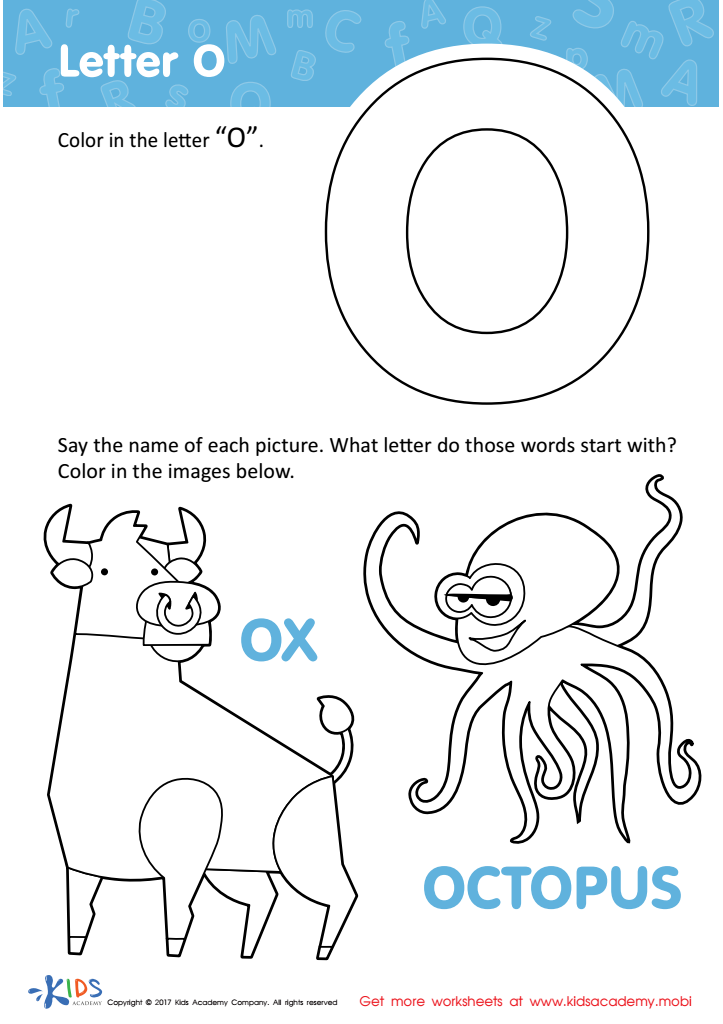
Letter O Coloring Sheet
Assign to My Students
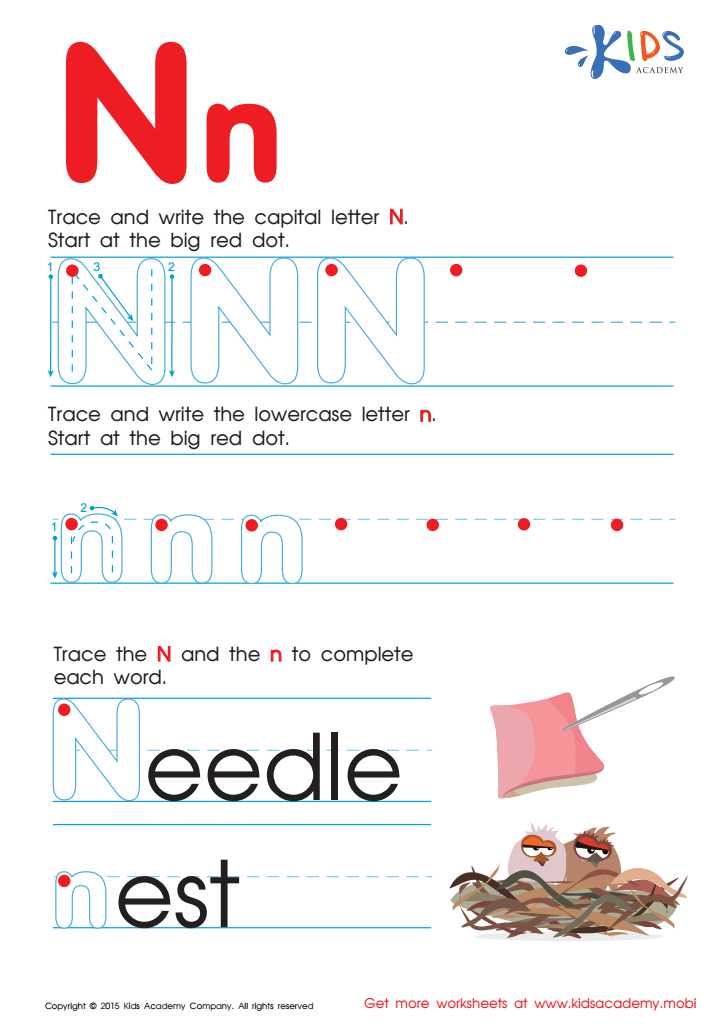
Letter N Tracing Page








Handwriting practice and letter recognition are crucial components of early literacy development for children aged 5 to 7. Firstly, mastering these skills enhances a child's ability to communicate effectively. As young learners develop their handwriting, they refine fine motor skills, which are essential not just for writing but for everyday tasks.
Additionally, letter recognition is a foundational step in reading. When children can identify both upper and lower case letters, they build the confidence needed to tackle more complex literacy tasks like reading fluency and comprehension. Through consistent practice, children learn to associate sounds with letters, a key component in phonics instruction.
Furthermore, handwriting impacts a child's academic performance. Research shows that writing by hand can strengthen memory retention and understanding, leading to improved performance in other subjects. Well-developed handwriting correlates with increased self-esteem and motivation to engage, fostering a love for learning.
Recognizing the importance of these skills highlights parents' and teachers' roles in fostering an environment conducive to handwriting and letter recognition. Providing diverse and engaging practice activities at this critical age can pave the way for lifelong literacy skills, setting children up for success in both academic and everyday scenarios.







