Reading comprehension Letter Recognition Worksheets for Ages 5-7
10 filtered results
-
From - To
Enhance your child's early literacy skills with our Reading Comprehension Letter Recognition Worksheets, designed specifically for ages 5-7. These engaging, expertly-crafted activities help young learners master alphabet recognition and boost reading comprehension. Each worksheet incorporates fun, innovative exercises that guide children in identifying letters while developing their understanding of word and sentence structures. Our comprehensive resource encourages kids to practice and sharpen their phonemic awareness, paving the way for fluent reading. Perfect for homeschooling or supplementary classroom use, these worksheets provide a solid foundation in early reading and comprehension for budding young readers.
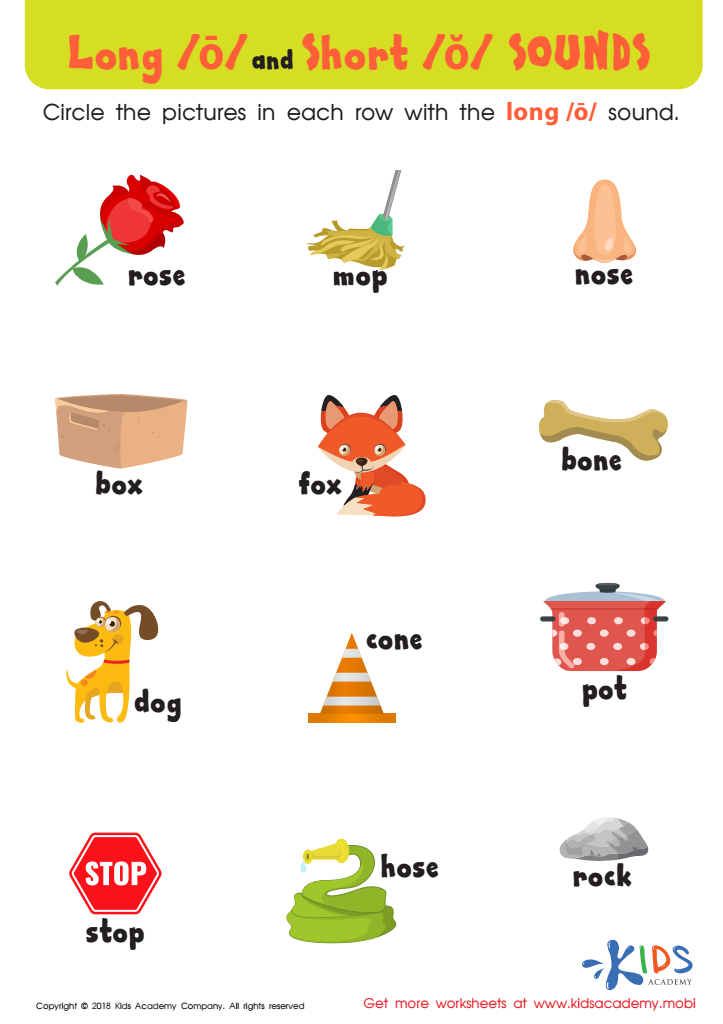
Reading: Long O and Short O Sounds Worksheet
 Assign to My Students
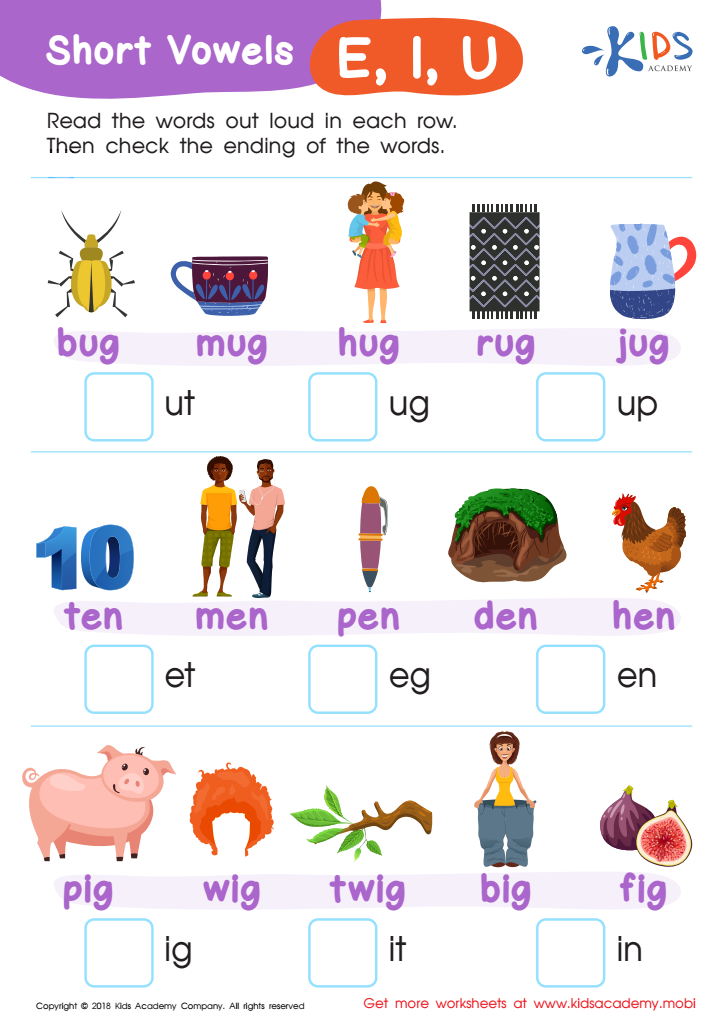
Short Vowels /e/, /i/, and /u/ Worksheet
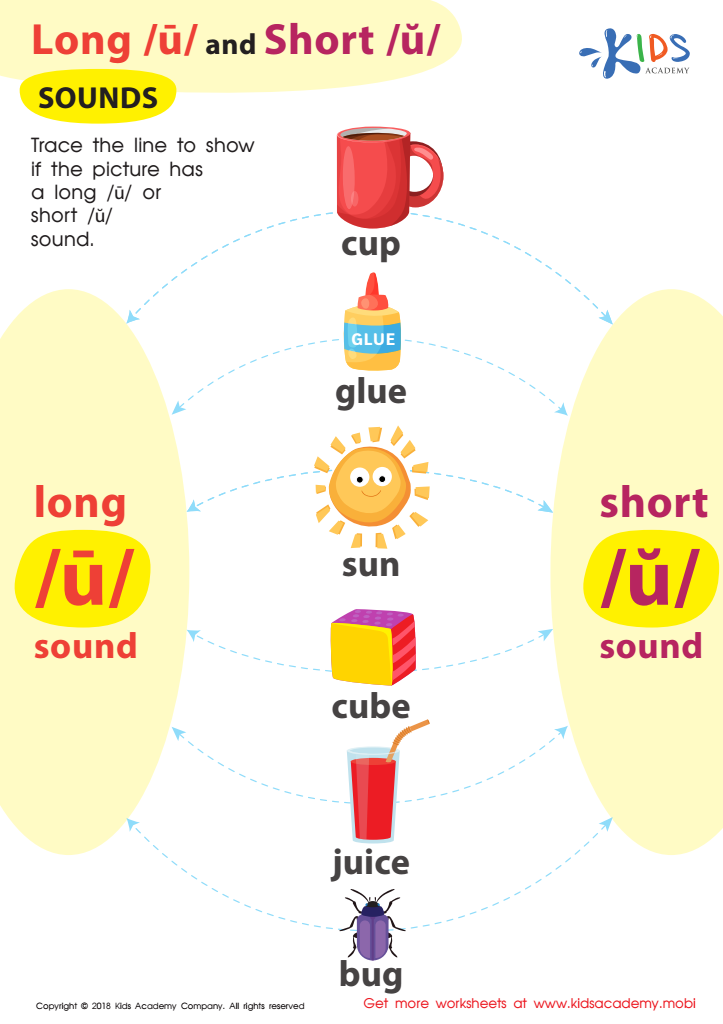
Reading: Long U and Short U Sounds Worksheet
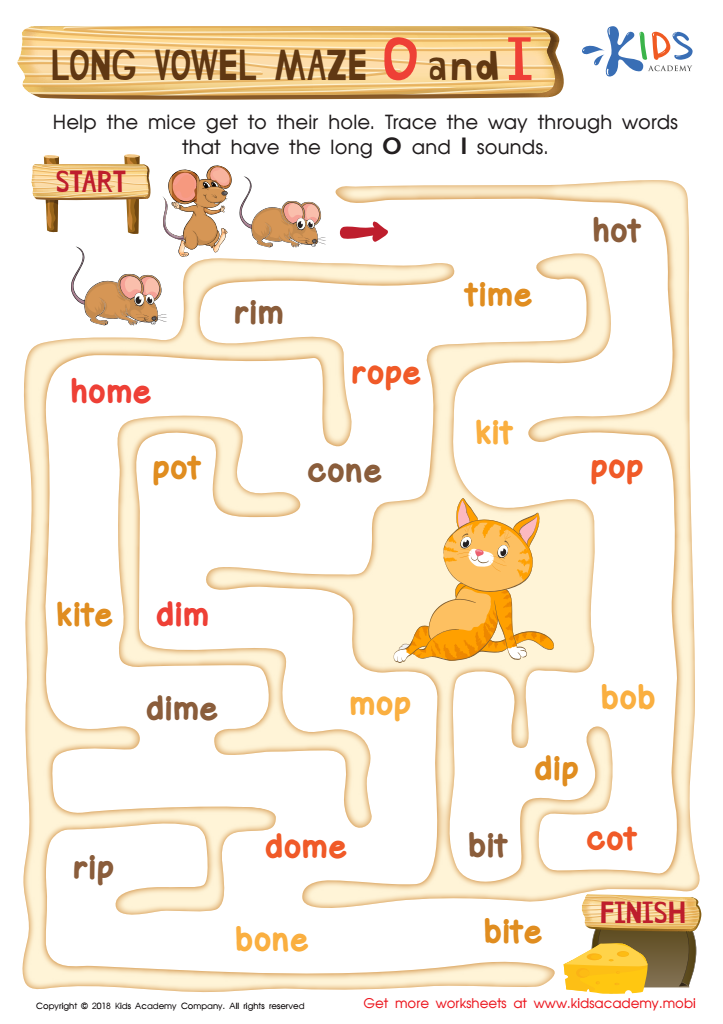
Long Vowel Maze /o/ and /i/ Worksheet
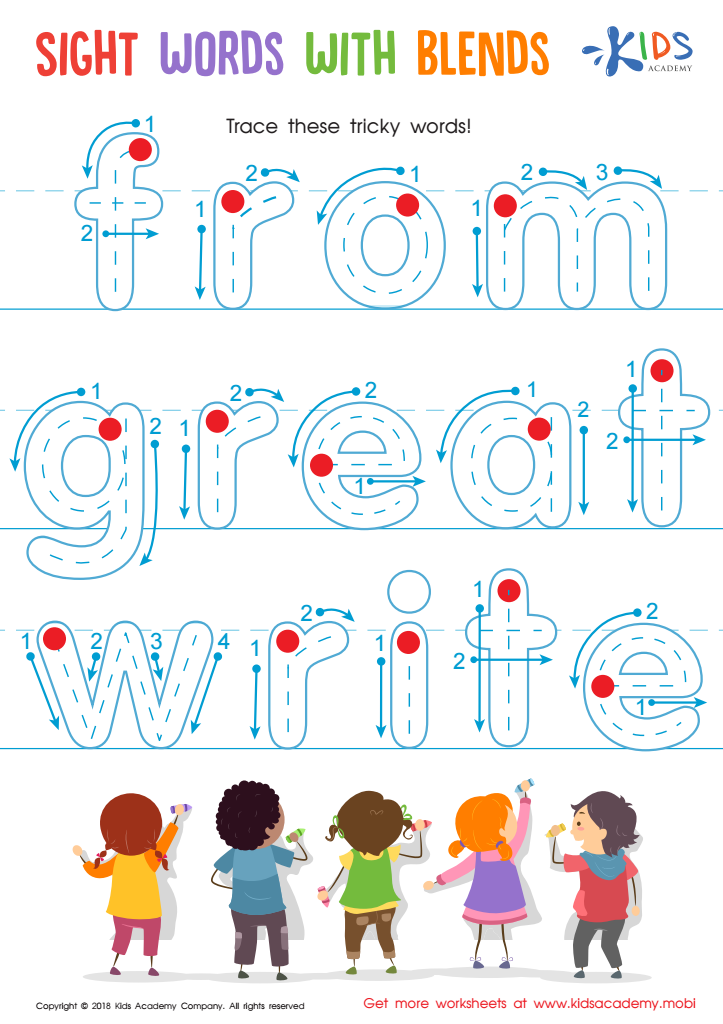
Sight Words with Blends Worksheet
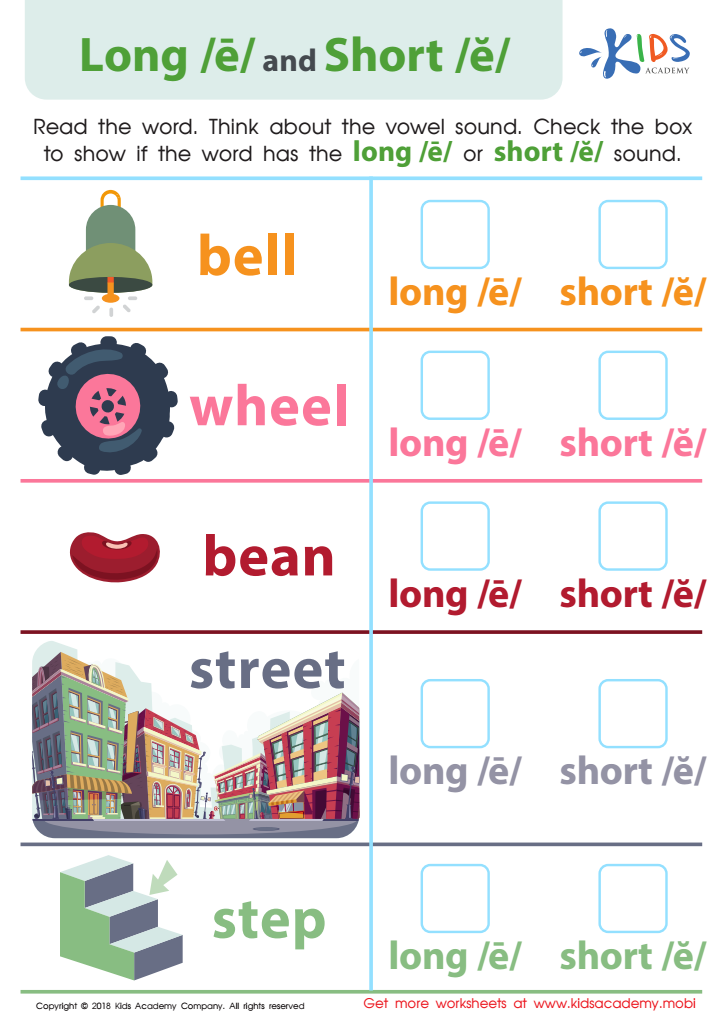
Reading: Long E and Short E Worksheet
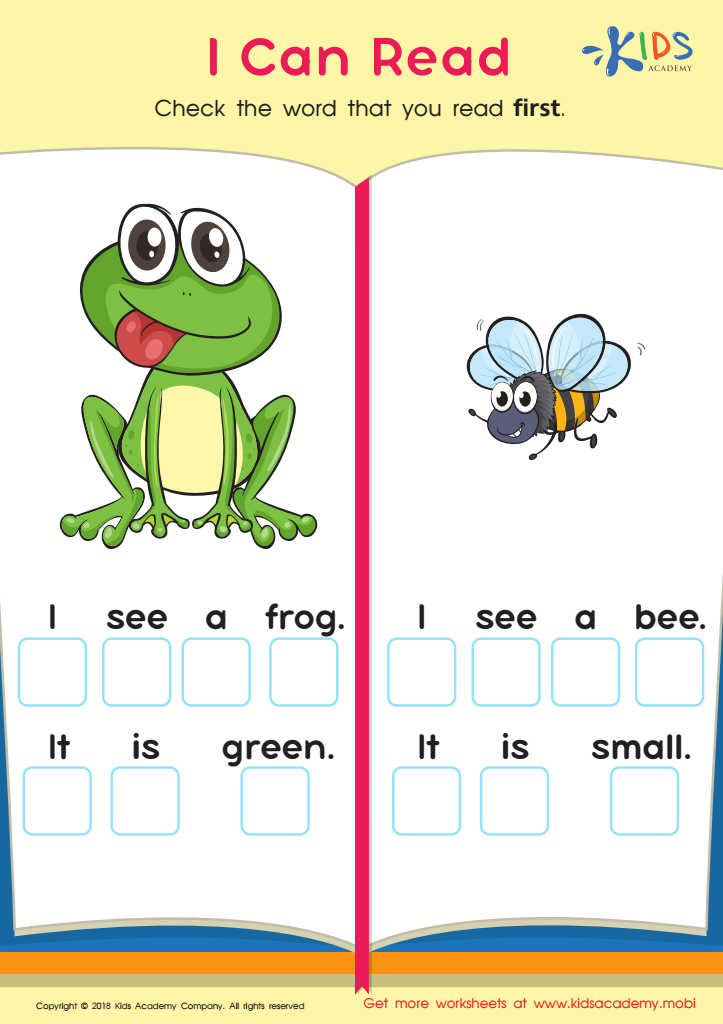
I Can Read Worksheet
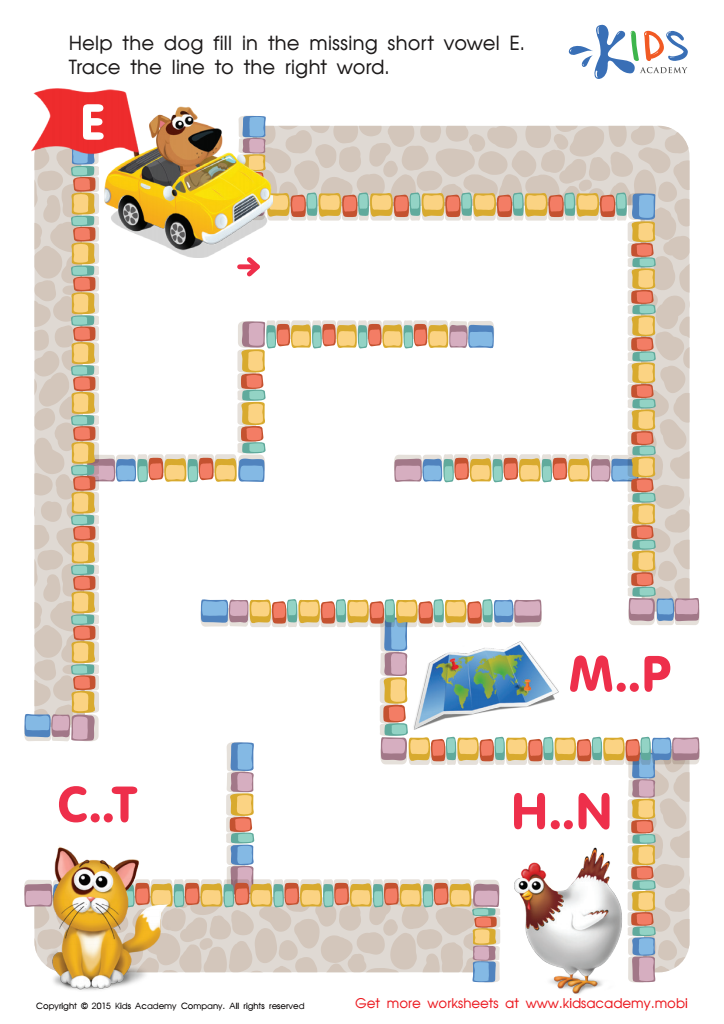
Short Vowel Sound E Worksheet
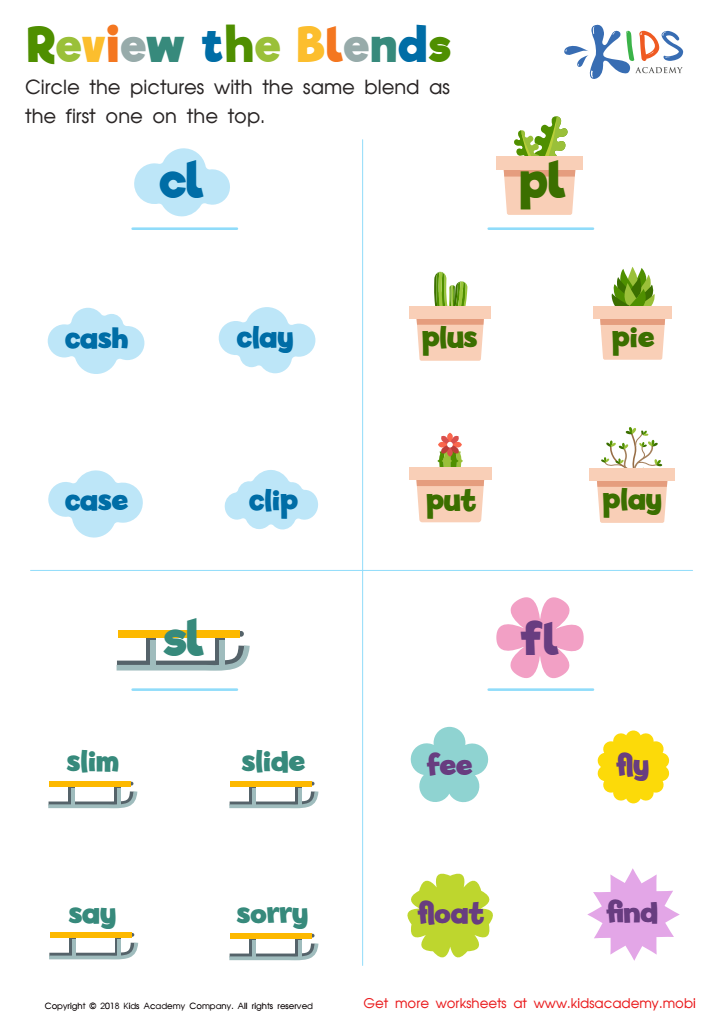
Review the Blends Worksheet
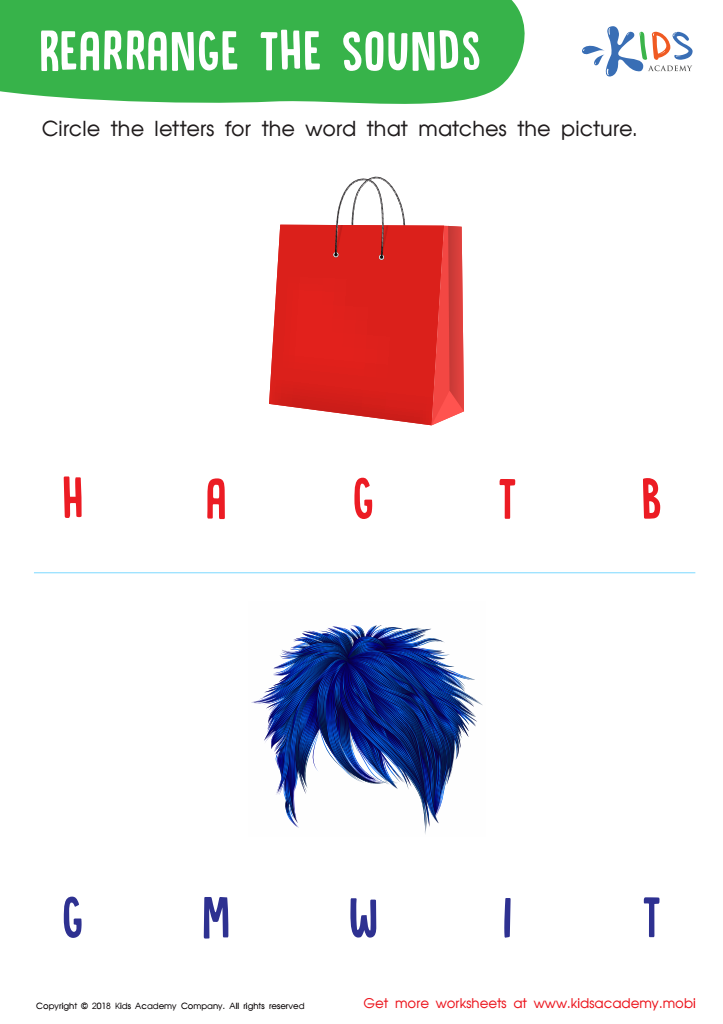
Rearrange the Sounds Worksheet








Reading comprehension and letter recognition are foundational skills essential for children's academic and personal development, particularly between the ages of 5-7. During this formative period, children transition from recognizing letters to understanding words and sentences, laying the groundwork for all future learning.
Letter recognition is crucial as it is the building block of literacy. Recognizing letters and understanding their corresponding sounds enable children to decode words, an essential step in reading. Without a strong grasp of letter recognition, children may struggle to progress academically, leading to frustration and decreased confidence in their abilities.
Reading comprehension, on the other hand, goes beyond merely decoding words; it involves understanding, interpreting, and deriving meaning from text. This skill is vital for success in all subjects, including math and science, as it underpins the ability to follow instructions, solve problems, and engage with content critically. Good reading comprehension fosters curiosity and a love of learning, promoting lifelong learning habits.
Moreover, early proficiency in these areas contributes to better academic performance, enhanced self-esteem, and improved communication skills. Parents and teachers play a critical role in nurturing these skills by providing engaging, developmentally appropriate reading materials and activities, thus setting the stage for children’s future educational success.







