Alphabet Recognition Tracing Letters Worksheets for Ages 5-7 - Page 2
28 filtered results
-
From - To
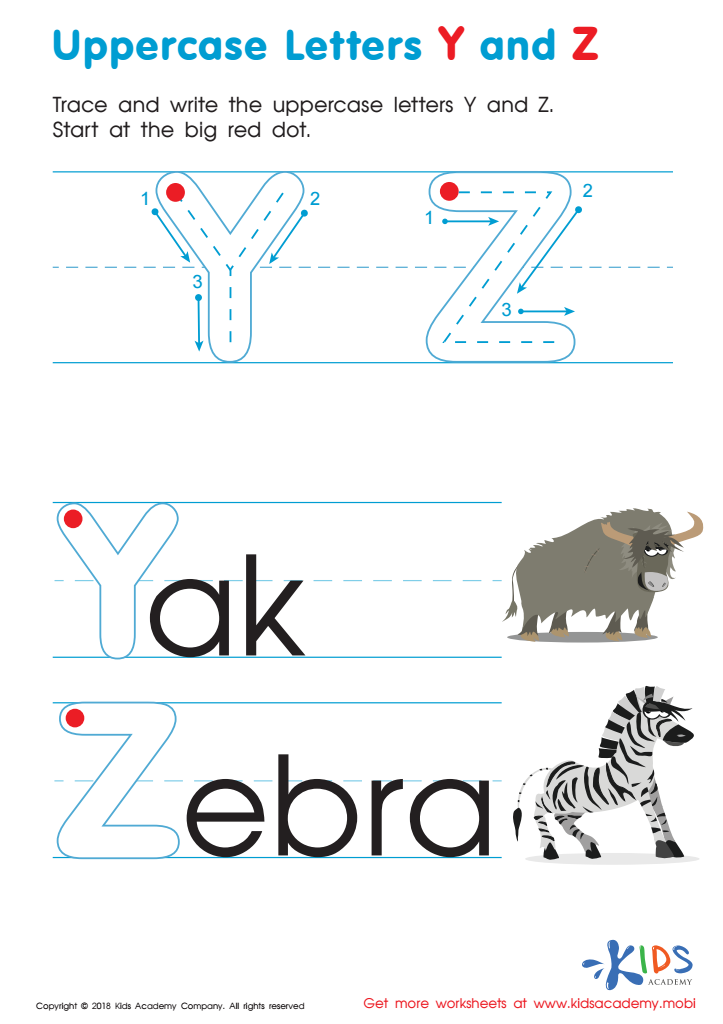
Uppercase Letters Y Z Worksheet
 Assign to My Students
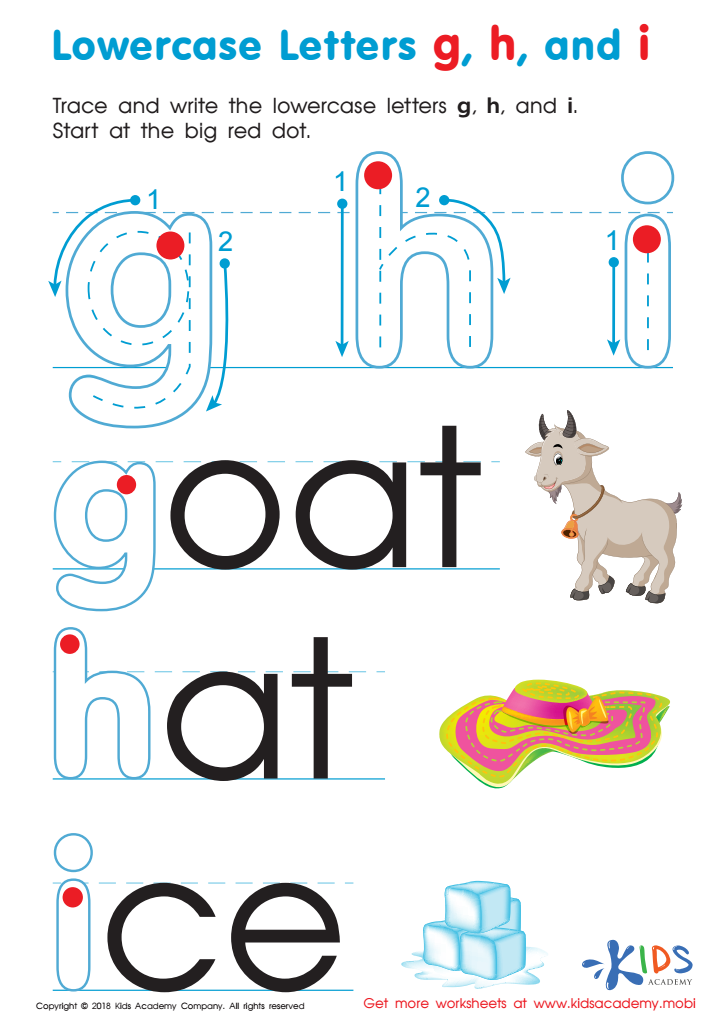
Lowercase Letters g h i Worksheet
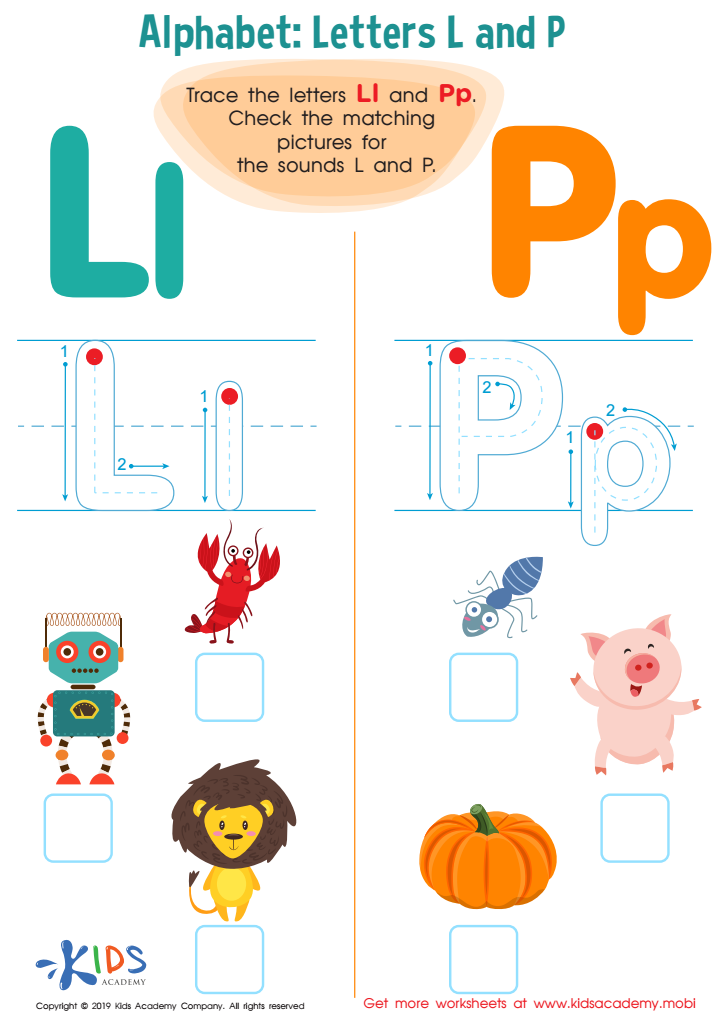
Letter L and P Tracing Worksheet
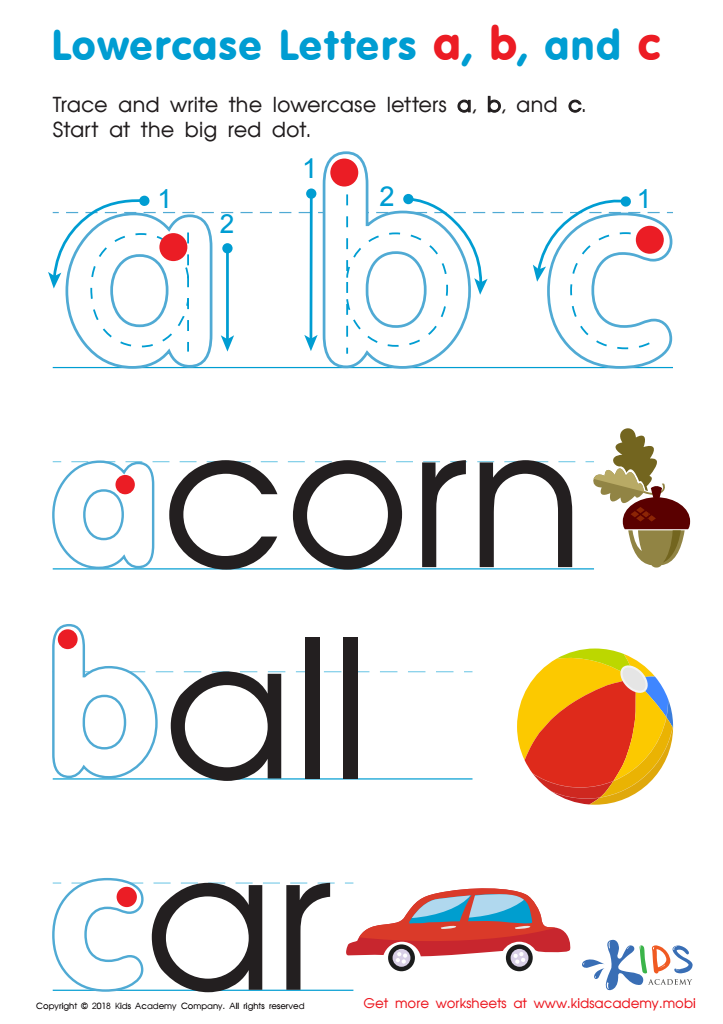
Lowercase Letters a b c Worksheet








Alphabet recognition and letter tracing are vital skills for children aged 5 to 7, serving as foundational blocks for literacy development. Firstly, mastering the alphabet enhances a child’s ability to read and write, which are crucial skills for academic success and lifelong learning. By recognizing letters, children can begin to connect sounds to their corresponding letters, facilitating the development of phonemic awareness essential for decoding words.
Additionally, letter tracing reinforces fine motor skills. As children trace, they improve their hand-eye coordination and dexterity, which are critical for tasks like handwriting and other fine motor activities. This practice also boosts confidence, as children see tangible progress in their writing skills.
Furthermore, engaging in letter recognition and tracing activities can foster a positive attitude towards learning. When parents and teachers create a supportive and fun learning environment, it motivates children to explore language further and nurtures their curiosity.
Incorporating alphabet recognition through games, songs, and hands-on activities encourages active participation, making learning enjoyable. Overall, caring about these foundational skills equips children with the tools they need for academic achievement and instills a love for reading, setting the stage for lifelong literacy.








