Alphabet Knowledge Worksheets for Ages 5-7
3 filtered results
-
From - To
Unlock your child's literacy potential with our Alphabet Knowledge Worksheets tailored for ages 5-7. These engaging, printable worksheets are designed to help young learners recognize, write, and pronounce each letter effortlessly. Fun activities, such as coloring, matching, and tracing, support letter-sound correspondence and early reading skills. Perfect for home or classroom use, our worksheets make learning the alphabet an enjoyable adventure. Dive into a world of letters and boost your child's confidence in reading and writing. Start your journey with Kids Academy today and watch them master the alphabet with enthusiasm!
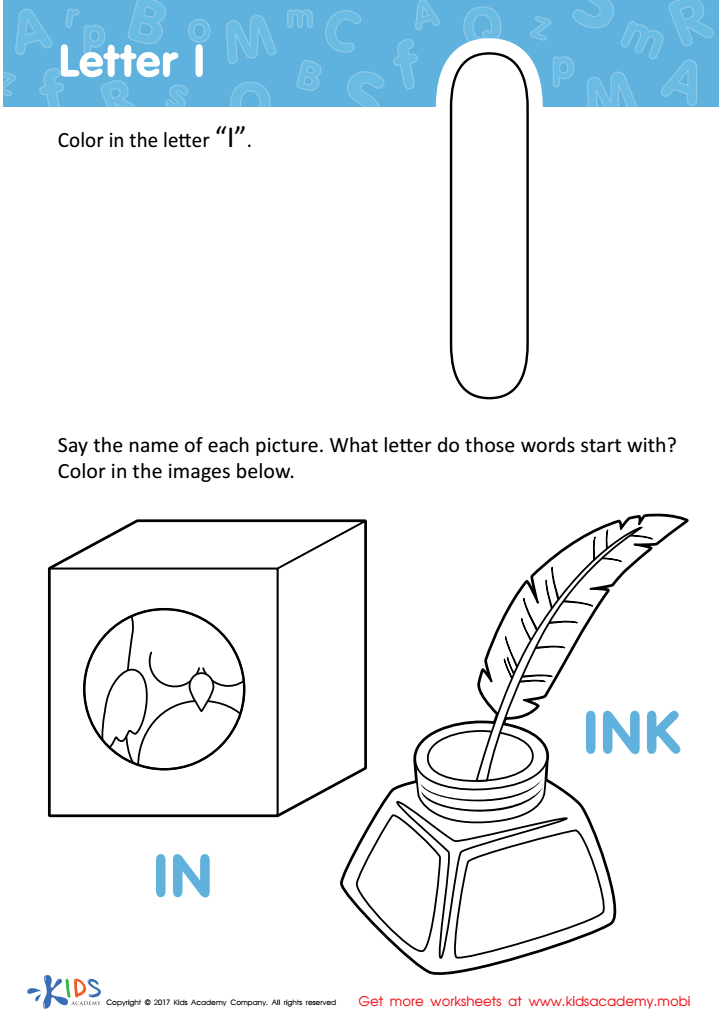
Letter I Coloring Sheet
 Assign to My Students
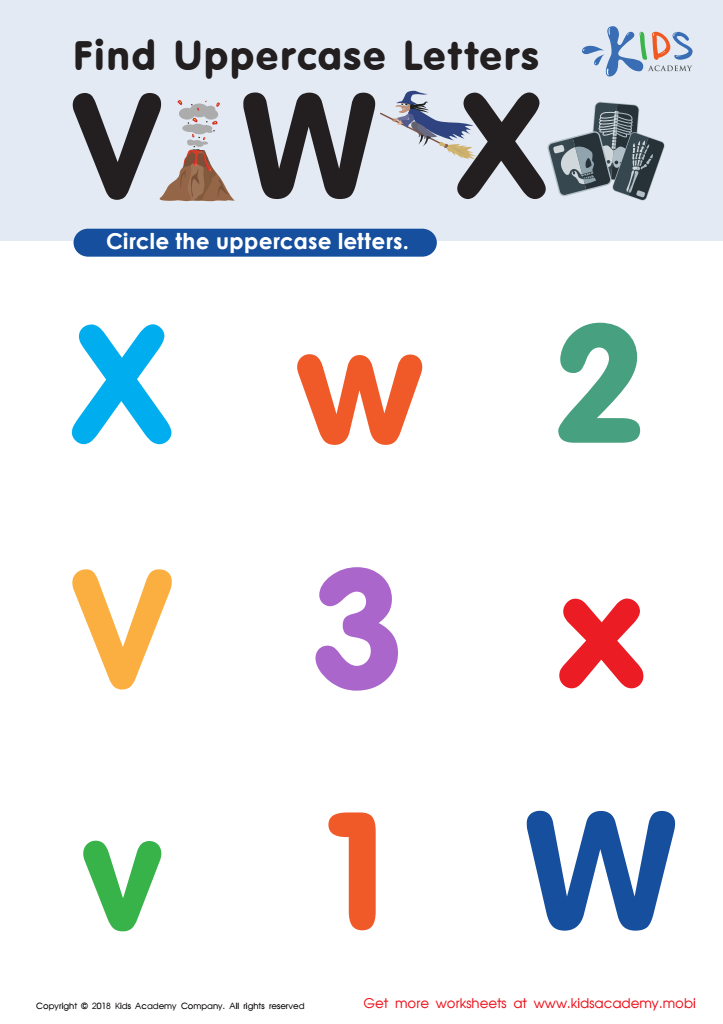
Find Uppercase Letters V, W, X Worksheet
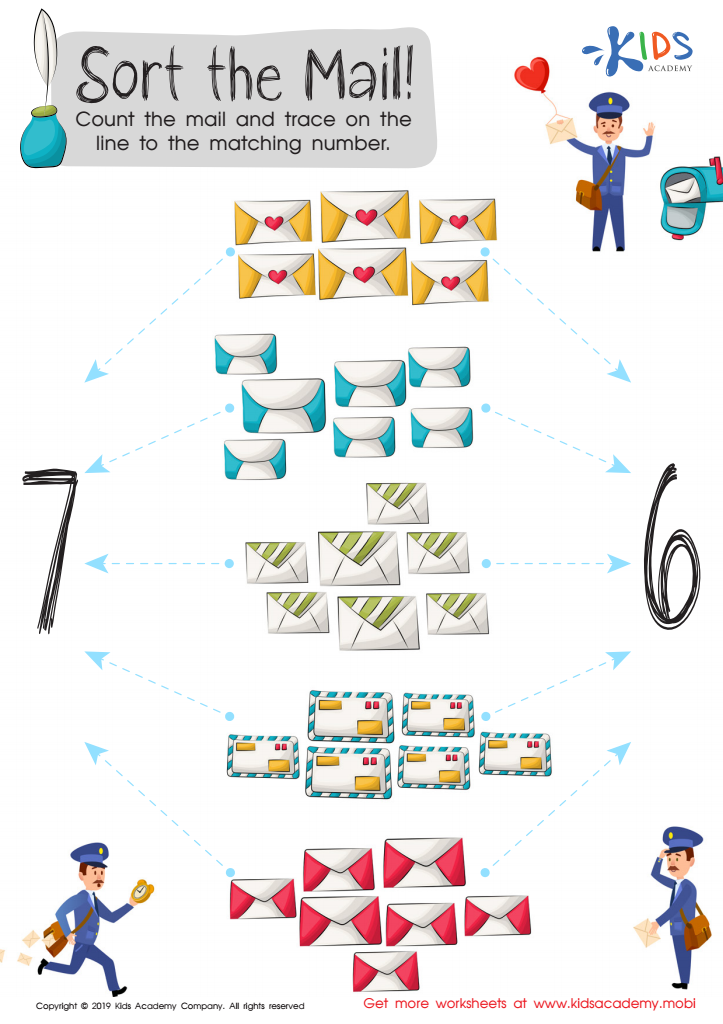
Sort the Mail Worksheet








Alphabet knowledge forms the cornerstone of early literacy and is essential for children aged 5-7. This stage marks a significant transition where young minds begin to recognize letters as symbols that represent sounds and words. When parents and teachers prioritize alphabet knowledge, they lay a strong foundation for reading and writing skills.
Understanding the alphabet enables children to decode words, enhancing their reading fluency and comprehension. This skill is fundamental for academic success across all subjects. Additionally, strong alphabet knowledge helps in the development of phonemic awareness, the ability to recognize and manipulate individual sounds in spoken words. This is crucial for spelling and decoding new words, thus broadening their vocabulary and overall language skills.
In a classroom setting, kids with robust alphabet knowledge can engage more meaningfully with learning activities. They exhibit greater confidence, fostering a positive attitude toward education. Early grasp of the alphabet also makes advanced literacy skills more accessible, minimizing future struggles with academic demands.
Moreover, early success in literacy can boost self-esteem and cultivate a lifelong love for reading. For these reasons, parents and teachers should prioritize teaching alphabet knowledge to children aged 5-7, setting them on a path of academic and personal growth.








