







Parents and teachers should prioritize basic math skills for ages 5-7 because these foundational abilities set the stage for lifelong learning and critical thinking. At this age, children are naturally inquisitive and eager to explore concepts that will enhance their cognitive development. Basic math skills help cultivate problem-solving abilities, strengthen logic, and foster analytical thinking—essential tools for navigating daily life and future academic challenges.
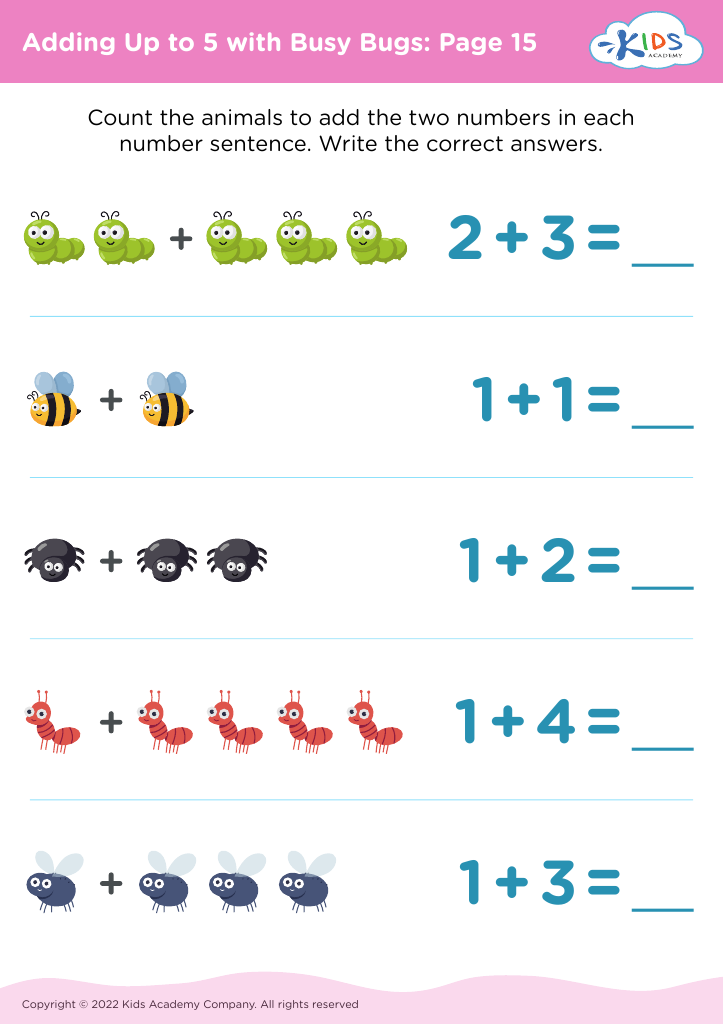
Moreover, math literacy during these formative years is essential as it contributes to a child's confidence and self-esteem. Mastering fundamental concepts like counting, simple addition and subtraction, and number recognition allows children to engage effectively in the classroom and reduces anxiety around mathematics as they advance in their education.
Furthermore, early exposure to math encourages a positive attitude towards the subject, promoting a willingness to explore more complex mathematical concepts in the future. It establishes essential connections with other subjects like science and even art, as math is a universal language that appears everywhere.
Overall, prioritizing basic math skills for young children lays the groundwork for academic success and prepares them to tackle real-world problems with confidence. Investing in their mathematical understanding today benefits not only individual students but society as a whole.








